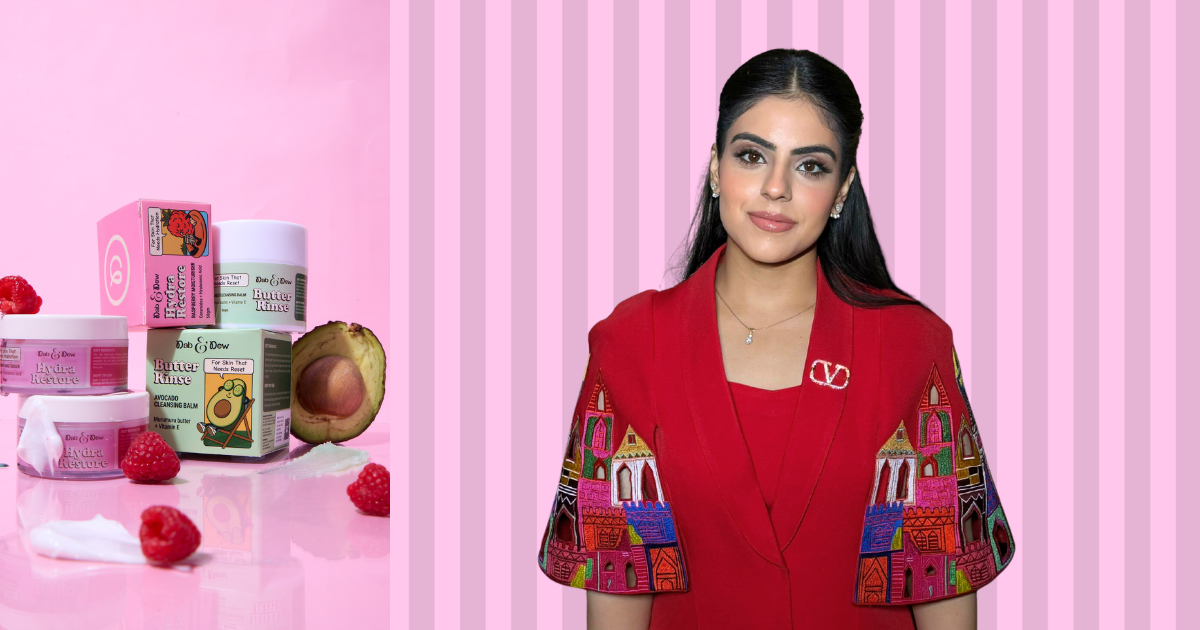
The founder of Dab & Dew did not start with a brand strategy. She started with a cucumber slice and a damaged skin barrier, and the slow realisation that what her skin actually needed was the opposite of everything the market was selling. What emerged from that period of simplicity and frustration is a skincare label built around fruit complexes, multi-layer hydration, barrier health, and a very deliberate refusal to chase trends, fairness claims, or quick fixes. We spoke with her about the philosophy behind the brand, the Japanese emulsifier she imported for one product, and what comes next.
Dab & Dew started from something very personal. What was that moment?
For the longest time, I believed I had extremely sensitive skin, but over time I realised it was actually a damaged skin barrier, most likely from using harsh ingredients or products that simply did not suit my skin.
That phase made me turn to simpler, more comforting rituals. I found myself reaching for fresh fruits at home, rubbing a slice of papaya, mixing berries, or even just placing cucumbers on my eyes. They are rich in antioxidants and vitamins, and while they did not create any dramatic transformation, they also did not irritate my skin. More than anything, they made my skin feel calm and refreshed. That is really what I was searching for: skincare that felt gentle, nourishing, and safe, but also effective. I wanted products that combined the goodness of fruit complexes with gentle actives, backed by high-quality, modern formulation technology. Something that did not force you to choose between being natural and being effective.
What did you feel was genuinely missing from the skincare market when you started?
It was not more products. It was a shift in perspective. A lot of skincare today is built around quick fixes, strong actives, and chasing visible results as fast as possible. But in that process, the importance of the skin barrier often gets overlooked.
I also noticed that consumers were constantly being pushed between two extremes: very expensive premium products, or more affordable options that sometimes compromised on formulation quality. And then there are still outdated beauty standards being reinforced, like the idea that fairer skin is somehow better, which I strongly do not believe in.
What felt missing was skincare that is thoughtful, balanced, and consistent. Focused on long-term skin health rather than instant results. Products that are gentle yet effective, and that do not make skincare feel overwhelming, intimidating, or driven by unrealistic ideals.
Walk us through the formulation philosophy at the heart of Dab & Dew.
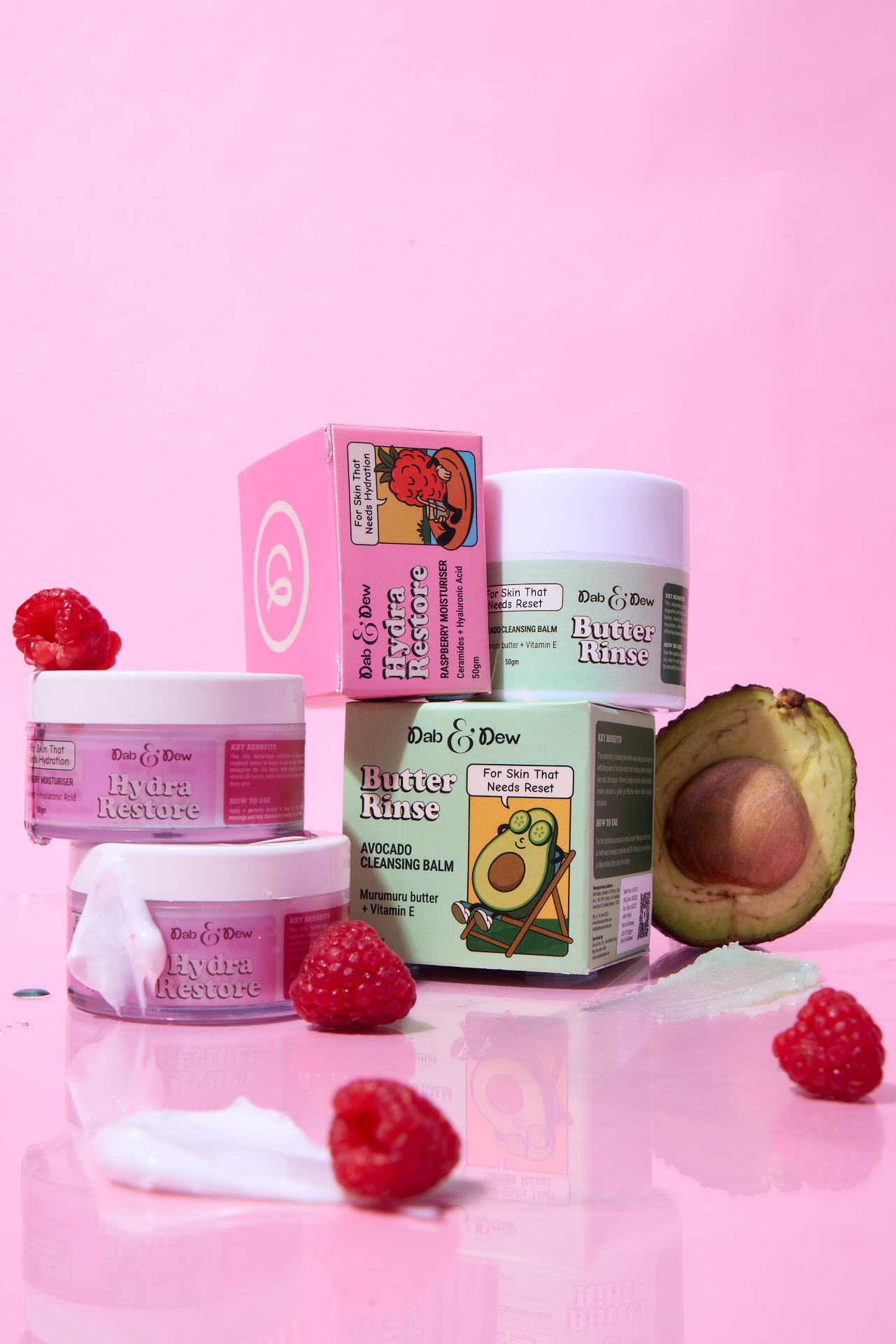
At the heart of Dab & Dew is our fruit complex, built using ingredients like raspberry, sea buckthorn, kakadu plum, and more, all naturally rich in vitamins and antioxidants. These ingredients bring that sense of freshness and nourishment, but formulation is really about what you pair them with and how they work together.
For me, it was important that these fruit extracts are not just there for appeal, but are supported by modern, high-performance actives. We combine them with deeply hydrating ingredients like Pentavitin, hyaluronic acid, and multi-molecular humectants like sodium PCA and glycerin.
The idea is to go beyond surface-level hydration. These ingredients are chosen to not just sit on top of the skin, but to actually penetrate and work across multiple layers, helping to hydrate deeply and, more importantly, retain moisture over time. That is really what multi-layer hydration means to us: not instant, temporary softness, but long-lasting comfort and healthier-looking skin. And while this approach does not always allow for the highest margins, it is something we have been very intentional about.
What does building for Indian skin and the Indian climate actually mean in practice?
It means understanding that our skin is constantly exposed to heat, humidity, pollution, and sudden weather changes. In practice, this means creating formulas that are lightweight, deeply hydrating, and refreshing, so they do not feel heavy or greasy, but still support the skin barrier. It also means being mindful of sensitivity caused by over-exfoliation or layering too many products.
Very heavy, multi-step routines can sometimes do more harm than good in our conditions. With daily exposure to dust and pollution, excessive layering can trap impurities and lead to clogged pores. Indian skin also commonly deals with tanning, pigmentation, dullness, and sensitivity, often triggered by environmental stress. That is why we focus on antioxidant and vitamin-rich fruits, paired with gentle, modern actives. For us, it is about balance: keeping skincare effective, but also simple and adaptable to our everyday environment.
Tell us about a product you are particularly proud of and why.
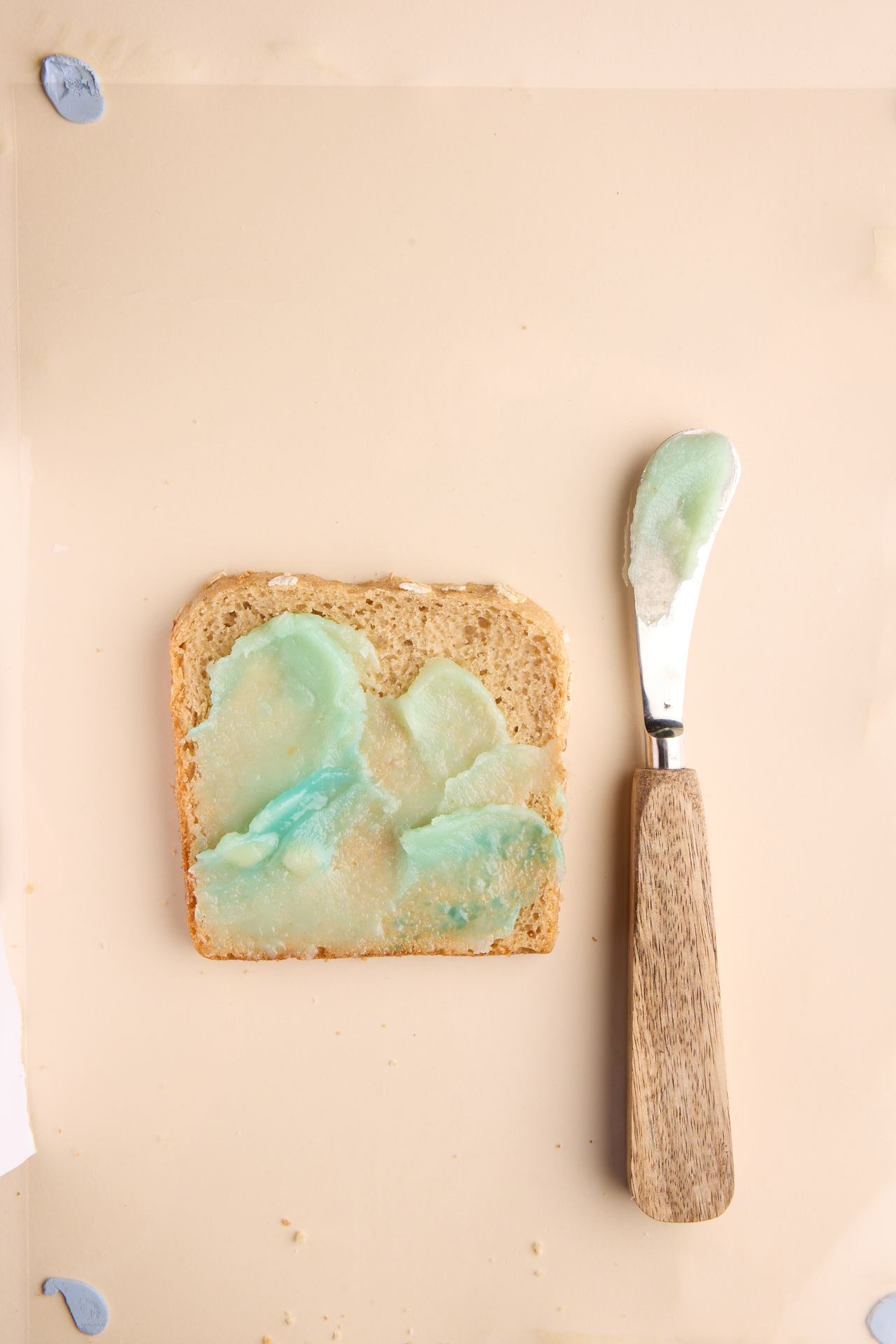
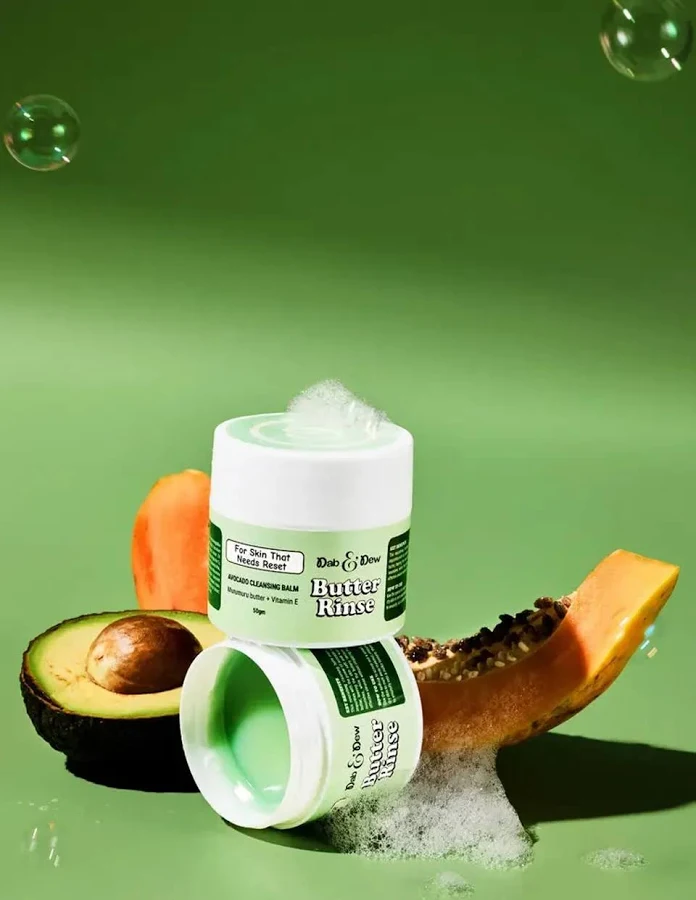
The Butter Rinse Avocado Cleansing Balm. What makes it stand out is that we delivered on a very clear but challenging idea: replacing two essential steps in a routine, an oil cleanser and a face wash, with a single product, essentially eliminating the need for double cleansing.
At the time, most cleansing balms did not lather, which often left users feeling like their skin was not fully cleansed. We saw an opportunity to change that. I worked closely on developing a formula that melts away makeup, SPF, and impurities, including waterproof mascara, while also forming a milky lather and rinsing completely clean.
Getting this right took a lot of iteration. One of the biggest challenges was finding the right emulsifier that could balance effective cleansing with a satisfying rinse. We ended up importing a specific emulsifier from Japan because it was not available in India. It increased complexity and cost, but it was essential to achieving the performance we wanted. We also chose to avoid cheaper soap-based formulations and used high-quality ingredients like murumuru butter, shea butter, avocado, and vitamin E instead. What truly validated it was seeing customers consistently repurchase it month after month.
Choosing restraint over trending ingredients in a trend-driven category must come at a cost. What has it cost you, and what has it given you?
It has definitely come at a cost. We have had moments where we could have leaned into trending actives or viral ingredients for quicker traction, but we chose not to, and that sometimes means slower visibility or fewer impulse-driven sales. It also makes education harder. When you are not relying on buzzwords, you have to put in more effort to explain your formulations and why they work, and that takes time.
But what it has given us is far more valuable: clarity and trust. Our focus has always been on barrier health and consistent, gentle formulations that actually work over time. That has allowed us to build products that people come back to, not just try once. In the long run, we are not trying to win attention for a week. We are trying to earn a place in someone’s daily routine.
You made a deliberate decision not to chase fairness claims. How did you draw that line?
For me, it was not even a question. Skin fairness has always been positioned as something to aspire to, and I do not think skincare should be built on making people feel like they need to change their natural skin tone.
With Dab & Dew, the intention was always to shift the conversation from fairness to skin health. Things like barrier strength, hydration, and overall skin resilience are what actually make skin look and feel its best. Drawing that line was not a bold marketing decision. It was just an honest one. We would rather stand for healthier skin than sell an unrealistic ideal.
If Dab & Dew were a fruit, which one would it be?
Kakadu plum. Not just because it sounds cool, but because it is incredibly rich in vitamin C and antioxidants, and what I love about it is that it works quietly: it protects, strengthens, and supports the skin over time rather than chasing instant results. That really reflects what Dab & Dew stands for. We are not about being harsh or aggressive, but about creating formulas that are gentle, effective, and consistent. There is also something very balanced about it: it is potent, yet when formulated right, it can be incredibly skin-friendly. And that is exactly how we approach our products, combining powerful ingredients with thoughtful formulation so they actually work for your skin, not against it.

What is the most important thing this journey has taught you?
That both nature and skin respond best to consistency, not excess. You do not need to overwhelm either for them to thrive. You just need to support them in the right way, over time.
It has also made me realise that feeling good in your skin is not about chasing perfection. It is about feeling balanced and at ease with yourself. Skincare cannot change who you are, but it can change how you feel in your own skin, and that shift is powerful.
A big part of this journey has been wanting people to feel comfortable in their skin in every tone and every phase: never feeling like darker skin or any imperfection is something to fix. At its core, skincare and beauty should feel kind and enjoyable. It should make you feel more like yourself. In a way, the art is not in doing more. It is in knowing what to leave out.
What is coming next from Dab & Dew?
Our Matcha Cherry Lip Balm, and it is honestly one of our most awaited launches. We always wanted to introduce it in our very first drop, but it got delayed because we were particular about getting everything right: the formula, the ingredients, even the flavour. It had to feel perfect before it reached people.
It is a really cool combination of antioxidant-rich matcha and juicy cherry, designed to deeply nourish while also helping with lip pigmentation. It comes with SPF as well, so it is not just about softness but also protection, something we feel is often overlooked when it comes to lip care. It is one of those everyday essentials that quietly does a lot, but still feels fun to use. And that balance of care and experience is exactly why we are so excited about it.
Follow Best List India for the founders, brands, and conversations worth knowing about.