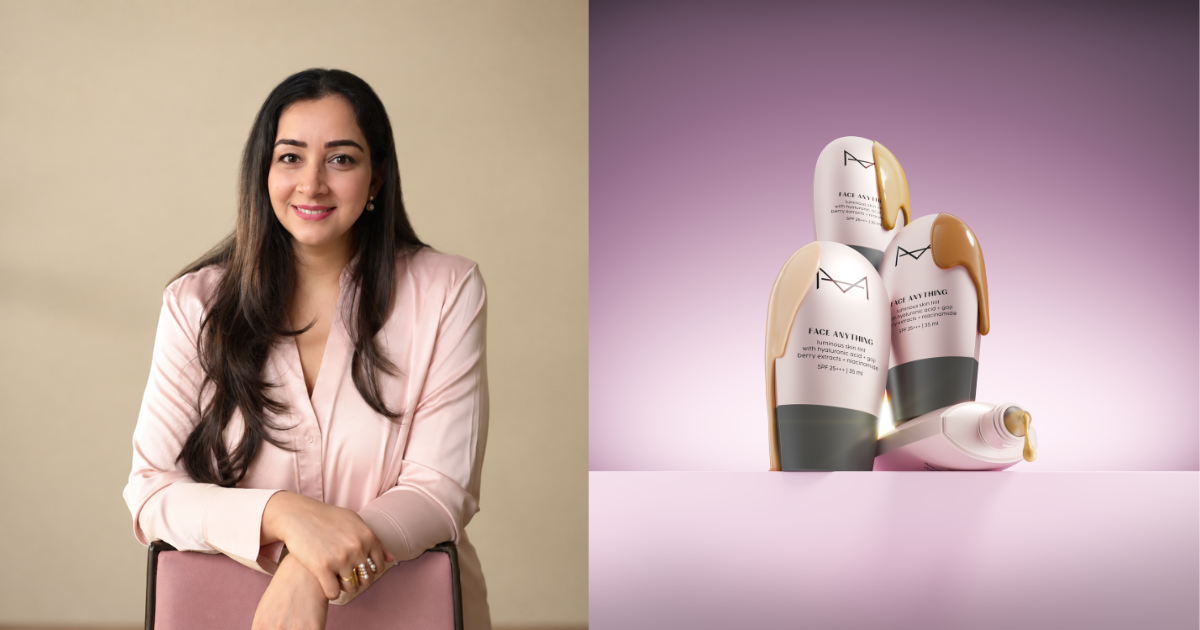
There is a particular kind of founder who leaves the room everyone else is trying to get into. Harlin Sachdeva had already helped FAB BAG pivot into SUGAR Cosmetics, moved through Unilever and Nykaa, and worked directly alongside Falguni Nayar to launch Nykaa’s private label, an enviable resume by any measure, before walking away to build something of her own. House Of Makeup, founded in 2019, holds every product to stringent EU cosmetic standards that nothing in India requires, keeps every SKU under ₹799, and has grown to over a hundred products without, Sachdeva insists, compromising on either promise. We spoke to her about the cost of standards nobody is forcing you to meet, what she deliberately doesn’t do that she learned at bigger companies, and the one thing that has to survive the brand’s growth intact.
You were part of the early core team that helped FAB BAG pivot into SUGAR Cosmetics, then went on to Unilever and Nykaa before starting your own brand. Most people would call that the perfect resume to stay employed. What made you walk away from it instead?
I think, ironically, those experiences are exactly what shaped my career. I had seen the beauty business from very different sides, from a startup environment to FMCG, marketplaces and private labels. I understood how a product moved from an idea to formulation, pricing, distribution and finally the consumer.
Over time, I also developed a fairly clear view of what I felt was missing in the market and how I would approach certain things differently if I were building the brand myself. There was also a very personal part to it. I had struggled with sensitive, reactive skin, rosacea and dermatitis, while still being someone who genuinely loved makeup. It made me much more conscious of what I was putting on my skin every day and of the gap between performance and skin sensitivity. So starting House Of Makeup came from those two things coming together, what I had learnt professionally and what I was experiencing personally as a consumer. At some point, I felt I had to explore that idea rather than continue wondering what I could build myself.
Nykaa then approached you to help launch the private label, an opportunity you’ve said you couldn’t refuse. What did you learn in that room, working directly with her, that you still carry into how you run House Of Makeup?
What I learnt most was the importance of being able to move between the larger picture and the smallest detail. You could be talking about the future of beauty in India and, in the same conversation, get into a very specific product, pricing or commercial decision. That level of involvement stayed with me. Consumer businesses are ultimately built through a series of very practical decisions, what you make, how you price it, how much inventory you hold, where you sell it and what the consumer experiences at every stage.
I try to bring that into House Of Makeup as well. I’m very clear about the larger direction of the brand, but I also spend time looking at things like why a particular shade isn’t moving, what consumers are saying in reviews or whether a formula needs more work. I think you need both perspectives as a founder. You can’t build a consumer brand purely from a 30,000-foot view.
You chose to formulate every House Of Makeup product against stringent EU cosmetic standards, even though nothing in India requires that standard. What was the actual moment you decided “good enough for the Indian market” wasn’t good enough for you?
It was really a personal decision rather than one particular moment. I kept coming back to a very simple question: if I wasn’t comfortable giving a product to my own family to use every day, why would I sell it to someone else?
My mother was actually the person who introduced me to makeup. I grew up watching her get ready, and beauty was something we shared. Later, when I experienced rosacea and dermatitis myself, ingredient safety became much more than a technical part of product development. When we started House Of Makeup, we deliberately chose to hold ourselves to stringent EU standards even though they weren’t mandatory in India. I didn’t see why the standard should be lower simply because the product was being sold here.
For me, the benchmark was always about what I would be comfortable using myself and recommending to the people closest to me.
Holding yourself to a standard nobody’s forcing you to meet is expensive and slow. What did that decision cost the brand in the early days, and would you make the same call again knowing the price?
It definitely cost us time and money. We’ve had products that took longer to develop because we weren’t happy with the first formulation, and we’ve rejected ingredients and gone through additional rounds of testing when we could technically have launched sooner. That is particularly difficult when you’re a young company. You have limited working capital and a small team, and you’re watching other brands move quickly.
There were definitely times when I thought, commercially, we could have launched something earlier. But I also knew that the standards we established at the beginning would become part of the company’s DNA and shape how the company operated as we grew. So yes, I would make the same decision again. If you are going to build a brand around a particular standard, I think it has to apply when the company is small as much as when it is large.
You launched House Of Makeup as retail-first in 2019, only to have the pandemic hit almost immediately. What did it actually take to rebuild a beauty brand as online-first, from scratch, while everyone around you was also scrambling?
It required us to rethink almost everything we had assumed about how people discover and buy makeup.
We had started as a retail-first business, and beauty traditionally relies quite heavily on being able to touch, try and compare products. Suddenly, consumers were making those decisions through a screen. We realised quite quickly that we couldn’t simply put our existing retail business online. Product photography had to communicate much more. Shade information had to be clearer. Reviews became an important part of the discovery process, and content became a way of educating consumers rather than simply advertising the product.
There was also a lot of trial and error. We were learning at the same time as the entire industry was changing. Ultimately, we had to stop thinking about how we had originally planned to sell makeup and focus instead on how the consumer was now choosing to buy it. That shift ended up making the business much more digitally mature.
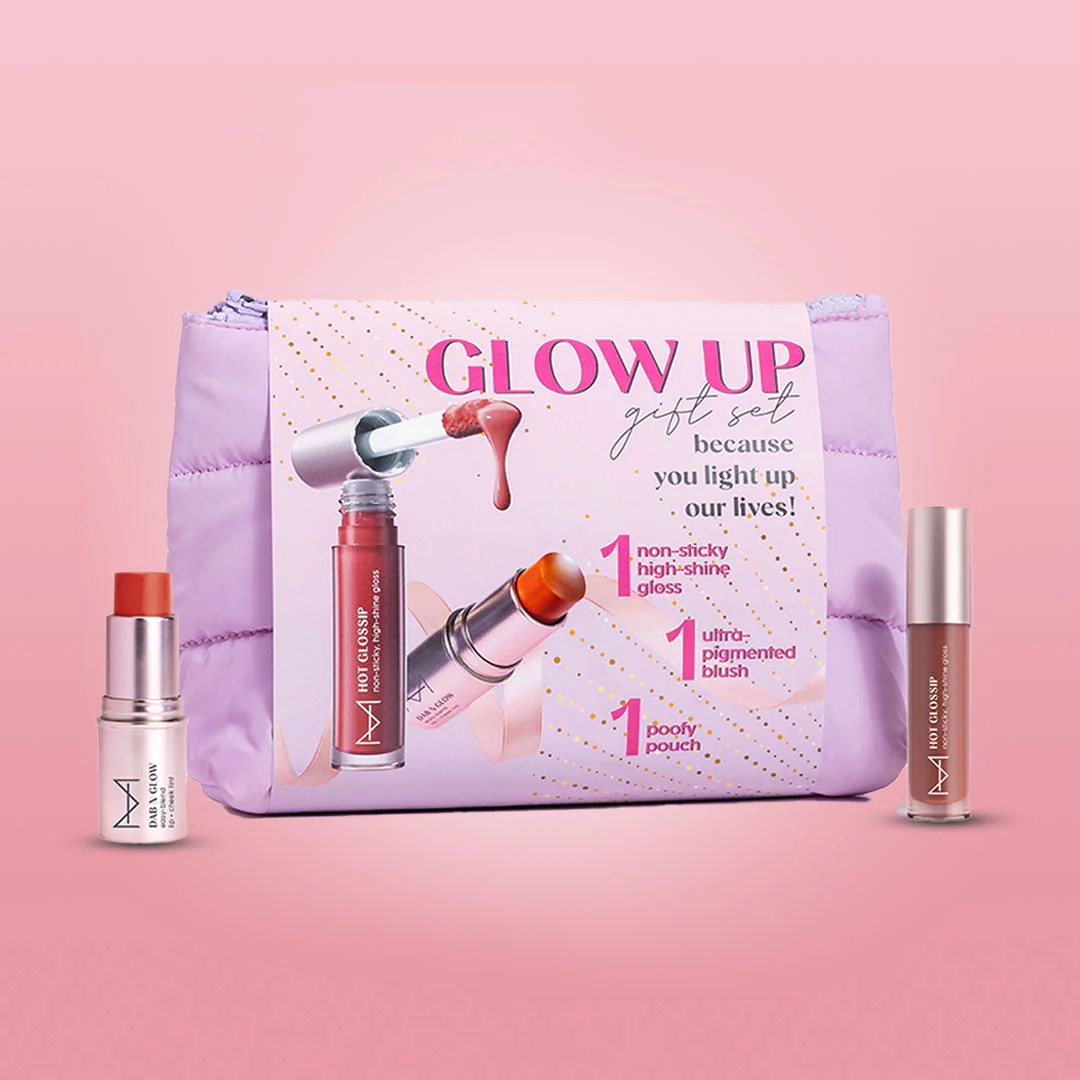
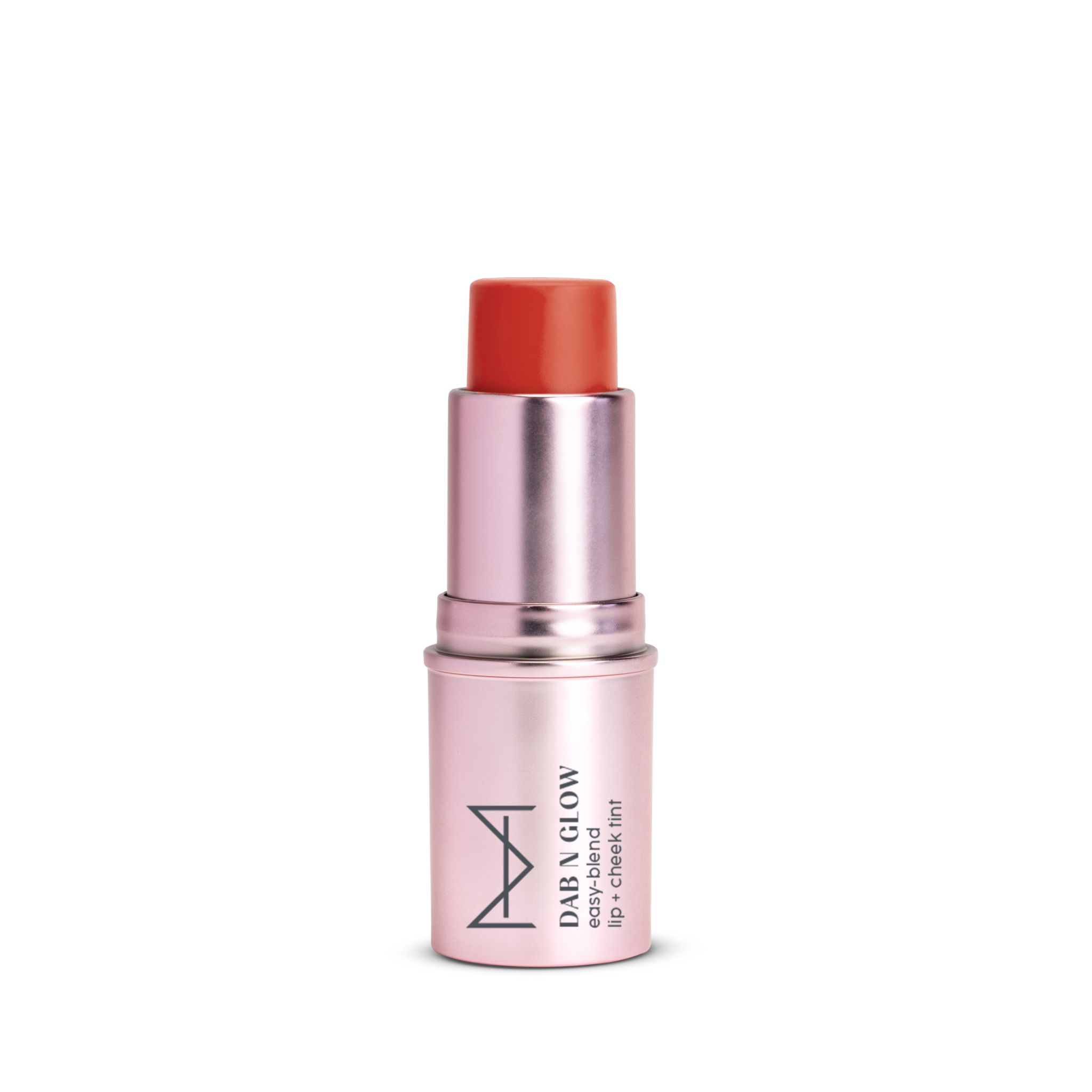
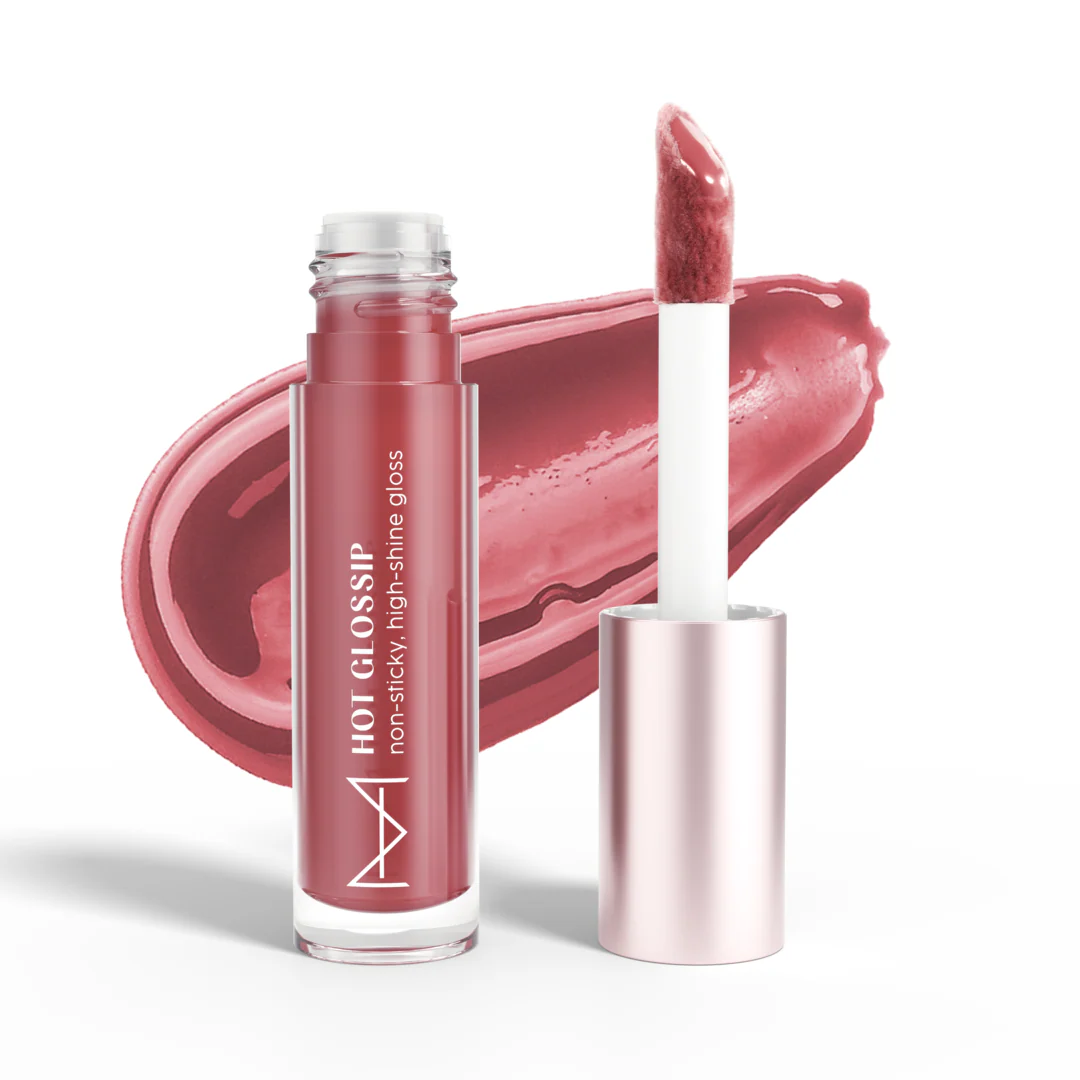
With over 100 SKUs now live and no product priced above ₹799, you’ve built genuine performance at a genuinely accessible price. What’s the hardest trade-off in keeping both of those promises true at once?
The biggest challenge is deciding where to spend and where not to. There are certain things we simply don’t compromise on, formulation, ingredient quality, testing, fill quantity and packaging stability.
Beyond that, we look very carefully at where we can remove unnecessary costs without affecting the product itself. I would much rather invest in the formula than in packaging that is expensive or fancy simply for the sake of looking premium. That is something we think about constantly because accessibility is an important part of the brand. We want the products to perform at a level that consumers might associate with much more expensive international brands, but still be accessible to a much larger Indian audience.
It’s a difficult equation, particularly as you scale to a large number of SKUs, but it is central to how we build the range.
You’ve spent your career watching brands get built from the inside, FAB BAG, Lakmé, Nykaa, before building your own. What’s one thing you saw work brilliantly at one of those companies that you deliberately don’t do at House Of Makeup?
Large beauty companies are very good at identifying large consumer cohorts and building products that can work for a very broad audience. That makes complete sense at their scale. At House Of Makeup, I try to be more specific during product development. I don’t want us to launch something simply because a category is growing or because every other brand has introduced it.
We usually start with a more basic question: what is the consumer problem we are trying to solve, and is there a reason our version should exist? That might be a better texture, a particular shade range, performance on Indian skin or simply a formulation that addresses something consumers have been asking for.
As we grow, maintaining that level of scrutiny becomes harder because there are more commercial considerations, but I think it is important that we retain it.
Clean beauty is now a crowded word in India, with everyone claiming a piece of it. What’s the one thing that actually separates a brand that’s clean by formulation from one that’s clean by marketing?
I think the biggest difference is whether there is substance behind the claim. A list of ingredients a brand chooses not to use doesn’t tell you everything. I want to know what formulation standards the brand follows, why certain ingredients have been excluded, what testing has been done and whether those claims apply to the finished product. I’m also quite conscious of not approaching clean beauty through fear. Natural doesn’t automatically mean better, and synthetic doesn’t automatically mean harmful. There is a lot of misinformation around individual ingredients, particularly on social media. We’re trying to make the conversation more evidence-led. Our Face Anything Skin Tint, for example, has been developed with acne-prone and sensitive skin in mind, and relevant claims are supported through independent third-party testing and certifications. For me, that is a much more meaningful way of talking about clean beauty, being clear about the standards you follow and being able to substantiate what you say.
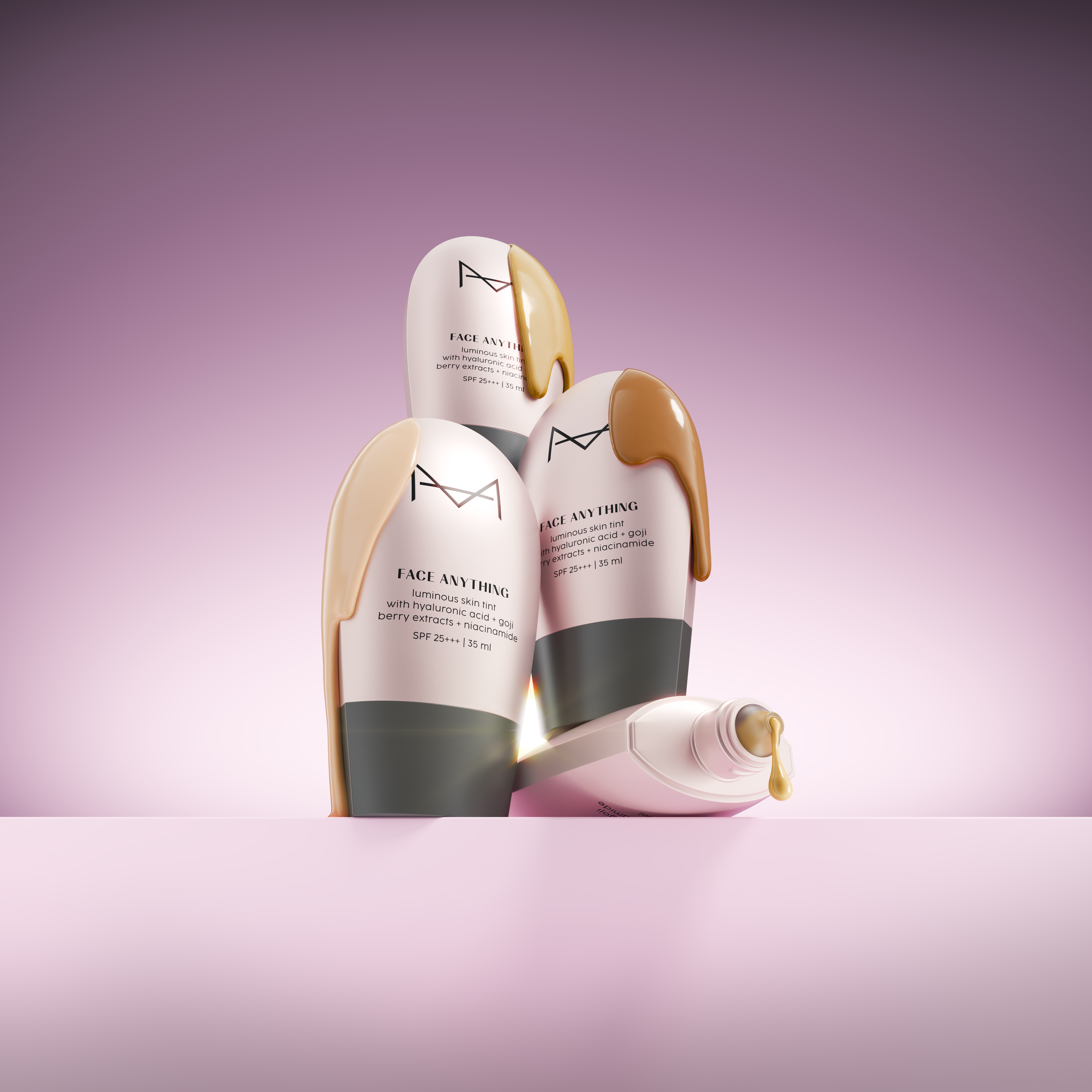
If House Of Makeup were a single product, not your bestseller, but the one that most completely captures what the brand stands for, which one would it be, and why?
I would still choose the Face Anything Skin Tint, because it captures what I was trying to solve when I started House Of Makeup. I wanted complexion makeup that was genuinely enjoyable to use, luminous, buildable and high-performing, but I also wanted someone with sensitive or acne-prone skin to feel comfortable using it. That meant looking at both sides of the product very seriously. The finish and performance had to be right, but so did the formulation, testing and ingredients. I think that balance is very representative of the brand. We don’t position makeup as skincare, but we also don’t think consumers should have to choose between a product performing beautifully and being thoughtful about their skin.
And, importantly, it had to be accessible. That combination of performance, consideration for skin and price is really what House Of Makeup is about.
Your vision is a ₹100+ crore brand, offline expansion, and eventually going global, without compromising clean standards. What does the House Of Makeup you’re building five years from now look like, and what’s the one thing about it that has to stay exactly the same no matter how big it gets?
I would like House Of Makeup to have a much larger product universe, a strong offline presence in India and, eventually, a meaningful presence in international markets. I’d also like us to be recognised as a beauty brand that was built in India but competes comfortably with the best brands globally. I think the opportunity is much larger than ₹100 crore.
What matters most to me, though, is that growth doesn’t change the way we think about the consumer. As the company gets larger, there will naturally be more complexity, larger teams, more distribution, more products and more commercial pressures. I want us to retain the same discipline around formulation and product quality that we have today. No matter how large we grow, our consumers should always feel that there is a lot of thought behind what they are buying. That, more than anything else, is the part I would want to remain unchanged.
Follow Best List India for the culture, conversations, and ideas worth paying attention to.