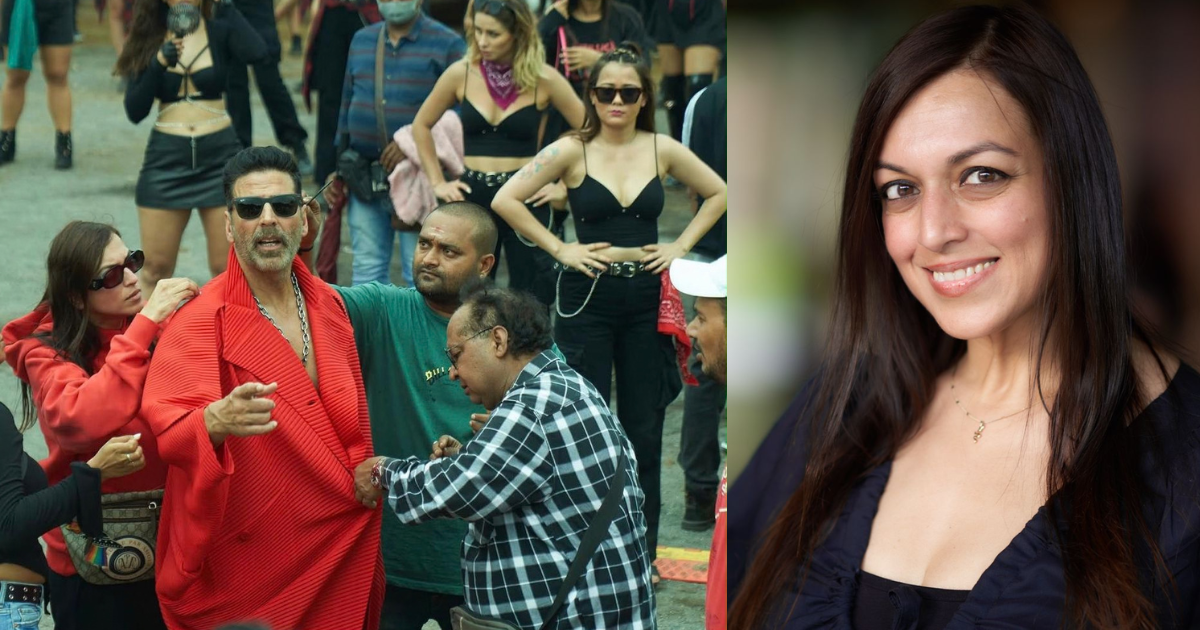
There is a particular illusion that celebrity style perpetuates with considerable success: the idea that the woman who walks off a private jet in the perfect oversized blazer and straight-leg trousers, or the actor who hits a press junket looking like he has not thought about what he is wearing for a single second, arrived at that effortlessness by accident. That the clothes simply fell into place. That the look assembled itself.
It did not.
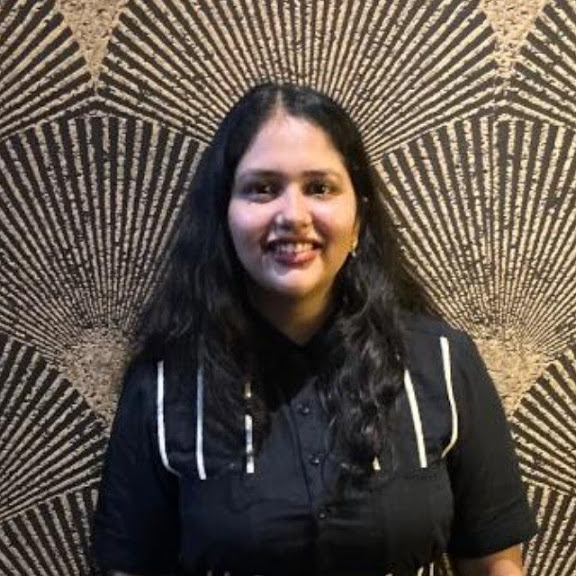
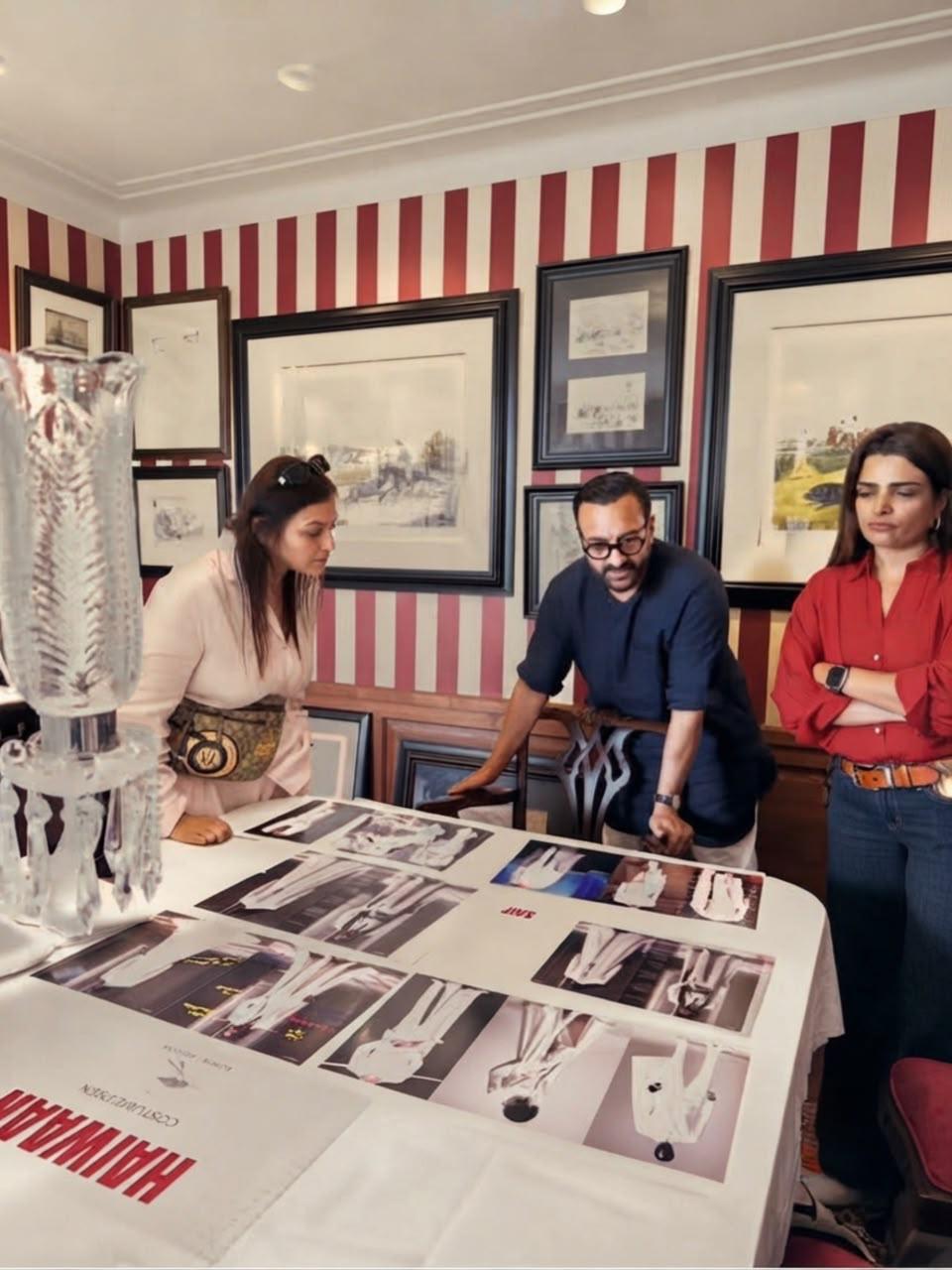
Komal Shahani, the stylist whose client roster includes Akshay Kumar and Saif Ali Khan, currently styled for their much-anticipated film Haiwaan, has spent her career building the architecture behind exactly these moments. The effortlessness is the goal, not the starting point. And the rules that produce it, applied with enough consistency and enough understanding of why they work, are available to anyone willing to pay attention to them.
Here are the five she swears by.
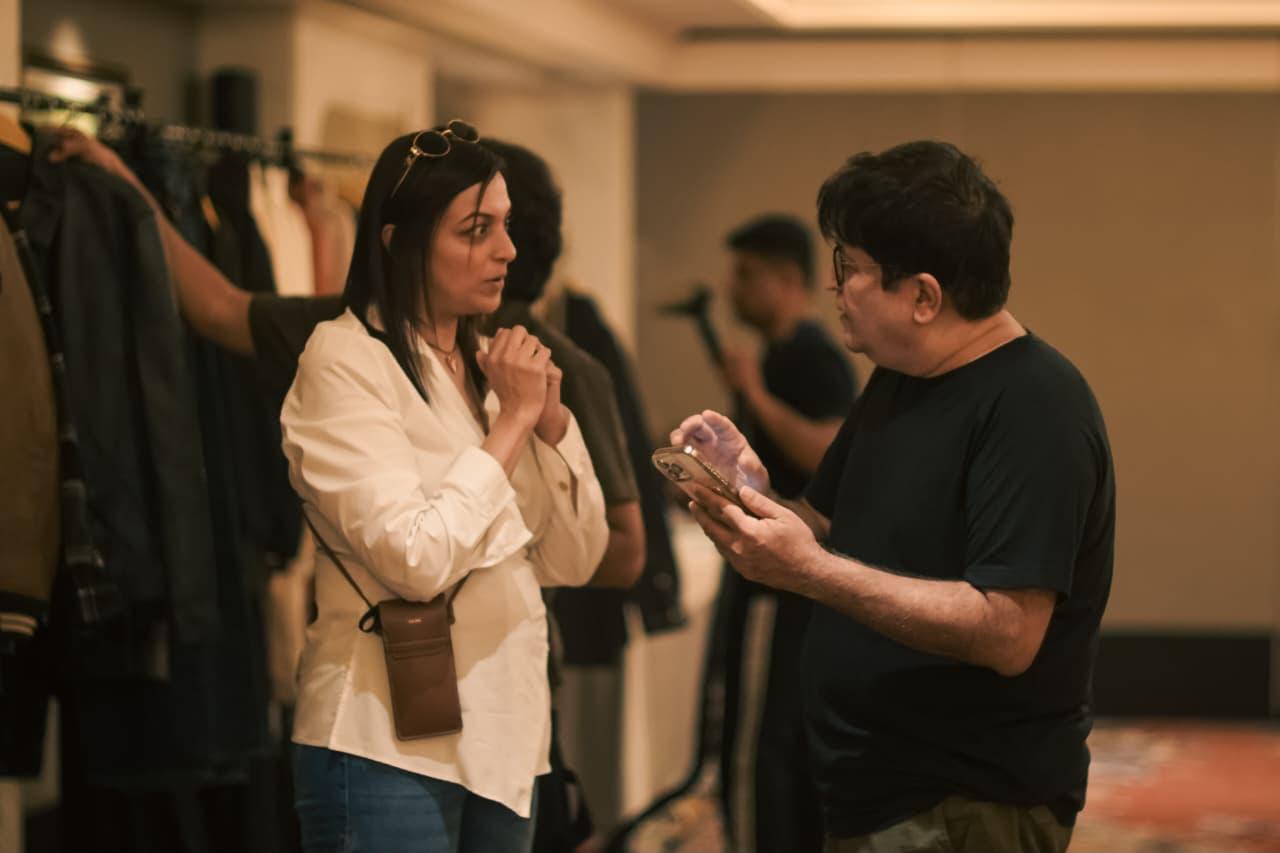
Rule One: Tailoring Over Tags
The most persistent mistake in the way most people dress is the belief that an expensive label will do the work that fit actually does. It will not. A well-fitted off-rack piece will always beat an expensive designer label that does not sit right on your frame, and the difference is immediately visible to everyone in the room, including the camera.
Perfect alterations change more than the silhouette. They change posture. They change how the fabric moves through a step or a gesture. They change the overall presence of the person wearing the garment in a way that no amount of luxury branding can compensate for when the cut is wrong. The trouser that breaks at exactly the right point on the shoe. The shoulder seam that sits precisely where the shoulder ends. The waist that is taken in just enough to suggest rather than constrict. These are the adjustments that separate the dressed from the well-dressed, and they are available at a fraction of the cost of the labels that get all the attention.
Celebrity clients understand this instinctively, because they have sat through enough fittings to know that the label inside the collar is invisible once the garment is on the body, while the fit is the only thing anyone actually sees.
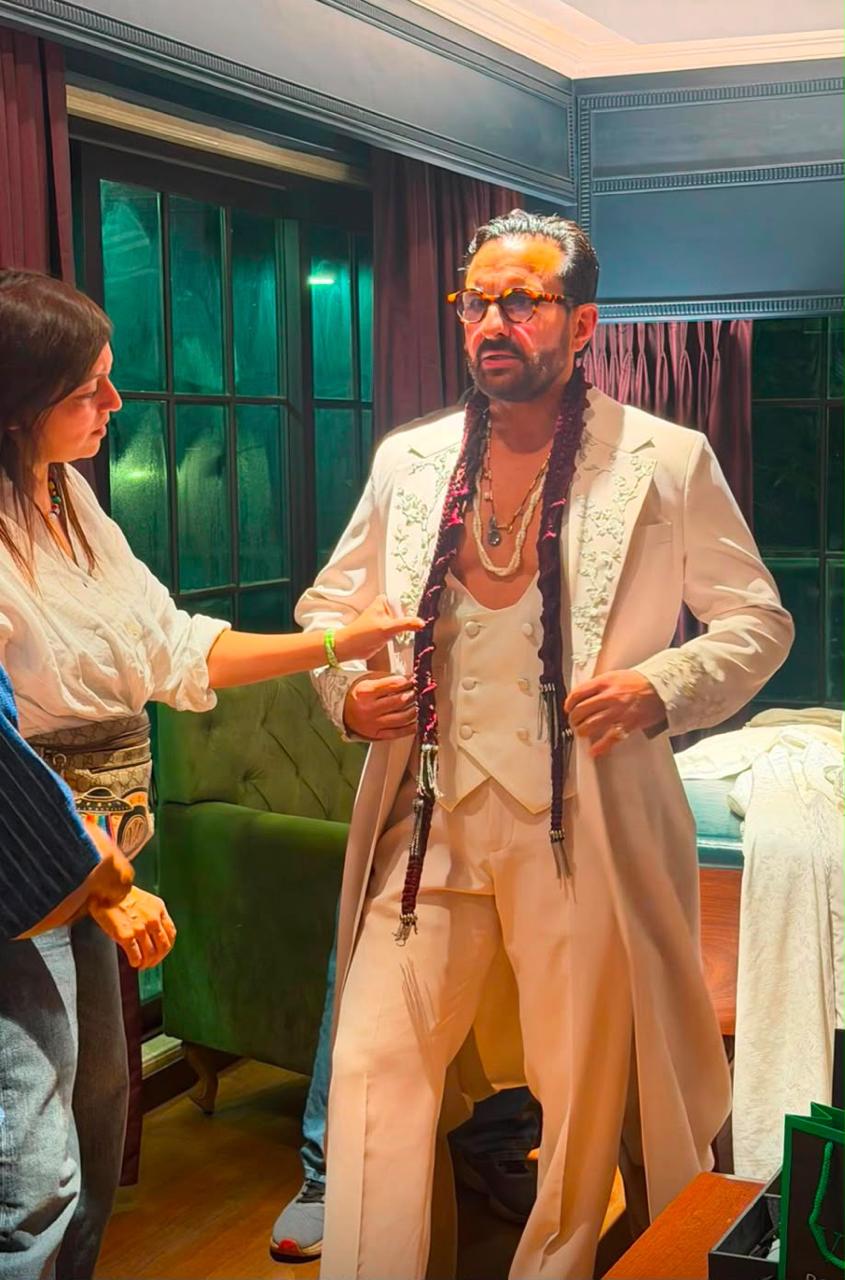
Rule Two: Dimensional Layering
Flat, single-layer outfits rarely photograph well, and they rarely translate with the same visual interest in person either. The eye needs something to travel through: depth, texture, the suggestion of structure beneath or above what the eye initially lands on.
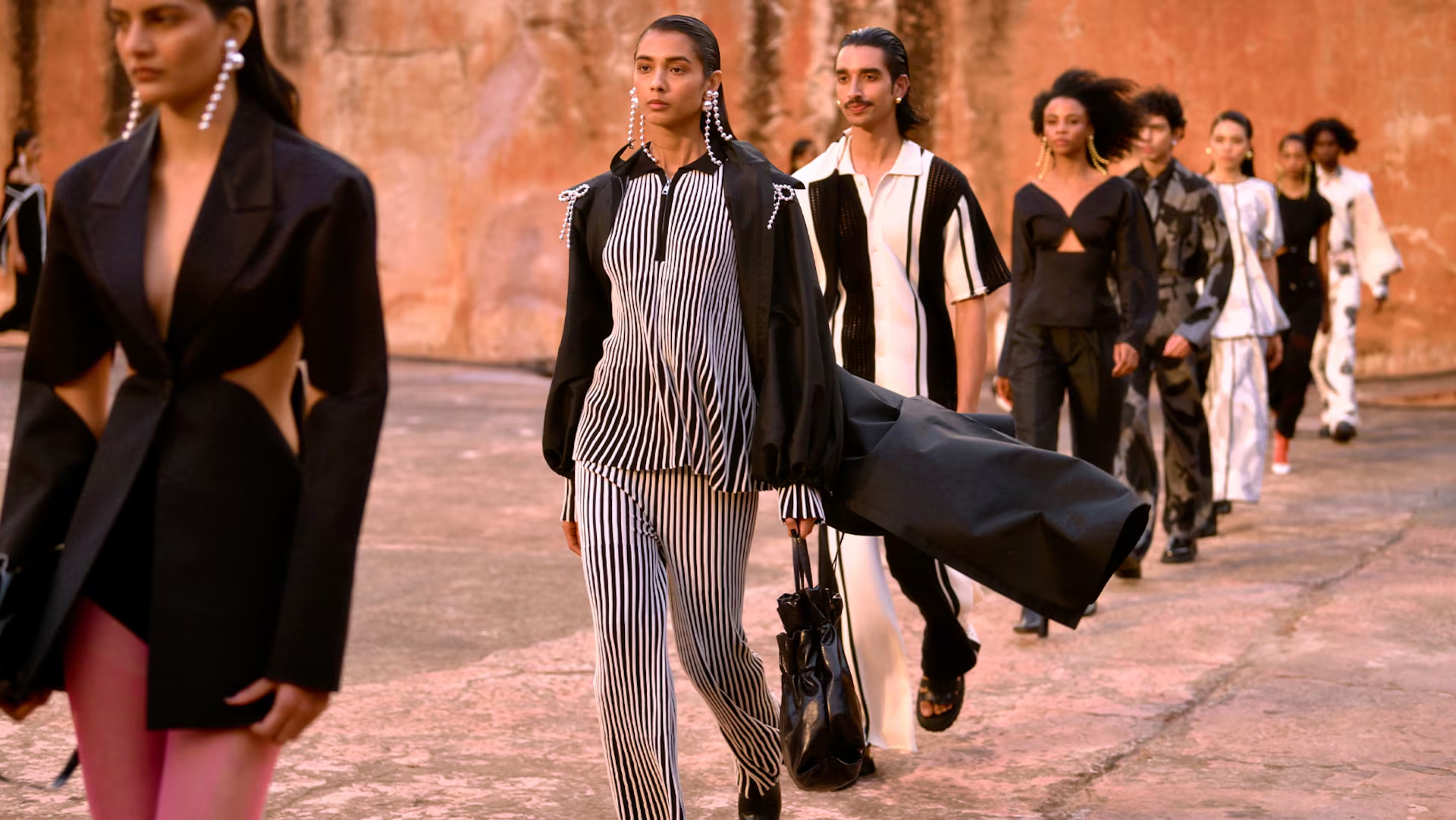
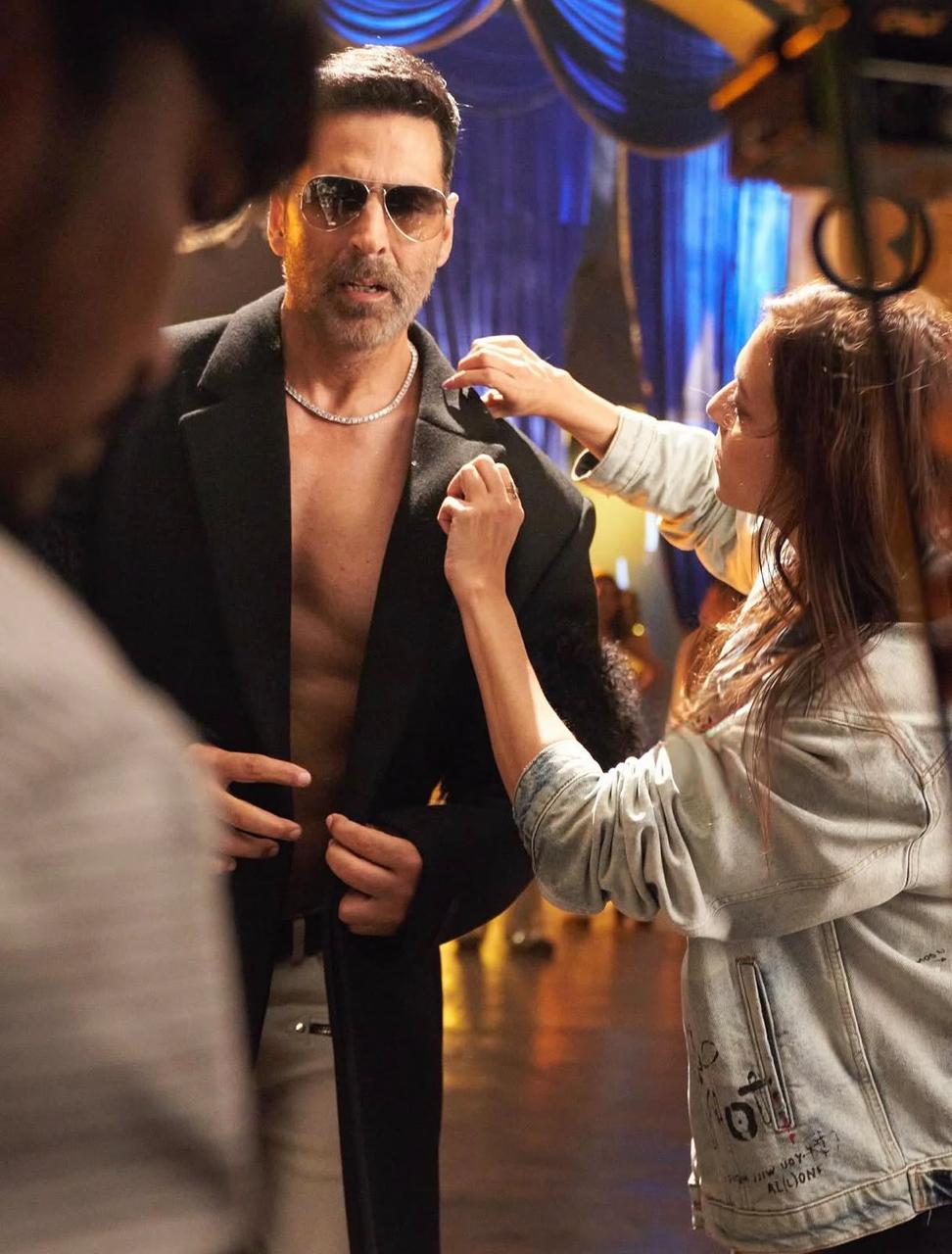
The addition of an unstructured blazer, an oversized overshirt, or a smart cape to an otherwise complete outfit does something that the outfit could not do alone: it builds visual dimension. It gives a photograph layers to read. It gives the person wearing it a quality of considered ease that reads as personal style rather than dressed for the occasion.
The layering that works best is not additive in a way that crowds the look. It is structural, introducing one element above or beneath the primary outfit that creates depth without competing with it. The silk shirt under the blazer that is visible only at the collar and cuff. The longline cardigan over the simple dress that introduces proportion without overwhelming it. The light scarf that adds texture to a monochrome outfit without adding colour.
These are the moves that make a look feel inhabited rather than assembled.
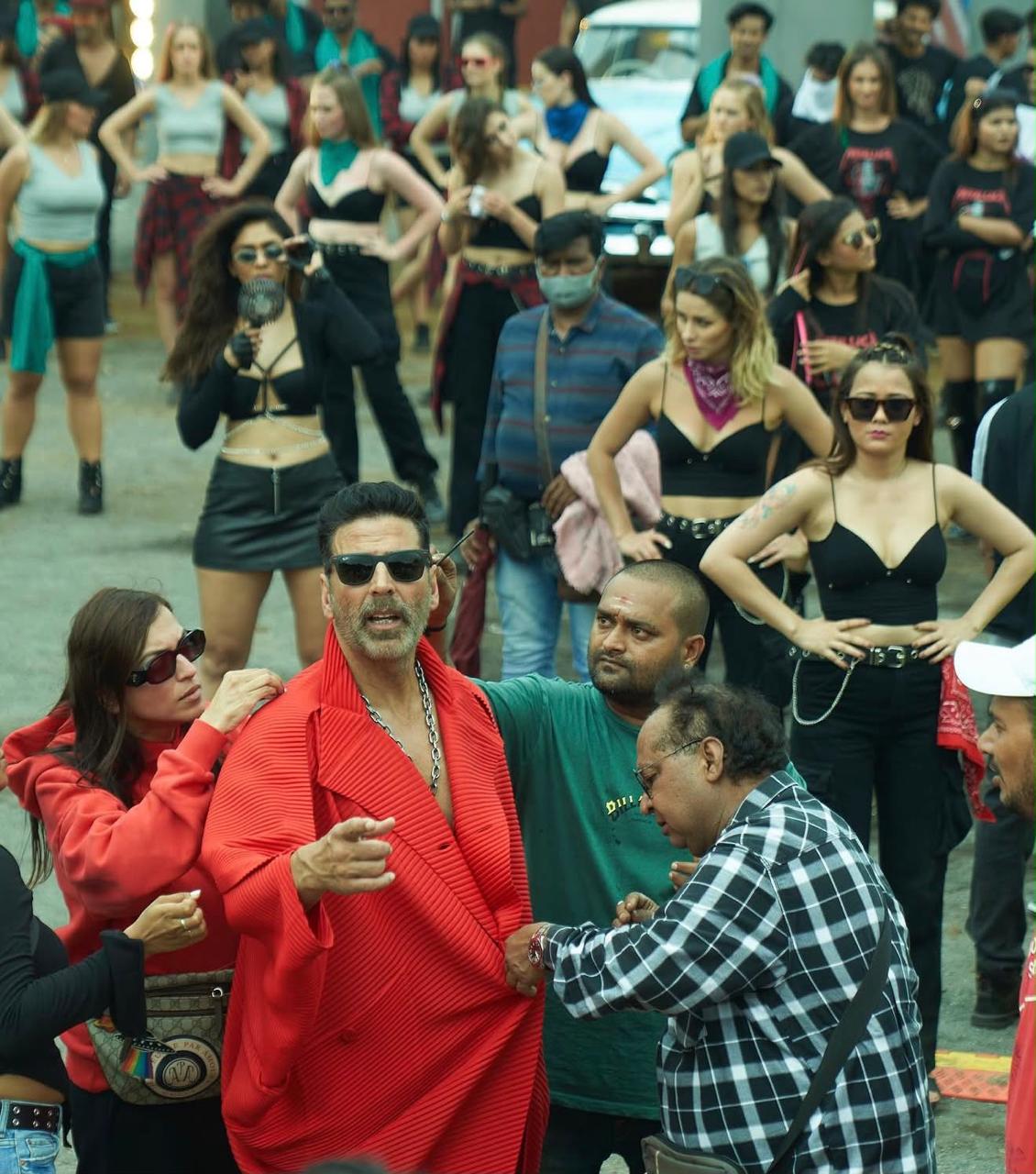
Rule Three: The Hero Piece Strategy
The most common styling error, and the one that produces the most visually exhausting results, is the attempt to make everything in the look equally interesting. It does not work. A room cannot have multiple focal points. Neither can an outfit.
The hero piece strategy is the discipline of choosing one anchor, a statement jacket, an exceptional textured bag, a pair of boots with enough character to justify the entire look, and building everything else around it in a supporting role. The supporting pieces are not boring. They are generous. They understand that their job is to make the hero piece more powerful, not to compete with it.
This is why the most memorable celebrity looks tend to resolve themselves around a single decision: the coat, the jewellery piece, the shoe. Everything else is edited to allow that decision to land. The outfit that tries to make five things interesting simultaneously tends to make nothing interesting at all.
Rule Four: High-Low Textural Play
Monotonous fabric combinations produce flat results. The eye reads the absence of textural contrast as a lack of intention, even when the individual pieces are exceptional. The solution is not to introduce more colour or more pattern: it is to introduce more texture.
Heavy denim paired with fluid silk. A chunky knit against sleek leather. A rough-weave linen alongside the particular sheen of satin. These pairings do something that same-fabric combinations cannot: they create a dialogue between the materials that gives the eye something to discover. The richness that results catches light differently across the look, adds visual complexity without adding visual noise, and produces the sense of a wardrobe that belongs to someone who understands the materials they are working with.
This is the principle behind the most interesting off-duty celebrity looks: the denim and slip dress combination that photographs beautifully in any light, the oversized knit with leather trousers that creates instant visual tension. The contrast is doing the work that colour or pattern would otherwise be called upon to do, and doing it more elegantly.
Rule Five: Own the Room
The rule that overrides all the others, and the one that no amount of tailoring or layering or textural play can compensate for when it is absent, is the one that has nothing to do with the clothes at all.
Body language is the biggest secret to looking like a star. If you are constantly adjusting your neckline, pulling at a hem, or feeling restricted by what you are wearing, it shows in every photograph and in every room you walk into. The discomfort is visible before the outfit is.
The inverse is equally true. A person who is completely at ease in what they are wearing carries themselves differently: the posture is more open, the movement is more natural, the presence is more magnetic. The clothes become part of the person rather than something the person is managing.
The practical implication is one that stylists like Shahani apply rigorously: wear what resonates with your personal energy. Not what is trending, not what the occasion seems to demand, but what you actually feel like yourself in. The look that earns the most attention at any event is almost always the one worn by the person who forgot to be self-conscious about it.
That is the celebrity playbook in its entirety. Not a trend guide, not a shopping list, but a set of structural principles that produce a specific and reproducible result. Applied with consistency, they make the effort invisible. And making the effort invisible is, as any good stylist will tell you, the most effortful thing of all.
Follow Best List India for the culture, conversations, and ideas worth paying attention to.