There is a particular question that the most considered bag collectors in India are asking in 2026 that they were not asking five years ago. It is not which brand made this. It is who made this, how, and from what. The shift sounds subtle. Its implications for the Indian handbag market are anything but.
The It-bag, as a cultural concept, has had several distinct lives since it arrived as a term in the late nineties. Its first life was entirely about the label: the Birkin, the 2.55, the Speedy, objects whose value was inseparable from the house name stamped on their hardware. Its second life, which the Indian luxury consumer participated in with considerable enthusiasm through the 2010s, was about logo visibility: the monogram, the interlocking letters, the pattern that communicated membership in a specific aspirational group to anyone fluent in the language.
The third life, which is the one currently underway in the Indian market, is about something different entirely. It is about craft. About the story of the making. About the intelligence of the design and the quality of the materials and the relationship between the bag and the hand that shaped it. And India, with its extraordinary tradition of textile craft, artisanal leather work, and the particular design intelligence of a new generation of makers who grew up between two aesthetic worlds, is better positioned to participate in this third life than perhaps any other market in the world.
What Changed
The global shift toward craft luxury in handbags has been building for several years, driven by a consumer who has become more sophisticated about what they are actually paying for when they spend significantly on an object. The realisation that the logo premium attached to many luxury bags represents marketing expenditure rather than craft investment has produced a new appetite for bags whose value is visible in the object itself: in the quality of the leather, the precision of the stitching, the intelligence of the construction, and the rarity of the technique that produced it.
In India, this shift has been accelerated by two additional forces. The first is the broader premiumisation of the Indian consumer across categories: the same intelligence about ingredient quality, provenance, and craft that is reshaping the food and fashion markets is now reshaping the accessories market. The second is the arrival of a generation of Indian bag designers who have combined serious international training with deep knowledge of Indian craft traditions to produce work that sits comfortably in the global conversation about what a serious bag looks like in 2026.
The result is a market in which the most interesting handbag conversation is no longer happening between Indian consumers and international houses but between Indian consumers and Indian makers, and in which the question of what makes a bag worth investing in has acquired a specificity and a sophistication that the logo era never quite demanded.
These pieces should make your wardrobe!
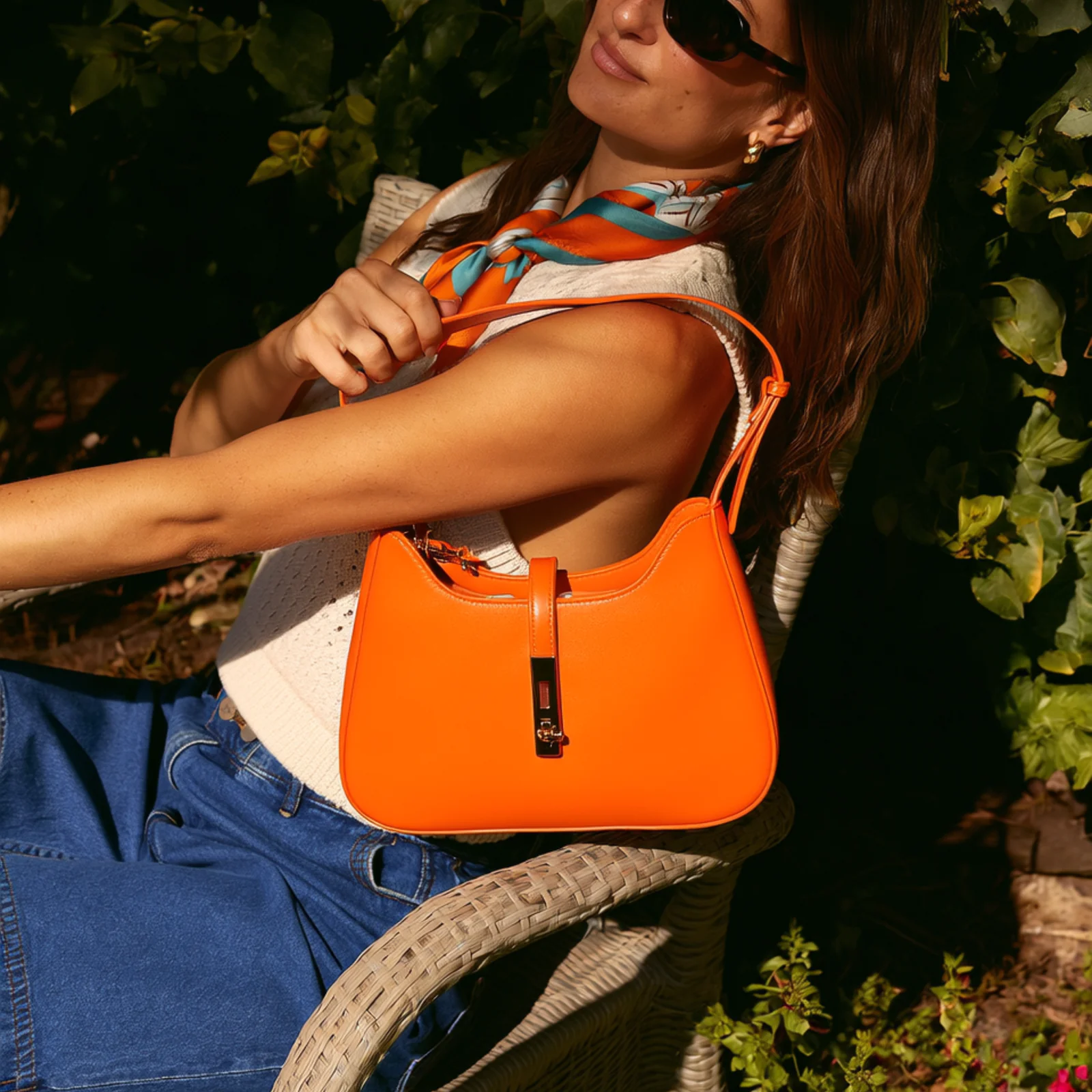
EN TOI Bella Baguette- Shop Here

House of Namaera London Bag- Shop Here

Irth Iris Tote in Tan - Shop Here
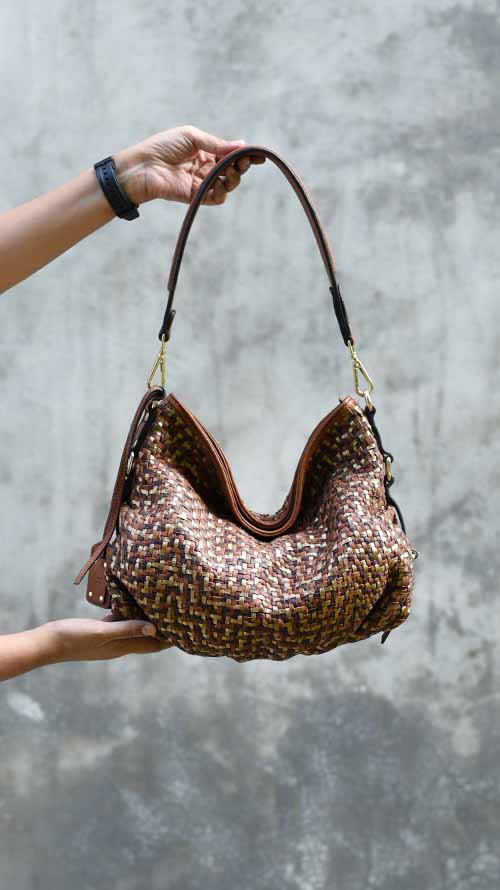
Chiaroscuro Madurai, Petite Ana- Shop Here

Mistry Selena Fringe in Blue Azure- Shop Here
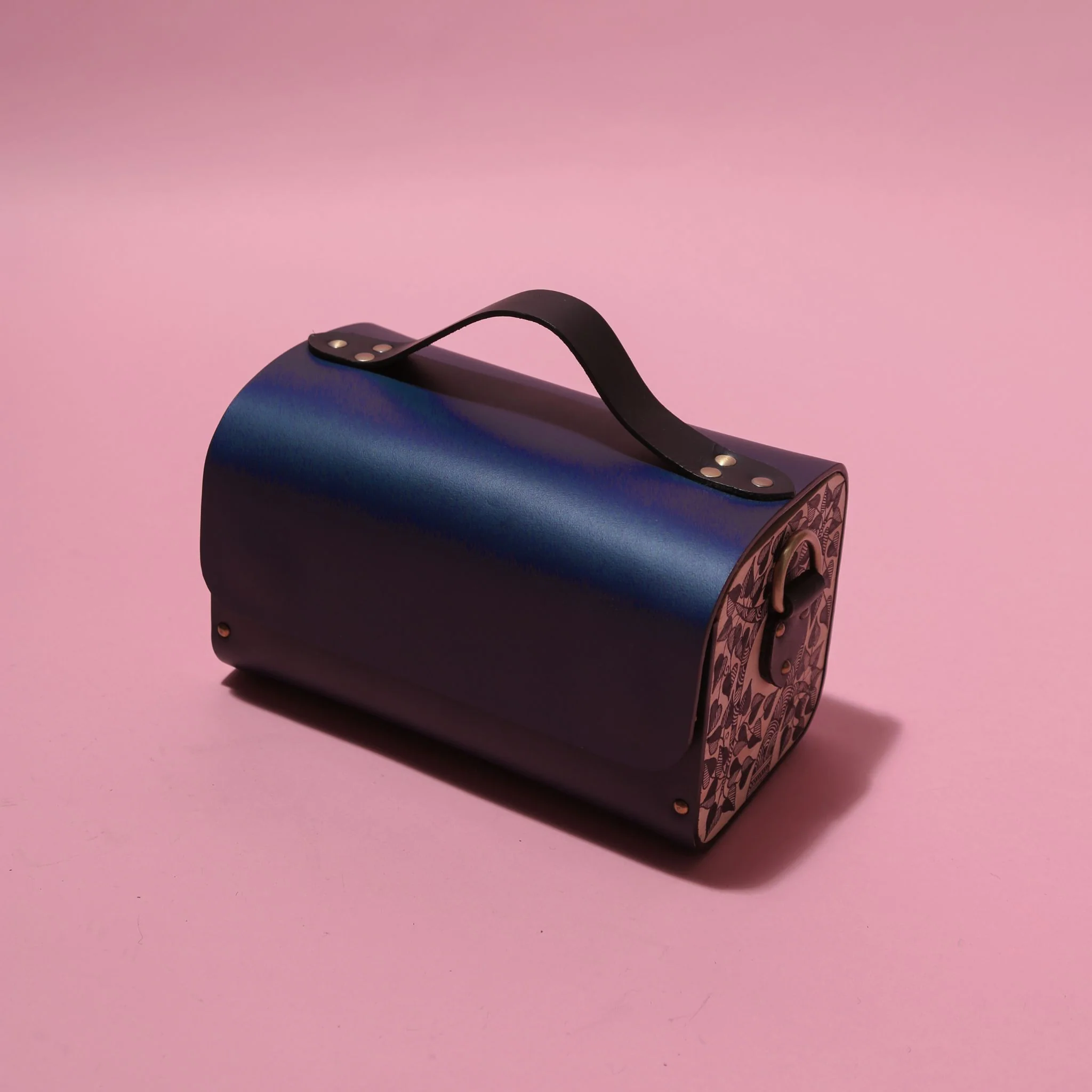
Swarang Designs, Harness Tool Box, Blue- Shop Here

Tann Trim The Heart Bag- Shop Here
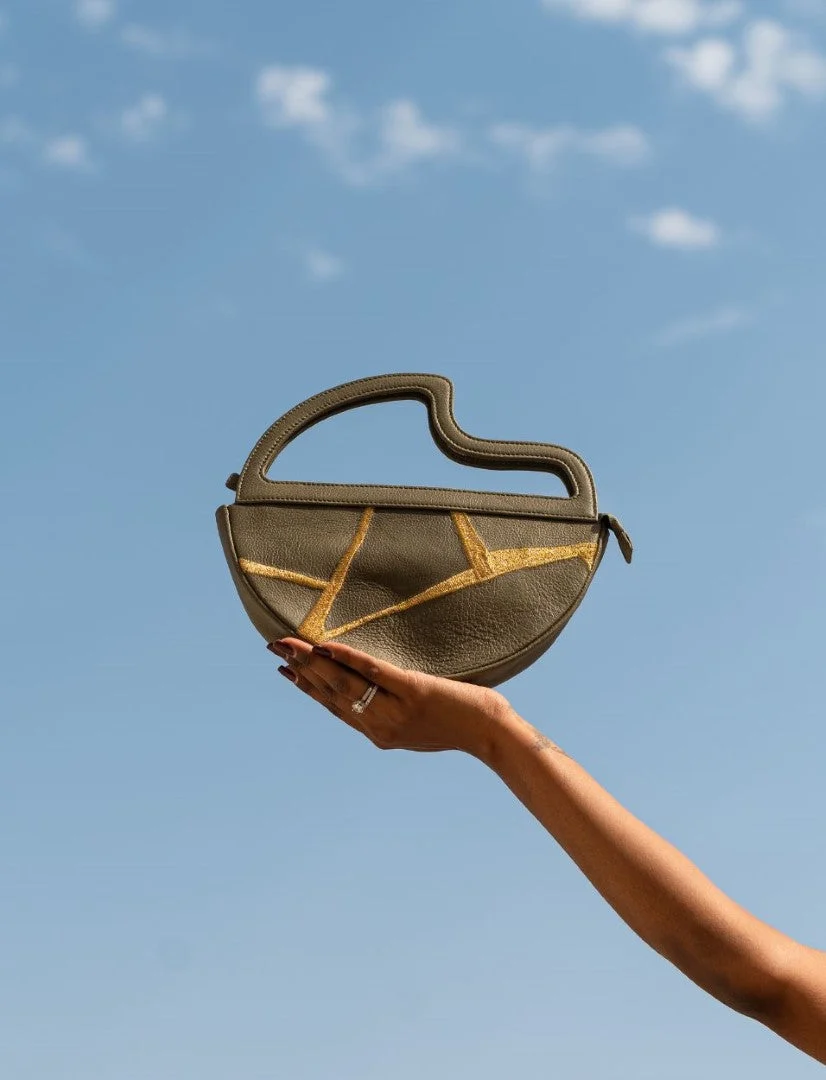
Claymango Maeve Crescent Clutch in Olive- Shop Here
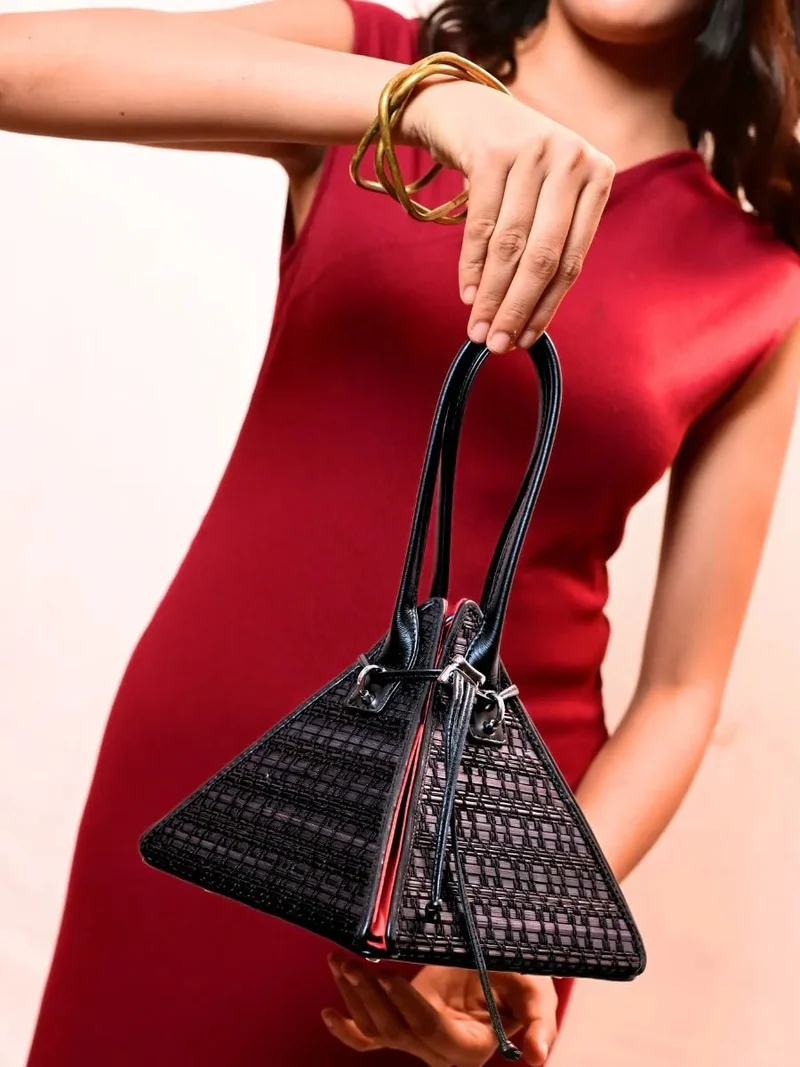
Kadamhaat Nami soirée - Sumi- Shop Here
The Design Language of the Moment
The aesthetic that defines the new Indian It-bag is not a single look but a set of shared values expressed across very different visual languages. Structural honesty: the bag that shows its construction rather than concealing it. Material integrity: the leather or textile that communicates its quality through texture rather than colour. Craft visibility: the embroidery, the inlay, the hand-finishing that marks the difference between a made object and a manufactured one.
What the most interesting Indian bags of 2026 share is a quality of being completely themselves: not aspirational versions of European luxury houses, not accessible alternatives to the logos they cannot afford, but objects with their own aesthetic position and their own reason for existing. That quality, which is the defining characteristic of any object that earns the designation It-bag in its truest sense, is what the Indian craft handbag moment is producing with increasing confidence and increasing frequency.
The Larger Shift
The new Indian It-bag is not a trend. It is the result of a market reaching the level of sophistication that allows it to recognise the difference between the appearance of quality and quality itself, between the communication of luxury and the experience of it. That level of sophistication, once reached, does not retreat.
The Indian consumer who has held a Nappa Dori bag and felt the quality of the leather, or unwrapped a House of Tara clutch and understood what hand embroidery actually looks like when it is done correctly, or carried an Adora minaudière through a wedding evening and watched it become the most photographed object in the room, has acquired a standard that the logo alone can no longer satisfy.
The craft handbag moment is here. The makers who have been building toward it, quietly and with considerable intention, are ready for it. And the consumer who has been arriving at exactly this point is finally, fully here.
Follow Best List India for the culture, conversations, and ideas worth paying attention to.