Somewhere between the logomania of the early 2010s and the maximalist fever dream that followed, something shifted. Not loudly, which is rather the point. The most interesting thing happening in fashion right now is not the thing that is screaming for your attention. It is the thing that does not need to.
Quiet luxury, as a concept, has spent the last few years migrating from the vocabulary of fashion editors into the wardrobes of women who have simply stopped feeling the need to announce themselves. It began with clothing, with the cashmere-and-neutral palette conversation, with the Loro Piana and The Row moment, with the Succession wardrobe that became a cultural reference for wealth so confident it needed no embellishment. But clothing was only the beginning.
The real frontier of quiet luxury, the category where the philosophy is being expressed with the most precision and the most lasting consequence, is footwear. And the quiet luxury shoe is, right now, the most important thing on the floor.
What a Quiet Luxury Shoe Actually Is
Let us be precise about this, because the term risks becoming as hollow as the trends it is reacting against. A quiet luxury shoe is not simply an expensive shoe. It is not a beige shoe. It is not a minimal shoe in the sense of boring or unfinished. It is a shoe that communicates its value entirely through quality: the grain of the leather, the precision of the construction, the way the sole meets the upper, the weight of it in the hand before you even put it on your foot.
It is a shoe that someone who knows will recognise immediately and someone who does not know will simply understand as beautiful without being able to explain why. That gap, between the recognisable and the legible, is where quiet luxury lives. The logo is not the point. The logo, in many cases, is entirely absent. The point is the object itself.

The Brands That Built This Moment
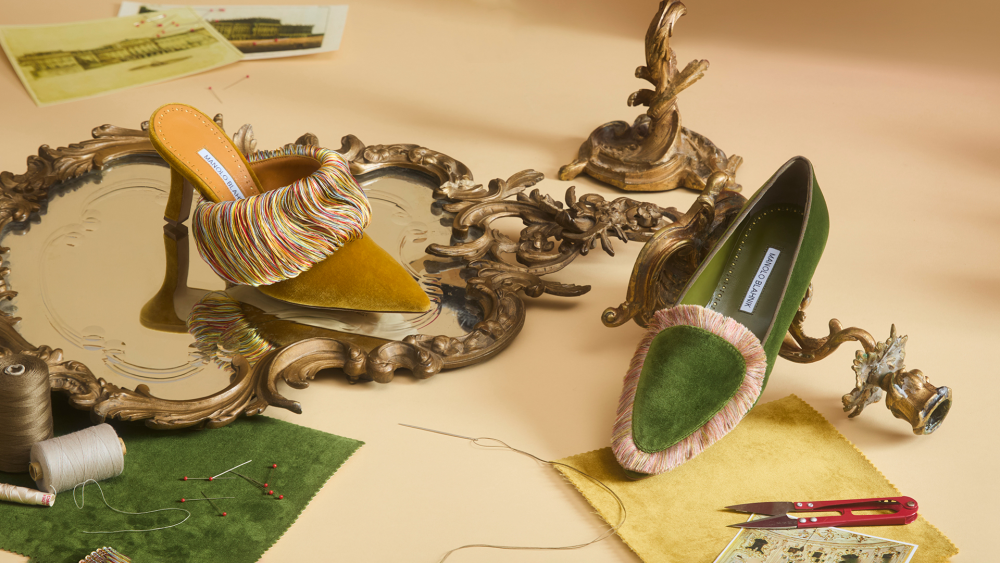
The lineage of quiet luxury footwear is longer than the current conversation suggests. Manolo Blahnik has been making shoes that reward close attention over broad legibility for decades. The satin finish of a BB pump, the way the toe box tapers, the particular colour of a nude that works across multiple skin tones: these are details that belong to a design philosophy rather than a marketing moment.
Roger Vivier, with its subtle buckle, has been in this conversation since the 1950s. The Virgule heel, the Belle Vivier, the Viv Run sneaker: all of them instantly recognisable to a very specific kind of observer and legible to everyone else simply as beautiful, considered objects.
The Row’s footwear has become perhaps the clearest contemporary expression of the philosophy. Minimal in appearance, extraordinary in execution, priced accordingly, and carrying exactly zero visible branding. The shoes exist entirely on the merit of what they are rather than what they say. For a certain kind of woman, that is the most powerful statement available.
Loro Piana, similarly, has built a footwear programme around the premise that the finest materials, handled with complete restraint, produce something whose value is self-evident to anyone paying attention. The Walk Wish shoe, the Summer Walk loafer, the Flexi Walk: all of them say nothing and mean everything.
And then there is Bottega Veneta, whose intrecciato weave has become perhaps the defining visual code of the current quiet luxury moment: a technique so labour-intensive and so specific that it functions as the most credible of all status signals without bearing a single visible letter.

The Silhouettes That Define the Moment
Several shoe categories have emerged as the particular domain of quiet luxury dressing, each one chosen for its combination of quality-signalling potential and functional elegance.
The ballet flat has had its most significant cultural moment in years, repositioned from the casual flat of the 2000s into something altogether more considered. Repetto’s Cendrillon, in its softer leathers and its cleaner finishing, sits at the accessible end. Aeyde’s Uma, with its slightly elongated toe and its careful material selection, sits higher. At the very top, The Row and Khaite have produced ballet flats whose simplicity is their entire argument.
The loafer continues its dominance, now stripped of the chunky platform that defined its recent past and returned to a sleeker, closer-to-the-ground proportion. The Venetian loafer, the Belgian slipper, the driving shoe in its finest suede iterations: all of them communicate a particular ease that is the footwear equivalent of not trying, achieved through considerable effort.
The pointed-toe kitten heel has returned with a sophistication it arguably never had in its first iteration. At two to three centimetres, it elongates the foot without performing height, and in quiet, saturated colours or the finest patent leather, it is the shoe that the fashion industry’s most credible dressers have been reaching for all season.
The clean sneaker, stripped of branding and built on exceptional construction, has also found its place in this conversation. Not the chunky trainer or the logo-heavy collaboration drop, but the single-colour leather sneaker in which every detail from the stitching to the sole edge to the lacing reinforces the same message of unhurried quality. Common Projects remains the definitive reference. Its imitators have proliferated. The original remains unreplicated.
India’s Quiet Luxury Shoe Moment
The conversation is arriving in India at a particular cultural inflection point. A generation of Indian women who have built their own careers, their own aesthetics, and their own purchasing power is moving away from the logo as validation and toward the object as satisfaction. The shift is visible in the wardrobes of Mumbai and Delhi’s most considered dressers: less of the recognisable-from-fifty-feet brand marker, more of the thing that rewards proximity.
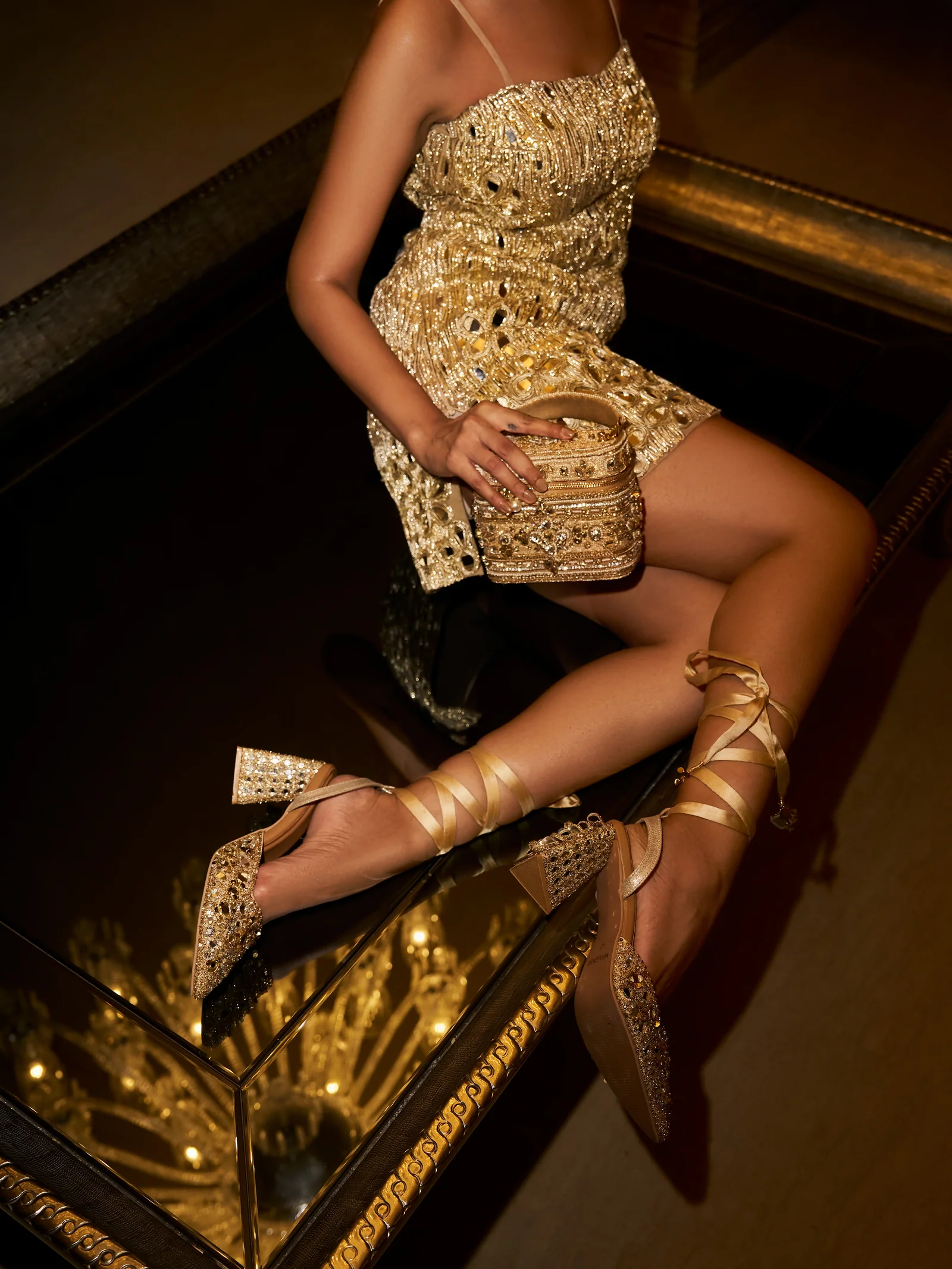
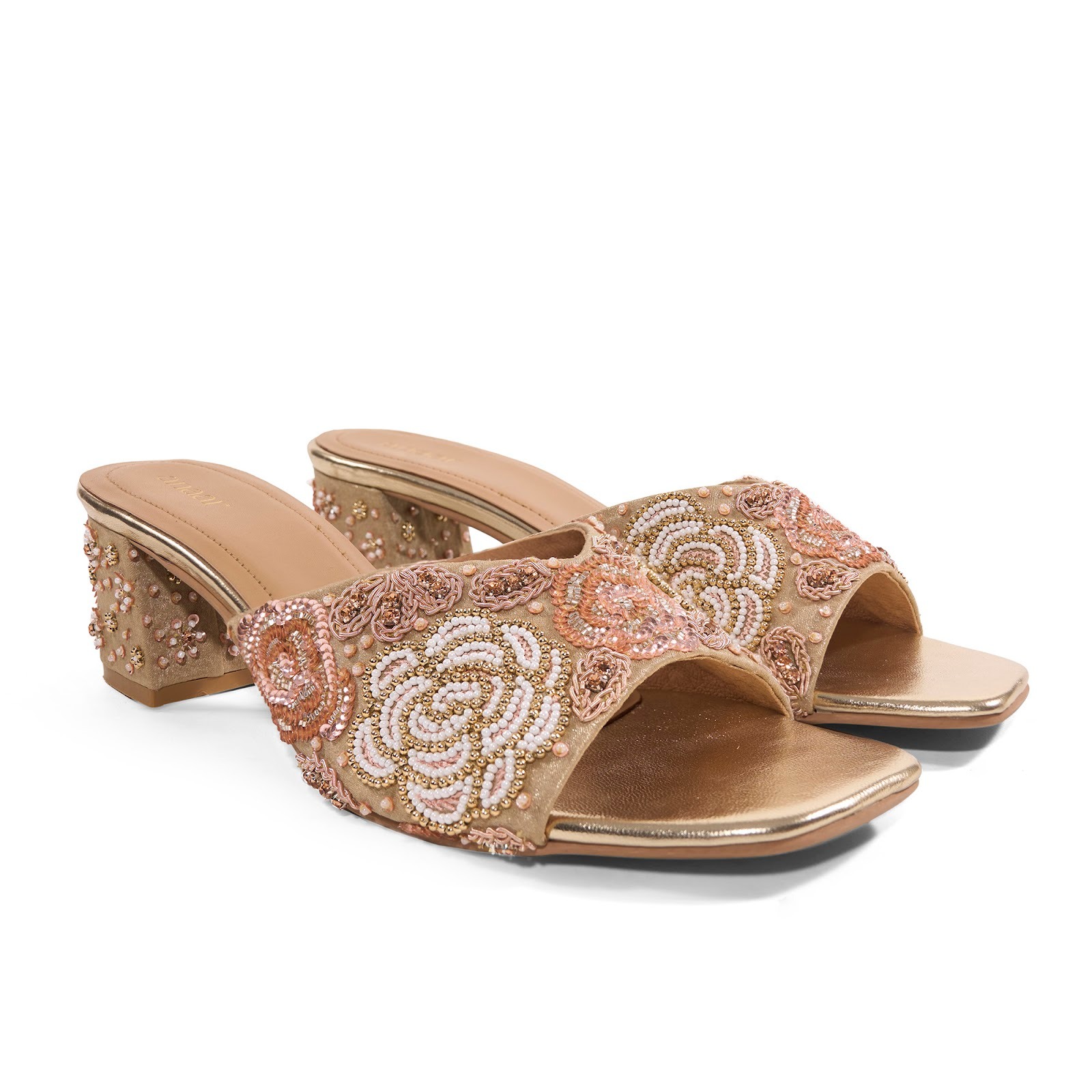
Indian labels are beginning to respond. Needledust, with its handcrafted footwear built on traditional Indian craft techniques and entirely contemporary silhouettes, is the clearest homegrown expression of the philosophy. Fizzy Goblet, which began with juttis and has evolved into a design programme built around quality materials and considered form, is another. The Saree Room’s foray into footwear with flat mules and slides that complement the label’s broader aesthetic speaks to the same instinct.

Internationally, the Indian consumer’s appetite for quiet luxury footwear has been noted. The growth of The Row, Bottega Veneta, and Loro Piana in the Indian luxury market is not accidental. It reflects a shift in what status means to the country’s most informed dressers, from the loudly branded to the quietly extraordinary.
How to Wear It
The quiet luxury shoe earns its place in the wardrobe by making everything around it better without asking for credit. A perfectly made loafer with wide-leg trousers and a silk shirt is a complete thought. A kitten heel with a sari whose border echoes its colour is a considered one. A clean leather sneaker with relaxed tailoring is a very specific kind of cool that requires nothing added and nothing explained.
The rules, to the extent that there are any, are these. Buy less and buy better. Choose quality of material over novelty of silhouette. Prioritise construction you can feel in your hands over branding you can read from across a room. And wear what you have chosen with the complete absence of explanation, which is, ultimately, what quiet luxury has always been about.
The Bigger Conversation
The rise of the quiet luxury shoe is not simply a trend. It is a reflection of a broader cultural exhaustion with performance. With the constant pressure to signal, to broadcast, to make your consumption legible to the widest possible audience. The shoe that asks you to look closely, to understand craft, to appreciate what cannot be communicated in a single image, is the shoe for a moment in which people are quietly, firmly, deciding they have had enough of noise.
The most powerful shoe in the room right now makes no sound at all. It simply stands on the floor and waits for the right person to notice.
They always do.
Follow Best List India for the style, culture, and everything worth wearing.