
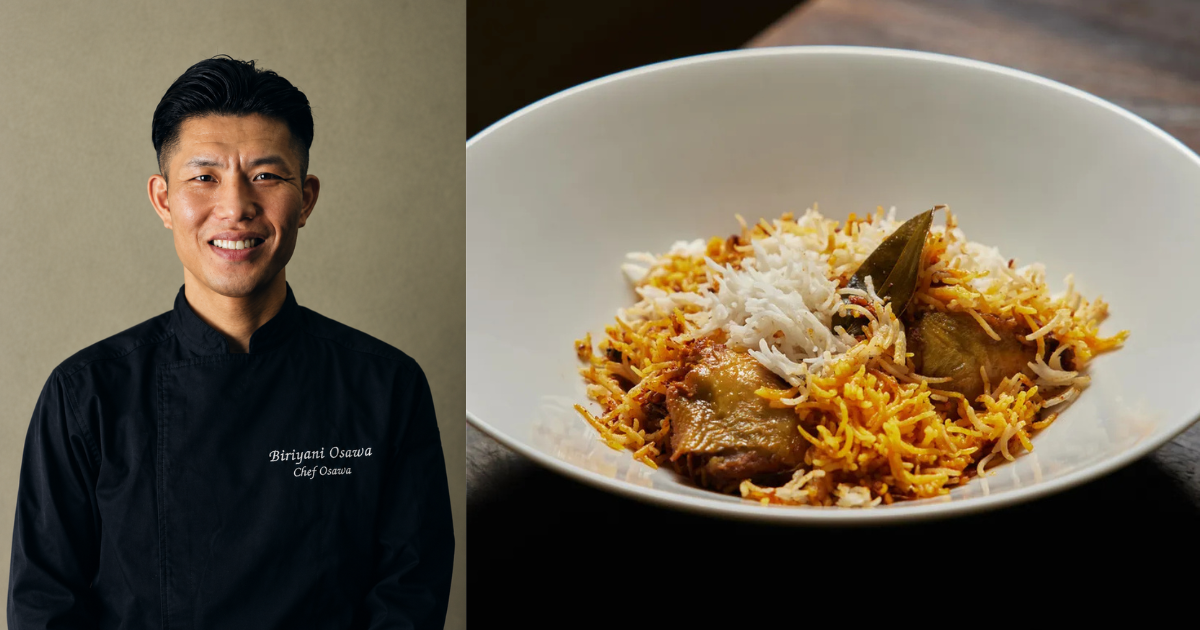
Down an unmarked staircase in Tokyo’s Kanda district, past the neighbourhood’s famous curry houses, a single illuminated sign is the only clue that something rather extraordinary is happening below street level. There is no menu at Biriyani Osawa. There is, in fact, no need for one. This ten-seat basement counter serves precisely one dish, and diners come anyway, in numbers the room cannot possibly accommodate.
The dish is biryani. The chef is Takamasa Osawa, a 36-year-old former office worker turned obsessive, whose devotion to a single pot of spiced rice has become one of the more improbable success stories in contemporary Japanese dining. In 2026, the Michelin Guide recognised the restaurant with a Bib Gourmand, its designation for exceptional food at moderate prices, a rare accolade for a restaurant with a menu of exactly one item.
A Chance Encounter in Tamil Nadu
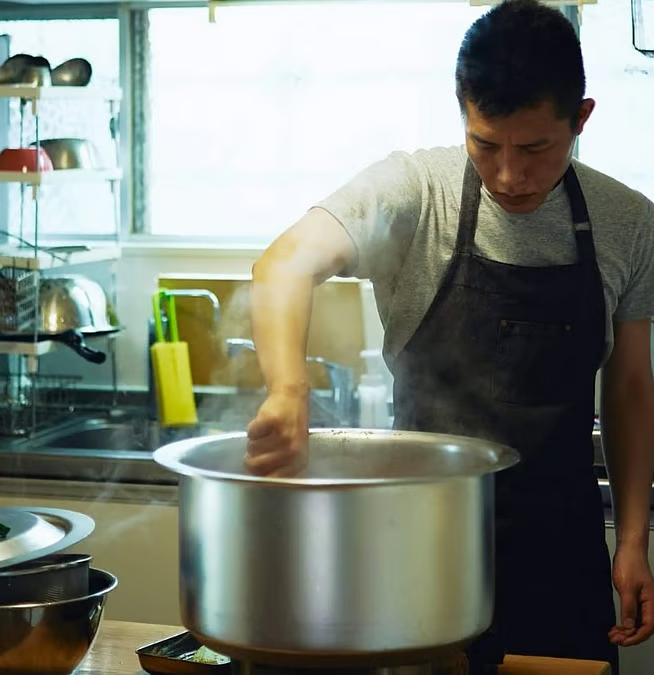
The story begins not in a professional kitchen but on a solo holiday. At twenty, Osawa travelled to Tamil Nadu with little knowledge of the region, its language, or its food. It was a roadside signboard, spotted almost by accident, that changed the course of his life: unable to resist, he ordered a plate of biryani and was, by his own account, instantly transfixed.
Back in Japan, he searched for anything comparable and found nothing that came close. What followed was not a career pivot but something closer to a calling. Over the next fifteen-plus years, Osawa returned to India more than twenty times, working his way through kitchens in Hyderabad, Kolkata and beyond, and extending his research into Pakistan and Bangladesh. He gravitated not toward five-star hotels or celebrated chefs, but toward local canteens and unglamorous shacks, the kind of places where recipes are passed down rather than written, and where a foreigner’s persistence and patience could earn him a place at the stove.
The Discipline of a Single Dish
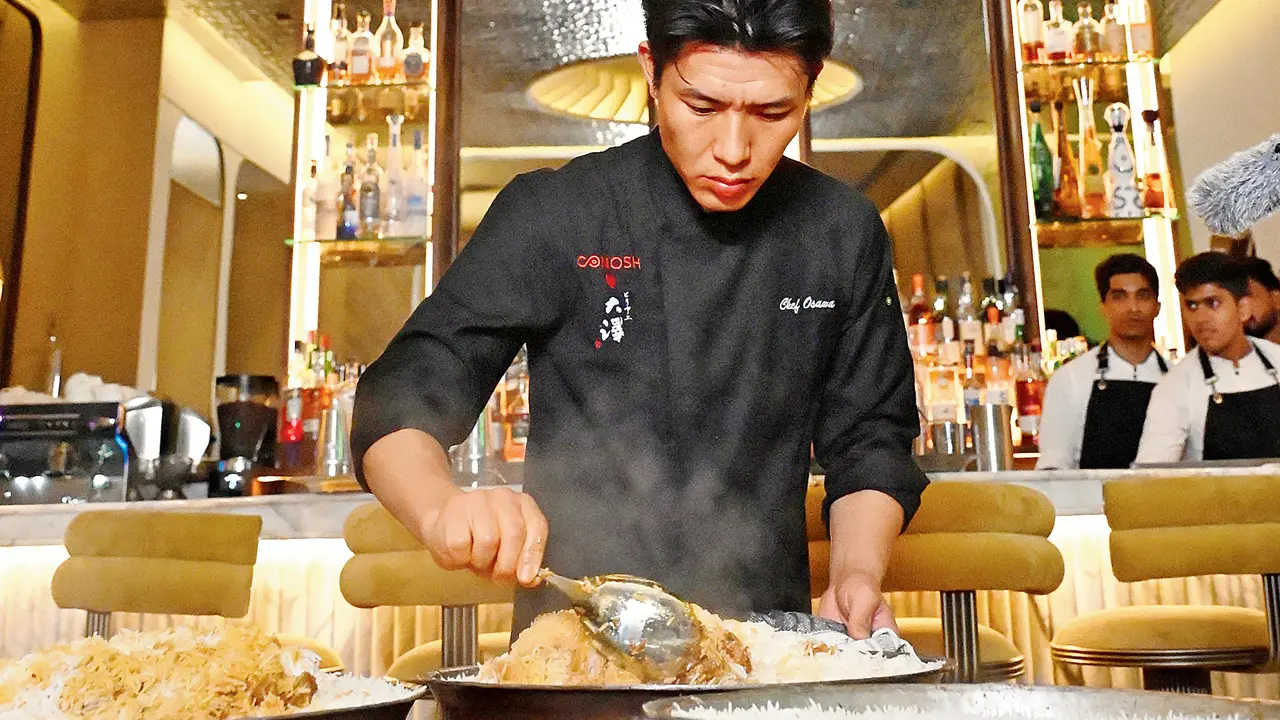
What distinguishes Osawa’s biryani from the dish served across South Asia is the near-scientific rigour he has brought to it. He logs temperatures, refines his layering technique with the precision of a laboratory notebook, and blends Hyderabadi-style rice with gravy techniques borrowed from Pakistani kitchens, alongside careful, deliberate meat tenderising. The result, by every account, is basmati rice in which each grain remains separate and fragrant, paired with meat cooked to a tenderness that has drawn diners, critics and no small number of celebrities to a basement they might otherwise never find.
Biriyani Osawa opened its doors in 2021, funded by a successful crowdfunding campaign after early pop-up attempts in Tokyo struggled to find an audience for a dish most Japanese diners simply didn’t know. The restaurant now operates on a reservations-only basis, with bookings released a week at a time to keep access fair amid overwhelming demand. Mutton or chicken biryani appears on the counter most days, with occasional specials… lobster among them, reserved for diners fortunate enough to catch the right sitting.
Ritual, Down to the Spoon
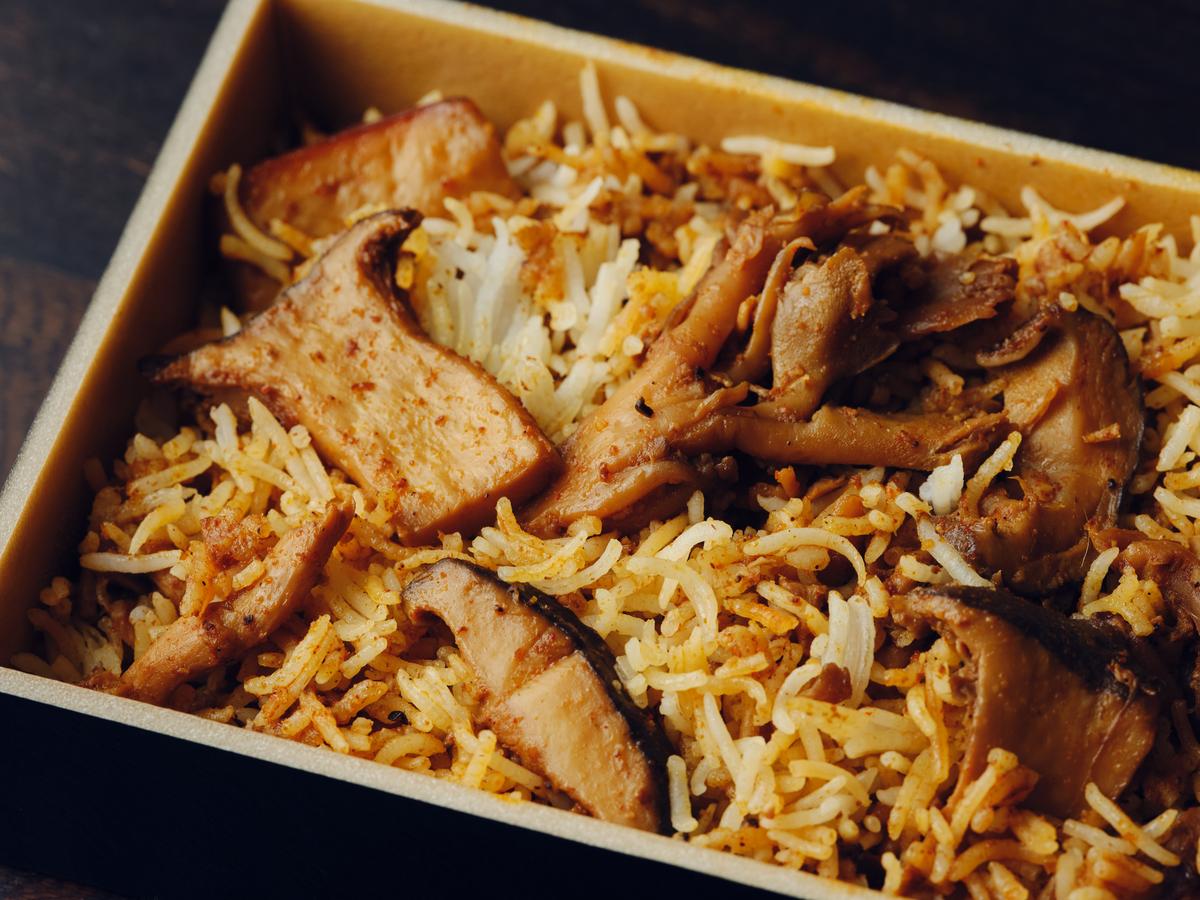
Service itself has become part of the restaurant’s mythology. Meals are timed so the pot finishes cooking just as every seat is filled, meaning the whole room eats the same biryani at its absolute peak, often alongside a chilled bottle of cola. Even the cutlery is considered: Osawa serves with enamel spoons, which he believes preserve flavour more faithfully than steel. It is a small detail, but one entirely in keeping with a chef for whom no variable is too minor to interrogate.
A Private Dinner That Went Viral
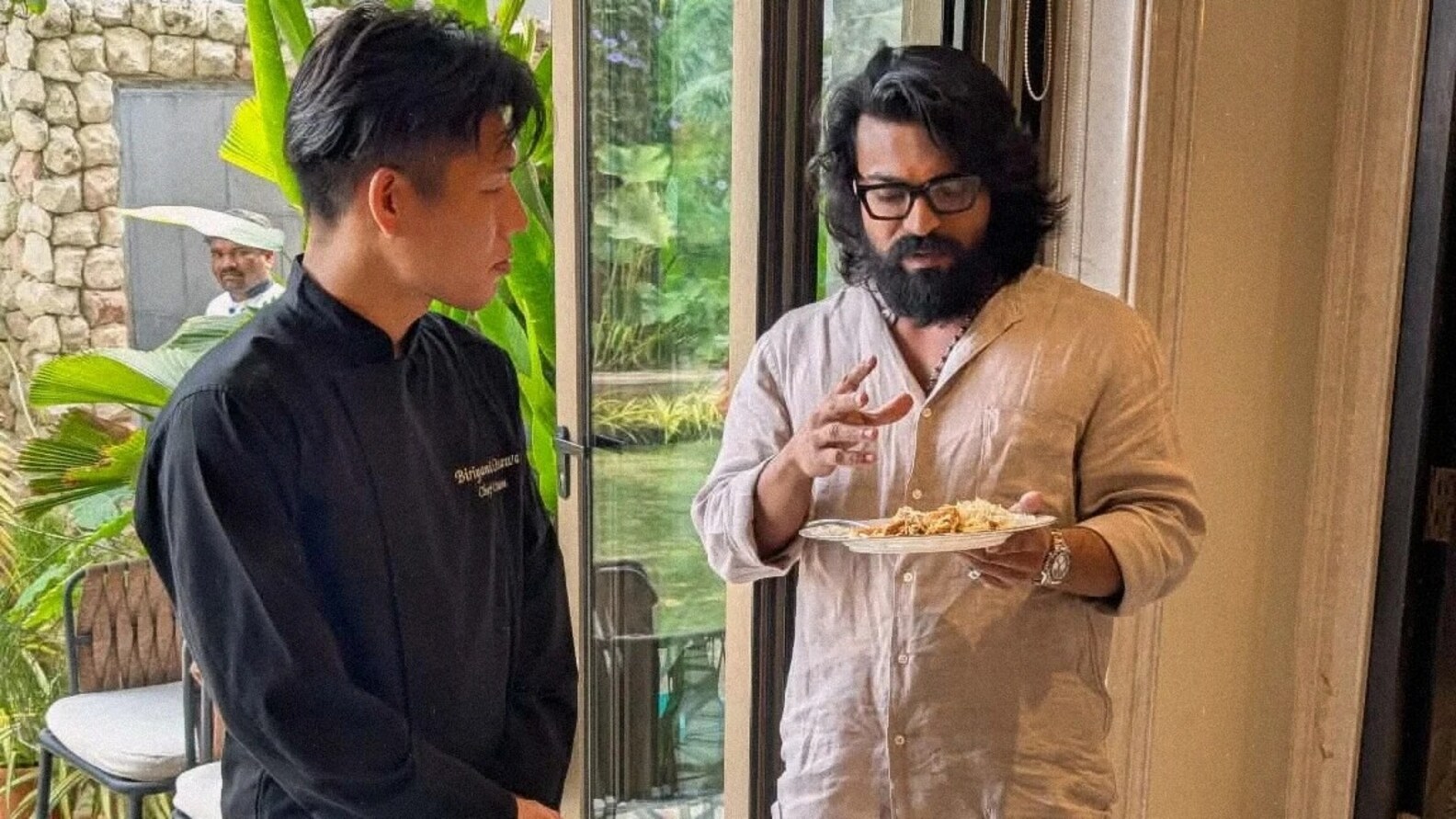
Osawa’s reputation has, in recent years, spilled well beyond his own dining room. Videos of him at work, measuring spices with surgical precision, layering each pot by hand, waiting out the slow dum with almost meditative patience have made him something of an internet phenomenon, earning him the nickname “the Japanese biryani guy” among food lovers online. Earlier this year, that popularity surged further after he was invited to cook a private biryani dinner at the Jubilee Hills home of RRR star Ram Charan, for the actor and his family. Clips from the evening spread rapidly across Indian social media, introducing an entirely new audience to a Japanese chef’s decades-long pursuit of a South Asian classic and cementing Osawa’s crossover appeal in the country where his obsession began.
That momentum has since carried him to sold-out collaborations and pop-ups abroad, including an appearance at Dubai’s Yamanote Atelier, where he served mutton, chicken, shiitake mushrooms and lobster biryanis to mark Japan’s diplomatic presence in the region, as well as a widely covered two-night residency at Indian Accent Mumbai. Speaking about where the project goes next, Osawa has said he hopes to expand internationally, aiming to create versions of the dish using global ingredients that would resonate as genuinely delicious with diners in the Middle East and Indian audiences, notably, who know the dish far better than his native Japan ever did.
It is, in the end, an unlikely trajectory: an office worker’s holiday whim, transformed through more than two decades of pilgrimage, note-taking and single-minded refinement into one of Tokyo’s most sought-after tables and, on occasion, a private table in Hyderabad fit for a film star. Osawa has built an entire culinary identity around restraint: one pot, one dish, one purpose and in doing so, turned biryani into something like devotion.
Follow Best List India for the culture, conversations, and ideas worth paying attention to.