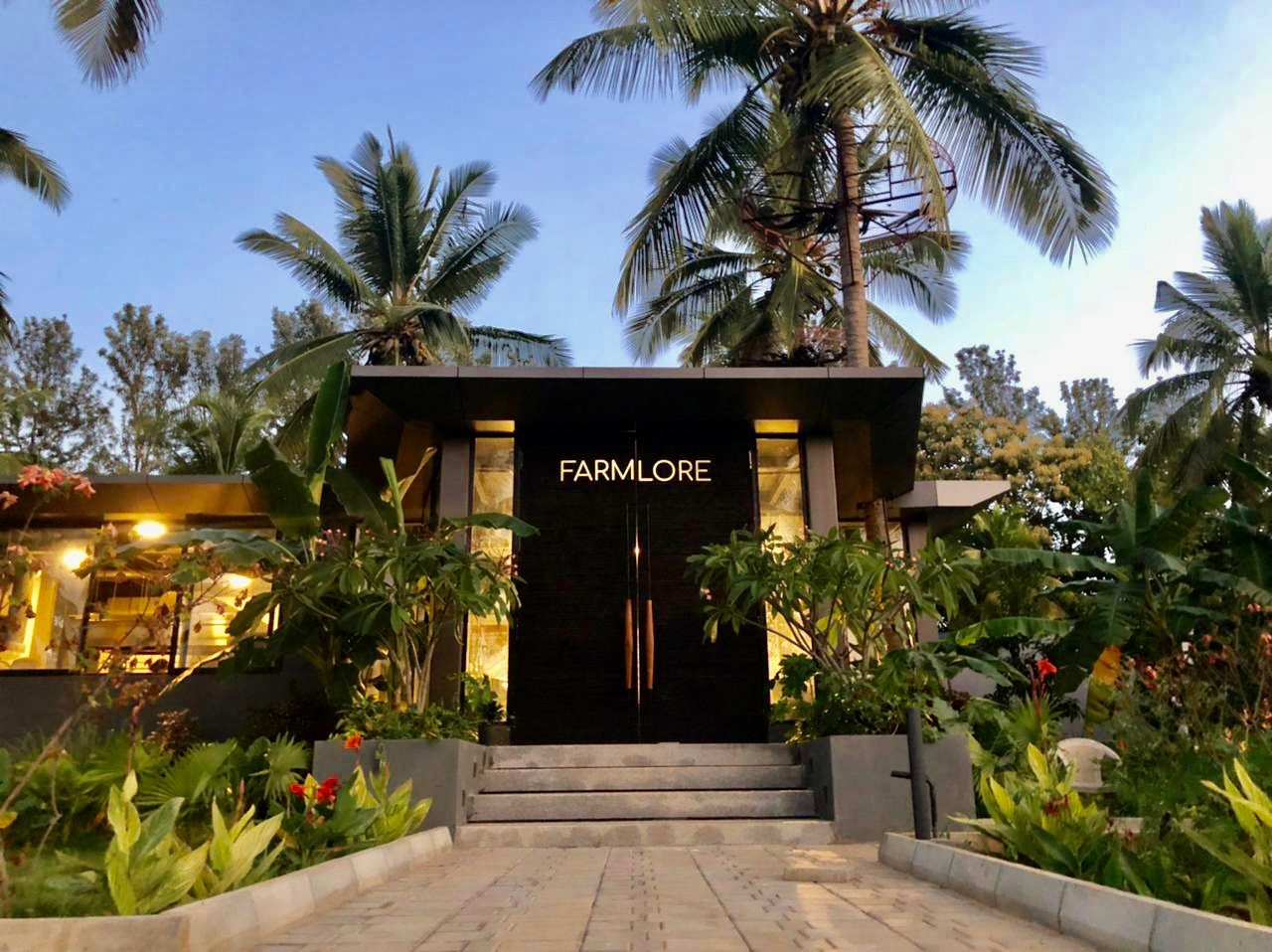
You do not book a table at Farmlore. You book an experience that will quietly rearrange the way you think about food, farming, and what it means to eat something that was pulled from the earth that morning, a few hundred metres from where you are sitting.
Drive forty minutes north of Bengaluru, past the city’s sprawling tech corridors and into a quieter, greener world, and you will eventually arrive at a 37-acre working farm where peacocks cross the path without a glance in your direction. Somewhere in the middle of it all, past the mango groves and the lemongrass planted to keep the mosquitoes at bay, is an 18-seat dining room with floor-to-ceiling glass windows and a kitchen that runs entirely on wood fire. This is Farmlore. And it is unlike anywhere else in the country.
The Name Says Everything
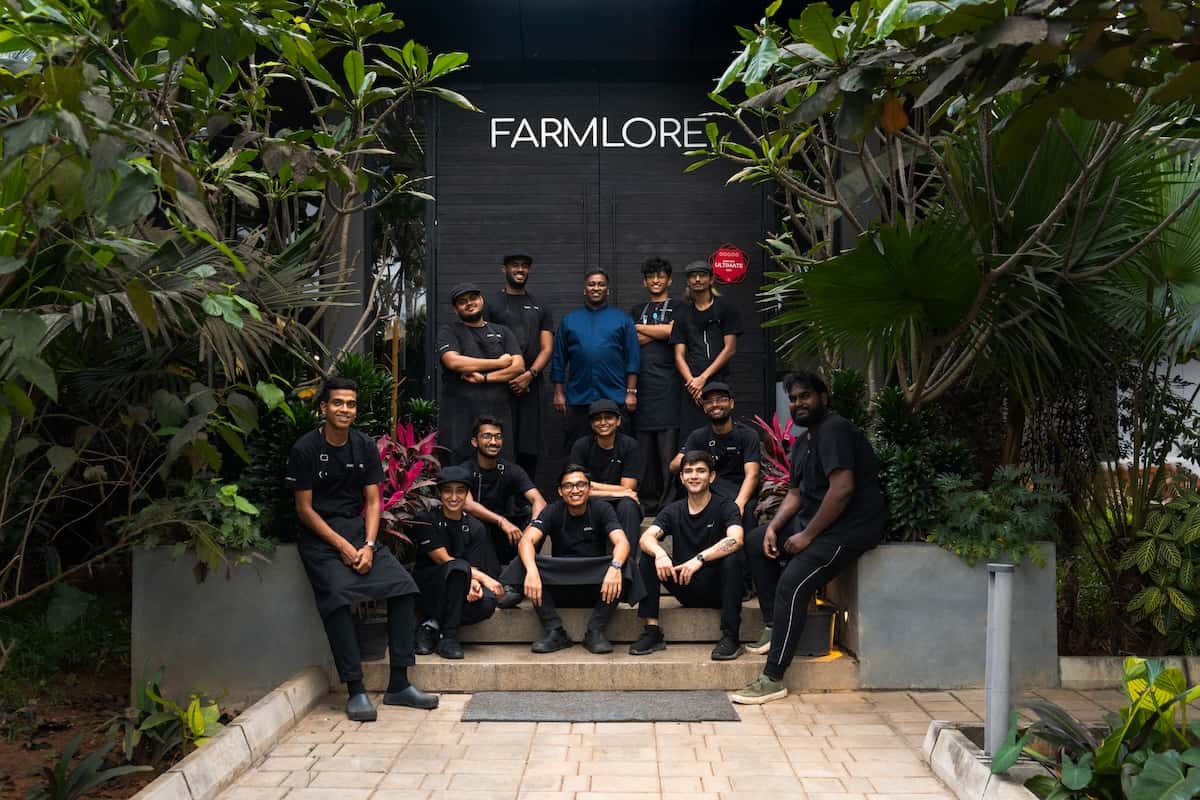
The name is not accidental. A portmanteau of folklore and locavore, it signals exactly what chef Johnson Ebenezer and entrepreneur Kaushik Raju set out to build when they opened here in 2021. A place rooted in story. A place rooted in soil. The two are, it turns out, inseparable.
Ebenezer returned to India in 2019 after years cooking abroad, launching Lore in Bengaluru before the pandemic redirected everything. What emerged from that disruption was something more ambitious: a restaurant that does not just source from a farm but physically lives on one. The farm does not exist to serve the restaurant. The restaurant exists to tell the story of what the farm grows. That reversal is everything.
Eighteen Seats. No Signatures. No Apologies.
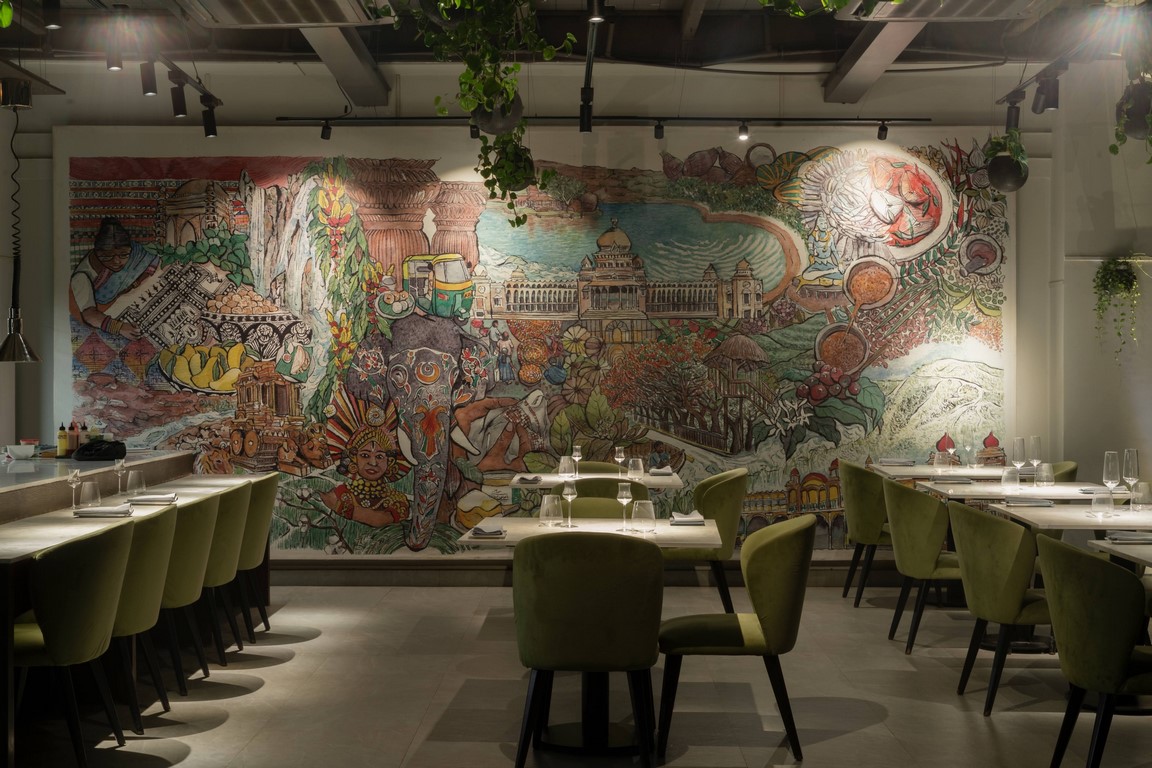
Ask Ebenezer about his signature dish and the conversation goes on a long time before arriving at a short answer. He does not believe in signatures. What he believes in is whatever is growing, ripening, and ready. The menu changes not weekly or monthly but daily, shaped by the seasons, the harvest, and the particular mood of the soil that week.
What you get is a ten-course degustation that could feature Malabar oysters one evening and a jackfruit preparation the next, depending entirely on what the farm and its network of local suppliers have to offer. The only constant is Ebenezer’s wood-fired oven, named Kannagi after a wronged Tamil woman from ancient legend who, the story goes, cursed an entire city to flames. It is the only oven on the property. Fuelled by pruned mango wood, it gives everything a depth of warmth that a gas kitchen simply cannot replicate.
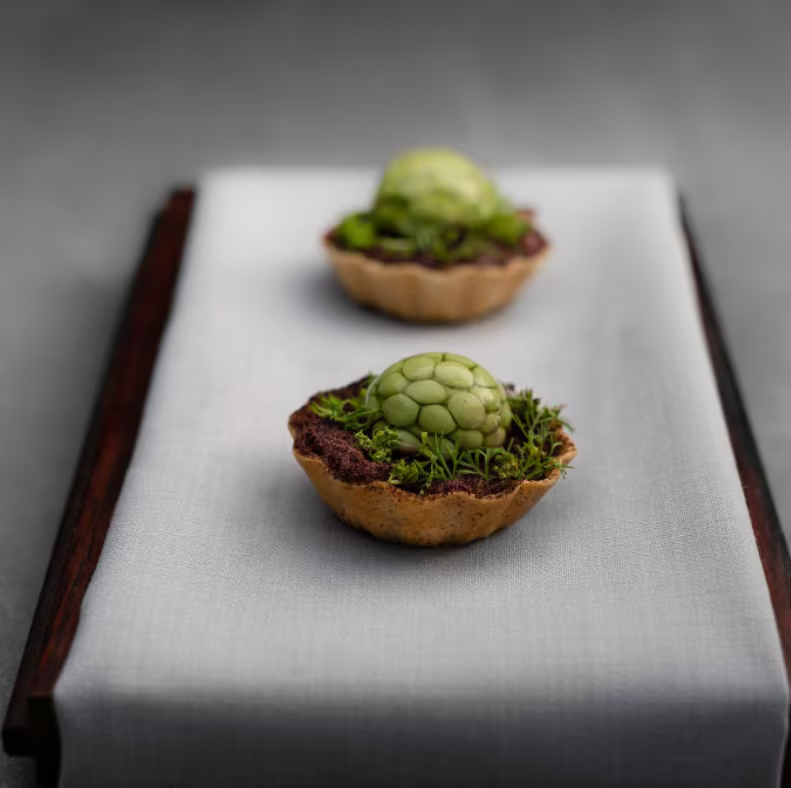
When a Dish Tells a Story
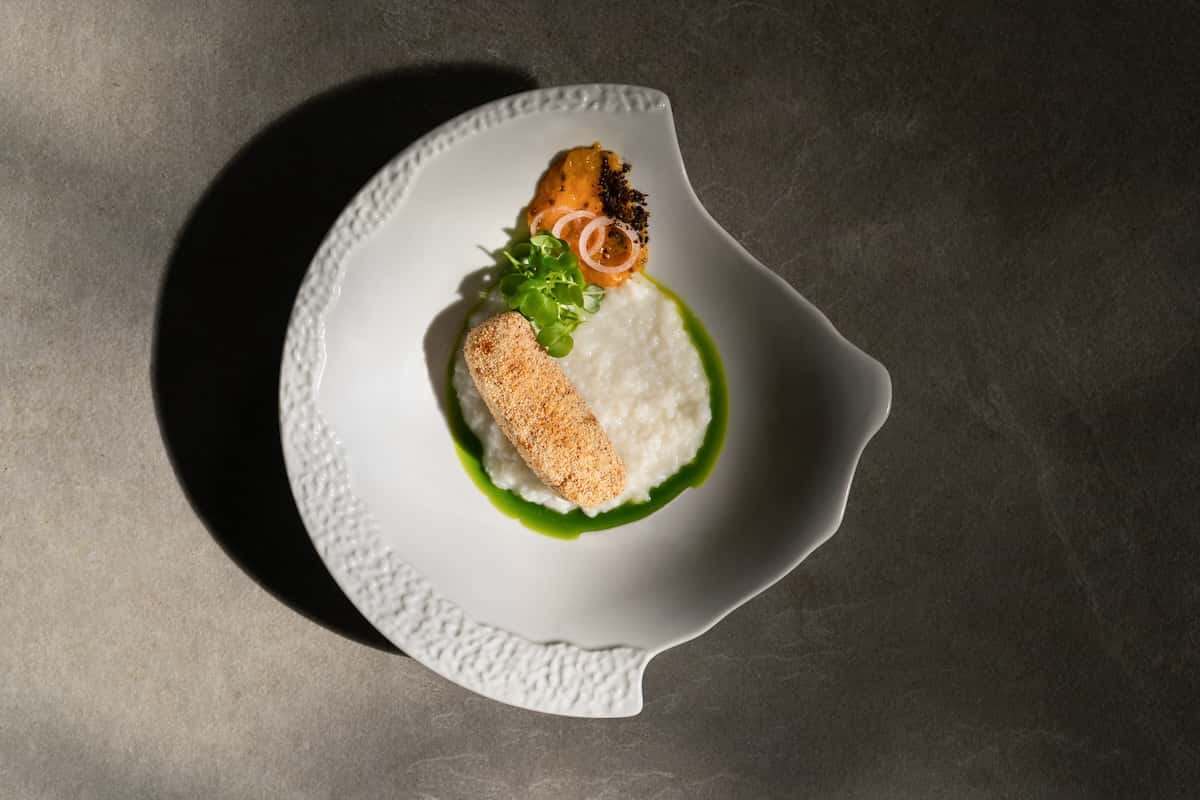
Farmlore’s most talked-about dish, Seataphor, is a masterclass in what it looks like when a chef is thinking about more than flavour. Inspired by a visit to the beaches of Kochi, where Ebenezer sources much of his seafood, the dish was born out of anger at what he found there: coconut-palm beaches littered with plastic and crude oil. The result is Kochi snapper served with a coconut-white sauce and a vivid blue sauce made from spirulina to represent the ocean, topped with what appears to be crinkled plastic wrap but is in fact made entirely from potato starch. A smear of black underneath, made using molecular gastronomy techniques with glyceride and charred coconut shell, represents an oil spill. It is one of those dishes that stays with you not just for how it tastes but for what it refuses to let you forget.
This is food as conscience. Food as conversation. Not in the self-congratulatory way that can make certain fine dining rooms feel like a lecture, but in the quietly devastating way that great art works.
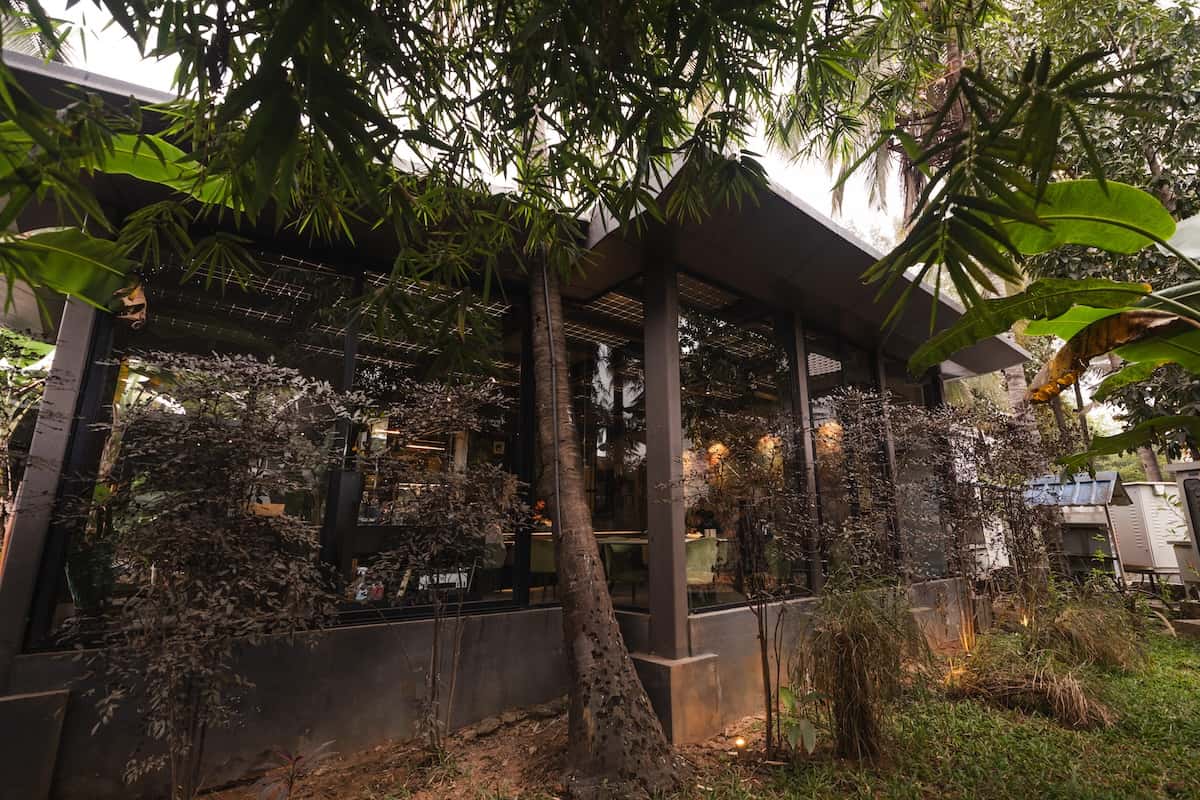
The Farm as Philosophy
Farmlore keeps its own herd of Halikar cows, an indigenous Karnataka breed, whose particularly fatty milk goes into the rich butters and ice creams on the menu. A solar-powered hydroponic system grows vegetables while keeping the carbon footprint minimal. Radishes are planted around vegetable patches to release nitrogen into the soil. Mango wood prunings fuel the kitchen. The electricity that is used comes from solar panels. Rainwater is collected. Nothing is wasted that does not have to be.
This is not sustainability as a marketing strategy. It is sustainability as the only logical way to run a restaurant that is this deeply embedded in the land it sits on.
What the World Has Noticed
The accolades have arrived in a steady and deserved stream. Farmlore earned its place on La Liste’s Top 1000 Restaurants of the World in 2024, won the ET Hospitality Restaurant of the Year: South in 2023, and landed at number 24 in Conde Nast Traveller’s Top Restaurant Awards the same year. Most recently, it was named the American Express One To Watch Award winner as part of Asia’s 50 Best Restaurants 2025. For a restaurant with 18 seats on a farm north of Bengaluru, that is a statement about where the world’s appetite for meaningful, place-driven dining is heading.
India’s fine dining conversation has long been dominated by the metros and their sleek city-centre addresses. Farmlore has politely, brilliantly ignored all of that and built something more enduring out in the fields instead.
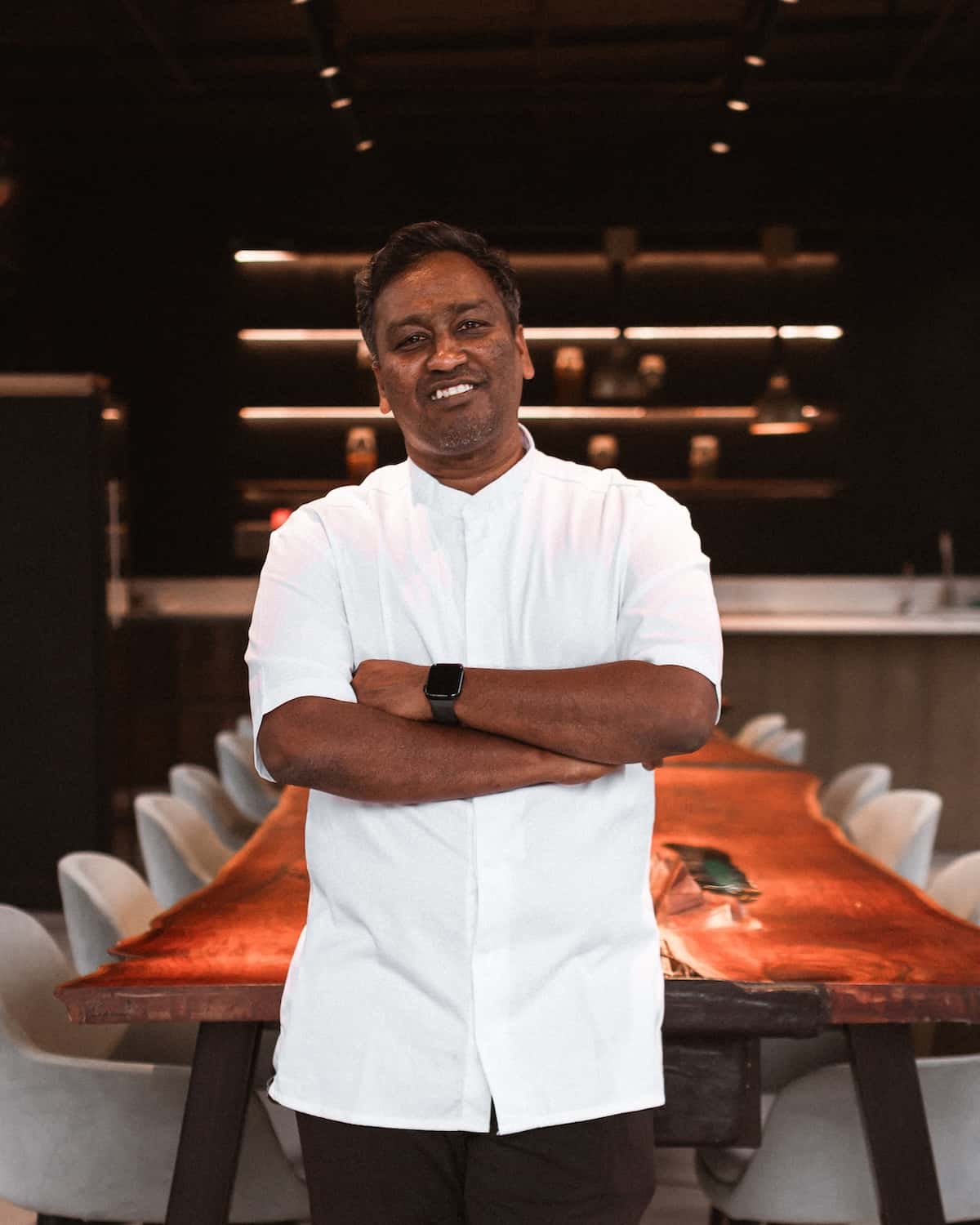
The Chef Speaks
*Lore was the initial plan but it turned to be Farmlore
Storytelling was always my fascination, but survival was my necessity. Farmlore is the transcendence of that desperation—a place where the land, the people, and the culture are no longer just history, but the very soul of the plate.” It was also covid which pushed me and Kaushik this way
When COVID left us with only the instinct to survive, we turned to the earth. Farmlore is the result: a space where every dish is a narrative of the land, and every flavor is a tribute to the people who tend it*
Go. Soon. And Go Hungry.
Farmlore is the kind of restaurant that makes you feel like you arrived at exactly the right moment in its story. Dinner for two will run you somewhere around Rs 10,000 upwards, and it is worth every rupee, not because it is indulgent in the usual sense, but because nothing on the table was inevitable until it grew. The service is warm, unhurried, and deeply knowledgeable. The chefs come out and talk to you. The kitchen tour at the end of the evening is not an afterthought, it is a full stop on a sentence that has been building for two hours.
Book ahead. Be on time. And leave the city behind completely, because Farmlore does not come to you. You come to it.