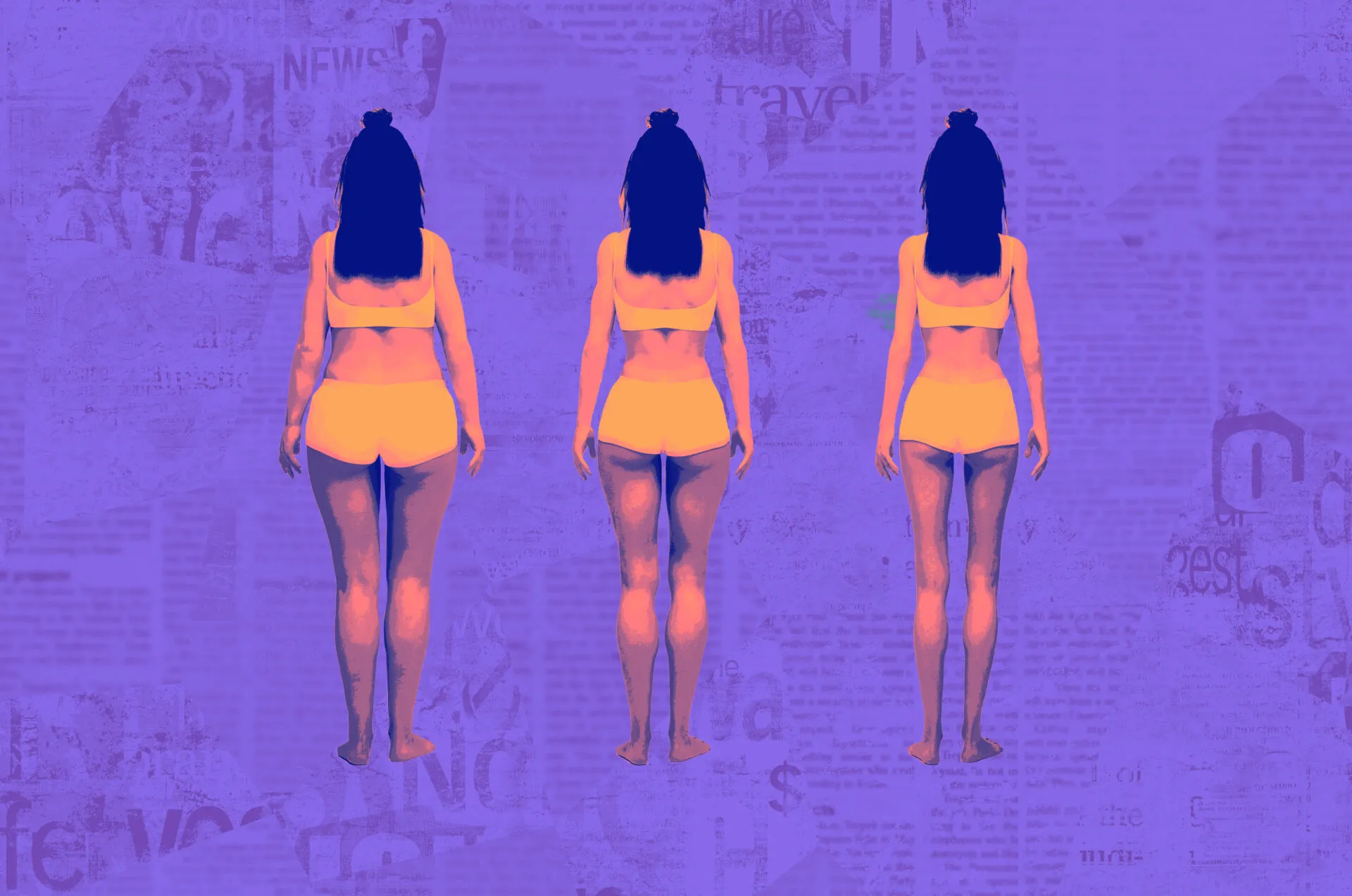
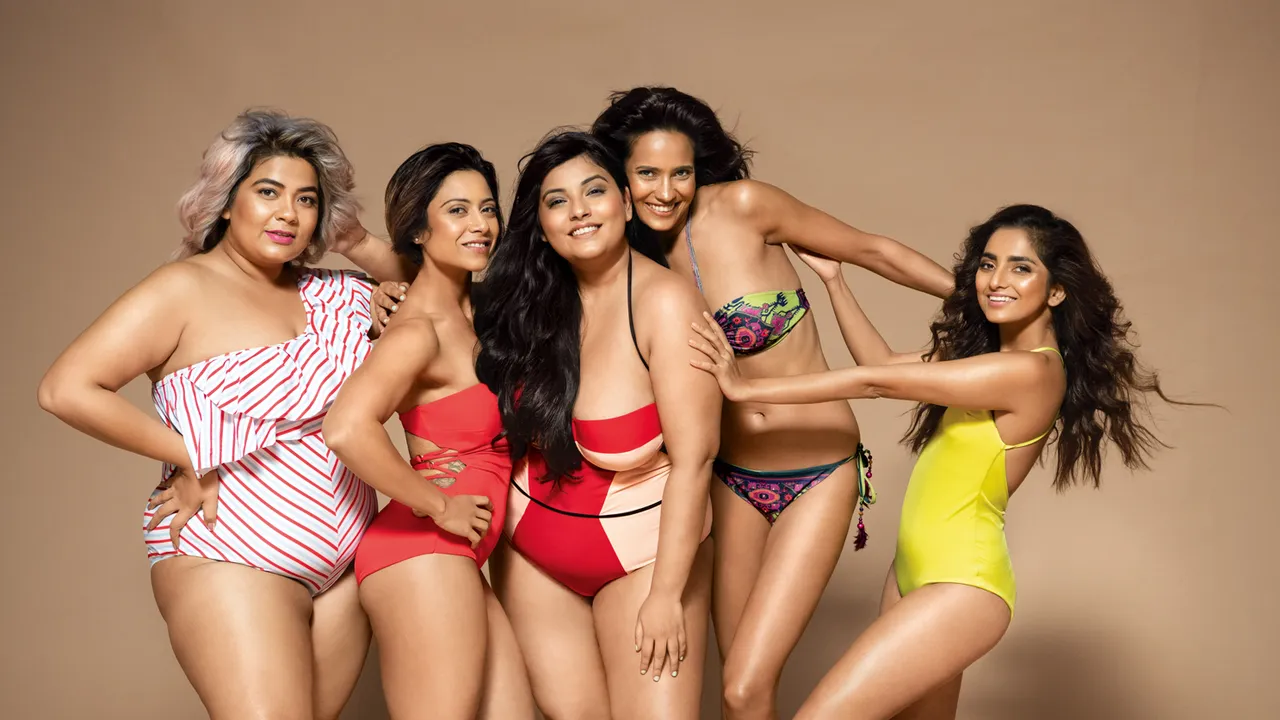
For a brief, genuinely hopeful moment, it looked like the conversation around women’s bodies was changing. Between 2015 and 2022, something shifted in the cultural temperature around beauty standards, in India as much as anywhere else. Plus-size models began appearing in campaigns for homegrown brands. Bollywood slowly, haltingly, began featuring leading women who were not sample-size thin. The body positivity movement found its way into urban Indian discourse, led by creators and activists reclaiming space on Instagram and YouTube. The message, however imperfectly delivered, was landing: your body, as it is, is enough.
Then GLP-1 drugs arrived. And quietly, then loudly, everything got complicated again.
What Changed and Why
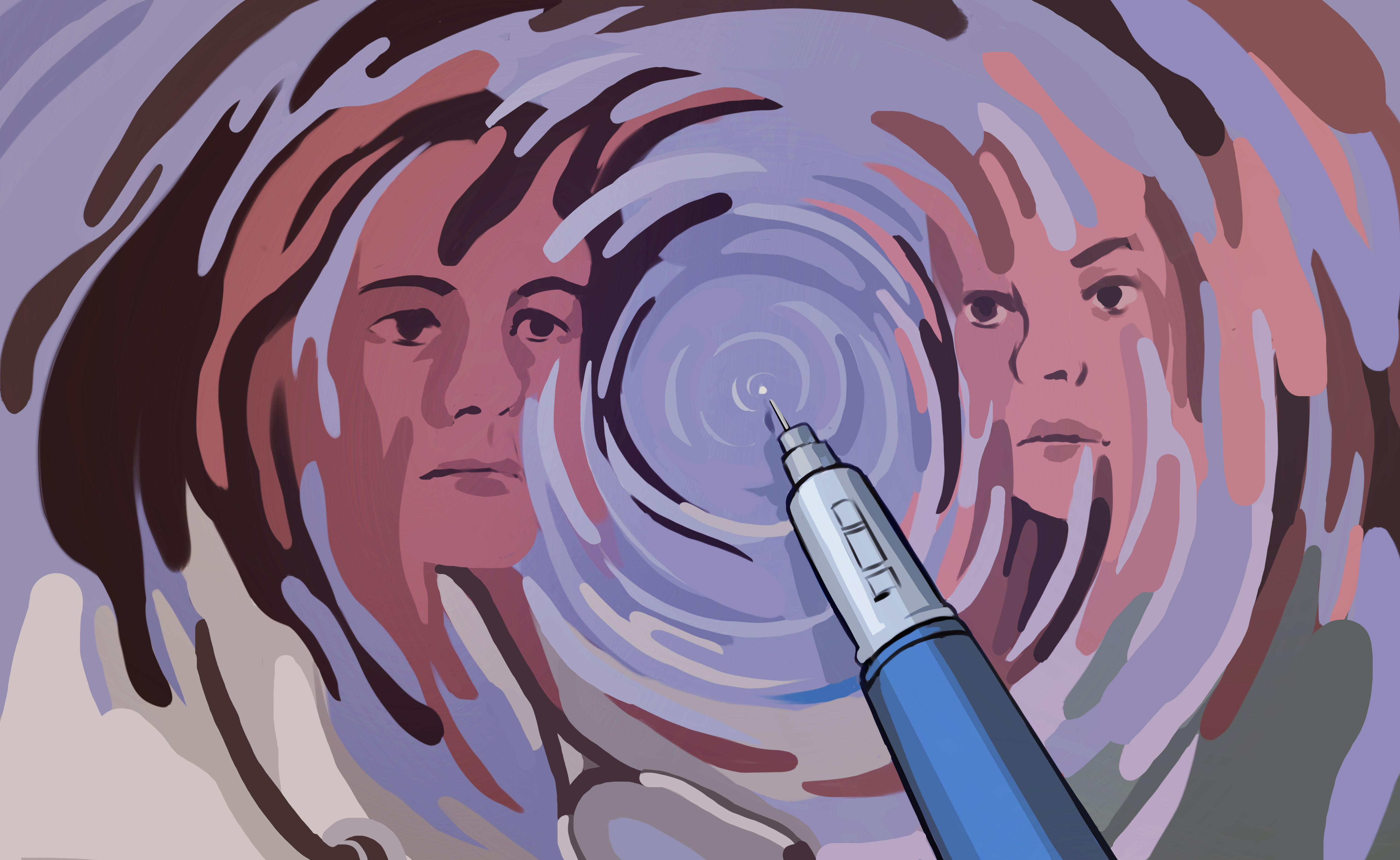
Ozempic, the brand name for semaglutide, was developed as a Type 2 diabetes medication. Its ability to produce dramatic weight loss was a side effect that became, rapidly, its primary cultural identity. By the time Novo Nordisk officially launched Ozempic in India in December 2025 and Wegovy six months before that, the whisper network was already well underway. Mounjaro, Eli Lilly’s tirzepatide, a dual GLP-1 and GIP receptor agonist considered even more potent, had launched in Indian pharmacies in March 2025, and within just six months, it had risen to become India’s second-largest pharmaceutical brand by sales value.
The conversation escalated further on March 20, 2026. Semaglutide’s patent expired in India on that date, opening the molecule to generic competition and making India one of the first major markets in the world where generics can compete freely, while the US and Europe remain under patent protection until the 2030s. Within 24 hours, over a dozen domestic drugmakers including Sun Pharma, Dr Reddy’s Laboratories, Alkem Laboratories, Zydus Lifesciences, Glenmark, and Natco Pharma launched cheaper versions. The brands proliferated fast: Sun Pharma launched Noveltreat, Zydus came in with Semaglyn, Mashema, and Altreme, Mankind Pharma with Samakind, and Natco’s vial formulation arrived at Rs 1,250 per month, while Alkem introduced prefilled semaglutide injections starting at Rs 1,800 per month. Over 50 brand names are expected across the Indian market through 2026.
Then there is Korglutide, perhaps the most concerning entrant of all. This GLP-1 and IGF1 receptor agonist has been approved for the Indian market as an oral functional food supplement for weight loss, without any peer-reviewed evidence. Doctors have flagged this approval as deeply troubling, given the complete absence of published clinical data.
The aesthetic consequences are arriving alongside the pharmaceutical ones. There is a growing concern linked to rapid weight loss, including facial changes such as hollowing and sagging, which is already driving demand in dermatology and cosmetic care. At awards ceremonies and industry events, observers are beginning to note the same silhouette shifts that became familiar on Western red carpets: sharper frames, hollowed temples, pronounced clavicles. The term “Ozempic face” has entered the Indian beauty conversation.

Body image researcher Dr Ciara Mahon has pointed out that this conflation between weight and health is not scientifically grounded. As she has noted, you can be at a low weight and still be unhealthy. Neither end of the spectrum is automatically healthy. The drug suppresses appetite. It does not guarantee nutrition, exercise, or wellbeing.
The Class Problem Nobody Wants to Talk About Loudly Enough
Here is the uncomfortable truth that sits underneath all of this. Before the patent expiry, Ozempic and Wegovy were priced at Rs 12,000 to Rs 18,000 a month in India, a sum well beyond the reach of most households. Even with generic pricing now bringing costs down dramatically, the drugs remain prescription-only Schedule H medicines requiring specialist consultation from endocrinologists, internal medicine physicians, and cardiologists. Clinicians note that nearly 50% of patients could benefit from GLP-1 drugs, but only 5% are currently using them.
This creates a dynamic that cuts along familiar Indian fault lines: urban versus rural, affluent versus aspirational, those with access to specialists and those who rely on the neighbourhood pharmacy. The body positivity movement was originally a challenge to systems of power that kept certain bodies invisible and unvalued. What the GLP-1 moment has done, in a very short space of time, is reassert those power dynamics, first through wealth, now through a more complex web of medical access, geography, and pharmaceutical literacy. The result risks being a world in which body acceptance becomes the consolation prize for those who lack access to weight-loss interventions. If you can access the right doctor in the right city and afford the consultation, the culture rewards you for changing. If you cannot, the culture tells you to love yourself as you are. That is not neutrality. That is a hierarchy dressed in wellness language.
An Indian Body in a Western Trial
There is a dimension to the Indian GLP-1 story that rarely makes it into the beauty conversation but belongs there. The eligibility thresholds for semaglutide, a BMI of 27 or higher, were set based on trials that were 84% white and only 8% Asian, and South Asians face greater cardiometabolic risk at lower BMIs than the populations considered when those thresholds were written. The drug was designed for a different body. The beauty standards being enforced through it were designed for a different body too. India is navigating both impositions simultaneously.
What Social Media Made Worse
Social media, predictably, has accelerated all of this. The algorithmic reality of Indian Instagram and YouTube means that a single search for weight loss content can result in an unrelenting feed of thin-aspirational material, much of it now seeded with references to GLP-1 drugs, detox teas that gesture toward the same promises, and a new class of influencer content that blurs the line between medical information and cosmetic aspiration. The availability of these drugs without prescriptions or medical consultations in pharmacies and online platforms needs urgent curbing, a concern the Drug Controller General of India has acknowledged, having already inspected 49 businesses and warned of licence cancellations for violations.
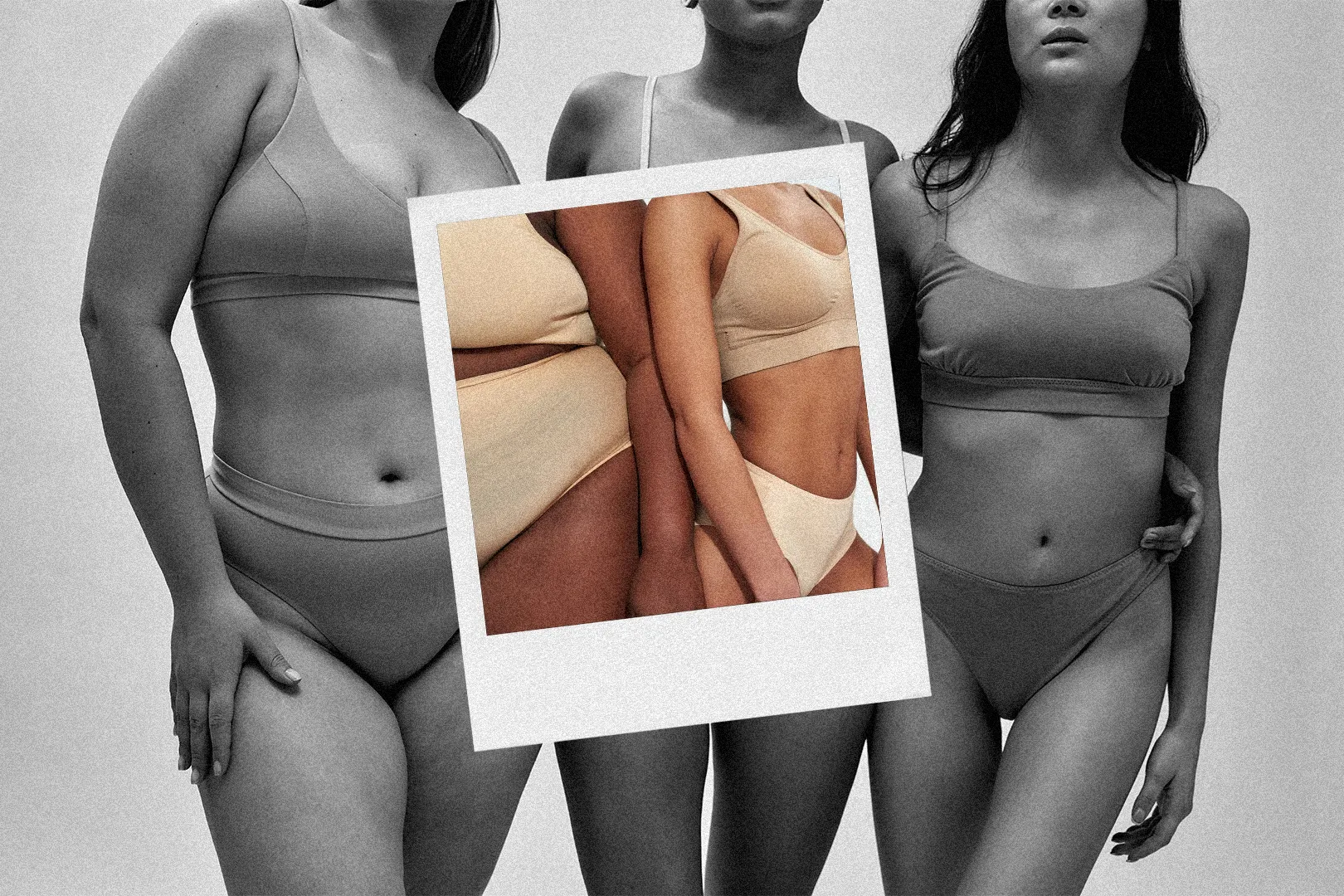
The anti-fat bias that accompanies every major weight-loss moment is now being felt visibly in India’s urban centres, where the arrival of accessible GLP-1 drugs has coincided with a sharp increase in unsolicited commentary about people’s bodies and choices.
The Fashion Response That Matters
The fashion industry, which spent years building the language and infrastructure of inclusivity in India through campaigns celebrating diverse skin tones, body types, and regional aesthetics, is watching its own progress in the mirror. Into this conversation comes a quieter, more grounded position. Kritesh Trevadia of Juliet Apparels has articulated something that cuts through the noise with particular clarity. The conversation around Ozempic has, in many ways, intensified an already complicated narrative around women’s bodies, one that has long been shaped in India by unrealistic timelines, shaadi season pressure, and the deep social expectation that a woman should transform herself for acceptance.
His point about milestone moments is worth sitting with. In India, weddings are perhaps the most acute version of what happens globally: months of pre-bridal dieting, crash programmes, and the cultural assumption that the bride’s body is a project requiring completion before the date. A wedding should never feel like a deadline to change your body. It should be a celebration of who you are, as you are. The design philosophy at Juliet Apparels flows directly from this: clothes are meant to fit the woman, not the other way around. Every piece is created for the body you have right now, not the one the market tells you to aspire to, and certainly not the one that might emerge after six months of weekly injections.

The Deeper Question
The GLP-1 debate is not really about a drug. It is about what we value, what we reward, and what we tell women their bodies are for. In India, that question carries the additional weight of a culture that has always found elaborate ways to police women’s bodies, through rishta conversations, shaadi weight expectations, saas-bahu dynamics, and a film industry that has historically made thinness a prerequisite for visibility.
The GLP-1 market in India is expected to grow from Rs 1,000 to 1,200 crore in 2025 to approximately Rs 4,500 to 5,000 crore by 2030. That is a market growing fivefold in five years, and it will shape culture as surely as it shapes healthcare. Body positivity at its most meaningful was never simply about feeling good about how you look. It was about dismantling the systems that made certain bodies more visible, more valued, and more employable than others. GLP-1 drugs have not dismantled those systems. In many ways, they have reinforced them, with the authority of medicine, the aspirational language of wellness, and now, in India’s case, with the democratising veneer of the generic.
What the moment demands is honesty about who benefits from the current narrative, who is excluded by it, and what the fashion and beauty industries choose to do with the extraordinary power they hold over how Indian women see themselves.
The most beautiful a woman can look is when she feels genuinely comfortable, confident, and at ease in her own skin. That sense of ease cannot be rushed, injected, or bought at a pharmacy, generic or otherwise. In a culture increasingly driven by quick fixes and external validation, that is not a small thing to say. It is, quietly, everything.
Follow Best List India for the culture, conversations, and ideas worth paying attention to.