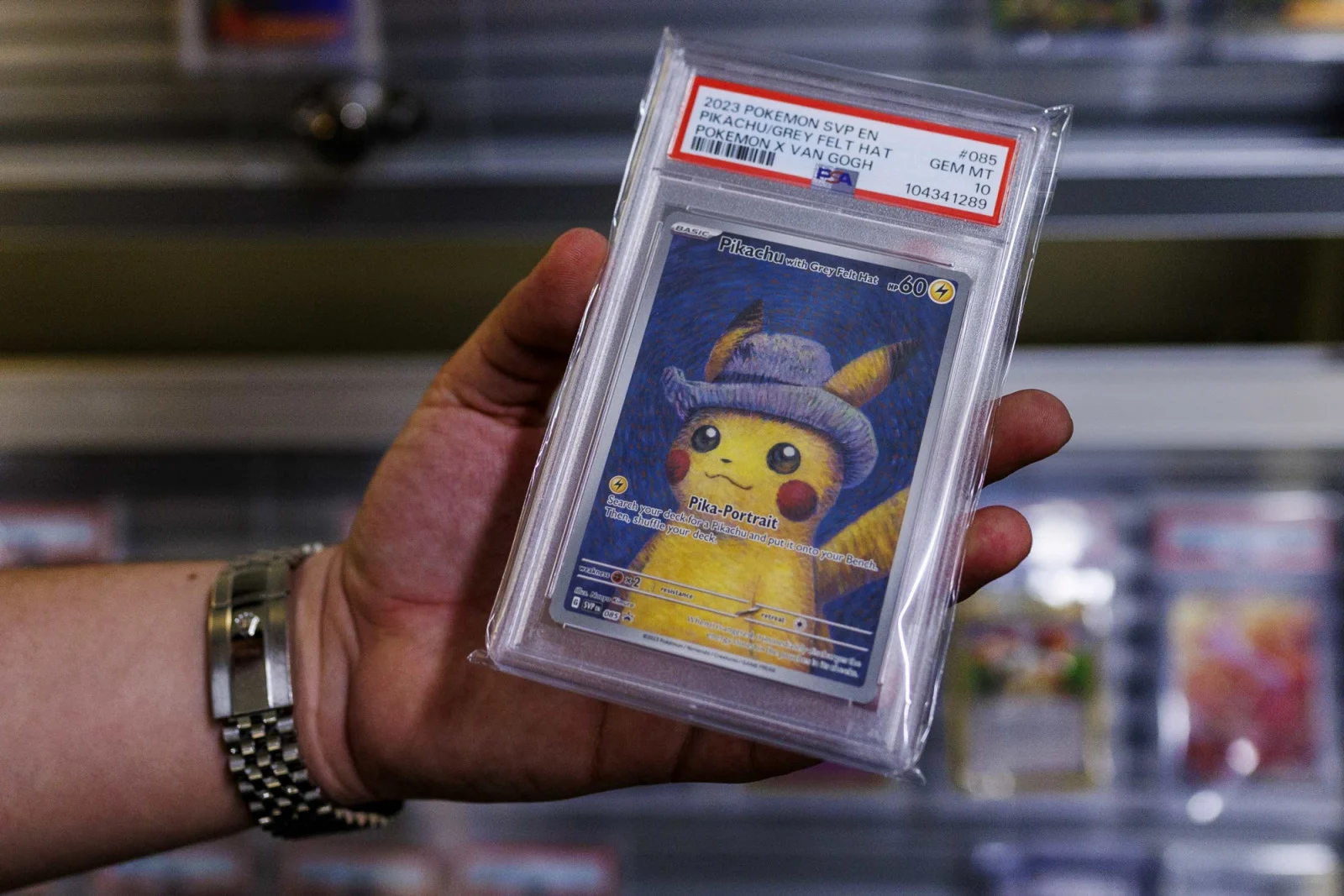
There is a card sitting in a temperature-controlled vault somewhere in the world that is worth more than most South Mumbai apartments. It is made of paper. It was printed in 1998. It features a cartoon mouse holding a lightning bolt. And earlier this year, Logan Paul sold it for USD 16.5 million, making it the most expensive Pokémon card ever sold at auction.
If you laughed at that sentence, you are not alone. And if you are now quietly reconsidering those childhood card collections you sold at a garage sale for Rs 200, you are also not alone.
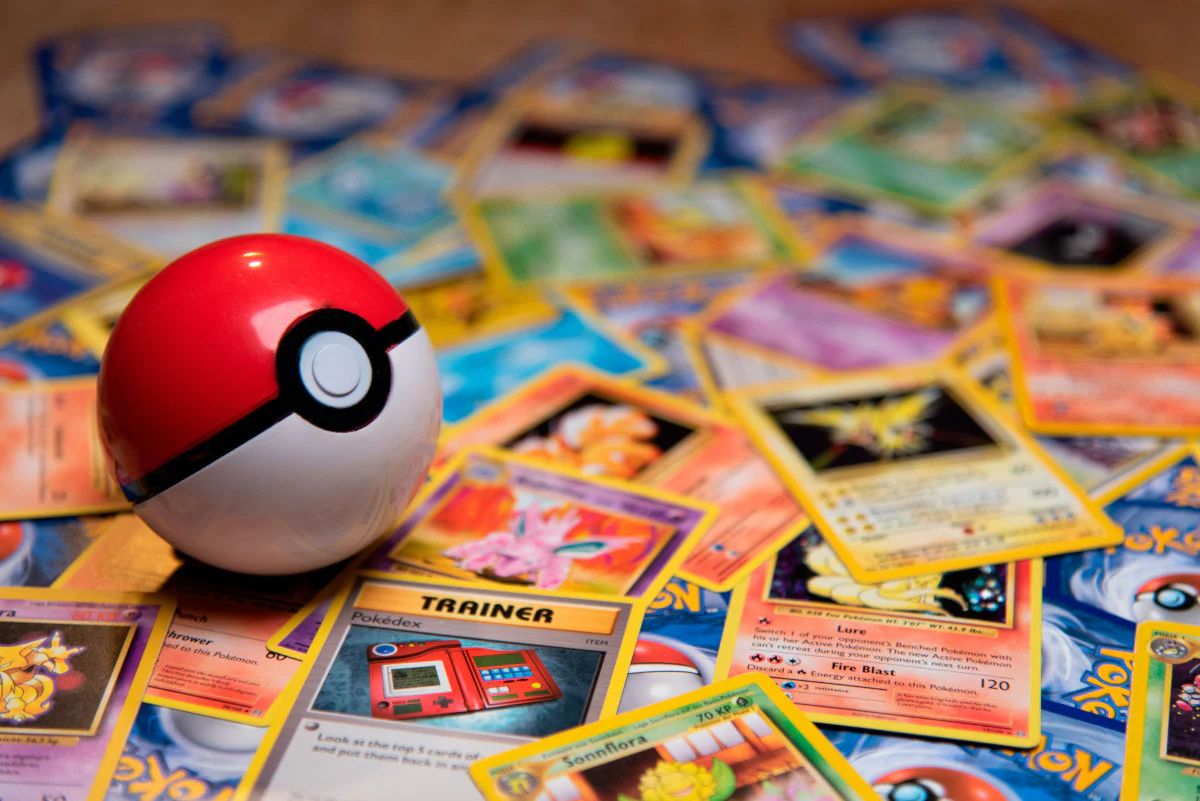
Pokémon trading cards are no longer a children’s hobby with a nostalgic aftermarket. They are a fully functioning alternative asset class with their own price indices, grading agencies, auction houses, and institutional-level investors. And Asia, including India, is waking up to this very quickly.
The Numbers That Change the Conversation
The Card Ladder index, which tracks the value of a basket of the most popular Pokémon cards, shows those cards are worth roughly 6,208% more than they were in May 2004. That is a better return on investment than the S&P 500, which climbed 521% across the same period.
The TCG market hit USD 2.2 billion in 2024, up 25% year-on-year, with 2025 poised for even bigger gains as the franchise approaches its 30th anniversary in 2026.
Walmart reported a 200% increase in trading card sales, and Pokémon sales on its marketplace grew ten times between 2024 and 2025. These are not hobbyist numbers. These are asset class numbers.
Why Pokémon Specifically
Every collectibles bubble eventually bursts. Baseball cards crashed. Basketball cards corrected. Pokémon, uniquely, has not followed that script.
What other trading card game can claim relevance with both a 10-year-old just discovering Pikachu and a 35-year-old collector bidding on a Shadowless Charizard? Few brands manage to maintain such a wide generational fanbase, and that fanbase is global.
The mechanics of value are also well understood by now. Cards are printed in limited runs, with some promos available only in specific regions or during short time frames. Once they are gone, they are gone. Cards graded by PSA, BGS, or CGC at Gem Mint level often sell for five to twenty times more than ungraded copies. Scarcity, condition, and nostalgia are the three levers. Pull all three and the numbers become extraordinary.
In 2004, around USD 100 was enough to buy a first edition base set Charizard on the secondhand market. Last week one was sold at auction in a Grade 10 for USD 528,000.

``
Asia’s Moment
The Asia Pacific trading card games market was valued at around USD 3.5 billion in 2025 and is anticipated to register a CAGR of 6.6% between 2026 and 2035. In terms of population and publishers, Asia Pacific has the largest regional TCG marketplace.
Japan remains the epicentre, and for good reason. Japan often releases sets first, and frequently releases cards exclusive to events, Pokémon Center stores, or short-lived collaborations. Serious collectors globally have learned to watch the Japanese market the way wine investors watch Burgundy harvests. What drops there shapes prices everywhere else within days.
India: The Emerging Market Nobody Is Talking About Enough
Here is the part that is particularly interesting for readers in India. India is specifically identified as one of the key emerging markets in the Asia Pacific TCG landscape, alongside Indonesia and the Philippines. The collector infrastructure is building quietly but quickly.
Dedicated Indian TCG platforms like TCG Republic in Mumbai and TCG Hub are now shipping pan-India, offering authenticated booster boxes, vintage singles, and graded slabs sourced from authorised distributors. The conversation has moved from WhatsApp groups of enthusiasts to proper storefronts, social communities, and an appetite for PSA-graded cards that mirrors what was happening in Singapore and Hong Kong five years ago.
The challenge India faces is one of market maturity. Emerging markets often provide arbitrage opportunities, with cards available at significant discounts before shipping costs. However, authenticity verification becomes more challenging in international transactions. Counterfeits are rampant at this stage of any market’s development, which is exactly why grading and authentication matter so much, and why buying from verified sources is non-negotiable.

What to Know Before You Start
The entry point for serious collecting does not need to be a USD 500,000 Charizard. Vintage cards show steady 8 to 12% annual growth, while modern cards face mixed performance, with popular cards rising 5 to 15% while oversupplied cards decline. The long-term outlook remains positive, but as with any speculative market, the difference between a good investment and an expensive mistake is knowledge.
A few principles that experienced collectors swear by: buy sealed product when you can, focus on cards with strong nostalgic pull from the original 151, prioritise condition above everything, and get anything of significant value graded by PSA before it sits in a collection for years.
Speculators and resellers, many of whom do not even open the packs, buy sealed products in bulk hoping to flip them at a premium. In India, regional distribution imbalance means the window on certain sets closes faster than most buyers realise, making it essential to stay plugged into the community and move quickly when a set drops.
The Bigger Picture
What Pokémon trading cards represent at this moment is something the Indian collector and investor community is increasingly well-placed to understand: the convergence of cultural nostalgia, genuine scarcity, and alternative investment appetite. The generation that grew up watching the anime and trading cards in school corridors in the early 2000s is now in their thirties, earning well, and remembering exactly which cards they let go of.
The market has already rewarded the early believers handsomely. The question now is not whether Pokémon cards are a legitimate asset class. That argument is settled. The question is how much longer India waits before it catches up with the rest of Asia.
Follow Best List India for the investments, collectibles, and cultural moments worth paying attention to.