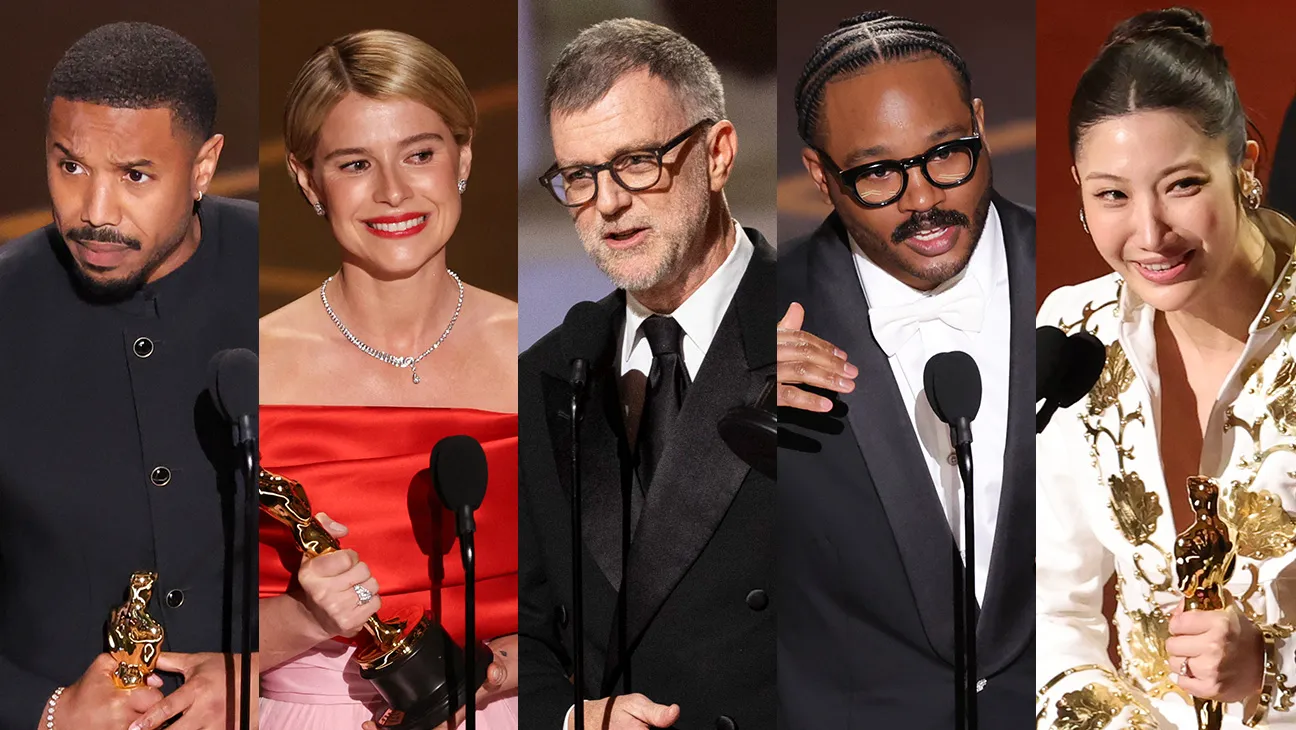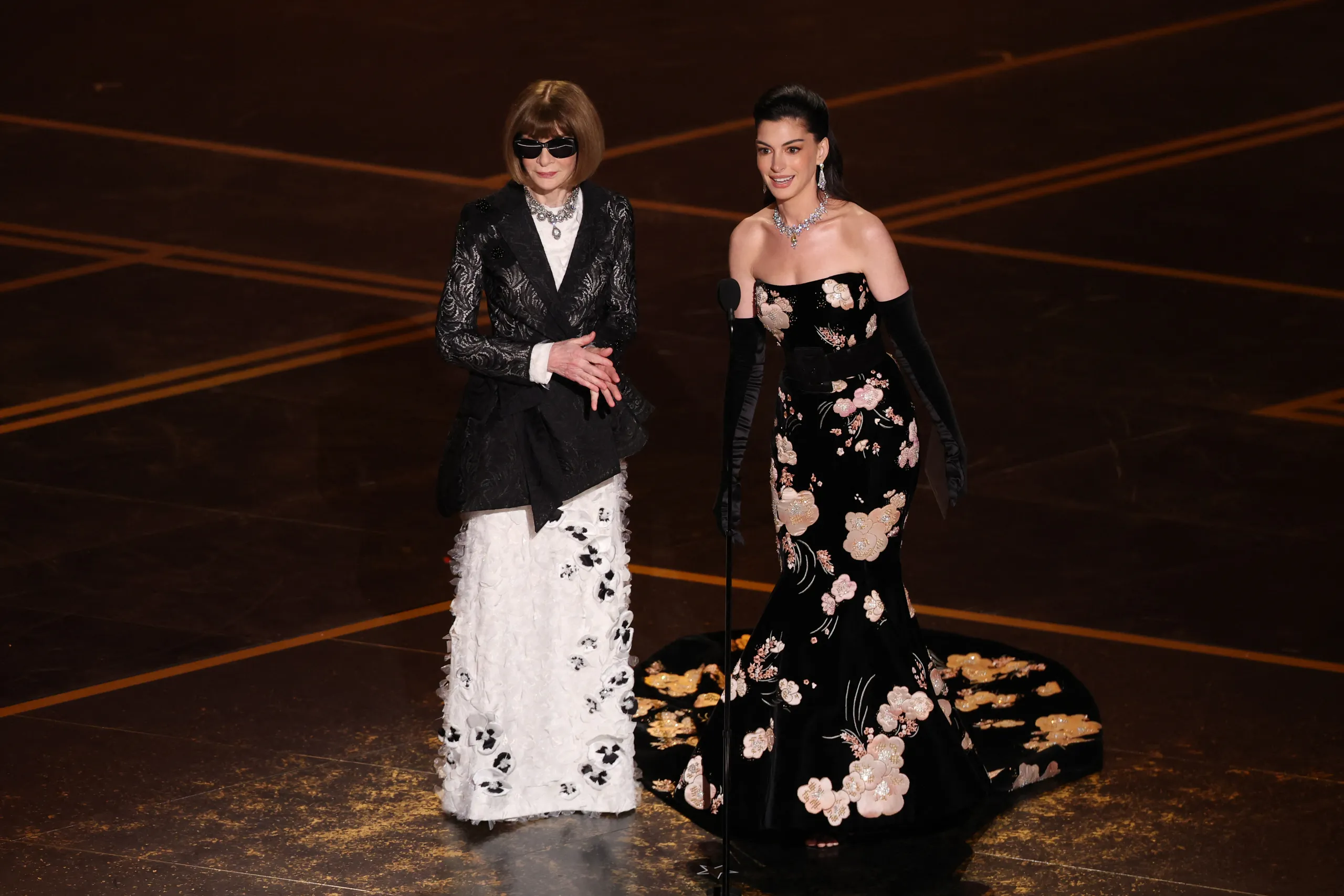
There was a moment at the 98th Academy Awards where, if you were paying attention, something quietly historic was happening. Not in a single speech or a single win, but in the accumulation of faces, names, and presences across the entire evening. South Asian faces. In the front rows. On the stage. Behind the cameras. Running the companies.
This was not a token moment. This was not a diversity initiative with a press release attached. This was South Asia showing up at Hollywood’s biggest night as a full, confident, undeniable part of the industry’s present. Not its future. Its present.
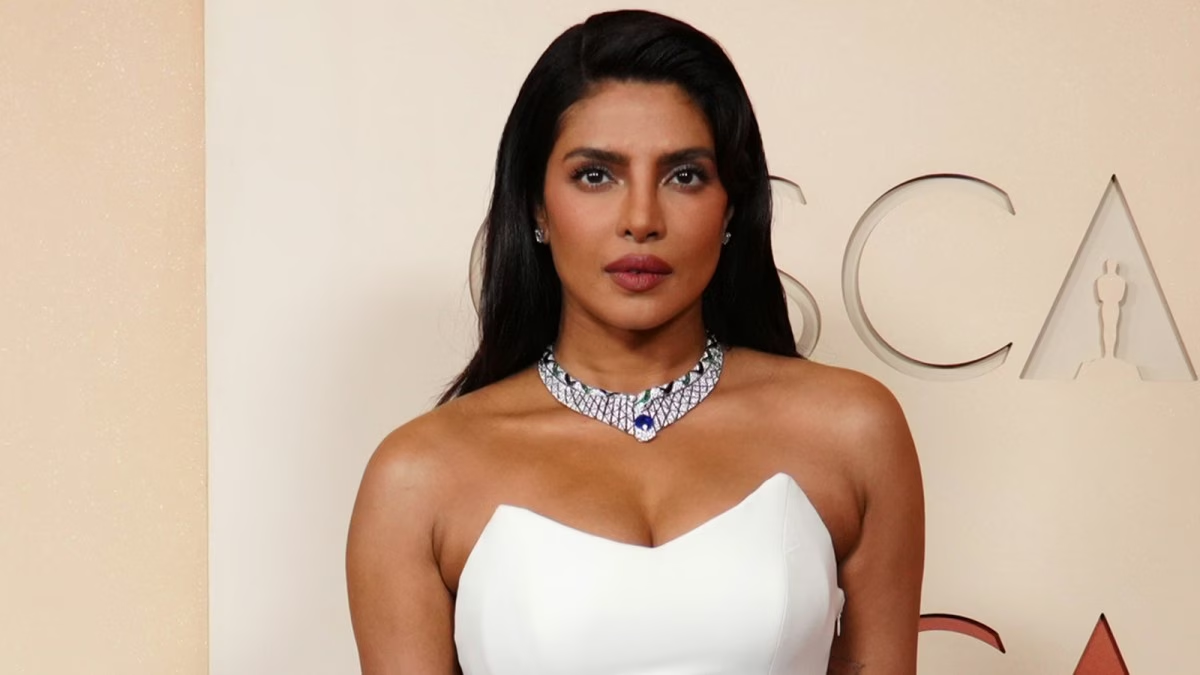
Priyanka Chopra Jonas
She has been here before, but every time Priyanka Chopra Jonas walks into a room of this magnitude, it registers differently. At the 2026 Oscars, she was not a guest or a novelty. She was a presenter, a fixture, a global star who has spent years building the kind of cross-cultural career that the industry is only now building the language to describe. The girl from Bareilly who became Miss World, who became Bollywood royalty, who became a Marvel character, who became an Oscars presenter. The throughline is not luck. It is relentless, disciplined ambition.
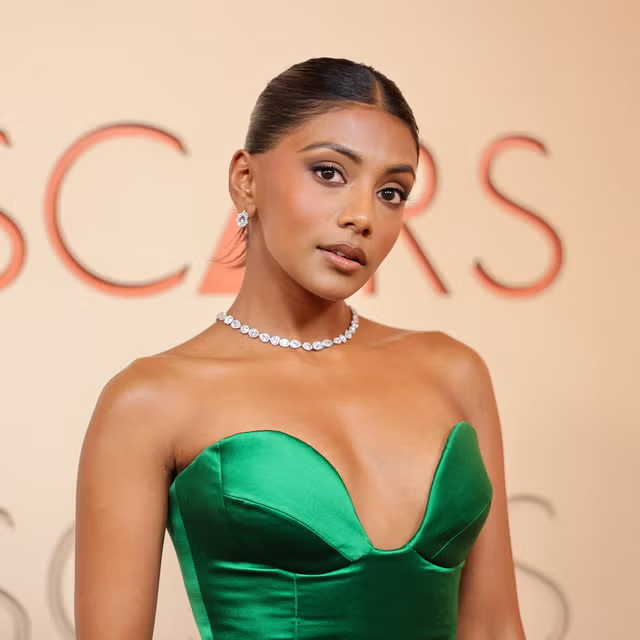
Charithra Chandran
The British-Tamil actress who made the world fall in love with her in Bridgerton was at the Oscars this year, and her presence there is its own kind of statement. She represents a generation of South Asian talent that is not asking for permission to occupy space in global storytelling. She is simply occupying it, with grace, with warmth, and with the kind of screen presence that makes casting directors take note and audiences follow.
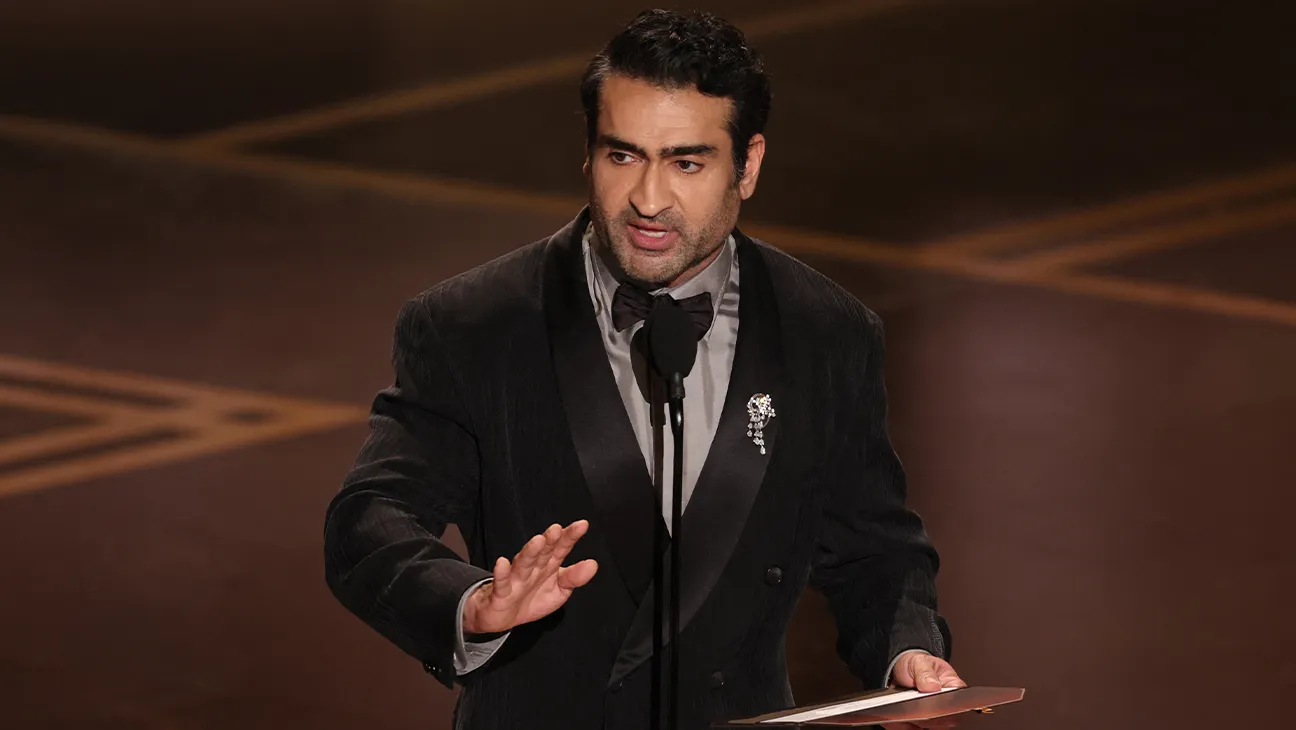
Kumail Nanjiani
Few people in Hollywood have navigated the space between comedy and genuine pathos with as much self-awareness as Kumail Nanjiani. From The Big Sick, the semi-autobiographical film that earned him an Oscar nomination for Best Original Screenplay, to Eternals, to his ongoing presence as one of the sharpest voices in the industry, Nanjiani has spent years making the case that South Asian stories are universal stories. At the Oscars this year, he was there not as an exception but as a peer.
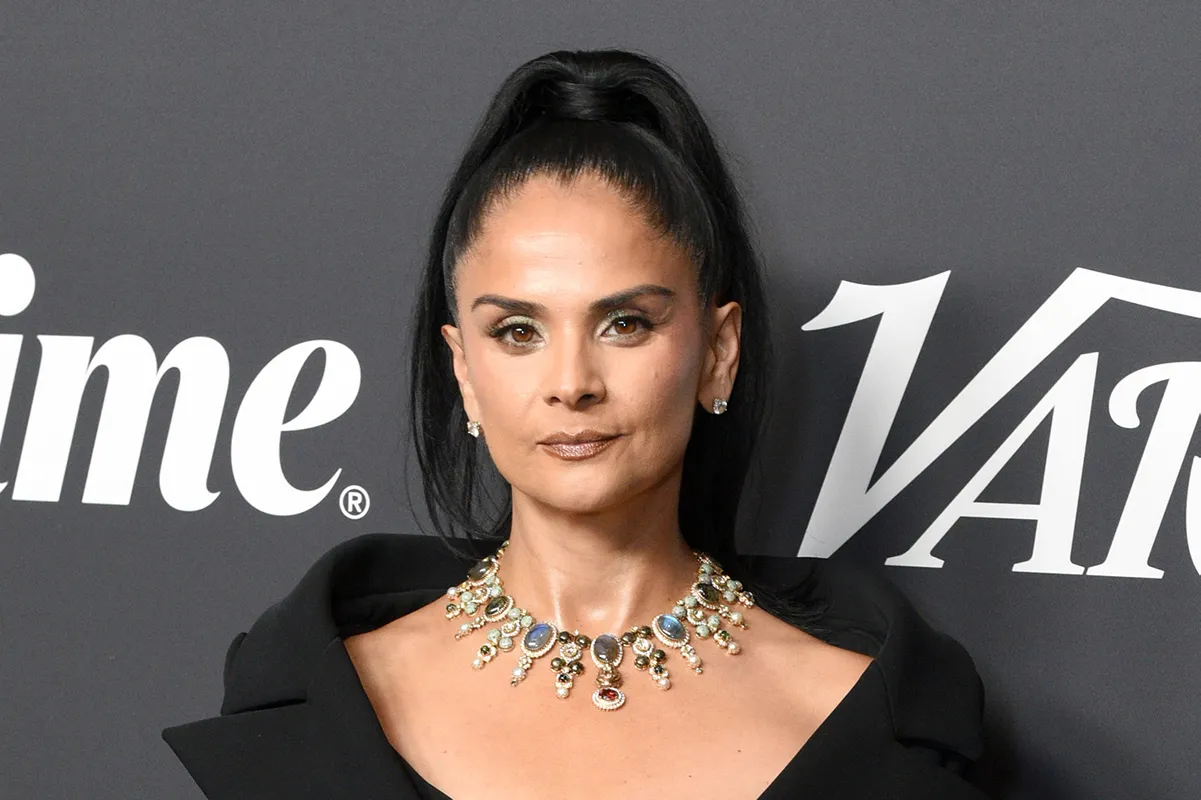
Bela Bajaria
If you want to understand how South Asian influence in Hollywood actually works at the structural level, look at Bela Bajaria. As Netflix’s Chief Content Officer, she is one of the most powerful people in global entertainment, overseeing the content strategy of a platform with over 300 million subscribers. She does not just attend the Oscars. She shapes what gets made, what gets seen, and what wins. Her presence in that room is a different kind of South Asian visibility, quieter than a red carpet moment, and considerably more consequential.

Geeta Gandbhir
A documentary filmmaker and editor whose work has earned Emmy recognition and whose storytelling sits at the intersection of race, justice, and humanity. Geeta Gandbhir being part of the Oscars conversation is a reminder that South Asian presence in Hollywood is not confined to acting or producing. It runs through every discipline, every craft, every room where stories are shaped and told.
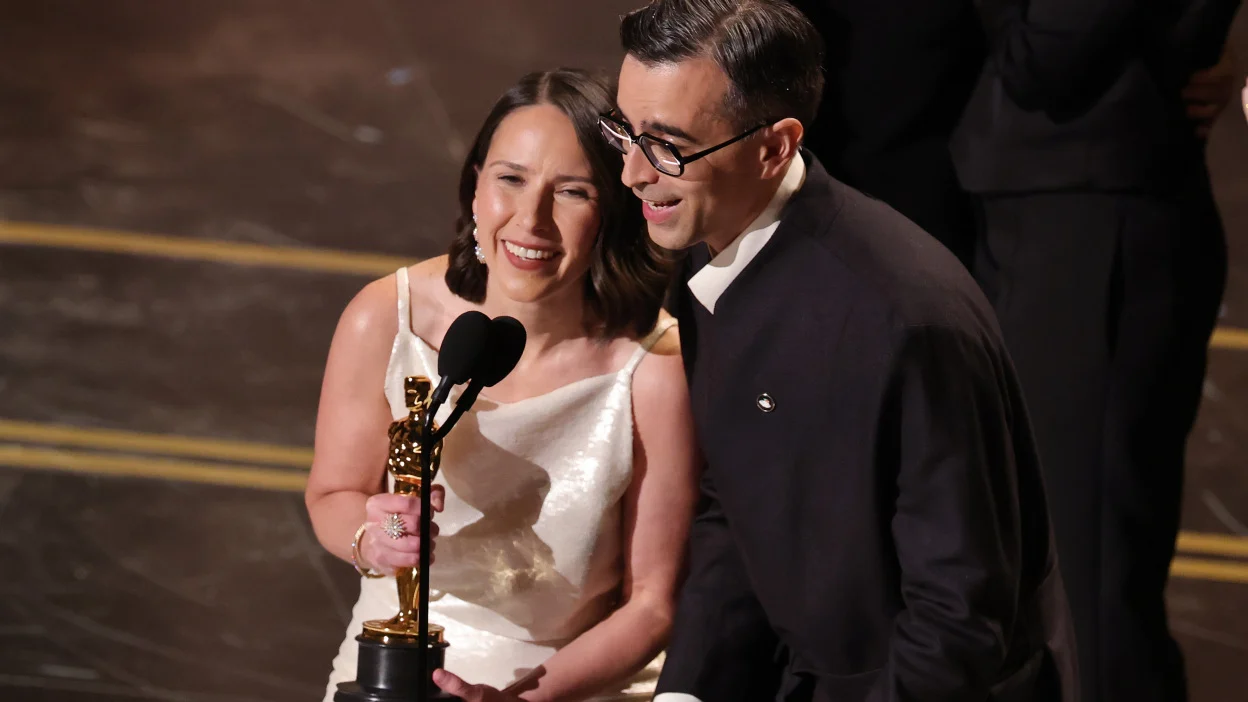
Alexandre Singh
A conceptual artist and writer whose work defies easy categorisation, Singh’s presence at the Oscars is a signal of something broader: the South Asian creative voice operating not just in mainstream entertainment but at the edges of culture where the most interesting things tend to happen first.
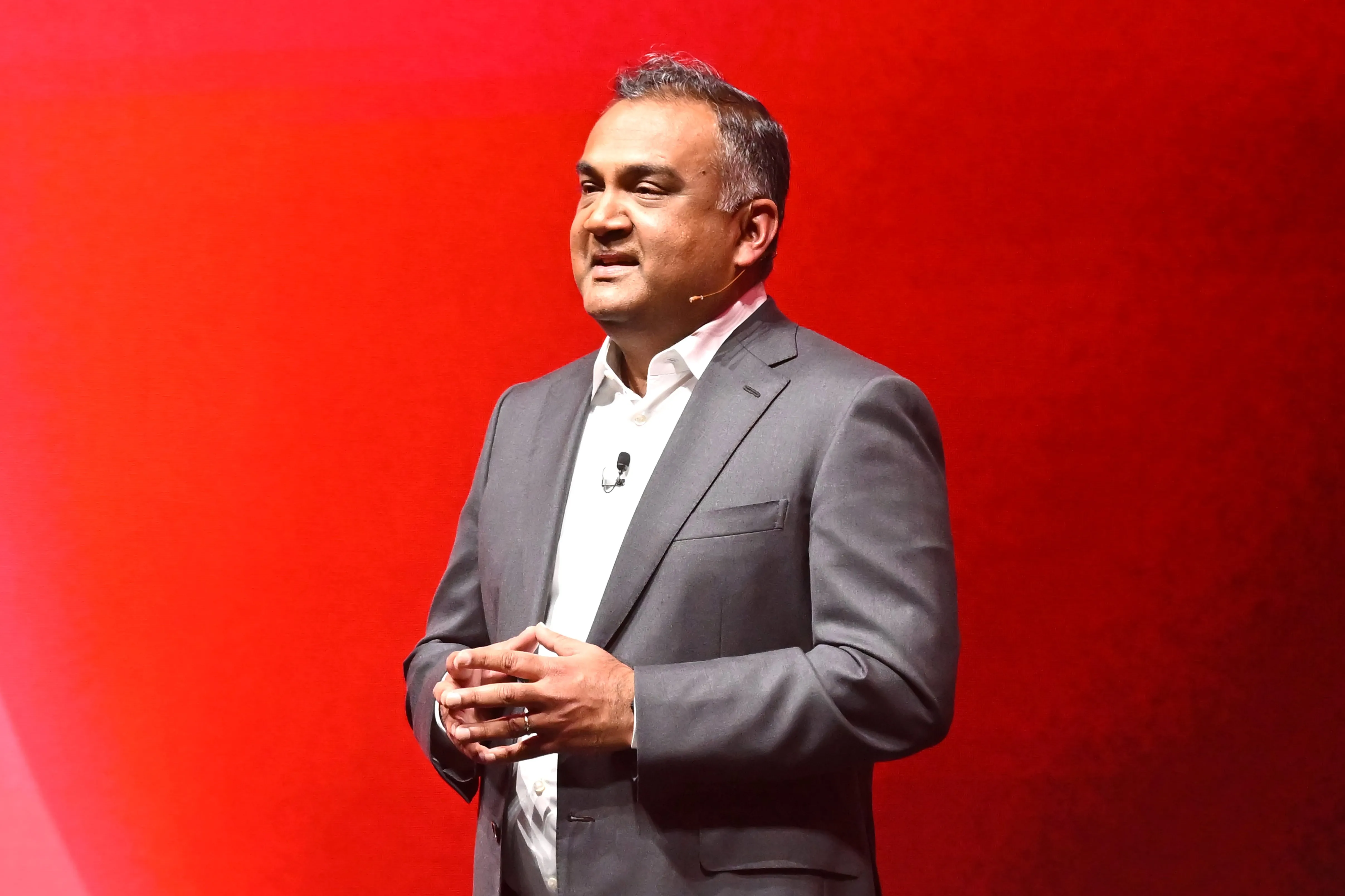
Neal Mohan
As the CEO of YouTube, Neal Mohan oversees a platform that has fundamentally changed how content is created, distributed, and consumed globally. His presence at the Oscars speaks to the expanding definition of what the film and entertainment industry even is. YouTube is where the next generation of storytellers is building their audiences. Having its CEO in that room is not incidental.
What This Actually Means
There is a version of this story that gets told as a feel-good moment, a collection of names and faces to celebrate and then move on from. That is not this story.
What the 2026 Oscars represented, when you look at the full picture, is the result of decades of work: of South Asian artists, executives, storytellers, and entrepreneurs refusing to accept the margins as their permanent address. Priyanka Chopra was told early in her Hollywood career that there were limits to how far she could go. Kumail Nanjiani wrote his own story when the stories being offered were not the right ones. Bela Bajaria climbed through an industry that was not designed with her in mind and eventually reached the top of it.
The Oscars stage on Sunday night was not a gift. It was a consequence. A consequence of a generation that decided the room was worth getting into, and then got in, and then held the door open.
South Asia has arrived at the Oscars. And this time, it is staying.
Follow Best List India for the culture, the conversations, and the moments that matter.