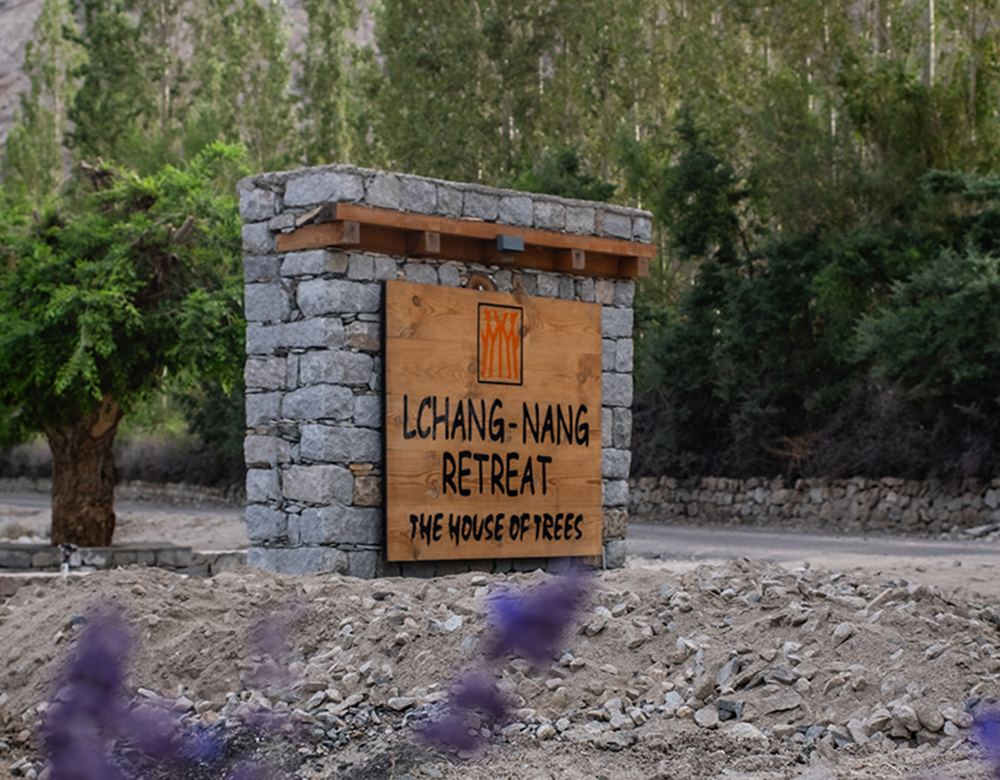
There are hotels that announce their luxury the moment you arrive, and there are hotels like Lchang Nang, which take their time. Tucked into Nubra Valley on the banks of the Siachen River, roughly four hours from Leh over the dizzying heights of Khardung La, this is not a property that competes for attention. It simply waits, quietly, for you to notice everything it has gotten right.
The Arrival
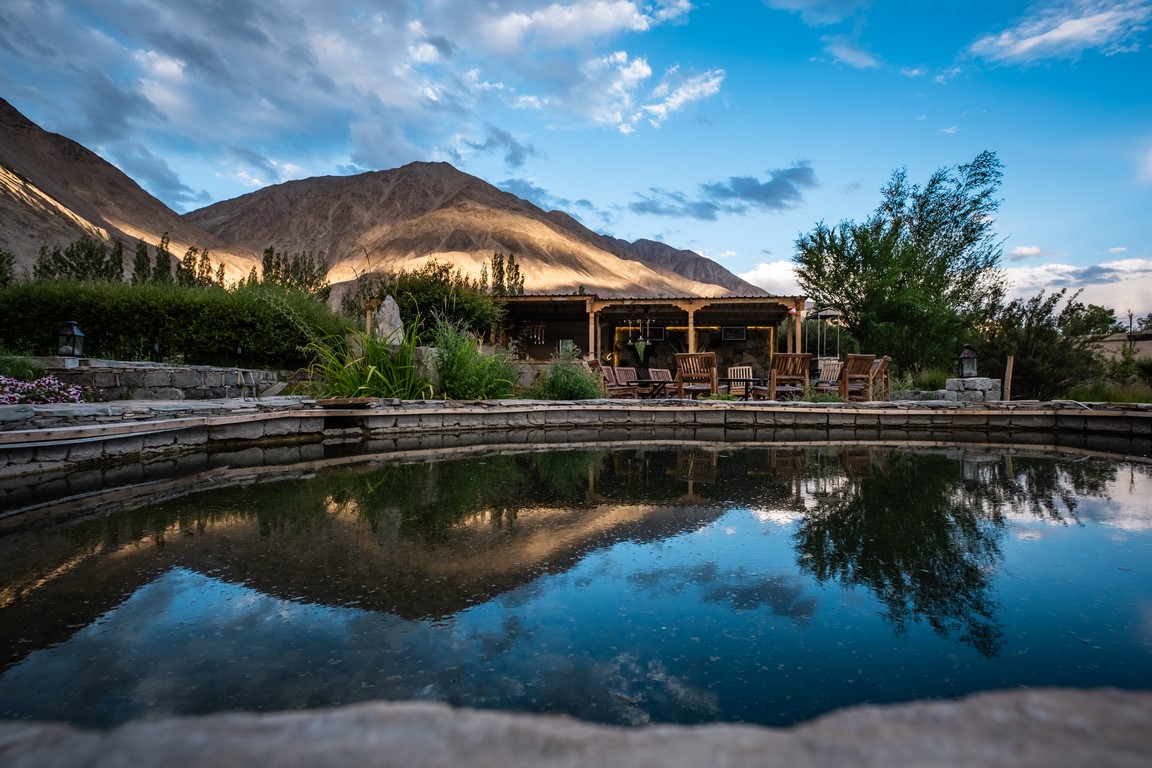
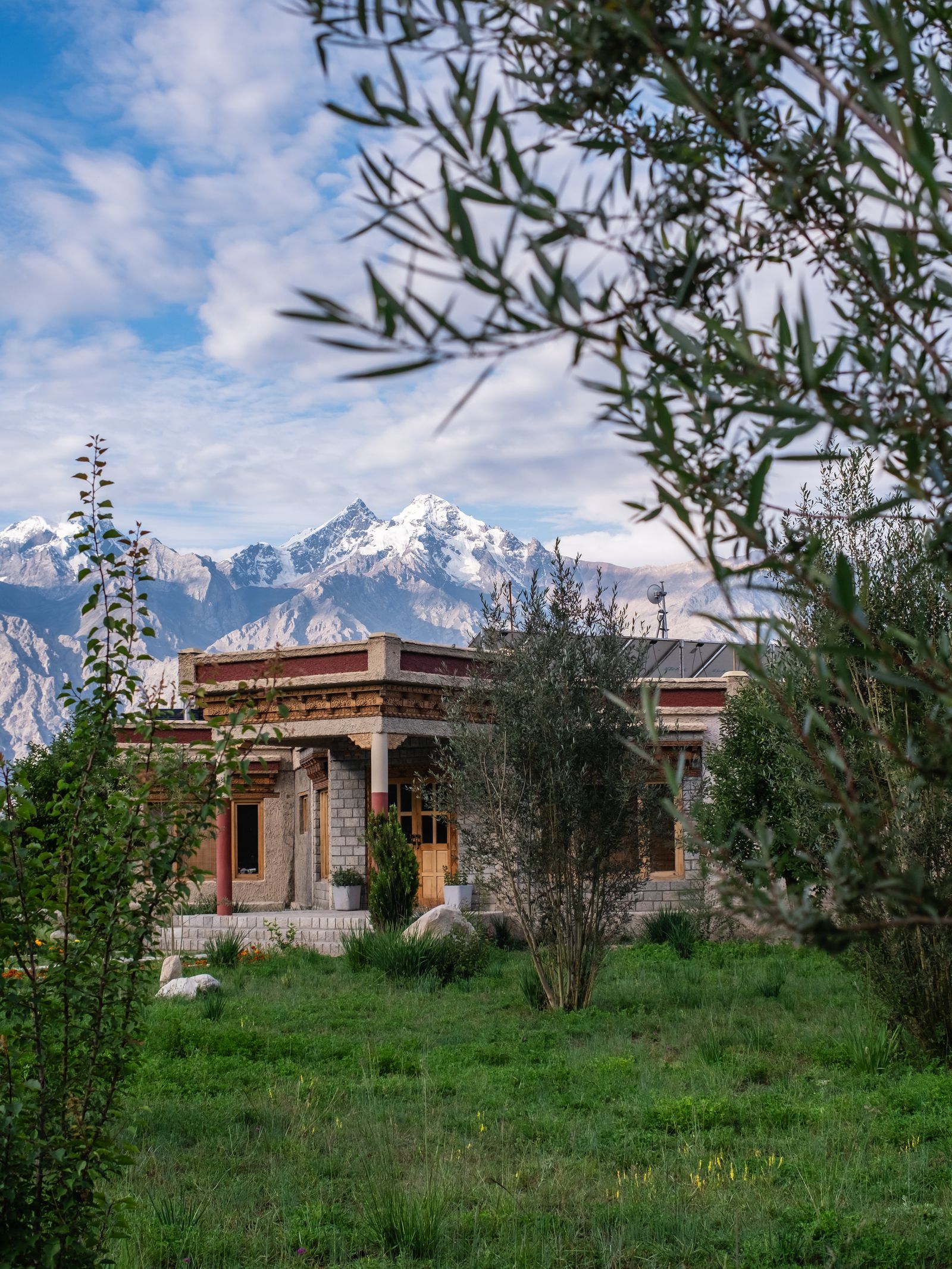
The journey itself is part of the experience, and by the time the road drops into Nubra Valley, the altitude and the anticipation have done their work. An old Ladakhi saying holds that only your best friend or worst enemy would make the trip to visit you here, and Lchang Nang leans into that remoteness rather than apologising for it. Known as the House of Trees, the retreat sits among groves of poplar, willow, and Siberian elm, an environment so specific to this stretch of the Himalayas that the setting alone would justify the trip.
The Design Philosophy
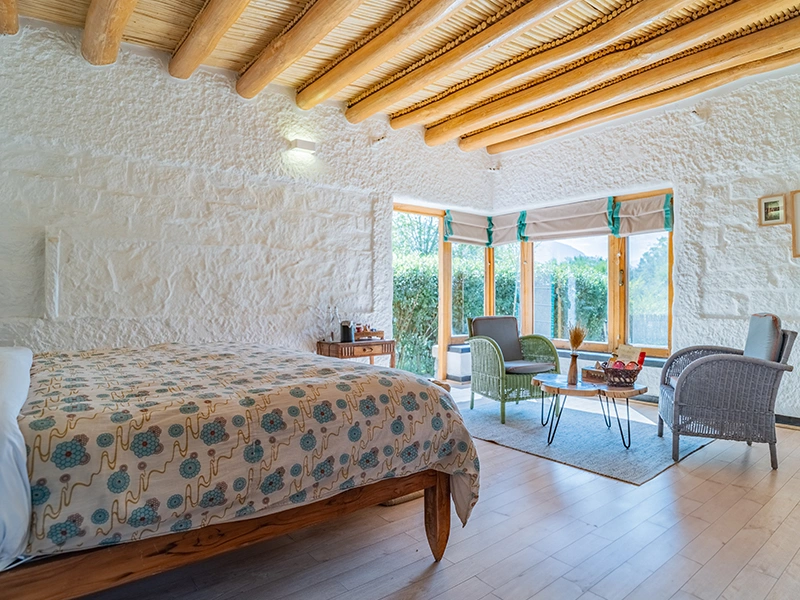
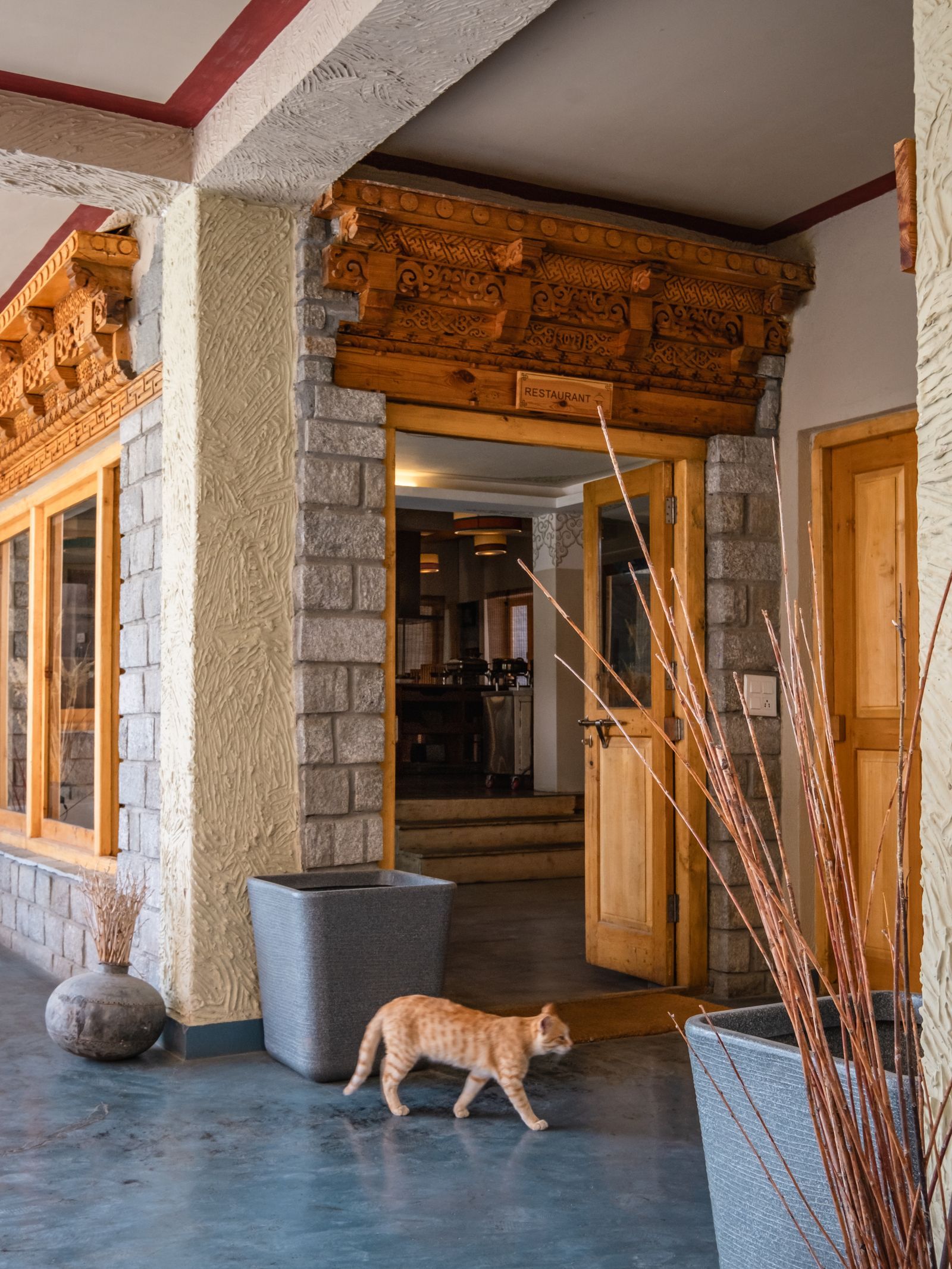
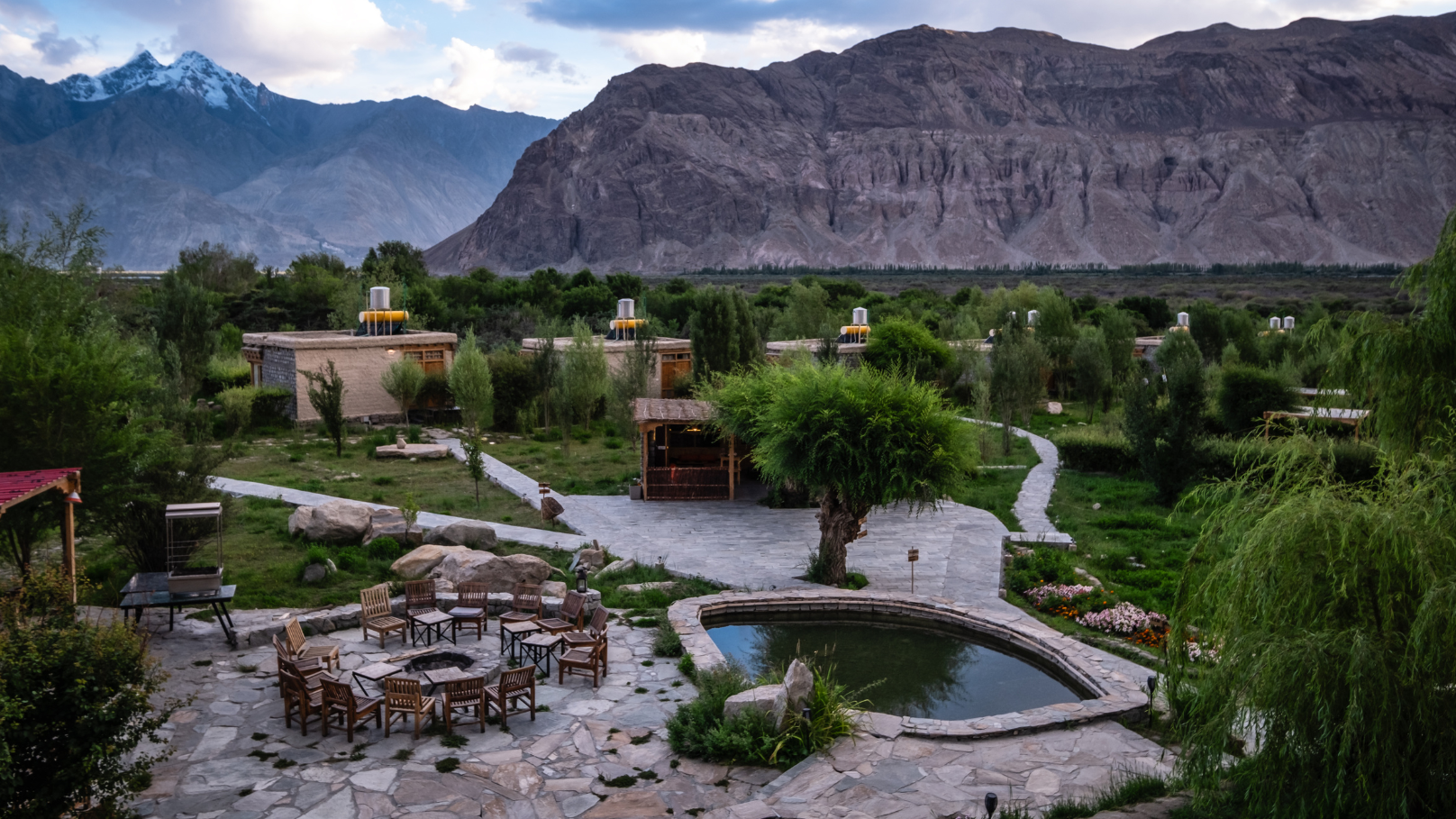
What distinguishes Lchang Nang from the wider field of Himalayan luxury retreats is how seriously it takes its own footprint. The cottages are built using traditional local methods from stone, mud and wood, a choice that keeps them warm through winter and cool through summer without mechanical intervention. The property runs on roughly ninety five percent solar energy, and drinking and bathing water arrives filtered from glacial snowmelt, a detail that turns sustainability from marketing language into something guests can taste and feel each morning.
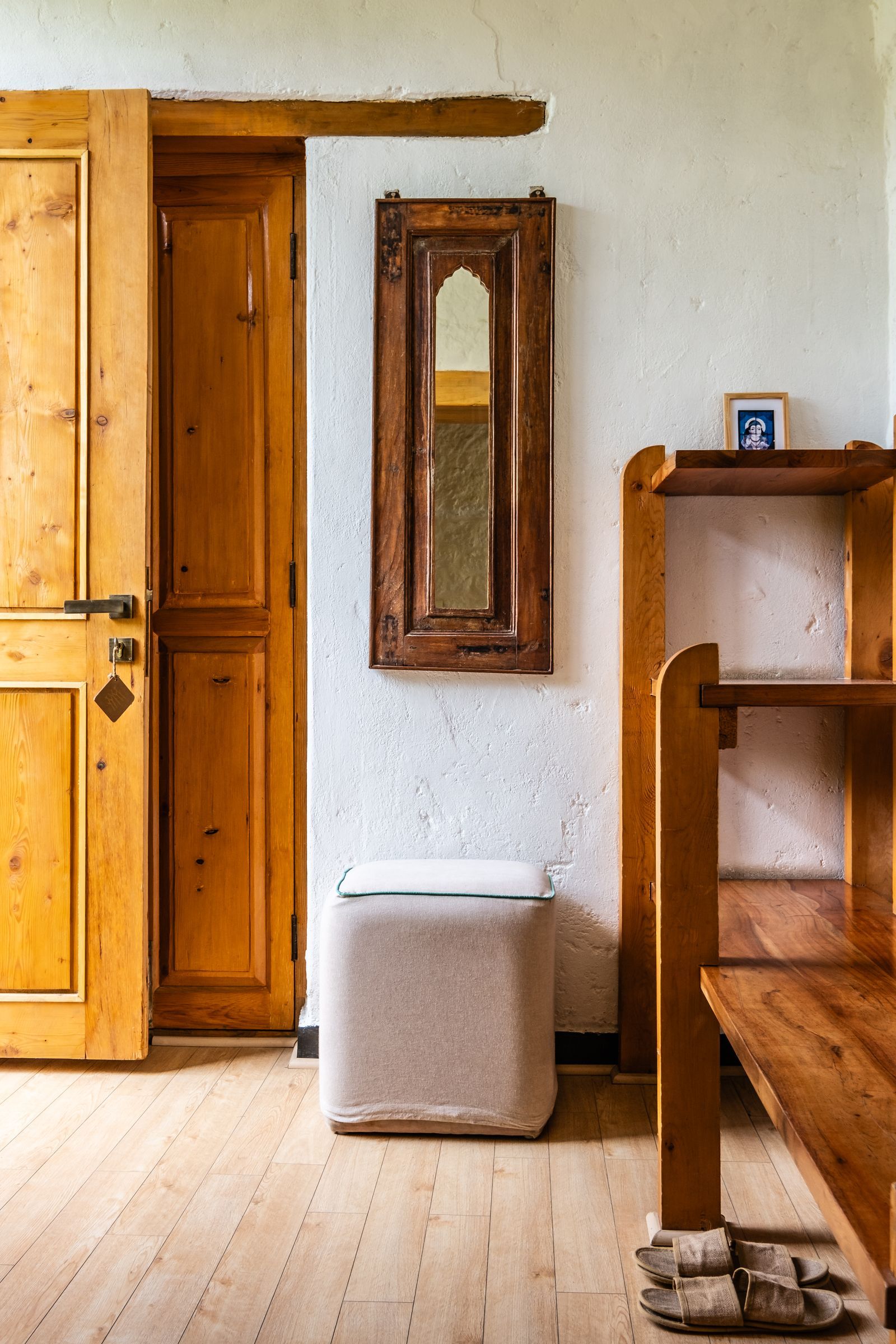
The seventeen individual cottages are accessed via footpath, each connected to its own private garden and sit out, ensuring a sense of privacy that larger resorts rarely manage. Interiors lean into stylish woodwork and handpicked rugs, with ensuite bathrooms stocked with organic, in house made soaps and moisturisers, the kind of considered detail that signals a property designed by people who actually live with the landscape rather than simply market it.
Provenance and Purpose
The retreat sits on grazing land belonging to the Kalon family of Nubra, and was developed with hospitality consultant Pio Coffrant, whose portfolio of considered, design forward properties elsewhere in India lends Lchang Nang a certain pedigree. But the more resonant story is a local one. The founder has spoken about studying away from Ladakh and returning with a renewed appreciation for the uniqueness of the region, wanting to preserve its culture while celebrating its ecology through the retreat. That intention runs through the property, from the architecture to the programming.
What There Is To Do
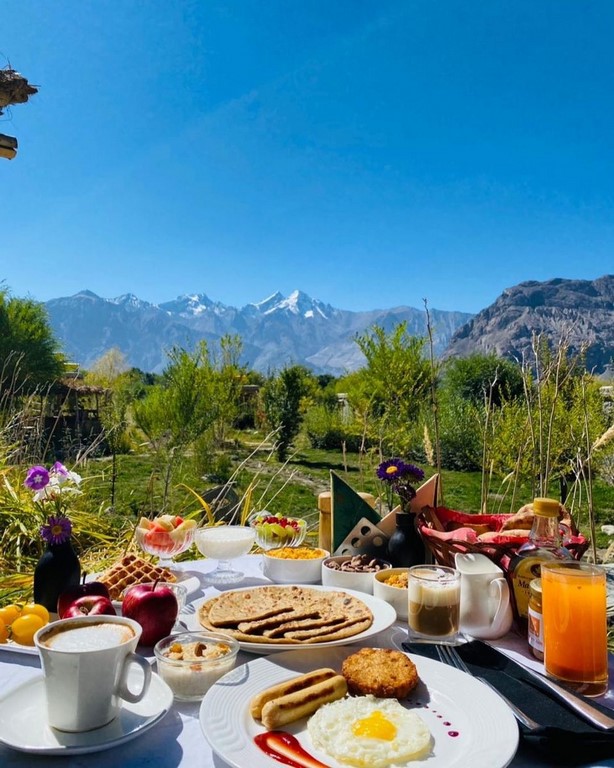
Dining leans into Ladakh’s own culinary heritage, with dishes like chhutagi and mok mok dumplings prepared in the retreat’s Chansa kitchen by women from the local community. For a deeper sense of place, guests can take a meal in a four hundred year old heritage home in the village, run by the local Women’s Alliance, a living continuation of Silk Route hospitality traditions.
Days can move as slowly or as actively as one likes. The retreat’s travel desk arranges walks, picnics, and day trips to the region’s landmarks, timed so guests leave early and return by evening to the calm of the property. For those chasing a sense of history, a visit to the Siachen Base Camp remains one of the valley’s more sobering excursions, a reminder of just how remote and storied this corner of the Himalayas is. Evenings settle into their own rhythm entirely. Guests gather for bonfires, watch films under an open sky, and can find quiet mindfulness sessions held at the local monastery, by the holy lake, or out on the sand dunes.
The Verdict
Lchang Nang is not a retreat for guests seeking marble and spectacle. It is a retreat for those who understand that true luxury, at this altitude and in this landscape, looks like restraint executed with total conviction. The mud walls, the solar power, the glacial water, none of it reads as sacrifice. It reads as a property that understood exactly what Nubra Valley asked of it, and answered accordingly.
Follow Best List India for the culture, conversations, and ideas worth paying attention to.