Rajasthan has no shortage of palace hotels trading on the promise of old-world grandeur, but few pull off the trick that RAAS Devigarh has made its signature: taking a genuine 18th century fortress and filling it with interiors so pared back, so contemporary, that the contrast becomes the entire point of the stay.
A Fortress With a History Worth Knowing
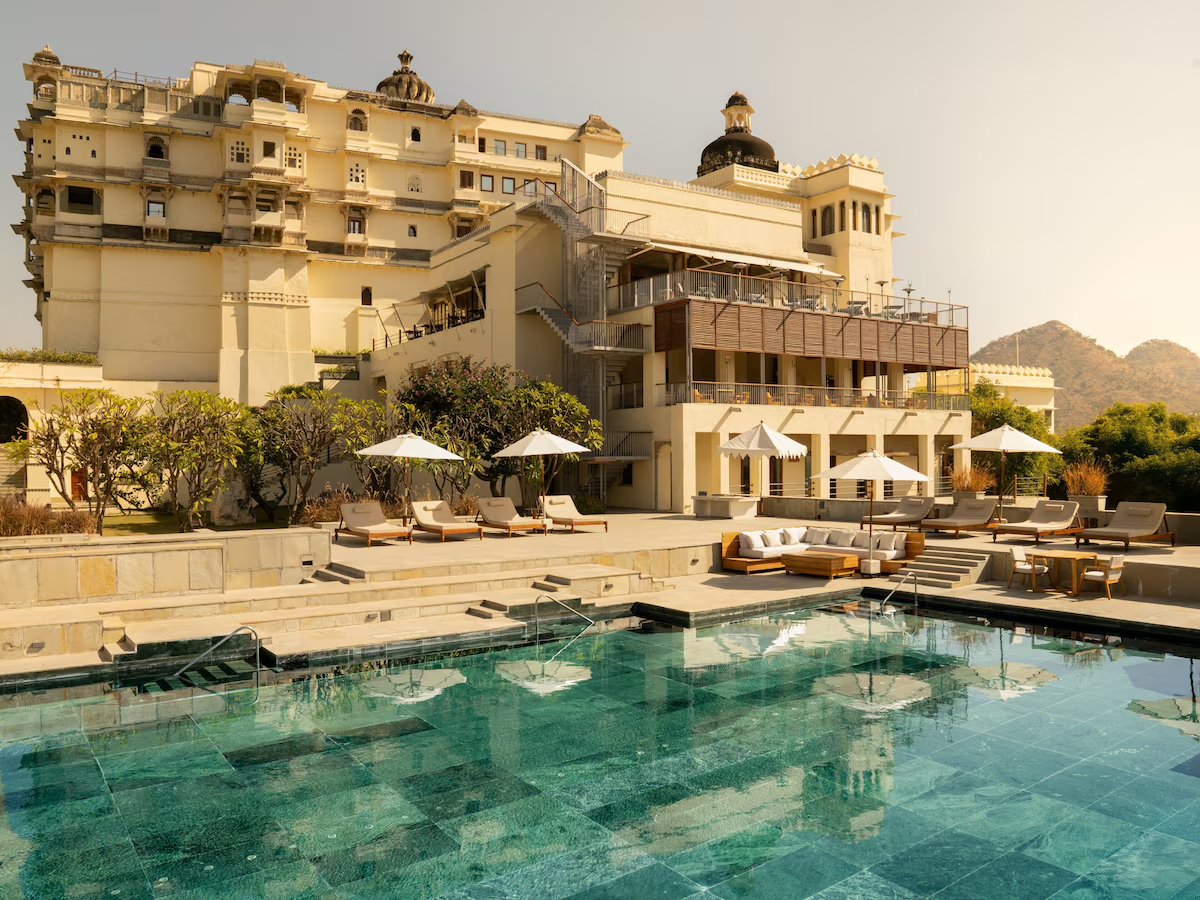
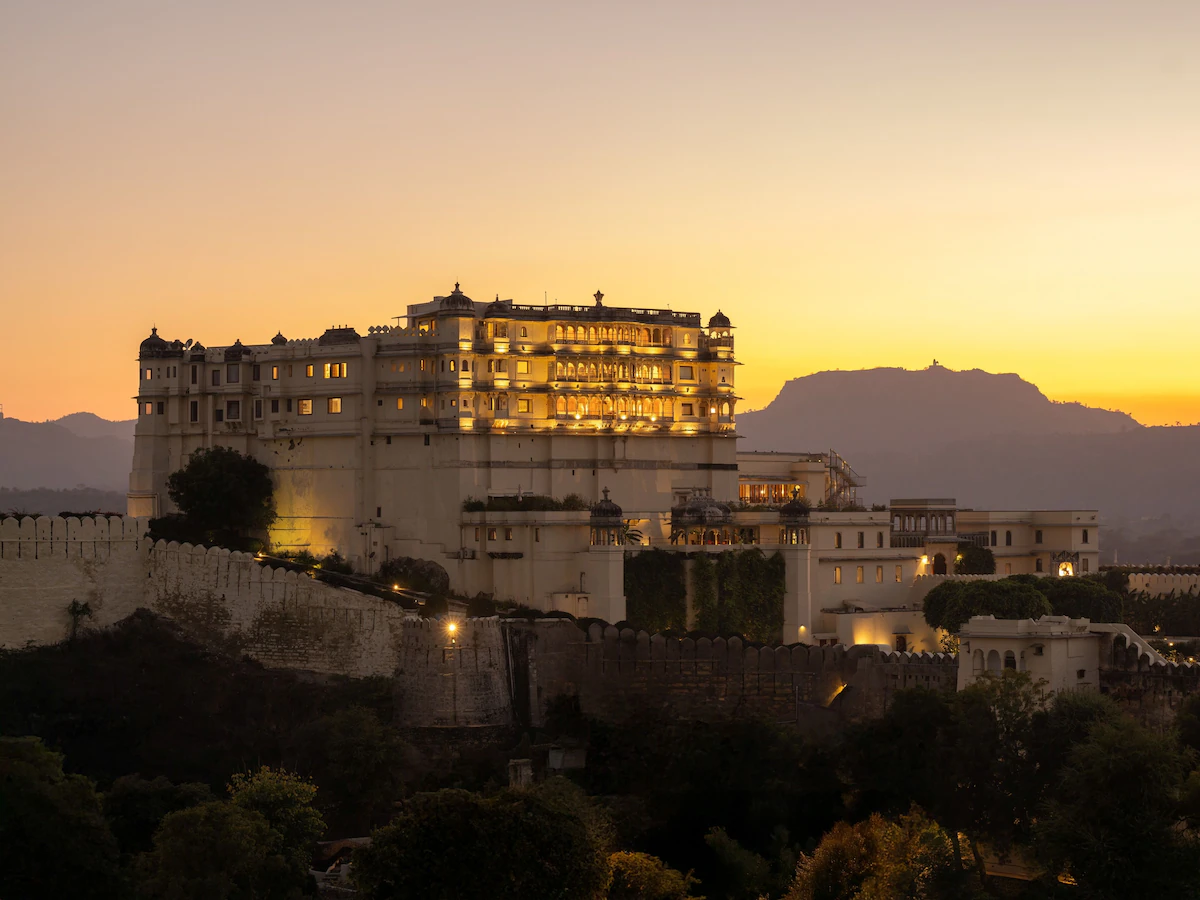
The palace was completed in 1760 under the reign of Rajrana Sajja Singh II, on land gifted to the Sajja Singh family in recognition of their service to Maharana Pratap of Mewar following the Battle of Haldighati in 1576. Known originally as Delwara Fort Palace, the building carries that lineage in its bones, even after a restoration that transformed it entirely. That restoration was no small undertaking, involving a team of roughly 750 people over nearly fifteen years, with the palace reopening its doors in 1999. True to its origins, the restoration used locally mined marble, the same material used in the original 18th century construction.
The Setting
RAAS Devigarh sits on top of a hill in the Aravalli Range, looking out over the village of Delwara below, roughly forty five minutes from Udaipur proper. The drive up delivers exactly the kind of cinematic reveal a property like this depends on, the fortress emerging from the hillside long before the road actually arrives at its gates.
The Interiors
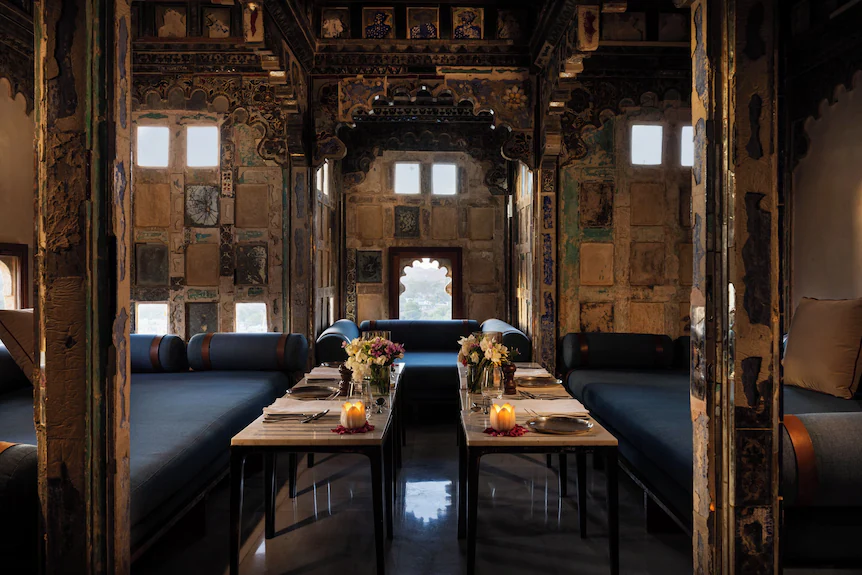
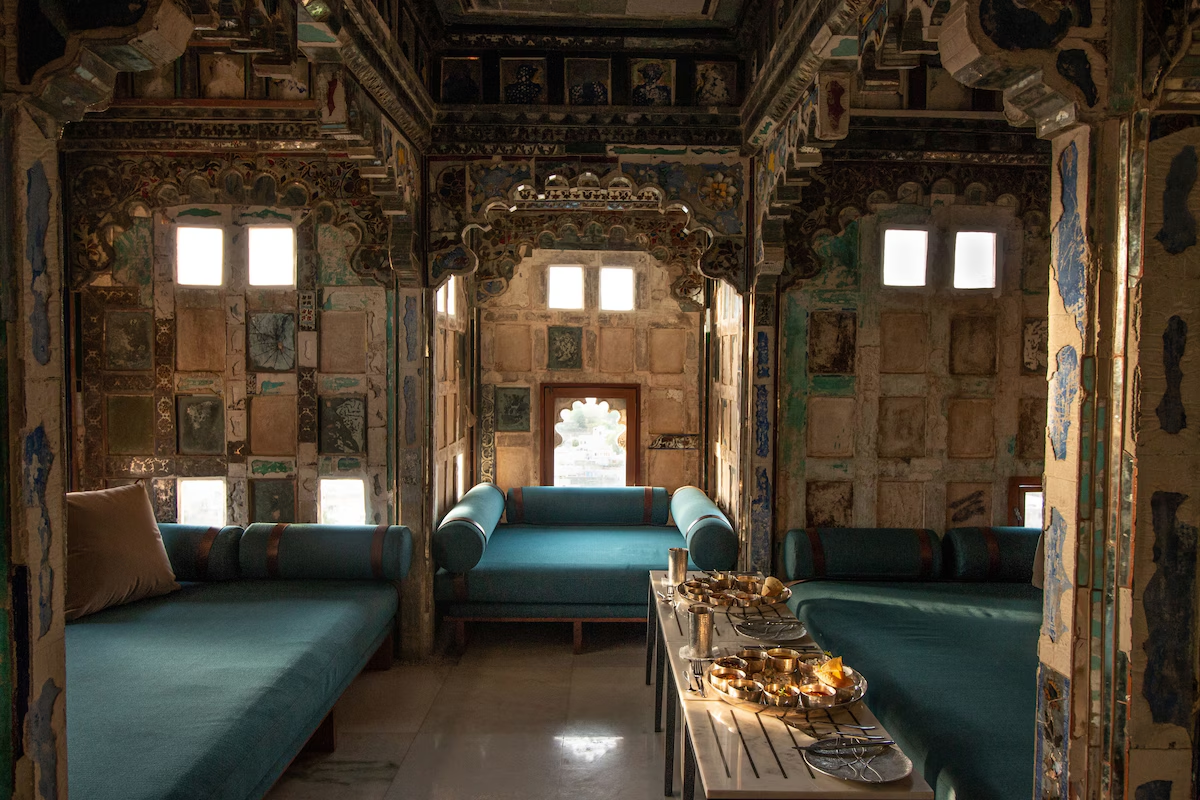
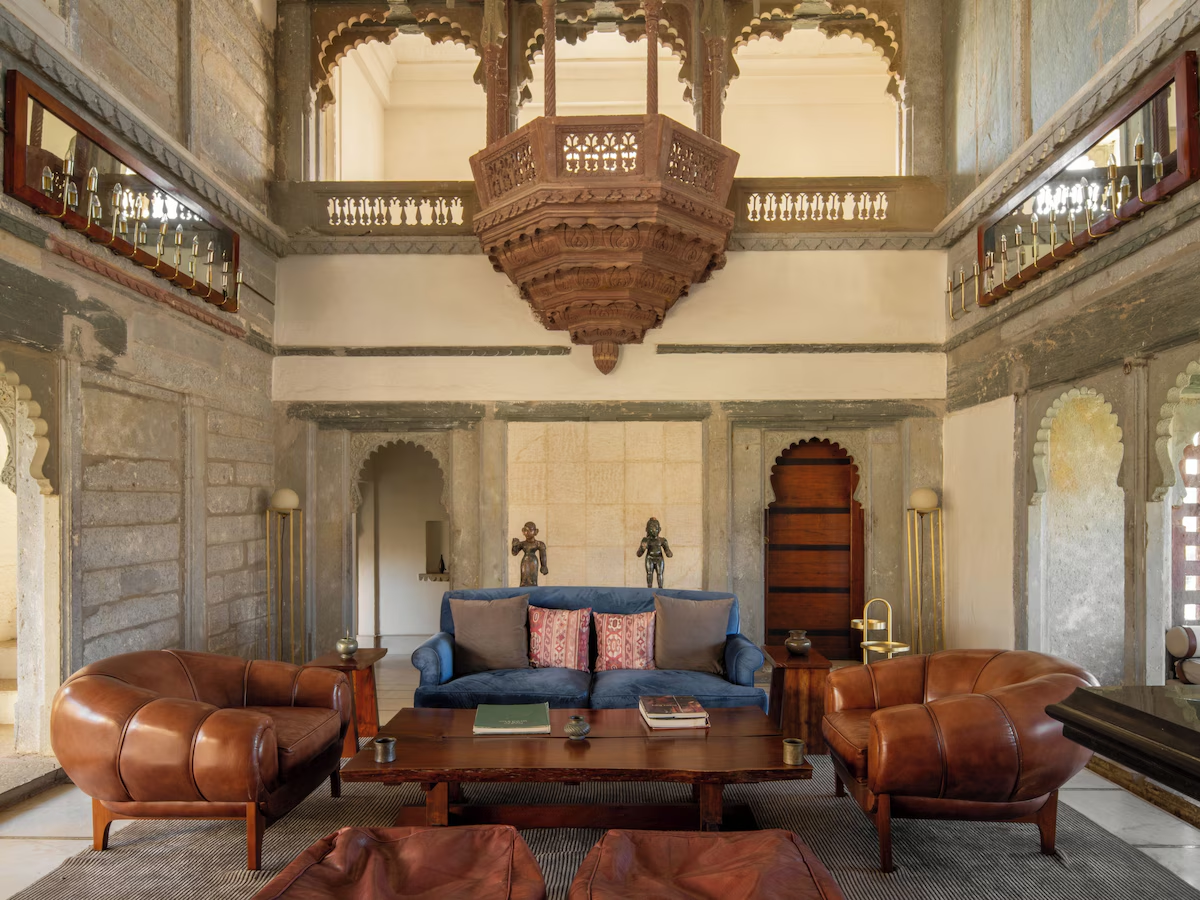
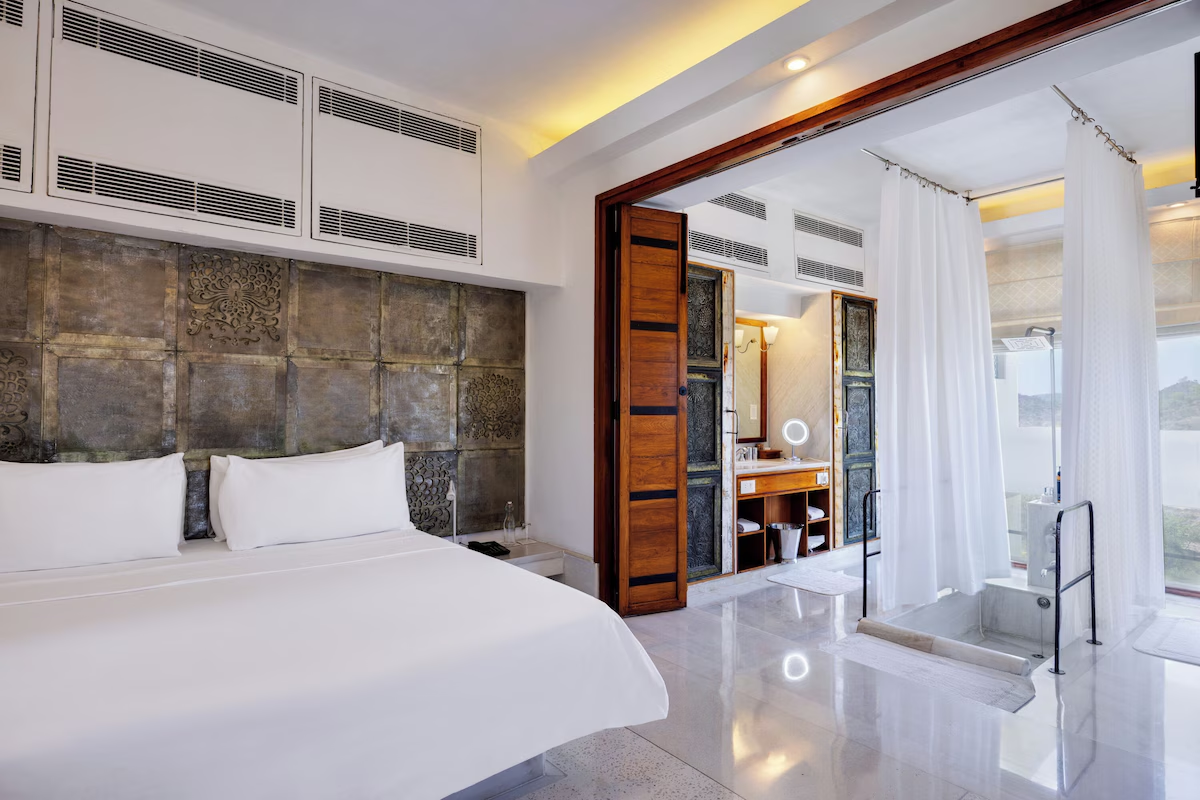
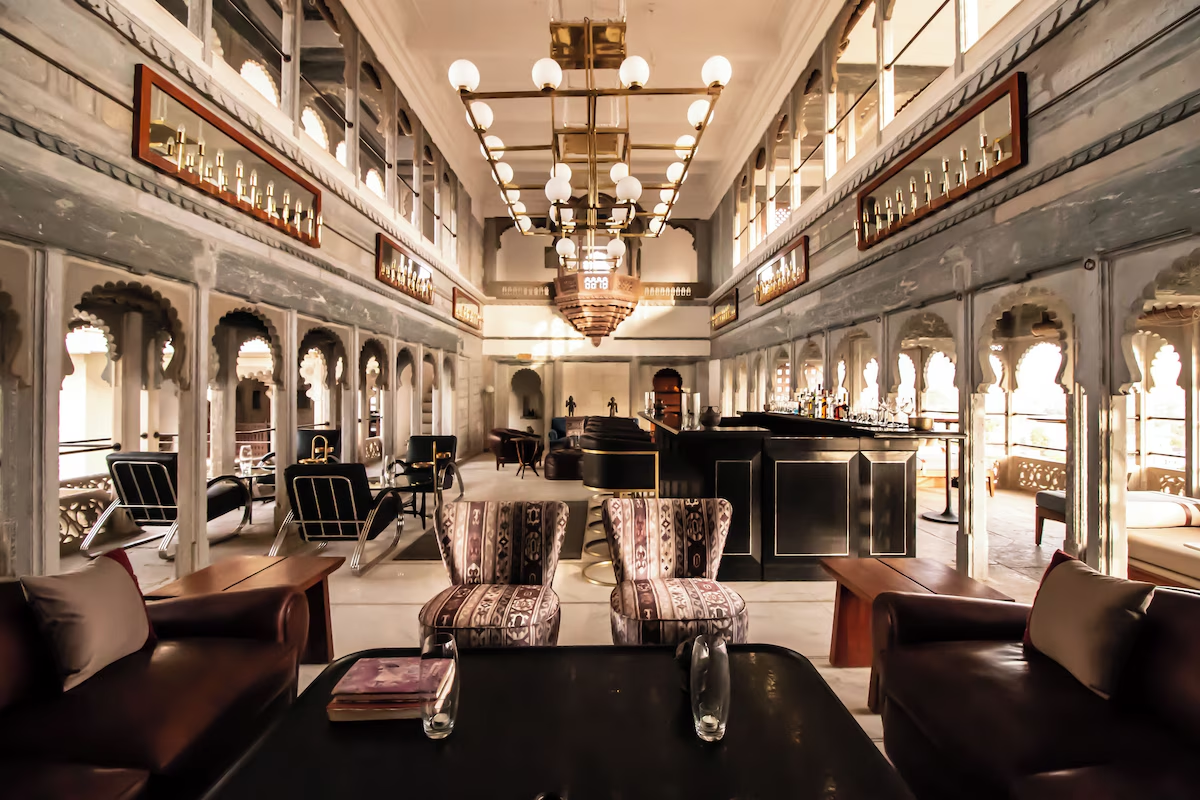
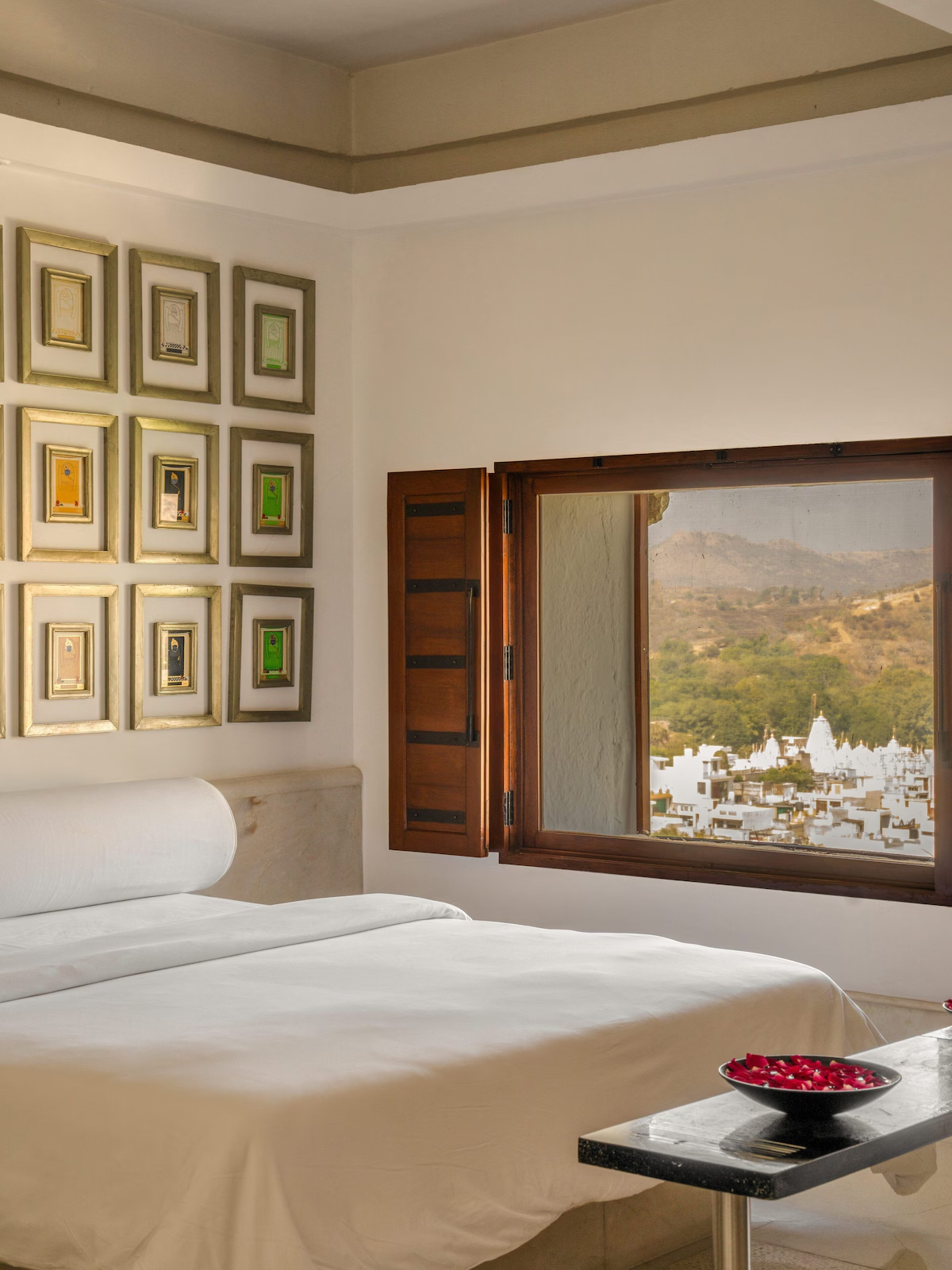
This is where RAAS Devigarh distinguishes itself from virtually every other heritage palace hotel in Rajasthan. Rather than leaning into ornate, maximalist décor, the interiors take a sparingly modern, almost fantastical approach, all white marble floors set against traditional jharoka windows that frame the rugged countryside beyond. The palette stays disciplined throughout, built around a foundation of white and lifted with careful touches of malachite, lapis lazuli, and mother of pearl, a far more considered material language than the gold-and-crimson maximalism most palace hotels default to. Elsewhere, the property layers in Marwari horse murals, mirrored antechambers, courtyards, arches, turrets, and swings, with marble bowls of flowers scattered throughout, proof that restraint and drama are not, in fact, mutually exclusive.
Where to Eat, and What to Expect From Service
The kitchen leans on organic ingredients grown in the hotel’s own garden wherever possible, with a menu that ranges across Indian, Thai, Italian and international dishes, and a dining room designed with sweeping views of the surrounding Aravalli mountains, best experienced from the terrace at breakfast. Evenings tend to follow a familiar, well-executed arc: drinks in the Durbar Hall followed by a candlelit dinner, the kind of sequencing that has made this a favourite for honeymoons and anniversaries, though solo travellers report finding just as much to love in the quiet.
Wellness and Beyond the Palace Walls
The on-site Ila spa offers a soul-soothing counterpart to the fortress’s grandeur, and the wellness offering extends to both Western and traditional Indian treatments alongside yoga. Beyond the gates, the village of Delwara, known for its ancient Jain temples, sits just a ten minute walk away, making it easy to pair the hotel’s stillness with an afternoon of genuine cultural exploration.
The One Thing to Know Before Booking
Worth flagging for anyone booking directly: guest feedback consistently notes that individual rooms within the palace vary considerably from one another, a detail not always made clear at the time of reservation. Those particular about room configuration or view may want to confirm specifics in advance.
The Verdict
RAAS Devigarh succeeds because it resists the easiest version of itself. It would have been simple to restore a fortress and fill it with the expected trappings of Rajasthani luxury. Instead, it chose white marble minimalism, and in doing so, created something genuinely singular in a state crowded with palace hotels chasing the same formula.
Follow Best List India for the culture, conversations, and ideas worth paying attention to.