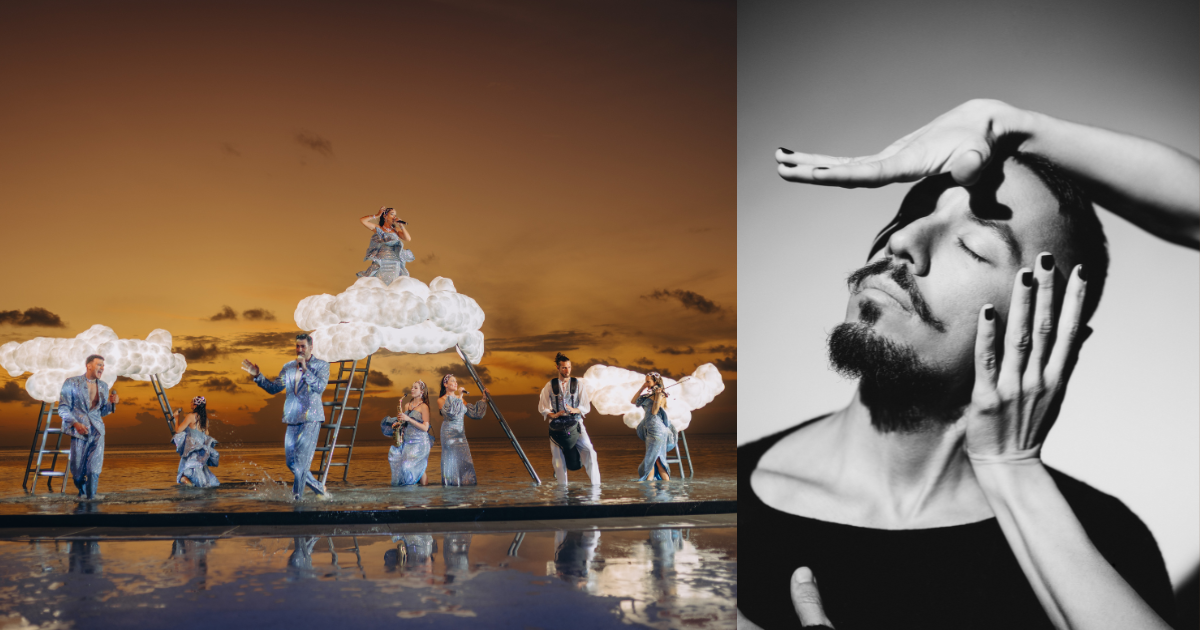
There is a particular kind of creative authority that comes from refusing to repeat yourself. For over two decades, Gabriele Rizzi has built his reputation on exactly that refusal, founding Verona-based GABRIELERIZZILab on the principle that every commission deserves an entirely new idea rather than a proven formula. The Lab, rooted in Rizzi’s philosophy of solve et coagula, to dissolve and recombine, has delivered bespoke, multi-sensory experiences across more than 25 countries, working with a collective of artists, performers and “alchemists” he describes as co-authors rather than executors. We spoke to Rizzi about what haute creativity actually means in practice, the invisible labour behind a few seconds of experience, and why he has never set out to please an audience.
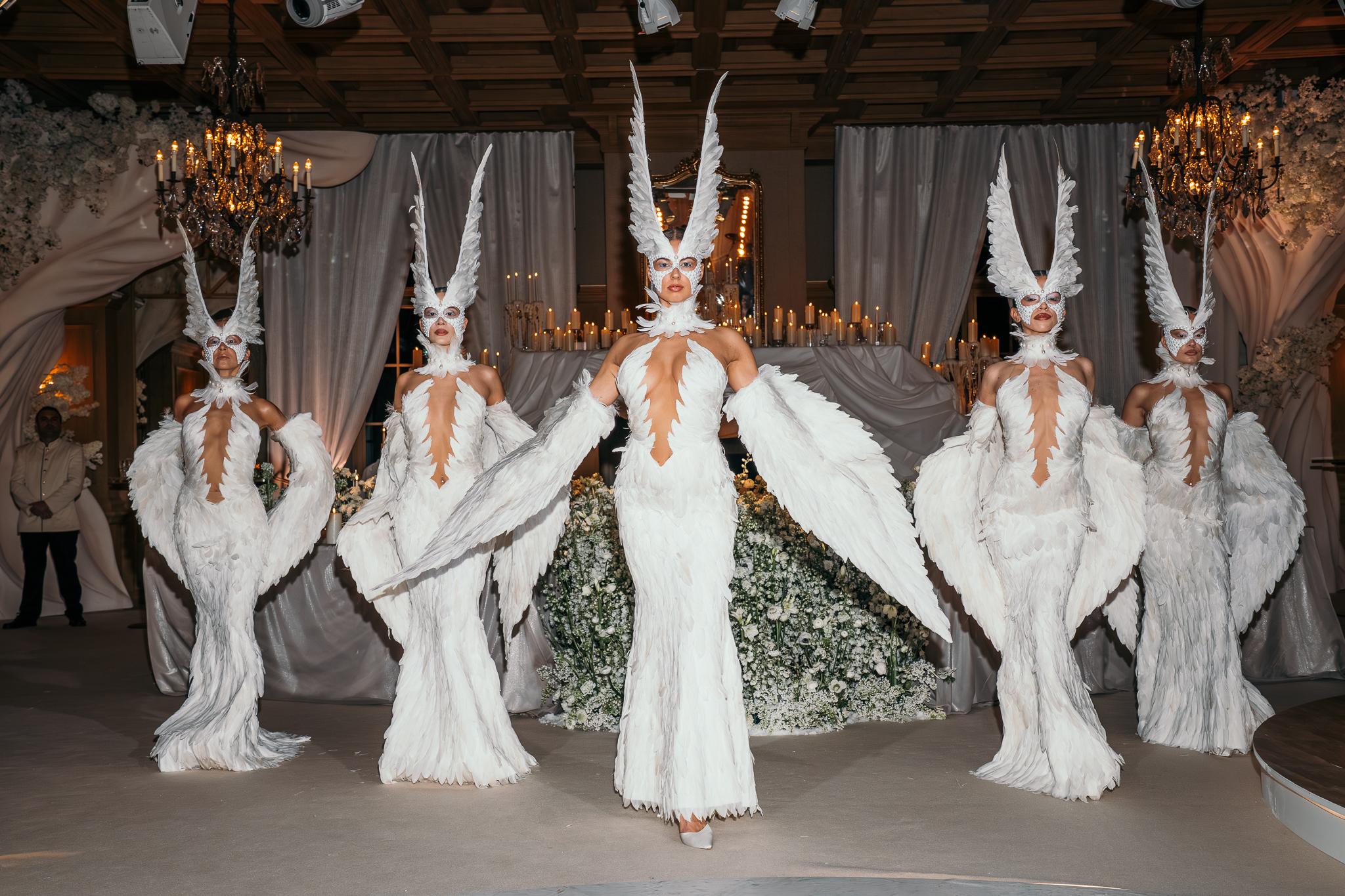
You describe your work as a laboratory of “haute creativity.” What does that actually mean in practice?
Haute Creativity is our approach to creation. It brings together artistic research, craftsmanship, experimentation and an uncompromising pursuit of visual seductive beauty.
Each project becomes an opportunity to explore new possibilities, challenge conventions and give form to something that did not exist before.
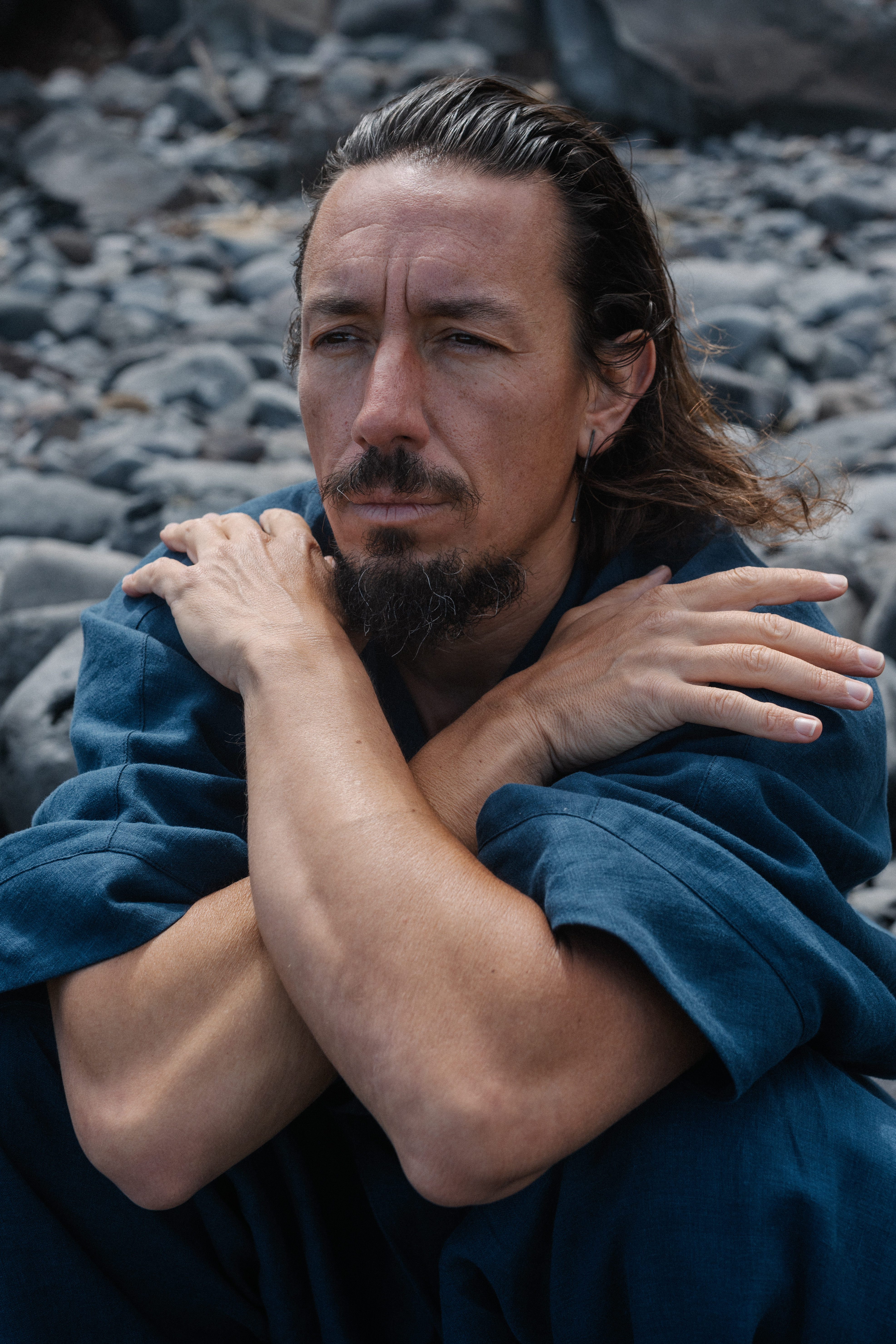
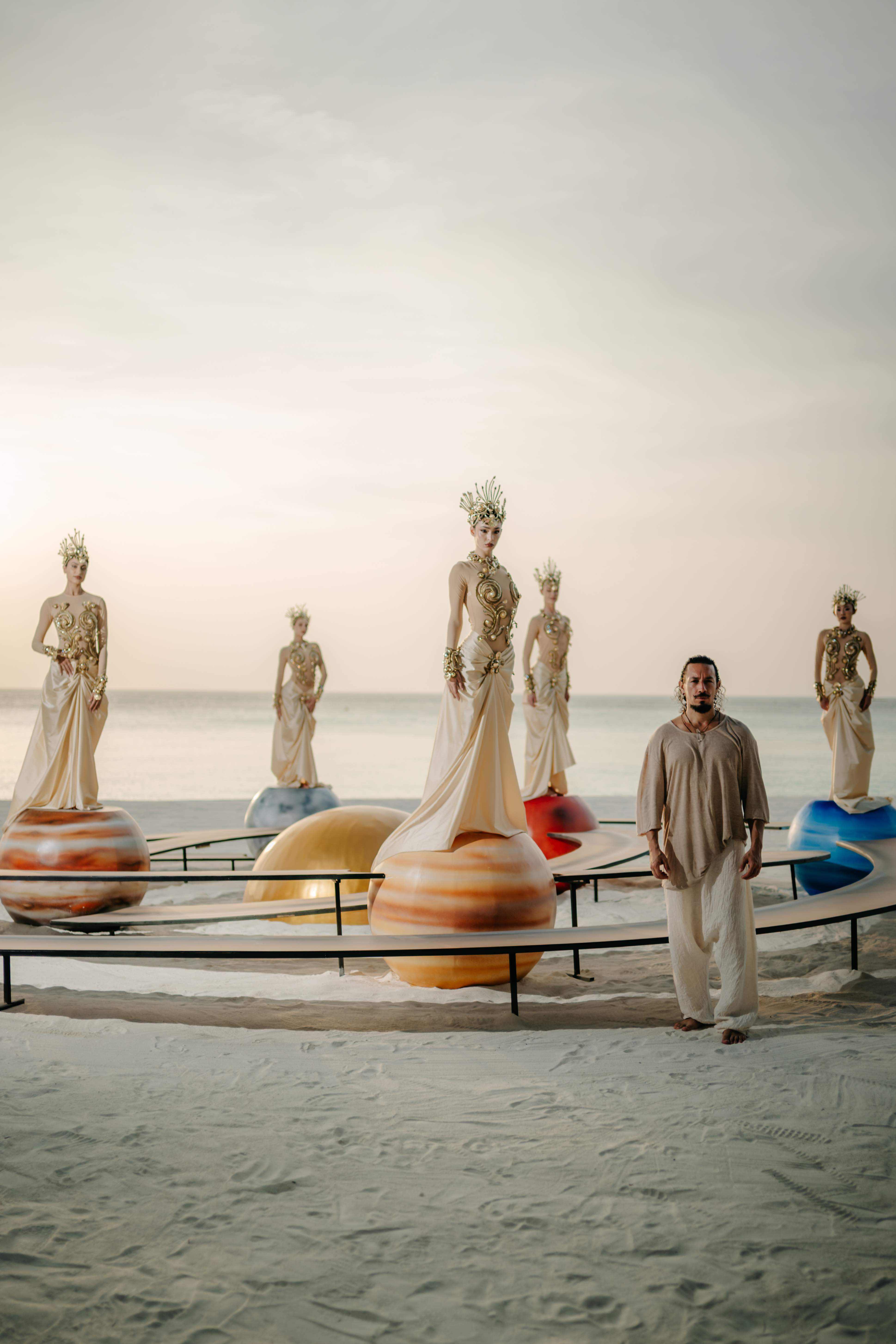
You are not a traditional planner, you are an artistic director and experience designer. Where does your work begin, and where does it end?
First and foremost, I am an artist.
Creation is how I express myself, but also how I continue to discover who I am. Every work becomes a reflection, revealing something within me that perhaps I didn’t know existed.
Artistic direction and experience design are natural extensions of this process. Different expressions of the same artistic universe.
Everything begins with imagination. One of our most extraordinary human capacities: to conceive parallel realities, expand the one we inhabit, and give form to what previously existed only in our minds.
And where does it end?
I don’t think it ever does. Creation is an infinite game.
Perhaps, deep within, every artist creates out of a desire to transcend their own mortality. To leave something alive beyond themselves.
An idea, an image, a fragment of imagination that someone, one day, may encounter and transform into something entirely new.
In that sense, creation never really belongs to a single lifetime.
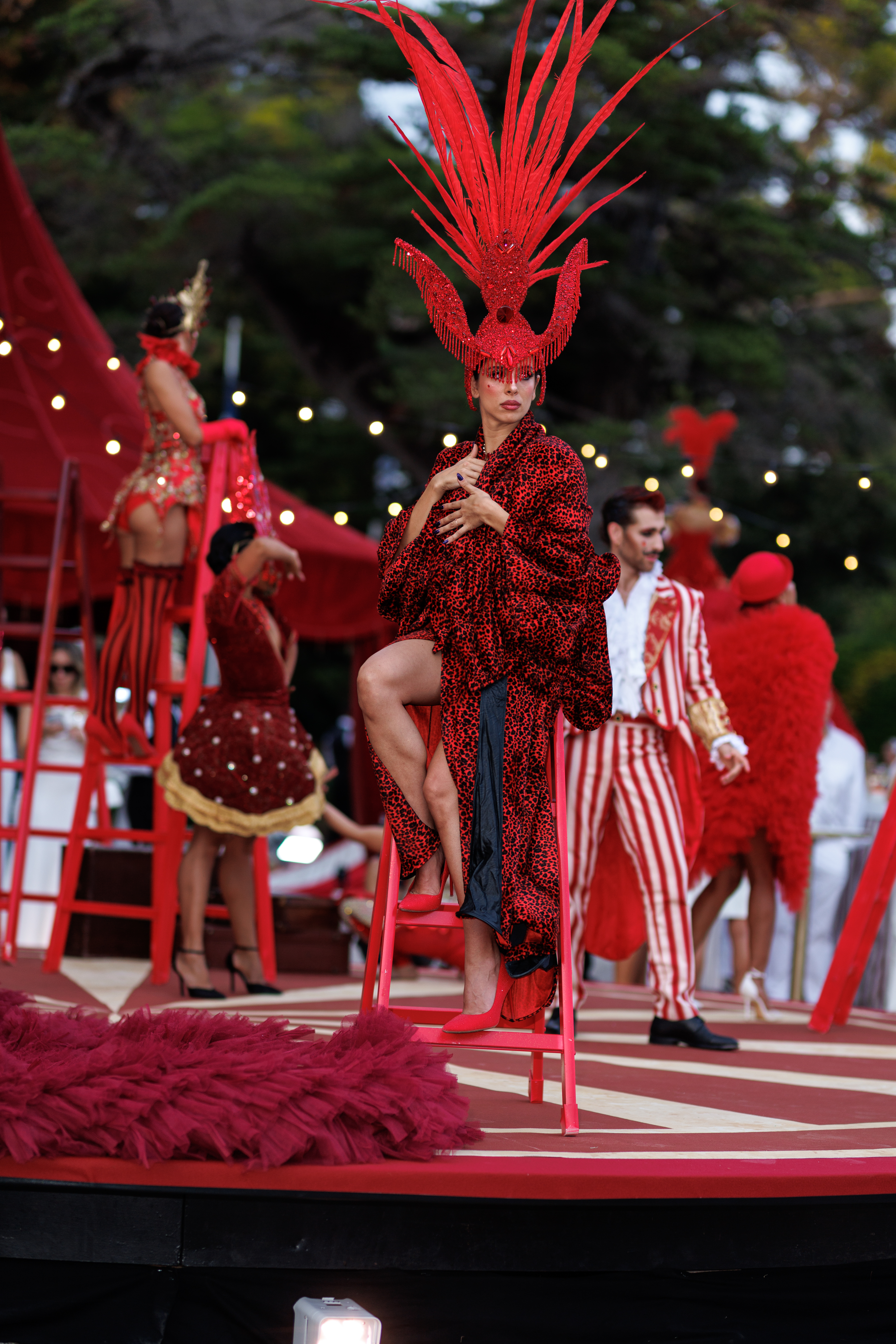
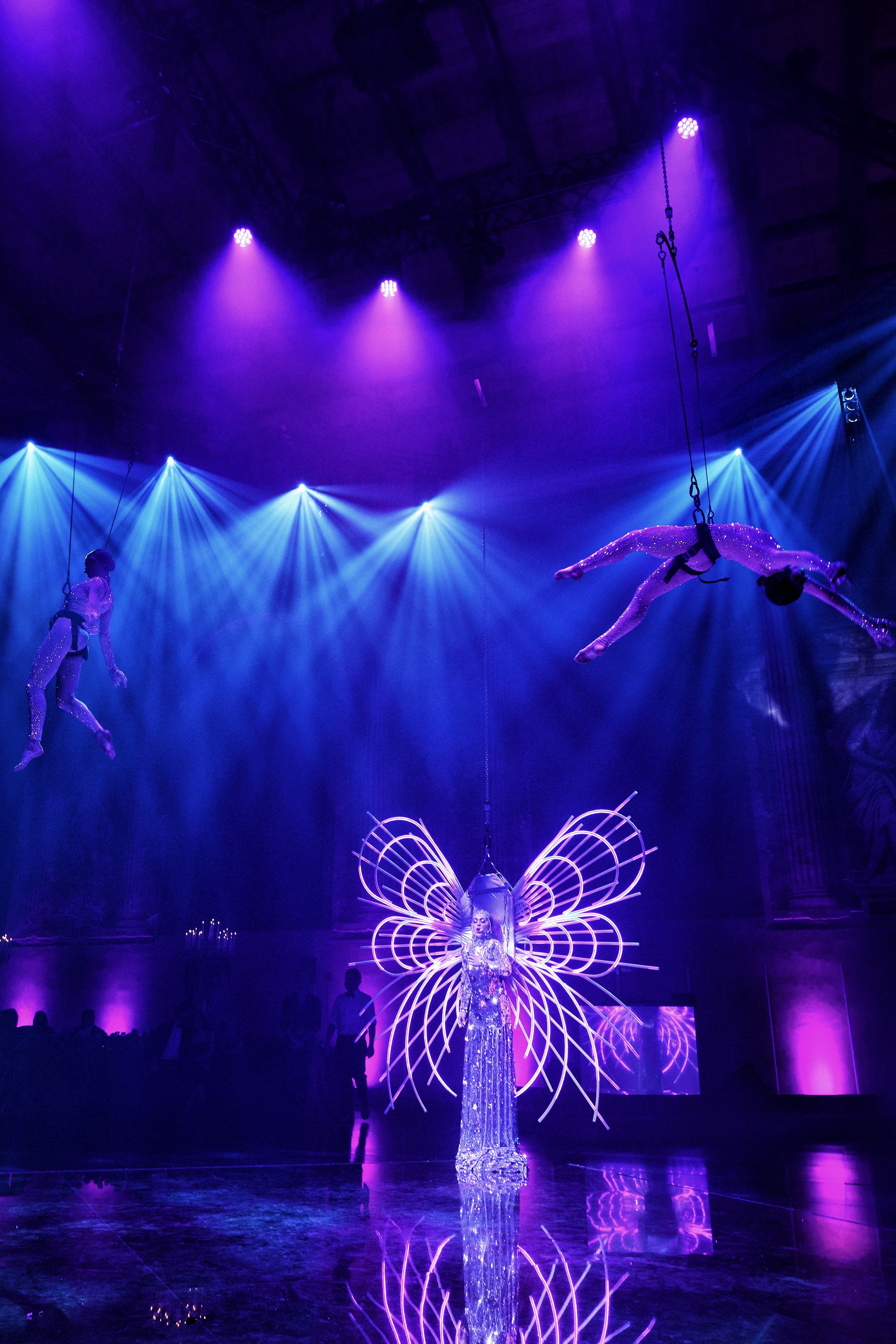
Your philosophy talks about dissolving existing ideas and rebuilding them into something new. How do you approach that process creatively?
Solve et coagula.
It is a principle I feel deeply connected to. Dissolving existing forms, questioning their meaning, and allowing new possibilities to emerge.
I like to deconstruct what we already know, whether a material, an artistic discipline, a familiar gesture or a traditional ritual.
Sometimes the most interesting discoveries happen when we allow things to lose their original function and become something entirely unexpected.
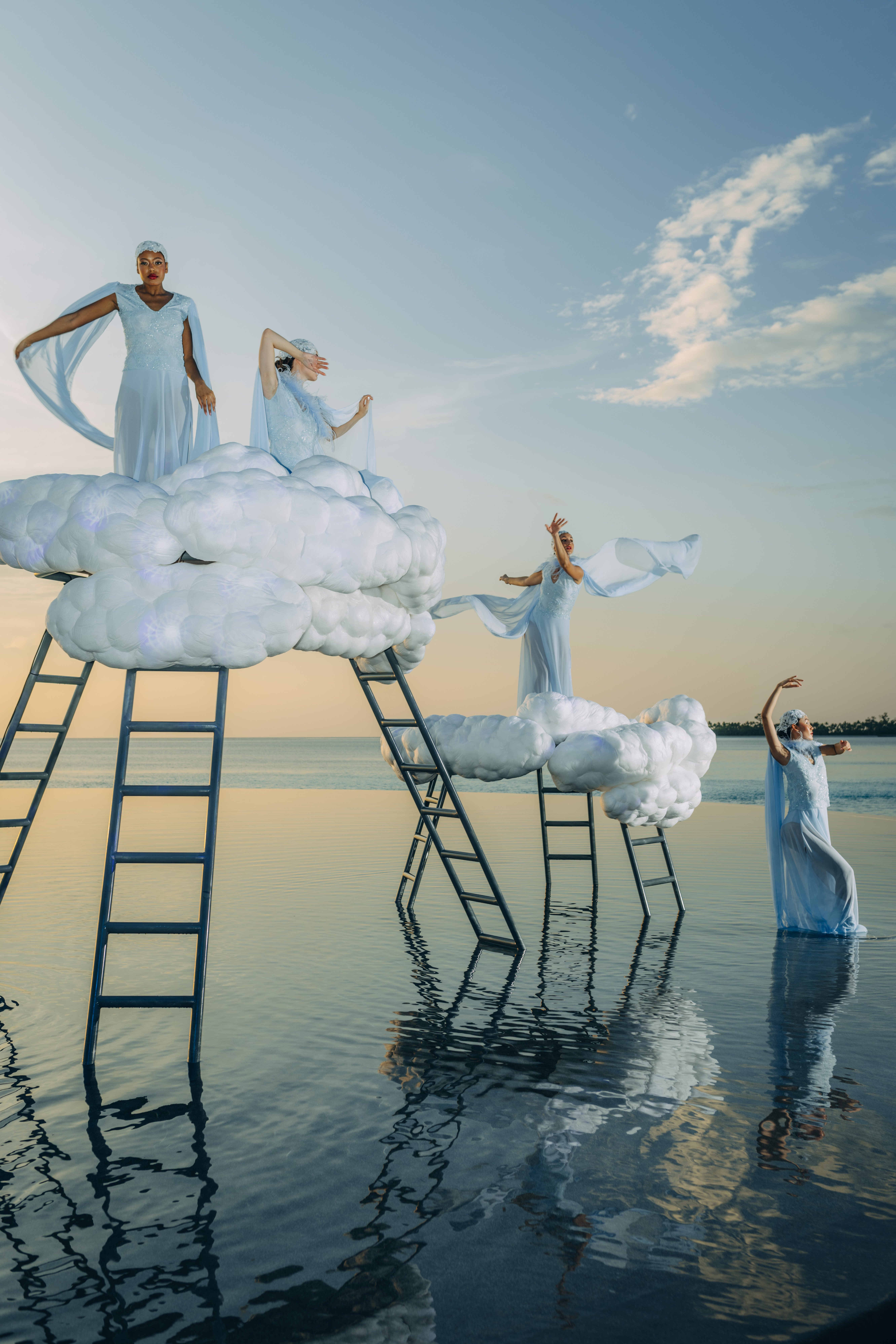
At Gabriele Rizzi Lab, every event is treated as a completely new concept rather than a repeatable format. How do you sustain that level of originality consistently?
It began with a personal challenge, over twenty years ago.
For a long time, I pushed myself to create at least one new idea every day, whatever its nature. Somehow, I felt I could only truly live a day if I had created something within it.
Over the years, that challenge became a discipline. And discipline became my form of freedom.
Today, with the responsibilities of running the Lab, I may no longer create an idea every single day. But when I enter my creative bubble, I can generate entire worlds in a remarkably short time, sometimes with considerable complexity.
I don’t believe creativity can be sustained by repeating successful formulas.
Our archive is a source of knowledge, never a catalogue of solutions.
Every commission should give us a reason to discover something new.
Your work sits at the intersection of performance, fashion, and entertainment. How do you decide what form an experience should take?
I don’t begin by choosing a discipline.
My creative process is rarely linear. It is fragmented, discontinuous, often moving between seemingly disconnected worlds.
Sometimes everything emerges from a tiny fragment: a word, a movement, a song, an image, an unexpected encounter, and nature of course.
From there, ideas expand, collide and transform, gradually revealing their own artistic language.
I am fascinated by the possibility of moving freely across disciplines, dissolving their conventional boundaries and allowing entirely new forms of expression to emerge.
You’ve spoken about designing for emotion and the senses. What does it take to truly move an audience, rather than just impress them?
The performance can capture attention. But what truly stays with us is often something far less predictable.
One of my creative secrets is to introduce something familiar, something deeply recognisable, within an entirely unexpected world.
That familiarity becomes an anchor. It allows people to connect with what they are experiencing, to recognise something of themselves within it. And when someone is open to receiving it, that connection can reach a more personal level, sometimes bringing something forgotten back to the surface.
Sensory engagement and interaction are equally important. When people can participate, the experience becomes their own.
I believe the most powerful experiences often hold a certain essential simplicity, even within extraordinary complexity.
Ultimately, it’s not what you saw that stays, but what it set in motion within you.
Is there an experience or event you consider a personal masterpiece? One that still stays with you?
I find it difficult to identify a single masterpiece.
I rarely consider a work entirely finished. Even years later, I find myself revisiting certain ideas, imagining what else they could become.
Perhaps the most important creation is still the one I haven’t made.
You’ve worked across cultures and countries. How do you integrate different cultural identities into a single cohesive experience?
I begin by listening.
Every culture carries extraordinary artistic knowledge: its rituals, craftsmanship, music, movement, relationship with nature and ways of celebrating life.
I prefer to explore these elements beyond their most recognisable symbols. The intention is to create a universal and contemporary artistic dialogue while respecting the identity and depth of each culture.
Your work often involves large teams of performers, artists, and creatives. What does it take to direct that level of creative collaboration?
A clear artistic vision, but also the ability to leave space for other people’s intelligence and imagination.
I work with individuals who bring different sensitivities, disciplines and ways of seeing the world.
My role is to connect those energies, challenge them and bring them into a coherent artistic language.
I need people around me who contribute to the creative process and not simply execute instructions. We need to be moved to the same aim.
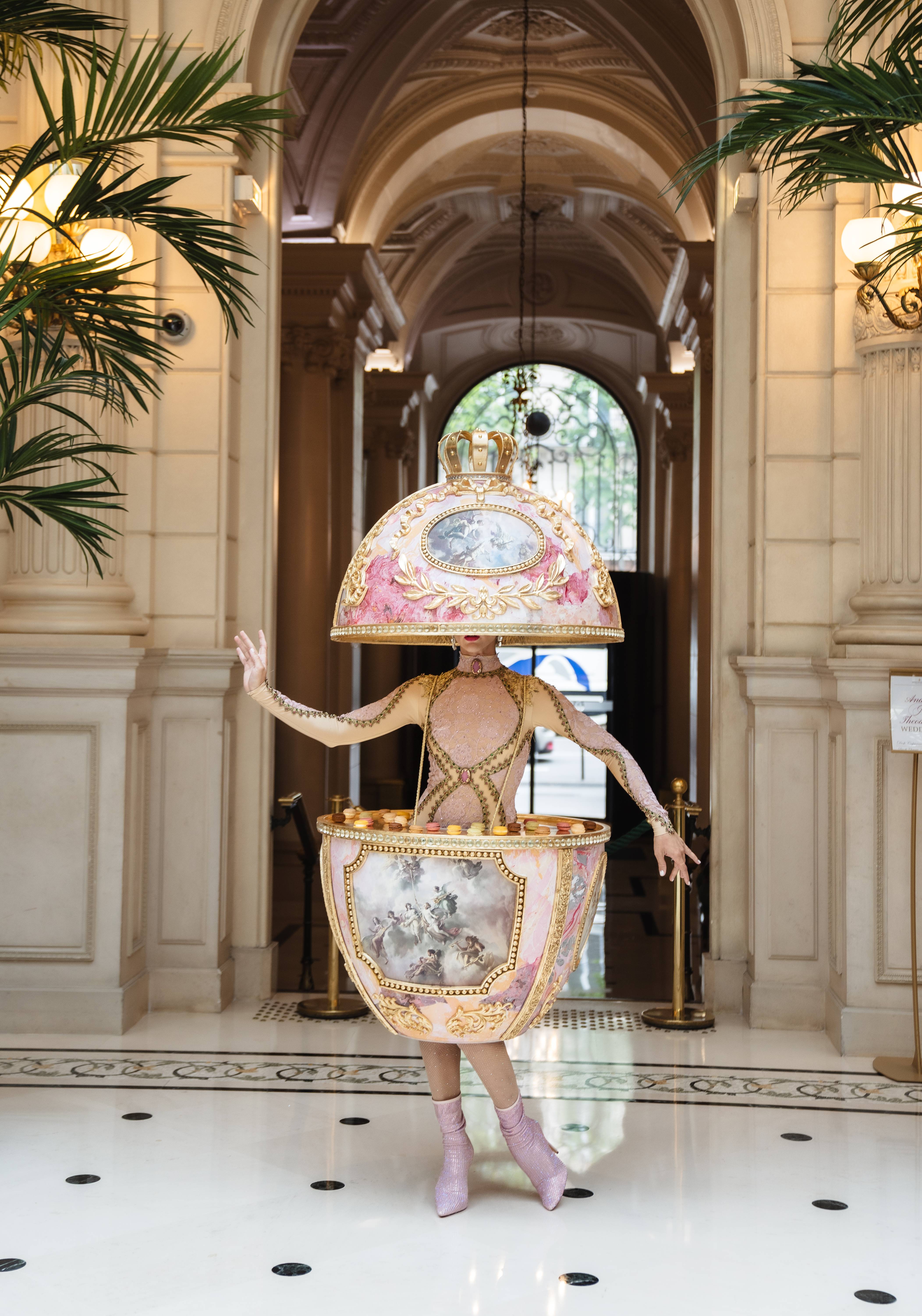
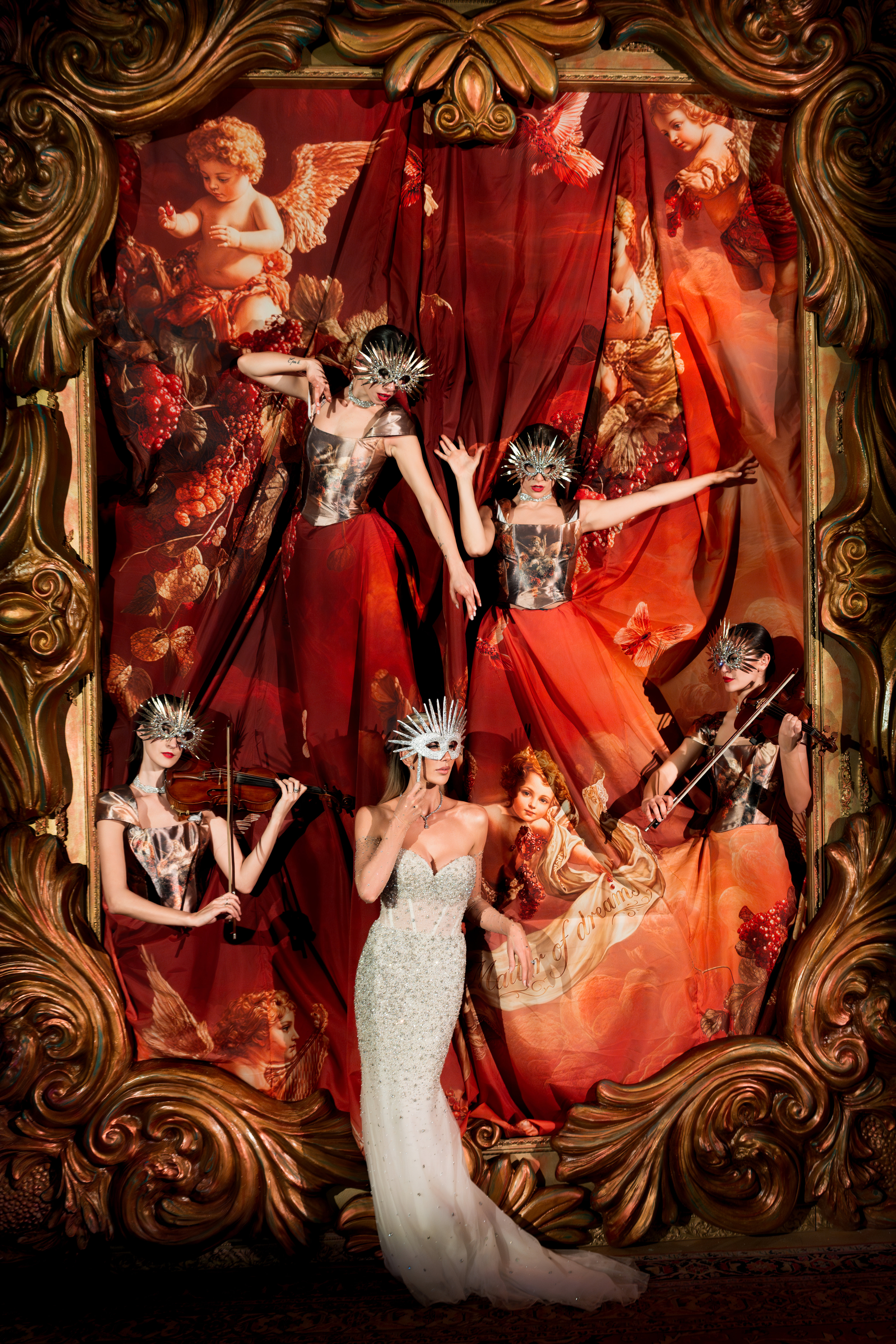
What do clients consistently underestimate about creating experiences at this level of artistic detail?
The amount of invisible work. And the extraordinary number of details involved in bringing something entirely new into existence.
Research, experimentation, development, countless tests, technical solutions, rehearsals and refinements. Sometimes a moment lasting just a few seconds requires months of development.
One of our greatest challenges is communicating something that does not yet exist. There is no precedent to show, no finished work to refer to. We are asking people to believe in a vision before it has taken form.
This is where trust becomes essential. The greatest harmony between artist and client emerges when there is genuine confidence in the creative potential of what we are building together.
And there is another dimension to time that is often overlooked. An idea may appear to emerge in a moment, but it carries everything that came before it.
What I create today is the result of more than twenty years of artistic research, experimentation, failures, discoveries and accumulated knowledge.
The visible work may take months. The creative thinking behind it has taken a lifetime.
The events industry often leans toward trends. Your work feels more conceptual, almost timeless. How do you stay ahead without following trends?
I have never created with the primary intention of pleasing an audience. I create, first and foremost, to find pleasure in the act of creation itself. To discover something that resonates within me.
Perhaps this is why I feel relatively disconnected from trends and from much of what appears in the market. They may occasionally brush against my world, but they rarely define its direction.
What truly moves me tends to be timeless: nature, human behaviour, craftsmanship, the mysteries of life, and the extraordinary potential of imagination.
I remain curious about how the world is evolving, but my artistic language grows from within, through years of observation, research and personal exploration.
I am not particularly interested in being ahead of a trend. I am interested in creating something that still has meaning when the trend has disappeared.
You speak about creating “life-changing moments.” After everything you’ve created so far, what still feels like the next frontier?
I am fascinated by those small moments in life that move us so deeply they become part of who we are. I seek them constantly, first of all in my own life.
I am almost addicted to evolution, although I have learned that growth is rarely linear. Sometimes we need to unlearn, retrace our steps, or dismantle what we thought we knew to move forward.
I feel I have only just begun to explore the true potential of creativity beyond artistic expression itself. What happens when it becomes part of how we live, perceive the world and transform ourselves?
I am taking my first steps in that direction. Perhaps we will have more to talk about in the coming years.
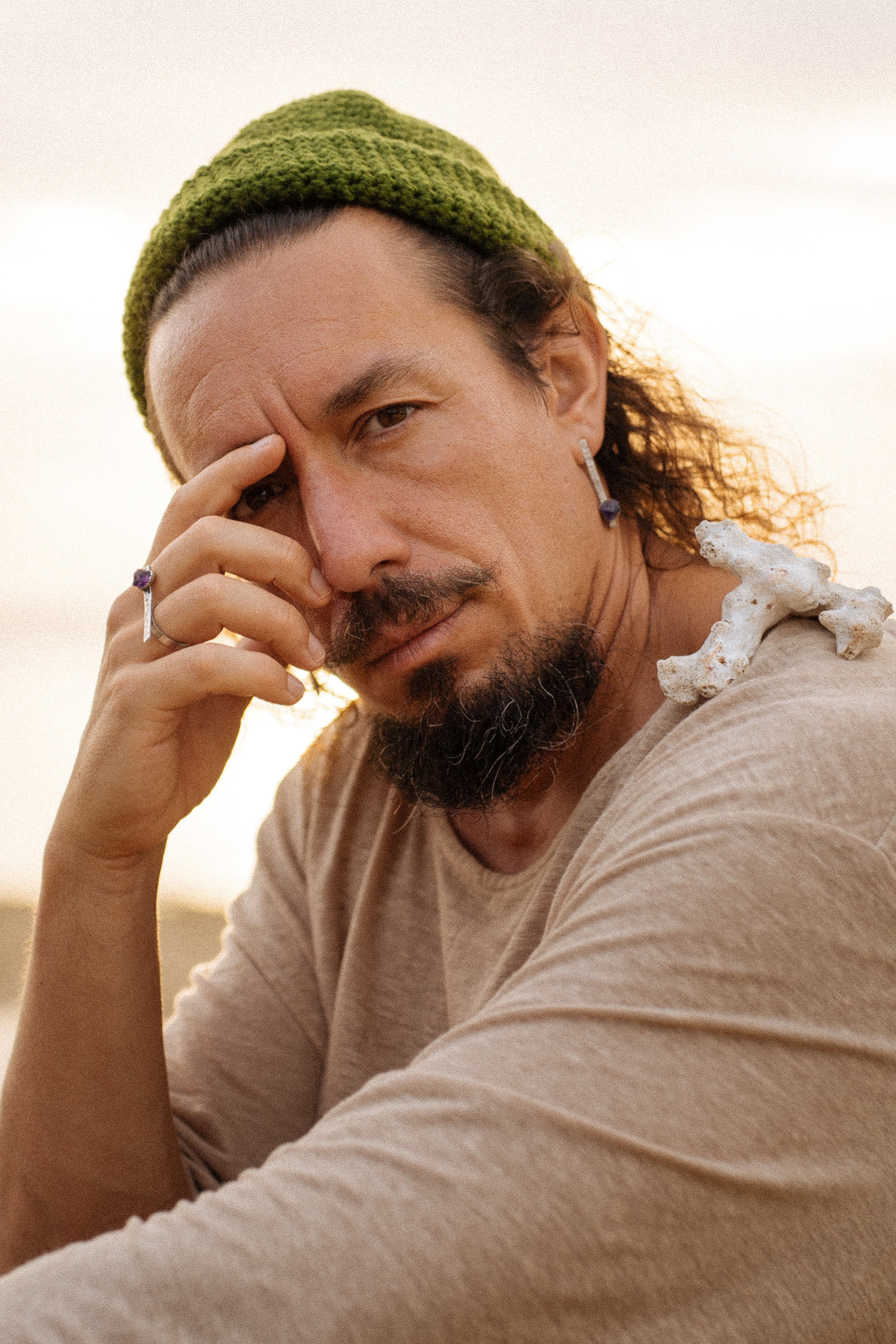
What lingers after a conversation with Gabriele Rizzi is not any single answer, but the shape of his restlessness, a creative mind that treats mastery as something to keep dismantling rather than something to arrive at. Twenty years in, he still speaks about his own archive as a body of questions rather than a vault of solutions, and about his most important work as the one he hasn’t made yet. That is, in the end, the real thesis of GABRIELERIZZILab: not spectacle for its own sake, but the patient, largely invisible labour of building something that has never existed, trusting that the right audience will recognise themselves in it anyway. If haute creativity has a definition beyond the phrase itself, it may simply be this, refusing the comfort of repetition in favour of the harder, more honest work of starting over, every single time.
Follow Best List India for the culture, conversations, and ideas worth paying attention to.