There is a quality of attention that the best wedding photographers share, a capacity for simultaneous presence and invisibility, for being close enough to the moment to capture it and removed enough from it to let it happen. Himanshu Patel, founder of Epic Stories, has spent the seven years since he started his studio in 2018 developing that quality into something that has taken him across nineteen countries, into some of India’s most publicly watched celebrations, and onto the pages of leading publications. He grew up in a small town, in a middle-class family where relationships were everything, and weddings were the occasions that brought generations into the same room and produced the memories that defined a family’s understanding of itself.
He has not forgotten that beginning. It is, he will tell you, the only reason any of this works.
We spoke with Himanshu about what it takes to earn a couple’s trust before the wedding day, what he found inside Anshula Kapoor’s celebration that surprised him, and why the most important photograph at any wedding is almost always the one that nobody planned.
Epic Stories was founded in 2018 from a place of genuine passion, not just for photography, but for weddings as human experiences. Take us back to that beginning. What did you see in wedding photography that made you want to dedicate your life to it?
For me, it was never just about photography. It was always about people.
I come from a middle-class family in a small town, where relationships were everything. I grew up watching how weddings brought generations together, creating moments that people would remember for the rest of their lives.
When I picked up a camera, I realised I was not just documenting events. I was preserving emotions, family history, and memories that would become priceless over time.
When I founded Epic Stories in 2018, I was not chasing luxury weddings or recognition. I simply wanted to tell stories honestly. Today we have had the privilege of photographing weddings across the world, but the reason I started remains exactly the same: to create memories that families will cherish for generations.
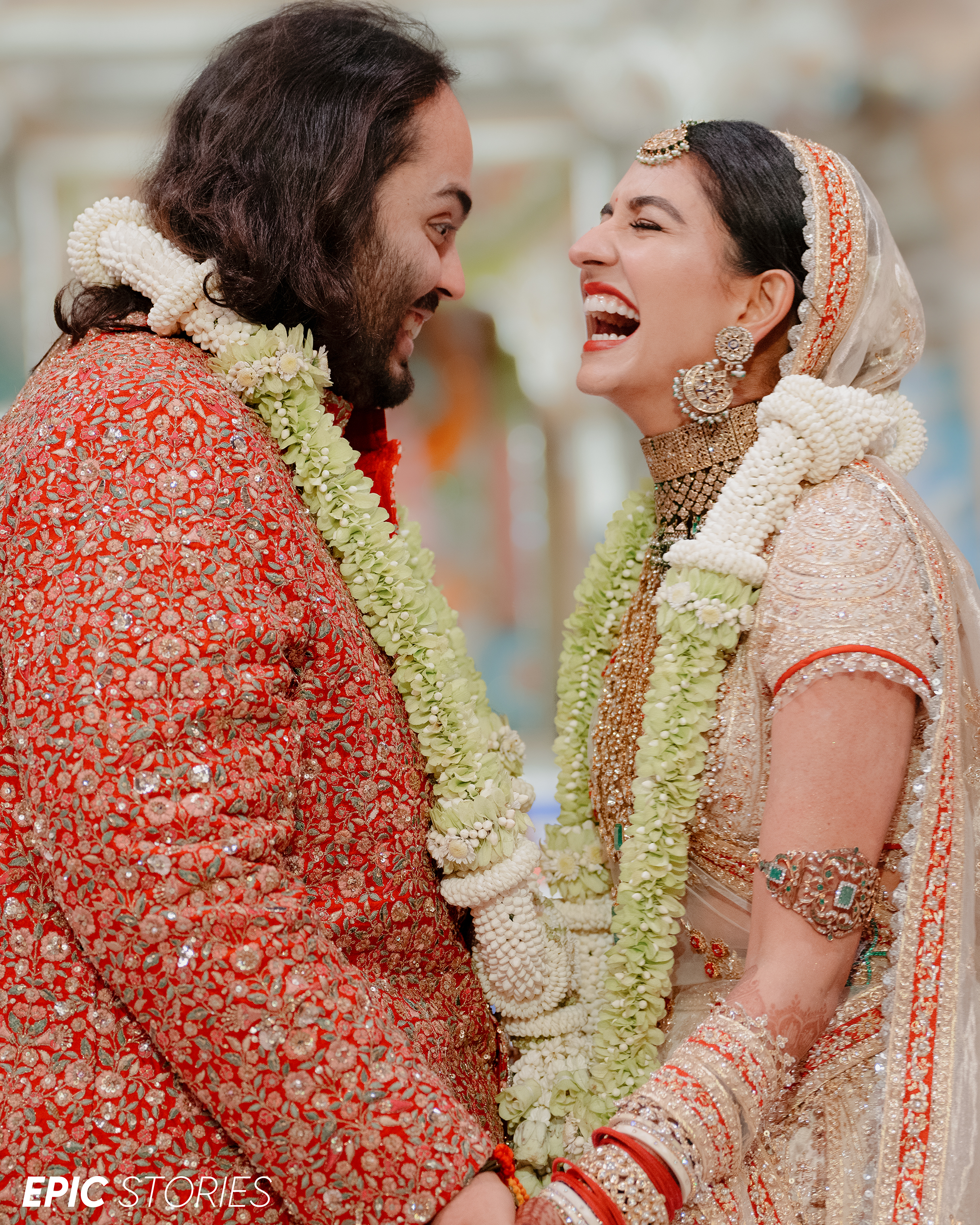
Your work has been featured in Vogue India and The New York Times. You have shot some of India’s highest-profile weddings. But you describe yourself less as a photographer and more as a trusted confidant. What does it take to earn that kind of trust from a couple?
Trust has nothing to do with the camera.
It comes from listening more than speaking, understanding who they are beyond the wedding, and genuinely caring about what this day means to them.
I spend a lot of time getting to know my couples before the wedding. By the time the celebrations begin, I do not want them to feel like they have hired a photographer. I want them to feel like someone they trust is there to document one of the biggest days of their lives.
Once that comfort exists, people stop performing for the camera. That is when the most honest moments happen.
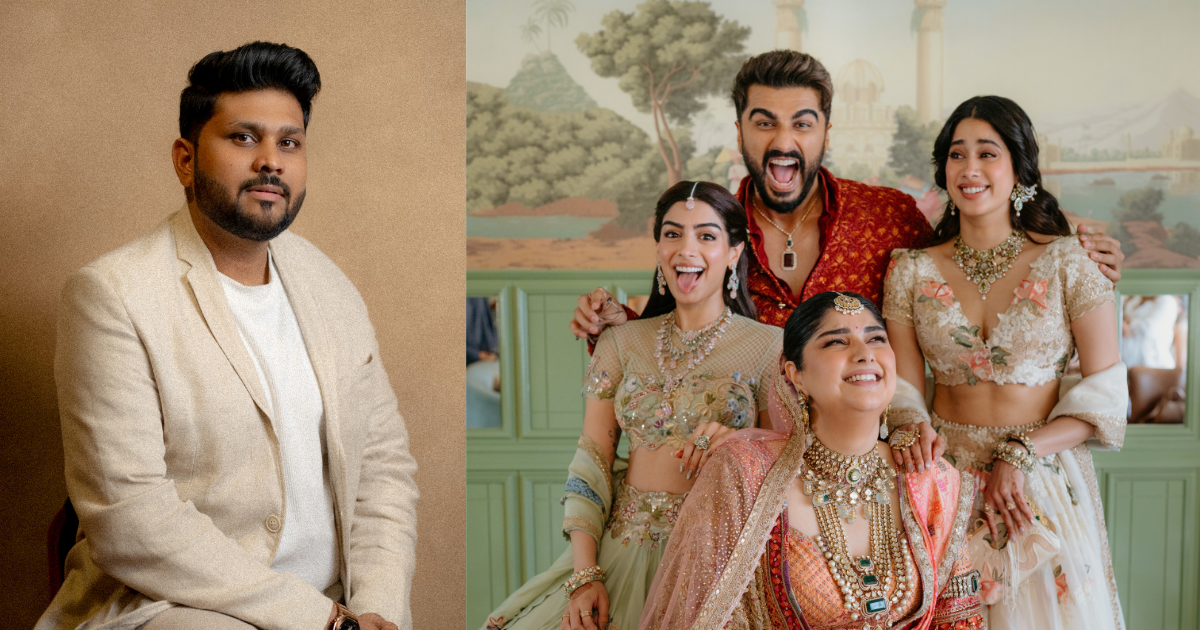
Anshula Kapoor’s wedding is one of your most recent milestones. Every family carries its own emotional architecture, its silences, its particular kind of joy, the way love moves through a room. What did you find inside that celebration that surprised you, and what did it ask of you as a photographer that you had not quite been asked before?
Every family has its own rhythm, and that is what makes every wedding unique.
What stood out to me at Anshula’s wedding was how intimate everything felt despite the attention surrounding it. There was a beautiful sense of warmth, kindness, and genuine connection between everyone present.
As photographers, we often prepare ourselves for what is planned. But this wedding reminded me once again that the most meaningful moments are almost always the unplanned ones. It asked me to slow down, observe more carefully, and let the story unfold naturally instead of trying to chase it.
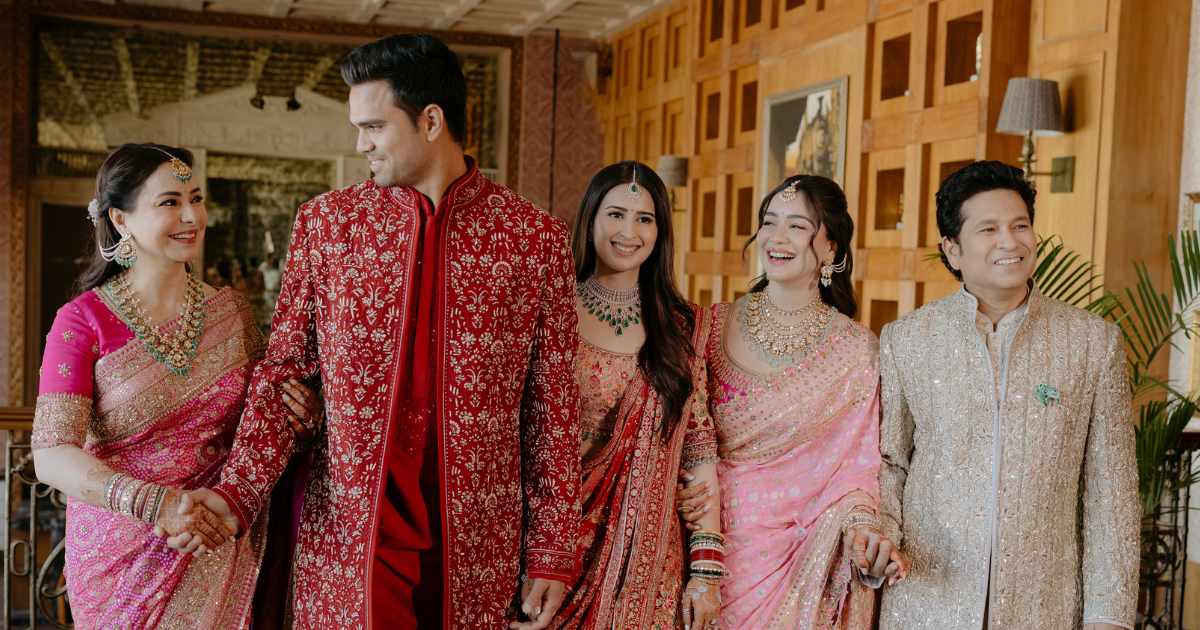
You have captured weddings for Anant Ambani and Radhika Merchant, Karishma Tanna, Malvika Raaj, and Arjun Tendulkar, among others. Each of these was a very different kind of celebration. How do you walk into a wedding that the whole country is watching and still find the quiet, private moments?
The scale changes, but emotions never do.
Whether it is the biggest wedding in the country or an intimate celebration with fifty guests, every bride still looks for her parents in the crowd, every groom still has butterflies before walking in, and every family shares moments that no one else notices.
Our job is to forget the headlines and focus on the humans behind them. If we do that well, the photographs become timeless instead of just newsworthy.
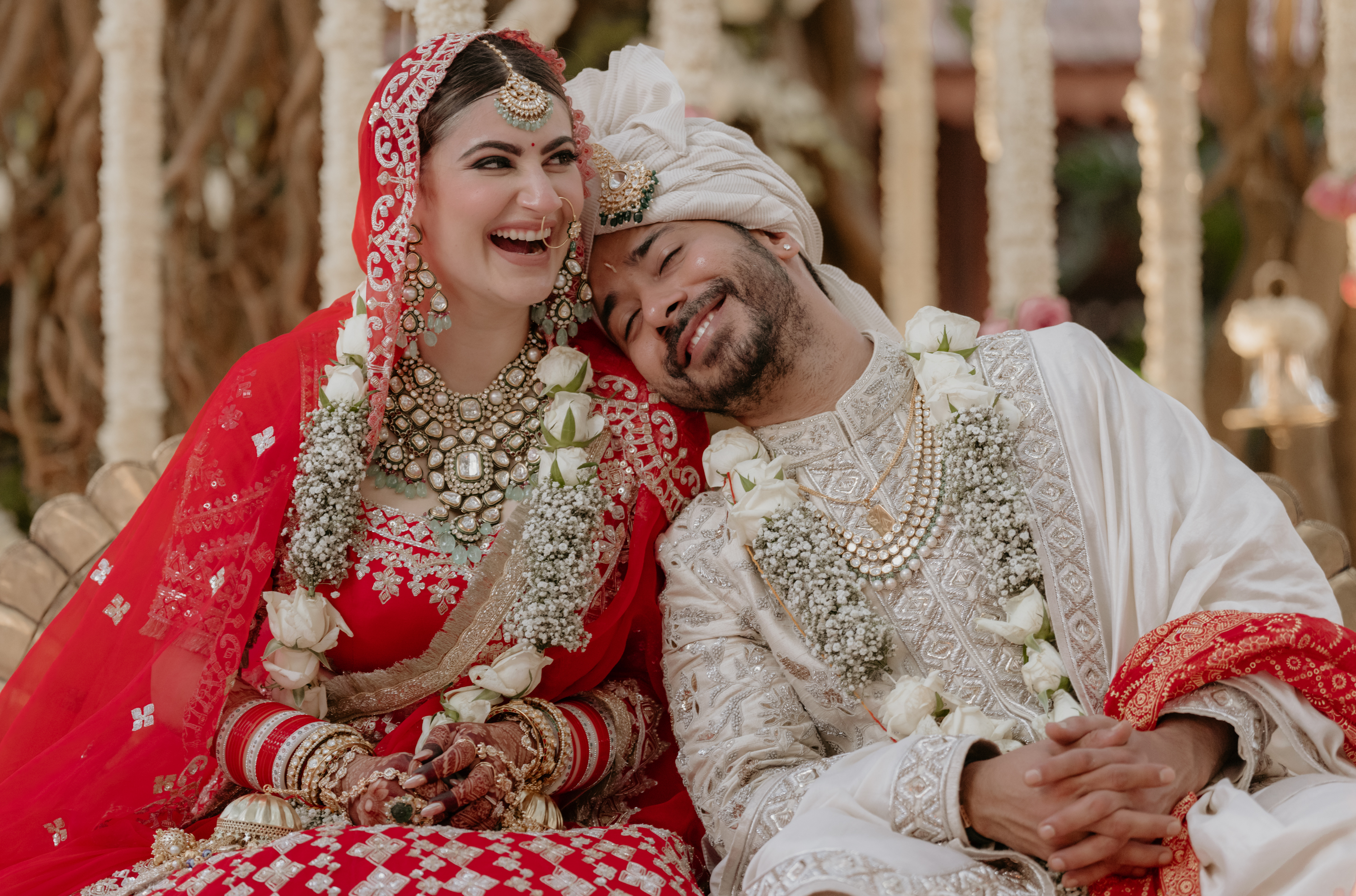
You have spoken about building genuine friendships with your couples before the wedding day. How does that relationship change what ends up in the final frame?
It changes everything.
When people trust you, they stop thinking about how they look and start living the moment. That comfort allows us to capture photographs that do not feel staged or directed. They feel lived.
I think that is why many of our couples tell us that looking through their wedding photographs feels like reliving the day instead of simply viewing it.
Indian weddings are multi-day, multi-event, emotionally intense experiences. What is the hardest part of the job that no one outside the industry ever talks about?
The responsibility.
People often see the glamour, the travel, and the beautiful venues. What they do not see is that weddings do not offer second chances.
A smile, a hug, a father’s expression, a grandmother’s blessing: these moments happen once. You are constantly balancing creativity with pressure because you know that if you miss something important, no technology can bring it back.
There is one frame in every wedding that you know the moment you take it is the one. What does that moment feel like, and can you describe one that has stayed with you?
It is difficult to explain, but sometimes you press the shutter and instantly know you have captured something much bigger than a photograph.
In almost every wedding, there is one moment I always find myself observing: the way parents look at their daughter just before she walks into her wedding ceremony. I often come back with an entire series of photographs from that moment, and every single frame carries a different emotion. Love, pride, joy, nostalgia, and the quiet realisation that life is about to change forever.
There are rarely dramatic tears or grand gestures. It is usually just a glance, a smile, or a brief pause. But those silent moments often say more than words ever could. Those are the photographs that stay with me long after the wedding is over.
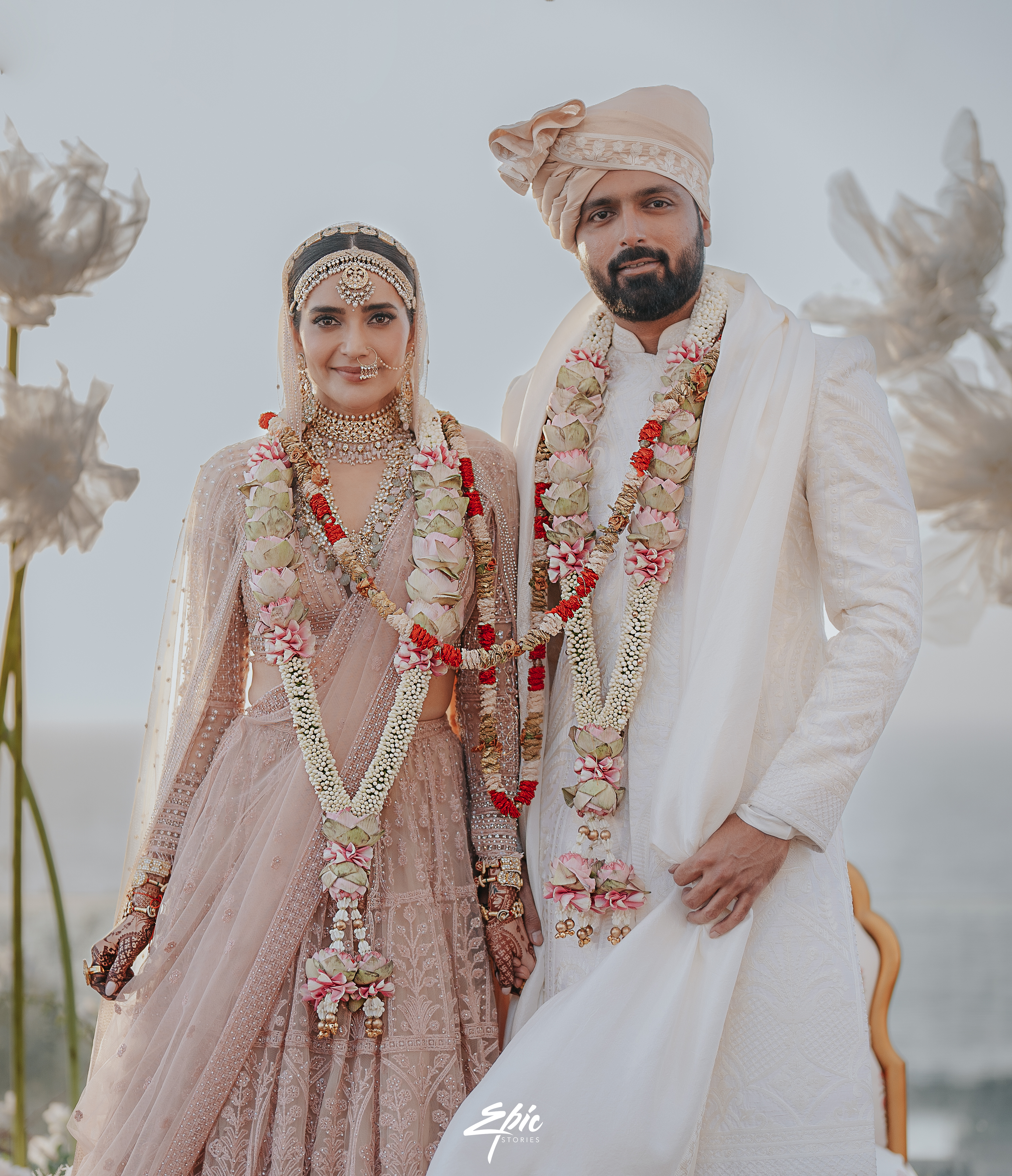
Wedding photography in India has evolved enormously over the last decade. What has changed about what couples want, and what do you think will never change?
Couples today want authenticity.
Earlier, the focus was often on perfect poses and beautiful portraits. Today, people want photographs that feel real. They want to remember what the day felt like, not just what it looked like.
Technology will continue to evolve, trends will come and go, but one thing will never change: people will always want to remember the people they love and the emotions they shared with them.
If Epic Stories were a wedding moment, not a photograph but the split second before it, which one would it be?
It would be those few quiet seconds before the bride walks down the aisle.
It is a moment filled with anticipation, excitement, nervousness, hope, and love. Nothing has happened yet, but everything is about to change.
I think that is exactly what storytelling is about: being present in those fleeting moments that quietly become life-changing memories.
Dr. APJ Abdul Kalam is someone you have cited as a source of inspiration. What does his story mean to a creative entrepreneur building something from the ground up?
One quote by Dr. APJ Abdul Kalam has stayed with me ever since I first heard it: Dream is not that which you see while sleeping; it is something that does not let you sleep.
That quote has become a way of life for me.
When I started Epic Stories, I was not thinking about awards, global recognition, or photographing some of India’s biggest weddings. I simply had a dream of building something meaningful, something that would make families relive the most important day of their lives for generations.
There have been countless sleepless nights, difficult decisions, failures, and moments of self-doubt. But that dream has always been bigger than the obstacles.
Dr. Kalam’s journey reminds me that where you come from does not determine where you can go. If you stay curious, remain humble, and keep showing up every single day, extraordinary things can happen.
Even today, that dream is what keeps me awake. It is the reason we continue to push ourselves to tell better stories, create better films, and build Epic Stories into a globally respected name in wedding storytelling.
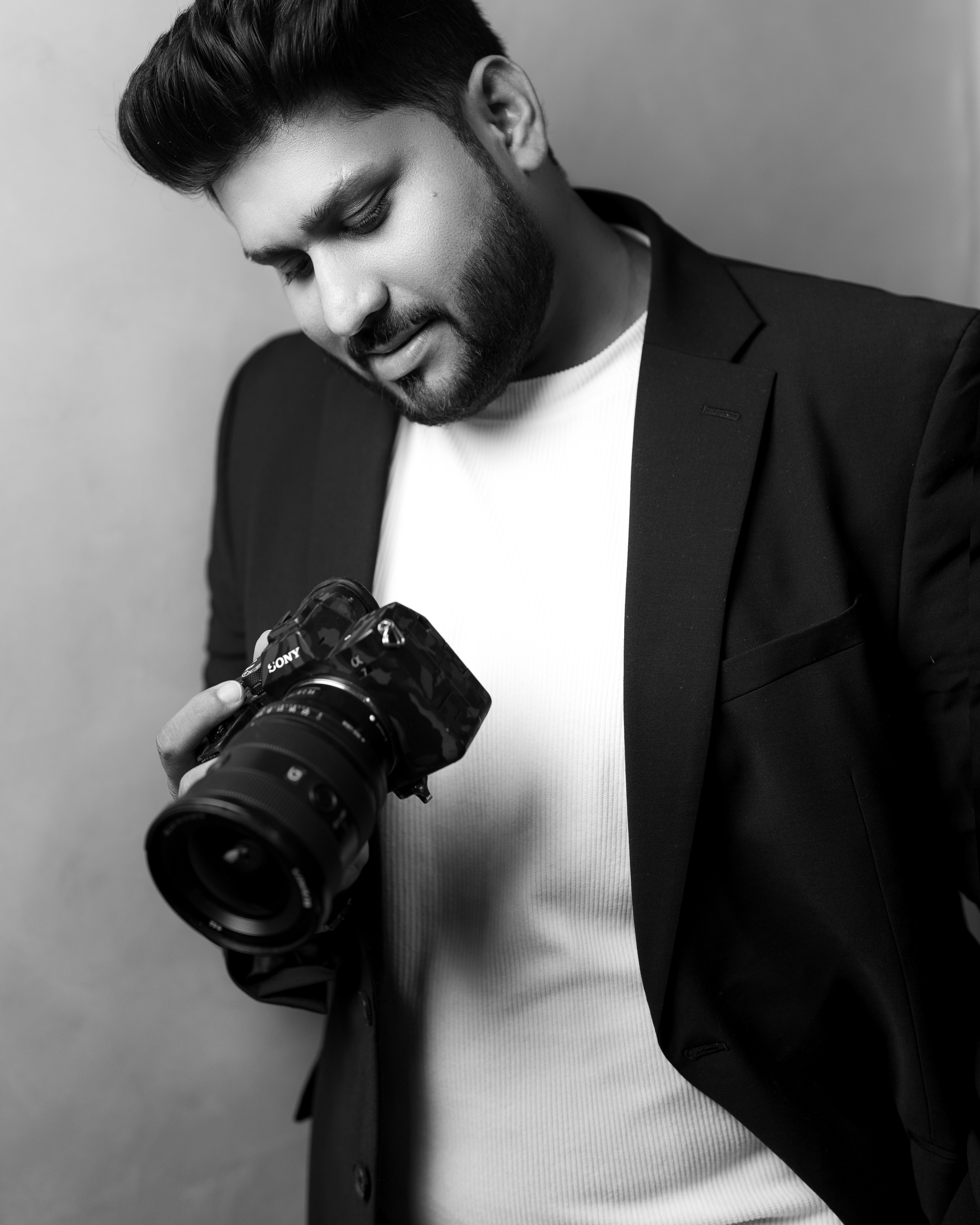
What is coming next for Epic Stories, and what does it look like when Himanshu Patel has built exactly the global presence he set out to create?
We have been fortunate to document weddings across nineteen countries, and I am deeply grateful for that. But I genuinely feel we are only getting started.
The dream is not just to photograph luxury weddings around the world. It is to build Epic Stories into one of the most respected storytelling studios globally, where people choose us because they connect with the way we tell human stories.
When someone, anywhere in the world, thinks of timeless wedding storytelling, I hope Epic Stories is one of the first names that comes to mind.
And if decades from now, families are still passing our films and photographs from one generation to the next, I will feel we have built something that truly mattered.
Follow Best List India for the culture, conversations, and ideas worth paying attention to.