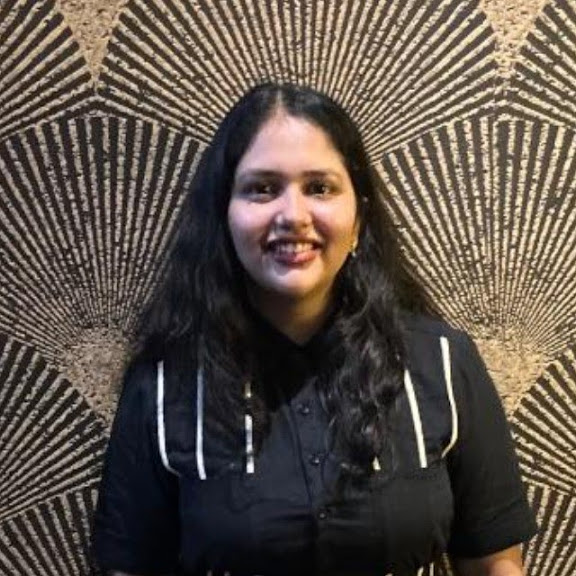
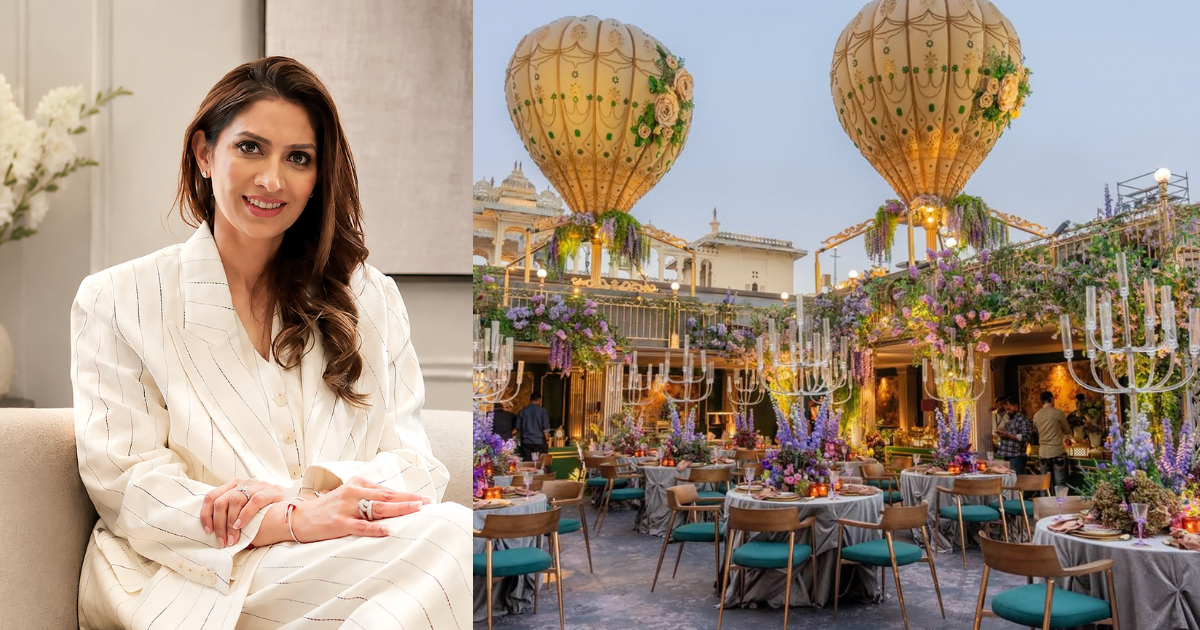
India has always grown extraordinary flowers. For decades, many of the finest were exported, bound for markets that knew how to present them better than the country that raised them. In 2017, a former educator who had seen floristry woven into everyday life abroad decided to change that, bringing Interflora to India with a simple conviction: the blooms were world-class, and the design sensibility around them should be too. That educator is Anuja Joshi, co-founder and CEO of Interflora India.
Nearly a decade on, the company handles everything from single hand-delivered bouquets to the floral architecture of some of the country’s most talked-about weddings, including a 10 lakh stem celebration in Udaipur. We spoke to Joshi about the discipline behind luxury floristry, how flowers survive a 48-degree Jaipur afternoon, and what a more conscious floral ecosystem looks like.
What first drew you to flowers, and what made you stay?
My journey began in education, but travelling internationally opened my eyes to the possibilities of floristry and how naturally flowers were woven into everyday life. I wanted to bring that perspective back home, and in 2017, we brought Interflora to India. What has kept me engaged ever since is the creativity the business demands. Every product, project and service brings a different challenge, caters to a different audience and calls for a different approach. Whether it is an individual floral order, a large-scale celebration or a bespoke project, there is always an opportunity to create something distinctive and make the moment more memorable.
What made you realise India was missing a world-class floral lifestyle experience?
India has always been blessed with an incredible variety of flowers, many of which were being exported to international markets. We had the quality and diversity of blooms, but there was an opportunity to do much more with them here. What was missing was the design sensibility and experience that could bring these flowers to life in a different way. Our vision was to bridge that gap by bringing together exceptional blooms, global design sensibilities and India’s rich cultural relationship with flowers. We wanted to change how people engaged with floristry, placing as much importance on presentation and design as on the quality of the flowers themselves.

How do you bring structure and consistency to luxury floristry?
There is a great deal that happens behind the scenes before a bouquet reaches a customer. Every stem is barcoded, our flowers are stored in temperature-controlled cold rooms, and we closely monitor sourcing and quality at different stages of the process.
Every bouquet ordered through our website is handcrafted and hand-delivered, with close attention at every step. These processes become especially important when we are executing projects across different scales and locations.

How would you describe Interflora’s design language?
Our design language is expressive and constantly evolving. We take inspiration from nature, art, architecture, fashion and interiors, allowing different influences to find their way into our work. Colour, texture, scale and form play an important role in shaping the final composition and the way it interacts with its surroundings.
We don’t believe in being restricted to one signature aesthetic. We could be creating something understated and elegant for one setting, and something bold, sculptural and expressive for another. The idea is to create work that feels right for the occasion while allowing the flowers to make their own statement. What remains consistent is our attention to detail, the quality of the materials we work with and the thought that goes into bringing each design together.

What distinguishes a bouquet from a floral experience?
For me, it comes down to the thought behind the gesture. A bouquet is the arrangement itself, while a floral experience extends to everything around it: why it is being sent, how it is presented and the emotion it creates for the recipient.
At Interflora, our focus goes beyond creating beautiful arrangements. We look at the entire journey, from selecting the right flowers and designing the arrangement to its packaging and delivery. Even the smallest details contribute to how someone receives and remembers it. Ultimately, it is about making flowers feel like a personal expression rather than just another purchase or delivery.
How do you approach flowers as storytelling rather than decor?
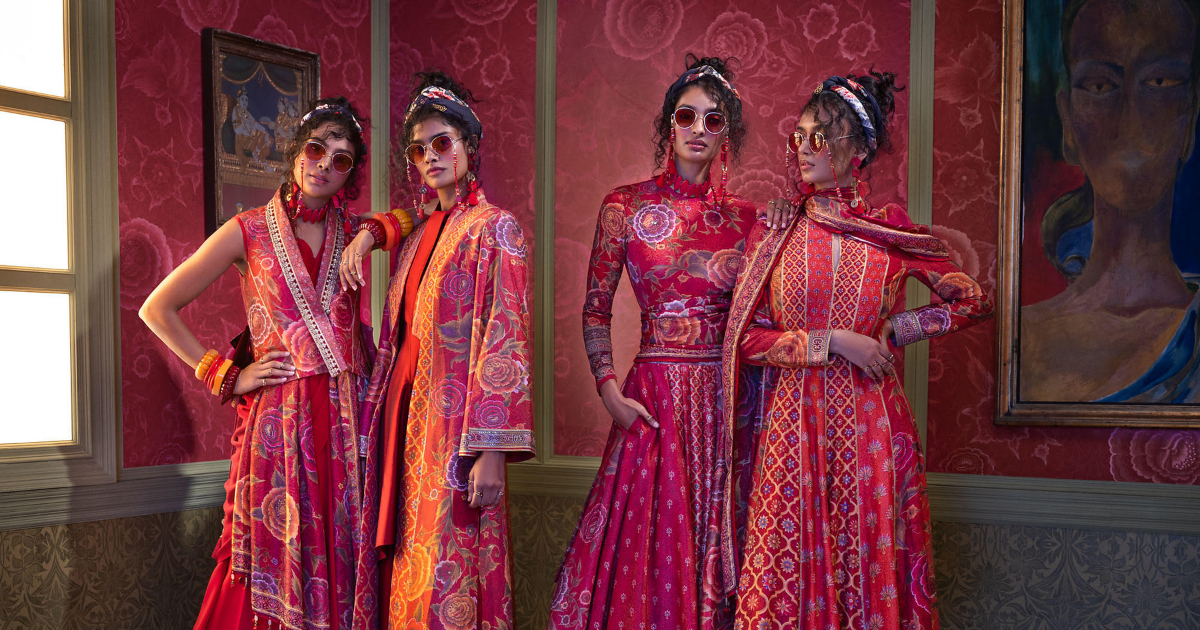
Every wedding reflects the personality, preferences and tastes of the couple and their families. Similarly, when we work with designers, the objective is to bring their individual vision to life through flowers. For instance, working on projects for designers like Sabyasachi and Amit Aggarwal involves interpreting very different creative worlds, from the richness of Indian heritage to more futuristic forms and expressions.
This philosophy extends to the way we approach large-scale celebrations and events as well. We believe flowers should be an integral part of the overall architecture and atmosphere, rather than simply an addition to the decor. When they are thoughtfully woven into the setting, they become part of what makes the occasion distinctive and memorable.

How do you balance creative ambition with the realities of perishable flowers and tight timelines?
It took years of building the right teams, processes and sourcing relationships. Flowers are perishable, so seasonality, storage and transportation all need to work together. We have, for instance, executed projects with hydrangeas and tulips in Jaipur’s 48-degree heat.
Large weddings and installations bring another level of complexity, with teams working across design, production, sourcing and on-ground execution. The challenge is to translate an ambitious creative vision into something that can be brought to life seamlessly, without compromising on the quality of the flowers or the final design. That balance comes from experience, planning and the people behind every project.
What have international designers taught you, and what does India bring to global floristry?
Exchanging ideas with internationally recognised designers such as Jeff Leatham and Preston Bailey exposes you to different ways of looking at flowers, spaces and design. These conversations open up new creative possibilities and encourage you to question familiar approaches. Each interaction brings a different perspective, whether it is about composition, scale, technique or how flowers can shape an environment.
India, meanwhile, brings an incredible diversity of blooms, craftsmanship and cultural traditions to the global conversation. We have a rich floral heritage and a wealth of local growing talent. The opportunity lies in bringing these strengths together with global design influences, reinterpreting what we have through fresh perspectives and contributing an aesthetic that is globally relevant but distinctly Indian.

Why was it important to professionalise floristry as a career?
When we entered the industry, finding trained floristry talent was one of the challenges we encountered. Floristry requires much more than an eye for beauty. It involves an understanding of flowers, their handling and care, design techniques, colour, composition and the ability to execute under pressure.
This made investing in talent development an important part of building the business. We have a dedicated training school for florists, where the focus is on developing practical skills and a deeper understanding of the craft. Beyond strengthening our own teams, we see this as an opportunity to create more structured career paths, nurture talent and contribute to the growth of the floristry industry in India.
What does a more conscious floral ecosystem look like?
For us, building a conscious floral ecosystem has been a priority from the beginning. It is important to look at the entire chain, not just the finished arrangement. We work closely with our growers, supporting them through funding and training to help strengthen their capabilities and livelihoods.
Our work is also largely handcrafted, which creates employment opportunities for skilled artisans and florists. On the delivery front, we use electric vehicles as part of our efforts to reduce our environmental footprint. We also believe in being mindful of how flowers and other resources are sourced and used.
Responsibility, to us, is about building a business where the people, processes and resources behind every creation receive as much attention as the final product.
Is there a celebration you consider a personal masterpiece?
The Ambani wedding in Jamnagar and the wedding of Netra Mantena and Vamsi Gadiraju in Udaipur are two projects that hold a special place for me. The scale of the Udaipur wedding was extraordinary, with approximately 10 lakh flower stems and 800 florists involved. The coordination required to bring everything together was immense, especially given the challenges of transporting and handling fresh flowers across different venues.
Seeing every detail come to life as planned was deeply rewarding. These projects were personal milestones not only for what we created, but also for everything our teams learnt along the way.


What does the future of luxury celebrations and flowers look like?
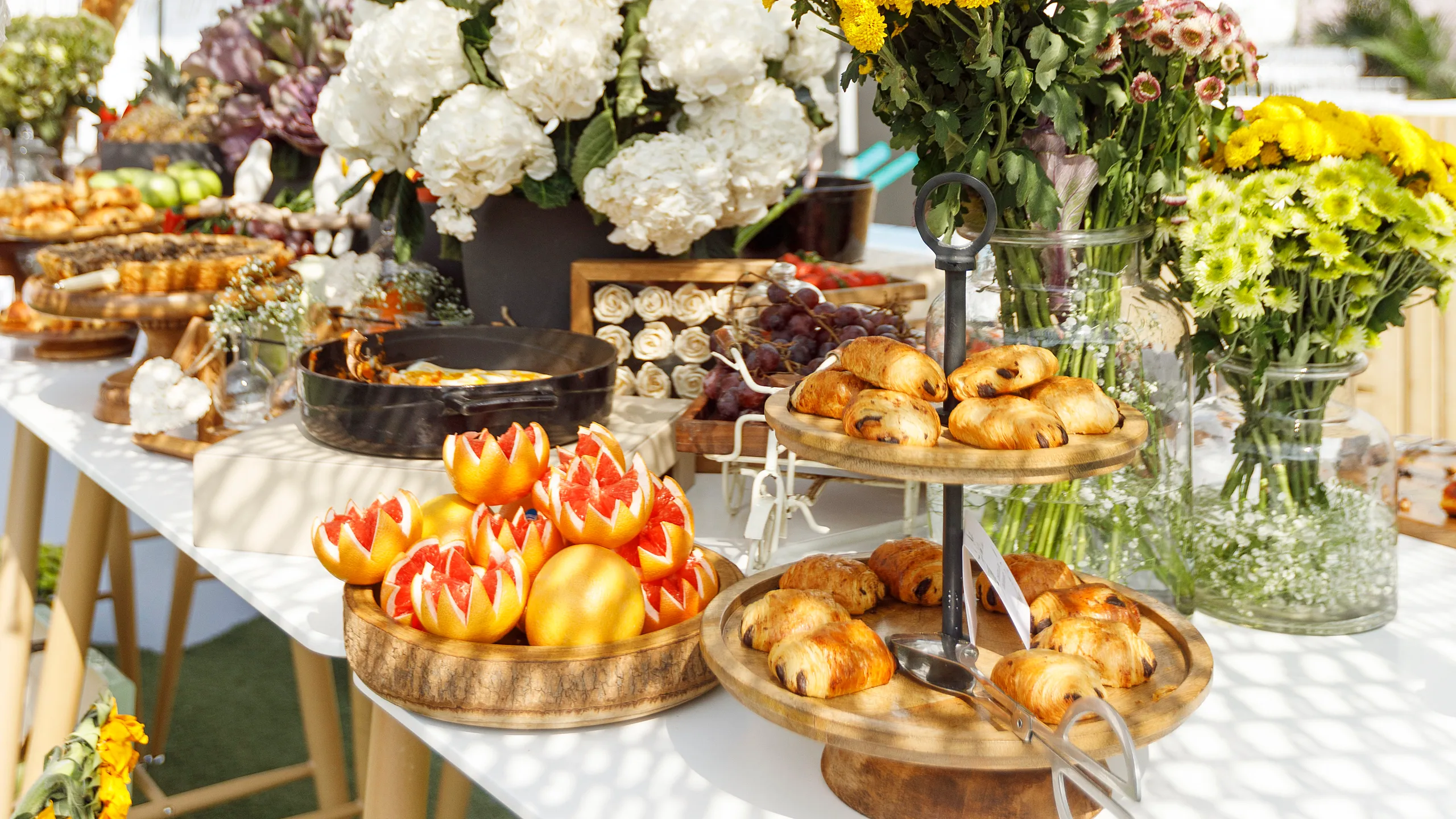
I see flowers becoming an even more integral part of how people and brands express themselves. We are already seeing them move beyond traditional event decor into immersive settings, whether through floral carts, store windows, brand installations or even being interpreted through materials beyond flowers themselves.
In luxury celebrations, clients are also becoming more involved in shaping the occasion, moving beyond a checklist of arrangements towards something that reflects their own personalities and preferences. I believe this evolution will continue, with flowers finding newer expressions across celebrations and spaces. Having seen how far the industry has come, I am equally excited to see where it goes next.
What emerges from this conversation with Anuja Joshi is a business built, quite literally, from the roots up. Barcoded stems, cold rooms, a training school for florists, funding for growers and a fleet of electric vehicles are not the romantic side of floristry, but they are what allow the romance to survive a 48-degree afternoon and a ten-lakh-stem wedding. Interflora India’s quiet argument is that flowers deserve the same rigour as any luxury craft, and that a country which grows them so well should also know how to present them. As celebrations grow more personal and brands look for new ways to express themselves, Joshi’s bet that flowers will move well beyond the vase looks increasingly well placed.
Follow Best List India for the culture, conversations, and ideas worth paying attention to.