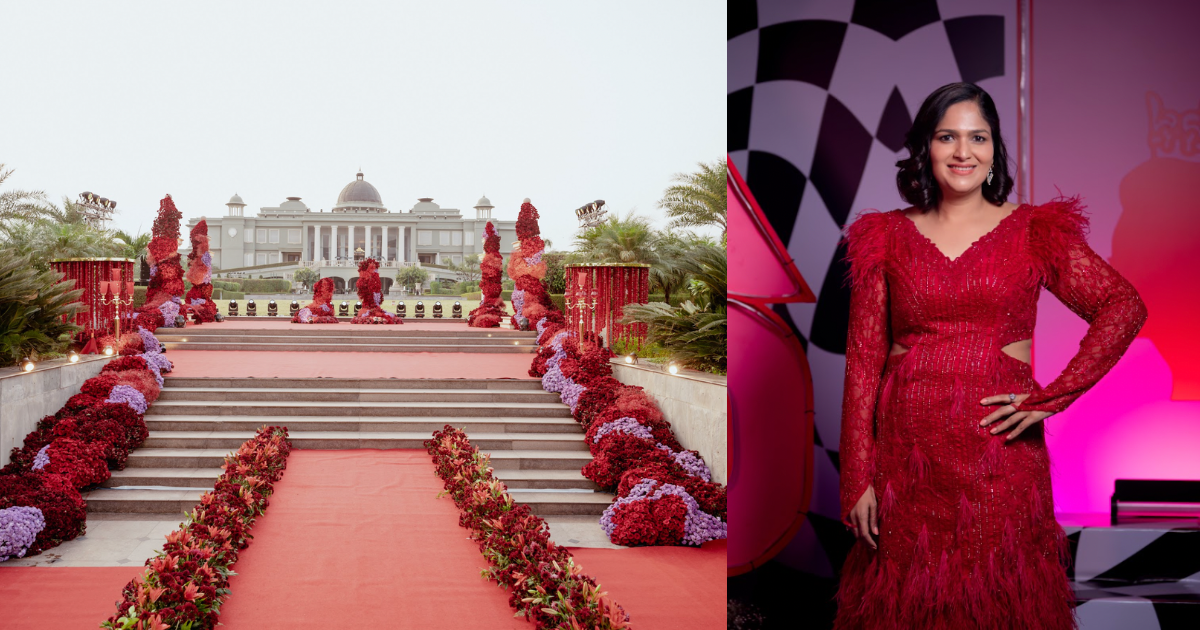
In the Indian wedding, scale has long been the benchmark of success: bigger mandaps, longer guest lists, grander spreads. Priya Maganti has spent more than a decade asking a quieter question: what does the guest actually feel?
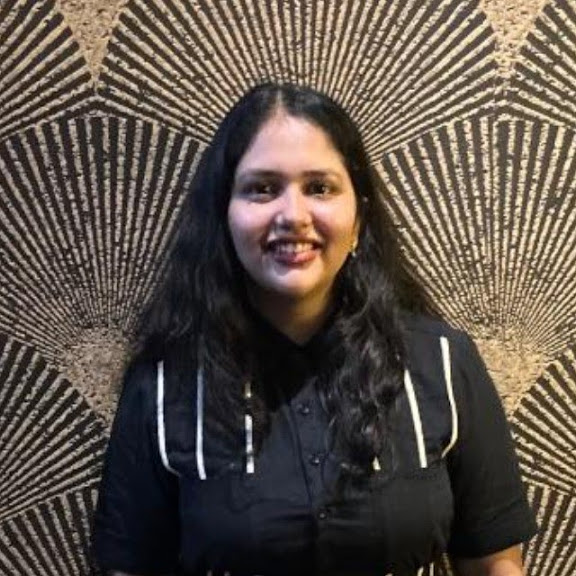
Co-founder and CEO of RVR Eventz & Design and RVR PRO, Priya sits at a rare vantage point, shaping a wedding’s design and planning while its photography and film sit under the same roof. The two verticals began after she and her partner moved back from the US at the end of 2012, and each now feeds the other. Here, she speaks about the order in which an immersive wedding is built, why guests remember how they were treated rather than how lavish the spread was, and what Gen Z couples are bringing to the table.
You run both the design and the documentation of weddings. Take us back to how RVR PRO and RVR Eventz & Design came to exist under one vision.
We moved back from the US at the end of 2012, and by 2013 we knew we wanted to do something creative and different in wedding photography. We wanted to write a script for a pre-wedding film, or keep things completely natural when capturing the emotion of a wedding. That intention to bring something new to the segment is how RVR PRO began.
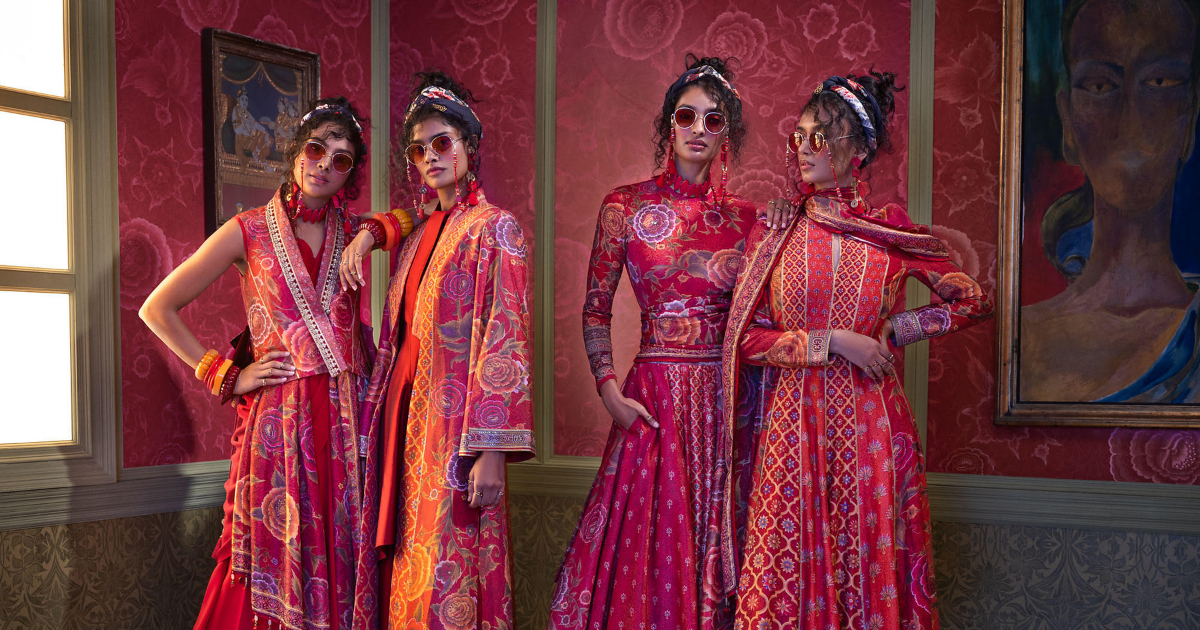
RVR Eventz & Design came from a gap we saw in the industry. Photography isn’t only about clicking great pictures. It’s also about having a great plan: the outfits aligned with the décor, the décor aligned with the lighting, and the colours right for a good photograph. When we saw how much those things depended on each other, the second vertical followed naturally. Today we run two successful verticals, and they feed into each other.


For years, luxury meant scale. What made you start asking a different question: what does the guest actually feel?
I’ve always believed that every wedding designer, planner or photographer should have a unique taste of their own. You don’t want the whole world to come to you. You want the clients whose taste aligns with yours.
As for the guest, this isn’t something clients have started asking for recently. It has been our approach from the beginning. We’ve always given more weight to how the guest feels than to scale as a marker of luxury. And what makes the bride and groom happy has always been our primary focus.
What does “immersive” actually mean to you in practice? What do planners overlook?
Immersive can take many forms. It’s anything that draws a guest completely into the celebration, whether through what they see, what they hear or what they smell. The real experience comes from bringing all three together.
If I put them in order of priority, it goes sight first, then sound, then scent. If you achieve the top two, you’ve made the wedding immersive. If you achieve the third as well, you’re giving your guests a fully immersive experience.
What does the dual vantage point of designing and documenting teach you that neither role alone could?
The biggest benefit is that everything is seamless for our clients. They don’t have to repeat what’s happening at the wedding to different vendors, because design, planning and photography all sit under one roof. That makes it easier for us to ask questions and plan, and it lets us give extra care and push ourselves to do the additional things that make a difference.
We’re also aligned creatively, which makes the process smoother still. For a couple, I think it’s the best combination they could ask for.


Indian weddings are famously about spectacle. How do you design for emotion and discovery inside a celebration that’s also expected to be visually enormous?
Indian weddings are known for their grandeur, and I think, as an industry, we’ve made that the benchmark for a successful celebration.
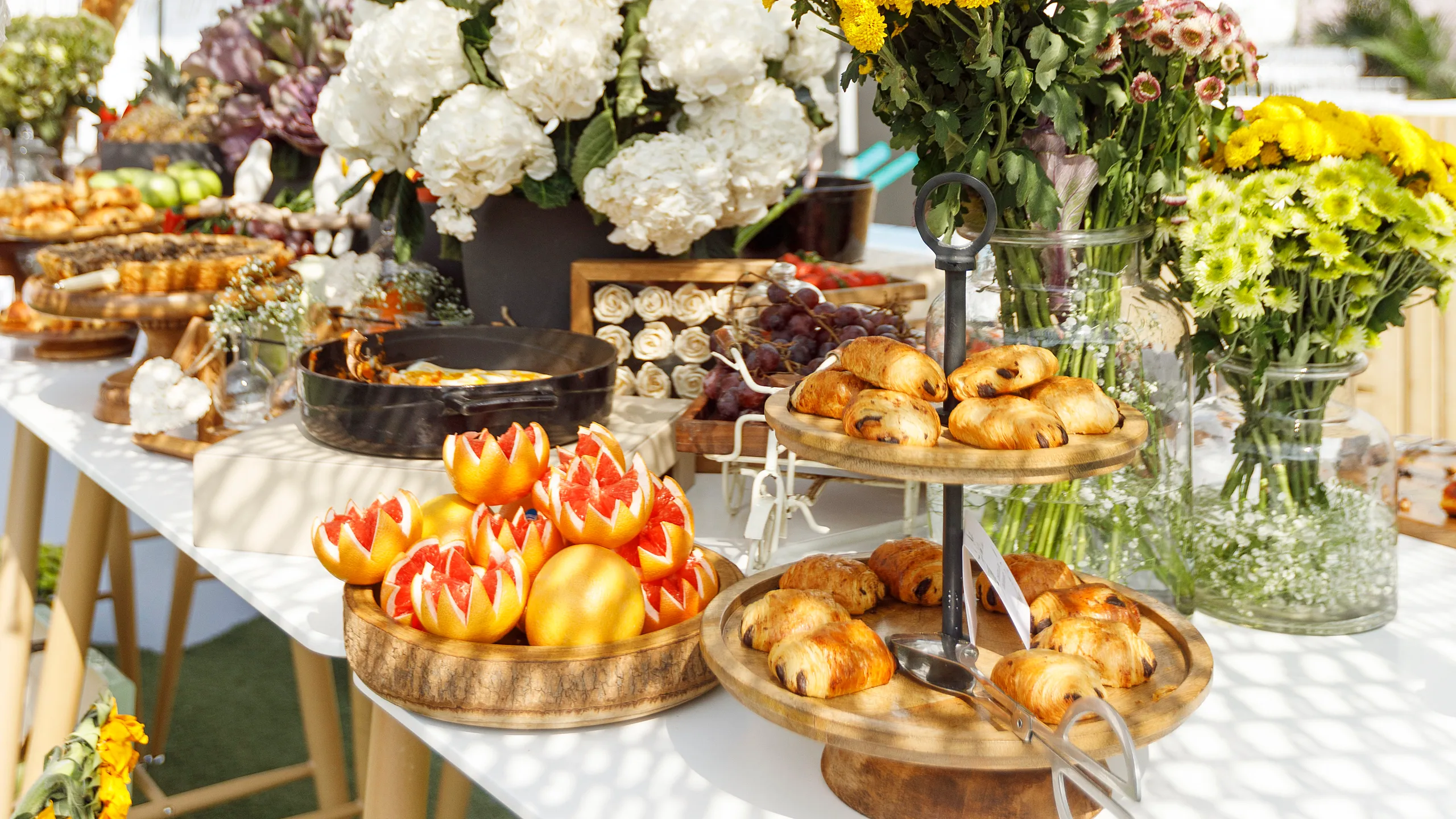
But everyone wants to feel special, to be pampered and to be surprised. Those are the things people remember over the years. They remember how they were treated, not necessarily how grand the wedding was or how lavish the spread was.
That’s always been true. What’s changing is that families are beginning to recognise it. When you bring that understanding together with the spectacle of an Indian wedding, you create a celebration that’s as beautiful to look at as it is to experience.
Guests today don’t just attend a wedding, they move through it, photograph it and remember it in fragments. How has that changed the way you think about the guest journey, moment by moment?
Earlier, attending a wedding was largely about being there for the couple and blessing them. Today, guests want to feel included in the celebration. They expect to be looked after, pampered and made to feel special.
I think couples and families have played a big role in this shift by making their guests a priority and putting more thought into their experience. Naturally, those expectations have grown over time.
So today, when we plan a wedding, we think about the guests’ experience just as much as we think about the couple’s.


As documentation itself evolves, what do you think photography and film are now expected to capture that they weren’t ten years ago, not how something looked, but how it felt?
Photography has moved beyond just capturing how a wedding looked. Today, it’s also about capturing the experience of being there, so that when you look back at the photographs and films, you remember what it felt like to be a part of that day.
Tell us about a celebration where the emotional design mattered more than anything visual, and what that felt like to witness from behind the lens.
When an emotional moment unfolds in front of the camera, the décor and the setup take a backseat. Emotion will always matter more than how grand a wedding looks.
From a photography standpoint, good planning is about creating the right conditions to capture these moments beautifully. The planning doesn’t take away from the emotion; it helps us bring it out.
Where do you see India’s luxury wedding landscape heading next, and what’s the shift you’re most excited to be part of?
The generation getting married today is increasingly Gen Z, and they definitely want it to be unique. That’s what excites me most. It means every couple brings something different to the table, and no two weddings need to look alike.
As planners and designers, that’s what we look forward to: understanding each couple and creating something that feels unique to them, rather than repeating what we’ve done before.


In a market that still measures celebration in scale, Priya Maganti’s philosophy is a considered counterpoint: plan for the senses, put the guest at the centre and let emotion lead. With design and documentation working as one, RVR’s approach suggests that the most memorable weddings are not the largest, but the ones in which everyone, from the couple to the last guest, is made to feel seen.
Follow Best List India for the culture, conversations, and ideas worth paying attention to.