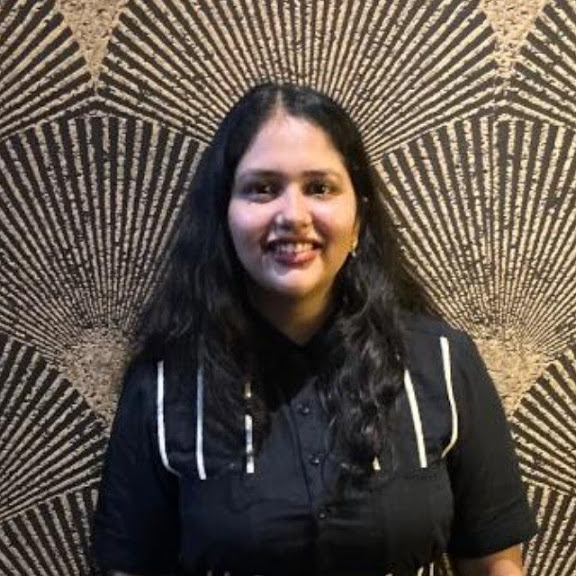
There are founder stories that begin in studios and there are those that begin with considerably less. Sanjay Sharma, the founder of Studio Erato Films, began with a camera bought on EMI and a question simple enough to carry the weight of an entire career: what can I do with this that can sustain me?
The answer, arrived at in Hazaribagh after years that took him through Delhi film school, Bengali television in Kolkata, celebrity media launches in Delhi, the loss of his father, a pandemic, and a move to Ranchi, was wedding photography. Not as a default or a compromise, but as a discovery: the realisation that within the apparently conventional world of documenting celebrations lay an entire universe of storytelling, cultural complexity, and human emotion that most of the industry was approaching with far less imagination than it deserved.
Three years of building Studio Erato Films from local commissions into a full destination wedding photography and filmmaking operation, with work spanning Goa, Udaipur, Darjeeling, Sikkim, Bhutan, and beyond, has confirmed what that initial question suggested: that the story is never really about the wedding. It is about the people inside it. And that a filmmaker trained across television, film, and music videos, who has learned patience in the hardest possible circumstances, is perhaps better positioned than most to find it.
We spoke with him about the calling that preceded the business, the first destination assignment that changed everything, and the boundary Studio Erato Films is quietly preparing to push next.
Every studio starts as an instinct before it becomes a business. What was the exact moment wedding photography stopped being a skill and became a calling, and how did that instinct grow into Studio Erato Films?
For me, wedding photography started as a skill, but it became a calling when I realised that I was not simply documenting weddings. I was preserving emotions, relationships, and moments that could never be recreated.
There was a point when I stopped looking at a wedding through the lens of a photographer and started experiencing it through the people in front of my camera. The nervousness of a bride before walking down the aisle, a father seeing his daughter as a bride for the first time, the laughter between friends, or a quiet glance between a couple: those moments made me understand that wedding photography had a much deeper purpose.
That instinct eventually became the foundation of Studio Erato Films. I wanted to build a studio that was not just focused on beautiful frames, but on honest storytelling. Every wedding has its own rhythm, personality, and emotions, and our job is to translate that into photographs and films that still feel alive years later.
Studio Erato Films grew organically from that belief. What began with a camera and a passion for storytelling gradually became a team, a creative identity, and a responsibility to every couple who trusts us with their memories. For me, the business came later. The calling came first.
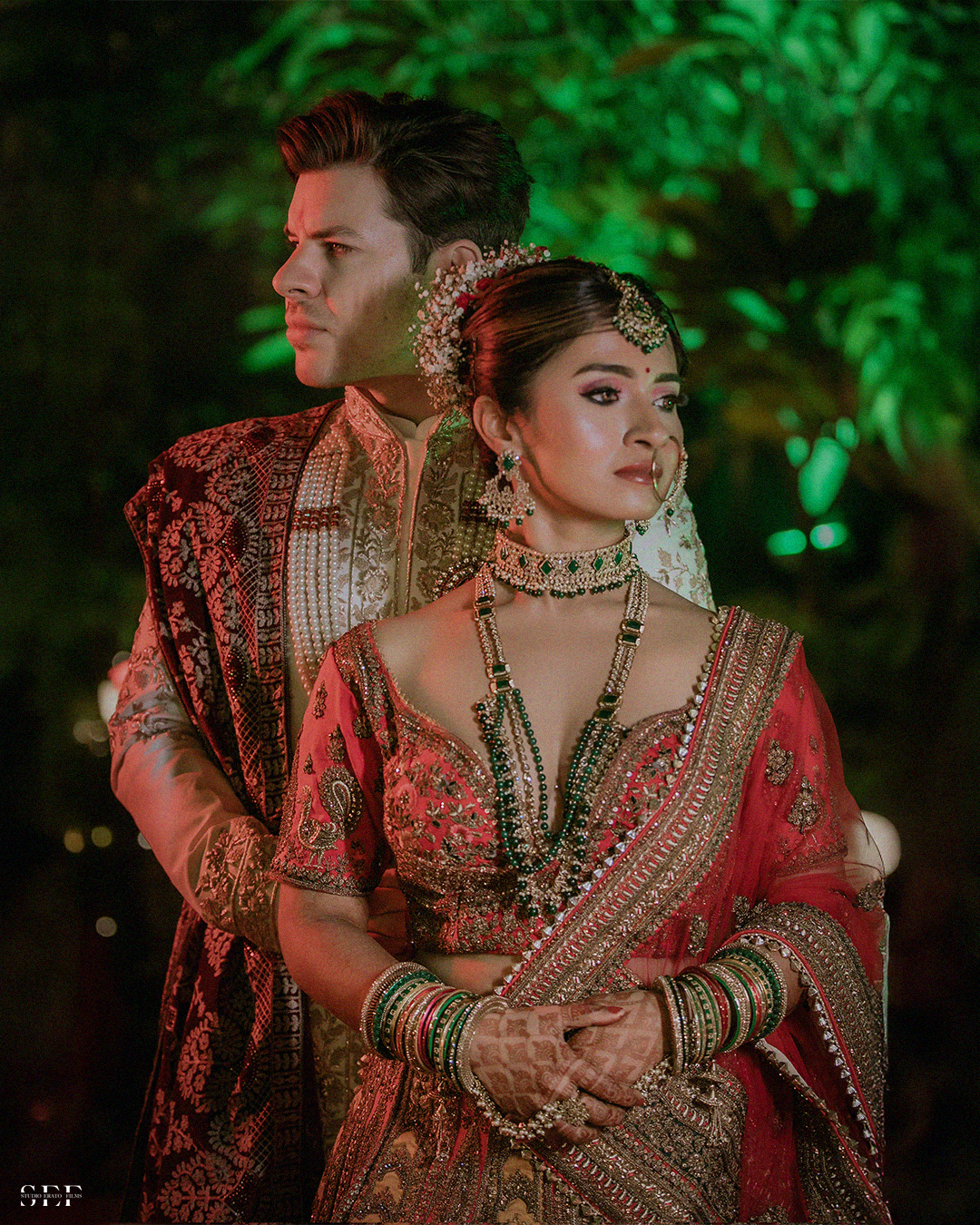
There is a specific kind of courage in moving from local commissions to full-time destination work. What made you trust that leap, and what did you know about yourselves once you had made it?
The leap from local commissions to destination weddings was not a decision I made overnight. It came from a growing belief that I was ready to take my work beyond familiar surroundings and challenge ourselves creatively.
Local weddings gave me the foundation, the experience, the confidence, and most importantly, the understanding of how to tell a couple’s story authentically. At some point, I realised that I did not want geography to define the kind of stories I could create. I wanted to experience new places, new cultures, different people, and bring that diversity into my visual language.
Taking that leap required trusting my craft before I had any guarantees. There were uncertainties, of course, but there was also a strong feeling that staying comfortable would eventually limit me. Destination work pushed me to become more adaptable, more organised, and much more intentional with every frame.
Once I made that transition, I discovered something important about myself: I was not simply a photographer and filmmaker looking for beautiful locations. I was a storyteller who could create meaningful work wherever the story took me. That realisation became a defining part of the journey of Studio Erato Films.
A destination wedding can span three days, three cities, a hundred moving parts. Where do you find the one still moment inside all that motion?
A destination wedding is often a beautiful kind of organised chaos: multiple events, different locations, constant movement, and countless details happening simultaneously. But somewhere within all that motion, there is always a quiet moment. Finding it is less about waiting for it to happen and more about being observant enough to recognise it.
For us, those moments are usually not the ones that are planned. It might be a bride taking a quiet breath before walking into her ceremony, a father looking at his daughter for a few seconds longer than usual, or a couple sharing a glance when they think nobody is watching. Those fleeting seconds often carry more emotion than the grandest part of the celebration.
Our approach is to stay present, even when we are constantly moving. We try not to simply document what is happening, but to anticipate what might happen next. That allows us to step back, observe, and give those intimate moments the space they deserve.
In the middle of hundreds of moving parts, we believe the most powerful frame is often the quietest one. Those still moments are where the real story lives, and our job is to notice them before they disappear.
Take us back to your very first destination wedding. What did you get wrong, what did you get right, and what did it teach you that no brief ever could?
What we got wrong was perhaps thinking we could approach a destination wedding exactly the way we approached a local one. We underestimated how much planning, coordination, travel logistics, and adaptability were required when the entire environment is unfamiliar. There were moments when we were learning on the go, adjusting to changing circumstances and understanding that not everything would happen according to plan.
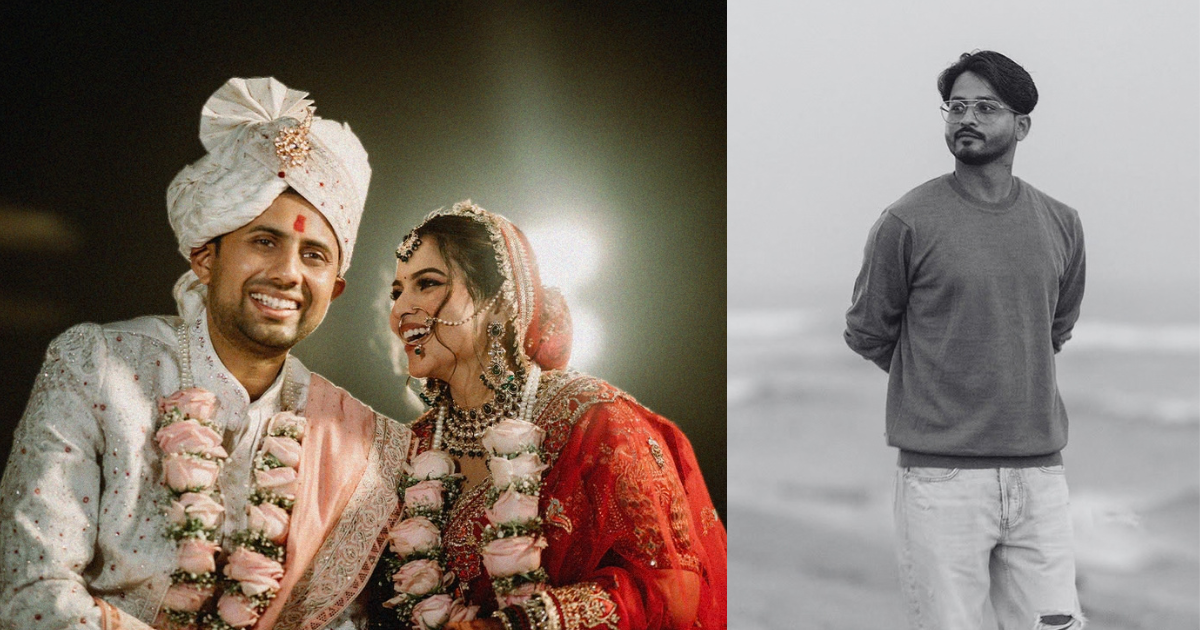
But what we got right was our instinct to focus on the people and the story. Rather than becoming overwhelmed by the scale of the celebration, we kept coming back to the emotions: the nervousness, the laughter, the families meeting, the cultural differences coming together, and those quiet moments between Manisha and Randy.
Varanasi taught us something no brief could have taught us: destination weddings are not really about travelling to beautiful places. They are about understanding people in unfamiliar places. You have to be prepared, but you also have to be flexible. You have to know your craft, but you also have to know when to step back and simply observe.
Looking back, Manisha and Randy’s wedding gave us more than our first destination assignment. It gave us the confidence to embrace the unknown, and showed us that some of the most meaningful stories begin precisely where the familiar ends.
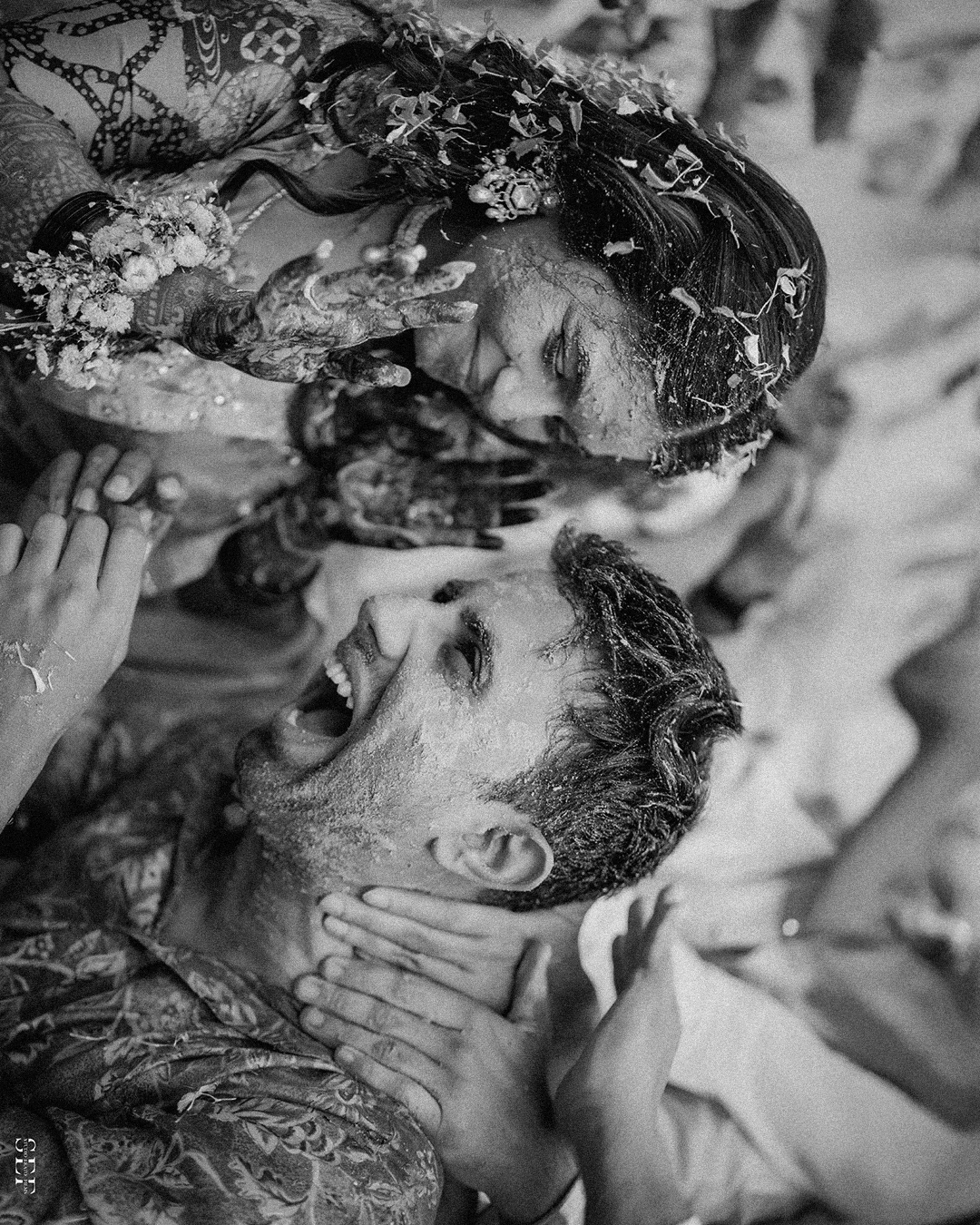

You call it documentary storytelling with an editorial eye. Where exactly does the raw moment end and the composed frame begin, and do you ever let that line blur on purpose?
For us, documentary storytelling and an editorial eye are not opposing approaches. They complement each other. The documentary side is about preserving what genuinely happened, while the editorial side is about presenting that reality with intention, composition, and visual discipline.
The raw moment ends when our presence begins to change the moment itself. If a couple is genuinely emotional, laughing with their family, or sharing a quiet glance, we do not want to interrupt that reality just to create a photograph. Those moments are valuable precisely because they were not manufactured.
At the same time, there are moments when we consciously compose an image. We might guide the couple into better light, choose a particular location, or give them a little direction with their positioning. But even then, we try to leave enough room for their personalities and emotions to take over. We create the frame, but we do not want to create the emotion.
And yes, we deliberately let that line blur sometimes. A destination wedding deserves both truth and beauty. There are moments where a little direction can transform an ordinary situation into something visually powerful without taking away its authenticity.
Ultimately, our goal is not to decide whether an image is documentary or editorial. It is to make sure that, years later, the couple can look at it and feel that it genuinely belongs to them. The composition may be intentional, but the emotion should always remain real.
Three years ago, you were the first team in Jharkhand to bring Same-Day Edits and full 4K production to weddings there. What made you certain the risk was worth taking before anyone else was ready to take it?
What gave us the confidence was not the belief that we knew better than everyone else, but the belief that wedding films were evolving. We could see that couples were becoming more connected to cinematic storytelling and wanted to experience their wedding memories while the celebration was still happening, not only weeks or months later.
Same-Day Edits were particularly exciting because they changed the relationship between the film and the wedding itself. Seeing a couple and their families experience the story from earlier that very day, surrounded by the people who were part of it, created an entirely different kind of emotional connection.
The 4K workflow was another investment in the future. We wanted to build a production standard that would give us greater flexibility in capturing, grading, and delivering high-quality cinematic films while keeping the consistency of our work intact.
Was there uncertainty? Absolutely. But we realised that waiting for everyone else to validate an idea would mean arriving after the opportunity had already passed. For us, the risk was worth taking because innovation has always been less about following what is already established and more about being willing to build what you believe the future of wedding filmmaking can look like.
Looking back, the biggest lesson was not simply that the technology worked. It was that taking the first step forced us to raise our own standards, and that ultimately became more important than being first.
A same-day edit means a couple relives their morning by that same evening. What changes, for the couple, for the room, for the story itself, when the wait disappears?
When the wait disappears, the wedding film becomes part of the wedding itself rather than something that belongs to the future.
For the couple, there is something incredibly powerful about seeing their own story while the emotions are still fresh. They can watch moments from the morning, the preparation, the anticipation, the laughter, the rituals, and experience them again that same evening, surrounded by the people who were there. It creates a sense of rediscovery because they often see moments they were personally unable to witness.
For the room, the energy changes completely. A same-day edit brings everyone together around a shared memory. People who were part of different moments of the day suddenly see the entire story unfold in front of them. There is laughter, surprise, emotion, and sometimes silence, and those reactions become part of the celebration itself.
And for us as storytellers, the story becomes more immediate. We do not have the luxury of weeks to refine our understanding of the day. We have to recognise the emotional arc almost as it is happening, make thoughtful creative decisions under pressure, and find the moments that best represent the couple’s experience.
The most beautiful part is that the film does not just document the wedding. It becomes another moment within the wedding. When the wait disappears, the memories do not feel distant anymore. They are still alive, still emotional, and being experienced for the first time all over again.
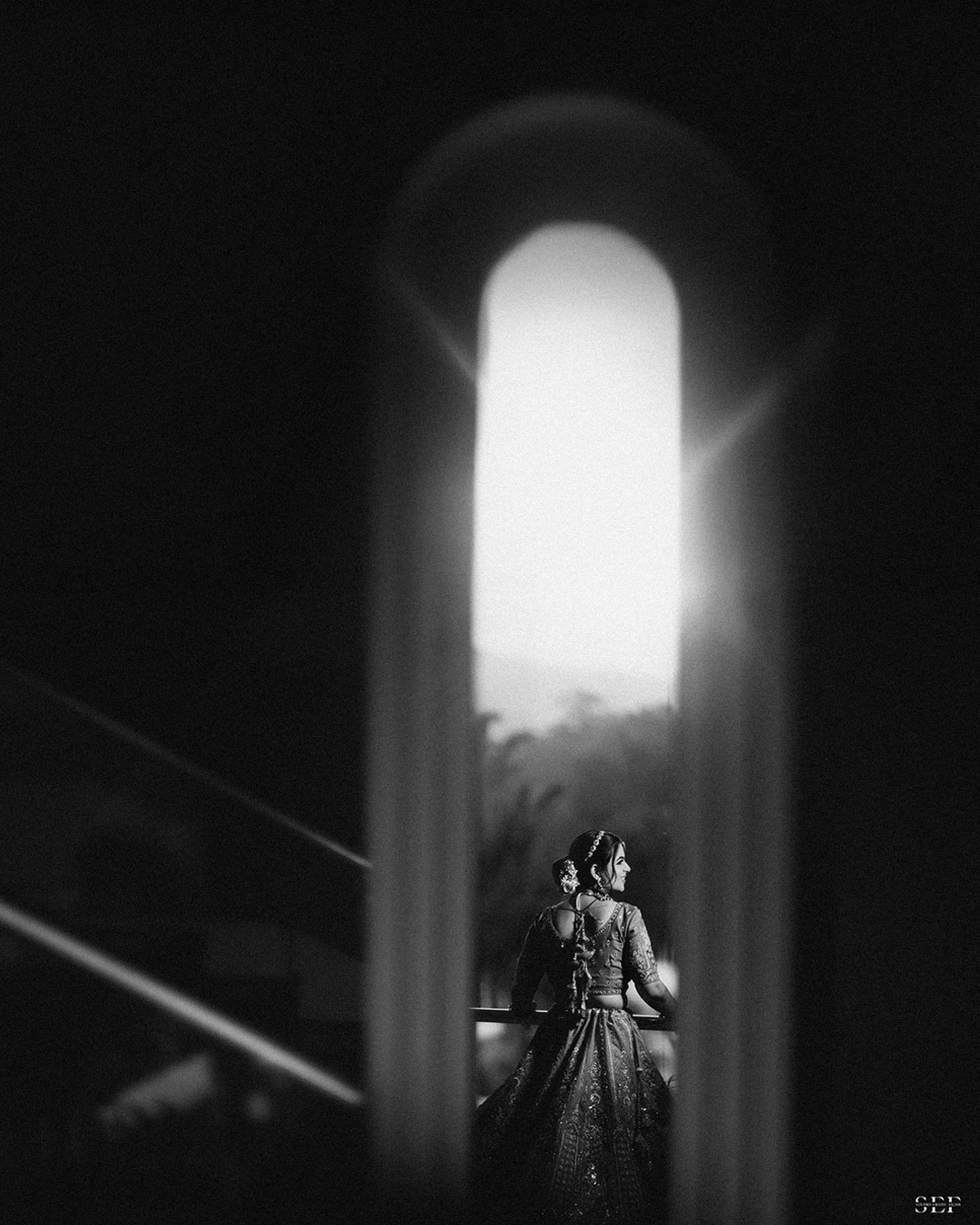
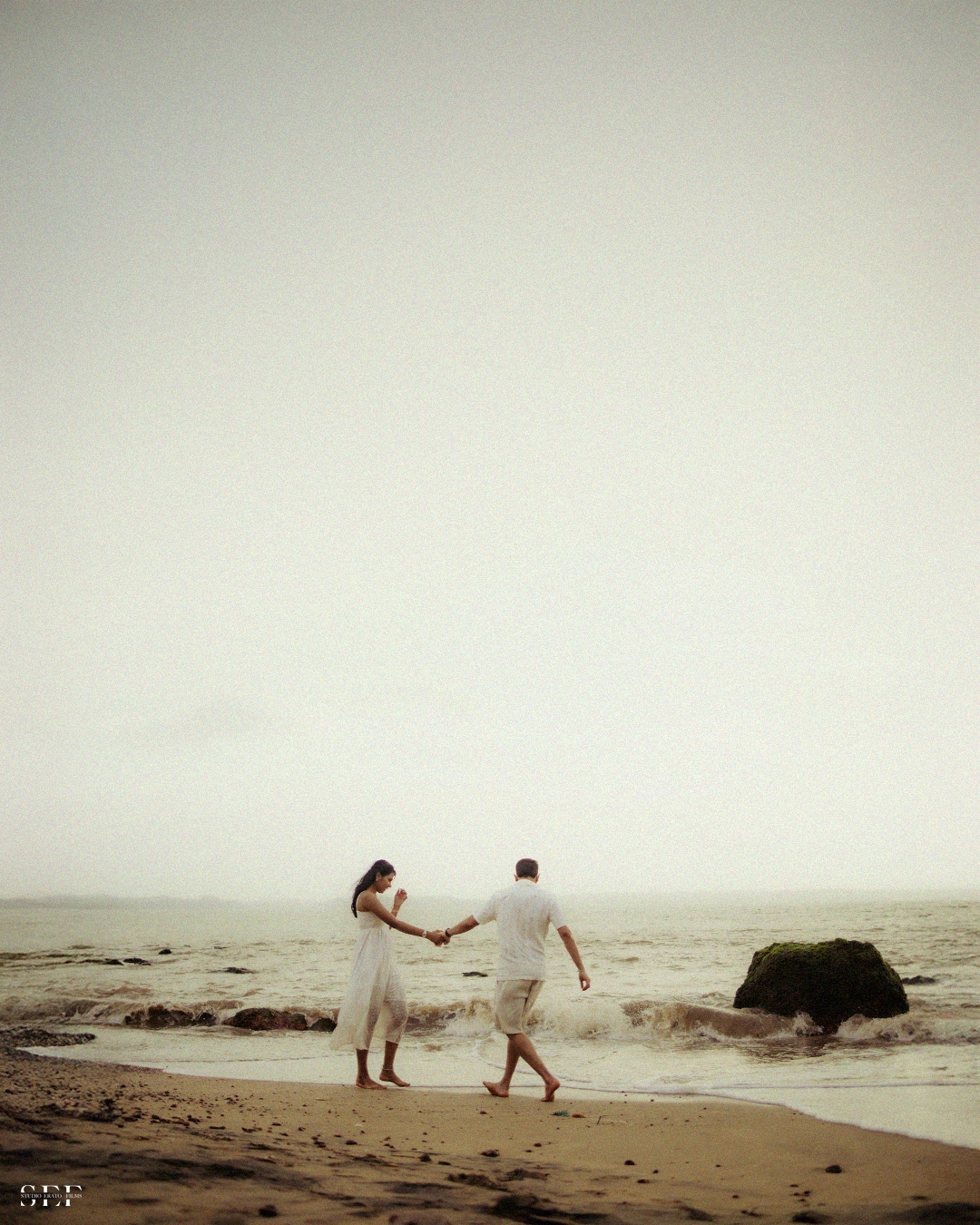
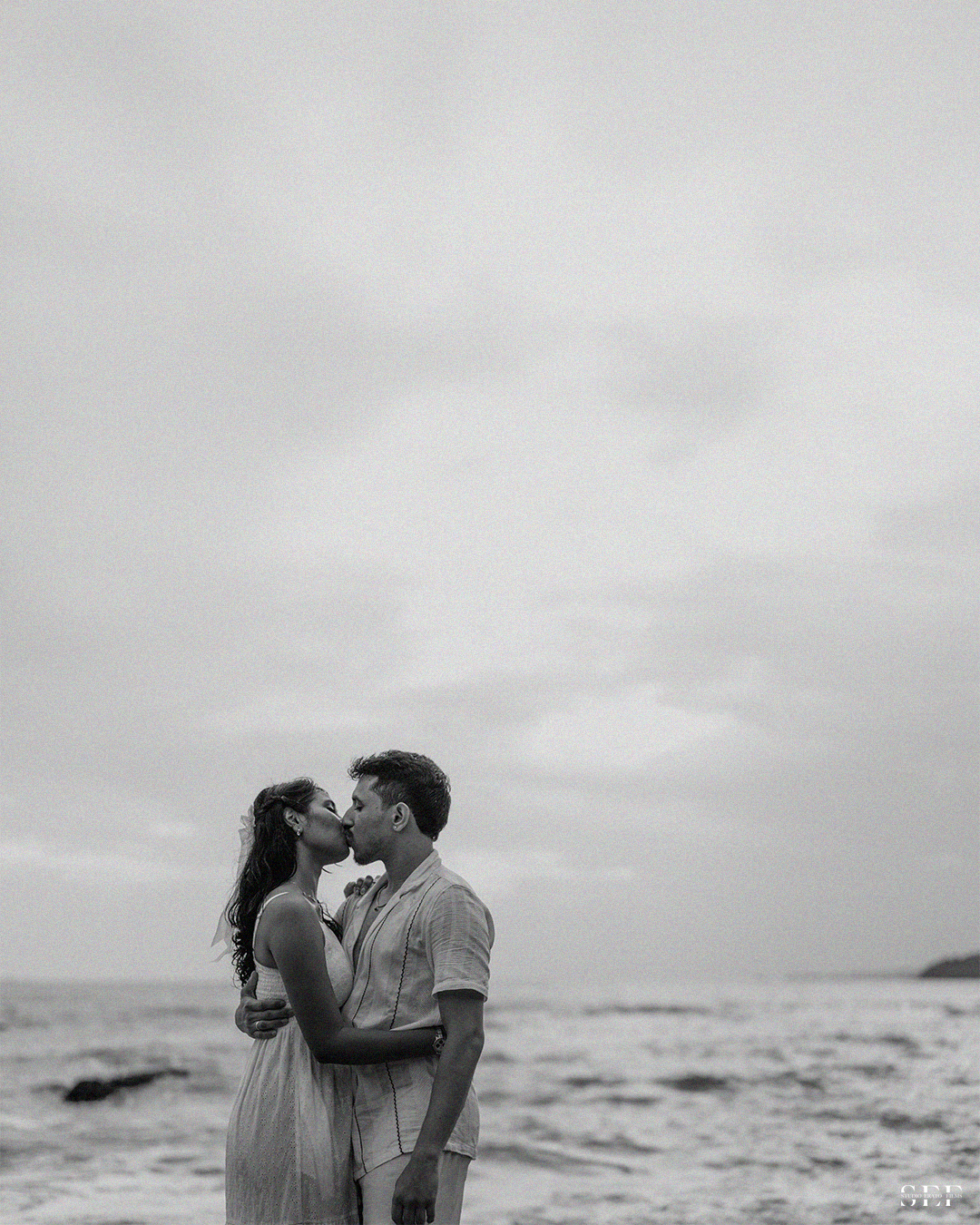
Across cultures, cities, and very different families, how do you get a couple to forget the camera is even there?
The key is understanding that every couple is different. You cannot walk into a wedding with the same approach and expect every couple to respond naturally. Across cultures, cities, and families, our first responsibility is to understand the people before we start thinking about the photographs or films.
We spend time with the couple, talk to them, understand their personalities, and learn what makes them comfortable. That relationship creates trust, and once they trust the team behind the camera, the camera itself starts to become less important.
We also try not to constantly direct. Some couples are naturally expressive, while others need more time to settle into the moment. Instead of forcing emotion, we give them space to interact with each other: to talk, laugh, walk, or simply be together. Very often, the most genuine moments happen when we step back and allow the couple to forget that we are there.
Ultimately, we do not really want couples to forget the camera. We want them to forget that they are being watched. Once they feel that they can be completely themselves around us, the camera naturally disappears, and that is when the real story begins.
Destination weddings keep getting bigger, bolder, more ambitious. What is the boundary Studio Erato Films is quietly getting ready to push next?
For us, the next boundary is not simply about bigger weddings, more exotic locations, or larger productions. It is about pushing the depth of the story we can tell.
As destination weddings become more ambitious, we see an opportunity to make wedding films feel less like event documentation and more like complete cinematic experiences. That means investing further in storytelling, technology, sound, colour, and production design, but always in service of the couple’s story rather than using technology for the sake of it.
We are also exploring new ways of capturing destination weddings that allow the location, culture, and people to become characters within the film rather than simply beautiful backdrops.
But perhaps the biggest boundary we are preparing to push is our own. We do not want Studio Erato Films to be defined by what we have already achieved. Every season should challenge us to learn something new, raise our production standards, and rethink how wedding stories can be told.
The ambition is simple: not just to make bigger wedding films, but to create films that feel bigger than the wedding itself, stories that remain emotionally relevant long after the celebration is over.
Follow Best List India for the culture, conversations, and ideas worth paying attention to.