There is a moment, somewhere around the second night of Navratri, when the city changes register. Streets fill with colour. Dandiya sticks appear in car boots. Wardrobes that sat folded since last year are suddenly pulled open with some urgency, and a familiar question surfaces in every group chat: what are we wearing?
This year, the answer is more interesting than it has been in a while. Sharad Navratri began on 11 October and runs through 19 October, with Vijayadashami, or Dussehra, following on Tuesday 20 October. Nine nights of celebration, one grand finale, and a wardrobe that increasingly refuses to choose between heritage and ease.
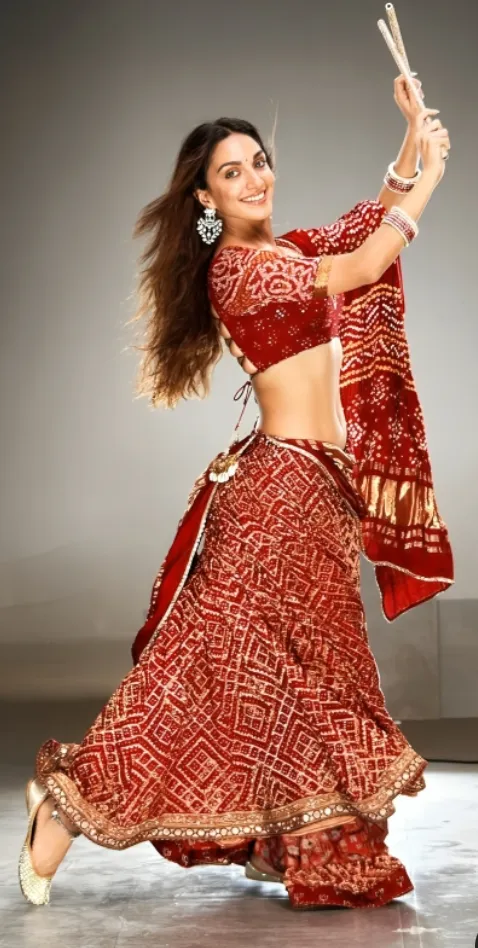
The Rule of Nine
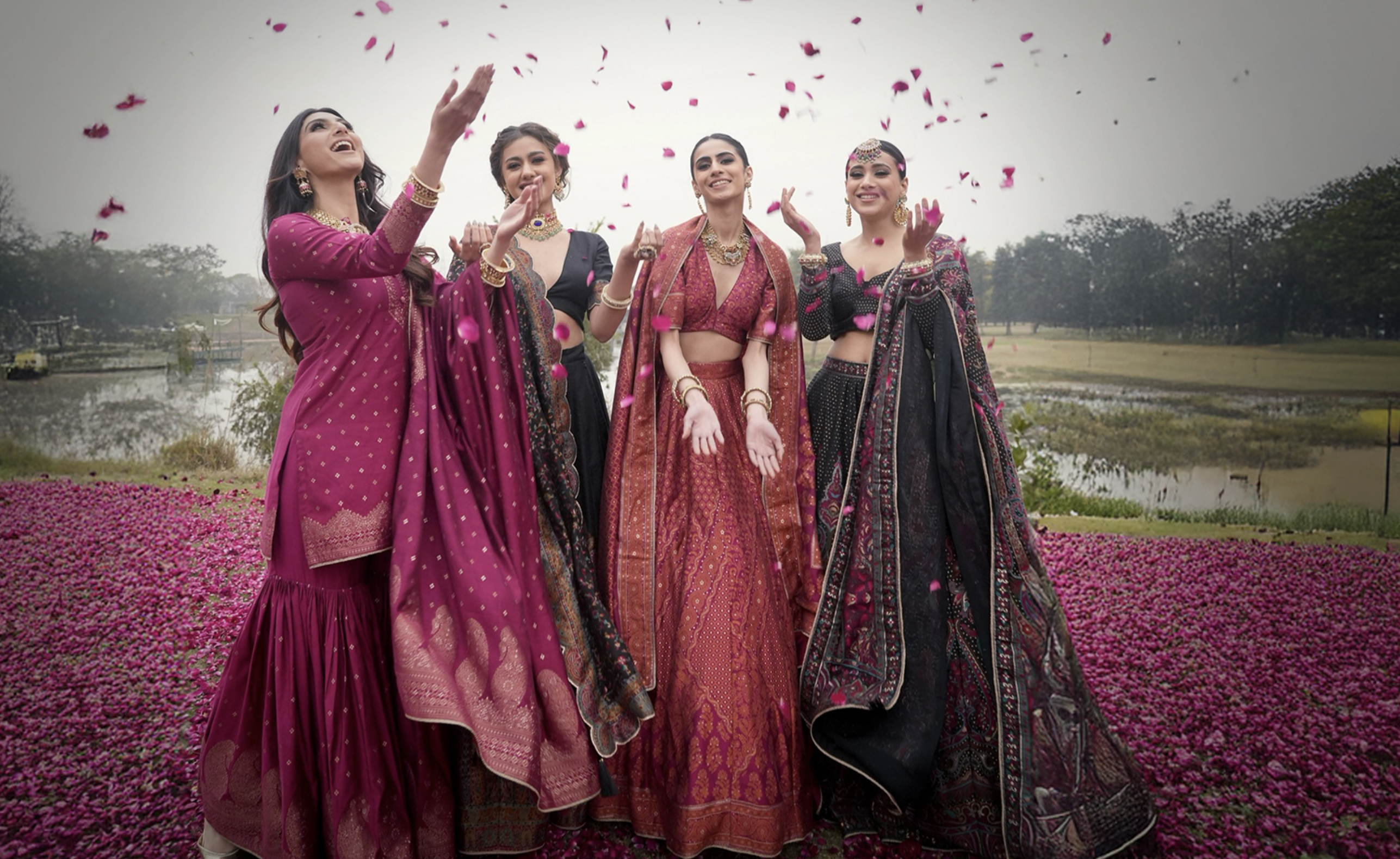
The tradition of wearing a different colour on each night has become one of the festival’s most beloved style rituals. The sequence follows the weekday on which Navratri begins, so it shifts every year. For 2026, the commonly followed palette runs from orange on the first night, through white, red, royal blue, yellow, green and grey, to purple and peacock green on the ninth. Worth noting: the sequence varies across communities and regions, so treat it as a framework rather than a rulebook.
The smart way to approach it is as a capsule, not a shopping list. Nine different outfits is a lovely idea and an impractical one. Instead, build around two or three strong anchor pieces, a heavily worked skirt or lehenga, a handloom saree, a well-cut jacket, and let dupattas, blouses and jewellery carry the colour changes.

Nitya Corset Set - Hastakala Collection by Mrunalini Rao
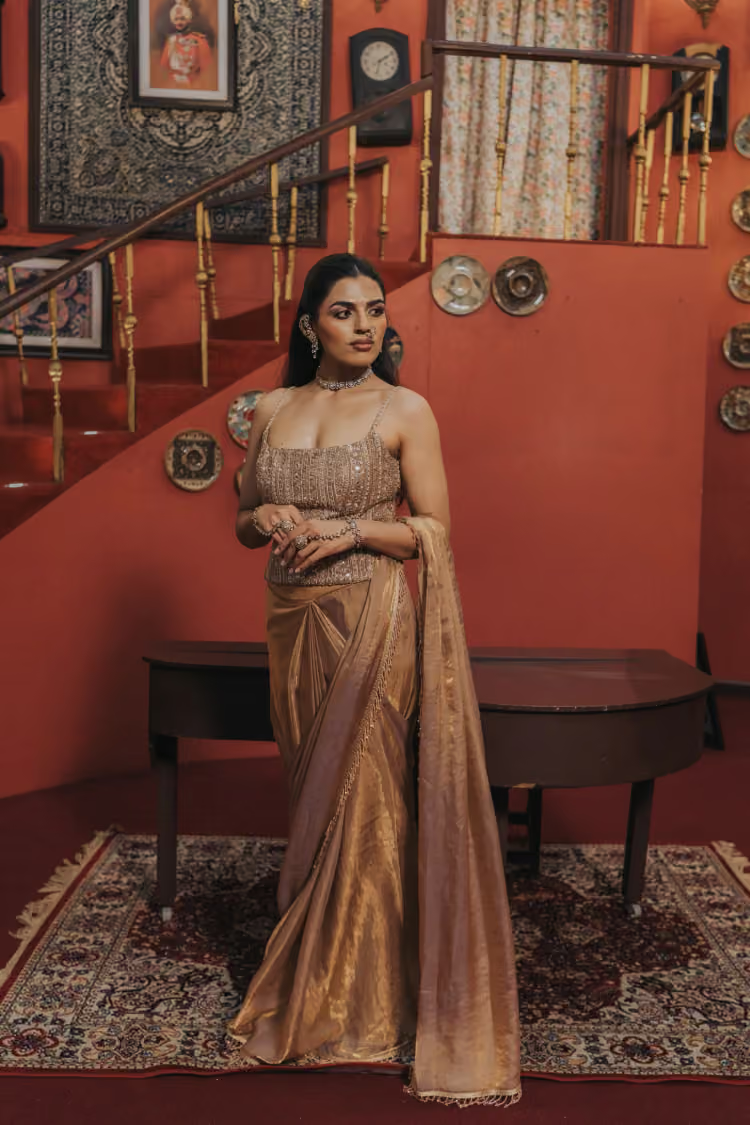
Adaa by Diksha Mahajan
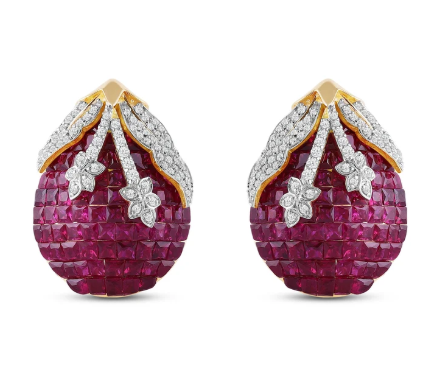
The Crimselle Ruby & Diamond Stud Earrings from Khurana Jewellery House
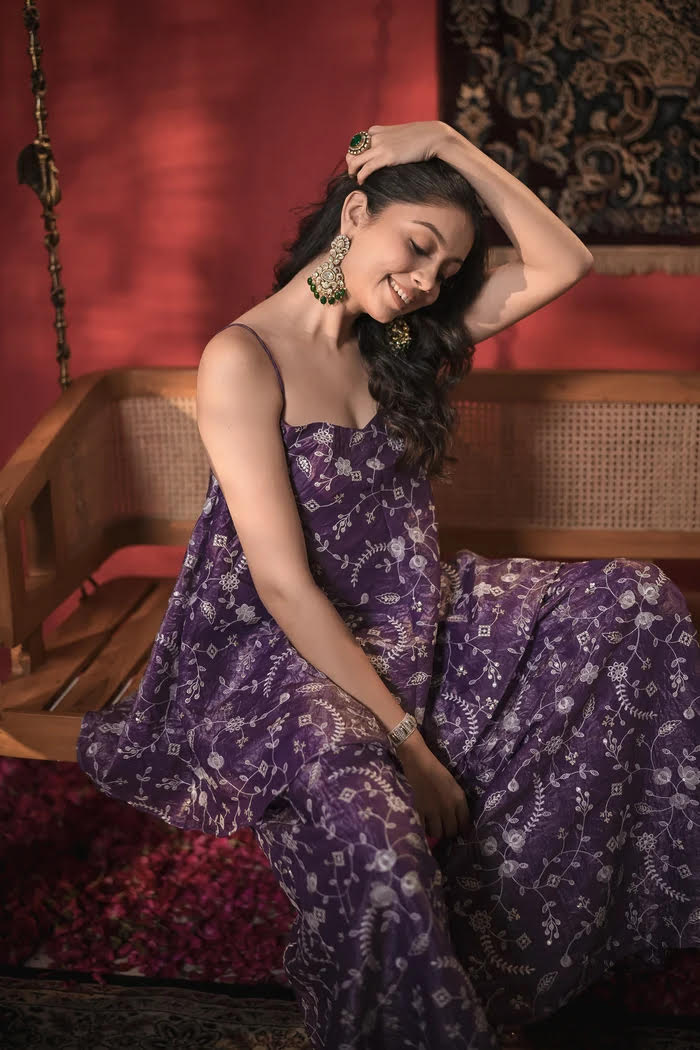
Basant Set by Sajke
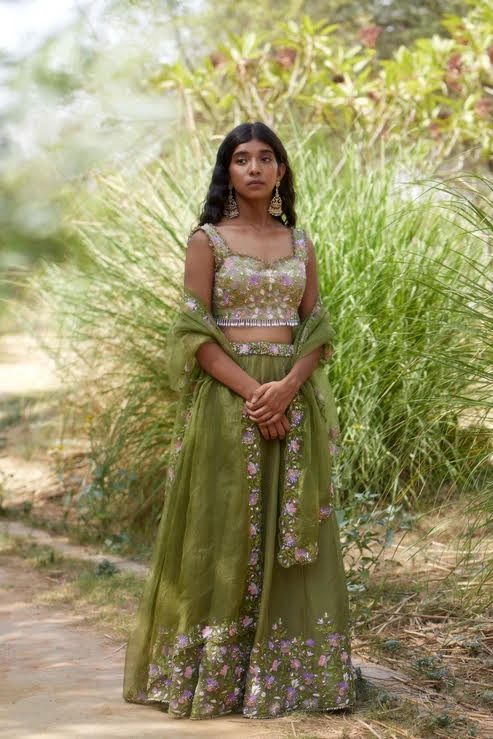
Dalia by Apeksha Jain Label
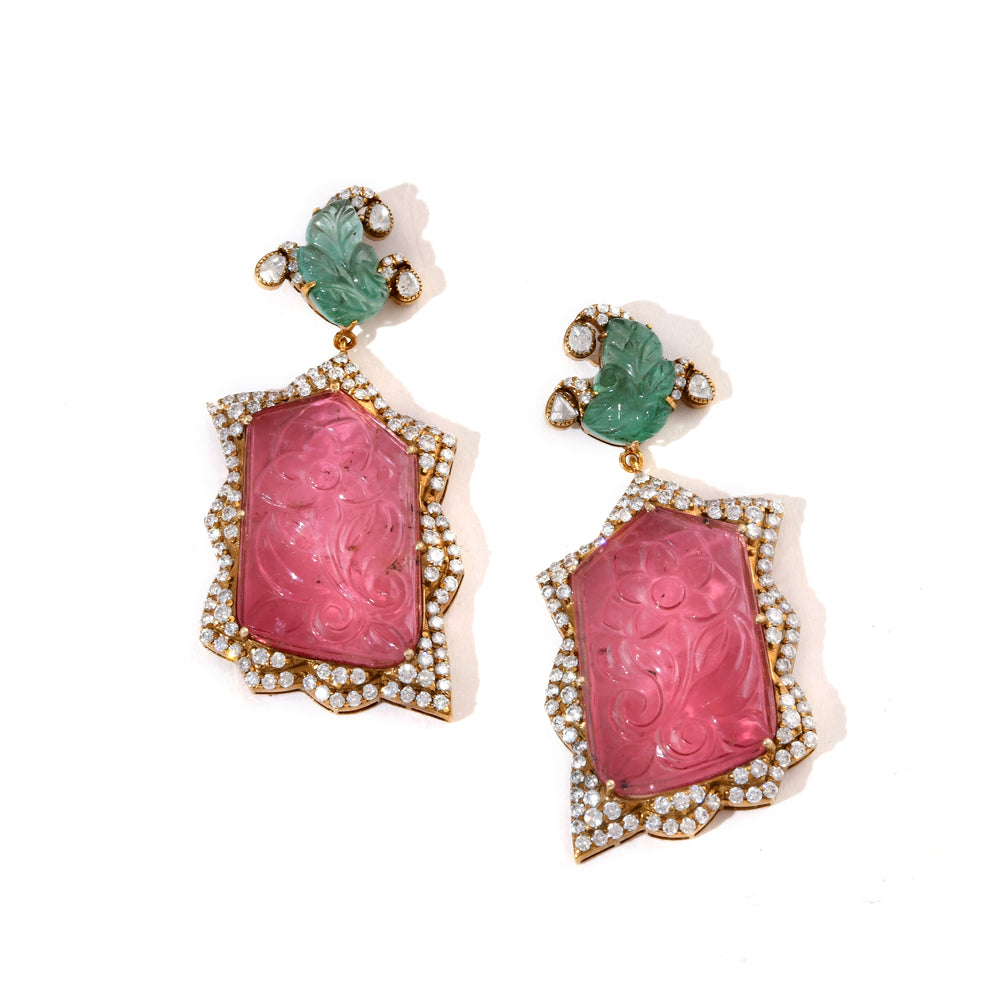
Sutra Fine Jewellery’s Tourmaline Garden Earrings
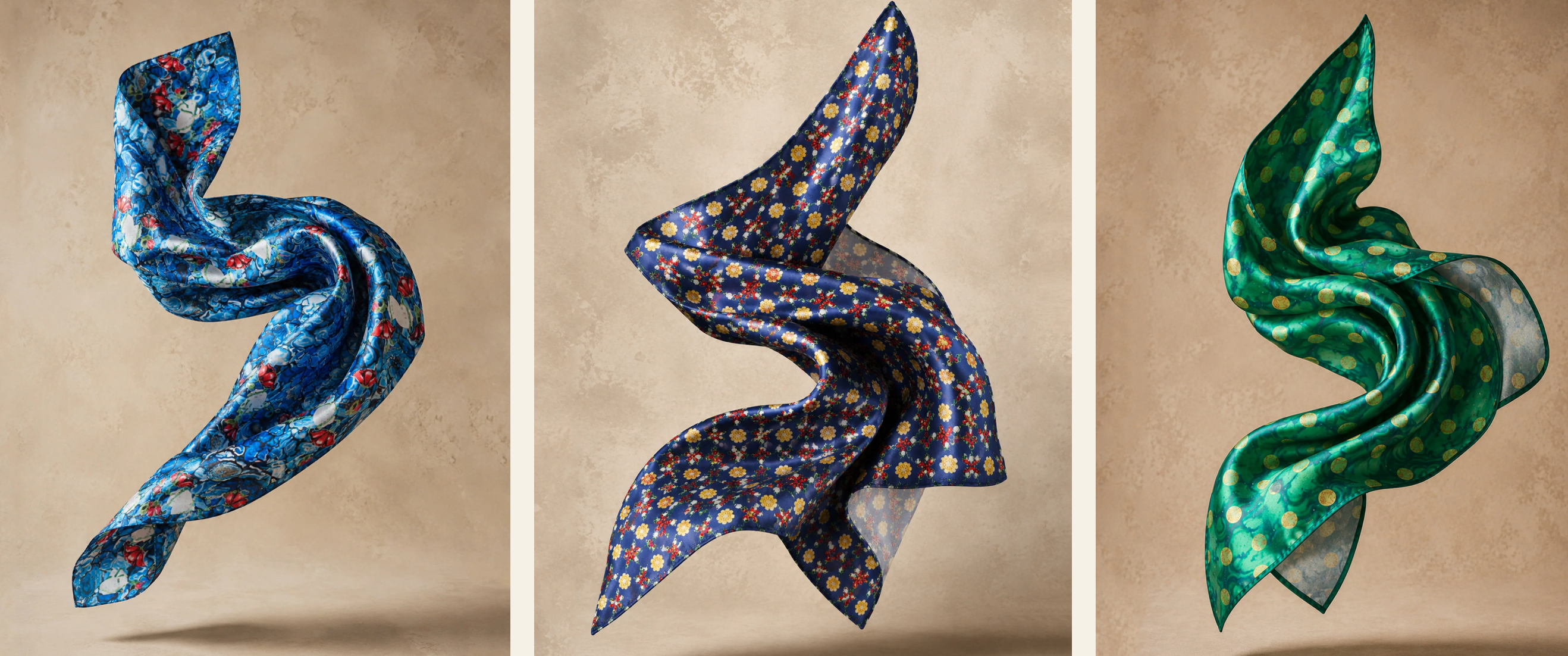
Pocket Squared from Puneet Gupta

Emerald Reverie Necklace from Zoya

Phutara Vastra Jodhani Red Mermaid Skirt and Top
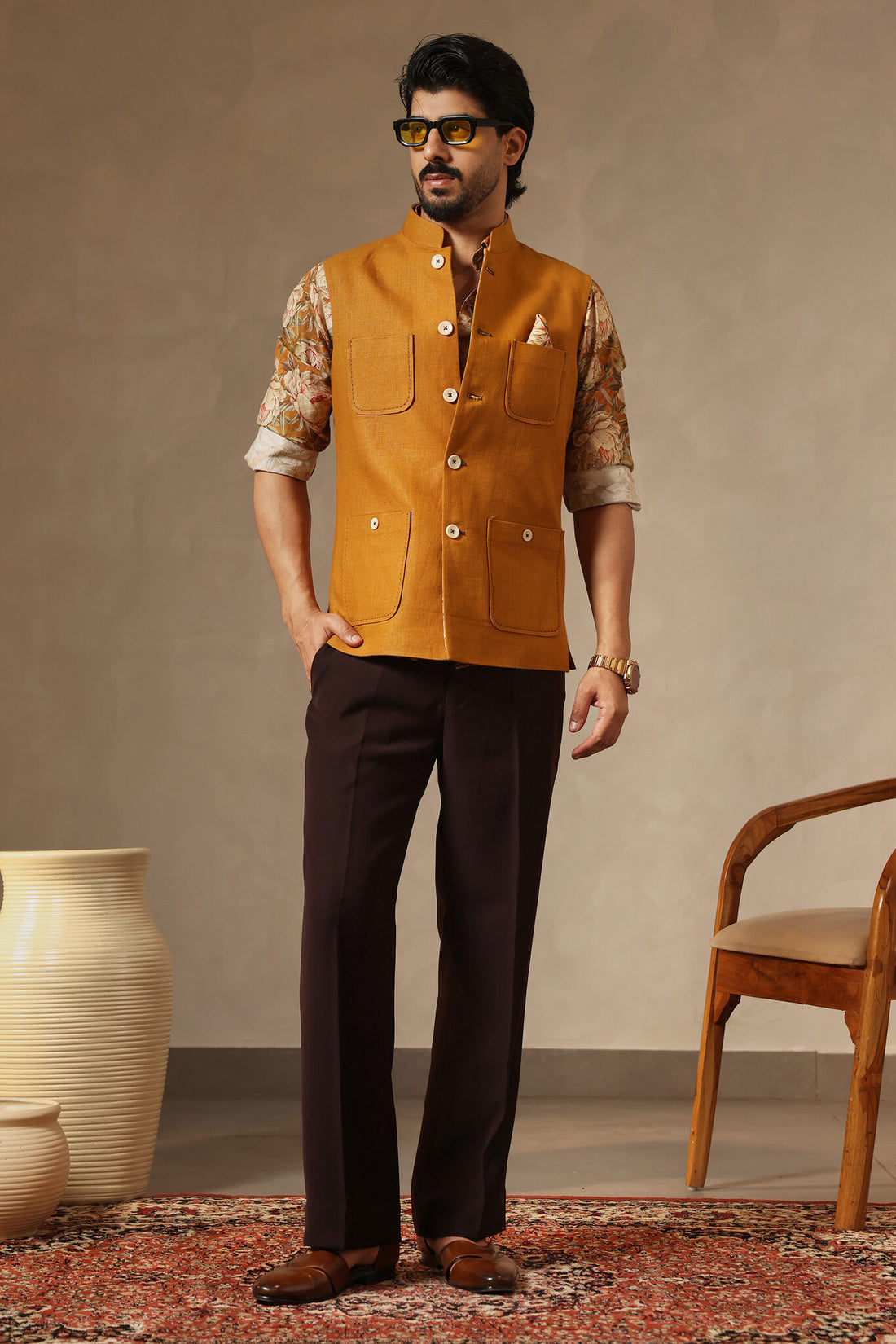
Laromani Mustard Waistcoat with Floral Printed Shirt & Brown Bellbottoms
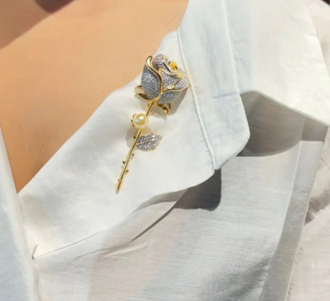
Attrangi Designs Nehru Rose Diamond Pearl Gold Brooch
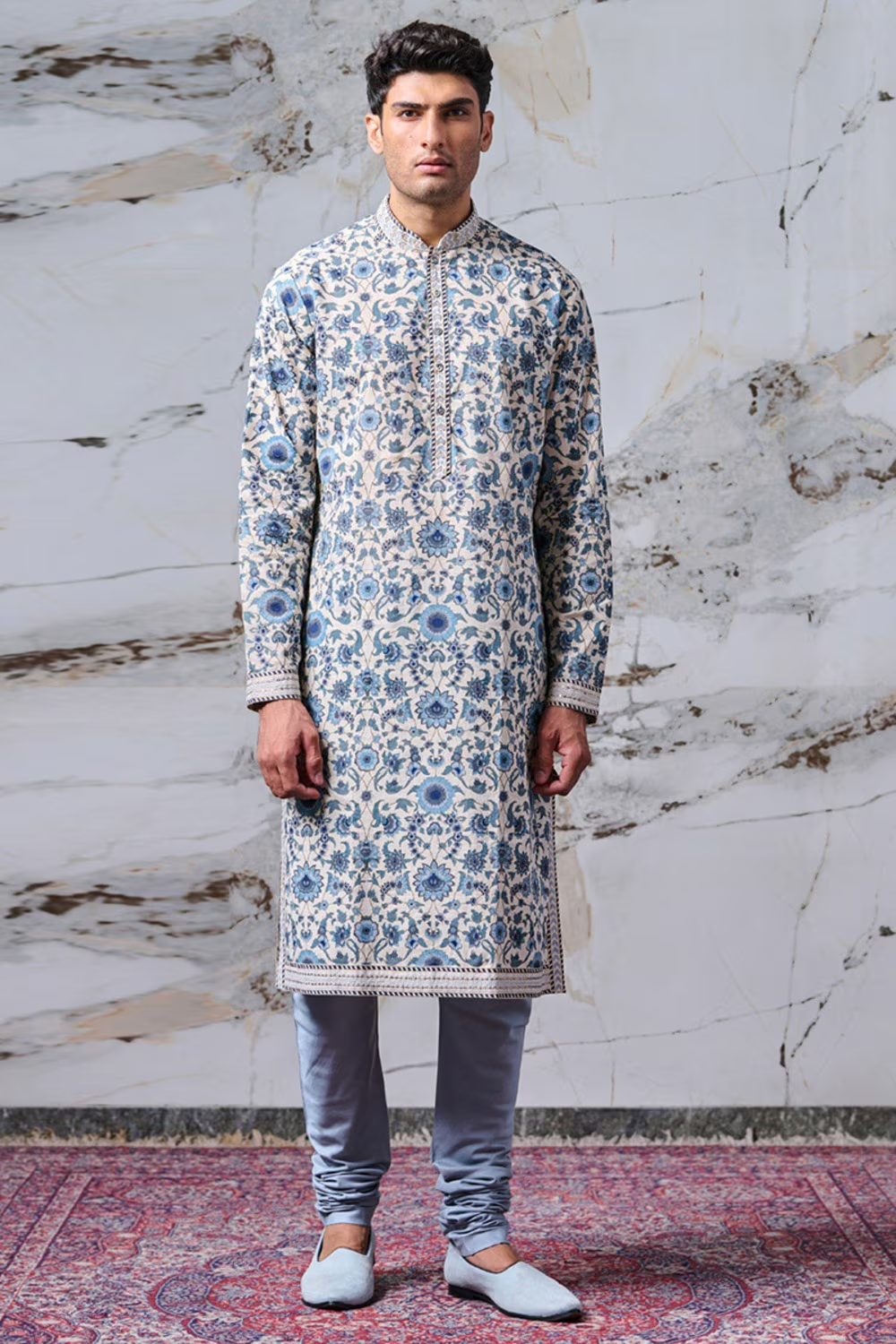
Tasva Medium Blue Printed Kurta Set
The New Occasion Wardrobe
What ties all of this together is a broader shift in how India dresses for celebration. The new occasion wardrobe is less about buying an entirely fresh outfit for every event and more about building pieces with range. A lehenga skirt that works with three different blouses. A dupatta that transitions from a garba night to a puja morning. A saree that can be restyled with a belt, a jacket or a contrast blouse. Craft is still the point, whether it is block print, mirror work, zardozi or handloom weaving, but it is worn with greater confidence in its own versatility.
There is a quieter practicality too. Rewearing is no longer a quiet confession. It is a styling decision, and often a smart one.
The Styling Checklist
- Choose fabrics that breathe. Nine nights is long, and the weather does not always cooperate.
- Invest in comfortable footwear before anything else.
- Keep a statement dupatta that can be pinned, draped or belted in several ways.
- Match your jewellery to the activity: lightweight and bold for dancing, finer for pujas and family gatherings.
- Carry a small crossbody or potli with a secure closure. You will need your hands free.
The Finish
Festive dressing, at its best, is not about performance. It is about joy, ritual and a certain pleasure in marking the occasion. The most compelling looks this season are the ones that feel lived in, loved and moved in. Dress for the nine nights, dress for the tenth, and let the clothes do what they were always meant to do: carry the celebration.
Follow Best List India for the style, stays and stories worth planning your season around.