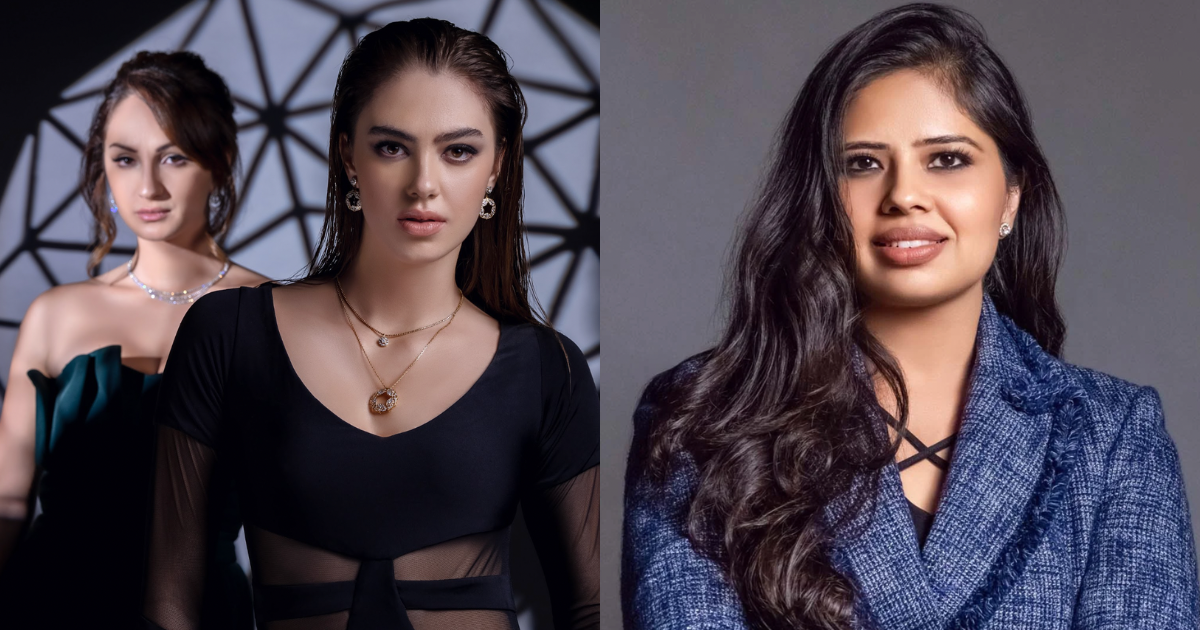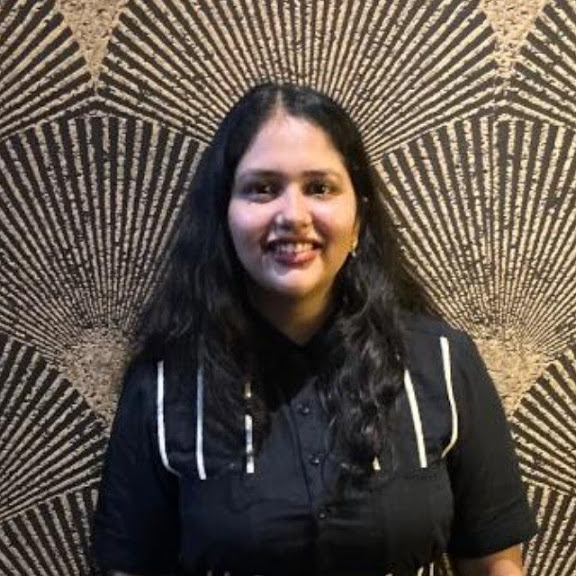
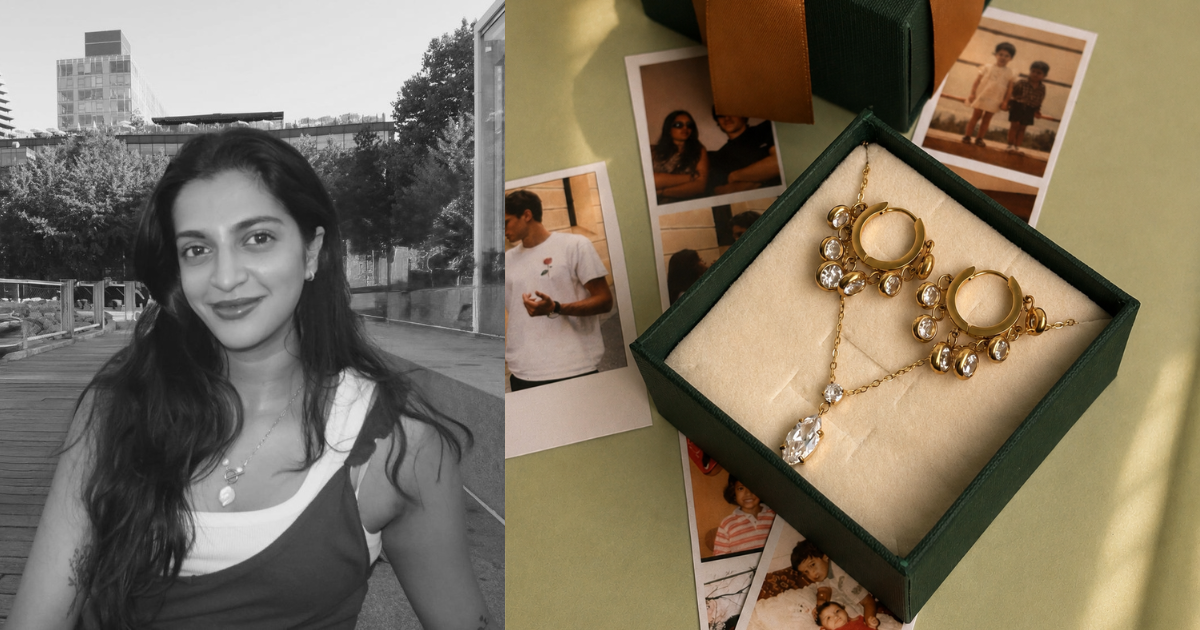
There is a particular kind of founder origin story that begins not with a market gap identified on a spreadsheet but with a personal frustration so specific and so familiar that it immediately explains everything that followed. Pranathi Boorlagadda, founder of Misora Designs, bought a piece of jewellery she loved, wore it once or twice, and watched it tarnish. The piece went into the box. The box went into the drawer. The drawer went unopened.
That experience, entirely ordinary and almost universally shared, became the founding logic of Misora: jewellery that is anti-tarnish, waterproof, and hypoallergenic as a matter of non-negotiable principle, because everyday jewellery should be wearable every day. Bhatia built the brand while completing her degree at NIFT Hyderabad, managing product development, sourcing, social media, customer experience, and marketing alongside assignments and deadlines, and arrived at graduation with a business rather than simply a qualification.
We spoke with her about what women are telling her Misora gives them that other jewellery does not, why restraint is harder than maximalism, and what the five-minute moment before you leave the house has to do with everything the brand is trying to be.
Where did the conviction behind Misora come from?
Misora came from something I personally felt was missing. I grew up around jewellery and saw how much emotion and value people attach to it, but I also saw that a lot of jewellery was either very traditional and occasion-led or beautiful but not practical enough for everyday life. I wanted to create pieces that you could wear to work, to dinner, while travelling, or even just with a T-shirt, without having to constantly think about taking them off.
The idea was simple: jewellery should be part of your everyday life, not something you save for a special occasion. I wanted Misora to combine the beauty and feeling of fine jewellery with the practicality and accessibility of something you can actually live in.
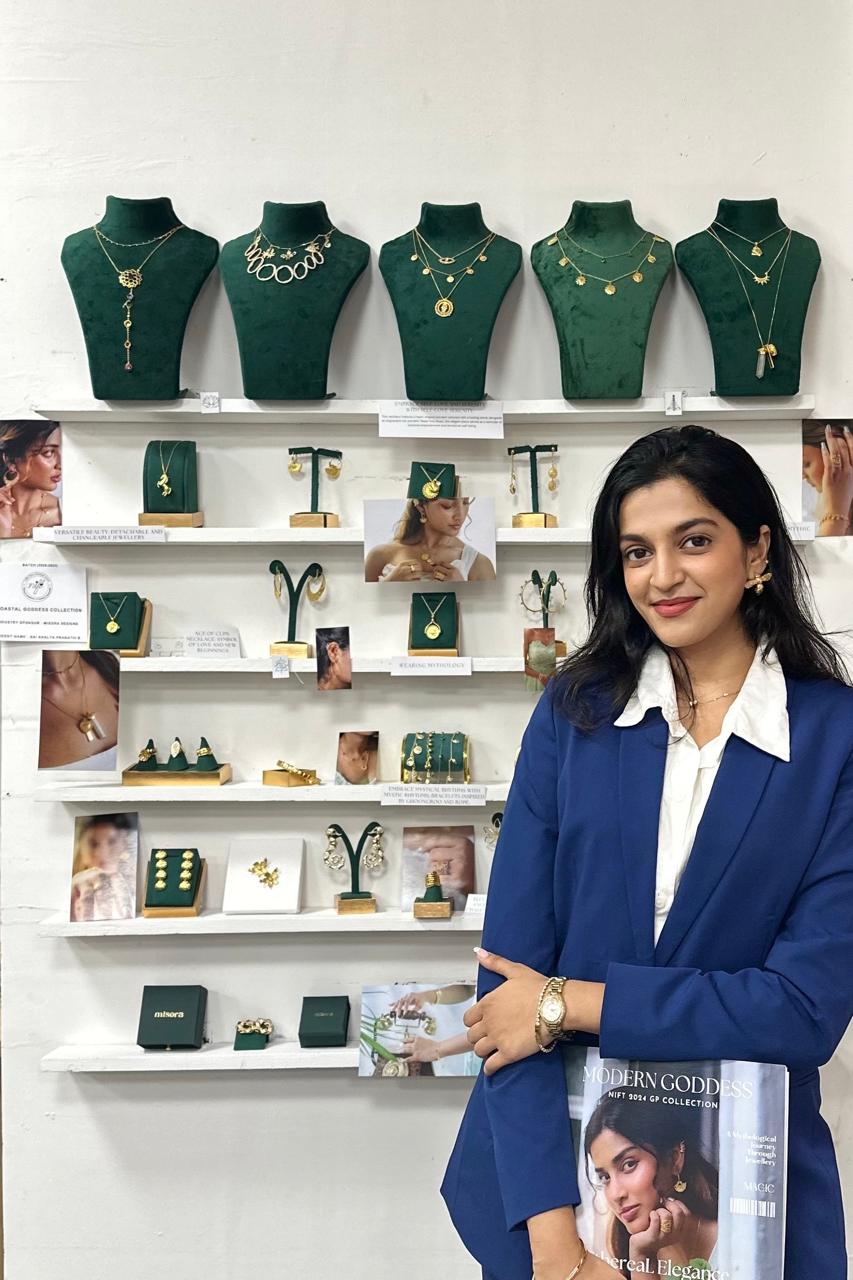
What was it like building Misora while completing your degree at NIFT Hyderabad?
It was intense because I was building Misora while studying at NIFT Hyderabad, so I was learning about design and the fashion industry while simultaneously trying to understand what it actually meant to build a jewellery business.
Being at NIFT gave me a strong foundation in design, but running Misora alongside college gave me the practical experience that you cannot really learn in a classroom. I was dealing with sourcing, product development, customers, social media, and everything in between, while still having assignments and projects to complete.
Looking back, I think doing both at the same time shaped the way I built Misora. I was not just designing jewellery in isolation. I was constantly thinking about who was going to wear it, how they would style it, what they would actually use every day, and what would make them come back for another piece.
It was definitely demanding, but I think starting that way made me much more hands-on and gave me a very practical understanding of the business from the beginning.
How did anti-tarnish, waterproof, and hypoallergenic become non-negotiable?
It actually came from a very personal experience. I remember buying a piece of jewellery that I absolutely loved, and I was so excited to wear it. But after wearing it once or twice, I could not really use it anymore. It started tarnishing, and I became so conscious of getting it wet or wearing it too often.
That really stayed with me because I thought, why should something I love have to sit in my jewellery box? If we are calling it everyday jewellery, you should actually be able to wear it every day.
That is when anti-tarnish, waterproof, and hypoallergenic became non-negotiable for Misora. We spent a lot of time understanding materials, plating, and manufacturing to make sure we could give women jewellery that looked beautiful but could actually keep up with their lives.
What are women telling you Misora gives them that other jewellery does not?
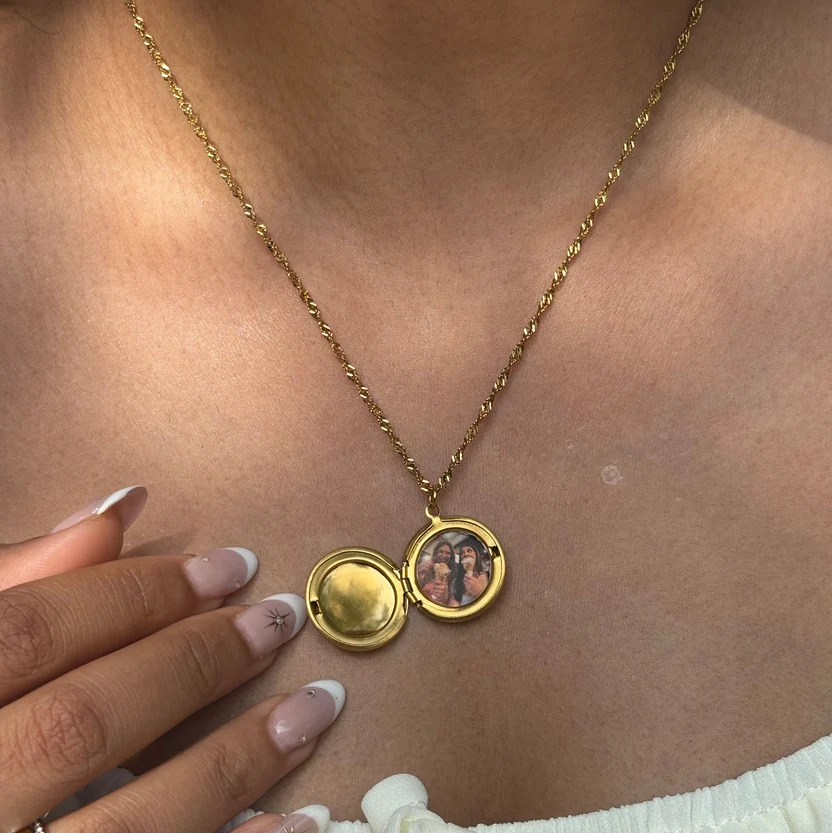
I think the biggest thing is ease. Women do not want to spend ten minutes every morning deciding what jewellery goes with what outfit. They want pieces they can put on almost instinctively and know they will work.
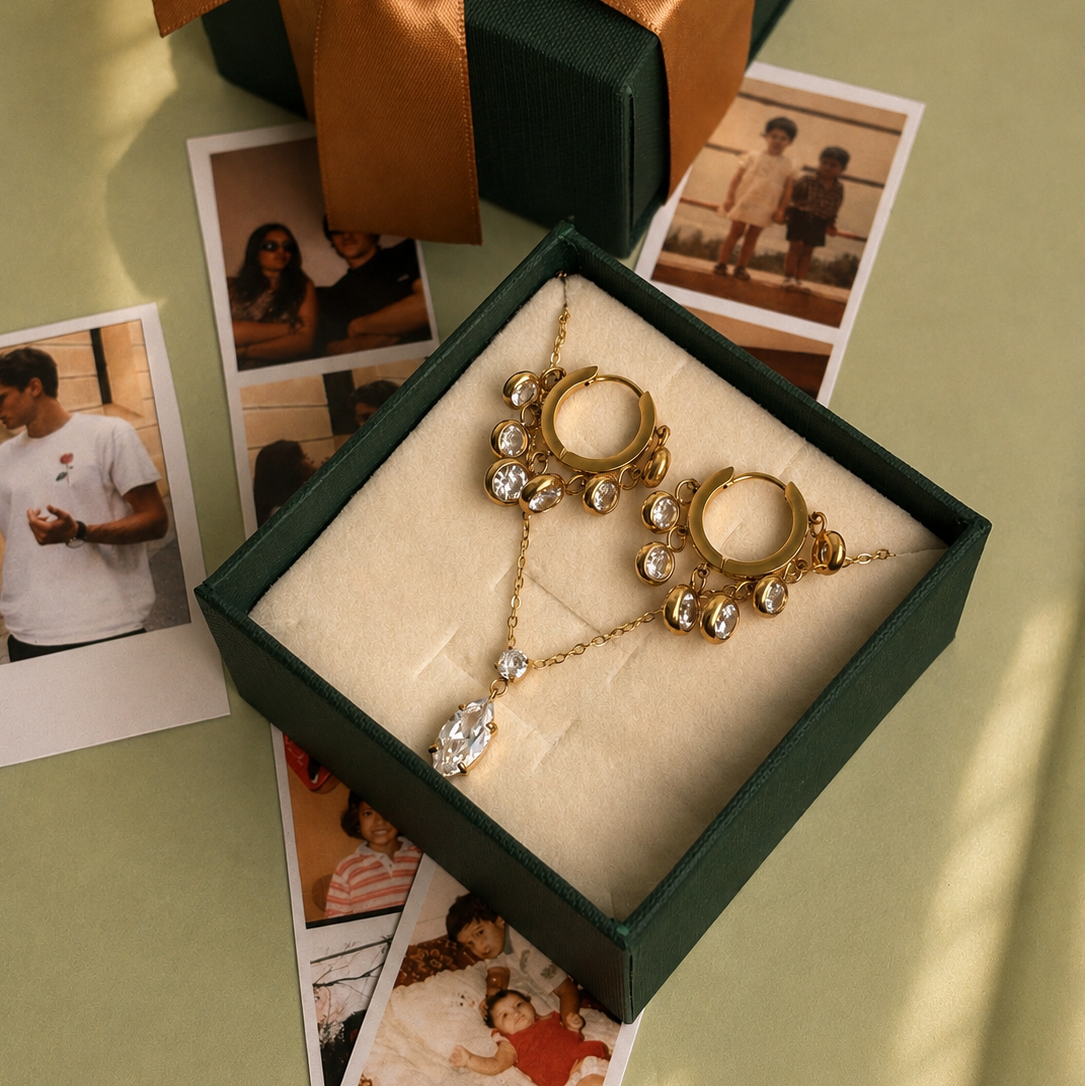
One moment that really stayed with me was when I was travelling and spotted a woman wearing our Royal Exotic Huggies, which are one of our bestsellers. I actually went up to her and asked if they were from Misora. She was so excited and started telling me how much she loved them and how often she wore them. She had no idea I was the founder.
That was such a surreal moment for me because she was not praising the brand because she knew who I was or because I had sent her the jewellery. She was just a genuine customer who happened to love the product.
Those moments make me realise that Misora has become more than something people purchase. It has become part of their everyday lives. And I think that is what the community represents, having those few pieces that make you feel a little more put together without feeling overdressed.
What does total ownership give the brand, and what does it cost you personally?
The biggest advantage is that nothing gets lost in translation. I am involved in everything from product development and sourcing to branding, content, customer experience, and marketing, so I can see the entire journey of a product.
If I see something happening with customers, I can take that directly into product development. If I see a trend in content, I can translate that into the brand. That speed is extremely valuable when you are building a young company.
The cost is that it is difficult to switch off. When you are involved in every part of the business, you carry every decision with you. I am learning that building a company also means learning when you do not need to be the person doing everything yourself.
What does affordable luxury actually mean at Misora?
For me, affordable luxury is not about using the word luxury to justify a higher price. It is about giving the customer a premium experience at a price that still makes sense for everyday life.
That means the piece has to feel good when you open the box, look good when you wear it, hold up over time, and arrive beautifully packaged. Every detail matters because the customer does not separate the product from the experience of buying it.
We want someone to spend between one thousand and two thousand rupees on a piece and feel like they got something far more considered than what they paid for. That is the standard we are trying to maintain.
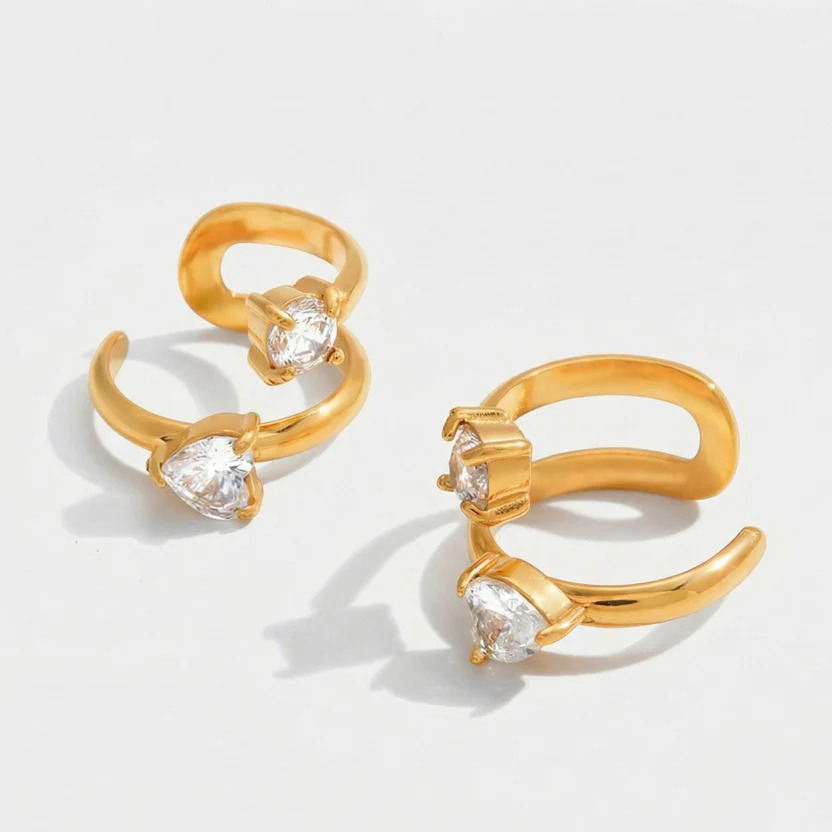
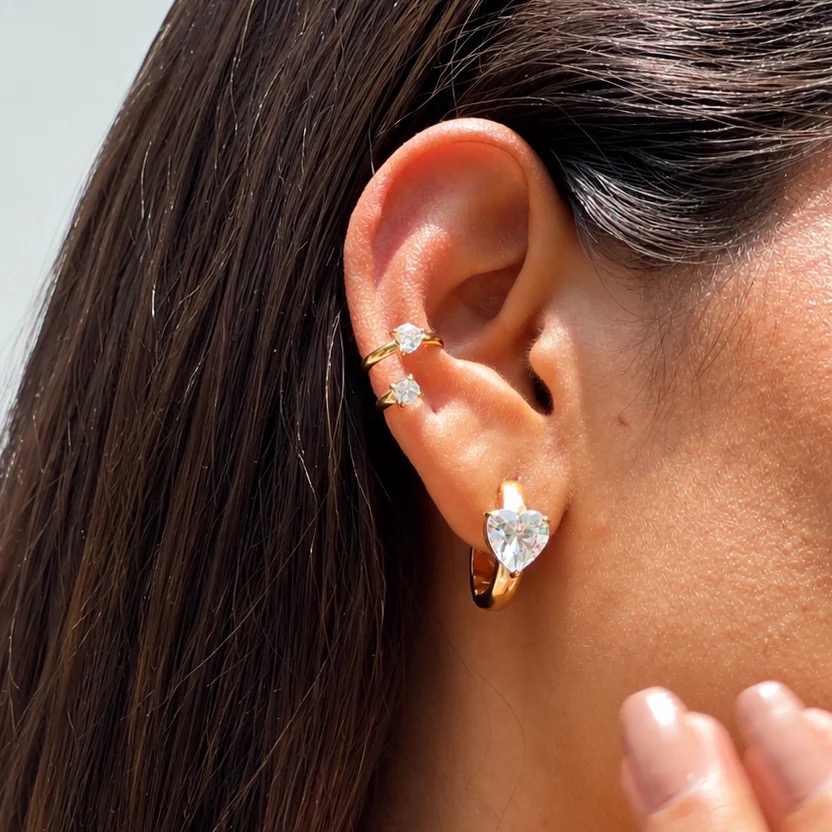
How do you hold restraint as a creative and commercial position?
I think restraint is actually harder than maximalism. When you are designing something very minimal, every proportion, curve, finish, and detail becomes noticeable.
For Misora, I do not want jewellery to compete with the woman wearing it. I want it to complement her. That is why we focus on clean silhouettes and pieces that can move between different parts of her life.
Commercially, that also gives us longevity. Trends come and go, but a well-designed hoop, bracelet, or necklace can become something you reach for for years. We are building around that idea rather than designing something that is only relevant for one season.
If Misora were a moment in a woman’s day, what moment would it be?
That five-minute moment before you leave the house when you are almost ready, you put on your jewellery, look in the mirror, and suddenly the outfit feels complete.
It is not a dramatic transformation. It is just that small feeling of: okay, I am ready.
That is exactly where I want Misora to exist.
What has being a creator taught you about the founder’s personal narrative?
It has taught me that people connect with the person behind a brand before they connect with the brand itself. Especially today, consumers want to understand who is making something, why they made it, and what they actually believe in.
Being a creator has allowed me to communicate Misora in a very human way. I can talk about products, but I can also talk about how I am building the business, what I am learning, what inspires me, and what goes into creating something.
At the same time, I have learned that the founder and the brand cannot become completely interchangeable. My role is to give Misora a voice, but ultimately, the brand has to stand on its own and belong to the community we have built around it.
What is coming next for Misora?
The next phase is about growing without losing what made Misora special in the first place. We are looking at expanding our product universe, strengthening our presence across markets, and continuing to build jewellery around the real lives of our customers.
I do not want Misora to become a brand that you buy from occasionally. I want it to become the first place you think of when you are looking for everyday jewellery.
The ultimate vision is very simple: you open your jewellery box in the morning and Misora is the brand you instinctively reach for. Not because it is the trendiest piece you own, but because it is the one you know will always make you feel like yourself.
Follow Best List India for the culture, conversations, and ideas worth paying attention to.