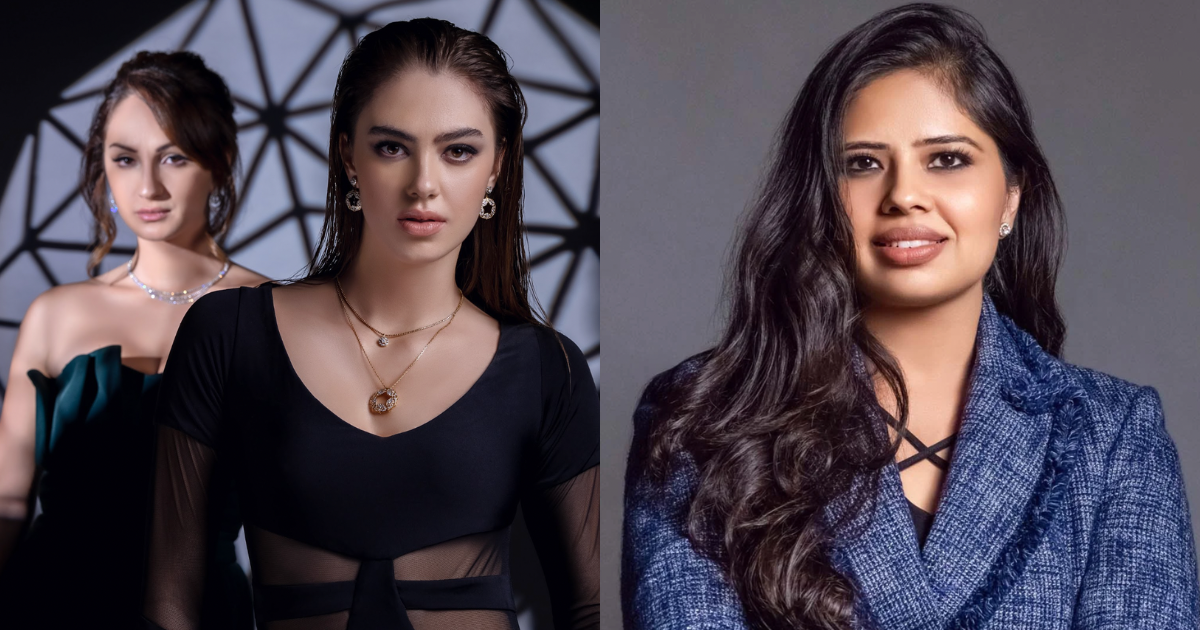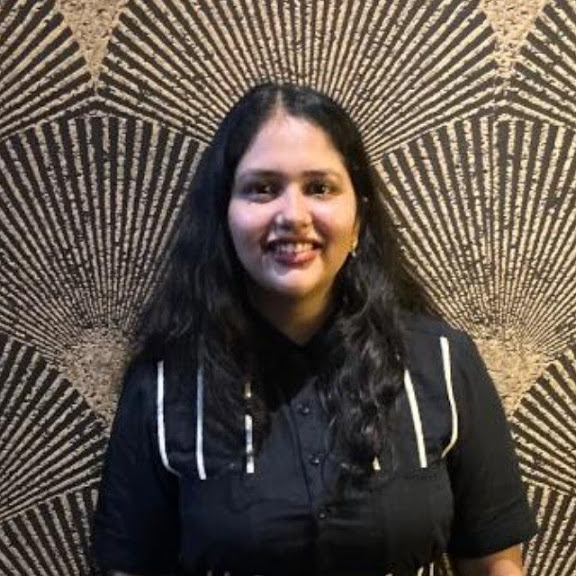
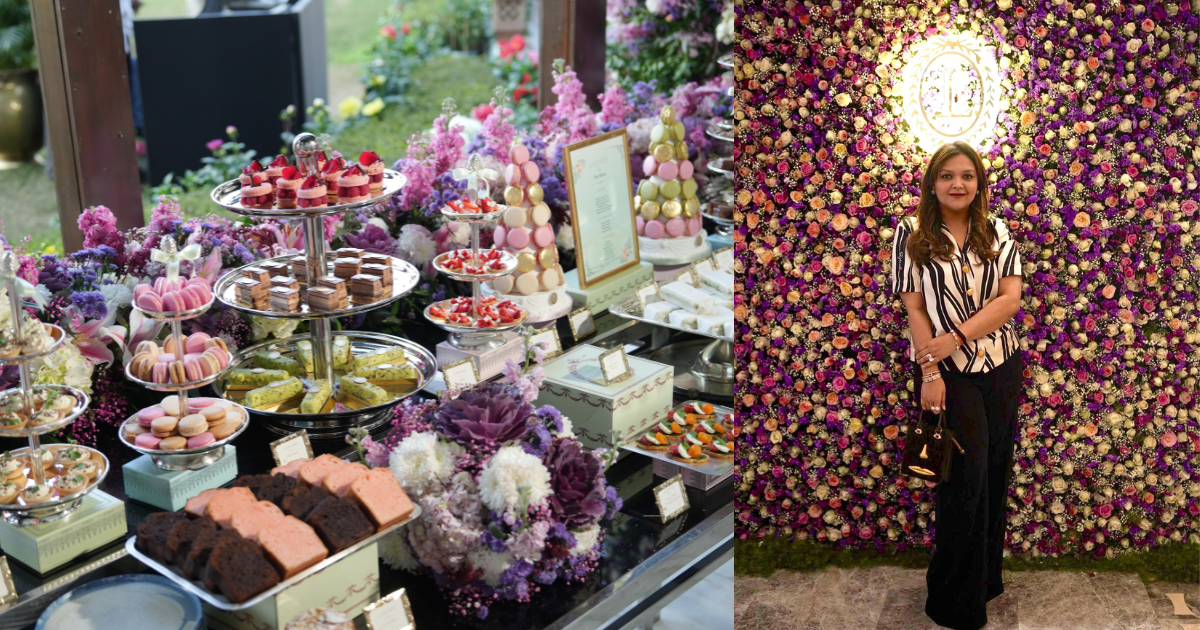
There is a particular kind of confidence required to open a French luxury patisserie in a country still under lockdown, in a year when the global hospitality industry was, by every measure, in retreat. Chandni Nath Israni did exactly that. In 2020, as most operators were shuttering doors and waiting out the uncertainty, she signed the deal to bring Ladurée, the 160-year-old Parisian maison behind the world’s most coveted macaron, to India. Five years and nine locations later, across Delhi, Mumbai, Kolkata, Hyderabad and Bengaluru, that decision looks less like a gamble and more like foresight. We spoke to Nath Israni, co-founder of CK Israni Group, about building trust one macaron at a time.
Ladurée India launched in 2020, the year the global hospitality industry came to a near-standstill. Most operators were retreating. You were opening. What did you see in that moment that made it exactly the right time to begin?
The pandemic forced everyone to slow down and reassess what people truly valued. I felt that once the uncertainty passed, consumers would gravitate towards experiences that brought beauty, familiarity and joy back into their lives. Ladurée has always stood for that. It isn’t just a café or a pastry shop, it’s an emotion that has endured for over 160 years.
Launching during that period wasn’t about being bold for the sake of it. It was about looking beyond the immediate disruption and building for the decade ahead rather than the next quarter. When everyone is focused on surviving today, you have the opportunity to quietly build tomorrow.

Ladurée is one of the most storied luxury maisons in the world, born in Paris in 1862, with an identity so specific and so guarded that most markets struggle to carry it authentically. What did it take to earn that partnership, and what did India have to prove before the brand said yes?
With a brand like Ladurée, the conversation is never just about expansion. The trust wasn’t earned merely through a presentation or a financial proposal. It came from demonstrating that we understood what the brand represented beyond the products. Every detail matters with Ladurée, from service to interiors, from sourcing to the way a guest feels when they walk through the door.
India also had to prove that it was ready. Luxury here has matured enormously over the last decade. Consumers are well travelled, well informed and increasingly looking for authenticity rather than labels. That gave us the confidence to present India not as an emerging opportunity, but as a market capable of respecting and sustaining a heritage maison exactly as it deserves.
You’ve scaled Ladurée India to nine locations across Delhi, Mumbai, Kolkata, Hyderabad and Bengaluru, a multi-format model spanning salons, retail carts, and full-service cafés. The conventional luxury playbook says flagship first, scale later. You rewrote it entirely. Why?
Because I don’t believe luxury should be inaccessible to remain desirable.
Every city behaves differently. Every location serves a different purpose in a consumer’s life. Someone may discover Ladurée while shopping, return for coffee with a friend, and later celebrate a milestone at one of our salons. Those are all equally valid entry points into the brand.
Instead of forcing one format everywhere, we built a portfolio of formats that allowed the brand to remain consistent while becoming relevant in different contexts. Scale, in our case, wasn’t about opening more stores. It was about creating more meaningful occasions for people to experience the brand.
Your thesis is that luxury in India is consumed fluidly, frequently, and across contexts, not as an occasional event but as a repeatable, reliable experience. That’s a fundamental reframing of what luxury means operationally. How did you arrive at that understanding, and what did it change about every decision you made after?
I arrived at it by observing people rather than studying reports. Luxury today isn’t reserved for anniversaries or celebrations. People reward themselves after a long meeting, stop for coffee between appointments, carry home desserts for family dinners or buy a beautifully packaged gift without waiting for an occasion. Those small moments happen far more often than grand ones.
Once I accepted that reality, every decision changed. We thought differently about locations, formats, operating hours, product mix and accessibility. The objective wasn’t to make Ladurée less luxurious. It was to make luxury naturally fit into everyday life without losing what makes it special.
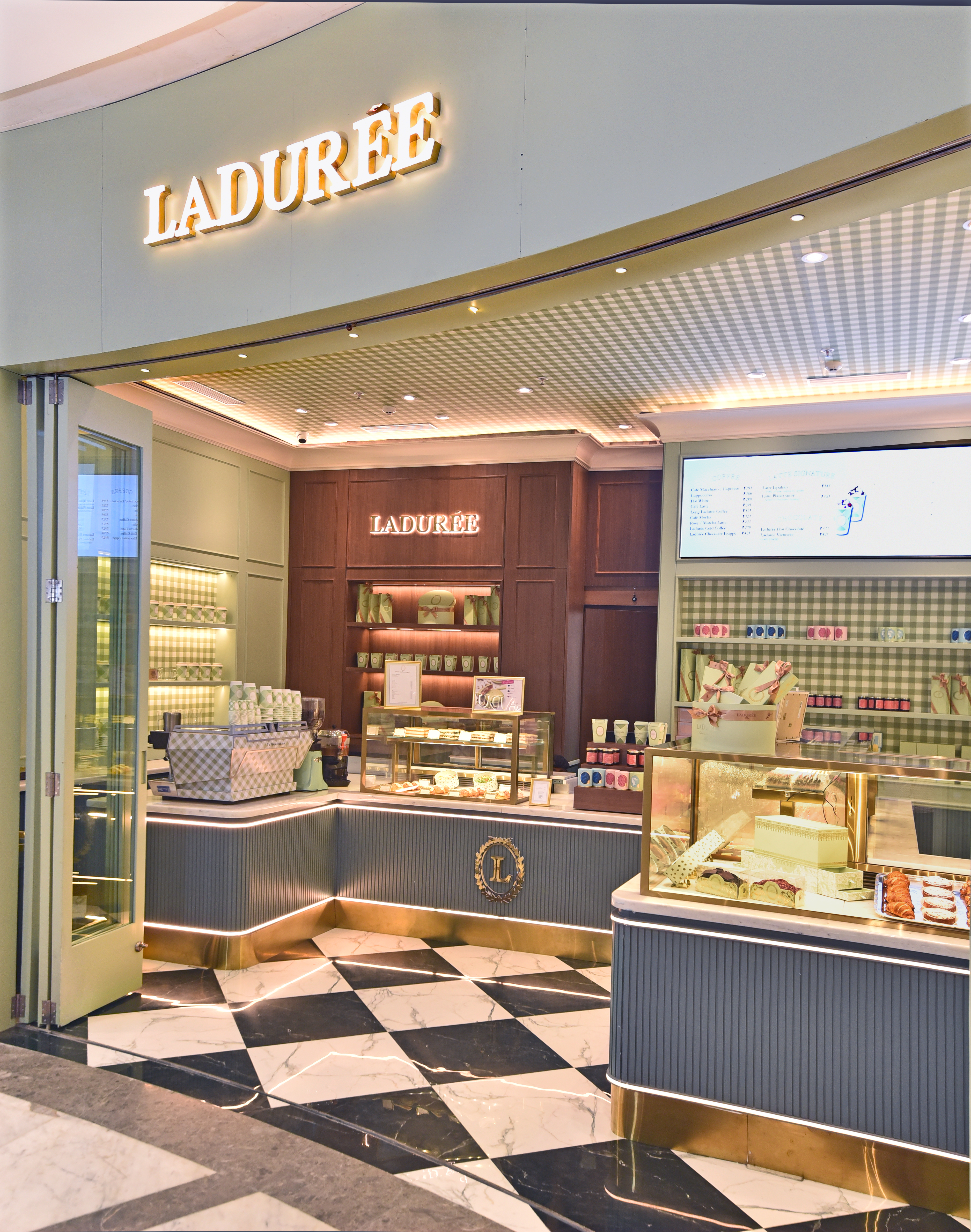
Ladurée India is completing five years this September, five years in which several high-profile luxury F&B names entered India and quietly exited. What do you believe they got wrong, and what has kept Ladurée not just alive but growing?
For us, growth has always been about patience and consistency. We have invested in our teams, our supply chains, our guest experience and long-term relationships. We haven’t chased expansion for the sake of headlines. Every location has to strengthen the ecosystem rather than simply increase the footprint.
Luxury isn’t built on launch day. It’s built through thousands of guest experiences that consistently meet expectations.
CK Israni Group is now building a broader luxury lifestyle portfolio, evaluating each brand for market readiness, supply chain viability, format adaptability, and long-term unit profitability. That is a remarkably disciplined framework for an industry that often moves on instinct and hype. Where does that discipline come from?
I’ve always believed that emotion may attract you to a brand, but discipline is what allows you to build it. We evaluate opportunities through a long-term lens because we aren’t interested in creating short-lived excitement. We look at whether a brand can maintain its integrity while adapting to India, whether operations are sustainable, whether the economics work and whether we can genuinely add value over many years.
I value instinct too, but only when it’s supported by rigorous execution. That balance has served us well.
You’ve been recognised by Femina, ET, HT, and Times 40 Under 40, and featured in Forbes and Fortune. But recognition in luxury hospitality is a lagging indicator, it follows endurance, not ambition. What milestone that no award has captured has meant the most to you privately?
The milestones that stay with me are much quieter. Seeing guests return year after year. Watching our teams grow into leaders. Hearing someone tell me that Ladurée has become part of their family’s celebrations or their everyday rituals.
Those moments remind me that we haven’t simply opened restaurants or cafés. We’ve built trust. And in hospitality, I think trust is the highest compliment you can receive.
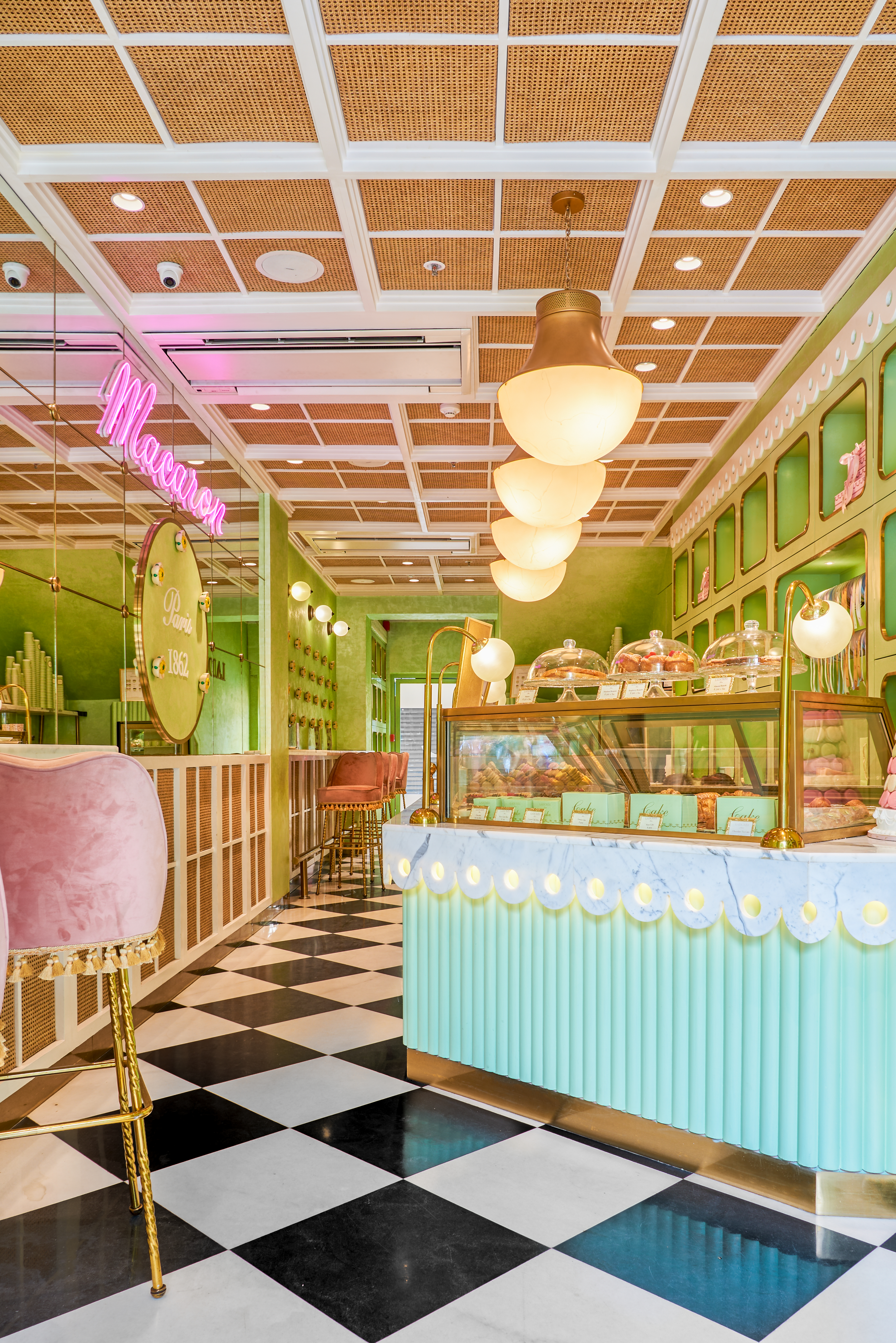
If Ladurée India were a macaron flavour, not one that already exists, but one you would create specifically for the Indian palate and the Indian luxury moment, what would it be and why?
We’re already working with our global team on an exclusive flavour for India, which we’ll be revealing very soon.
Over two decades of entrepreneurial experience across sectors, what is the most counterintuitive thing you have learned about building luxury businesses in India that you wish someone had told you at the beginning?
That luxury isn’t built by saying no to more people. For a long time, exclusivity was interpreted as distance. Today I think true luxury comes from making people feel genuinely welcomed while never compromising on quality, service or authenticity.
The brands that will thrive in India are the ones that remain uncompromising in standards but generous in experience. Those two ideas are not contradictory; they strengthen each other.
What is coming next for CK Israni Group, and what does India’s luxury lifestyle landscape look like when you have finished building the portfolio you have in mind?
We’re building thoughtfully rather than rapidly.
The vision is to create a portfolio of global luxury brands that each bring something distinctive to the Indian market, while respecting their individual heritage. We want to introduce concepts that raise expectations, not simply increase options.
More broadly, I believe India’s luxury story is only just beginning. The market is becoming more sophisticated, more design conscious and more experience driven. I hope that, in some small way, our work contributes to shaping an ecosystem where global excellence and Indian hospitality come together naturally.
If we achieve that, I think we’ll have built something far more meaningful than a successful portfolio. We’ll have helped redefine how luxury is experienced in India.
Follow Best List India for the culture, conversations, and ideas worth paying attention to.