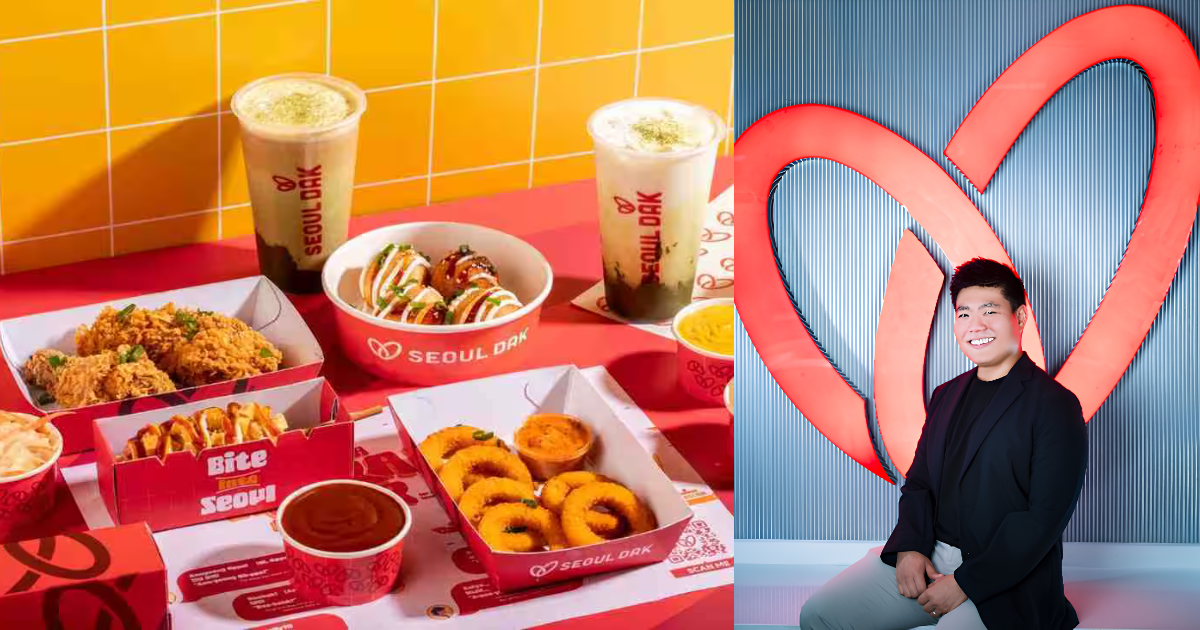
There is a particular kind of food memory that belongs to a specific time of day and a specific kind of company. For a generation that grew up in Korea, that memory is after school, a group of three or four, a small tteokbokki stall outside the gates, and a shared plate that was never really about the food and always entirely about what the food made possible. The gathering. The conversation. The particular pleasure of eating something bold and communal and entirely familiar in the company of people you chose.
Sean, founder of Seoul Dak, has spent the years since building a brand around the conviction that those memories, and the flavours that carry them, can travel. Not as an interpretation of Korean street food, not as a local adaptation of it, but as the thing itself: the same sauces sourced directly from Korea, the same balance of spice and texture, the same crunch and chew that the after-school ritual produced. Seoul Dak is currently expanding across India with every outlet company-owned, a structural decision that reflects a philosophy about what authentic actually requires when it meets the reality of scale.
We spoke with Sean about what Korean food is really teaching the world, what India asked of him that the Middle East did not, and why authenticity and scalability are only opposites if you let them be.
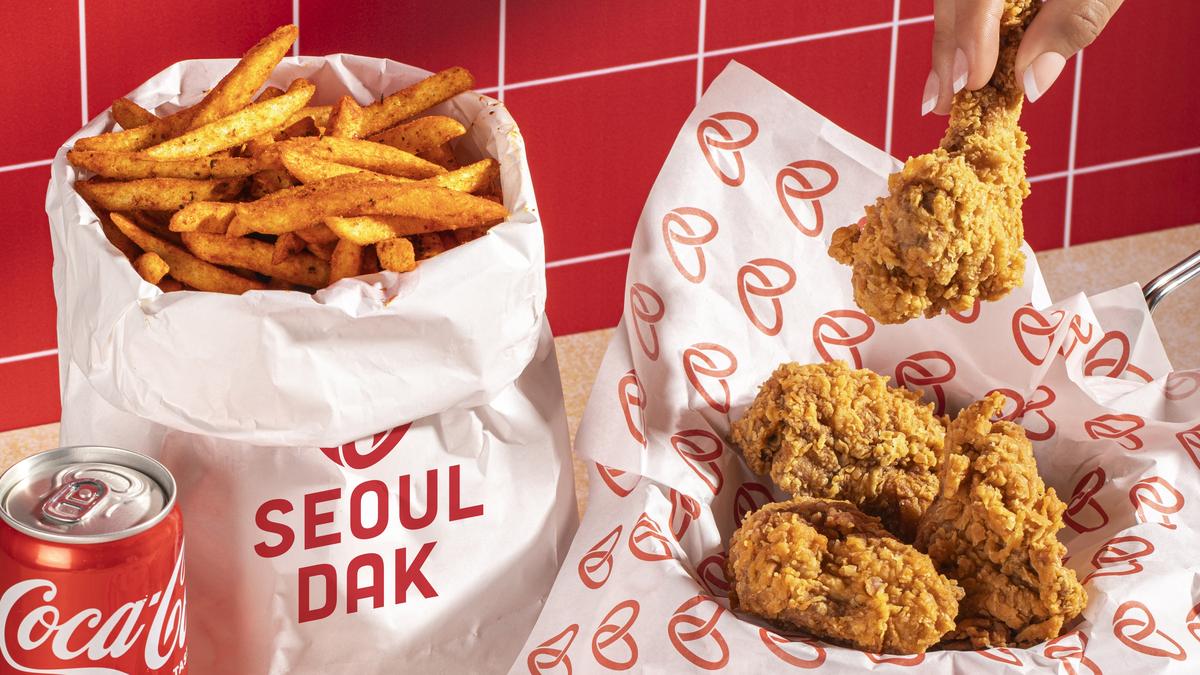
Seoul Dak is rooted in the Korean street food you grew up with, dishes that carry an entire culture’s relationship with flavour, texture, and communal eating. Take us back to those early food memories. What did Korean street food teach you about food that no kitchen or culinary school ever could?
For me, Korean street food is as much about bringing people together as it is about bold flavours.
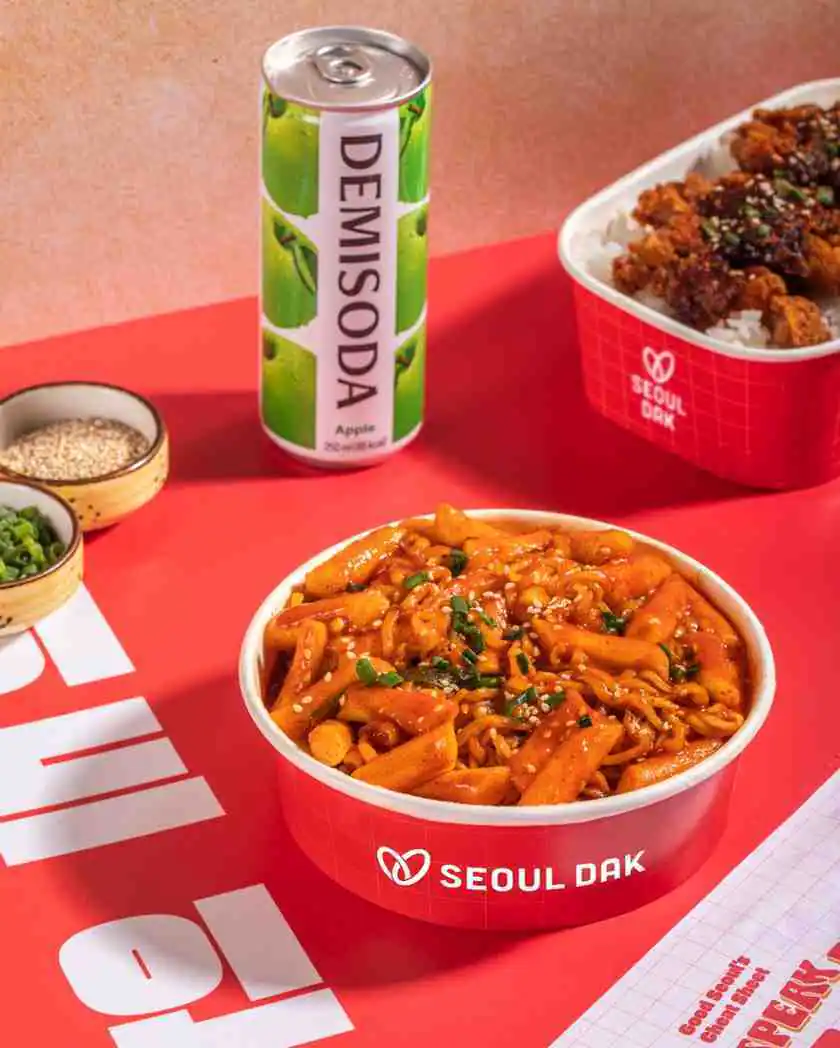
For many of us growing up in Korea, tteokbokki was an after-school ritual. We would gather in groups of three or four, stop at one of the small tteokbokki stalls outside school and share a plate. Korean fried chicken was also never really a meal for one. It was what we ordered when family or friends got together.
The unmistakable spice and chew of tteokbokki and the crunch of fried chicken are ingrained in my memory, together with the people who gathered around that food.
Great food makes being together more enjoyable, and being together somehow makes the food taste even better. That energy, familiarity and sense of sharing is what I wanted Seoul Dak to carry, not only the flavours, but the feeling behind them.
You have spent years scaling Korean brands across the Middle East and other global markets. That is a very specific kind of expertise, understanding not just how to cook Korean food, but how to make it travel without losing its soul. What is the hardest part of that translation?
The hardest part is deciding what can change and what must remain untouched. We want the food to be accessible to someone trying Korean street food for the first time, but it should never become a local interpretation of Korean food.
Even something as familiar as chilli can have a completely different flavour depending on where it comes from. That is why we source our core sauces, spices and other key ingredients directly from Korea instead of trying to recreate those flavours locally.
Our standard is simple: everything we serve should taste the way it does in Korea. Someone should be able to walk into Seoul Dak in India and experience the same flavours I grew up eating.
Korean food has gone from niche to one of the most globally desired cuisines in the world, driven by K-drama, K-pop, and an entire generation discovering kimchi, tteokbokki, and Korean fried chicken for the first time. What do you think the world is actually falling in love with when it falls in love with Korean food?
K-dramas and K-pop have allowed people to form an emotional connection with Korean culture before they have even visited Korea or tried the food.
Food is one of the most immediate and accessible ways to experience another culture for yourself. People may first see tteokbokki or Korean fried chicken in a series, become curious about it and then have the opportunity to taste it themselves.
That curiosity may bring someone into Seoul Dak for the first time, but ultimately, the food has to make them want to come back. Korean culture may create the initial interest, but it is the flavour and the experience of sharing the food that builds a lasting connection.
India is one of the most complex and rewarding food markets in the world, deeply opinionated, intensely regional, and fiercely loyal to its own flavours. What does bringing authentic Korean street food to India ask of you that bringing it to the Middle East did not?
India is an incredibly knowledgeable and confident food market. People understand flavour and spice, and they are very clear about what they enjoy.
What we learned is that we did not need to change the identity of the food, but we did need to understand how Indian customers experienced certain flavours. We had dishes labelled as spicy that many customers here found mild, so we increased the heat while continuing to work within Korean ingredients and flavour profiles.
That is how we approach India: listen carefully to the customer, but protect the essence of the food. We want Seoul Dak to offer something new and unmistakably Korean while still being immediately enjoyable.
You describe yourself as a pioneer in food manufacturing, processing, and distribution. That side of the food business is invisible to most consumers but determines everything about what lands on the plate. What does getting that infrastructure right actually require?
Consistency, above everything.
Once we develop a great flavour, our responsibility is to make sure customers experience it at every outlet and on every visit. It is not enough to make an excellent dish once. We have to reproduce it consistently as the company grows.
That requires control over sourcing, preparation, processes and training. The batter must have the same consistency, the sauces must have the same balance, the chicken must have the same crunch and the tteokbokki must have the same chew.
Most customers will never see the systems behind their food, but those systems determine whether they can trust the experience. A strong brand is built when a customer returns and the food is just as good as they remembered it.
Your philosophy is that food is the simplest and most powerful way to connect cultures. Seoul Dak is, in that sense, as much a cultural project as a culinary one. What do you want an Indian customer to understand about Korea through a single bite?
I want customers to feel that they are tasting Korean food as it actually tastes in Korea, not something loosely inspired by it.
Everything we serve should have the same balance of flavour and texture that defines the food back home. That is why we bring our sauces, spices, tteokbokki, batter, and anything else we can, directly from Korea.
If someone visits Seoul Dak, tries the fried chicken or tteokbokki and feels that they have experienced a real part of Korea, then we have achieved what we set out to do. Food is one of the simplest ways to experience another culture because the connection is immediate: you taste it, enjoy it and share it with the people around you.
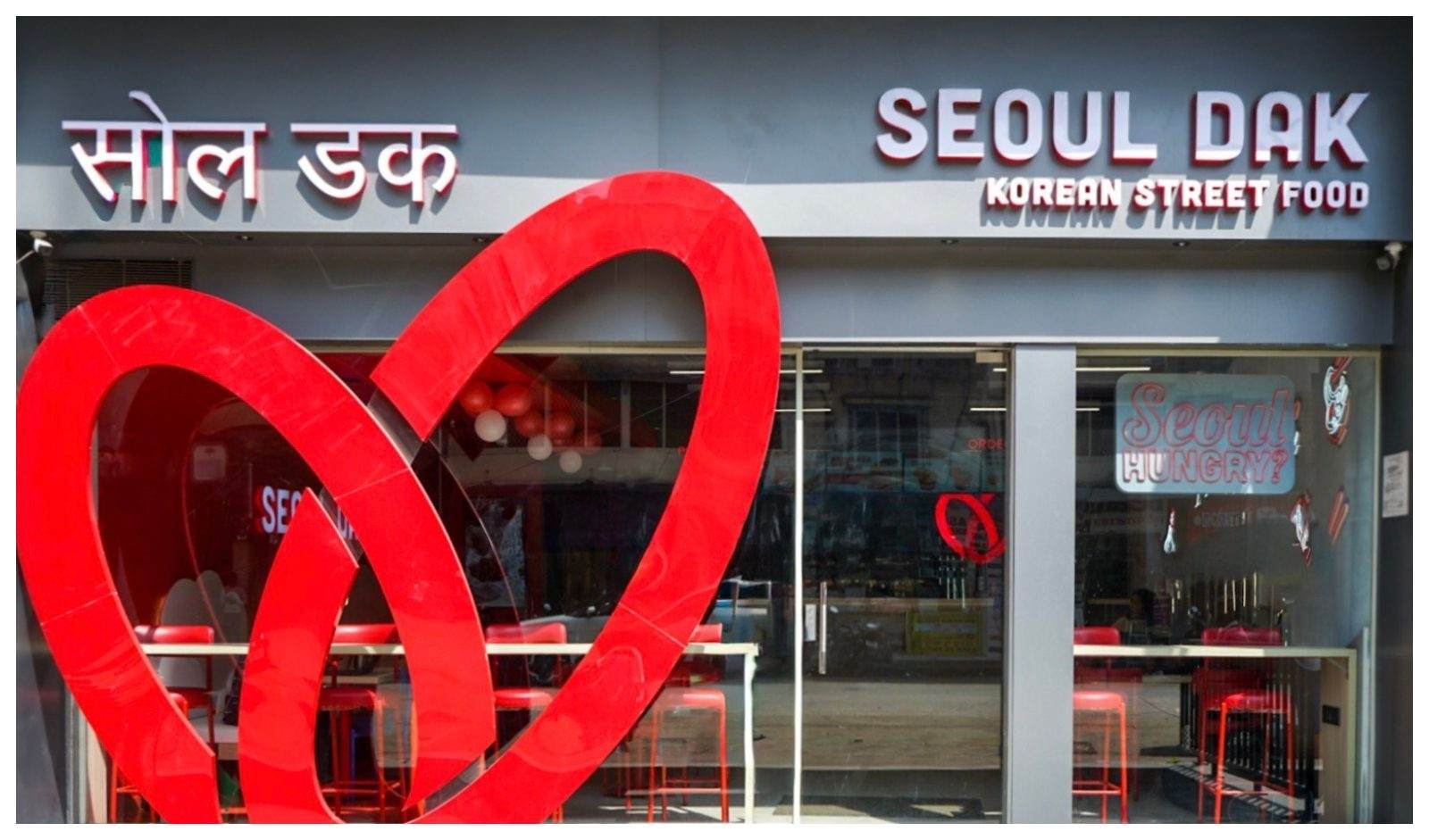
Authenticity and scalability are often framed as opposites in the food business. The more you scale, the more you compromise. How do you hold both at once, and where do you draw the line?
I do not believe authenticity and scale have to be opposites, but growth makes consistency much harder.
For us, the standard is the customer’s experience. Someone should be able to walk into any Seoul Dak location and experience the same authentic flavour, the same crunch in the chicken, the same balance in the sauces and the same texture in the tteokbokki.
That is also why every Seoul Dak outlet is company-owned. It allows us to remain closely involved in the sourcing, preparation, training and overall customer experience.
Scale is important, but only if every new outlet still feels and tastes like Seoul Dak. If growth requires us to compromise that experience, then it is not the right kind of growth.
If Seoul Dak were a Seoul neighbourhood, not just a food but an entire atmosphere and energy, which one would it be and why?
For me personally, Seoul Dak would be Myeongdong.
Myeongdong captures the energy of Seoul in a very immediate way. Its streets are always moving, with locals and visitors walking, shopping, eating and discovering something new. It is lively and modern, but food remains an important part of the experience.
You might begin with one snack and then find yourself stopping again to try something else. There is a sense of curiosity and excitement around every corner.
That is what I want people to feel when they visit Seoul Dak: an energetic and unmistakably Korean place where they can come with friends, share different dishes, try something new and leave already thinking about what they want to order next time.
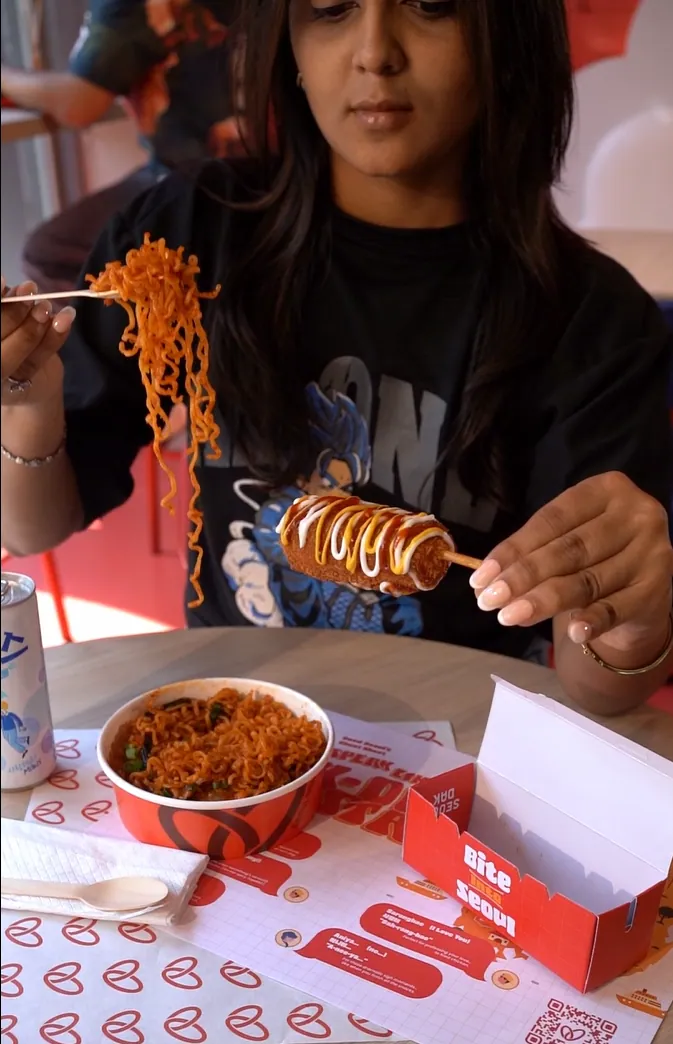
Korean street food is intensely social. It is designed to be eaten standing up, shared, loud, and joyful. How do you bring that energy into a format that works for global markets without turning it into something quiet and safe?
This is something we are actively building towards rather than claiming we have completely solved.
The food is the starting point, but the atmosphere matters too, the music, the design, the energy of the space and the experience of sharing several dishes with the people around you.
We want Seoul Dak to feel energetic, social and fun, while still making it easy for someone trying Korean street food for the first time to walk in and enjoy it.
It should be a place where friends can order several dishes for the table, share everything and discover their favourites together. That sense of fun, generosity and discovery is what makes Korean street food special.
What is coming next for Seoul Dak, and what does the brand look like when it has achieved the global presence you set out to build?
Our immediate target is to reach 25 outlets by next year and 50 the year after, while continuing to keep every location company-owned.
That is ambitious growth, but success will not be measured only by the number of stores. I want Seoul Dak to become the place people think of when they want real Korean fried chicken, tteokbokki and street food, a brand they actively seek out because they trust the flavour and the experience.
If we can introduce more people to Korean street food, give them a place they enjoy visiting with friends and maintain the same authentic experience in every location, then we will have built the brand we originally set out to create.
Follow Best List India for the culture, conversations, and ideas worth paying attention to.