There is a version of “Indian design” that lives mostly in the past tense — all heritage, no horizon, forever gesturing back toward a golden age of craft rather than building toward a new one. The designers, artists and makers on this list are doing something more interesting. They are treating India’s textile mills, temple towns, karkhanas and family workshops not as museums to be preserved, but as living material to be worked, questioned and carried forward. This Independence Day, here is a shortlist of the creatives whose work feels less like nostalgia and more like the country actually arguing with itself, out loud, in fabric, clay and paint.
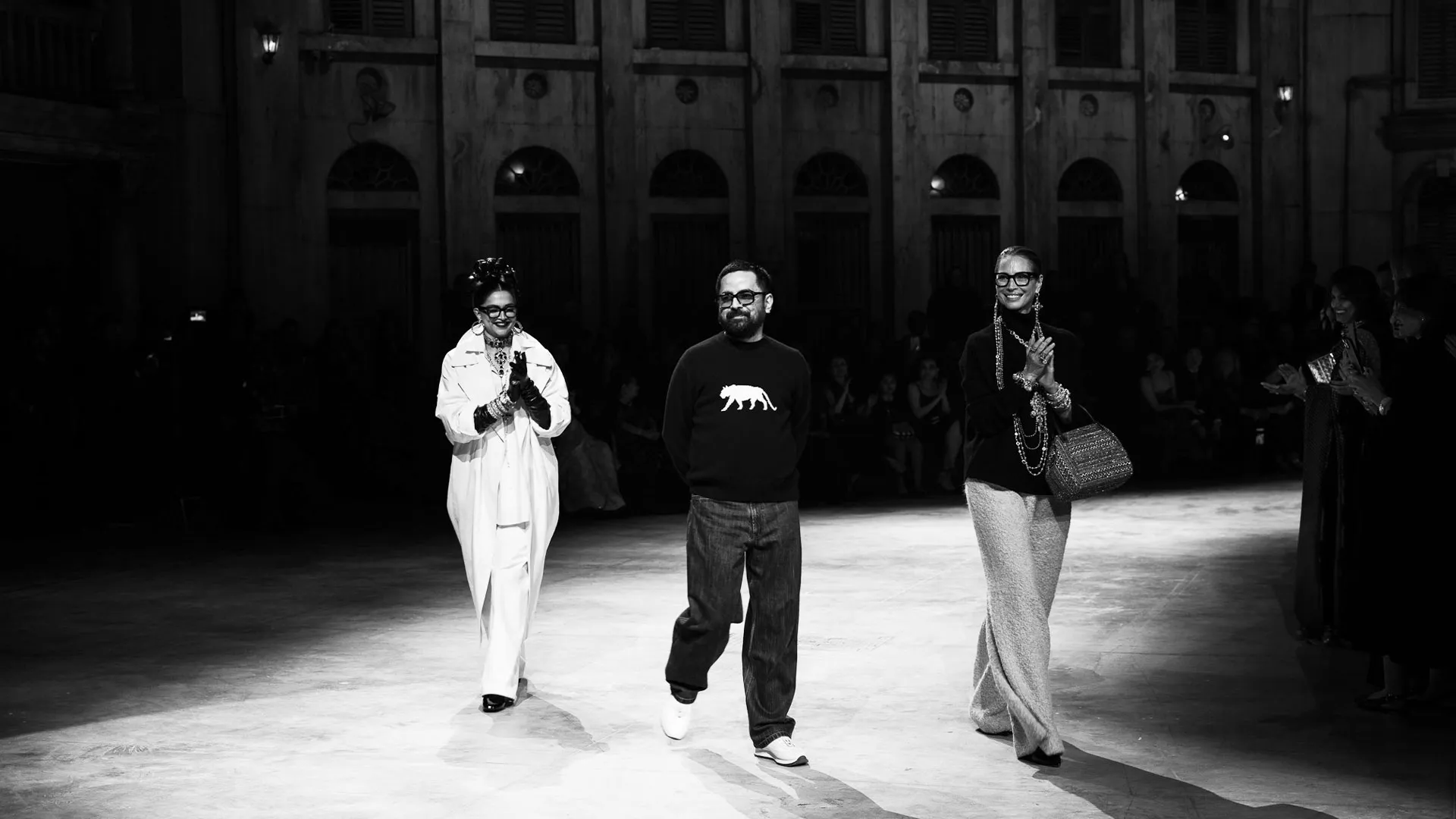
Sabyasachi Mukherjee — Couture as Cultural Archive
No conversation about contemporary Indian fashion happens without Sabyasachi, and yet his continued relevance has less to do with bridal spectacle than with an ongoing, almost archival project: cataloguing and reviving regional textile traditions — Bengal’s jamdani, Kashmiri embroidery, old zari techniques — before folding them into silhouettes that read as thoroughly modern. His work insists that heritage and desirability are not opposing forces.
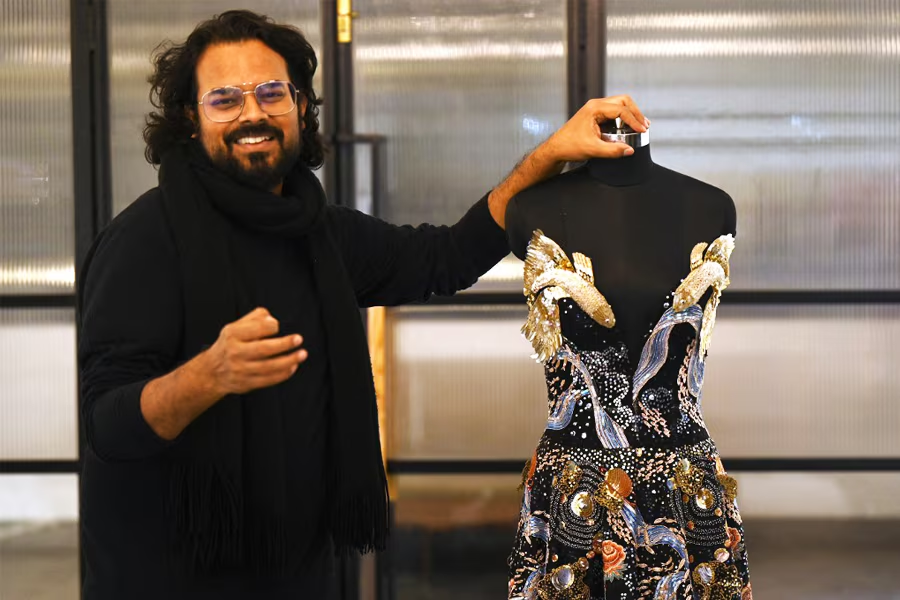
Rahul Mishra — Craft With an International Accent
Among the few Indian designers to show on the official Paris Couture calendar, Rahul Mishra has built a reputation on hand-embroidery so intricate it borders on the horticultural — florals, insects and landscapes rendered stitch by stitch by artisan collectives across India. His work is a quiet argument that Indian handcraft doesn’t need to shrink itself for a global audience; the audience can come to it.
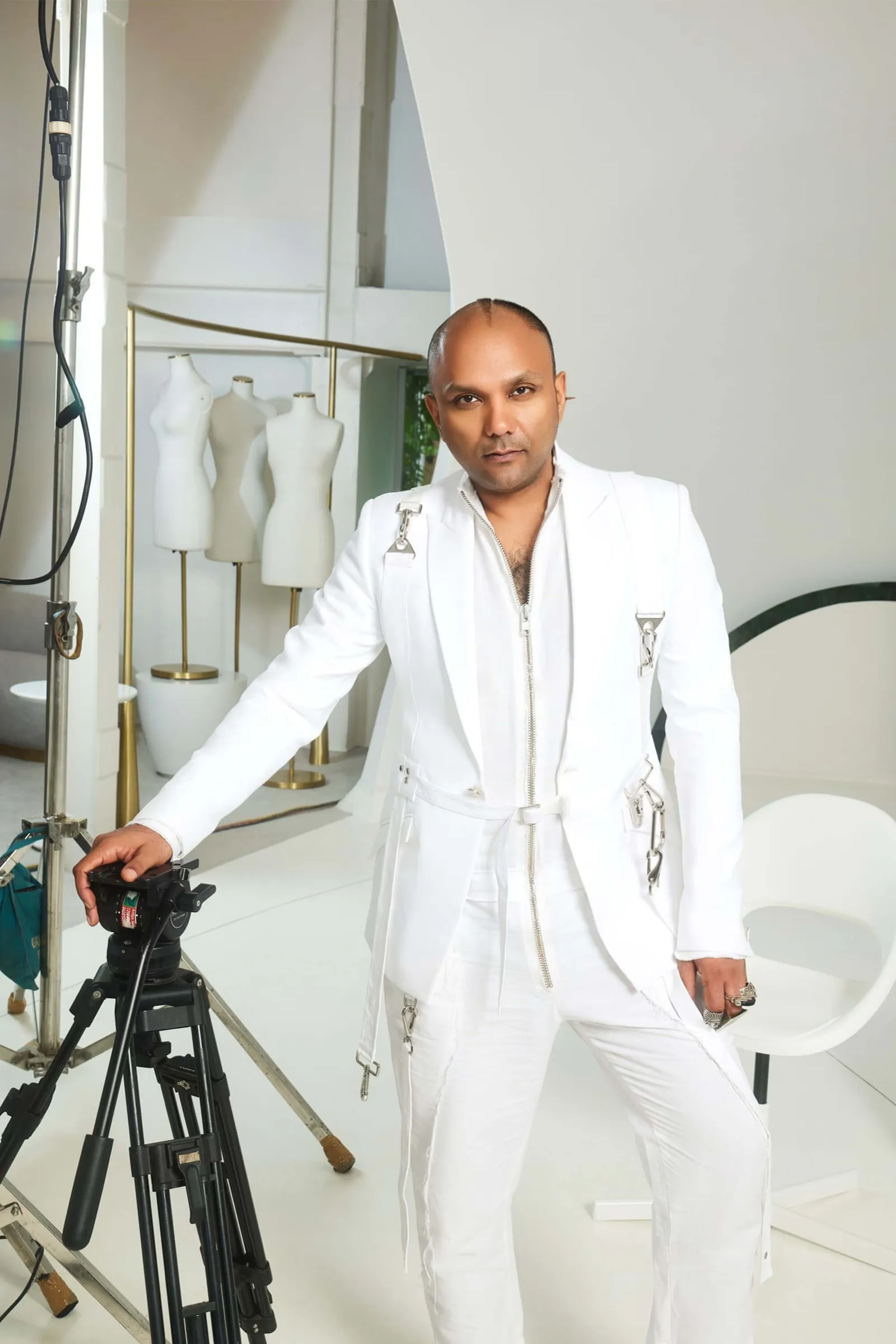
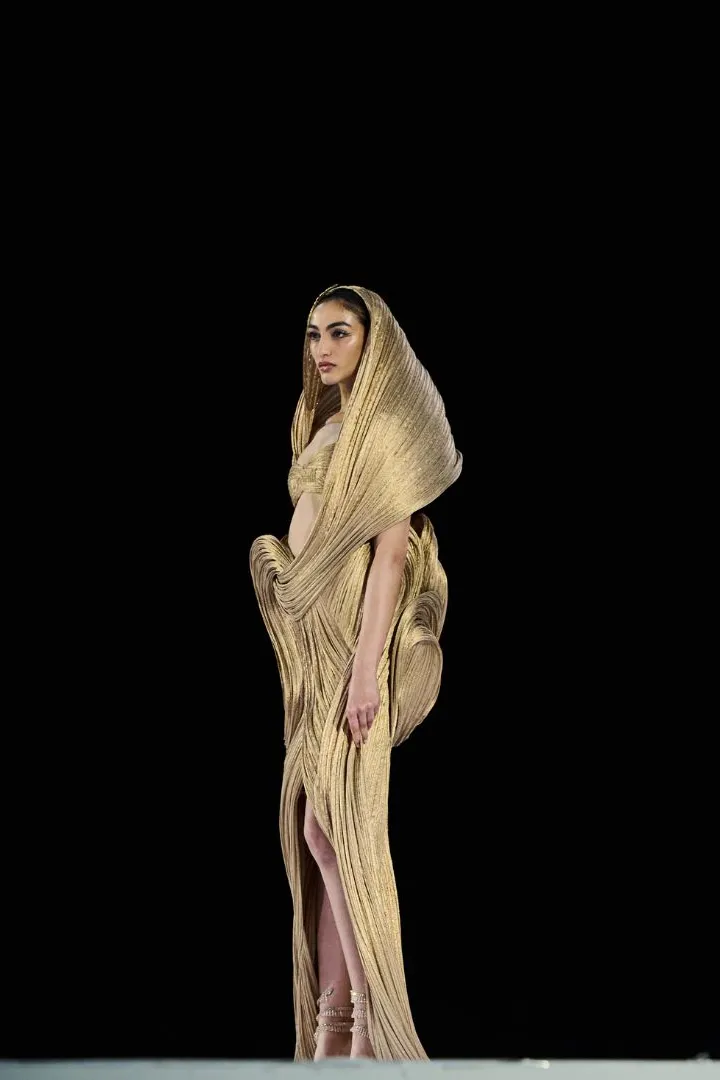
Gaurav Gupta — Sculptural, Sci-Fi, Unmistakably His
Gaurav Gupta’s draping defies easy categorisation — liquid metal gowns, architectural silhouettes, red-carpet moments for everyone from global pop stars to Indian film royalty. What makes his work feel current is its refusal to perform “Indianness” through obvious cues; the Indian-ness is in the construction technique, not the costume.
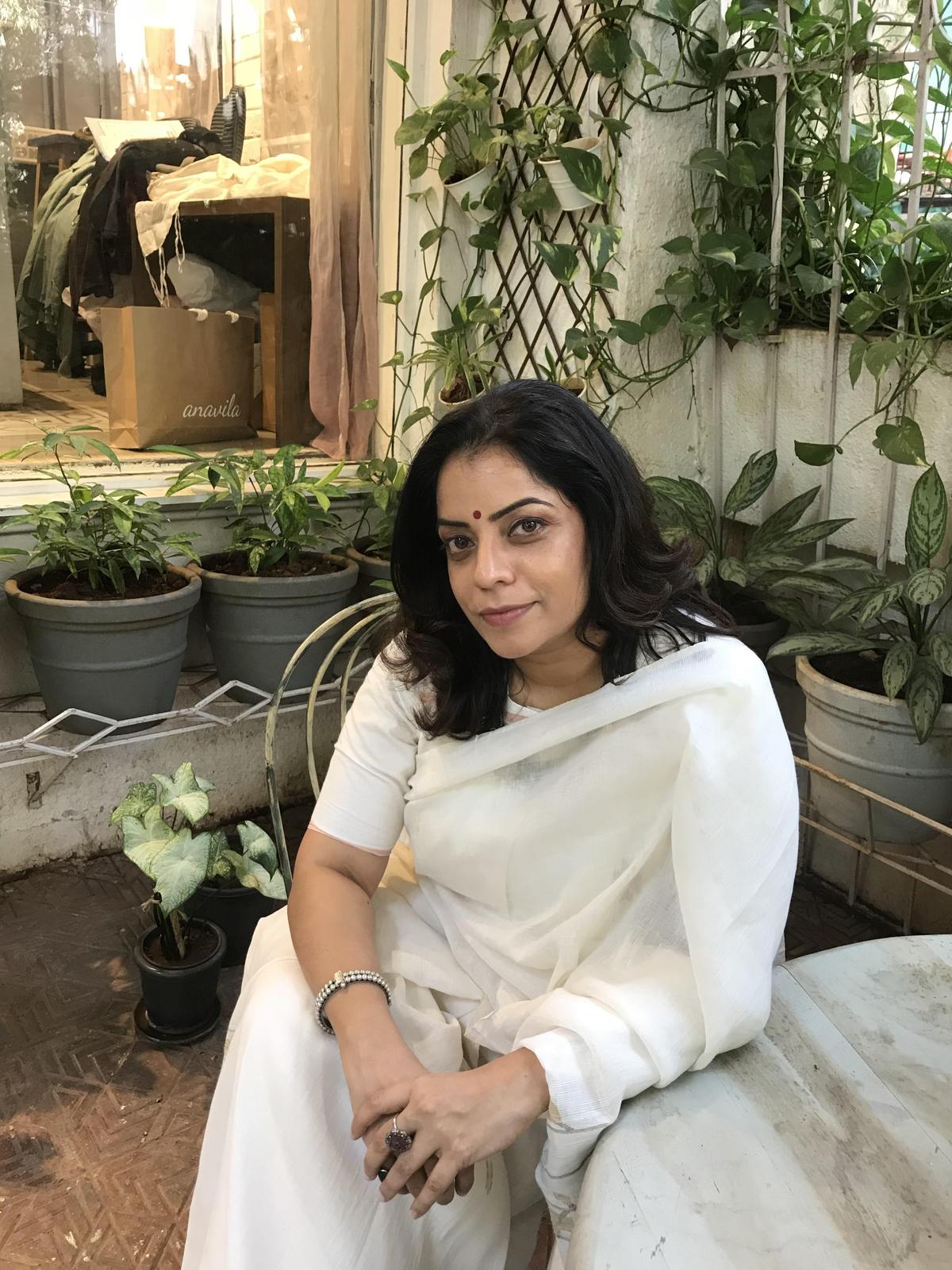
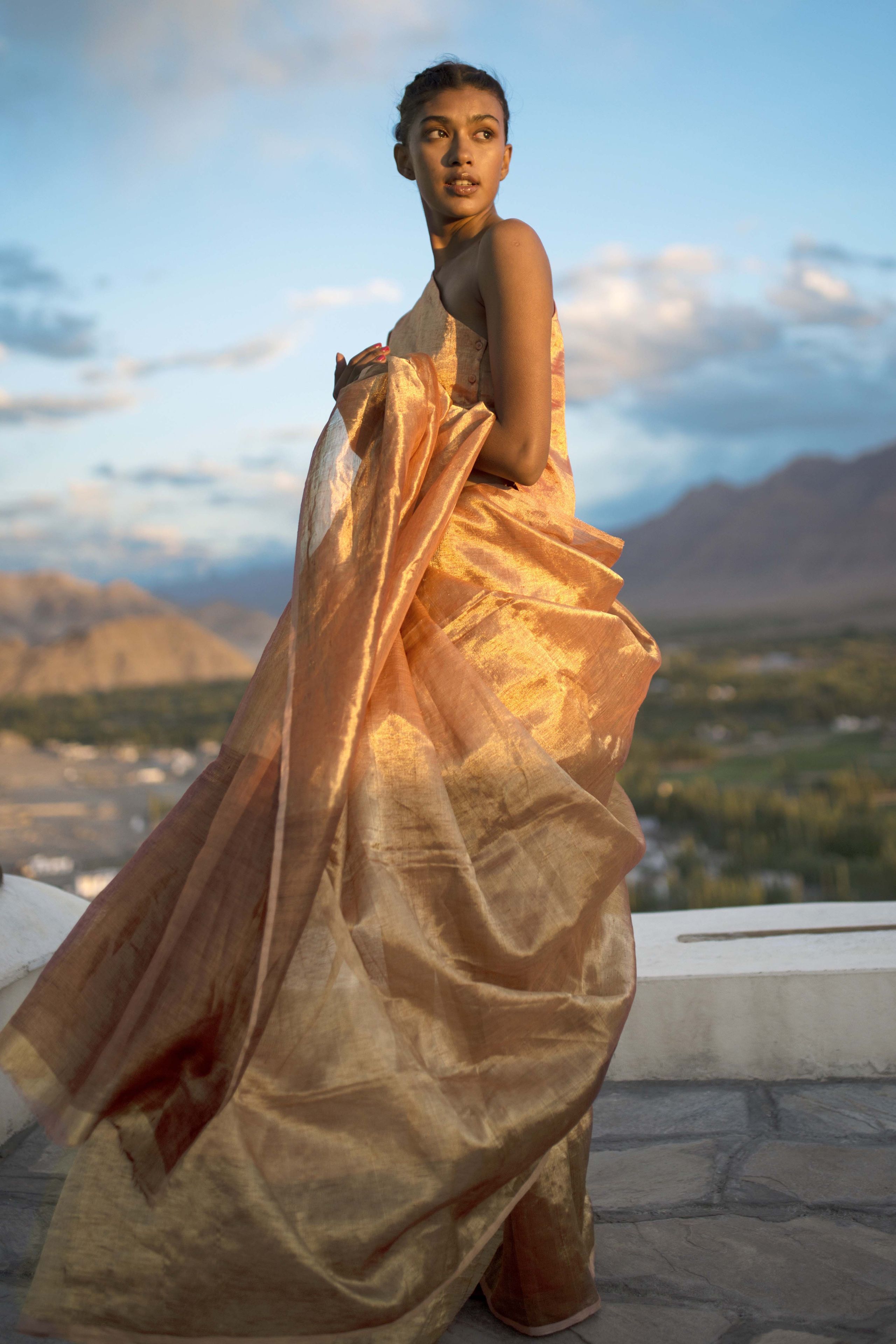
Anavila Misra — The Quiet Revival of the Linen Sari
Anavila Misra took a fabric most people associated with formal menswear and, through the linen sari, made it the uniform of a certain kind of thinking Indian woman — minimal, textural, deliberately unfussy. Her work is a reminder that reviving a craft doesn’t always require maximalism; sometimes it just requires taking a form seriously enough to simplify it well.
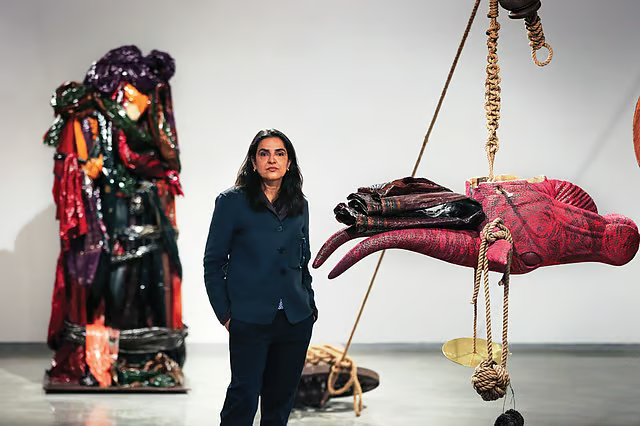
Bharti Kher — Bindis as Language
Few contemporary artists have made a single, humble material carry as much conceptual weight as Bharti Kher has with the bindi — using thousands of them to build surfaces that speak to identity, femininity and the body in ways that move fluidly between the domestic and the monumental. Her sculptural work, often built around the hybridised female form, has made her one of the most internationally exhibited Indian artists of her generation.
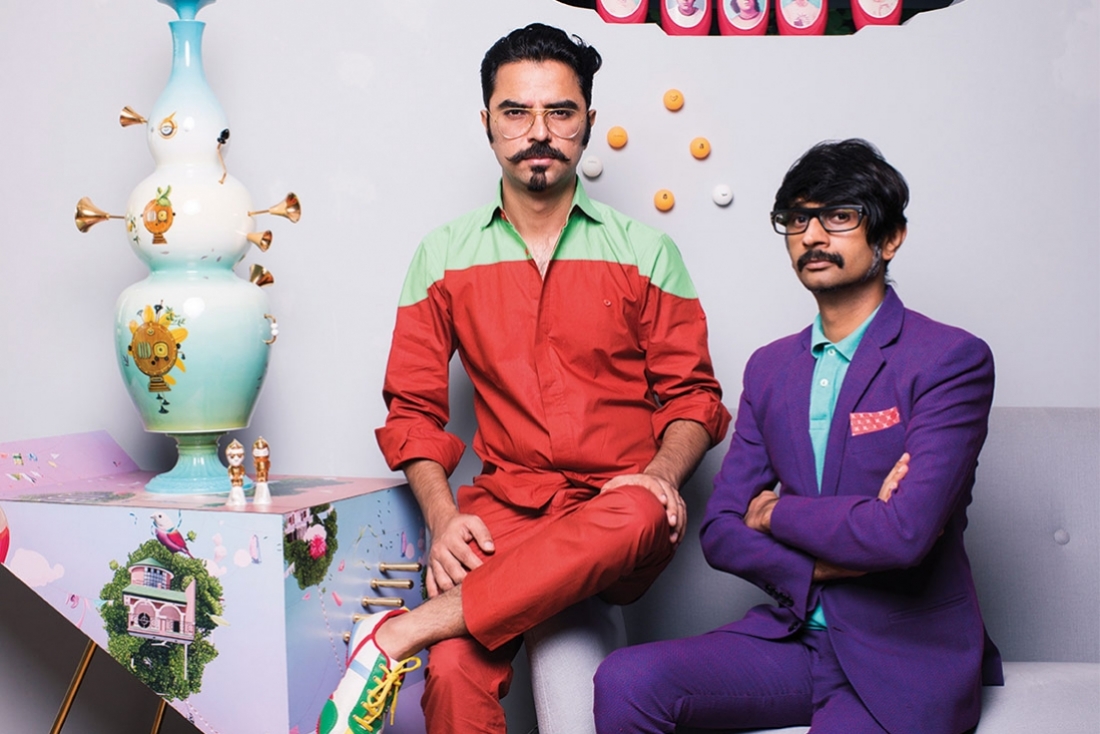
Thukral & Tagra — Pop, Politics and Punjab
The Delhi-based duo Jiten Thukral and Sumir Tagra work across painting, sculpture, product design and even agriculture, mining Punjab’s rural iconography — truck art, seed packets, kitsch devotional imagery — and recontextualising it with a very contemporary, faintly satirical eye. Their practice resists the polished, export-ready version of Indian art in favour of something rowdier and more specific.
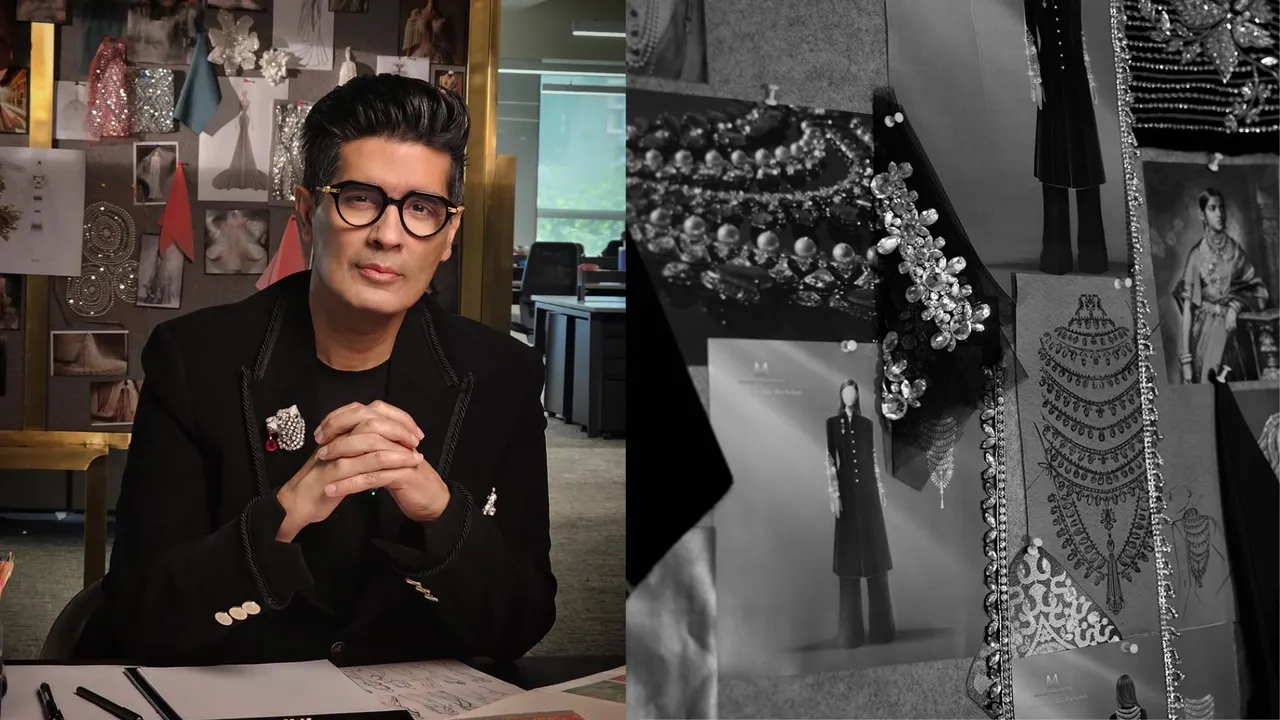
Manish Malhotra — Cinema’s Chosen Couturier, Recast
Long the architect of Bollywood’s most photographed red-carpet moments, Manish Malhotra’s more recent couture lines have leaned harder into revivalist craft — Chikankari, Benarasi weaves, vintage zardozi — suggesting a designer using his considerable cultural reach to push audiences toward slower, more artisanal forms of luxury than the industry he came up in typically rewards.
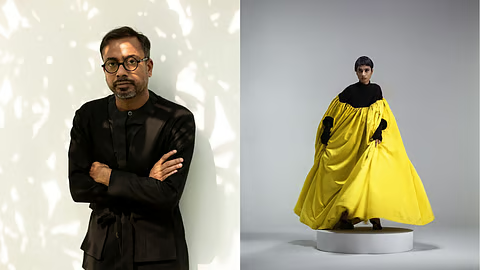
Raw Mango (Sanjay Garg) — The Sari, Interrogated
Sanjay Garg’s label Raw Mango treats the sari less as a fixed garment than as an open question, reworking traditional Banarasi and Chanderi weaves in colour palettes and proportions that feel closer to contemporary art than conventional fashion. Garg has been credited with much of the sari’s recent resurgence among younger, urban Indian women who might otherwise have skipped past it entirely.
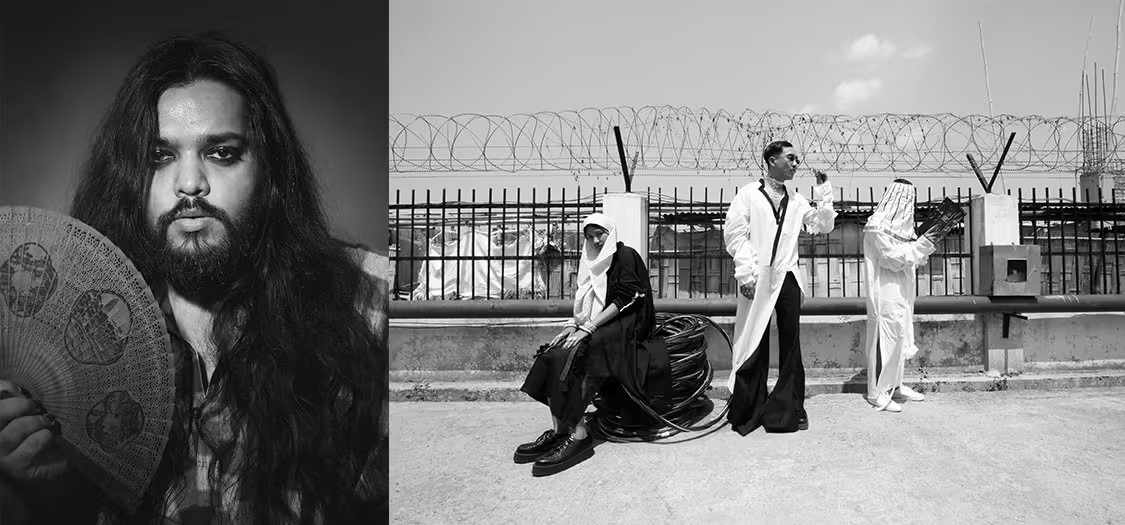
Kallol Datta — Genderless, Formless, Deliberately Difficult
Kolkata-based Kallol Datta’s voluminous, deconstructed silhouettes draw as much from Middle Eastern and East Asian dress as from Indian tradition, resulting in clothing that resists gendering almost entirely. It is not an easy aesthetic, and that is rather the point — a reminder that “Indian design” need not be legible at a glance to be rooted in the region’s history of trade, migration and exchange.
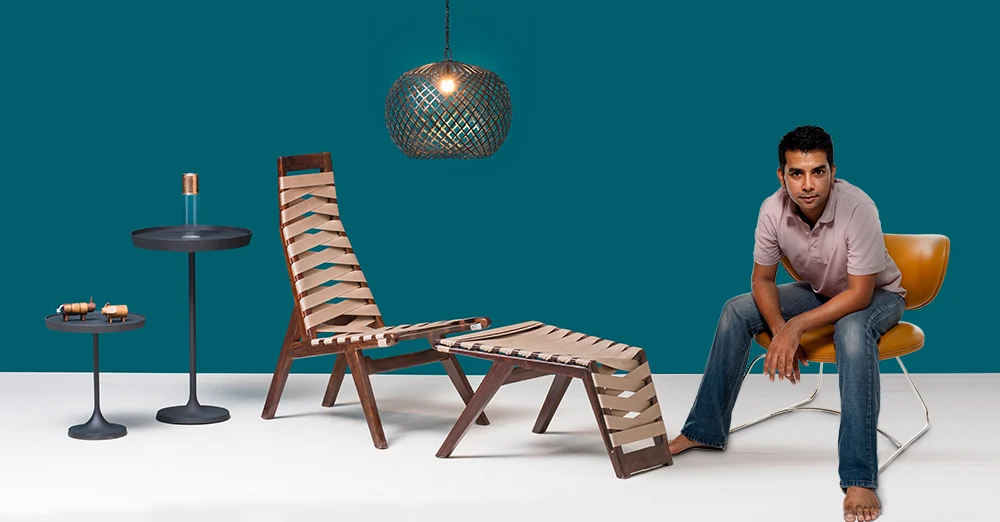
Ayush Kasliwal — Design From the Workshop Floor
A product and furniture designer working out of Jaipur, Ayush Kasliwal’s practice sits at the intersection of traditional craft techniques — hand-block printing, metal casting, wood joinery — and contemporary functional design, often collaborating directly with artisan clusters rather than treating them as a supply chain. His work is a useful corrective to the idea that “craft revival” only happens in fashion.
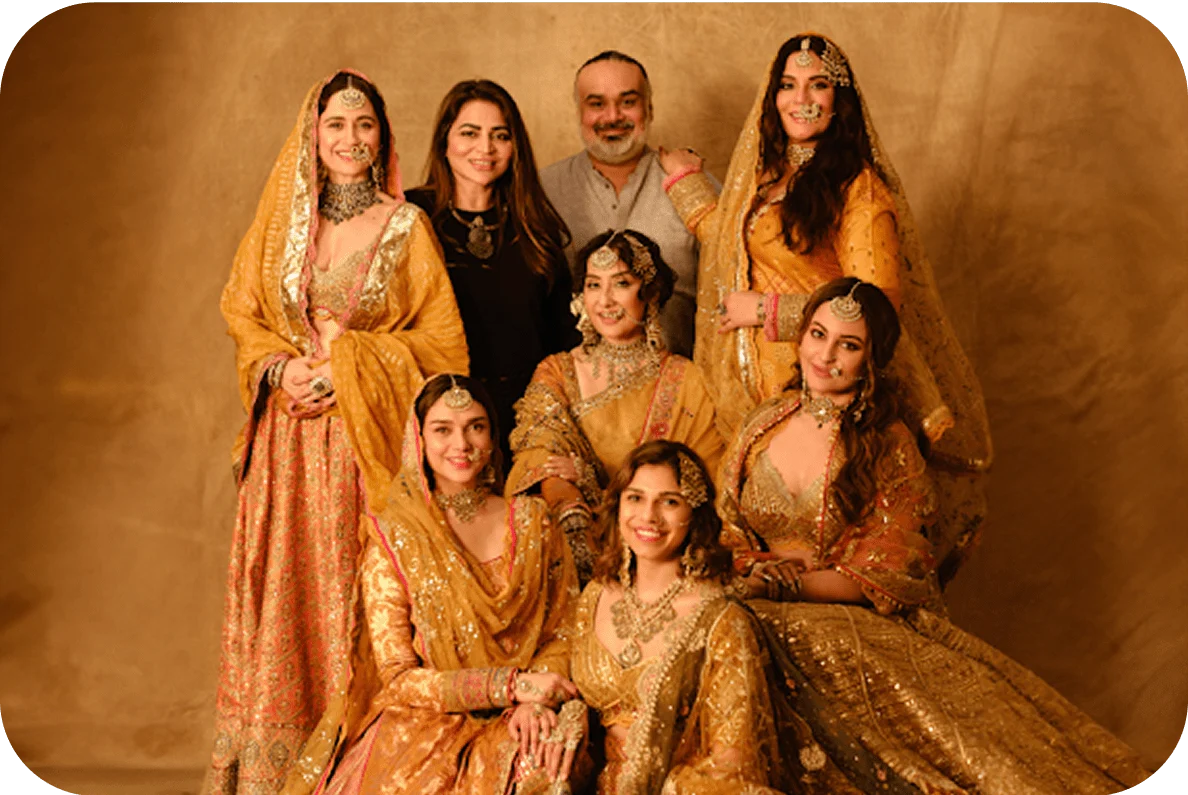
RIMPLE AND HARPREET — Vintage India, Made New Again
Few design duos have built as distinctive a visual language around nostalgia as Rimple and Harpreet Narula. Their work draws heavily on old Bollywood glamour, pre-independence Punjab, and the faded, sepia-toned romance of an India seen mostly in family photographs — sharara sets, gota-patti work, and tailoring that nods to the 1940s and ’50s without ever tipping into costume. What sets their practice apart is restraint: where much of bridal fashion trends toward maximalism, the Narulas favour a quieter, more literary kind of opulence, one that reads as inherited rather than invented. Their collections often feel less like new collections and more like family heirlooms someone simply had the good sense to finish.
None of these practices look backwards for comfort. They look backwards for material and then build something the country hasn’t quite seen before. That, perhaps, is the truest form of independence a creative practice can claim: not a rejection of history, but the confidence to keep arguing with it.
Follow Best List India for the culture, conversations, and ideas worth paying attention to.