
There is a version of the motherhood conversation that India has been having for a long time. It is the version that frames every professional achievement a woman earns against the question of what she may have sacrificed to earn it, that treats ambition and nurturing as opposing forces in a zero-sum negotiation, and that reserves its highest praise for the mother who makes the whole thing look effortless while giving no indication of what the effort actually costs.
India’s most interesting mothers, in 2026, have largely stopped participating in that conversation. Not because the tensions it describes are not real, but because the framing itself is too small for what they are actually doing.
The women building companies, leading organisations, practising medicine, arguing in courtrooms, and running creative enterprises while raising the next generation of Indian children are not managing a compromise. They are modelling something. And what they are modelling, with varying degrees of deliberateness and an almost universal refusal to be sentimental about it, is a version of womanhood that their own daughters and sons will grow up considering entirely normal.
That, it turns out, is the most consequential thing they do.
Here are some truly trailblazing mothers!
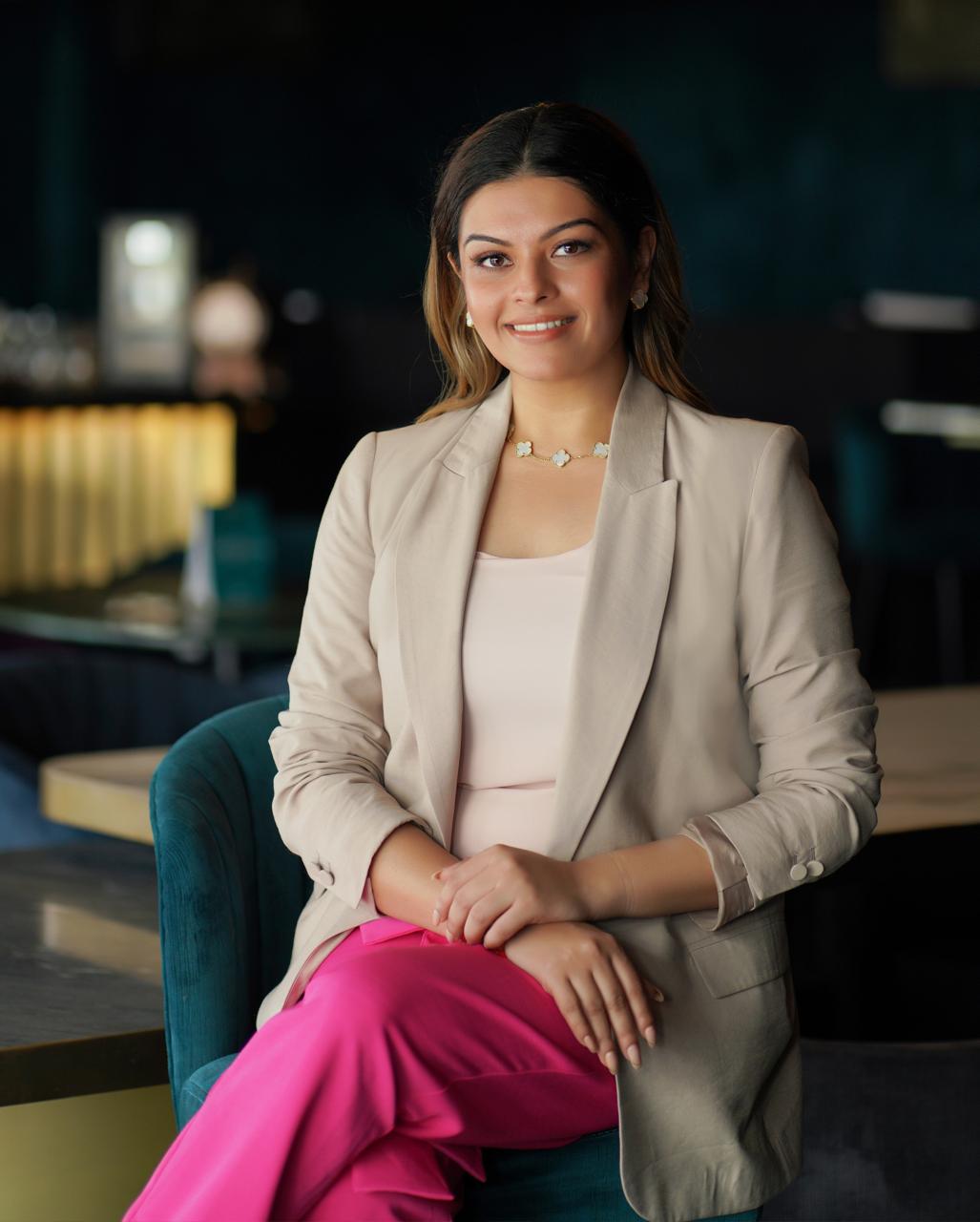
Darshana Balagopal: A Mother. A Force. A Woman Redefining Success.
Darshana Balagopal refuses to choose between ambition and motherhood. As the founder of ADAIA Diamonds, a lab-grown diamond brand redefining modern luxury, she is building a business rooted in ethics, creativity, and authenticity while embracing motherhood with equal conviction. For Darshana, success is deeply personal: creating a life that feels honest, expansive, and entirely her own.
What makes her journey remarkable is not just what she has built, but how she has built it. Moving seamlessly between boardrooms and home, she challenges the outdated idea that women must compartmentalise their identities to succeed. Motherhood, for her, is not a limitation but a source of clarity, strength, and purpose.
With leadership roles at OnePlus and Phoenix Palladium Mall behind her, and as co-founder of AARDAE, she brought over 70 Indian beauty brands to global markets before stepping into entrepreneurship. Along the way, she transformed criticism around being “too emotional” or “too ambitious” into strength, proving that softness and strategic leadership can coexist.
Beyond business, Darshana champions women’s visibility through sport as owner of the ADAIA Storm Breakers and co-owner of the Chennai Super Queens. She is not fitting into existing definitions of leadership or motherhood. She is rewriting them.

Ghazal Alagh, Co-Founder, Mamaearth
There is a certain irony in the fact that one of India’s most successful consumer brands was built not by a market research team or a venture-backed founder with an MBA, but by a mother who could not find a product she trusted enough to put on her baby’s skin.
Ghazal Alagh co-founded Mamaearth in 2016 with her husband Varun after their son Agastya was born and they found the Indian market for toxin-free baby care either nonexistent or unaffordable. The solution, characteristically, was to build it themselves. What began as a direct-to-consumer baby care brand became, in under a decade, one of India’s most recognisable personal care companies, spanning skincare, haircare, and beyond, with a 2023 IPO that valued the business at several thousand crores.
What makes Ghazal’s story particularly compelling is that the founding insight was not a market gap identified on a spreadsheet. It was a mother’s instinct, applied with entrepreneurial rigour. The consumer she was building for was herself, which gave Mamaearth a specificity of purpose that no amount of consumer research could have manufactured.
She has spoken openly about navigating early motherhood and early-stage startup life simultaneously, two experiences that share, she has noted, the quality of demanding everything you have at exactly the same time. That she built something extraordinary from the intersection of the two is, in 2026, one of Indian entrepreneurship’s more instructive origin stories.
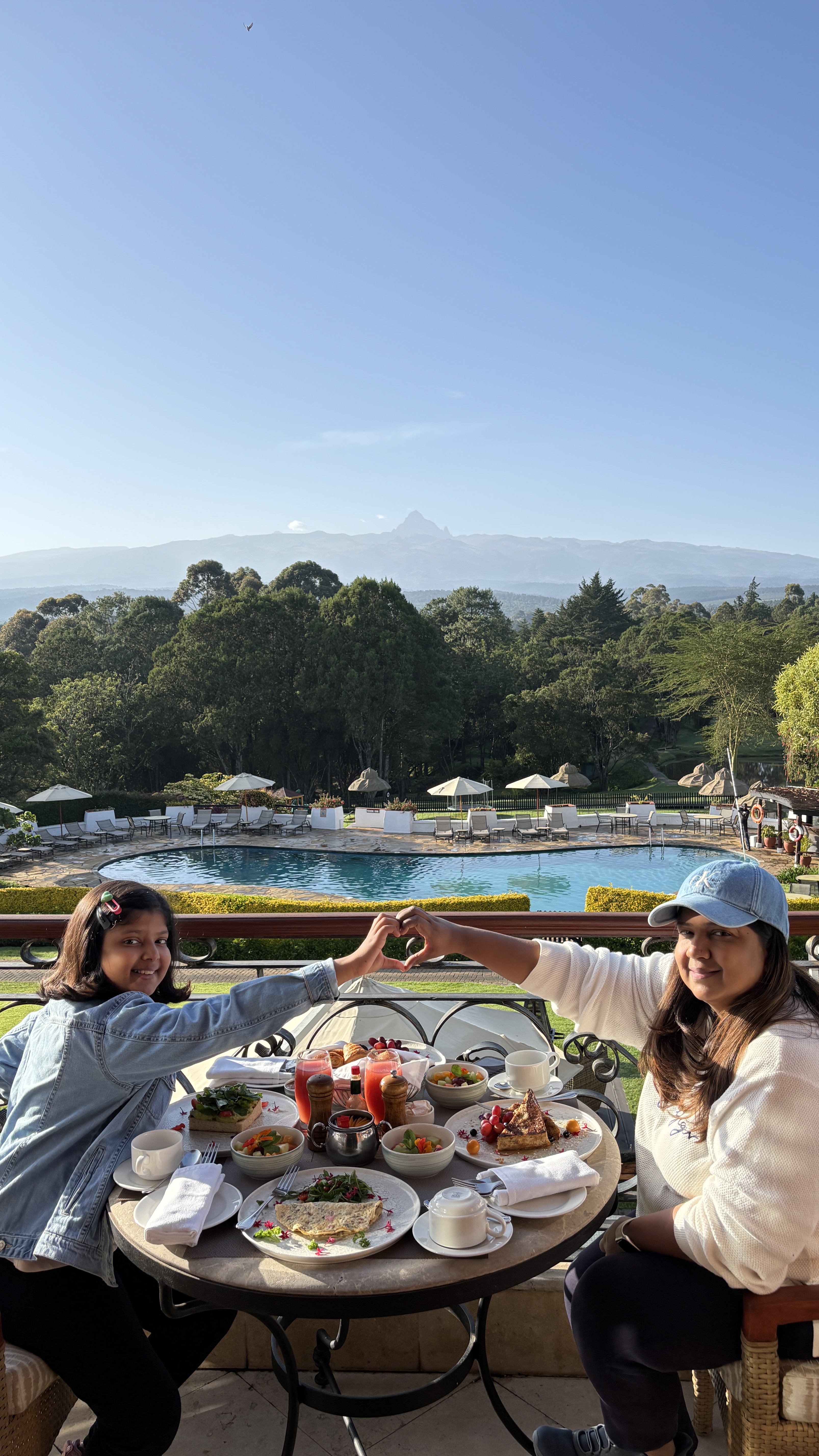
Richa Bansal: Raising the Next Generation with Purpose, Passion & Possibility
For Richa Bansal, motherhood has never meant choosing between ambition and affection. As the founder of Purple and Pink Digital, leading campaigns for over 75 hotels across India while building platforms like All Women Entrepreneurs and Inside Hospitality, she has created a life where leadership and love coexist seamlessly.
At the centre of her world is her 12-year-old daughter, Mishka—curious, disciplined, and endlessly driven. Whether excelling academically, mastering Kathak, or solving complex Rubik’s cubes, Mishka embodies the values Richa holds closest: resilience, curiosity, and a hunger to learn. But for Richa, motherhood is not about directing every step. It is about creating an environment where individuality and ambition can flourish naturally.
Rather than striving for “balance,” Richa believes in integration. Her daughter has grown up watching her navigate entrepreneurship, late nights, setbacks, and successes with consistency and purpose. Through that example, she hopes to raise a girl who dreams fearlessly yet understands the discipline required to achieve those dreams.
Motherhood, she says, has made her a stronger leader—teaching her patience, perspective, and resilience. More than professional accomplishments, her proudest achievement is raising a compassionate, grounded, and independent young girl.
For Richa, legacy is not only about the businesses she has built, but the values she is passing on to the next generation.
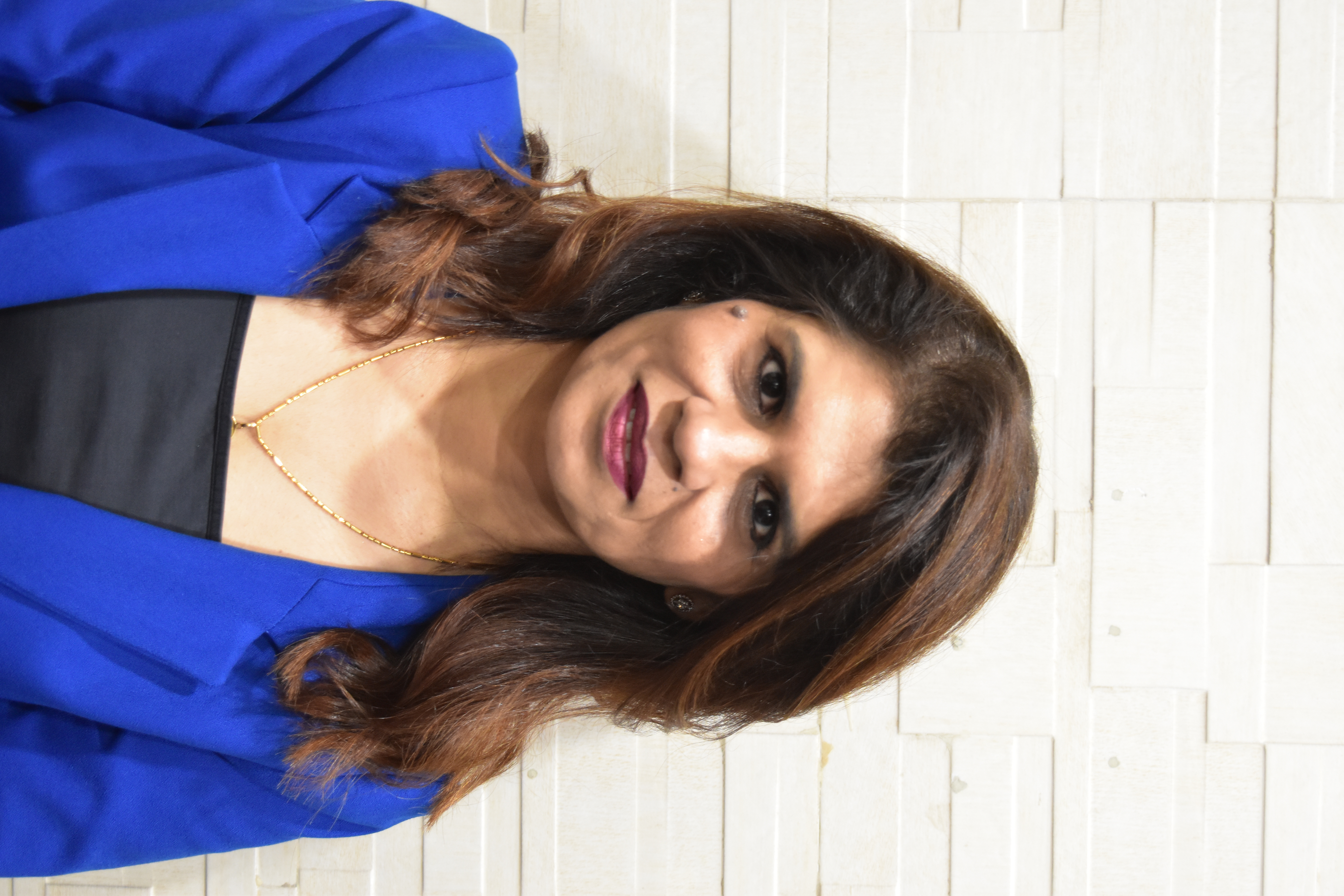
Renu Kant - Founder at Envi Salons
Envi Salon, one of India’s leading premium salon chains, was established by Renu Kant, with a vision to redefine the salon experience in India by bringing together service excellence, innovation, and accessible luxury. It was the culmination of long years of preparation, contemplation, experience and a thoughtful approach towards providing the best salon experiences on the high streets and to the mall walkers. What began as a single vision under the brand “Exquise” evolved into Envi across major malls and high streets, a nationally recognised salon chain with prime locations across Mumbai, Navi Mumbai, Thane, Pune, Hyderabad, Chennai etc. With her keen eye for trends and commitment to excellence, Renu Kant is undoubtedly a game-changer in the beauty space, consistently pushing boundaries and setting new standards.
As a mother and entrepreneur, Renu Kant’s leadership journey reflects a balance of resilience, creativity, and purpose-driven growth. Her approach to building Envi has always extended beyond business expansion, it has focused on nurturing people, and empowering them within the beauty industry. Today, Envi Salon stands as a trusted name in Indian beauty and wellness, known for its “zero-compromise” philosophy and commitment to high-quality, trend-forward services. But beyond its business success, the brand also reflects Renu Kant’s larger vision: to build a platform where professionals thrive, clients feel seen, and beauty becomes a shared, empowering experience.
In many ways, her journey mirrors the essence of modern Indian motherhood balancing leadership with nurturing, ambition with empathy, and growth with grounding values. Through Envi, she continues to shape not just a brand, but a generation that understands beauty as confidence, care, and self-expression.
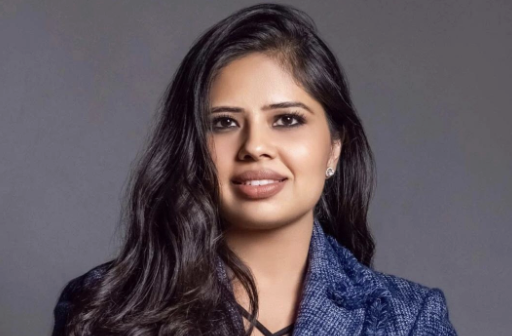
Manisha Mehta: Redefining Motherhood Through Work-Life Joy
For Manisha Mehta, Founder and Creative Director of Tenth Dimension Jewels, the idea of “work-life balance” has never quite made sense. To her, the phrase suggests that work and life exist separately, constantly competing for attention. Instead, she believes in something far more meaningful: work-life joy.
“Motherhood did not interrupt my dreams — it expanded them,” she says.
Manisha began building Tenth Dimension Jewels while she was pregnant with her son, making the brand and her journey into motherhood deeply intertwined from the very beginning. Her son became part of every milestone — from brainstorming ideas and finalising the brand name to being the first person she showed the Tenth Dimension Manifest symbol to.
Rather than shielding him from her entrepreneurial world, she welcomed him into it. At just seven years old, he proudly stood beside her at the brand’s first showcase. By eight, he was confidently explaining collections and sharing the story behind the brand with clients.
For Manisha, this is what true integration looks like — raising a child alongside a dream instead of apart from it. She believes motherhood should not limit ambition but strengthen it, allowing women to build lives where passion, purpose, and family grow together.
This Mother’s Day, her story challenges the traditional narrative of “having it all.” Perhaps the real power lies not in balancing two worlds, but in creating one where both motherhood and ambition can thrive seamlessly side by side.
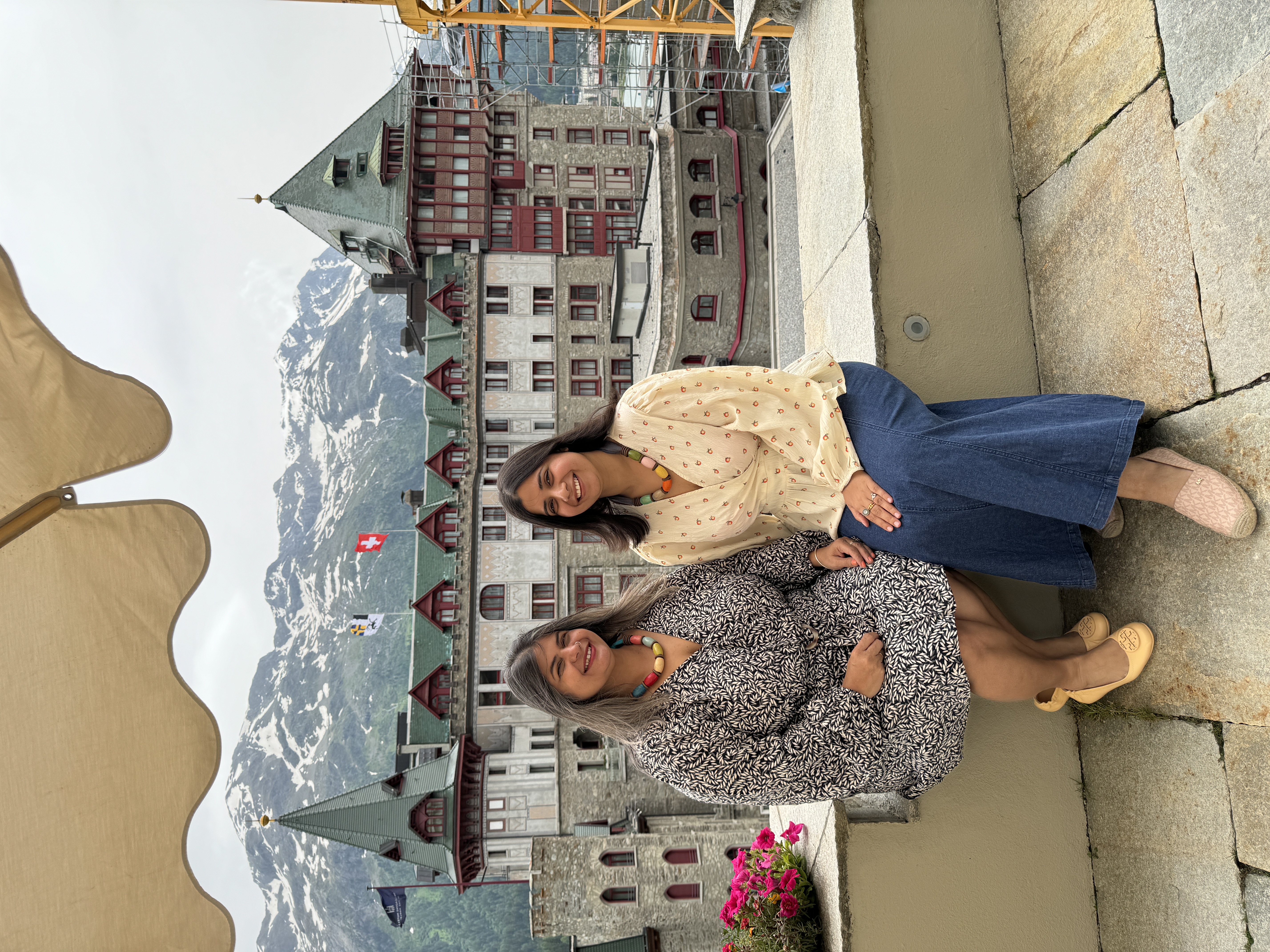
Rupali Dean: A Legacy of Inspiration, Culture & Creativity
Rupali Dean is not simply redefining motherhood — she is reshaping the narrative around it. An award-winning journalist, TEDx speaker, culinary curator, hospitality professional, and Ambassador for Host Milano, her career is built on storytelling, culture, and meaningful change. Yet beyond the accolades lies her most powerful role: raising a daughter who mirrors her passion, creativity, and fearless spirit.
Together with her daughter, Akanksha, Rupali has created more than a shared passion project through Dean With Us. Their platform blends travel, food, and cross-cultural exploration into a space that celebrates discovery, dialogue, and human connection. Their bond extends beyond family into collaboration, proving that motherhood can evolve into mentorship, partnership, and shared purpose.
One of their most impactful initiatives, ShefsAtTheLeela, shines a spotlight on women chefs who have carved their own paths in the culinary world, creating space for conversations around ambition, resilience, and representation. Through these experiences, Rupali and Akanksha continue to inspire the next generation of women to pursue their dreams unapologetically.
For Rupali, parenting has never been about instruction alone. It is a relationship built on mutual respect, encouragement, and growth. Her ability to turn everyday moments into meaningful experiences reflects the warmth and wisdom she brings to both motherhood and leadership.
Her greatest legacy is not just the remarkable career she has built, but the empowered, trailblazing daughter she is raising alongside it.

The Village, Revisited
One of the more honest conversations happening among professional Indian mothers concerns the infrastructure that makes their lives possible, and the importance of naming it rather than erasing it from the narrative of success.
The joint family structure, long characterised in the urban imagination as a constraint on women’s independence, is being quietly reappraised by a generation that has discovered what its absence actually costs. The grandmother who does the school pickup, the sister-in-law who covers the sick day, the household that distributes the work of care across more than one pair of hands: these are not failures of modern independence. They are the rational deployment of available support in the service of a larger ambition.
The professional mothers navigating this honestly are also navigating the domestic labour conversation with more directness than their predecessors. The household that runs smoothly because someone is managing it, whether a partner who has recalibrated his own professional commitments, a support team that has been resourced properly, or a combination of both, is not a secret to be hidden behind the language of doing it all. It is a system to be acknowledged, and in some cases advocated for, because the pretence that extraordinary professional women are also solely managing extraordinary domestic lives alone does nothing except raise the bar to an impossible height for every woman who comes after.
The Standard Being Set
What India’s trailblazing professional mothers are doing, in aggregate and without coordination, is establishing a new standard for what motherhood can look like when it is not required to be the whole of a woman’s identity.
That standard is not about having it all, a phrase that has done considerable damage by implying that the goal is accumulation rather than integration. It is about something quieter and more radical: the insistence that a woman’s professional self and her maternal self are not in competition for the same finite resource, but are, at their best, in conversation with each other in ways that make both more whole.
The children being raised by these women will grow up with a different set of assumptions about what mothers are, what women can be, and what a life well-lived looks like. They will, in all likelihood, hold those they love to a standard that makes room for complexity, for ambition, and for the kind of love that expresses itself not only through presence but through example.
That is not a small inheritance. It is, quietly, everything.
Follow Best List India for the culture, conversations, and ideas worth paying attention to.