There is a particular kind of luxury that does not announce itself. It is the luxury of waking to greenery instead of concrete, of hearing birds instead of traffic, of realising by the second morning that you have spent an hour looking at a lake and have not once reached for your phone. Swastik Luxury Wellbeing Sanctuary is built around that kind of luxury, and it delivers it with a coherence that is rare even among India’s best retreats.

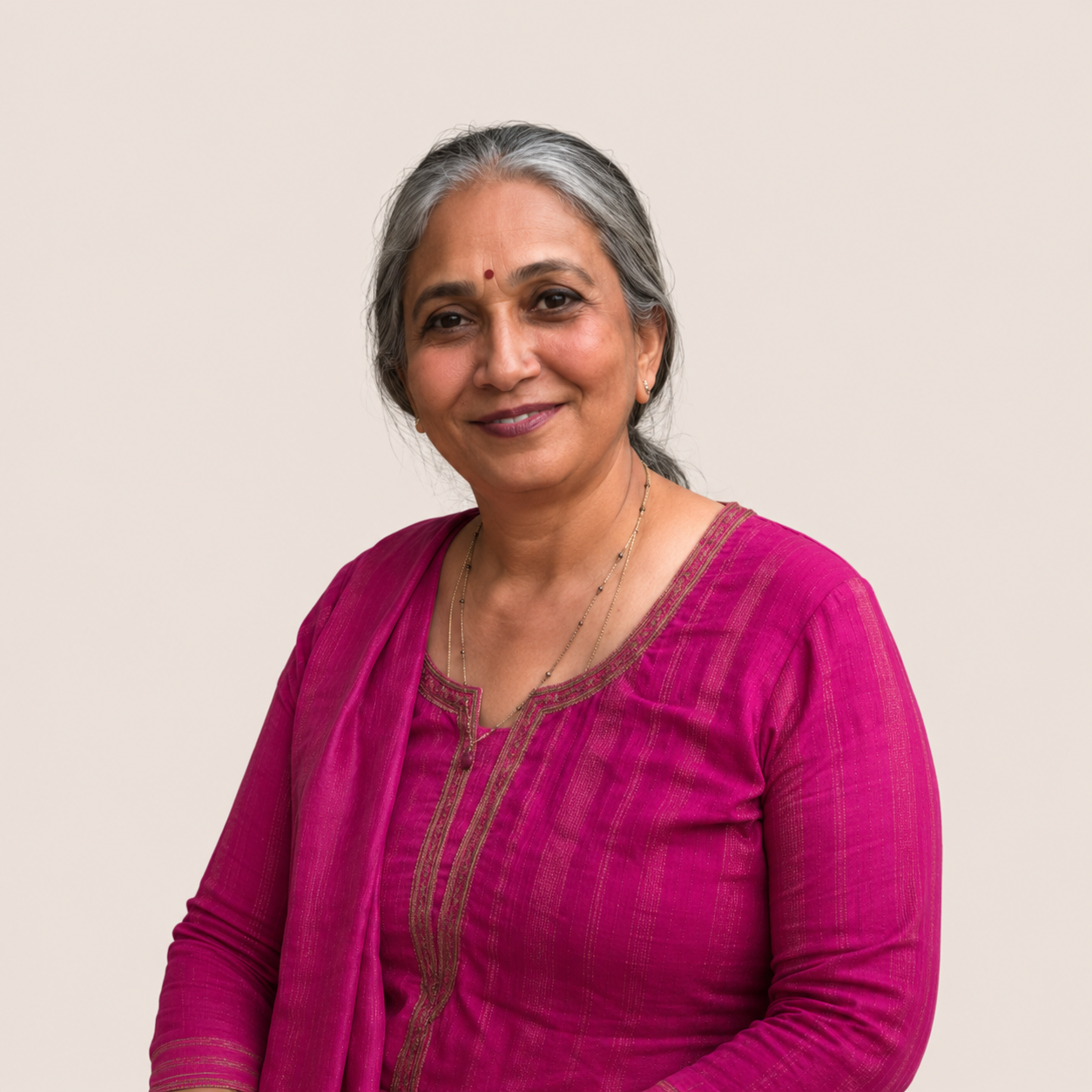
Founder, Dr. Nitin Nyati
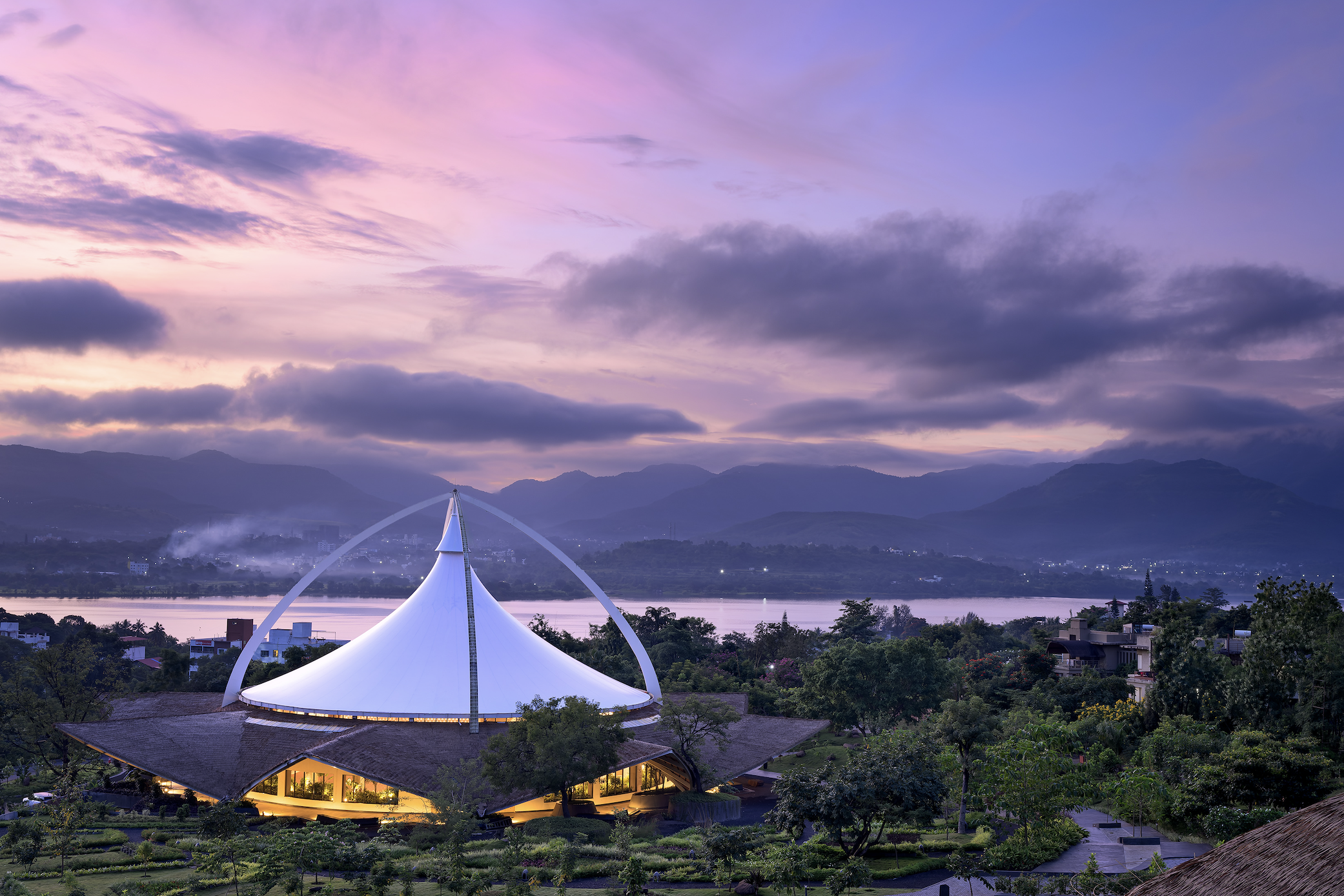
Set across 51 acres in Peacock Valley, overlooking Khadakwasla Lake and bordered by roughly 7,000 acres of Sahyadri forest, Swastik opened in November 2024. It was founded by Dr. Nitin Nyati, who set out to give back in a way that produced lasting change rather than a temporary lift. The result sits within what the sanctuary calls regenerative wellness, a category that joins traditional Indian healing with modern diagnostics and technology.

The Welcome
Guests here are called Seekers, and the arrival makes sense of the word. Before you reach your room, you are invited to stand inside a bowl and ring a bell suspended above your head, a ritual meant to align your energy with the space. An akshat and tilak follow, then a sprinkling of holy water and a small charm tied around the wrist against the evil eye. It could feel theatrical elsewhere. Here it reads as sincere, a first signal that even the simplest gesture has been given meaning.

The Guhas
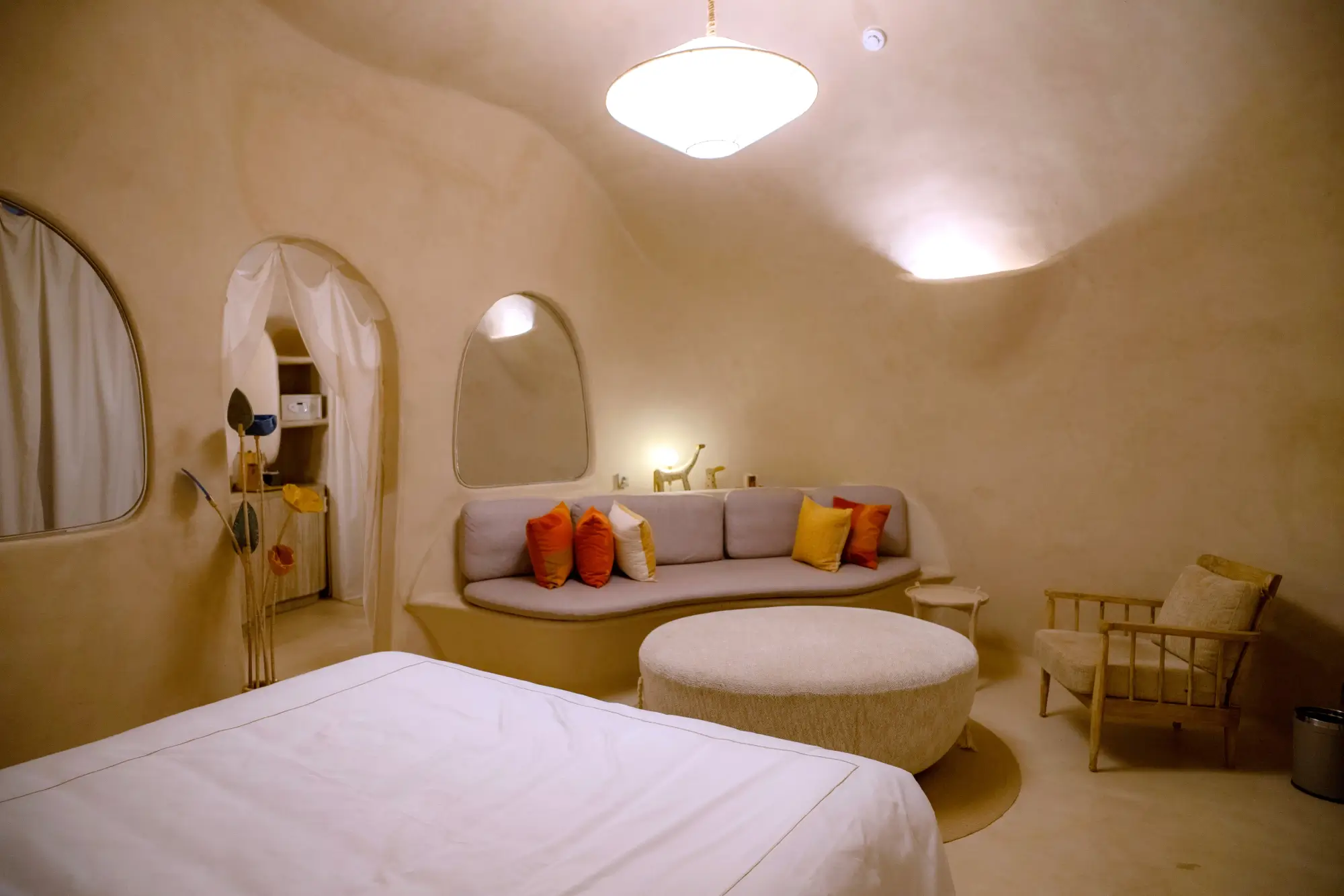
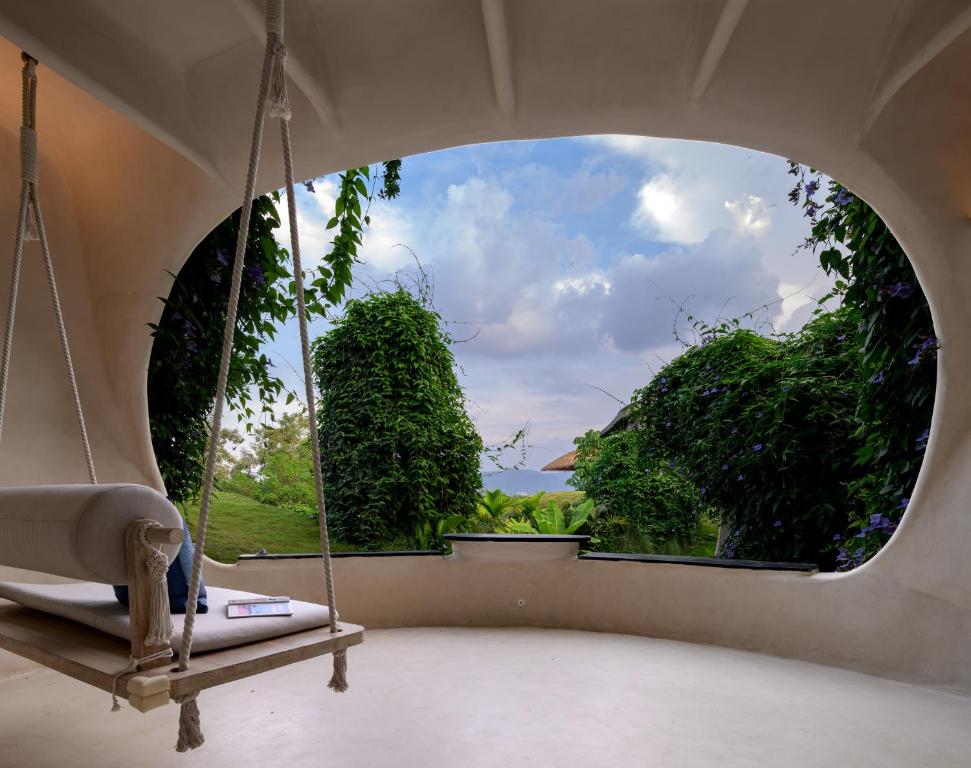
The private suites are called Guhas, and they take their shape from the womb. Walls curve, ceilings drop low in places, lighting is indirect, and there is not a hard edge in sight. The intent is the warmth and security of being held, and it works. Stone, timber and natural plaster in the tones of the Sahyadri hills let the structures settle into the landscape rather than stand apart from it, while reclaimed wood and breathable materials keep the palette honest. Ornament is kept to a minimum. The weight of each space comes from its form and material, not decoration applied afterward.
Then there is the view: lake, hills, mature trees and a steady traffic of birds. Several guests will tell you that simply sitting and looking out of their Guha became the most effective therapy of the stay.


The Therapies
The journey begins with Nadi Parikshan, pulse diagnosis, and a modern health check, from which a physician builds a personalised Ayurveda and naturopathy protocol. On our visit, Dr. Jagdish assessed and curated everything, and at no point did it feel like a pre-packaged spa menu.
The days that followed read like a study in sequencing. A head, shoulder and neck massage on the first afternoon. The Tuck-In Ritual at bedtime, with feet and legs massaged and lavender oil dabbed at the temples and wrists. On the second day, the Sound Bath at Sonorium, a room acoustically tuned around instruments built by SVARAM, where the vibrations quieten the mind almost without effort. Then Halo Therapy in the Salt Cave, built from halite with Salt Cave Asia, followed by a Potli massage that delivered one of the most restful nights of sleep imaginable. The standout was the Abhyanga massage followed by the hot sauna, deeply rejuvenating in the way only well-executed Ayurveda is.
For those staying longer, Swastik offers an authentic Panchakarma programme over 14 to 21 nights, alongside dedicated tracks for stress and emotional balance, digital detox, sleep optimisation, gut balance, weight management, women’s health, fertility wellness and a Babymoon Bliss programme. Physicians track progress daily and follow up after departure.


The Mind and the Soul
What separates Swastik from a purely physical retreat is how much of the programme is addressed inward. The Dhyana Shudhi ritual guides guests to connect with the Pancha Bhootas, the five elements. Cyclic meditation, Om meditation and a Vedanta session on the power of thought add another dimension entirely. Most of it takes place in the architectural centrepiece, Dhyan Vihar, an 11,000 sq. ft. column-free dome with immersive acoustics, designed to hold silence rather than gatherings. Nearby, the Nakshatra Van, a Zodiac garden laid out by Vedic astrological positioning, winds along an irregular path rather than the straight lines of a conventional landscape.
Crucially, none of it is imposed. Spirituality arrives as a series of gentle invitations to look inward, and you are free to accept or decline.

The Food
Wellness retreat food has a reputation for austerity. Swastik’s kitchen quietly ignores it. Every meal follows sattvic, vegetarian principles, tailored to each guest’s programme, built on seasonal, unrefined ingredients and prepared to preserve flavour and nutrients. Portions are measured, but plates are anything but spartan: colour, aroma, texture and presentation work together so that each meal engages every sense. Mindfulness is built into the ritual too, with a moment of gratitude before eating, including a Sanskrit prayer that frames food as something received with thanks to everyone who brought it to the table. The all-day dining restaurant, Rasa & Sama, sits within Anand Vihar, the welcoming hub.

The People
A retreat is only as good as the people who run it, and this is where Swastik pulls decisively ahead. The warmth of the staff is the kind that cannot be trained into someone: humble, unhurried and never rehearsed. The therapists, Shala, Seema and Shradha, followed Dr. Jagdish’s protocols with real care. Pradyumnan at Rasa made every meal more pleasant, and Vishal at the front office had a ready smile whenever you passed. Small interactions matter enormously when you are away from home, and here they are the quiet backbone of the experience.


A Considered Footprint
The design logic extends to the environment. Swastik holds IGBC certification, draws close to 70 percent of its power from solar sources and operates zero-waste, with organic waste composting machines keeping landfill contributions at nil. It is visible in the choice of local, durable materials over anything short-lived or synthetic.
Getting There
Swastik is a short drive from Pune, with Pune International Airport the nearest airport and Shivajinagar the closest railway station. Khadakwasla Dam and backwaters, Sinhagad Fort, Panchet Dam, Shaniwar Wada and the Dagadusheth Halwai Ganpati Temple are all within easy reach, though it is entirely possible you will not want to leave the property.


The Verdict
Everything at Swastik answers the same question: how does a person feel held? The Guhas hold you physically. The greenery soothes you, the lake quietens you, the therapies relax you, the food nourishes you, meditation centres you and the people make you feel cared for. It is a coherent, unhurried, sincere piece of hospitality, and it asks only that you arrive willing to slow down.
Go for the Ayurveda. Stay for the silence. Leave understanding why they call guests Seekers.
Follow Best List India for the stays, experiences, and destinations worth planning your life around.