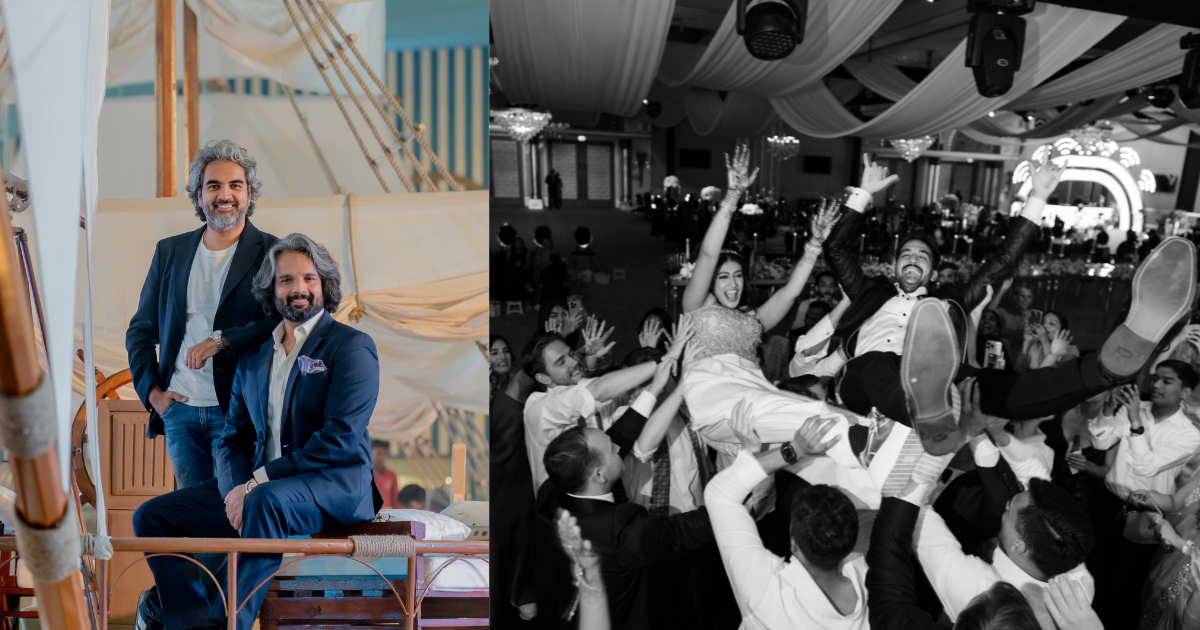
There is a particular kind of authority that comes from having learned to watch before you ever learned to shoot. For Badal Raja Company, founded in 2002 but rooted in a childhood spent on broadcast and documentary sets alongside BBC, NDTV, CNN and Doordarshan, that instinct has defined more than a thousand weddings across 25 countries, for families ranging from the Hindujas and the Mittals to Udaipur’s Shree Arvind Singh Ji Mewar. We sat down to talk about the discipline of observation, the technology that changed what was possible, and the single frame that two decades of work has been quietly reaching toward.

Badal Raja Company was founded in 2002, but the real origin story begins much earlier, two brothers, a filmmaker father, and early years spent on broadcast and documentary sets alongside BBC, NDTV, CNN and Doordarshan. What did growing up inside that world teach you about how to look at a moment before you ever pointed a camera at a wedding?
There is an art to storytelling that can be learnt through discipline, observation and the importance of finding the truth in a story. My father was a filmmaker, so I grew up around sets. I was assisting crews by the time I was twelve, learning to watch before I learned to shoot.
When I entered Indian wedding photography in 2002, weddings were largely about posed portraits and ceremonial coverage. However over the years, I began to understand that a wedding holds much more than the rituals. It holds the history of a family, the relationships between people, the things left unsaid, and the small, unplanned moments that reveal who they really are.
A wedding is not only a celebration of two people coming together. It is also a meeting of families, generations, memories and emotions. The most meaningful moments are often not the grand ones, but the quiet ones hidden in plain sight, a parent watching their child, a friend trying not to cry, a couple finding a moment of stillness in the middle of the chaos.
Two decades of storytelling have taught me that our role is not to manufacture emotion, but to observe it when it appears. The camera has to capture it with patience and sensitivity, this moment cannot be rushed. It has to understand and hold the culture, the people and the feeling behind the ceremony.
Ultimately, a wedding film should not just show what happened. It should remind people of what it felt like to experience it in real life and take them back to that moment.
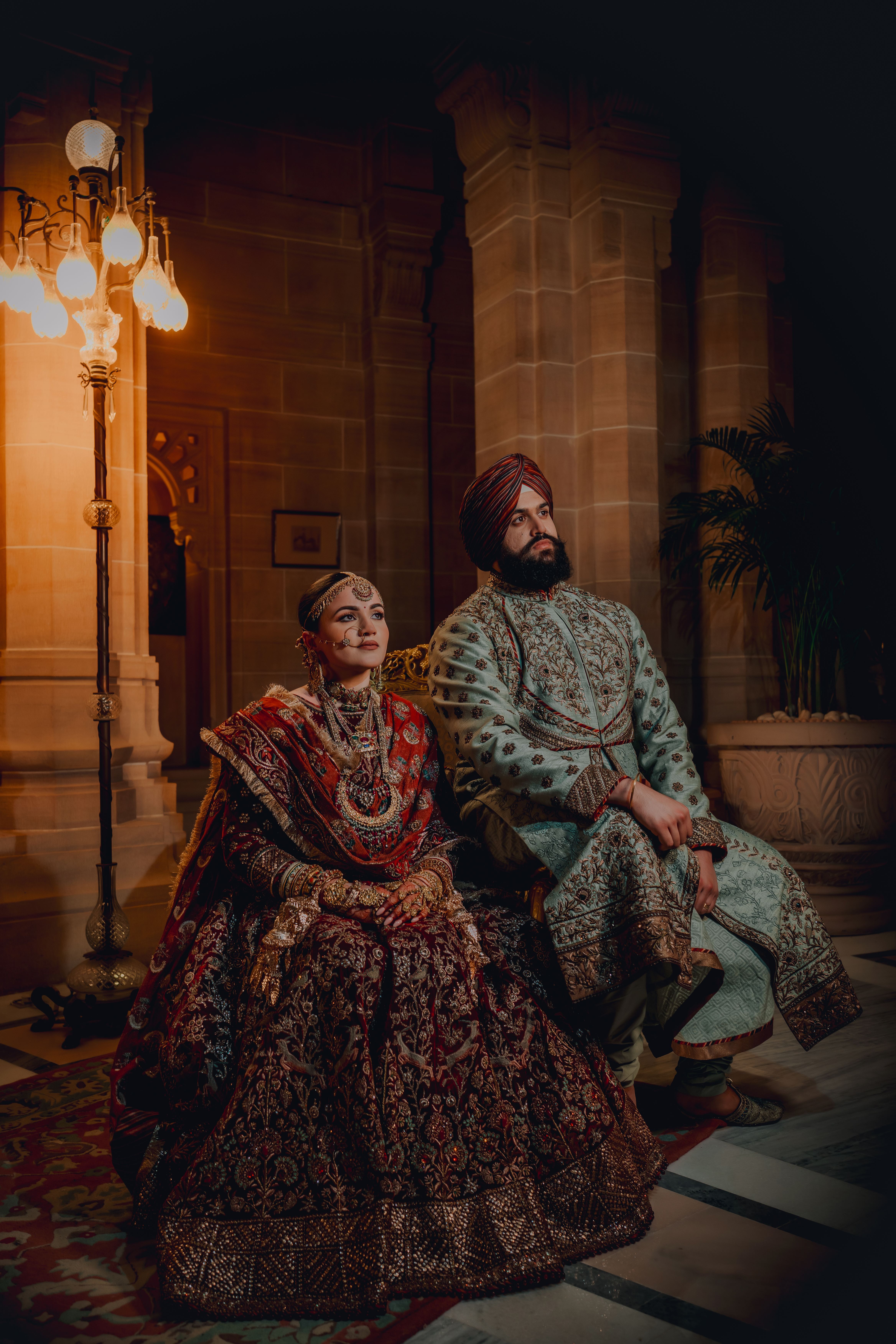
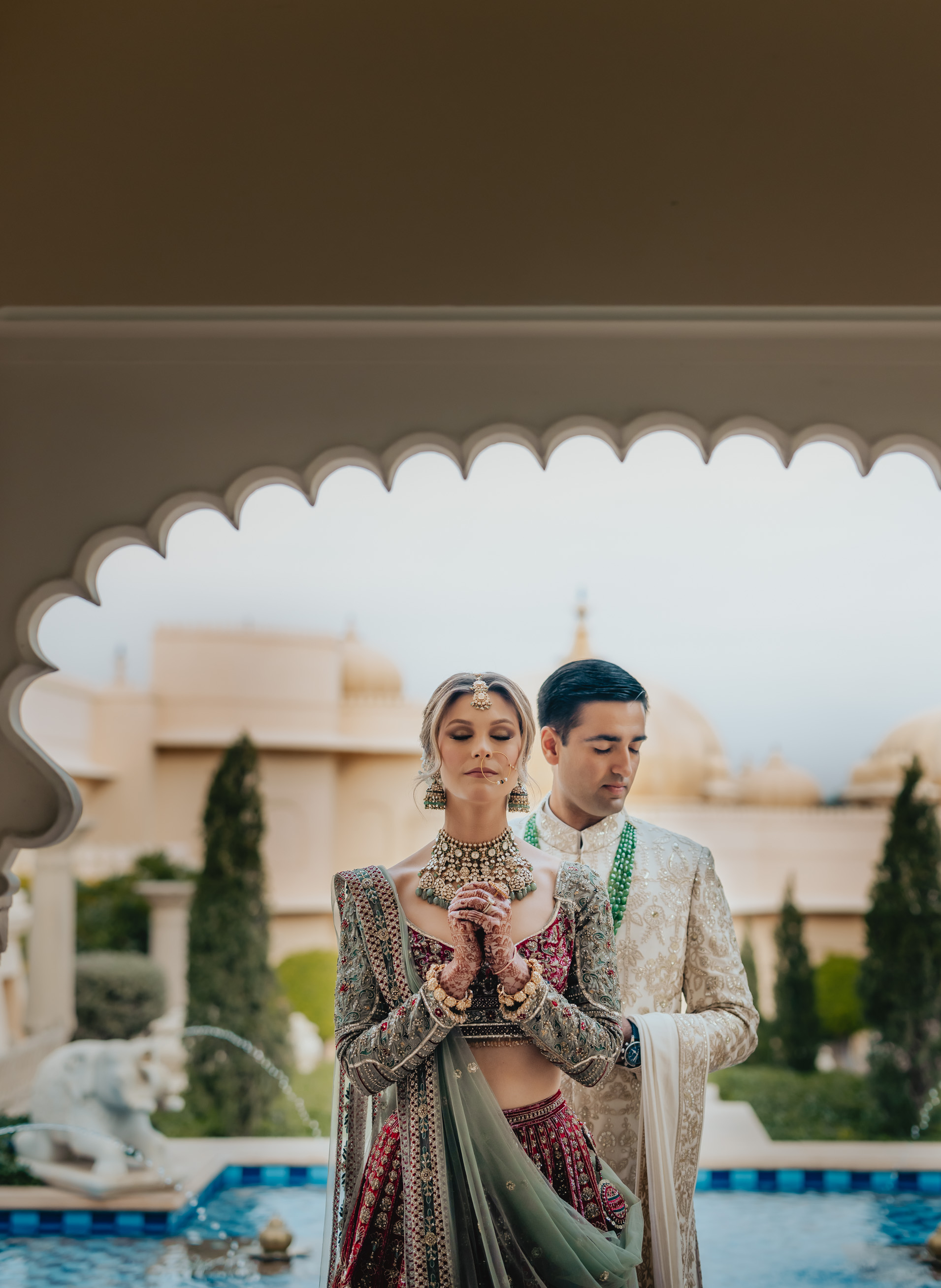
In 2002, Indian wedding photography was largely posed portraits and conventional ceremonial documentation. You brought a documentary sensibility into that space, emotion, atmosphere, authenticity, story. What was the reception like from families and planners who had never been offered that before, and how did you convince them that candid was not a compromise but an elevation?
The idea of doing unconventional films and photography and introducing that style to our clients was quite a task. Initially, we didn’t even have much of a showreel to showcase. What we did have was an enormous amount of enthusiasm for shooting weddings and, most importantly, the faith of one key person, Meher Sarid Madam. She was the one who actually got us into wedding films and photography. In October 2002, she gave us the opportunity to shoot the weddings of the children of Mr. Ponty Chadha, owner of Wave Cinemas. We ended up doing two back-to-back weddings for the family within ten days.
It wasn’t easy. It was quite a difficult task to convince the family about what we were going to shoot, how we were going to shoot it and, ultimately, what we were going to present to them. We were approaching weddings from a very different filmmaking perspective.
In 2005, you were among the first in India to use Sony CineAlta cameras for wedding filmmaking, introducing a cinematic visual language to a category still dominated by traditional video. What did that technology make possible that changed the kind of stories you could tell?
We came from a television background, where we had been shooting documentaries, corporate films and advertising films using broadcast-series cameras. When we entered the wedding industry, we wanted to bring that same level of technology into wedding filmmaking.
We did not want to use the old-style VHS cameras or small digital cameras that were commonly being used to shoot weddings at the time. We always wanted to use broadcast-series cameras so that we could offer our clients the best technology and the best possible quality available at that time.
Technology, of course, helps you create something beautiful when you have the vision and the idea behind it. I still believe that today. Any wedding can be shot better if you have the right gear. The right gear matters a lot, apart from, of course, being at the right moment.
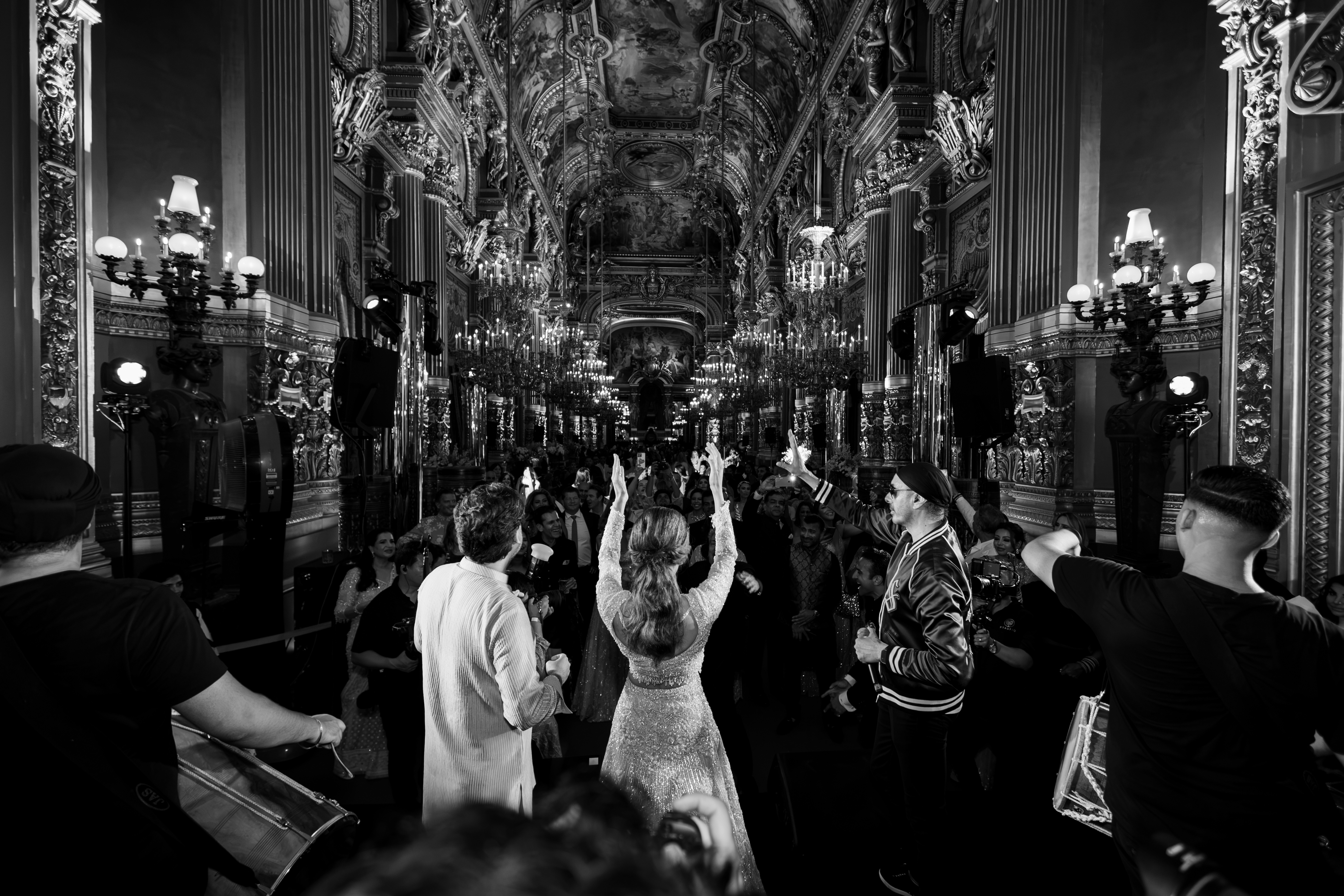
Over 600 weddings. More than 25 countries. Families like the Hindujas, the Mittals, Esha Deol, and Shree Arvind Singh Ji Mewar of Udaipur. Each of those commissions carries a different emotional world, a different idea of what a celebration should feel and look like. How do you walk into a brief of that scale and cultural weight and find where your eye belongs?
We’ve shot over a thousand weddings till now, and all of these HNI families, artists and royalty have a different approach to and emotional value for the weddings they celebrate. But when it comes to capturing emotions, the language is ultimately the same. Everybody wants to see how they were feeling during that wedding, how excited they were, what the father of the bride was going through emotionally, or the little moments that defined the celebration.
A bride may want to see those emotions 25 or 30 years down the line. The next generation may want to see how their parents’ wedding happened and how things have evolved since then.
Everybody wants to see the best side of their emotions coming through, and they want us to capture those moments for them.
You’ve described the most powerful wedding imagery as coming from real human moments, a glance, a nervous smile, an embrace, a quiet pause before a ceremony. After more than two decades and 600+ weddings, what is the quality of attention you bring to a room that allows you to be there for those moments before anyone else even notices them?
I think that comes from experience.
Before doing weddings, we were into news, and in news, everything comes down to presence of mind and speed. The perfect synchronisation of the two allows you to handle a situation easily, move quickly and capture the right moment at the right time.
It is all about being at the right place at the right moment and being ready to capture it. That is something we had been practising long before we entered weddings, and it was something our father taught us. So, in that sense, all credit goes to our father.
Your work has extended beyond weddings into fashion shoots and corporate filmmaking, assignments with Rohit Bal, Manav Gangwani, and others. What does the fashion world ask of your eye that weddings don’t, and what does it give back to the way you see a celebration?
Fashion, corporate filmmaking, and different assignments gave us that extra joy of doing what we love, capturing what we love. Of course, the rhythm of these assignments is completely different from weddings. There are retakes, there are things you can manipulate and recreate, which you simply cannot do at a wedding.
So fashion, corporate and all of these assignments are a different ball game. But they give us a different kind of happiness in capturing moments and telling stories. It is something we had always practised, even much before weddings, so we continue to love doing that as well.
You have been featured in Vogue Weddings, Forbes India and The Wall Street Journal, three publications with very different ideas of what makes a story worth telling. What does each of those recognitions mean to the work, and which one surprised you most?
Being featured in Vogue Weddings, Forbes India and The Wall Street Journal is, of course, a privilege. You feel fortunate to have built a profession that allows you to be part of such incredible stories.
But what surprised us the most was probably the wedding of Mr. Vikram Chatwal from the U.S. in 2005. It was one of the most talked-about weddings at the time, with Mr. Bill Clinton also attending, and our pictures, videos and stories were being circulated not just in India but across the world.
That was a very surprising and happy moment for us, to realise that through our work, we were becoming a part of something that was creating history.
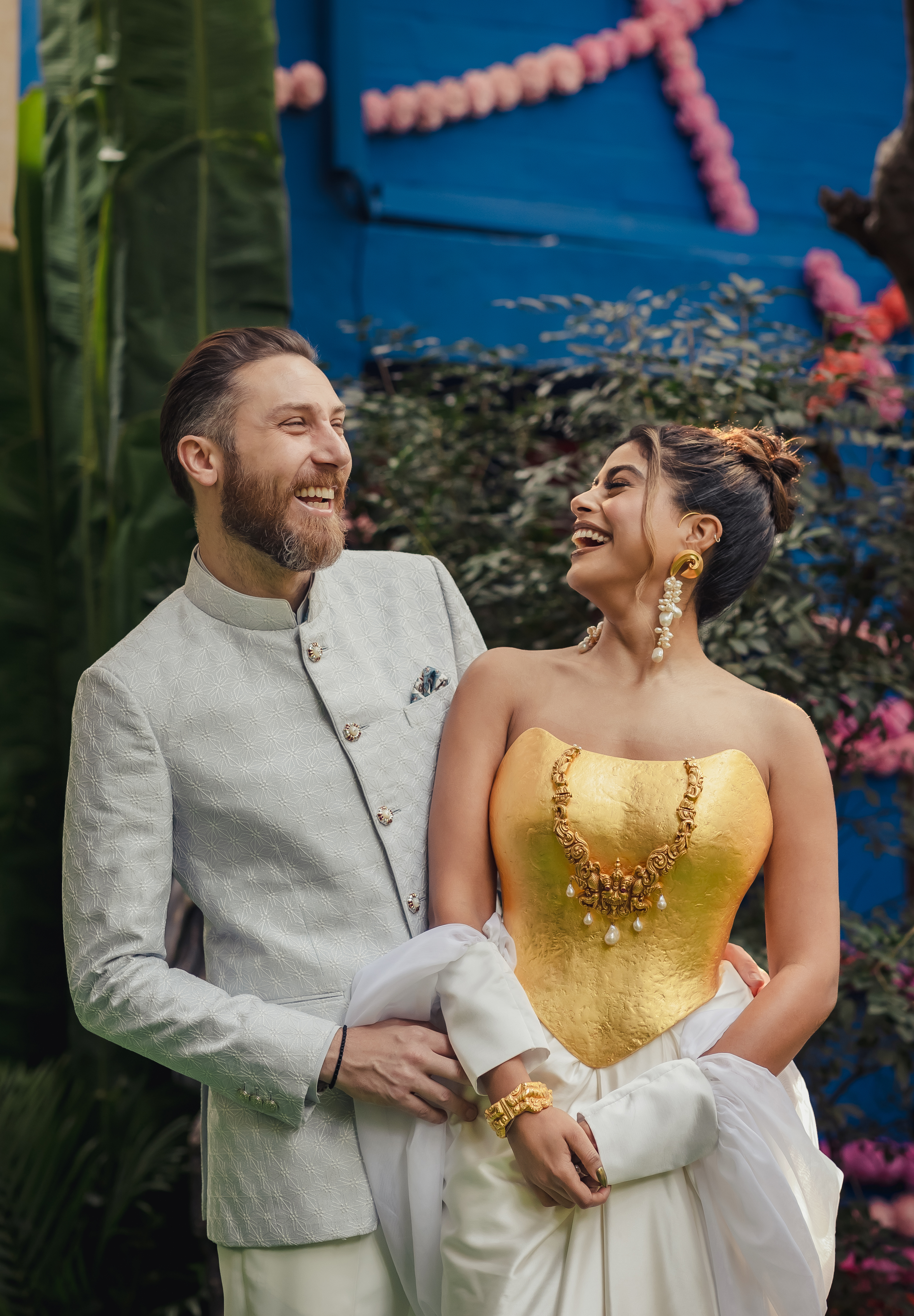
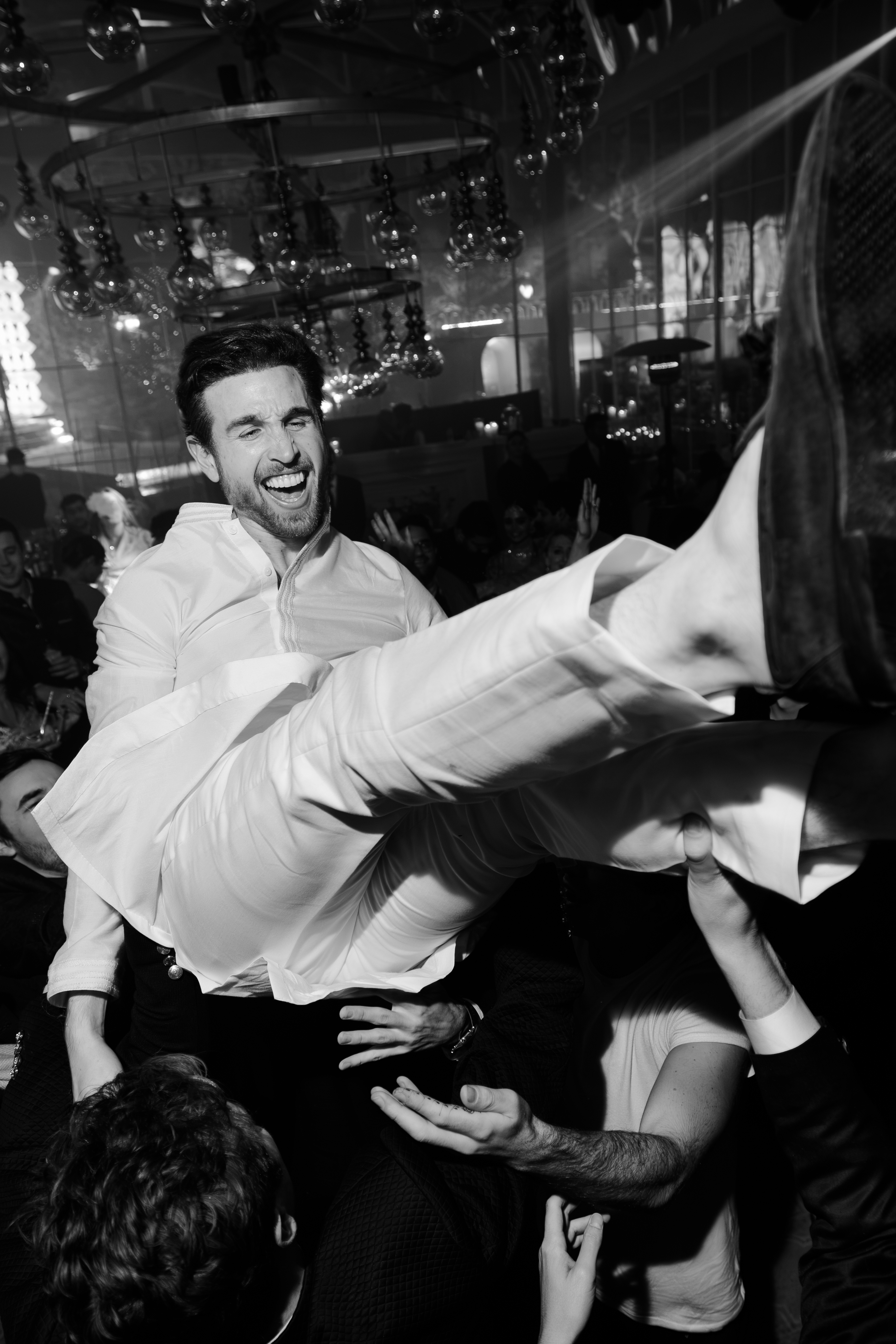
If Badal Raja Company were a single frame, not one you have already made, but the image that most perfectly captures what two decades of this work has been reaching towards, what would be in it?
It would be a frame just after the moment has happened. The tears still in someone’s eyes, a smile that wasn’t meant for the camera but we captured it, hands holding each other a little tighter, everything exactly where it should be.
Because over two decades, this journey has never really been about creating beautiful pictures. It has been about capturing something deeper, the feeling that exists between two people, the fleeting moments that pass in a fraction of a second, and the stories that deserve to outlive the day itself.
That one frame would probably be perfect, but it would also be honest. If 20 or 30 years from now, someone looked at that frame and felt something without even knowing the people in it, I think that would be the frame we have been reaching towards all along.
What is coming next for Badal Raja Company and what does the visual language of Indian wedding filmmaking look like when you have finished helping define it?
What comes next for Badal Raja Company is not simply about making bigger films, more extravagant weddings, or creating another visual trend. It is about leaving behind a language.
For me, the future of Indian wedding filmmaking is about moving beyond simply documenting a wedding and towards creating cinema that carries the soul of the people within it. India is incredibly rich in colour, culture, music, family, ritual and emotion. The opportunity is to bring all of that into a visual language that feels unmistakably Indian, yet speaks at a global cinematic level.
So, if we have helped define that language, I hope it is one where the camera doesn’t just witness the celebration, it understands it.
The Frame That Needs No Context:
It is a rare thing, to meet someone who has spent twenty years perfecting the art of stepping back rather than stepping forward, letting a room reveal itself rather than staging it. Badal Raja Company’s real achievement was never the client list, however extraordinary, or the countries covered, however many. It was the quiet insistence that a wedding’s truth lives in its unguarded seconds, and that those seconds, once caught, outlast everything else the day produced. Two decades on, the company is still chasing that one honest frame, the one that needs no context, no names, no explanation, only a feeling that lands. If that is the language Badal Raja Company leaves behind for Indian wedding filmmaking, it will have been worth the wait.
Follow Best List India for the culture, conversations, and ideas worth paying attention to.