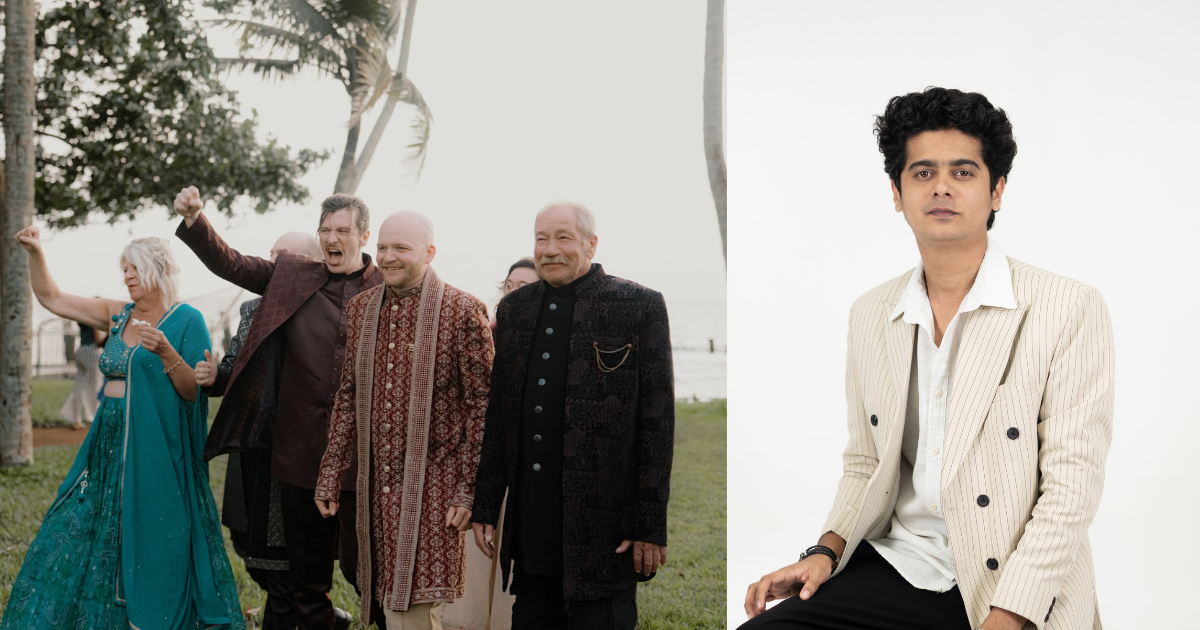
Mangalore is not where the Indian wedding photography conversation has historically happened. The studios that set the visual language of the country’s most watched celebrations have tended to operate out of Mumbai, Delhi, Bengaluru, the cities with the largest markets, the densest networks, the most visible clientele. The photographer building something genuinely distinctive from a coastal Karnataka city, without the institutional advantages of a metro base, without a photographic legacy or an industry network to begin with, is building against the current by definition.
Manazir Mohammed has been building against it since 2021. And the current, it turns out, was not as strong as it appeared.
Wedleaf, the wedding photography and film studio he founded and leads as creative director, has built its reputation the way the most durable reputations always build: one family trusting him, another seeing the photographs and reaching out, and the work speaking with a clarity that no amount of marketing could manufacture. The visual language Wedleaf has developed, cinematic without being staged, deeply personal without being sentimental, rooted in the specific rhythms of South Indian celebration without being confined by them, is the language of a photographer who has thought seriously about what wedding imagery is actually for, and who has answered that question with more rigour than most studios bring to it.
The industry has begun to notice. It was always going to.
Wedleaf launched in 2021 with a clear conviction: wedding photography should feel cinematic and timeless, not conventional. What were you seeing in the industry that made you certain something needed to change?
When we started Wedleaf, I felt wedding photography around us was becoming quite familiar in the way weddings were being documented. I found myself wanting something more personal, images that felt connected to the people rather than just the occasion.
I wanted our photographs to feel more honest. To create photographs that felt less like a record of what happened and more like a memory of how it felt. Cinematic but never overly staged, timeless but still rooted in the people and the culture of the wedding. That is really where Wedleaf began.
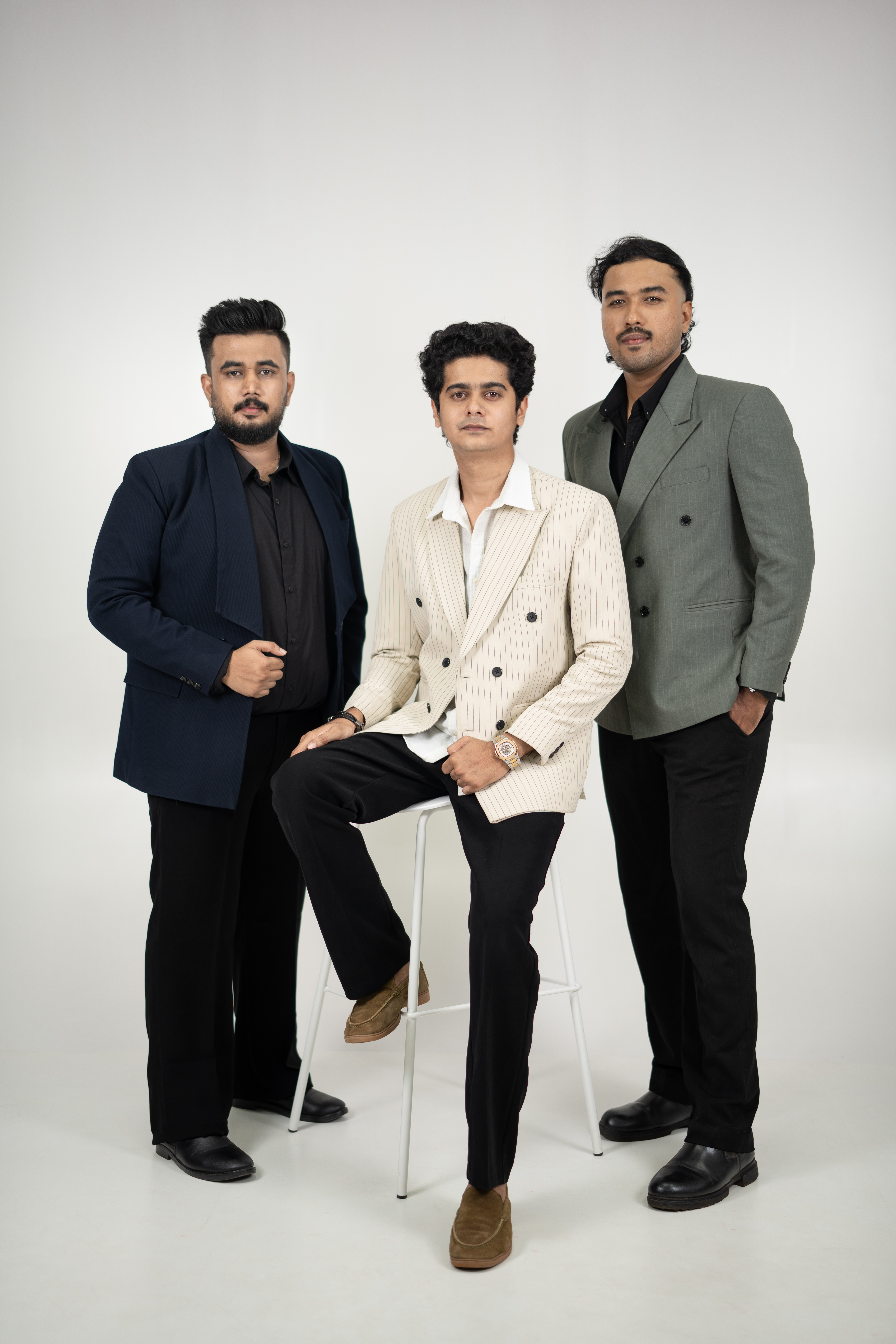
You are the creative director. You build the team, set the vision, and hold the standard from behind the scenes. What does it take to build a team that sees the way you see?
It starts with finding people who are curious and genuinely interested in people, not just photography. Technique can be taught, but observation, emotional sensitivity and storytelling come from a deeper instinct.
I do not expect everyone to see exactly what I see. I want them to understand why we look for certain things, while still bringing their own perspective. For our clients, that means having a team that can notice the little things, the relationships, expressions and moments that might otherwise be missed.
You have worked deeply across Karnataka and Kerala, markets with their own distinct aesthetic and cultural complexity. What has that landscape taught you about what South Indian families truly want from their wedding imagery?
It has taught me that South Indian weddings cannot be reduced to one aesthetic. Every family and tradition has its own rhythm, and that is what makes them so rich.
Families want to preserve the grandeur and traditions, but they also want to see themselves in those photographs, the relationships, humour and quieter moments that make the wedding theirs.
For us, it is about respecting the culture while creating something that feels contemporary and deeply personal to the family.
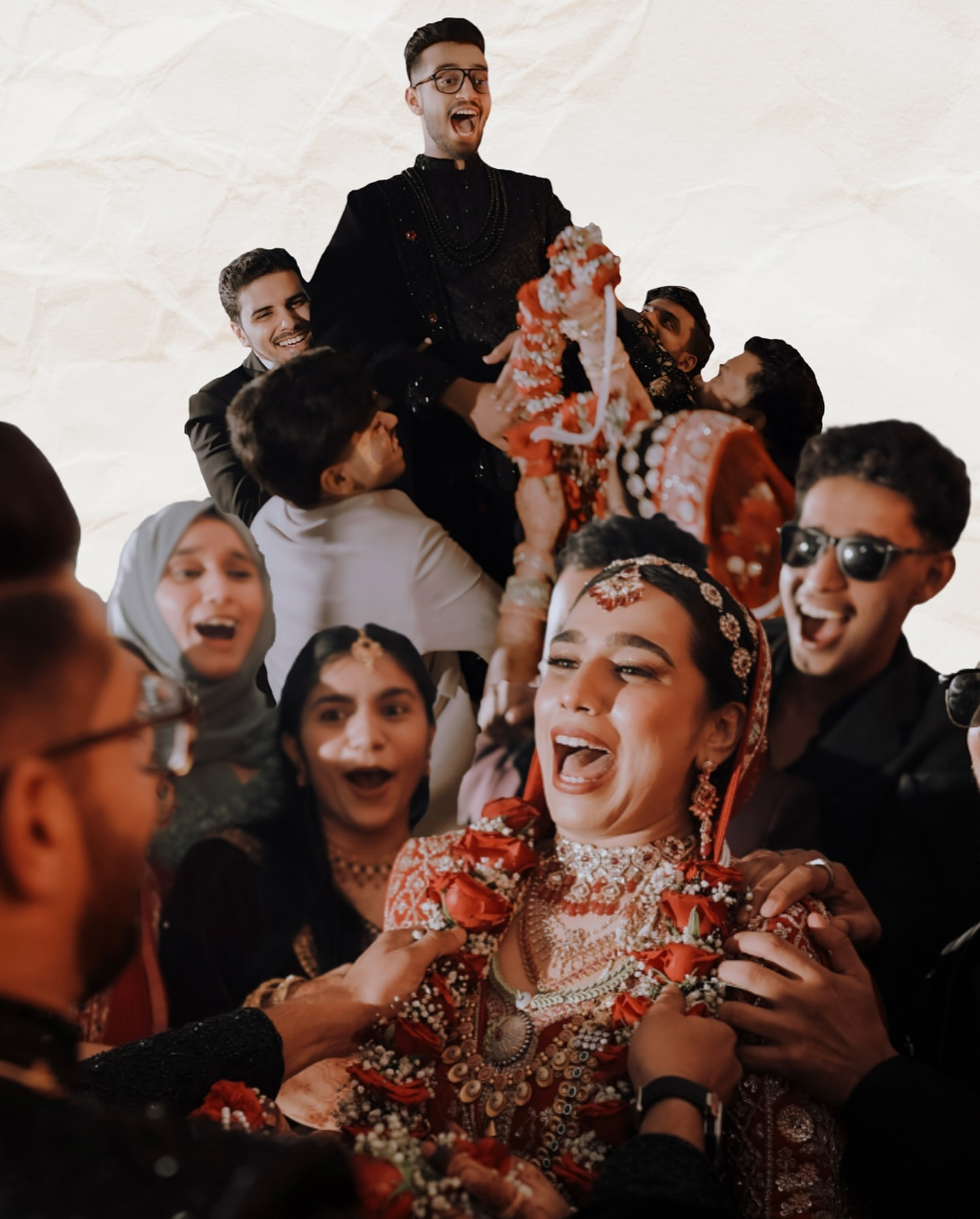
You describe every wedding as having its own story. How do you find that story before you have even arrived, and how does that preparation change what ends up on screen?
We start long before the wedding day. We try to understand the people behind the wedding, their personalities, their relationships, what is important to them and what moments they are particularly looking forward to, along with the preparations they have made.
This gives us an emotional map. Once we are there, we are not simply looking for beautiful frames but also for moments that are uniquely theirs.
It allows us to anticipate stories rather than simply react to them.
How did Wedleaf earn its reputation in Mangalore, and what was the assignment that first made you feel the brand had genuinely arrived?
Mangalore gave us the opportunity to build our identity from the ground up, and much of our growth came through word of mouth. One family trusted us, another saw their photographs and reached out. Over time, people began approaching us specifically because they connected with the way we saw weddings.
That is when I knew Wedleaf had become more than a photography service. It had become a way of seeing.
There is something particular about building in Mangalore. The city has its own discernment, its own cultural intelligence, its own understanding of what a wedding should look and feel like. Earning the trust of families here, families who know the difference between something technically accomplished and something genuinely felt, is a more rigorous education than any metro market could have provided. Mangalore made Wedleaf better before anyone outside it was paying attention.
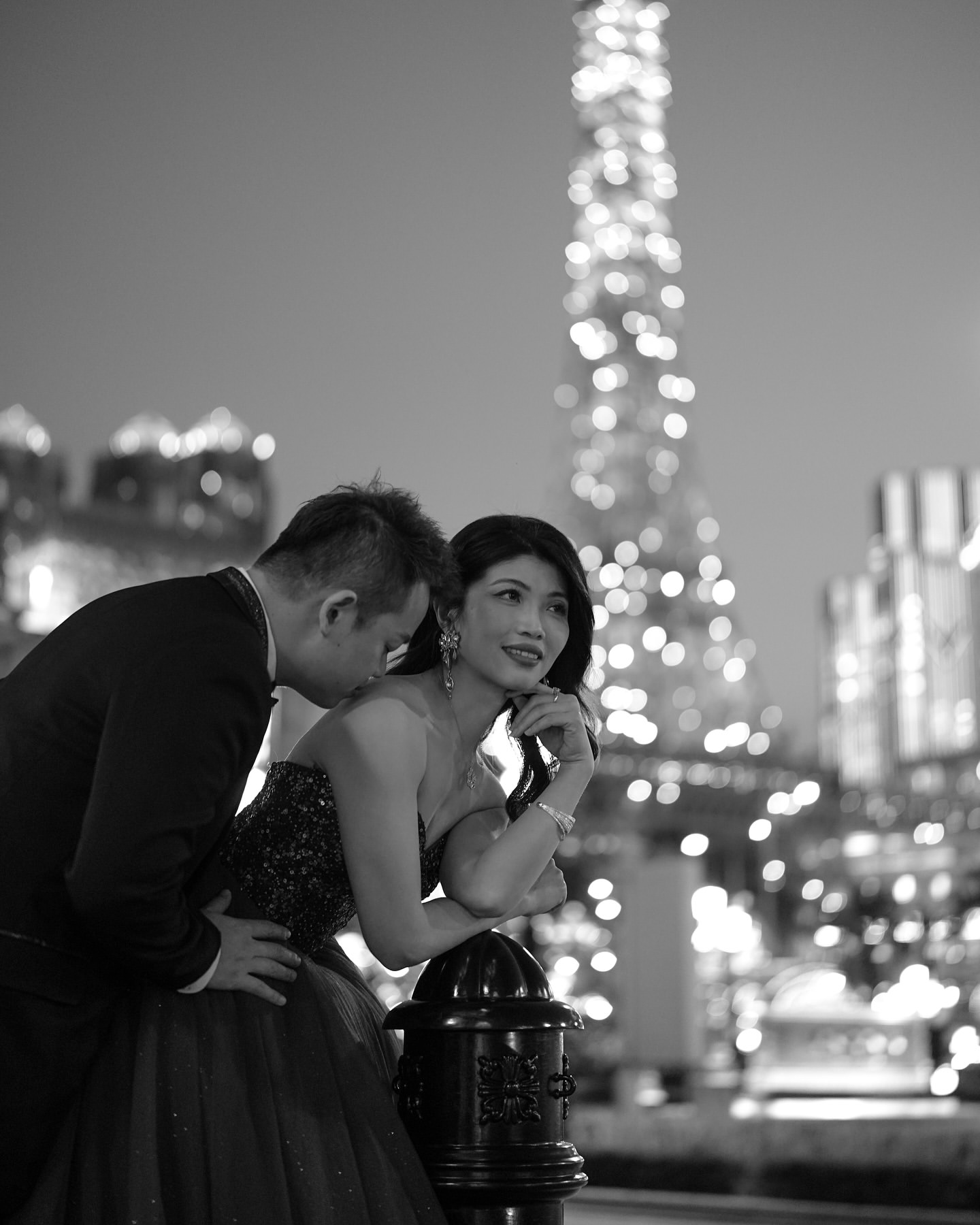
You work across intimate celebrations and grand destination weddings. Which demands more of you creatively and why?
They are demanding in very different ways.
A large wedding is about finding intimacy within scale, those quiet moments amidst hundreds of people and multiple events. An intimate wedding demands even sharper observation because there is less spectacle to rely on.
If I had to choose, I would say intimate celebrations demand slightly more emotionally. When everything is quieter, every moment matters more.
As creative director, you decide what makes the final cut and what does not. What is the editorial instinct that guides those choices?
For me, it is less about whether this is a beautiful photograph and more about whether this photograph tells me something, whether this frame manages to capture the essence.
I look for atmosphere, emotion, context and movement. Sometimes an imperfect frame can hold more feeling than a technically perfect one.
The final gallery should feel like a film, with quiet moments, intensity, details, people and spaces. Every photograph should add something to the story and elevate the feeling.
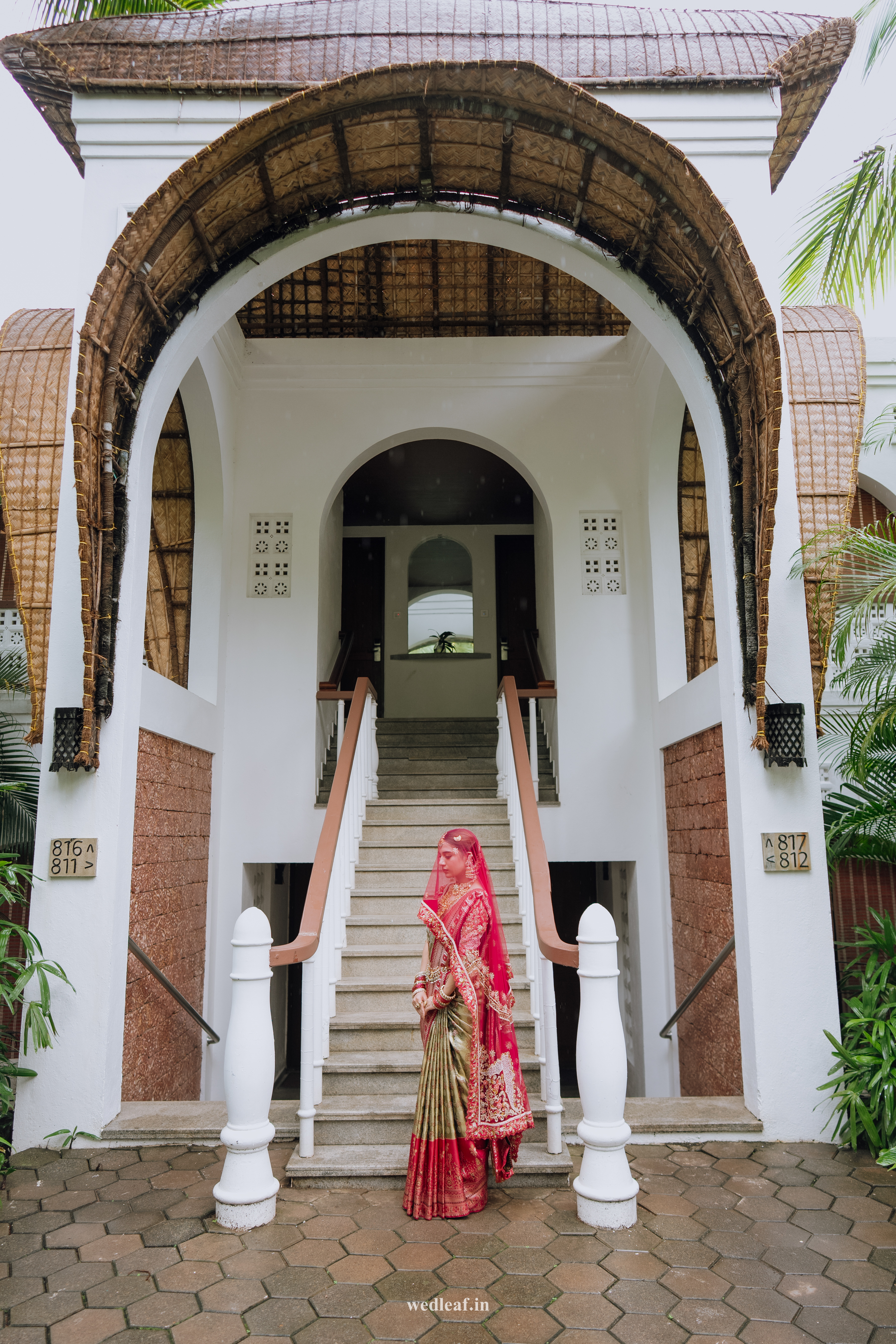
If Wedleaf were a quality of light, not a setting but the feeling that defines the brand’s visual world, what would it be?
The last light of the day.
Soft, warm, directional, and slightly nostalgic, but never dramatic. There is something fleeting about that light. It makes you feel that the moment will not exist quite the same way again. That is what we want our photographs to hold: the feeling of being there, preserved in a timeless way.
South Indian couples are increasingly asking for something personal and narrative-driven rather than polished and predictable. Where is Wedleaf leading that conversation?
I think couples today want to recognise themselves in their photographs. They want the traditions and beauty of the wedding, but also the people, emotions and little moments that made it theirs.
That is what we care about at Wedleaf. The goal is not to make every wedding look like Wedleaf, but to make every wedding look like itself, through the Wedleaf lens.
What is coming next for Wedleaf, and what does the brand look like when it has fully become what you set out to build?
I do not think the goal is simply to become bigger. I would rather see Wedleaf become more distinctive while continuing to grow creatively.
We want to work across new destinations, build a team that shares our philosophy and keep evolving without losing what makes us feel like us.
Ultimately, if a couple can look at their photographs years later and feel the people, atmosphere and emotion of that day all over again, I think we will have built what we set out to create.
There is a quality of ambition that does not announce itself, that operates through the work rather than the noise around it, and that builds something durable precisely because it is not in a hurry to be seen. Manazir Mohammed has been building Wedleaf with exactly that quality of ambition, from a city that the industry’s centre of gravity has traditionally underestimated, with a visual philosophy that the industry’s default language has rarely attempted, and with the patience of someone who understood from the beginning that the work, done consistently and done seriously, would eventually speak loud enough to be heard everywhere.
From Mangalore, the conversation has already begun.
Follow Best List India for the culture, conversations, and ideas worth paying attention to.