There is a version of sustainable fashion that asks too much of you. It asks you to forgive the fit, overlook the fabric, accept the beige, and feel virtuous about the sacrifice. It presents ethics and aesthetics as a negotiation — as if caring about how something is made requires you to care less about how it looks. For a long time, this was the implicit contract of conscious dressing, and it kept a great many thoughtful people from engaging with it fully.
That contract has been torn up. And in India, it has been torn up with particular conviction.
The homegrown sustainable fashion movement in 2026 is not a niche corner of the market occupied by well-meaning compromise. It is a genuinely exciting creative space, producing clothes that would earn their place in any wardrobe on aesthetic merit alone — with the provenance story arriving as something closer to a bonus than a justification. The designers and labels working in this space have understood something that the global conversation around sustainable fashion took longer to arrive at: that beauty is not the enemy of responsibility. In many cases, it is the argument for it.
Why India, Why Now
India’s position in this conversation is not incidental. It is structural. The subcontinent has been home to textile traditions — hand-weaving, natural dyeing, craft-based production — that predate the concept of sustainability as a marketing category by several centuries. Block printing in Rajasthan, Chanderi weaving in Madhya Pradesh, Kutchi embroidery in Gujarat: these are not artisanal heritage projects being revived for a trend cycle. They are living practices, embedded in communities and passed through generations, that the best homegrown labels are now building contemporary wardrobes around.
What has changed in the last several years is the design intelligence being applied to these traditions. A younger generation of Indian designers — many trained internationally, most deeply rooted in Indian craft — has moved beyond the ethnically inflected silhouettes that once defined the category. The results are garments that feel entirely current: fluid, global in their wearability, and grounded in a making process that the global fashion industry is still, awkwardly and belatedly, trying to figure out how to replicate.
The Brands Worth Knowing
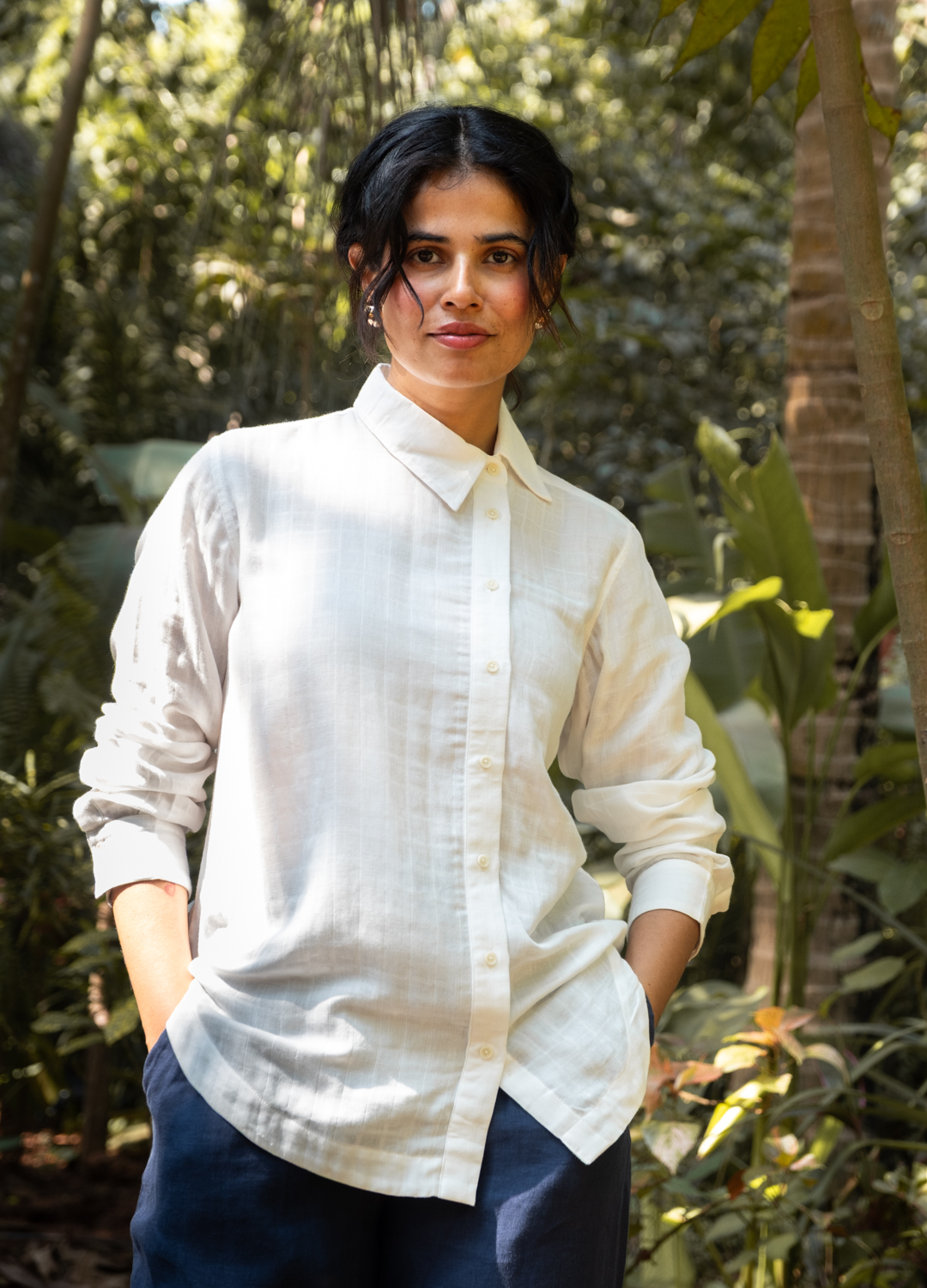
No Nasties – Sunday, The Weekend Edit: Organic Muslin
Crafted from feather-light muslin made from 100% organic cotton, the pieces are soft, breathable, and incredibly gentle on the skin—the kind of fabric you reach for instinctively when the heat rises. Airy and effortless, the collection moves with the body, offering relief from the summer sun while still feeling polished and put together.
Rooted in No Nasties’ planet-friendly philosophy, the edit reflects a thoughtful approach to clothing: organic, mindful production, and zero-waste practices sit at the heart of every item. piece, proving that comfort and conscious fashion can go hand in hand.
For me, muslin represents comfort in its purest form. It’s soft, breathable and perfect for our summers. With this edit, we wanted to create something timeless: classic black and white pieces that are fashionable, easy to wear and consciously made with organic cotton
says, Apurva Kothari, Founder of No Nasties
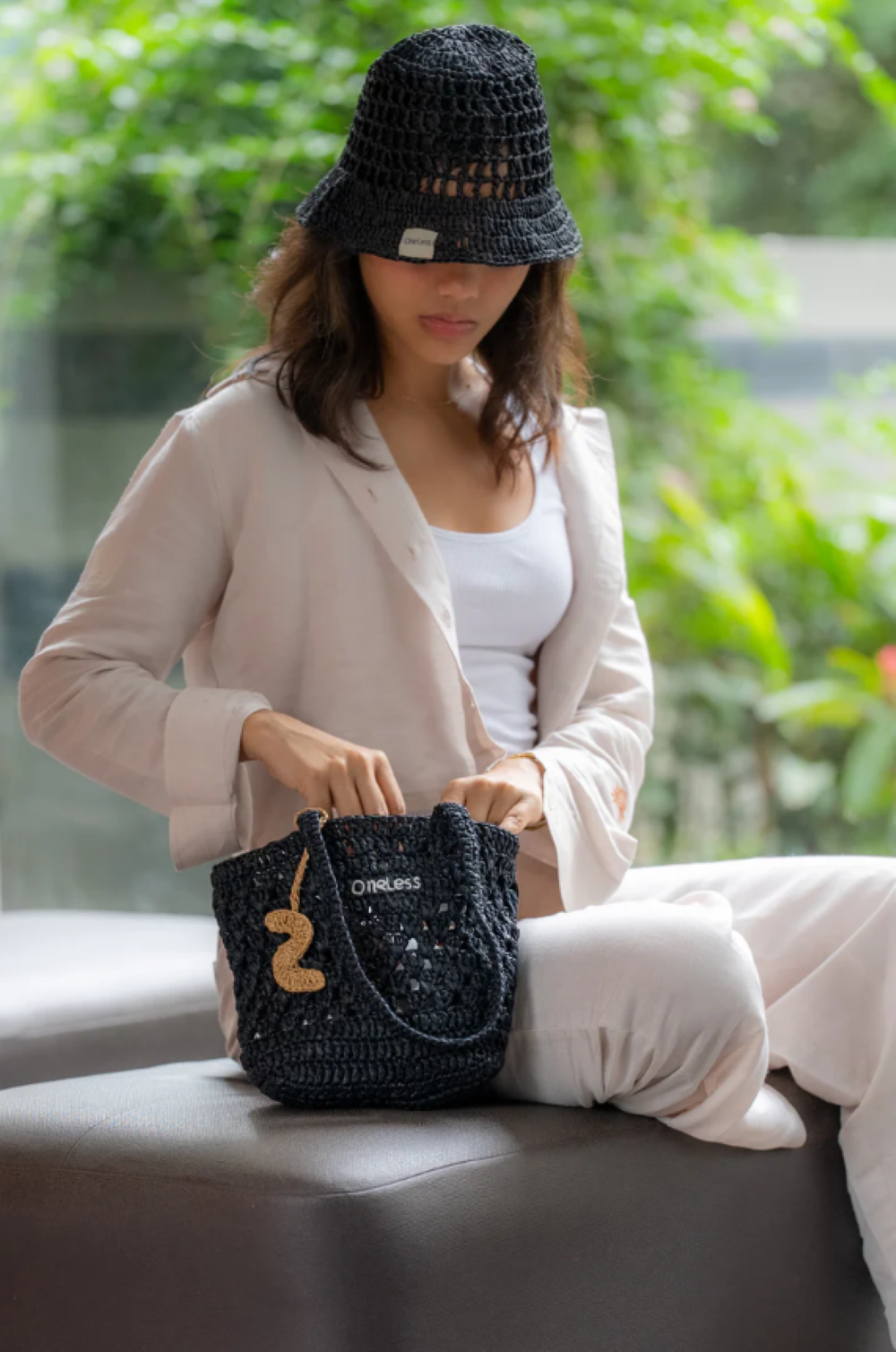
One Less makes sustainability feel effortless with its collection of airy tops, relaxed bottoms, and elevated loungewear and sleepwear designed for everyday comfort. Crafted from low-impact fabrics like organic cotton, bamboo, hemp, and TENCEL™, every piece is soft, breathable, and built to last. Their closed loop dyeing process uses Oeko-Tex certified colours while reducing water waste and chemical impact. With ethical sourcing, fair labour practices, and initiatives like planting a tree for every purchase, One Less proves conscious fashion can be cool, comfy, and truly responsible.
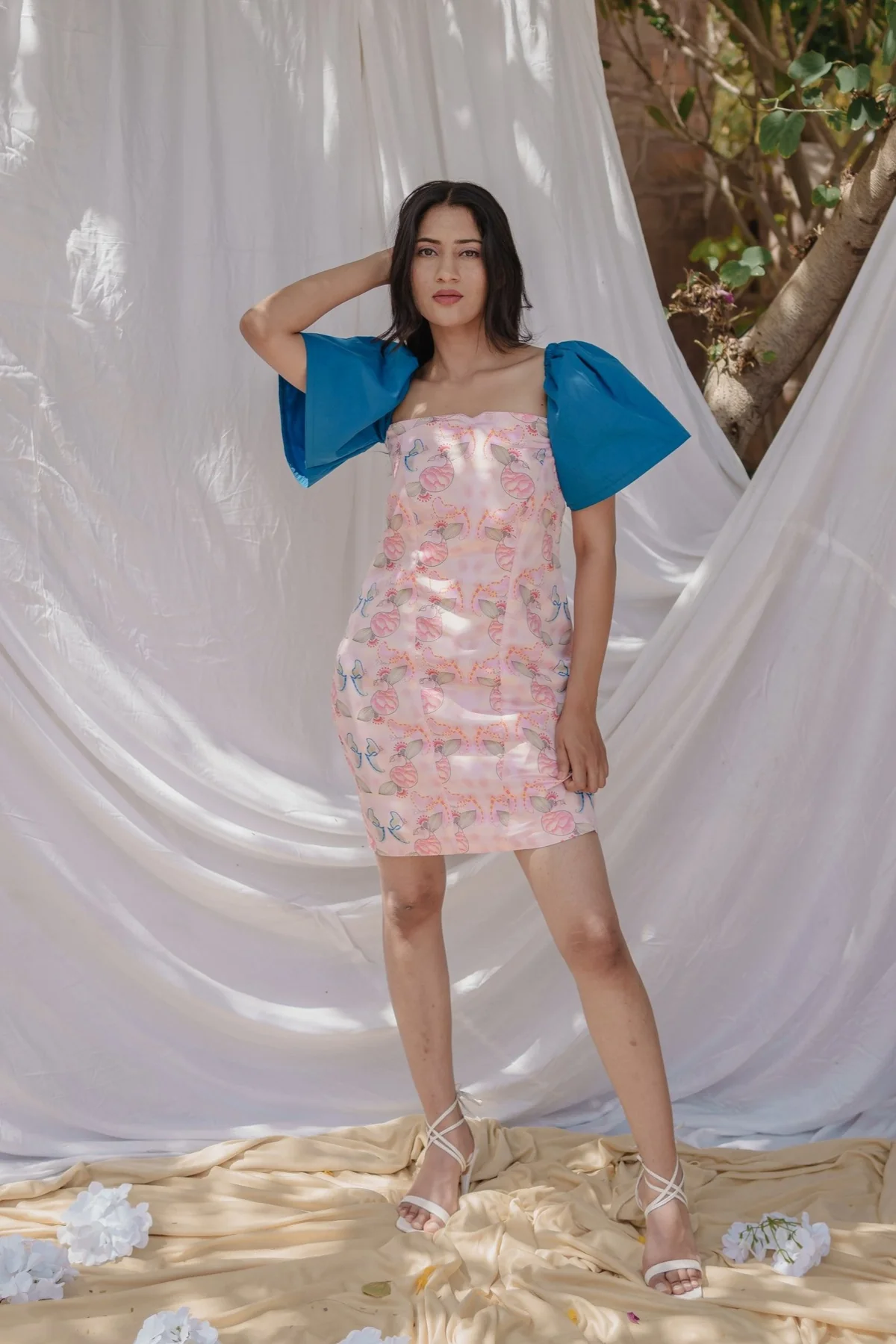
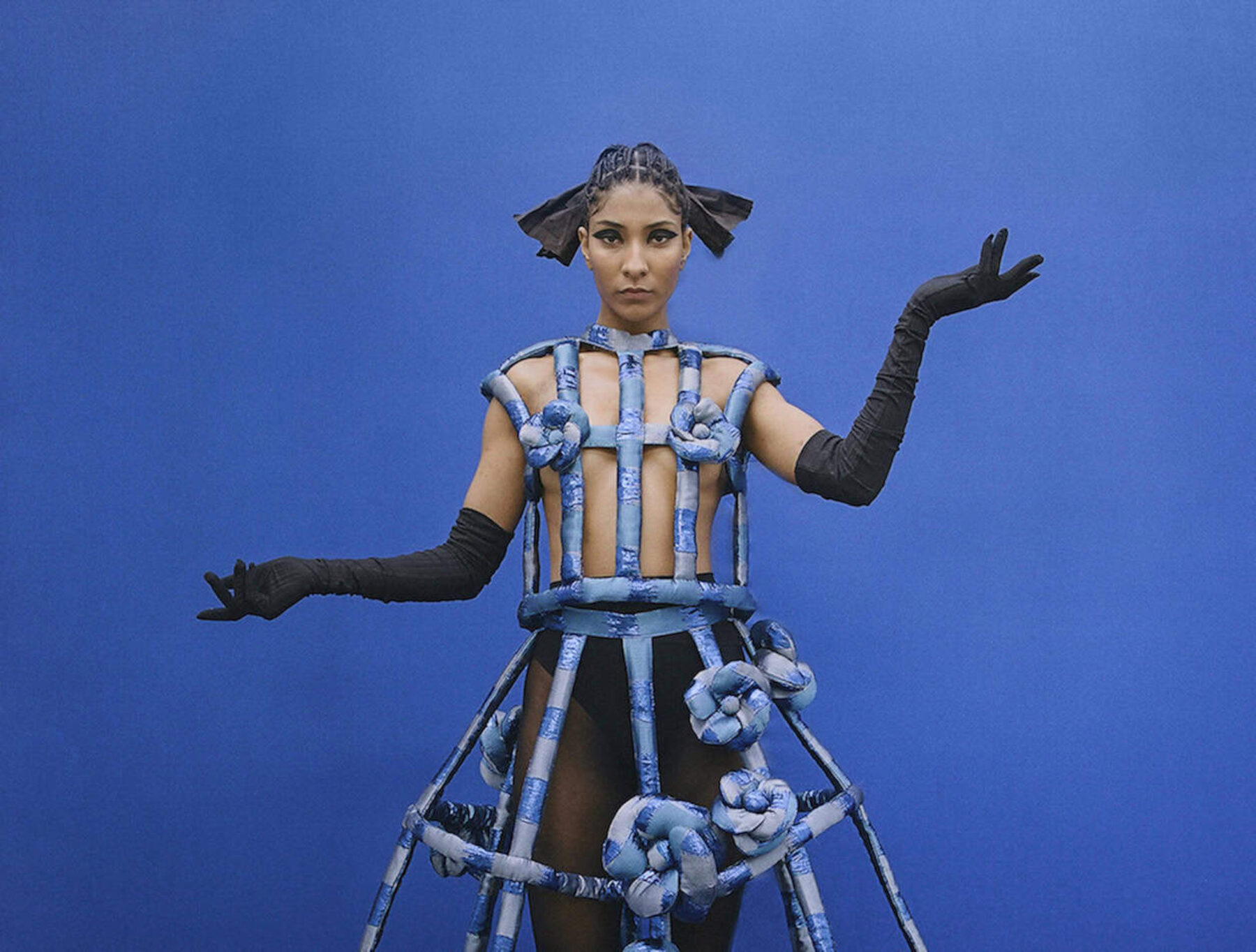
Phutara Vastra is a luxury fusion label reimagining Rajasthan’s rich textile heritage through a modern, conscious lens. Founded by Aishwarya from Jodhpur, the brand blends traditional craftsmanship with contemporary silhouettes for today’s woman. A standout piece, the Gajab Gulabin One Piece, features a sleek bodycon fit with dramatic blue sleeves and a refined neckline detail. Equal parts playful and polished, it embodies the idea that sustainability can be effortlessly chic.

Bungalow Swim was born from a desire to create swimwear that feels elevated, minimal, and made for the modern Indian woman. Designed in India and crafted in Bali from premium Italian and American fabrics, every piece is made to look as good as it feels. With styles that flatter every body type and a mindful focus on sustainable materials, the collection blends comfort, confidence, and eco-consciousness. Perfect for holidays, poolside lounging, or beach getaways, Bungalow Swim celebrates effortless, globe-trotting femininity.

Pero by Aneeth Arora occupies a different register entirely, one of the most genuinely beautiful labels working in India, and one of the most internationally recognised. Hand-crafted, rooted in Indian textile tradition, and designed with a whimsy that never tips into costume, Pero is the answer to anyone who has wondered whether Indian sustainable fashion can operate at the level of the best European artisan labels. It can. It does.
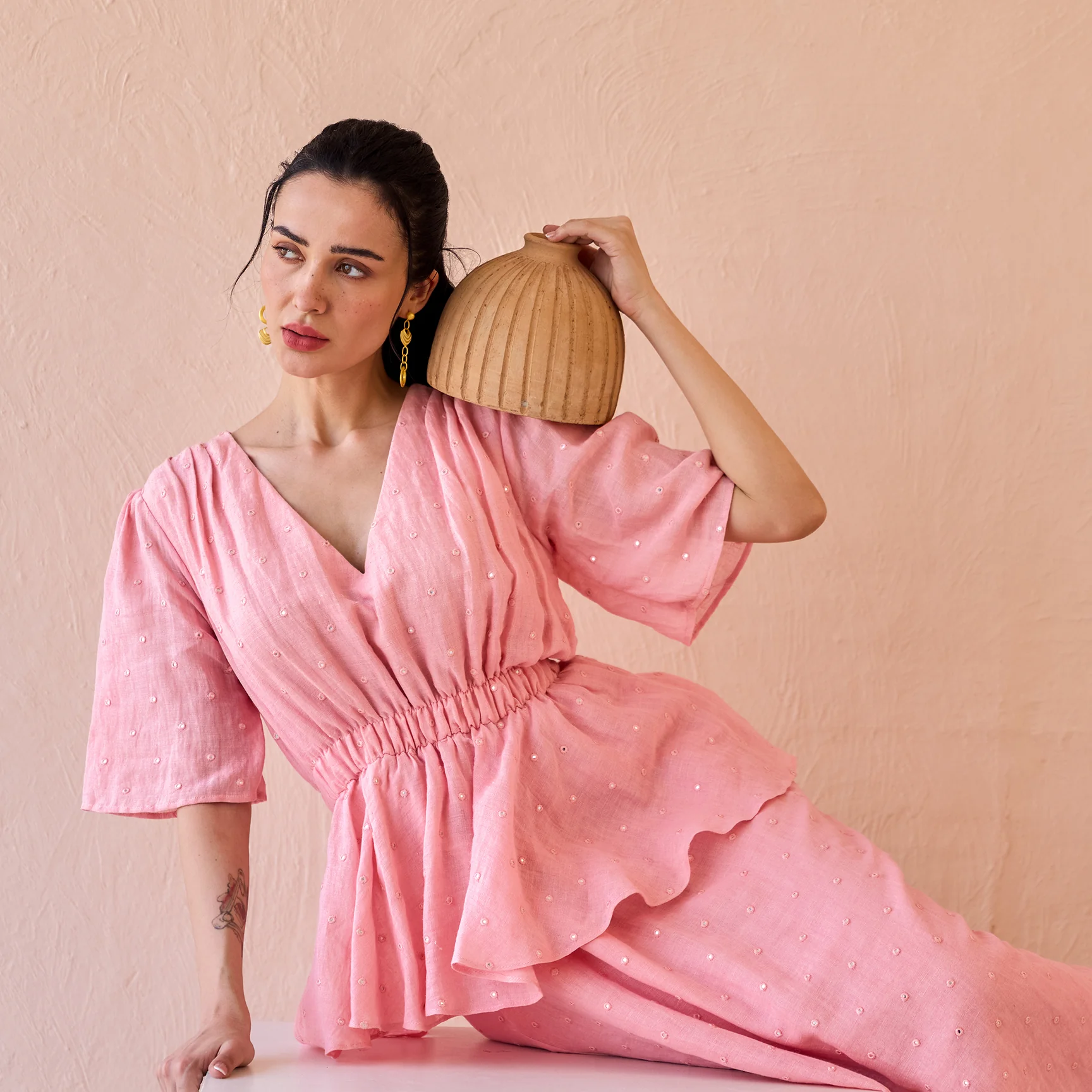
The Loom Art works directly with weavers across India’s handloom heritage clusters, producing contemporary garments that carry the full weight of that tradition without being defined by it. The silhouettes are clean and modern. The fabrics — Maheshwari, Chanderi, and more — are extraordinary. It is a label that makes the argument, convincingly, that slow fashion and beautiful fashion are not merely compatible but frequently the same thing.
The Larger Conversation
The question that the sustainable fashion movement has always had to answer is whether it is an aesthetic category or an ethical position, whether it can be both, and whether consumers are willing to engage with the complexity of that intersection. The Indian labels doing the most interesting work in 2026 have resolved this question not by answering it but by dissolving it. The clothes are beautiful. They are made responsibly. The two facts are inseparable because the making process, the craft, the artisan relationship, and the material integrity are precisely what produce the beauty.
This is a different proposition from the sustainability conversation happening in Western fashion markets, where the primary frame is almost always reduction and guilt: consuming less, choosing better, offsetting damage. The Indian sustainable fashion story, at its most compelling, is affirmative rather than corrective. It is not about what you are avoiding. It is about what you are choosing, a textile tradition, a maker relationship, a garment that exists because someone spent time on it.
That is not a small distinction. In a market flooded with fast fashion, algorithmic trend cycles, and the anxiety of constant newness, a garment that carries its own story — of the hands that made it, the tradition it belongs to, the material that gives it its particular quality of light and drape, offers something that no amount of production speed can replicate.
Conscious dressing, at its most evolved, is not a compromise. It is a preference. And in India in 2026, there has never been more to prefer.
Follow Best List India for the culture, conversations, and ideas worth paying attention to.