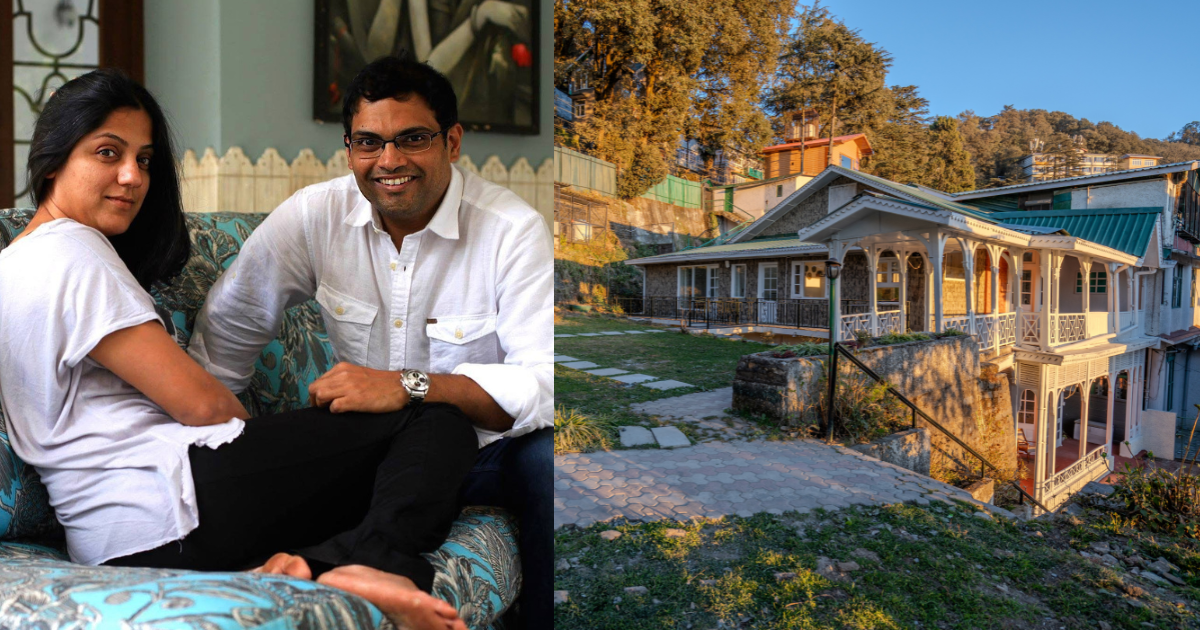
The idea that where you stay shapes how you bond is not a marketing line. At SaffronStays, it is the organising principle behind every home in the portfolio, every technology decision, and every conversation the founders have had about where the business goes next. Devendra Parulekar, who left a Partner role at EY in cybersecurity to build it, and Tejas Parulekar, whose vision for what Indian family travel could look like sparked the whole thing, have spent a decade proving that a company can be profitable, lean, and genuinely purpose-driven at the same time. With over Rs 100 crore in revenue, a third consecutive profitable year, and a portfolio that stretches from Konkan coastlines to restored heritage homes in Srinagar, they are only getting started.
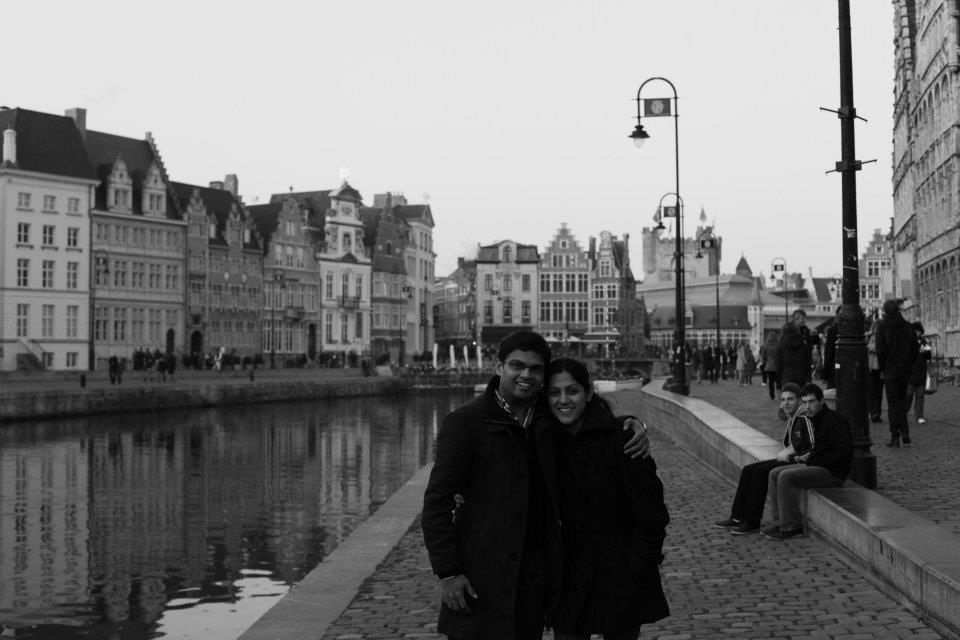
SaffronStays was born from a very specific moment: a family trip to Europe, a gap noticed, a vision sparked. Tejas, take us back to that conversation. What did you see, and how quickly did it become something you could not walk away from?
What struck us during that Europe trip was how naturally people there travelled together as families and groups, not just through hotels, but by staying in beautiful homes that felt deeply personal and rooted in the destination. Back then in India, that format barely existed in an organised way. You either had hotels on one side or completely unstructured holiday homes on the other. There was no trusted bridge between the two.
I remember coming back and feeling like this was not just a gap in hospitality, but a gap in the way Indian families experienced travel together. We kept asking ourselves: why should meaningful family holidays only happen abroad? Why cannot India have beautiful homes where people come together, celebrate milestones, reconnect, and create memories?
That conversation stayed with us. What began as an idea very quickly became something we could not ignore because it felt emotionally relevant, not just commercially viable. SaffronStays was built around the belief that where you stay shapes how you bond.
Devendra, leaving a Partner role at EY in cybersecurity to build a hospitality company is one of the more unlikely pivots in Indian entrepreneurship. What did that decision actually feel like, and what did it cost you before it paid off?
It felt deeply uncomfortable at the time because on paper, it made absolutely no sense. I had spent years building a stable career in cybersecurity consulting and was on a very defined professional path. Hospitality was emotionally exciting but professionally unfamiliar.
What people often romanticise about entrepreneurship is the freedom, but what they do not see are the years of uncertainty behind it. The early years of SaffronStays were financially and emotionally demanding. We went through periods where every rupee mattered. COVID was especially brutal because we had raised capital shortly before the pandemic and suddenly watched the business come to a standstill almost overnight.
But somewhere through that uncertainty, we became extremely disciplined. We learnt resilience the hard way. We learnt to build slowly, profitably, and intentionally. Looking back, I think what helped was that we were never chasing vanity metrics. We were trying to build something enduring. And when you genuinely believe in the emotional value of what you are creating, you find the conviction to stay with it much longer than logic sometimes permits.
SaffronStays has crossed Rs 100 crore in revenue, is in its third profitable year, and has done it while keeping the team lean. In a startup culture obsessed with fundraising and headcount, how did you build the discipline to grow this way?
A large part of that discipline came from surviving difficult years. During COVID, we learnt very quickly how fragile businesses can become if growth is disconnected from financial fundamentals. We stretched every last rupee and became extremely conscious of how we built the company thereafter.
Once we turned profitable, we made a conscious decision that profitability would not become optional again. We look at every expense carefully, especially wage bills and marketing spends, because in hospitality those are the two areas where businesses can very easily lose control.
We have never believed that bigger teams automatically mean stronger companies. We would rather build a smaller team of highly capable people empowered by technology than create large structures with diminishing productivity. That mindset has helped us scale sustainably while remaining agile.
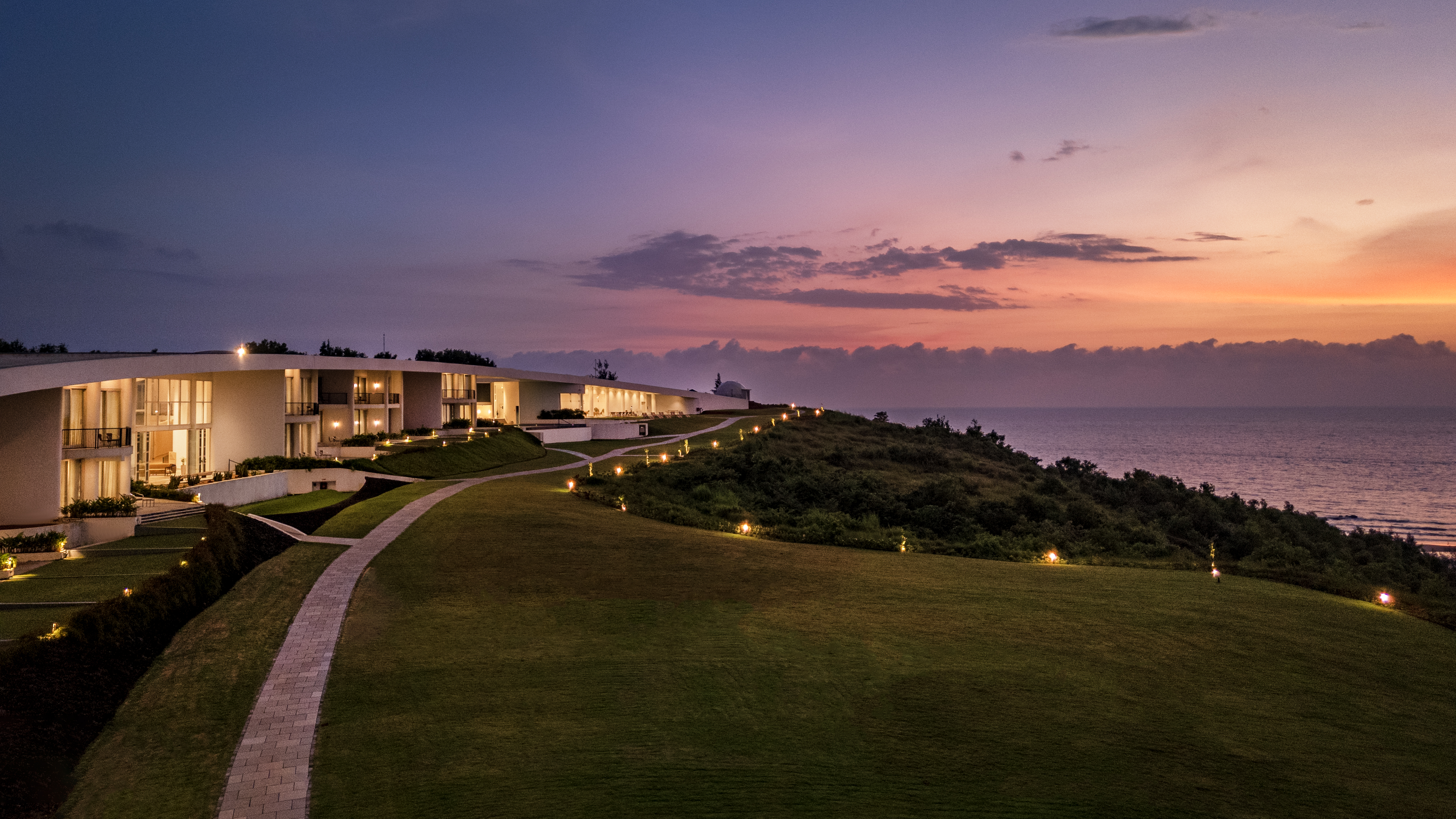
You have expanded into Srinagar with restored heritage homes and houseboats, launched Araqila on the Konkan coast, and are growing fast in Goa. How do you choose which destination to enter next, and what does a SaffronStays home have to feel like before it makes it into the portfolio?
We look at destinations through the lens of accessibility and emotional relevance. Typically, we prefer locations that are within a two-to-three-hour driving radius from major metros because that is how Indian families increasingly travel today, especially for short celebrations and meaningful getaways. That is why we are actively looking at destinations around Bengaluru, Hyderabad, and Chennai next.
But beyond geography, the home itself has to evoke something. We prefer standalone villas and estates over gated developments because individuality matters to us. The aesthetic quotient of the home has to be high, the setting has to feel visually compelling, and there needs to be enough within the property for families to engage with together.
Most importantly, the home must be engineered for togetherness. Whether it is a veranda, a swimming pool, a game room, a home theatre, or simply a large dining table, there have to be natural centres of gravity where people gather, spend time, and reconnect. That emotional design philosophy matters to us more than excess or opulence.
Your AI-driven customer care system now resolves 80 percent of guest queries instantly. Devendra, your background is in cybersecurity and technology. How much has that shaped the way SaffronStays thinks about tech as a hospitality tool rather than just an operational one?
Technology has been part of SaffronStays from day one. Even though we are in hospitality, we have always approached the business with a technology-first mindset. For us, tech is not back-end support. It is a force multiplier that improves guest experience meaningfully.
We adopted AI long before it became mainstream in hospitality. Today, it helps us resolve guest queries instantly, identify customer sentiment, generate support tickets proactively, and empower our sales and customer care teams with real-time information.
But we are also very clear that technology should never replace human warmth. Hospitality is still fundamentally human. Guests want empathy, reassurance, and connection. What technology can do is make our people faster, more informed, and more responsive. It allows us to deliver personalised service at scale while retaining the emotional layer that hospitality depends on.
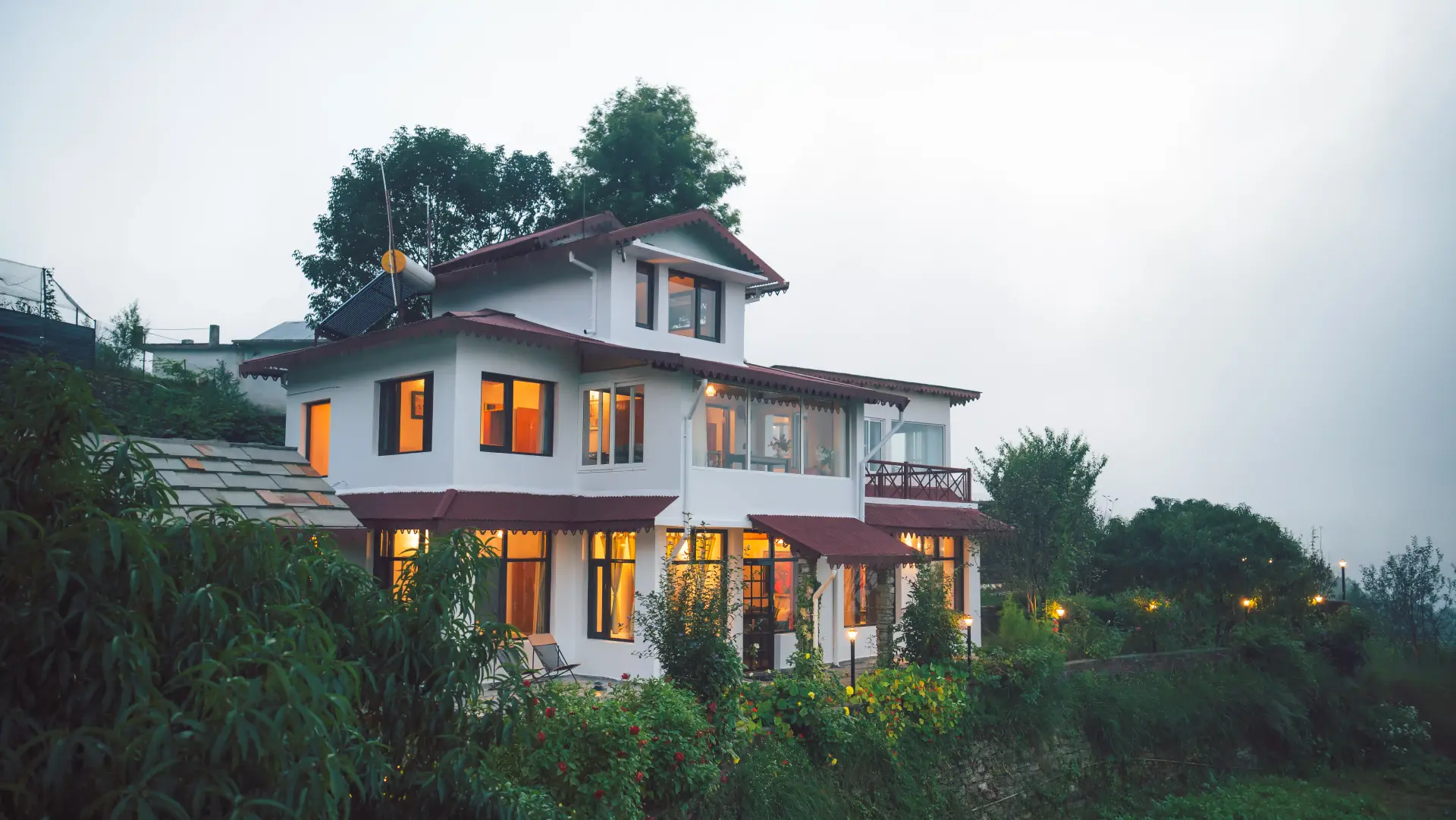
Tejas, you handle operations and home acquisition, which means you get to walk into extraordinary homes and hear the stories of the people who built them. What is the most memorable home you have ever walked into, and what made it unforgettable?
Honestly, choosing one home is almost impossible because every extraordinary home carries a deeply personal story behind it. The most memorable part of my job is not just seeing the architecture or the location, but listening to why people built these homes in the first place.
I have met homeowners who built homes in memory of a parent, someone who created a farm stay because it was a lifelong dream shared with their spouse, and even someone who built a home inspired by the memory of a beloved dog. Those stories stay with you because these homes are extensions of people’s identities, emotions, and aspirations.
Every time I walk into a new property, I am reminded that hospitality is ultimately about human stories. That is what makes the homes unforgettable.
The Indian traveller’s relationship with luxury has changed dramatically. Families and HNIs are choosing private villas over five-star hotels, offbeat destinations over obvious ones. What shift have you watched happen in real time that tells you SaffronStays is exactly where the market is going?
The biggest shift has been the redefinition of luxury itself. Earlier, luxury was associated with large hotels, excess, and visible indulgence. Today, luxury is increasingly being defined by privacy, space, emotional comfort, and meaningful experiences.
Families no longer want crowded shared spaces or overly formal hospitality environments. They want privacy. They want homes where they can celebrate freely without feeling observed or restricted. They want freshly cooked food, intimate gatherings, flexible schedules, and spaces that feel personal rather than transactional.
We have also seen travellers consciously move toward quieter and more character-rich destinations over obvious tourist circuits. There is a growing desire for slower, more immersive travel where the stay itself becomes central to the experience. That behavioural shift is exactly what SaffronStays was built for.
If SaffronStays were a destination in India, not a property but a feeling, which one would it be and why?
I would say Pondicherry. Quietly confident, deeply aesthetic, thoughtful, and rooted in a strong sense of identity.
SaffronStays has never tried to be loud or excessive. We have always believed in creating spaces that feel warm, intentional, and emotionally grounding rather than performative. In many ways, that understated elegance and calm sense of purpose is what Pondicherry represents to me as well.
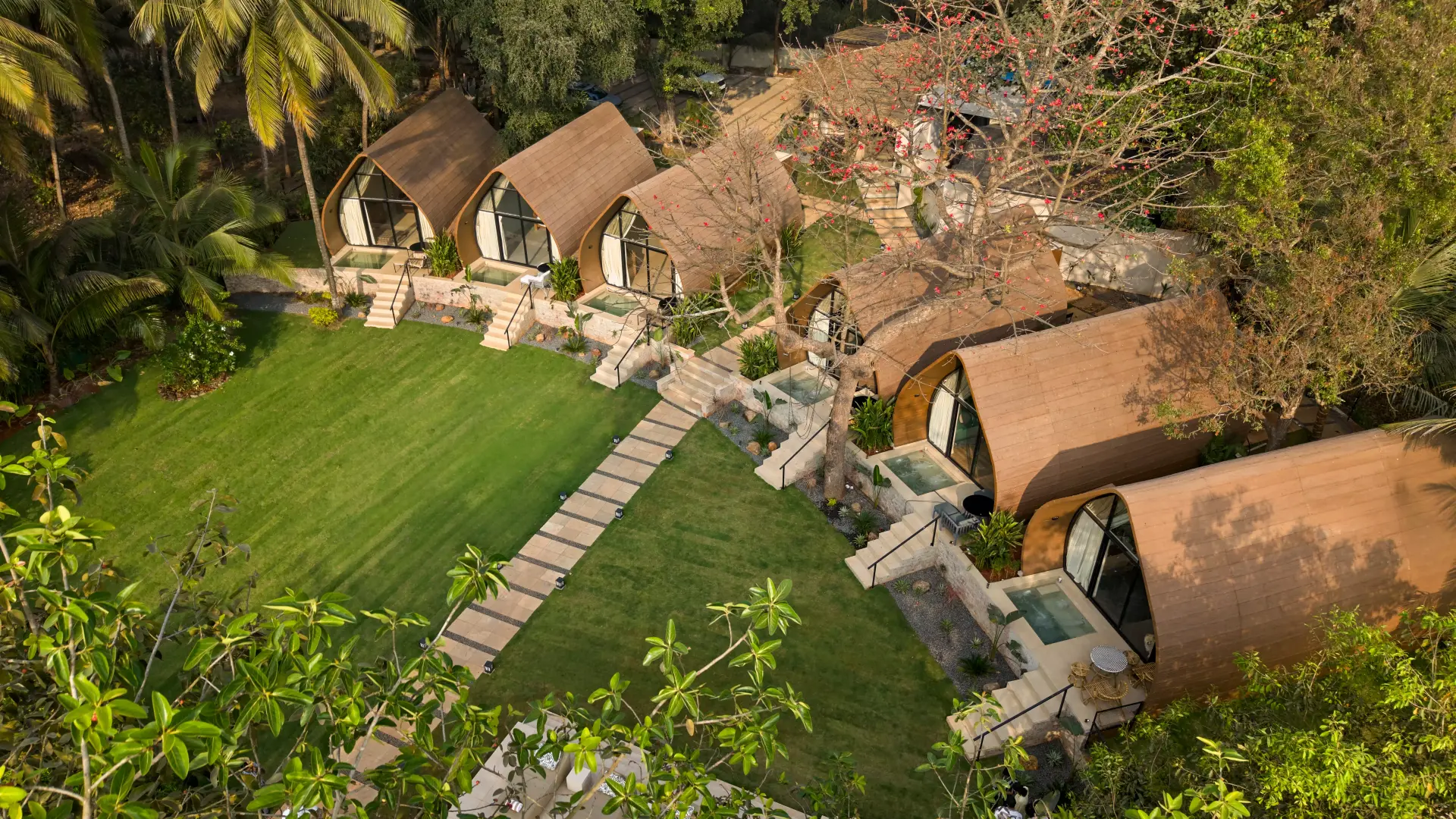
You describe SaffronStays as where families bond. In an age of screens and schedules and constant distraction, what do you believe a truly exceptional stay actually does to a family, and why does that matter more than ever?
I think modern life has quietly disconnected people from each other. Everyone is constantly occupied by screens, work pressures, distance, and routines. Even though we are digitally connected all the time, meaningful time together has become increasingly rare.
A truly exceptional stay creates the conditions for people to reconnect without force. It slows people down. Conversations become longer, meals become shared rituals again, grandparents spend time with grandchildren, friends rediscover each other, and families create memories that outlast the holiday itself.
At SaffronStays, we often say we are not just in the business of hospitality. We are in the business of togetherness. We simply create the setting. The real magic comes from the people inside those homes.
What is coming next for SaffronStays, and what does India’s luxury travel landscape look like five years from now through the eyes of the people who have been quietly building it?
We believe the future of hospitality will move increasingly toward emotionally intelligent travel. People are no longer only looking for accommodation. They are looking for spaces that align with how they want to live, celebrate, and spend time with people they care about.
For SaffronStays, the next phase is about expanding that philosophy across newer formats and destinations. We want to move deeper into experiential stays, grow our footprint across the country, and even explore international expansion eventually. Over the next five years, we envision a network of nearly 2,000 to 2,500 homes across India.
More broadly, I think India’s travel landscape will become far more experience-led and privacy-led. Travellers will prioritise authenticity over excess, intimacy over scale, and meaningful stays over standardised luxury. The brands that succeed will be the ones that understand human connection, not just hospitality operations.
Follow Best List India for the culture, conversations, and ideas worth paying attention to.