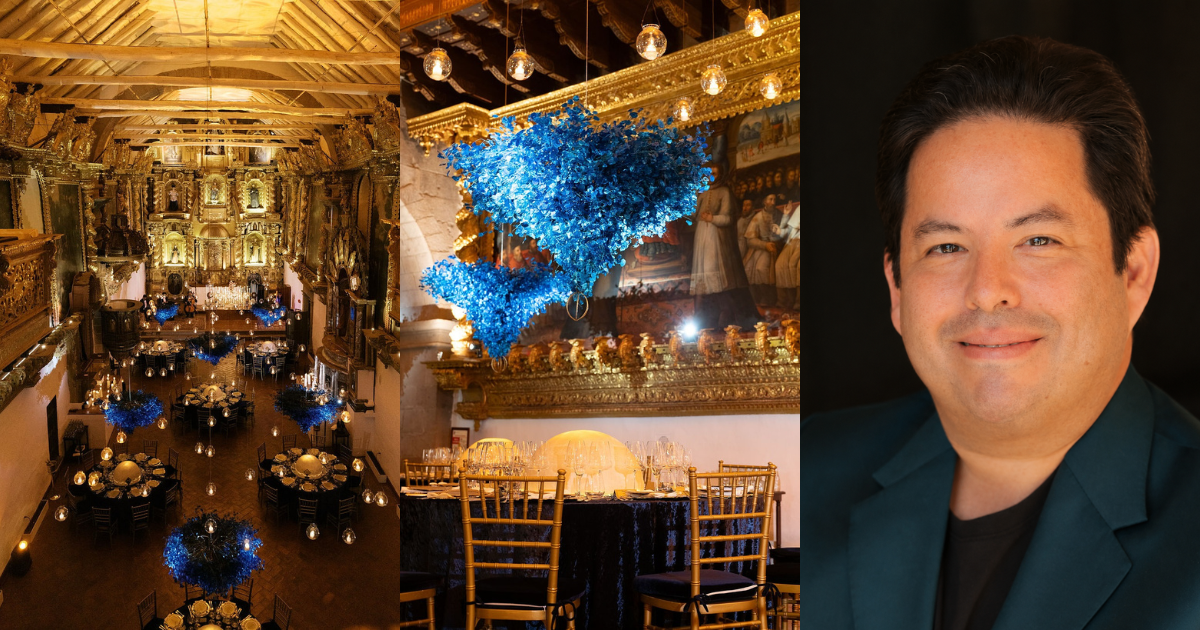
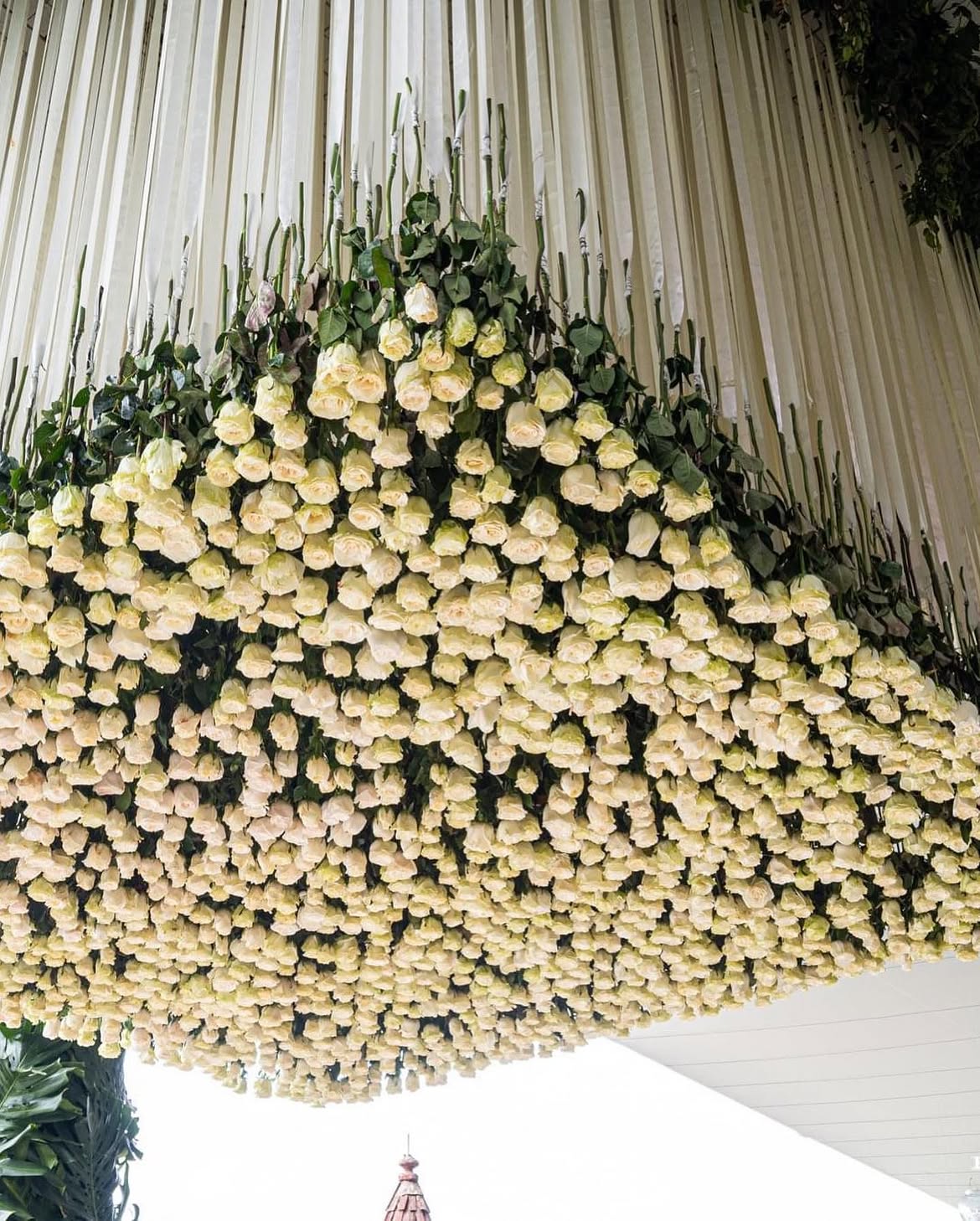
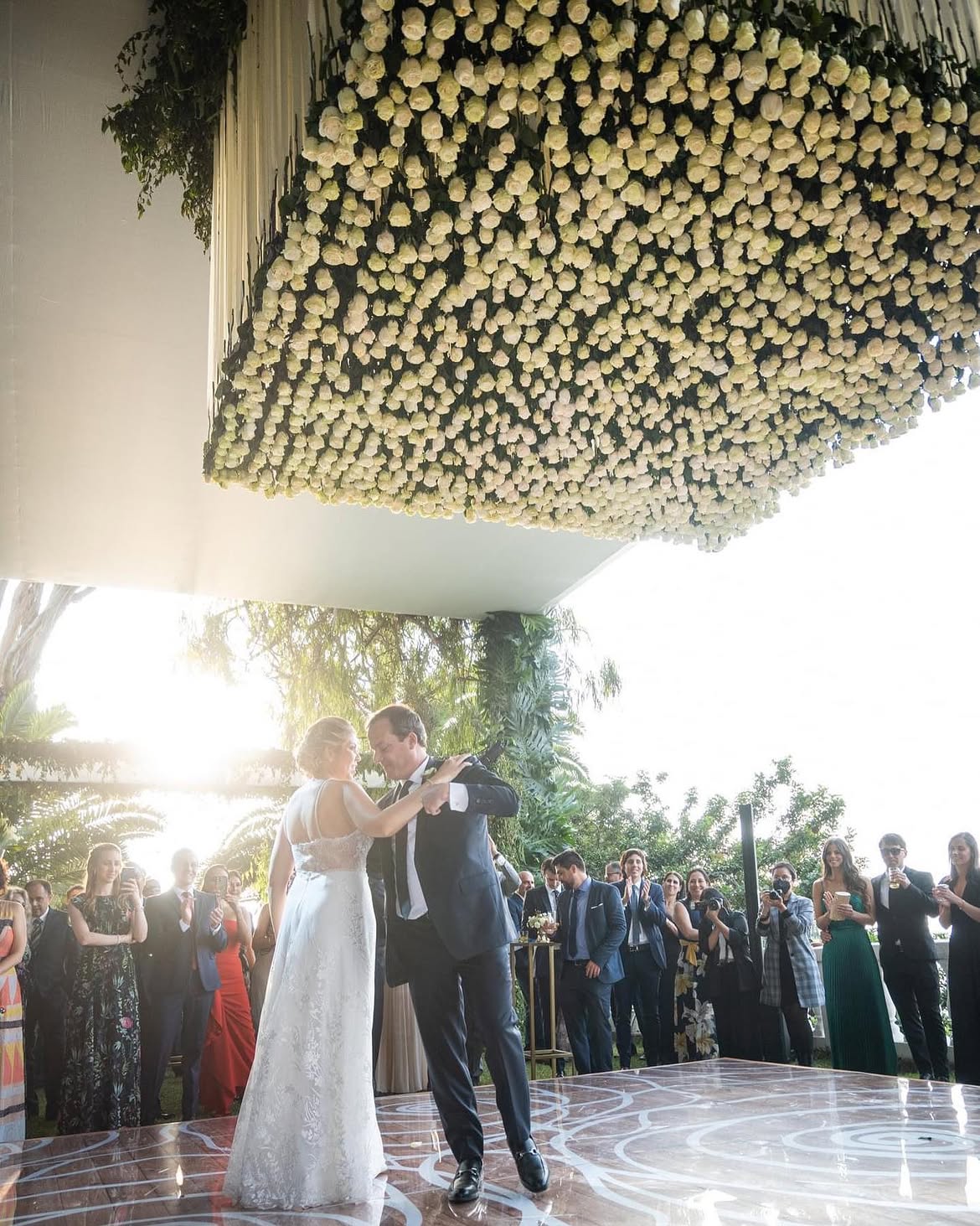
There are event designers, and there are people who build worlds. Arturo de Noriega, founder of La Fête and one of the most recognised names in luxury event design across South America and Europe, has spent twenty-one years demonstrating that the distinction is not metaphorical. He has designed celebrations for the continent’s most prominent aristocratic families and the world’s most demanding global brands. He has produced events in Lima, Madrid, and Paris, and in a cornfield deep in the Peruvian mountains where no infrastructure existed until he decided it should. He has mentored a generation of young entrepreneurs across Peru, Chile, Ecuador, Bolivia, Colombia, and Argentina, lectured on the architecture of luxury, and served as brand ambassador for some of the world’s most exclusive wines and spirits. His work, as those who know it best describe it, transcends the five senses and attempts to bring them all together into something that feels less like an event and more like the blossoming of nature itself.
We spoke with him about what the South American luxury landscape looked like when he arrived in it, why strategy is the identity he leads with, and what it felt like to build something extraordinary in a place where nothing was yet possible.
Twenty-one years ago, what did the luxury events landscape in South America look like, and what made you certain you could build something entirely different?
Twenty-one years ago, in the early 2000s, the luxury events landscape in South America was still in a very nascent, almost undefined stage. There was elegance, yes. But not yet identity.
What existed was traditional weddings and social events driven by protocol rather than concept, a heavy reliance on European aesthetics, especially Spanish and Italian, often copied rather than interpreted, and very little understanding of events as brand experiences or storytelling platforms. In short: events were beautiful, but they were not designed.
I saw a gap in the market and knew it needed a new answer. Creative vision and innovation were what I brought. And the certainty came from understanding that what South America had, in terms of culture, colour, emotion, and energy, had never been properly elevated or expressed at the level it deserved.
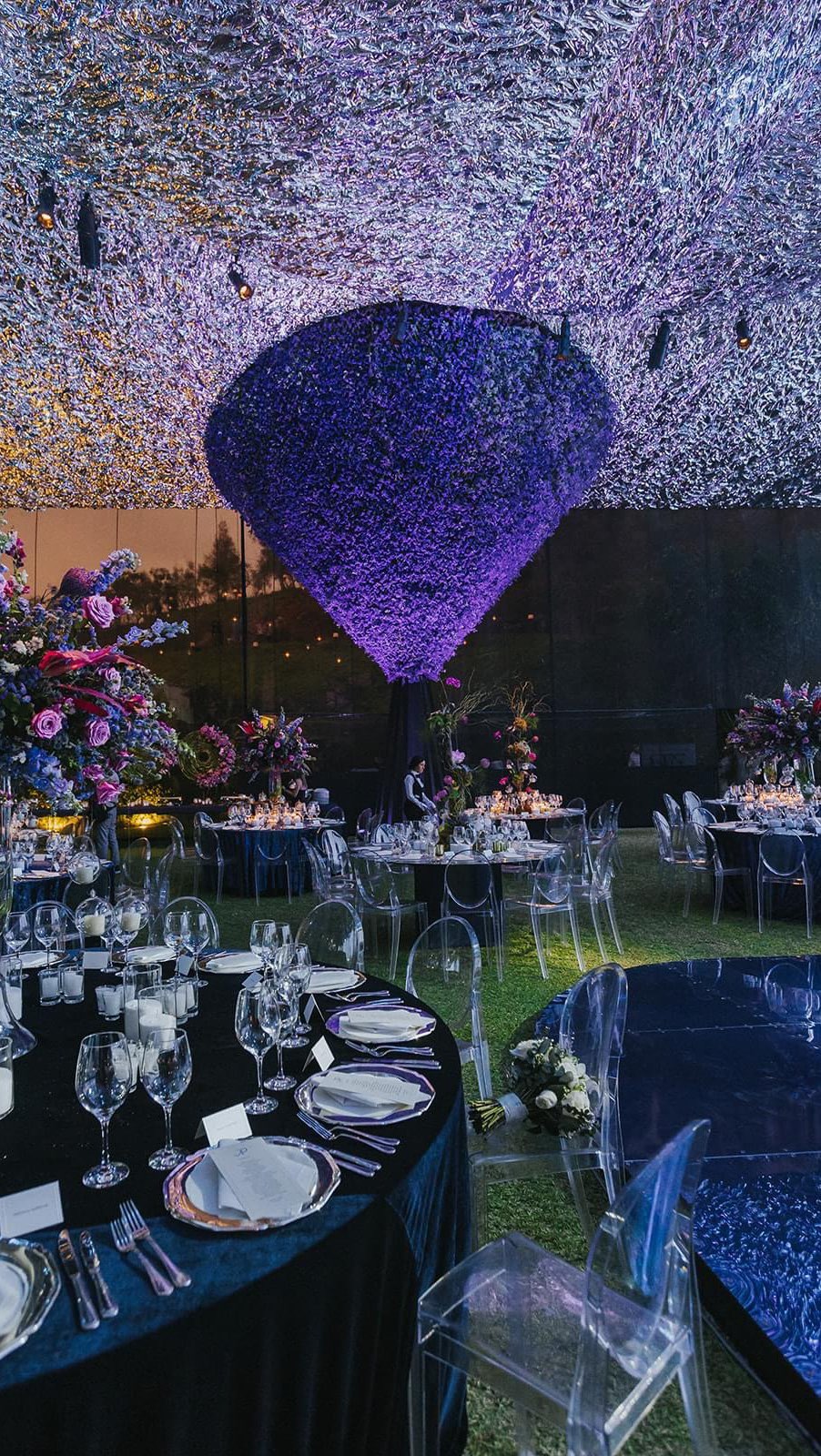
La Fête has spent two decades creating concepts for influential brands and personalities across the Americas and Europe. How do you define luxury in events, and has that definition changed over twenty-one years?
Luxury in events is about creating something truly unique, an experience that cannot be replicated. It is no longer just about beautiful décor or high budgets, but about storytelling, personalisation, and emotional impact.
Over the past twenty-one years, the definition has definitely evolved. Clients today are more informed and demand innovation. They do not just want something beautiful, they want something different, something never seen before. Every event needs to feel exclusive, immersive, and deeply personal.
The standard has moved. And the only way to stay ahead of it is to keep moving with it, or ideally, slightly ahead of it.
You are a designer, a marketer, a strategist, a speaker, and a brand ambassador. Which of those identities do you lead with, and which one surprises people most?
I lead with being a strategist. Everything I create starts with a clear vision, a purpose, and a story. Design is just the language I use to bring that to life.
What surprises people the most is the marketing side. Behind every beautiful event, there is a very intentional structure: how it communicates, how it positions a brand or a person, and how it lives beyond the moment.
For me, it is never just an event. It is a platform.
There is always a gap between what a client imagines and what is truly possible. How do you manage that conversation, and where do you draw the line?
That gap is actually where the magic happens. My role is to translate a client’s vision into something real without losing the essence of what they imagined.
I manage that conversation with honesty and clarity from the beginning. I show them what is possible, what can be elevated, and sometimes what needs to be rethought, not as a limitation, but as an opportunity to make it even better.
Where I draw the line is quality. I do not compromise the standard or the experience. If something risks the integrity of the event, I would rather redefine the idea than execute it halfway.
At the end, it is about trust. When clients trust the process, that gap becomes the space where something extraordinary is created.
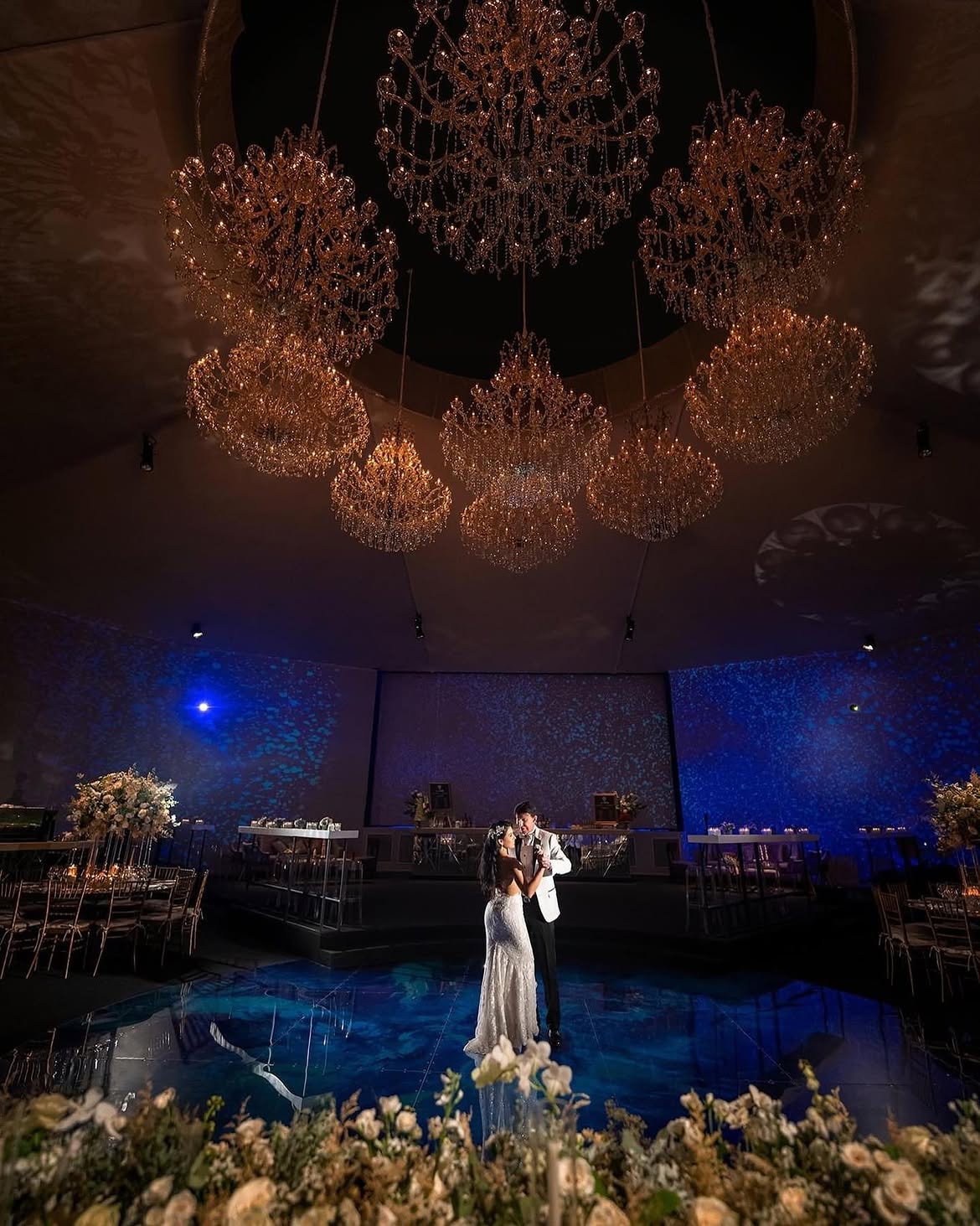
South America has its own visual language, its own relationship with celebration, colour, and grandeur. How do you honour that while working to an international standard of luxury?
South America has a powerful identity, rich in culture, colour, emotion, and a deep sense of celebration. For me, it is not about toning that down to fit an international standard, but about refining it.
I honour it by taking those authentic elements, our textures, our energy, our way of celebrating, and elevating them through design, precision, and execution.
Luxury today is not about looking like everywhere else. It is about being unique, but executed at the highest level. That is where South America becomes not just relevant, but incredibly powerful on the global stage.
You have mentored a generation of young entrepreneurs across Peru, Chile, Ecuador, Bolivia, Colombia, and Argentina. What is the one thing you wish someone had told you at the very beginning?
That talent is not enough. Consistency is everything.
At the beginning, you think creativity will open all the doors. But what really builds a career is discipline, resilience, and the ability to keep going even when things do not go as planned.
I also wish I had understood earlier the importance of valuing my work, knowing when to say no, and protecting my vision.
Success in this industry is not about one great event. It is about building a standard and delivering it over and over again.
Is there an event you consider a personal masterpiece? One that still stays with you?
Yes, there are a few. But one that truly stays with me is an event I created deep in the mountains of Peru.
We built an entire venue from nothing, literally in the middle of a cornfield, in a place where no infrastructure existed. It was not just about logistics. It was about vision. Transforming a raw, untouched landscape into a fully immersive luxury experience required not only design, but belief, from the team, from the client, and from myself.
What makes it a masterpiece for me is not just how it looked, but what it represented: the idea that there are no limits. That luxury is not a place, it is a feeling you create, anywhere in the world.
That event changed the way I see my work. It confirmed that what we do at La Fête is not just producing events. We build worlds.
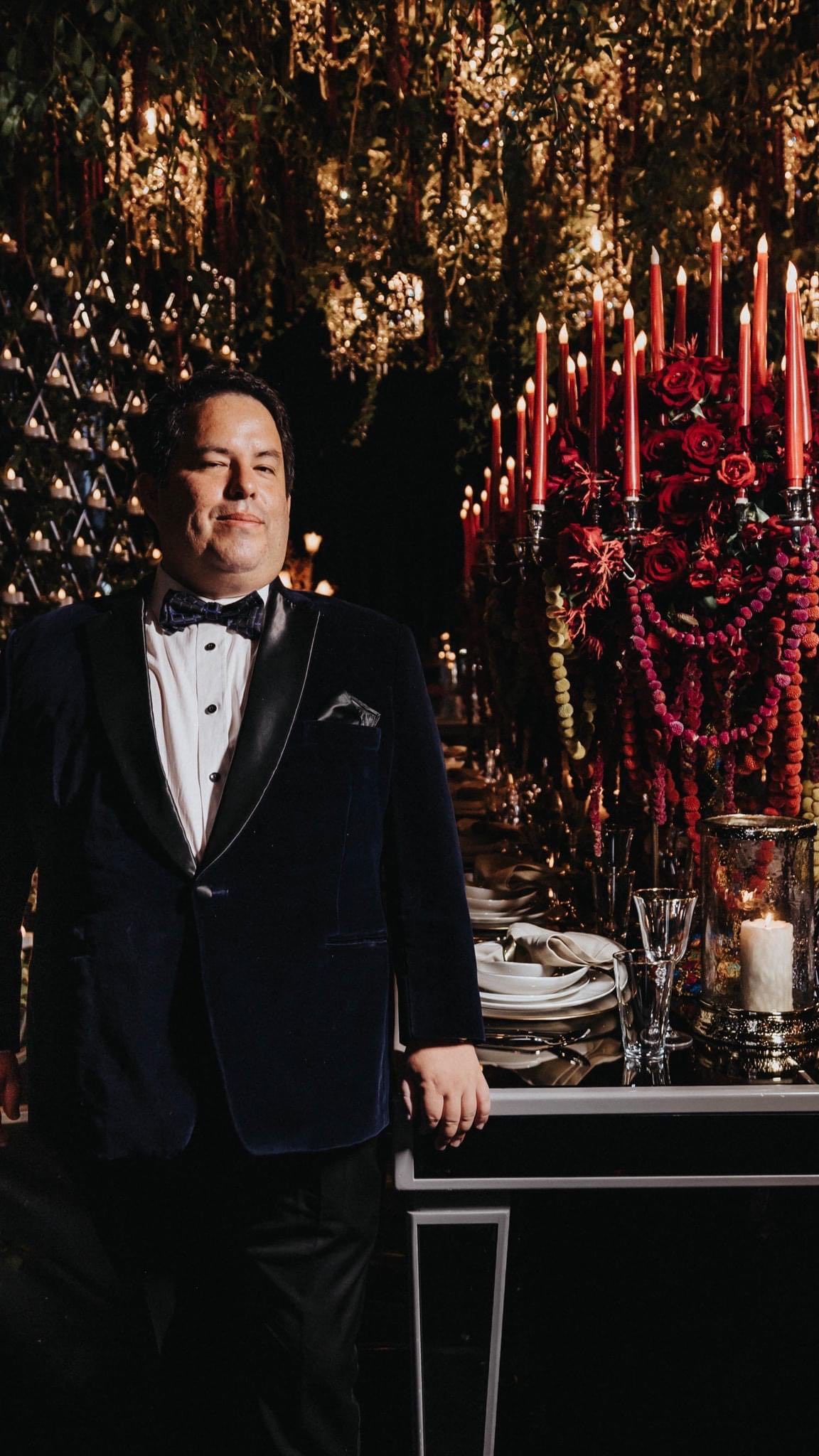
You have built strong connections across the Americas and Europe. At this level, relationships are everything. How do you build trust across wildly different cultures and markets?
At this level, trust is built long before the event begins. It is built in how you listen, how you adapt, and how you deliver under pressure.
Working across the Americas and Europe has taught me that every culture has its own rhythm, its own way of communicating, and its own definition of excellence. The key is not to impose your way, but to understand theirs and then elevate it.
I build trust in three ways. First, by truly listening, not just to what the client says, but to what they mean, their values, their references, their expectations. Whether I am in Lima, Madrid, or Paris, people want to feel understood.
Second, by being consistent. In this industry, many promise and few deliver. I have built my reputation on execution. When you consistently deliver at a high level, across different countries and teams, trust becomes your currency.
And third, by leading with clarity and confidence. Clients and collaborators need to feel that you are in control, especially when things get complex, which they always do at this level.
At the end of the day, trust is not about being the same everywhere. It is about being reliable everywhere, while respecting what makes each place unique.
Luxury celebrations globally are becoming more immersive, more personalised, more experiential. As someone who has been pioneering that standard in South America for two decades, where does this world go next?
Luxury is no longer about how much you spend. It is about how deeply you feel.
The industry is shifting from producing events to crafting memories that feel almost unreal. And the real challenge and opportunity is to create something that has never been seen before, but somehow feels like it was always meant to exist.
That is the frontier. And it is one that requires not just creativity, but the courage to keep reaching for it.
What still excites you after twenty-one years?
What excites me is that no matter how much I have done, it is never the same twice.
After twenty-one years, I am still driven by the moment when an idea becomes something real, when a blank space turns into a world that did not exist before.
I am excited by the challenge of the impossible, when a client asks for something that does not exist and we find a way to create it anyway. That tension between vision and reality is where the magic happens.
I am also deeply inspired by people, their stories, their emotions, their cultures. Every client is different, and that gives me a new language to design with every single time.
But more than anything, what still excites me is the impact: seeing someone walk into a space and feel something so powerful they cannot explain it, and knowing we created that.
Because in the end, I am not just designing events. I am designing moments people will remember for the rest of their lives.
Follow Best List India for the culture, conversations, and ideas worth paying attention to.