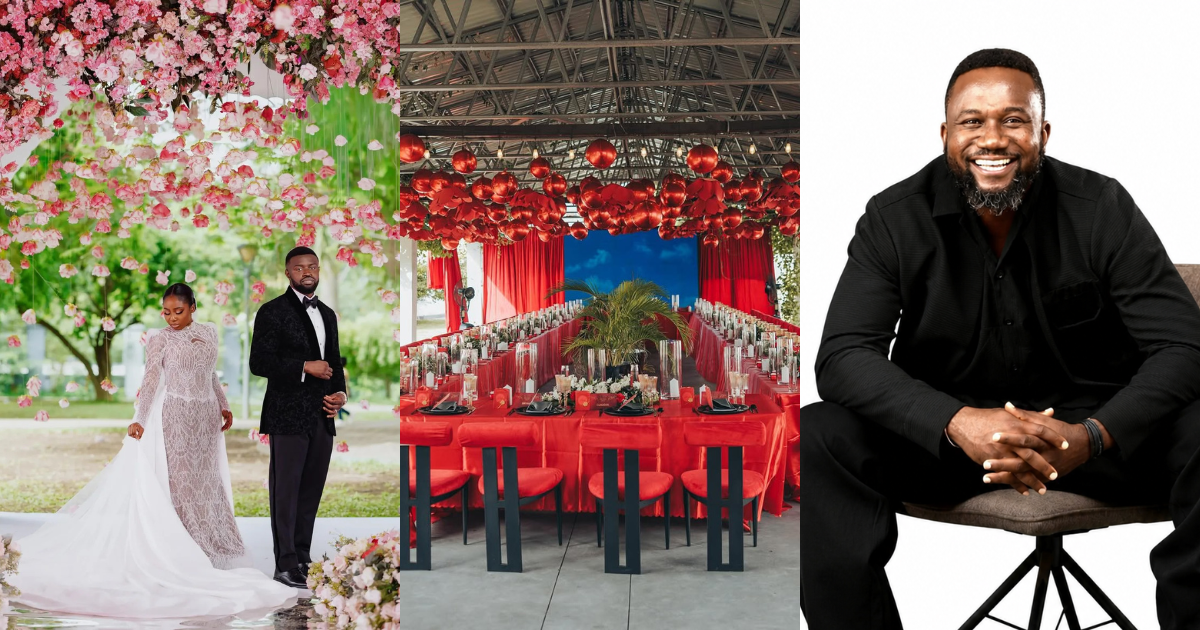
There are people who find an industry, and there are people who refuse to accept what an industry has decided it should be. Bryan Tachie-Menson, founder of Whitechalk, one of Africa’s most celebrated wedding and event companies, belongs to the second category. He did not arrive in this world through a conventional path. He arrived through a moment of creative defiance, a wedding whose design was not landing with the team he was working with, and a decision to take matters into his own hands. That decision, made with boldness and a very clear creative point of view, became the foundation of everything that followed. We spoke with him about what uniqueness actually costs, what luxury means in the African context today, and why every single event he has ever produced stays with him.
You didn’t set out to become a wedding planner. At what point did weddings become the thing you chose, and why did you stay?
At the point I decided to be bold and take a good risk with my creativity, with a very good push from my business partner at the time. There was a wedding that was personal to me, and the team I used to work with on design were not getting the concept. I decided to take matters into my own hands. That was the moment. And I stayed because once you experience the trust that people place in you for one of the most significant days of their lives, there is very little else that asks that much of you or gives that much back.
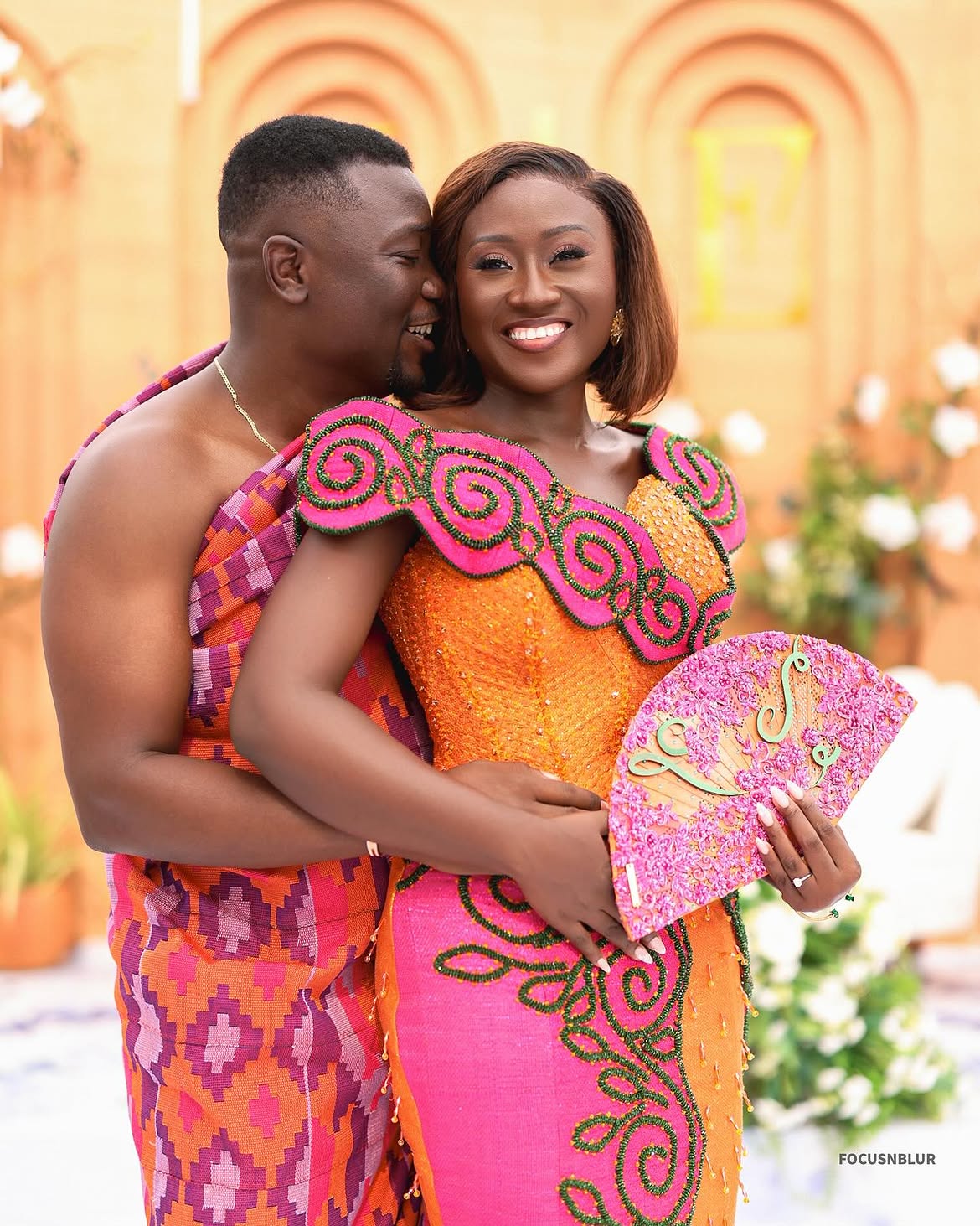
Whitechalk has grown into one of the most recognised names in Africa’s event industry. What did you see in the market early on that others didn’t?
People just followed trends at the time. I came in with the mindset to go against the current and do what everybody was not doing. I saw that being unique was always going to win. It sounds simple, but acting on it requires a particular kind of conviction. The market rewards consistency and differentiation in ways that trend-following never quite can, because trends, by definition, are available to everyone.
You have executed hundreds of weddings and large-scale celebrations. What does that kind of volume teach you about people, expectations, and pressure?
Milestones are significant to people, and the willingness to commit that special day into your hands as a designer symbolises trust. It points to the fact that people recognise good work and know that they can rest assured, no matter what goes wrong, you hold the solution. What volume teaches you, more than anything, is that the trust is never routine. Every time someone hands you one of the most important days of their life, it carries the same weight. The number of events does not diminish that. If anything, it deepens your understanding of what is at stake.
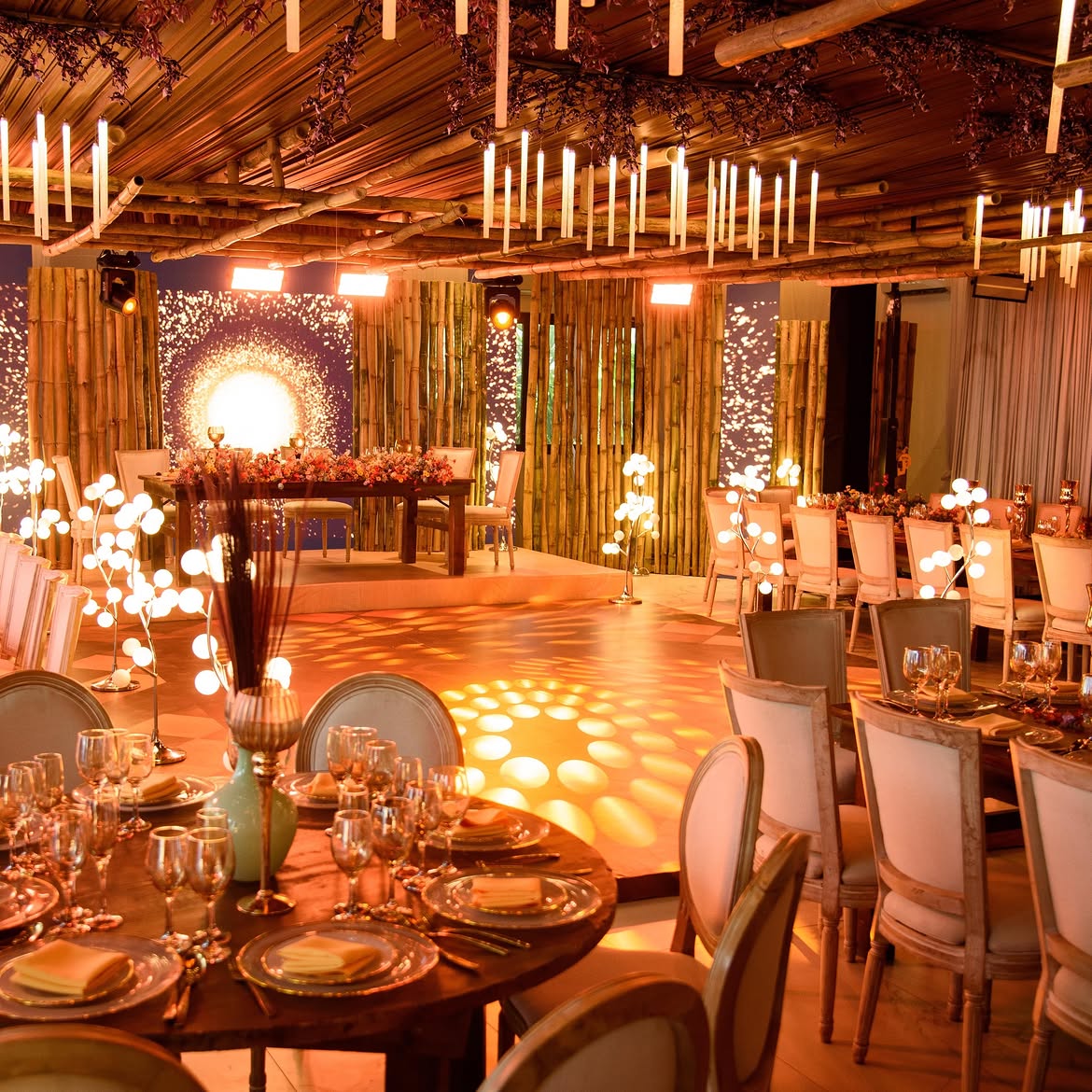
Your work is often described as having a white-glove approach to luxury. What does luxury mean to you in the context of African celebrations today?
Luxury in the African context has zoomed into experiences where people do not want to just attend events, eat, dance a little, and call it a night. They want to carry memories in heart and mind for as long as they can, having experienced different aspects of culture. They get to learn while having fun, express themselves in ways they would not typically have the courage to, and go home with something new to share with their children, their spouse, their colleagues. Such stories may linger for generations and inspire weddings many decades to come. That is the new luxury: not what you consume on the night, but what you carry home from it.
There is always a gap between what a client imagines and what is possible. How do you manage that conversation, especially at the scale you operate on?
Making your dream a reality is what we seek to do. If it can be conceived by the mind, there is definitely a possibility. The conversation is rarely about limitation. It is about understanding the dream clearly enough to find the most honest path to it.
You have spoken about being a trendsetter in the Ghanaian wedding space. What does it actually take to set a trend instead of following one?
Courage and a little defiance. Believing you are blessed with the ability to create within your own lens, which is simply divine. You just need to step into it, shut the noise, and do you. Trend-setting is not a strategy. It is what happens when someone with a clear creative identity stops looking sideways and commits fully to what they see.
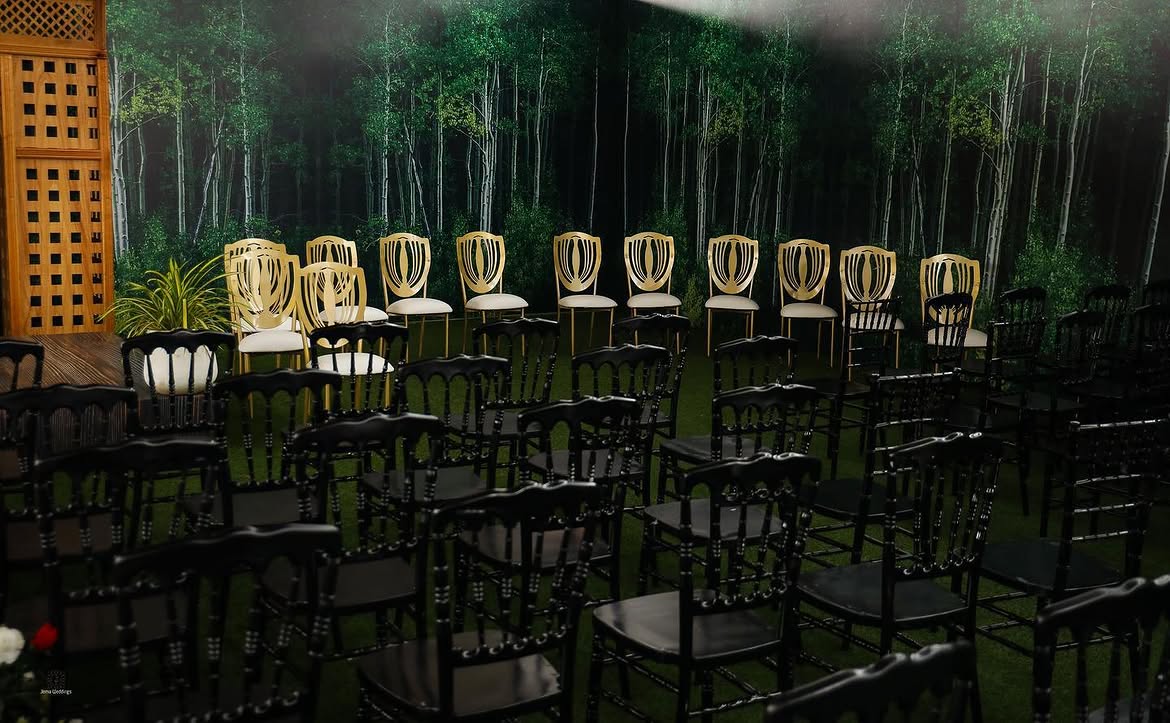
Cultural storytelling is central to African weddings. How do you balance tradition with modern, globally relevant design?
I believe that we exist in a world where authenticity is rare. The ability to maintain culture in design while twisting it to fit a perceived contemporary context is what establishes its relevance. For us, presenting the unique African story for what it is, its beauty, its courage, its splendour, is precisely what makes it relevant on the global scene. You do not dilute a tradition to make it travel. You present it with confidence, and the world responds to that confidence.
Is there a celebration you consider a personal masterpiece? One that still stays with you?
Every event stays with me. We like to curate unique experiences, we personalise every single event, and believe it or not, every event is close to my heart. There is no single masterpiece because there is no single event I have held at a distance. They are all personal.
You lead not just a planning company but also a production ecosystem. How important is it to control both vision and execution?
The outward beauty of everything in this world is by virtue of what goes on within. An excellent functioning system is what enhances the ability to ensure that every vision of any production is achieved as intended. Vision without execution is aspiration. Execution without vision is logistics. The two must be held together, and the only way to guarantee that is to build a structure where both are owned with the same seriousness.

You have built strong visibility across Africa and are now recognised globally, including on the DWP Powerlist. What does it take to move from local dominance to global relevance?
Consistency, excellence in execution, being different, and being strategic. That is what will always transcend a local brand into a globally relevant one. There is no shortcut through any of those four. Global relevance is simply local excellence, applied with enough conviction and enough patience that the world eventually takes notice.
What do couples consistently underestimate about weddings at this level of scale and detail?
Time. Couples believe the day of their celebration is entirely theirs, and sometimes they get lost in it. What they underestimate is how much happens in the architecture of the day before they are even aware of it, and how many decisions, made months earlier, are shaping every moment they experience. The day is theirs. The work behind it belongs to everyone who made it possible.
After everything you have built so far, what still feels like the next frontier for you?
We will definitely tell you when we get there (chuckles)!
Follow Best List India for the culture, conversations, and ideas worth paying attention to.