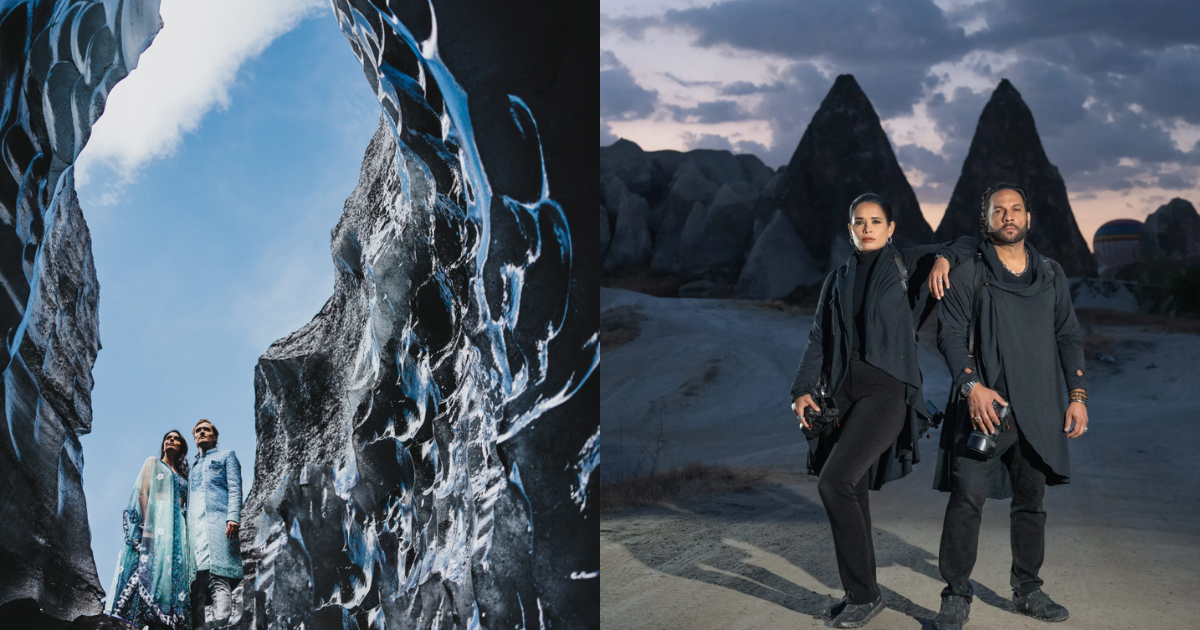
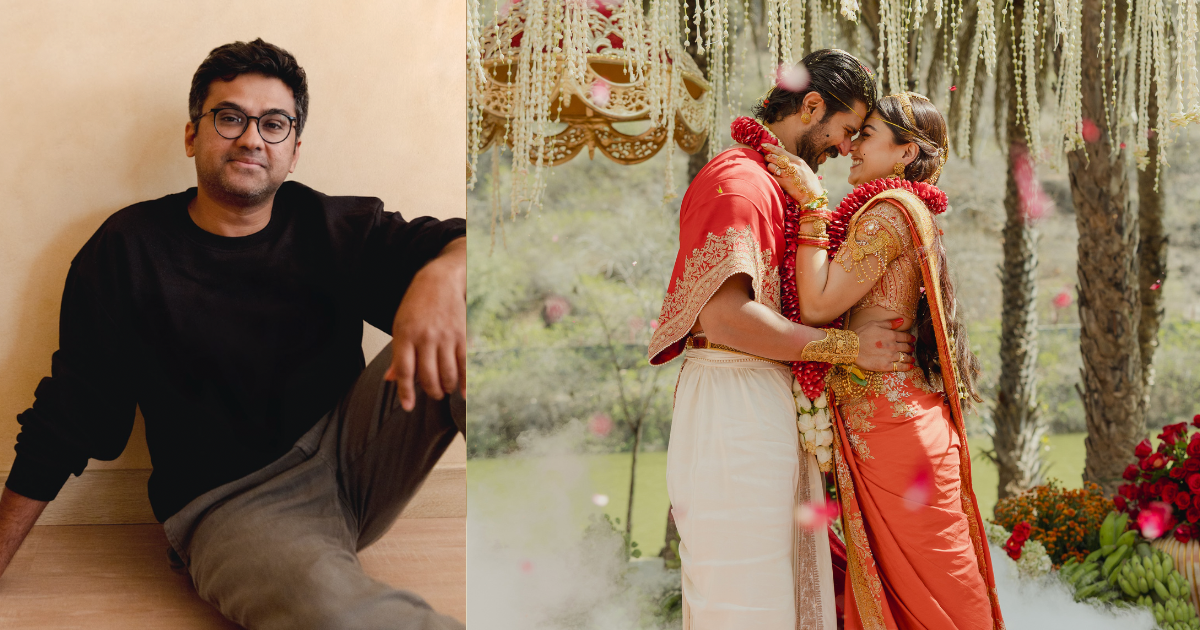
There are photographers who document weddings, and there are photographers who understand them. The distance between those two things is not technical. It is emotional, and it is the distance that Siddharth Sharma, founder and director of House On The Clouds, has spent a decade learning to close. Ranked among the world’s top 100 wedding photographers, his portfolio spans some of the most culturally significant celebrations in recent Indian memory. The images that resulted, from Alia Bhatt and Ranbir Kapoor’s intimate ceremony to the Rashmika Mandanna and Vijay Deverakonda wedding photographs that broke records on release, share a quality that no amount of technical instruction can manufacture: they feel true.
We sat down with Sharma to understand how he got here, what he is looking for inside the frame, and where House On The Clouds is going next.
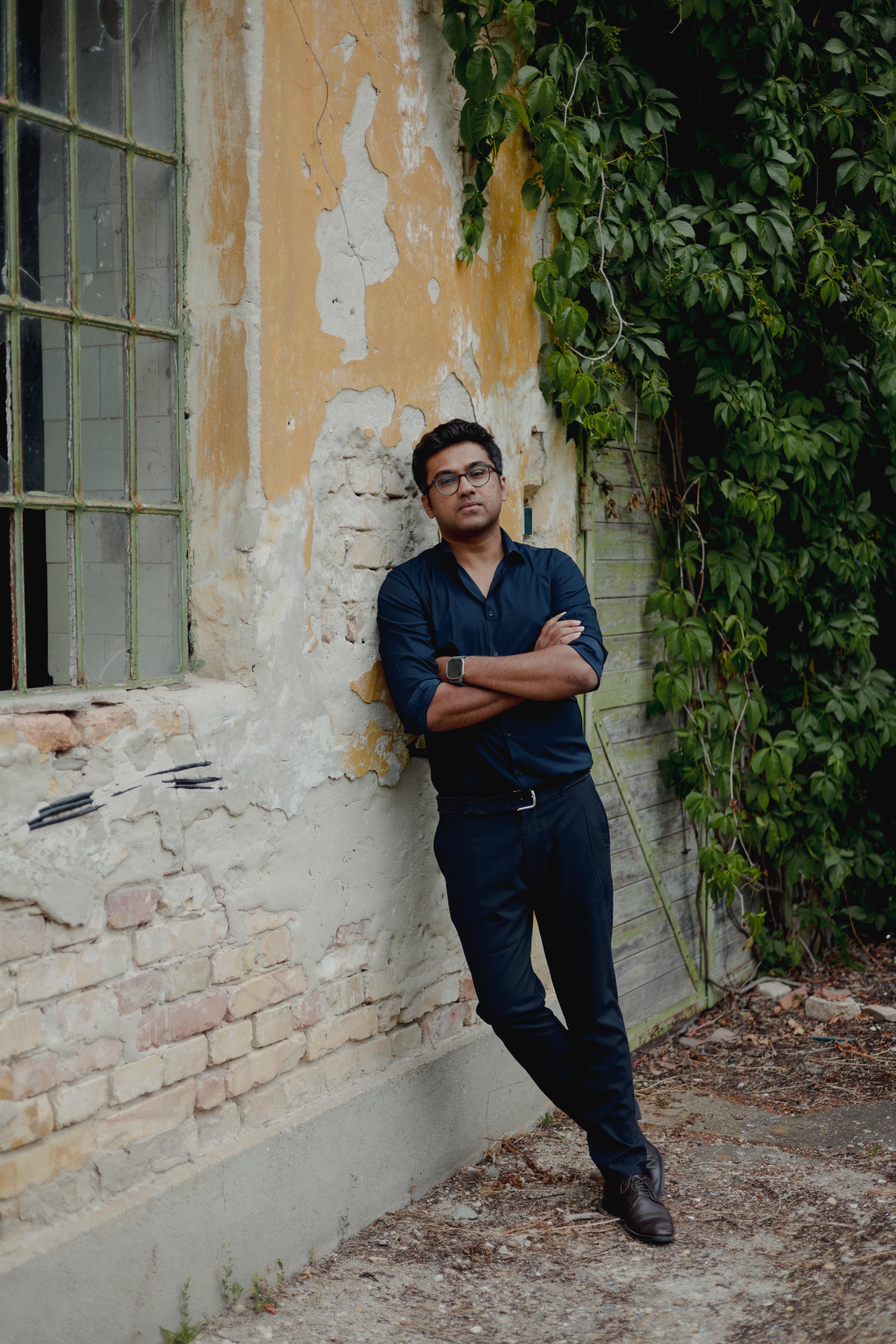
House On The Clouds is ranked among the world’s top 100 wedding photographers and has documented some of the most-watched celebrity weddings in India. But take us back to the very beginning. What drew you to wedding photography specifically, and what did you see in it that others might have overlooked?
I never really planned on becoming a wedding photographer. In fact, when I moved to the US to work in IT, weddings were probably the last thing I imagined for myself. But the long, quiet winters there pushed me toward photography almost accidentally. I began experimenting with conceptual images in the confines of a tiny room, teaching myself how light, framing, and emotion could completely alter how a moment felt.
Everything changed in 2014, when a friend asked me to photograph his interfaith wedding simply because I owned a DSLR. What struck me was not just the scale of emotion, but the cinematic nature of it all: the tension, intimacy, chaos, silence, all unfolding simultaneously. It made me realise that weddings were not just social events. They were deeply layered human stories.
At the time, most wedding photography felt very observational or overly ornamental. Beautiful, yes, but often distant from what people were actually feeling. What I felt was missing was emotional atmosphere: the in-between moments, the unguarded exchanges, the quiet humanity inside all the spectacle. I was drawn to the idea that wedding imagery could feel editorial and cinematic while still remaining deeply raw and real.
That instinct became the foundation of House On The Clouds in 2016. In the early days, we did everything ourselves, sometimes even carrying fairy lights to venues at three in the morning just to shape the mood of a frame. Later, that instinct naturally evolved into films, where we began experimenting with non-linear storytelling and cinematic visuals at a time when wedding films followed a very fixed template.
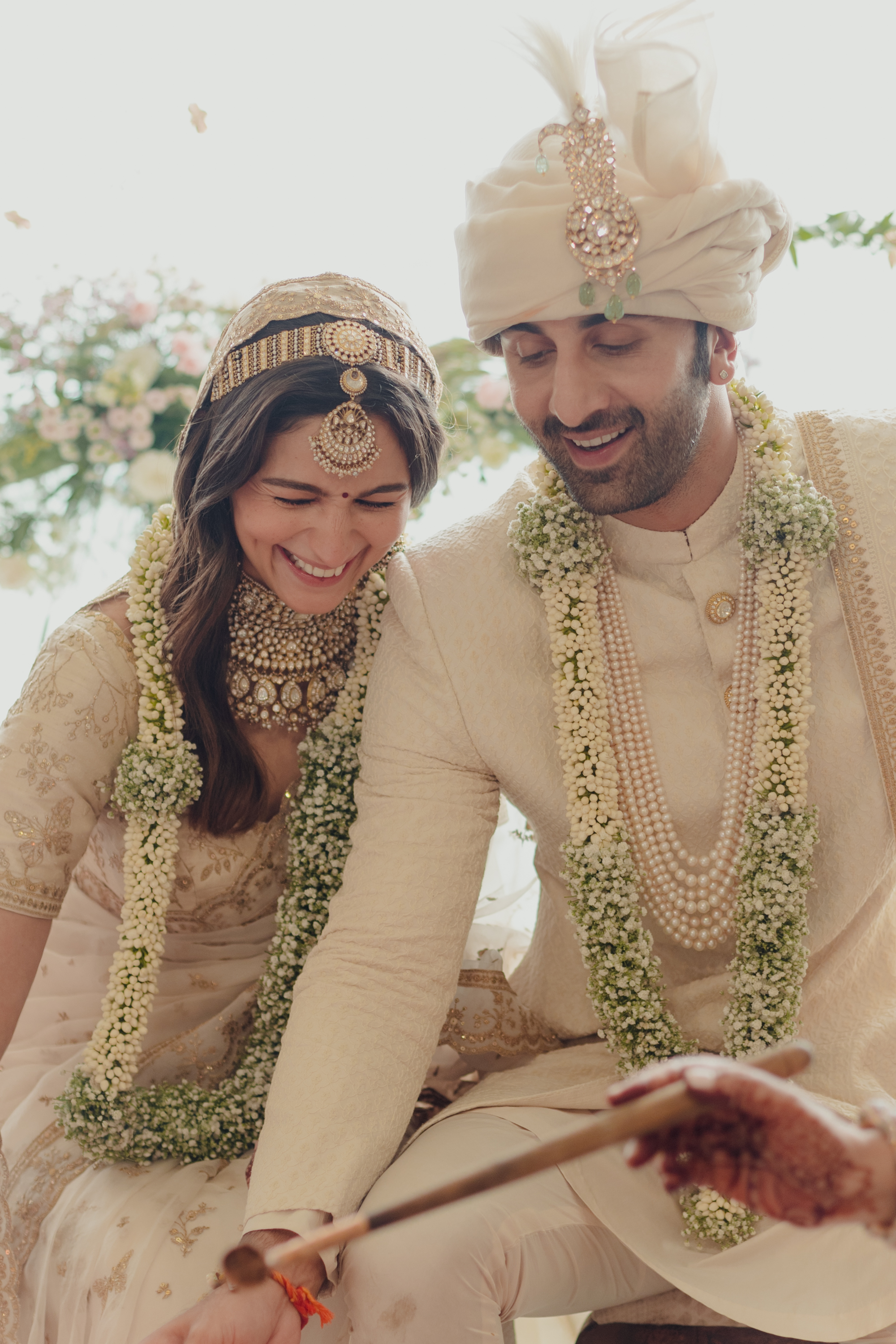
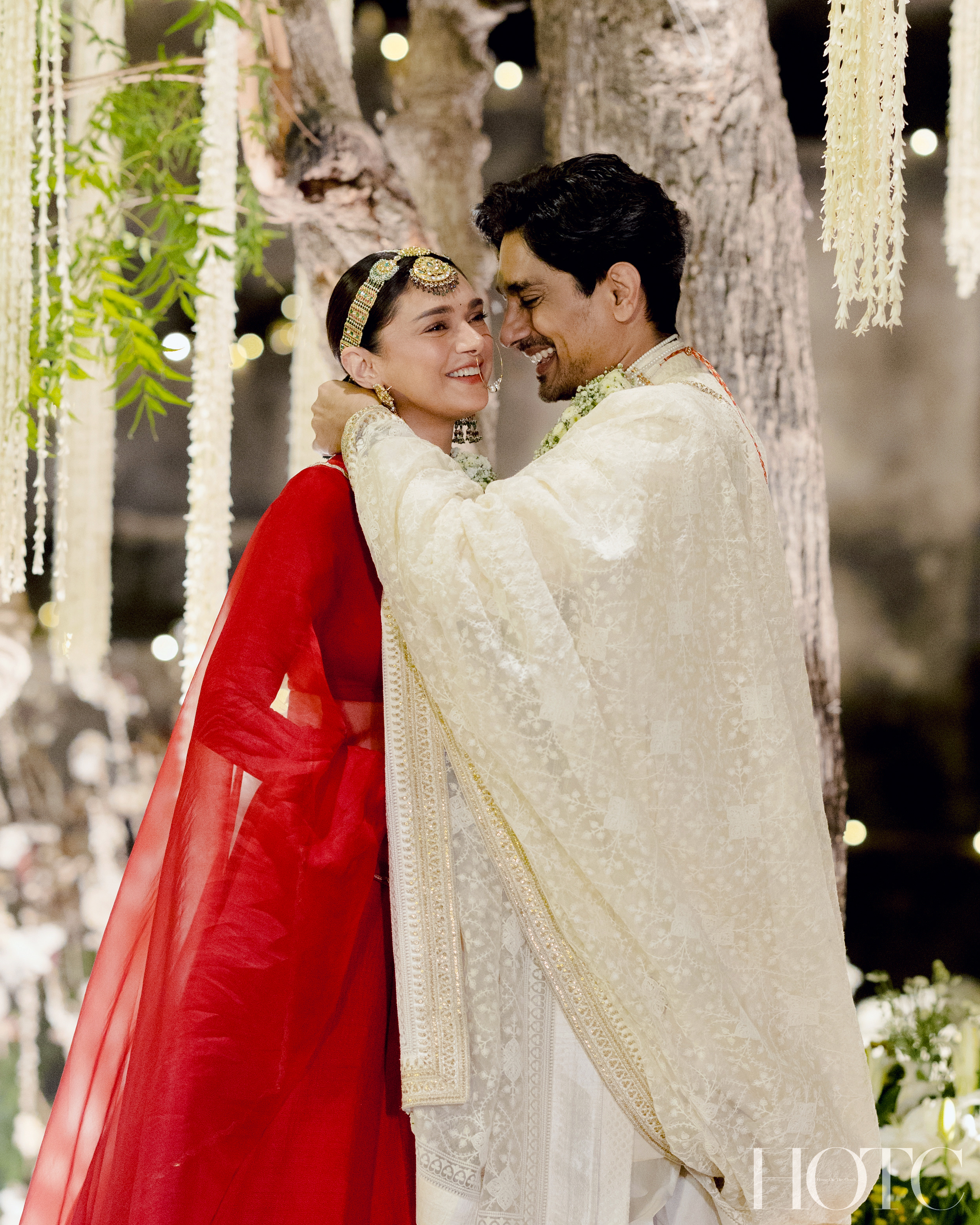
Alia Bhatt and Ranbir Kapoor. Kiara Advani and Sidharth Malhotra. Athiya Shetty and KL Rahul. Rashmika and Vijay. These are not just weddings: they are cultural moments. What is it like to be the person trusted to document something that belongs, in some way, to an entire country? And was the particular quality of the Rashmika and Vijay images, so emotional and alive in a world of perfectly neutral aesthetic frames, intentional?
What is unique about celebrity weddings is that they exist on two levels at once. They are deeply personal to the couple, yet emotionally significant to millions of people watching from the outside. There is an immense responsibility in documenting something that has, in some way, become part of a larger cultural memory. But for us, the priority is always to protect the intimacy inside that scale.
No matter how visible the couple may be, our approach does not really change. We are not thinking about the internet while shooting. We are thinking about the people inside the frame. With Rashmika and Vijay, the intention was never to make the images feel overly constructed. They share a very natural, easy chemistry, and our role was simply to create the space for that to unfold honestly. We kept the crew minimal, the direction gentle, and let their rhythm lead the frame.
Perhaps that is why the images resonated the way they did. In a world of overly polished wedding imagery, people connected to something that felt emotionally alive and recognisable. Whether it is a globally anticipated celebrity wedding like Alia and Ranbir or a deeply private ceremony like KL Rahul and Athiya, the instinct remains the same: to document the emotional truth of the day with sensitivity and restraint.
What is the House On The Clouds philosophy when it comes to what a wedding photograph should actually feel like?
At House On The Clouds, we have never believed a wedding photograph should simply look beautiful. It should feel lived-in. Emotional. Effortless. Our philosophy has always been rooted in honesty, even when the visual language feels cinematic or editorial. We are drawn to the intimacy inside the chaos, the silences between conversations, the fleeting expressions people do not realise they are revealing. That is where the real story exists for us.
As a team, despite coming from different backgrounds, we are united by a shared instinct: to document weddings from within, not from the outside looking in. We try to become a part of the emotional rhythm of the day, almost like close friends who know when to step back and when to lean closer. That trust creates space for authenticity, and authenticity is what gives an image longevity.
You have been described as photographers that celebrities trust with their most personal celebrations. Trust at that level does not come from a portfolio alone. How do you build it, and what does it take to protect it?
For us, trust begins long before the camera comes out. It comes from understanding who the couple really is, how they move together, what matters to them, and what kind of emotional space they want their wedding to hold. We have never believed in imposing a fixed style on people. Every wedding carries a different energy, and our role is to respond to that honestly rather than force it into a template.
A large part of building trust is knowing when to step in and when to disappear. We keep our process calm, minimal, and unobtrusive so people can remain themselves without feeling observed at all times. Protecting that trust also means understanding the weight of intimacy. Especially with public figures, there is a responsibility to document the day tastefully, without turning it into a spectacle.
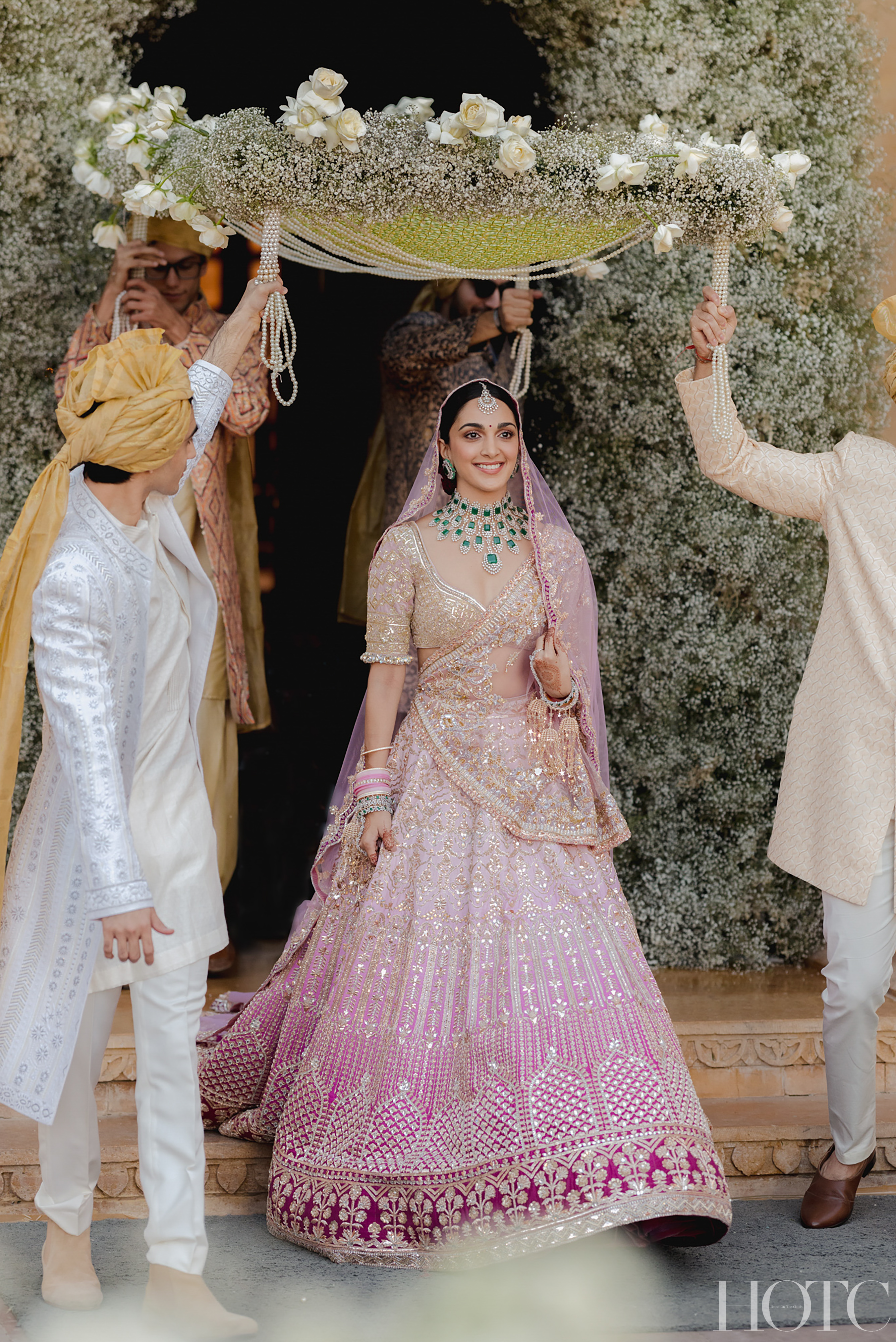
Celebrity weddings come with extraordinary security, controlled environments, limited access, and enormous pressure. How do you create images that feel free and unguarded under those conditions?
Celebrity weddings naturally come with layers of structure: security, timelines, controlled access, and public attention. But interestingly, creating honest images within that environment often comes down to making the couple forget all of that exists, even if only for a few moments.
What also helps is understanding that beneath all the visibility and pressure, a wedding is still an intensely personal experience. There are still nerves, laughter, quiet pauses, and emotion unfolding in real time. We stay close to that emotional rhythm rather than to the spectacle surrounding it.
Wedding photography in India has evolved dramatically. There is a new visual language emerging: more editorial, more emotional, less staged. Where do you see House On The Clouds within that shift, and where do you think it still needs to go?
A large part of that shift came from people beginning to see weddings not just as events to document, but as stories to interpret. Early on, we instinctively leaned into that space. In many ways, House On The Clouds became part of a broader movement that redefined what Indian weddings could look and feel like. But what excites us most is not just the aesthetic evolution. It is the emotional one. Couples today are moving away from overly staged perfection and leaning toward imagery that feels intimate, layered, and lived-in. That honesty is where we see the future heading.
As for where we still want to go, we are interested in pushing storytelling further, creating work that continues to feel emotionally immersive while evolving visually. The medium will keep changing, but the intention remains the same: to make people feel something real.
You work with a team to document these moments. What does it take to build a team that sees the way you see, and responds in the same fraction of a second that you do?
I do not think it is about building a team that sees exactly the way I do. In fact, that would make the work less interesting. What matters more is building a shared sensitivity, an understanding of emotion, timing, and the kind of moments we are drawn to. A lot of it comes from spending years working together, observing together, and slowly developing a rhythm as a team. Over time, that creates a certain intuition where people begin responding to moments instinctively, almost without needing to communicate.
What is coming next for House On The Clouds, and what does the image look like that you have not taken yet but are working towards?
As House On The Clouds completes ten years, we find ourselves moving toward work that feels quieter, slower, and even more intentional, while continuing to explore different ways of expressing weddings through photography and film.
As for the image we have not taken yet, it is probably connected to cultures, traditions, and experiences we have not fully explored yet. We have been fortunate to document weddings across many parts of the world, but there is still so much left to witness and understand. I think that curiosity is what keeps the work evolving.
Follow Best List India for the culture, conversations, and ideas worth paying attention to.