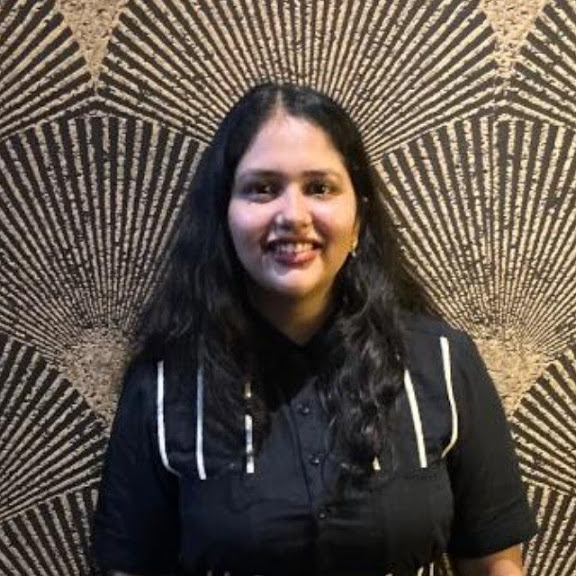
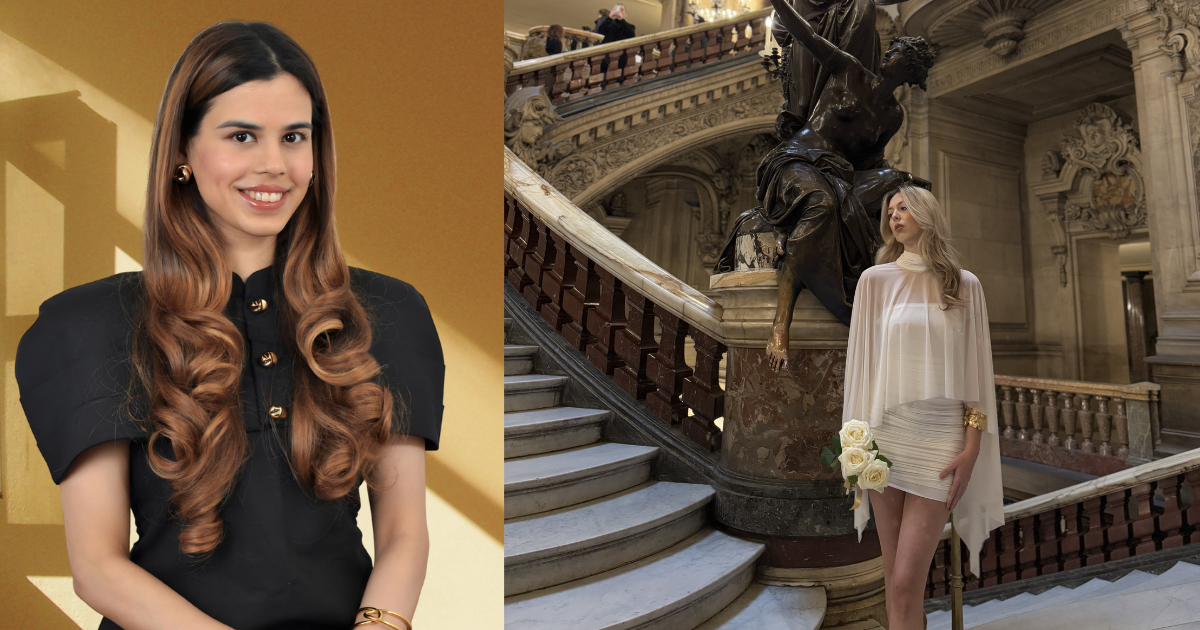
There are fashion brands, and then there are fashion philosophies that happen to make clothes. ISHUE, the Mumbai-based label founded by Isha Mogul, belongs to the second category entirely. Structured not around seasons but around editorial issues, each collection its own chapter in a larger, ongoing story, ISHUE arrived on the Indian fashion scene with a debut that felt less like a launch and more like a declaration. Indian Heart, Parisian Soul is not merely a tagline. It is a precise articulation of a brand that has thought carefully about where it comes from, what it believes in, and who it is dressing. Mogul, who studied Fashion Business Management at NYU and International Fashion and Luxury Management at Institut Francais de la Mode in Paris before returning to Mumbai to build something entirely her own, is the kind of founder who has clearly been preparing for this for a very long time. We sat down with her to find out exactly what she is building, and why it matters.
ISHUE is structured like a series of editorial issues, each collection its own story, its own rhythm. Where did that idea come from?
To me, fashion is the purest form of storytelling. Beyond being a mode of expression, I think it allows us to step into different versions of ourselves — it is almost like building a character. So when I was ideating ISHUE, I knew I did not want it to feel like just another fashion brand with seasonal collections. I have always been very drawn to aesthetics and storytelling, particularly the world of editorials, which is actually where the name ISHUE comes from. I loved the idea that every issue carries its own mood and feeling, while still belonging to a larger narrative. I wanted to bring that same continuity into fashion. So instead of approaching collections traditionally, I started thinking of them more like editorial issues or chapters. Each one has its own story, but still feels connected to the same evolving world. What that frees me to do is create with more emotion and continuity, instead of constantly chasing what is new. Rather than designing for a single moment, the pieces are able to evolve with the woman wearing them and take on different meanings at different stages of her life.
You studied in New York, London, and Paris. At what point did you know you were building towards something of your own?
It sounds cliche, but I have wanted to have my own brand for as long as I can remember. There was never a Plan B, just this. So even while I was studying fashion, a part of me was always thinking about this day. I am extremely grateful to have lived across these incredible fashion capitals because each city shaped me differently. New York taught me pace, momentum, and the importance of individuality. London taught me restraint and the idea that sometimes less really is more. But when I eventually moved to Paris, something really clicked for me. I felt most like myself there. I really resonated with the classic approach to dressing, and it is where I developed not just a stronger sense of personal style, but also a stronger sense of self. At the same time, being from Mumbai shaped my perspective just as much. It made me want to create something that merged a global sensibility with something proudly made in India.
ISHUE’s tagline is Indian Heart, Parisian Soul. How do you hold those two identities in a single garment without one overpowering the other?
The balance comes from understanding that the two identities serve very different purposes within the garment. Paris shapes the emotional language of ISHUE — the silhouettes, the femininity, the feeling it is meant to evoke — whereas India shapes how that vision is actually brought to life through craftsmanship and the hands that make each piece. I have never approached it as a literal fusion where one element has to visibly represent India and another Paris. Instead, I think of the garment as a meeting point between sensibility and craft. What interests me most is creating a synergy between the two, where neither overpowers the other. In many ways, the outward expression of each piece is distinctly Parisian, whereas its foundation is deeply Indian, because without that foundation, the garment would lose its meaning.
Your debut collection is called Between Two Worlds and features the Vendome Set. Walk us through the making of that first collection.
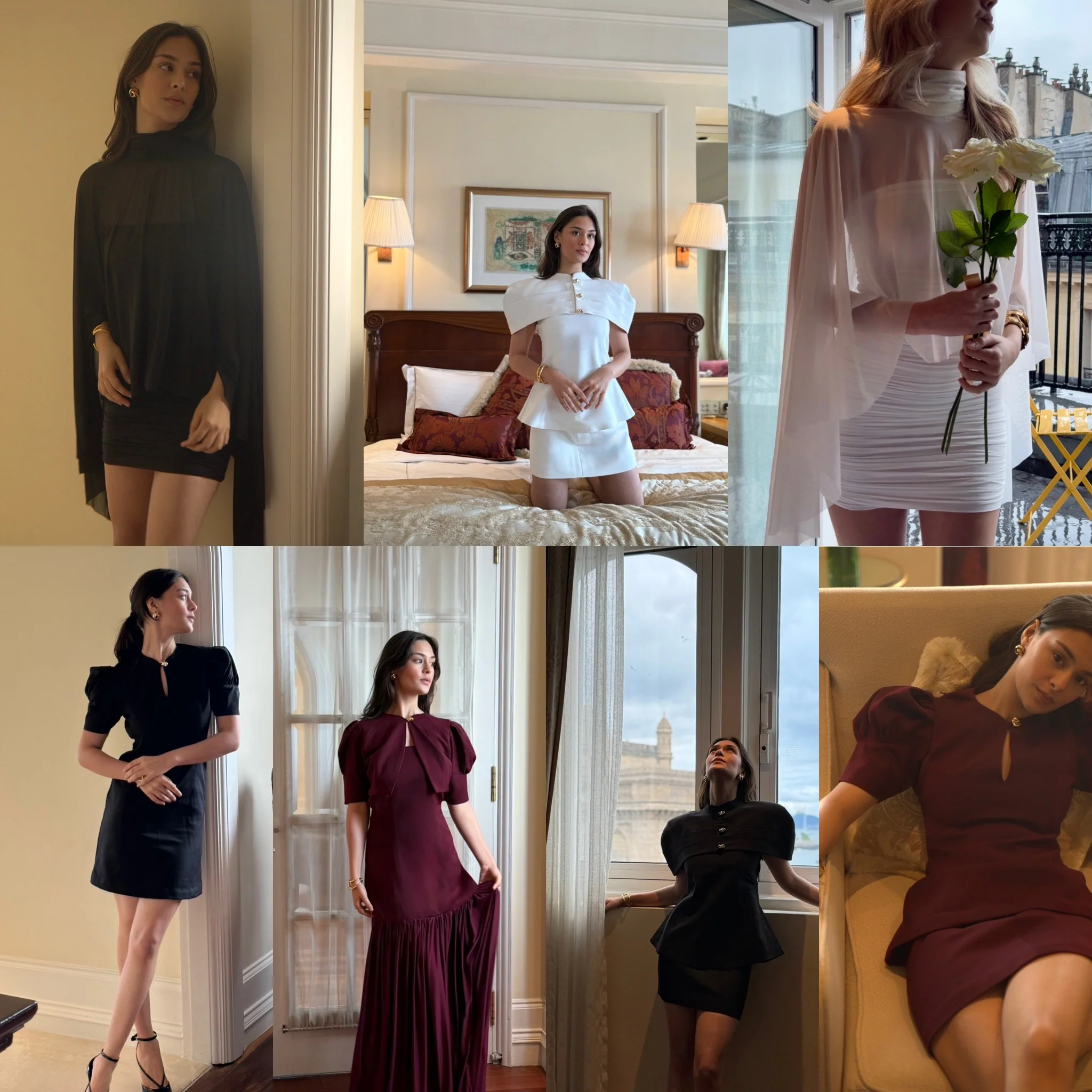
I worked on ISHUE for around a year before launching it and the process of the first collection was really about refining ideas over and over again until everything felt true to the vision of the brand. Paris played such a transformative role in my life that I wanted the brand to evoke that feeling and, in a way, bring a little of Paris to Mumbai, which is why the debut collection is titled Between Two Worlds. The collection was intentionally concise: just seven styles in burgundy, black, and white, inspired by the timelessness of French style. Every piece was named after a different arrondissement in Paris, with each design reflecting the atmosphere and architecture of the place it referenced. The Vendome Set, for instance, draws from the old-world sophistication and structure of the 1st arrondissement, particularly Place Vendome. The set’s sharp tailoring and monochromatic palette were designed to feel almost like wearable architecture. Bringing the collection to life involved countless samples, fittings, and reworks alongside local artisans, which actually ended up becoming one of the most rewarding parts. Launching it ultimately felt cathartic, like finally sharing something I had quietly held onto for such a long time.
ISHUE is made-to-order, brought to life by artisans in your Mumbai atelier. In an era of fast fashion, why did you choose the slower path from the very beginning?
This was truthfully the only approach I ever thought would do justice to the philosophy behind ISHUE. We design for special moments, so every garment is meant to feel personal. Alongside our standard sizing, we offer customisations in fit, length, and colour because individuality is such an important part of how the piece is experienced and worn. I also think occasion wear naturally carries emotional value, so slowing the process down gives us the space to focus on the small details that would otherwise get lost in a system built around speed and volume. Our pieces are deeply rooted in meaning, and I do not think they would hold the same value if they were produced within a fast-fashion system.
Your philosophy is continuity over seasonality. What does that mean for the woman who wears ISHUE, and how does it change her relationship with what she owns?
Continuity over seasonality comes from the idea that life itself is made up of different chapters, each one reflecting a different phase of who you are at that moment. I see ISHUE in a similar way. Every collection may have its own mood or story, but they all still belong to the same world. I have always wanted our pieces to become part of a woman’s journey over time. A woman might wear the same piece at very different moments in her life and connect to it differently each time, because she has naturally evolved. I think this changes the way women relate to their wardrobes as well, because the pieces are not just bought for one event or one Instagram post, but collected more intentionally, almost becoming like tangible memories attached to different phases of life.
You describe femininity in ISHUE’s language as rediscovery rather than reinvention. What are you rediscovering, and for whom?
I think femininity today is seen as something that constantly needs to be reinvented in order to feel relevant, whereas what interests me more is the idea of rediscovery — returning to a softer understanding of femininity that perhaps already existed within us, but got lost somewhere in the pressure to constantly perform or harden ourselves. With ISHUE, I was not trying to invent a new kind of woman. I think I just missed a certain kind of romance and old-world charm that fashion had slowly moved away from. As everything around us became louder, those quieter qualities started to feel rare, and I wanted to create pieces that would help women reconnect with that side of themselves again in a way that feels pure and unapologetic.
If ISHUE were a Parisian arrondissement, which one would it be and why?
It would definitely be a mix of the 1st and the 3rd. The 1st carries a sense of authority that is polished and unmistakably Parisian. It has that refinement and restraint that feels very ISHUE. But the 3rd, especially Le Marais, brings in the more playful side with its cafes, galleries, and creative energy. I think the duality of the ISHUE woman exists between both these worlds, because she is put-together but she does not want to feel overly perfect. She will wear a tailored matching set, but style it in a way that still feels effortless. So at its core, ISHUE is polished but full of personality. It has the sophistication of the 1st with the je ne sais quoi of the 3rd.
The made-in-India, inspired-by-Paris positioning carries a real responsibility to your artisans, to Indian craftsmanship, to the women who wear your pieces. How do you think about that as you grow?
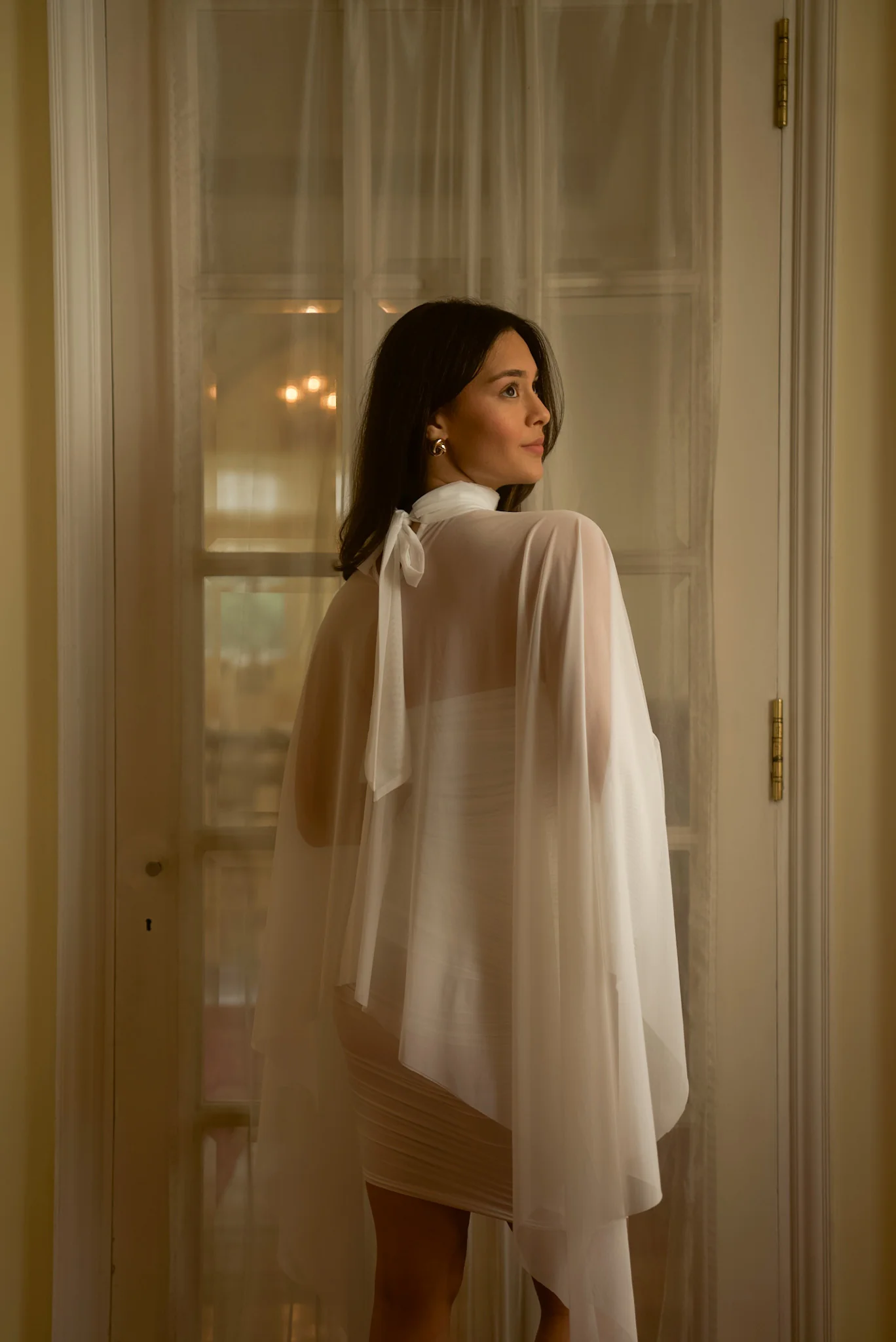
I have been thinking about this a lot lately. I am very close to my artisans — they are almost like family at this point. They have seen ISHUE before it was even tangible, when it was just an idea and a sketch, and I really want that collaborative process to continue growing alongside the brand. There is also a responsibility towards the women wearing ISHUE. I have always wanted the clothes to feel special to them beyond just the visual aspect, so as the brand grows, it is important that the sense of care and connection behind each piece remains, both in the making of it and in the experience of wearing it.
What is the next launch of ISHUE, and what story is it going to tell?
The next collection is still very rooted in femininity, but in a softer and more intimate way. I cannot reveal too much yet, but it explores a different, more mature side of the ISHUE woman. Something a little more delicate, romantic, and layered. It is still in the works, and I am very excited for it to be out there. It feels like a very natural transition into the next phase of the ISHUE woman’s life.
Isha Mogul is the Founder and Creative Director of ISHUE, Mumbai.
Follow ISHUE on Instagram.
Visit ISHUE
For India’s most considered fashion voices, independent label edits, and the founders rewriting the rules of Indian design: Follow The Best List India