Minimalism, it turns out, has a shelf life.
For the better part of five years, the prevailing aesthetic logic of fashion was reduction. Less. Quieter. The tonal outfit, the barely-there jewellery, the bag that cost more than a flight but announced itself to no one. Quiet luxury, the trend that defined the early part of this decade, built its dominance on the premise that restraint was the ultimate sophistication, that the truly well-dressed woman needed nothing so gauche as a statement to make her presence felt.
She has, collectively and rather decisively, changed her mind.
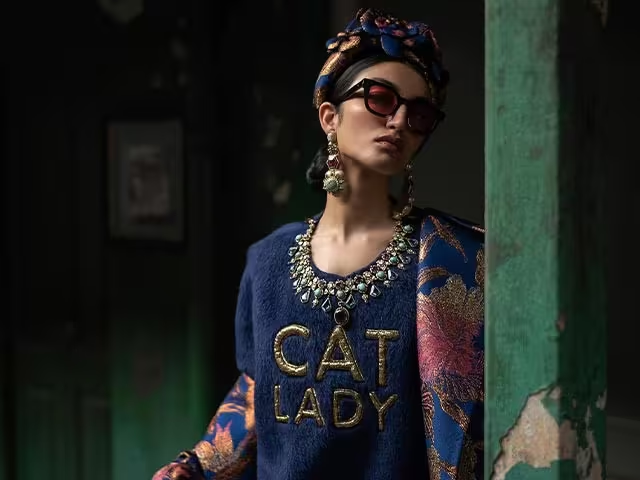
The maximalism returning to fashion in 2026 is not the maximalism of a decade ago, the everything-at-once energy of the post-pandemic release, the dopamine dressing that reached for colour and volume as a form of relief. It is something more considered than that, more intentional. It is maximalism as a position rather than a reaction, a deliberate choice to take up space, to be seen, to let the accessories carry the argument that the outfit itself no longer needs to make alone.
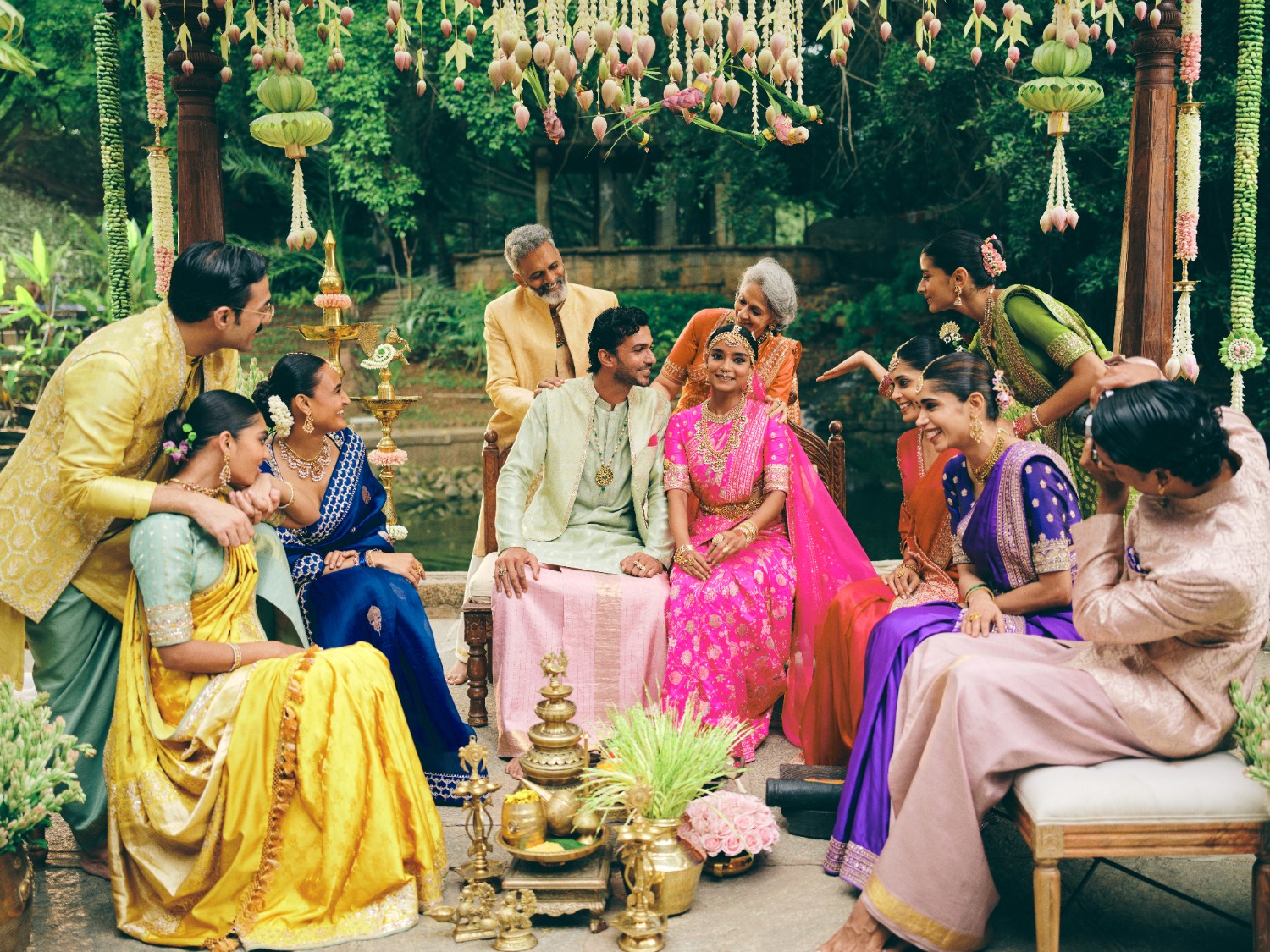
And in India, where the tradition of adornment runs deeper and longer than in almost any other fashion culture on earth, the return of the statement accessory feels less like a trend arriving and more like a homecoming.
What Changed
The quiet luxury moment was always a somewhat awkward fit for the Indian aesthetic sensibility. The country’s relationship with jewellery, with embellishment, with the considered accumulation of beautiful objects worn on the body, is not a trend. It is a cultural inheritance stretching back centuries, visible in temple sculpture, in miniature painting, in the wedding trousseau that represents the most serious material investment many families make. The idea that sophistication requires self-erasure was always a Western proposition, and one that sat uneasily against a tradition that understood, long before any fashion editor articulated it, that adornment is a form of intelligence.
What 2026 has done is give Indian women, and the designers dressing them, permission to say this out loud.
The global runway has played its part. Schiaparelli’s sculptural jewellery, Bottega Veneta’s return to volume, the maximalist confidence of Valentino’s recent collections: the international conversation has shifted far enough that reaching for a statement piece no longer reads as a failure of taste. But in India, the more interesting development is happening closer to home, in the ateliers and workshops of designers who are building a maximalist vocabulary that belongs entirely to this moment and this place.
Our Picks
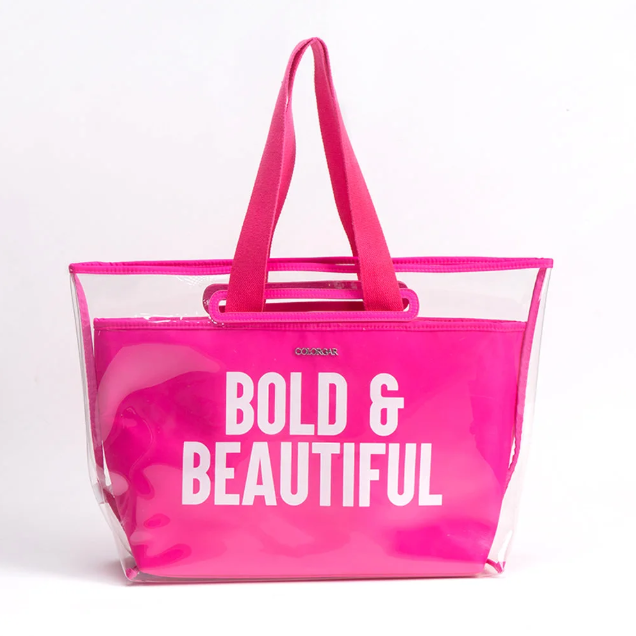
The Bold & Beauty Tote from Colorbar
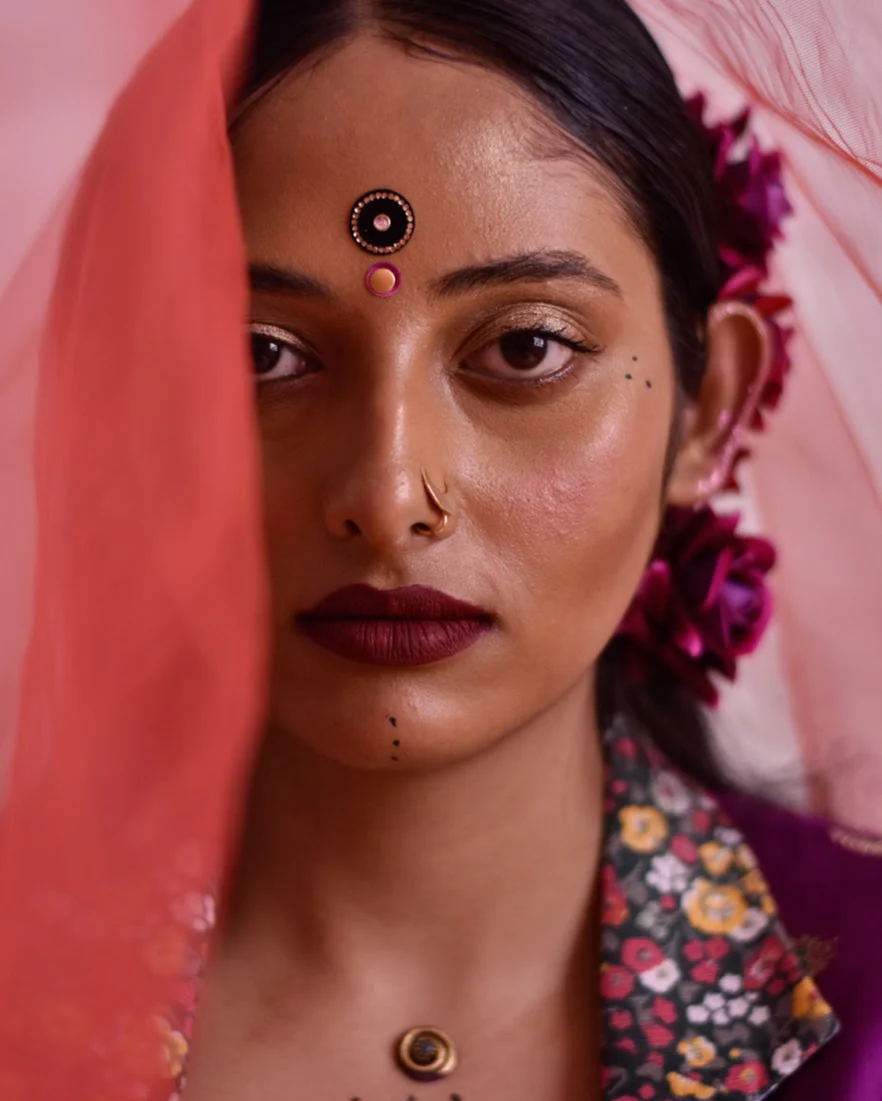
Contemporary Bindi from The Bindi Project
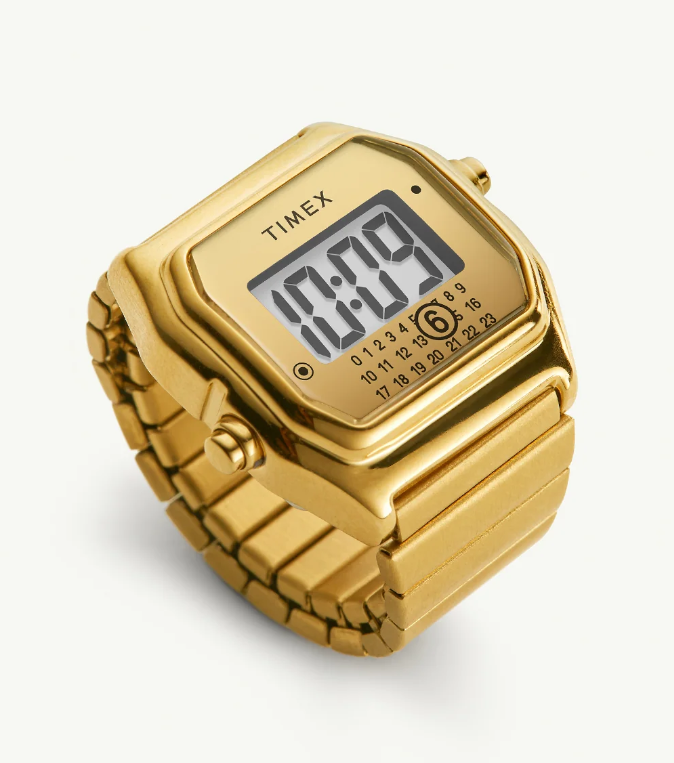
MM6 x Timex T80
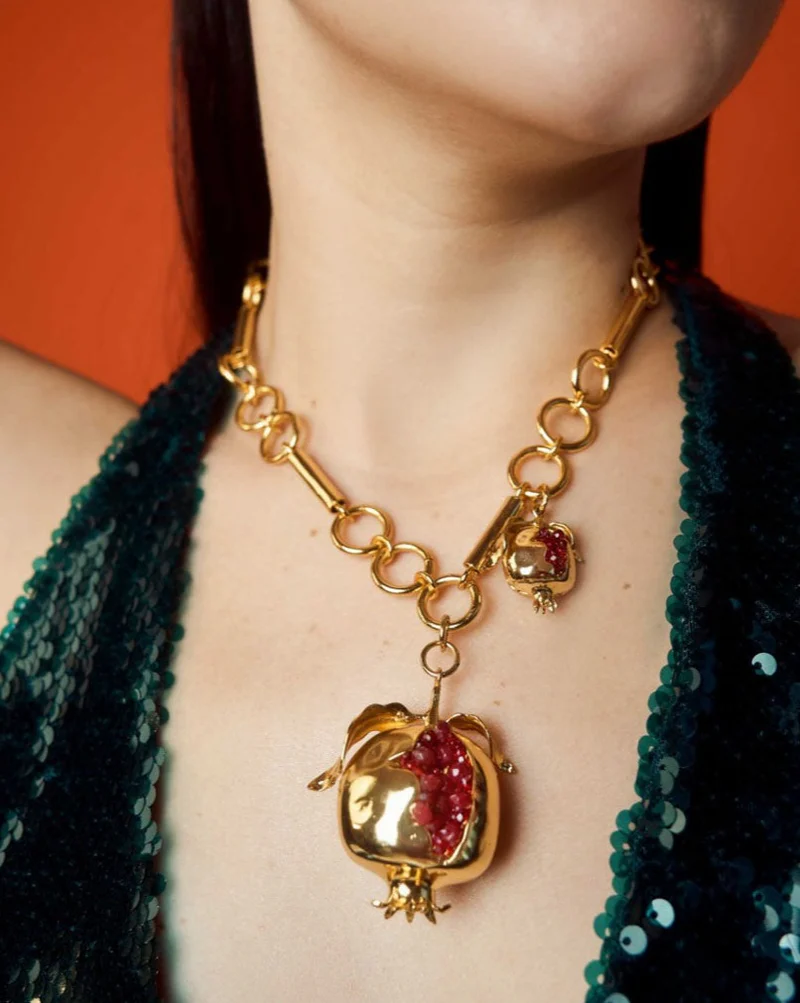
Pome Necklace from AMAMA
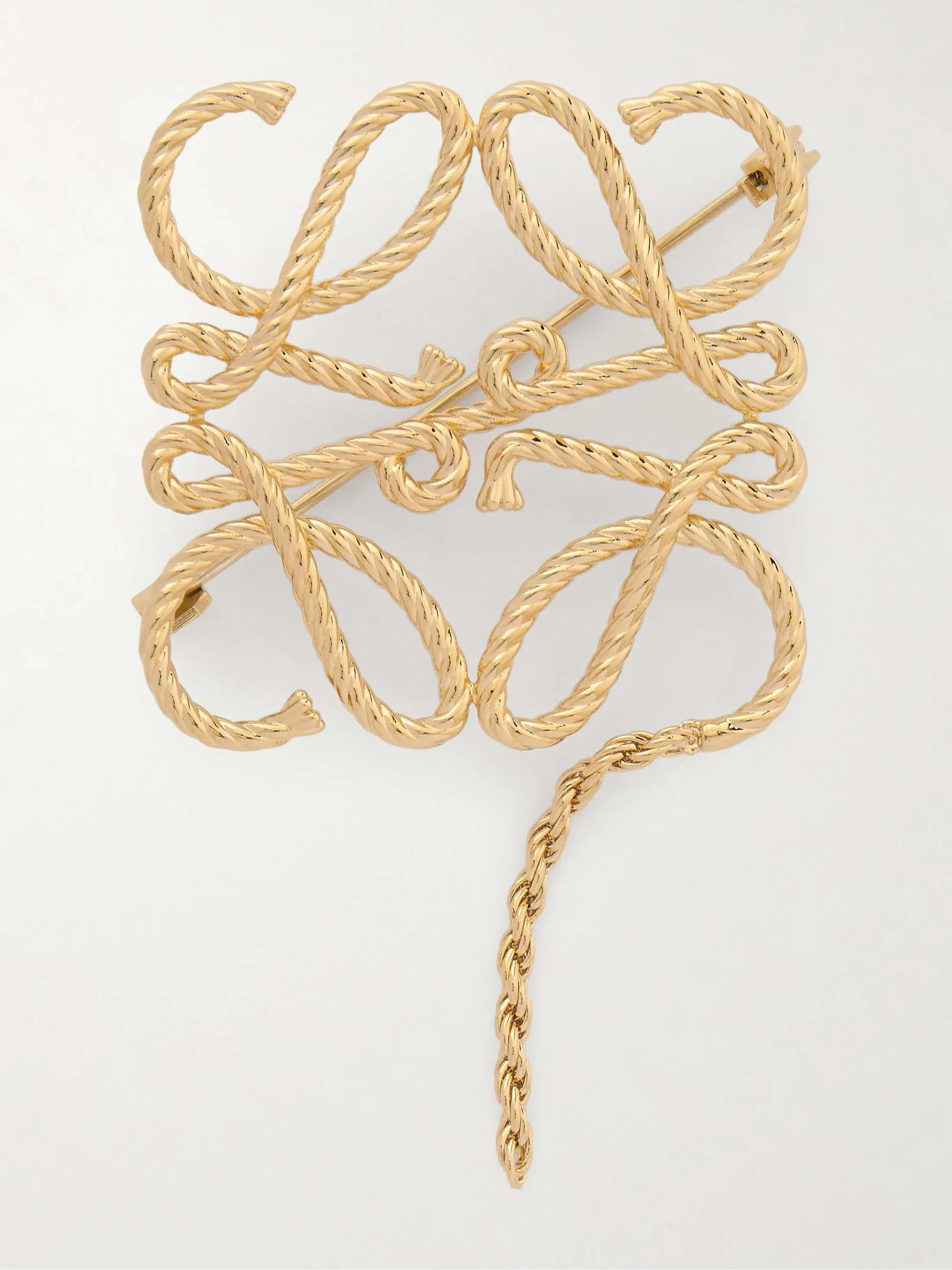
LOEWE Anagram Rope Gold-Tone Brooch
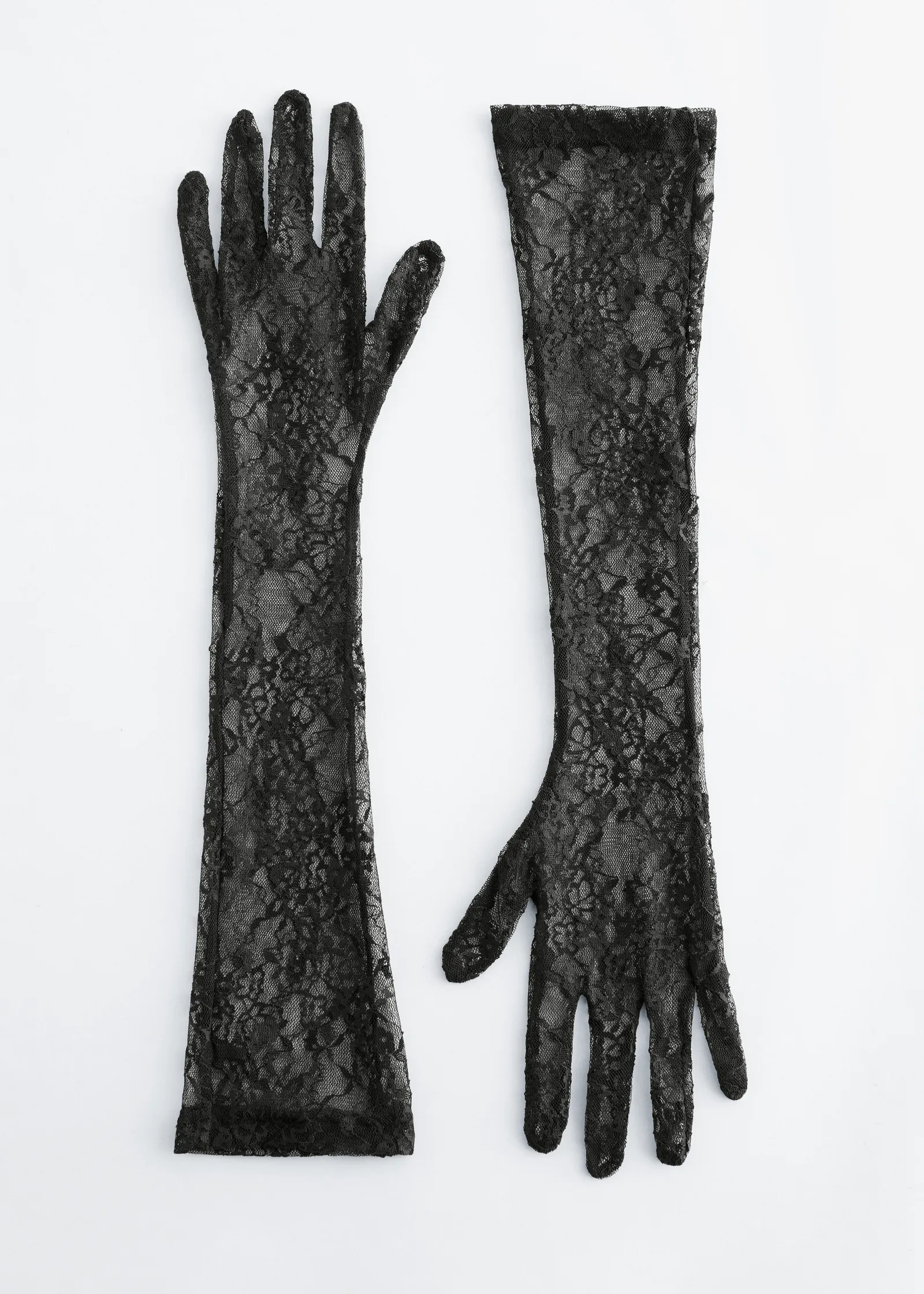
& Other StoriesLong Lace Gloves
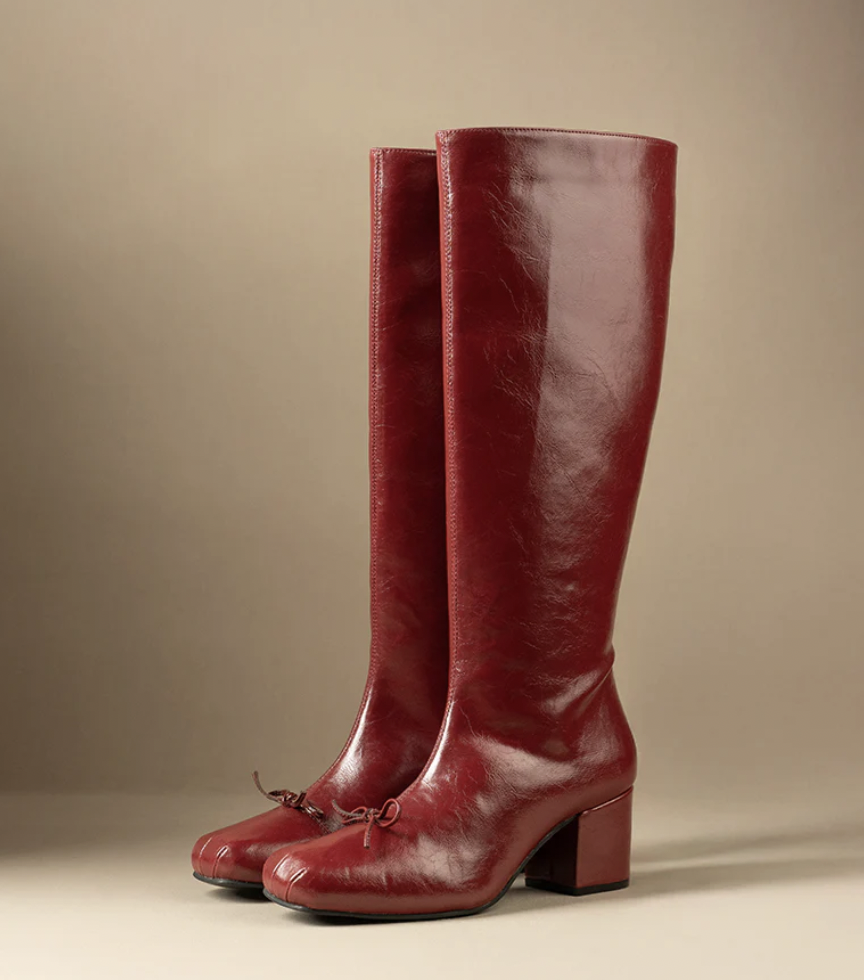
Everest Cherry Boots from Theater
The Principle Underneath the Trend
The return of maximalism is not, at its root, about accessories. It is about a shift in what fashion is being asked to do.
The quiet luxury era asked fashion to signal membership in an elevated group through the codes of restraint. The implicit message was that the truly sophisticated woman had nothing to prove and therefore proved it by wearing as little as possible by way of statement. It was, in its way, a confidence game, and like all confidence games, it eventually ran out of people willing to play.
What maximalism proposes instead is more straightforward and, in the Indian context, considerably more honest: that beauty is worth celebrating, that adornment is a form of self-expression rather than self-indulgence, and that the woman who walks into a room wearing a Sangeeta Boochra necklace and an Isharya ear stack is not compensating for anything. She is simply, and with considerable intention, dressed.
In 2026, that intention is the whole point.
Follow Best List India for the culture, conversations, and ideas worth paying attention to.