
There is a particular kind of cultural moment that announces itself not with a press release but with a queue. A line outside a small shop on a Tuesday evening. A sold-out flavour by noon. A city that has, collectively and without prior arrangement, decided that something it has eaten all its life deserves to be reconsidered from the beginning.
India is having that moment with ice cream. And it is considerably more interesting than it sounds.
The ice cream of Indian collective memory is a specific and beloved thing: the Kwality Wall’s cone at the school gate, the Amul bar from the corner shop freezer, the kulfi on a stick that arrived at the end of a wedding dinner without anyone having ordered it. These are not small memories. They are stitched into the fabric of growing up in this country, and no amount of artisanal reinvention will or should displace them.
What is happening instead is something more additive than corrective. A generation of makers has looked at ice cream, a medium that the mainstream industry long ago reduced to a vehicle for sugar delivery and brand nostalgia, and decided that it is capable of considerably more. The results, appearing in small-batch producers and single-scoop shops across India’s metros and, increasingly, beyond them, represent the most genuinely exciting development in Indian dessert culture in years.
Why Now
The timing of India’s artisanal ice cream renaissance is not coincidental. It is the product of several converging forces that have been building for the better part of a decade and arrived, simultaneously, at a point of critical mass.
The first is ingredient access. The quality of dairy available to small-batch producers in India has improved significantly, and with it the baseline quality of what is possible in a scoop. Fresh cream from traceable sources, milk with actual fat content, butter that behaves like butter: these are not luxury inputs in an absolute sense, but they represent a meaningful step above what the industrial production model has historically used, and the difference in the finished product is immediately apparent to anyone paying attention.
The second is flavour ambition. The Indian palate, always more complex than its dessert culture has been given credit for, has found in artisanal ice cream a medium willing to take it seriously. The makers doing the most interesting work are not simply making better versions of chocolate and vanilla. They are reaching into the Indian pantry with a confidence that the mainstream industry never demonstrated: saffron and cardamom, yes, but also tamarind, kokum, paan, rose with black pepper, filter coffee with jaggery, and a dozen other combinations that feel simultaneously new and entirely familiar.
The third is the cultural permission that comes from watching a global conversation about food provenance and artisanal production, absorbing it, and deciding that India has something specific and worthwhile to contribute. The best Indian ice cream makers in 2026 are not imitating a Western artisanal template. They are building something that could only have come from here.
The Makers
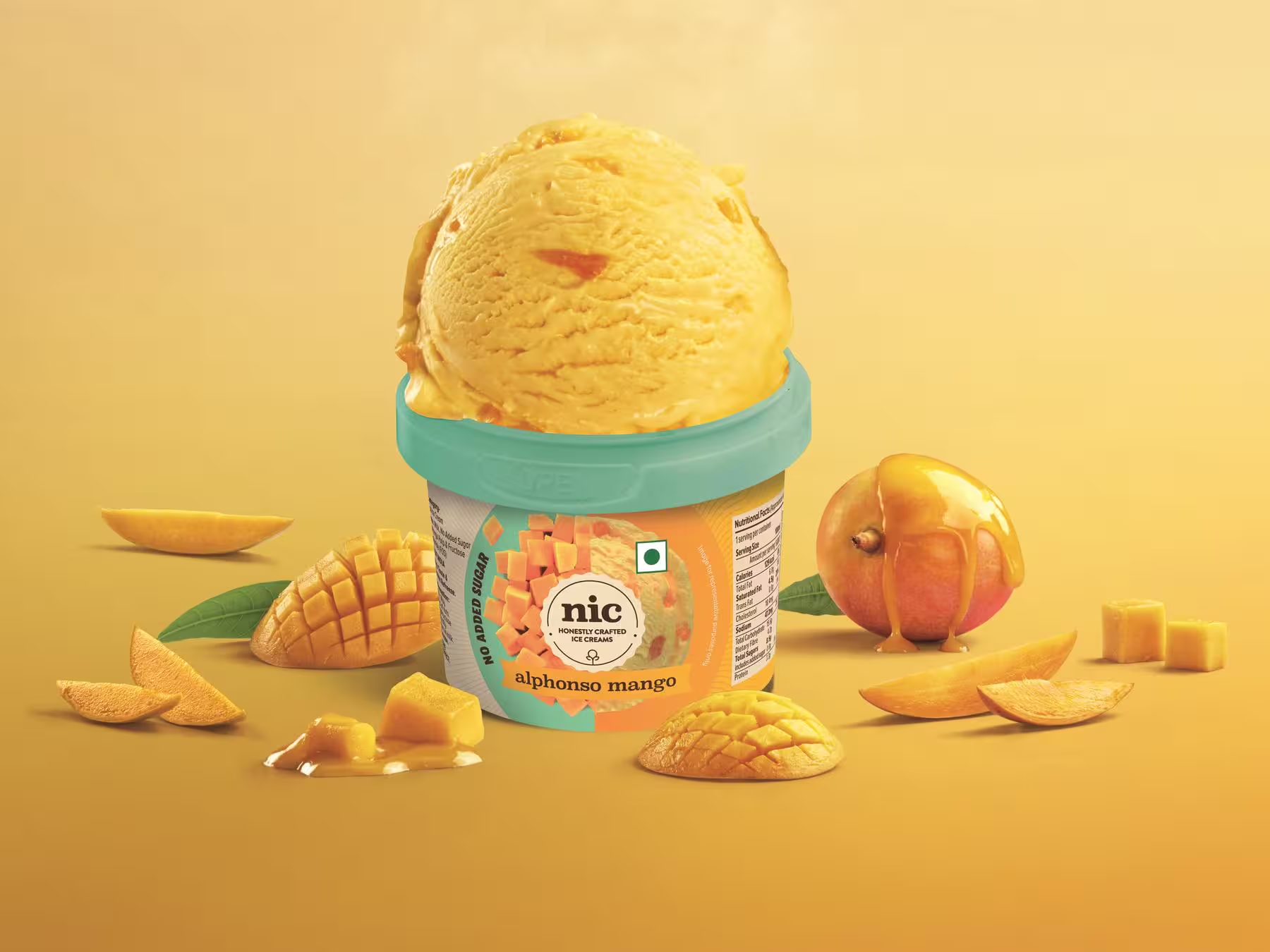
NIC Ice Creams, which began in Pune and has since expanded considerably, occupies the interesting territory between artisanal and accessible. Their commitment to natural ingredients without artificial colours or flavourings is not a marketing position but a founding principle, and it produces ice cream that tastes, with some immediacy, like the thing it is supposed to be. Their alphonso mango scoop in season is one of the more honest arguments for single-ingredient simplicity in Indian dessert-making.
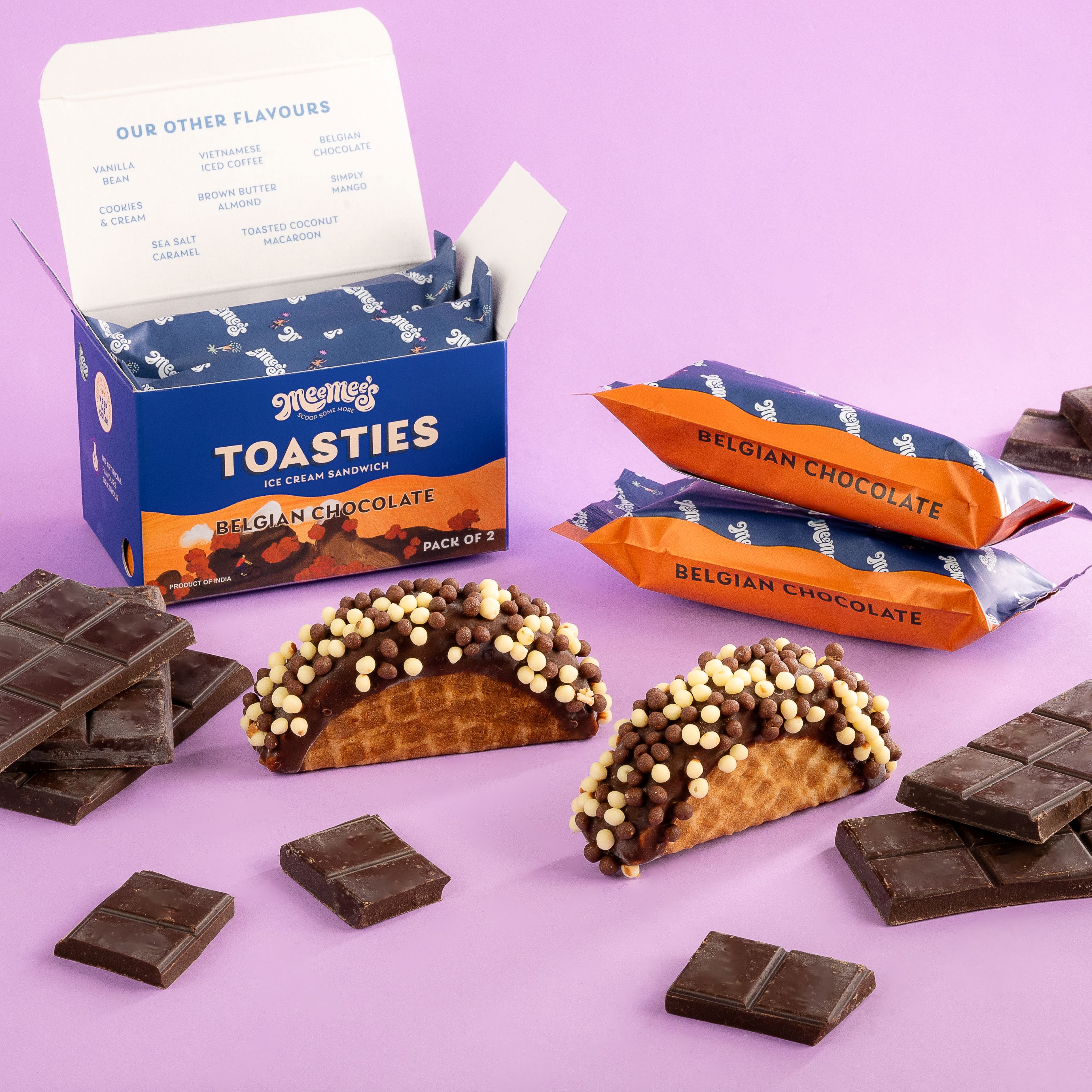
Meemee’s: Meemees is reinventing classic ice cream into playful, artisanal creations that are impossible to resist. Their Toasties are a delicious mash-up of a waffle cone and an ice cream sandwich, with a crunchy outer shell that gives way to creamy, fluffy ice cream inside. Flavours like Sea Salt Caramel, Toasted Coconut Macaroon, and Belgian Chocolate, Vanilla Bean make each bite a delightful surprise. Roleys wrap indulgent ice cream inside soft cake while Tubsters layer flavours like Mango Dolly or Raspberry Dolly for a decadent, shareable treat. By turning familiar favourites into whimsical, textural experiences, Meemees transforms ice cream from an everyday dessert into artisanal fun.
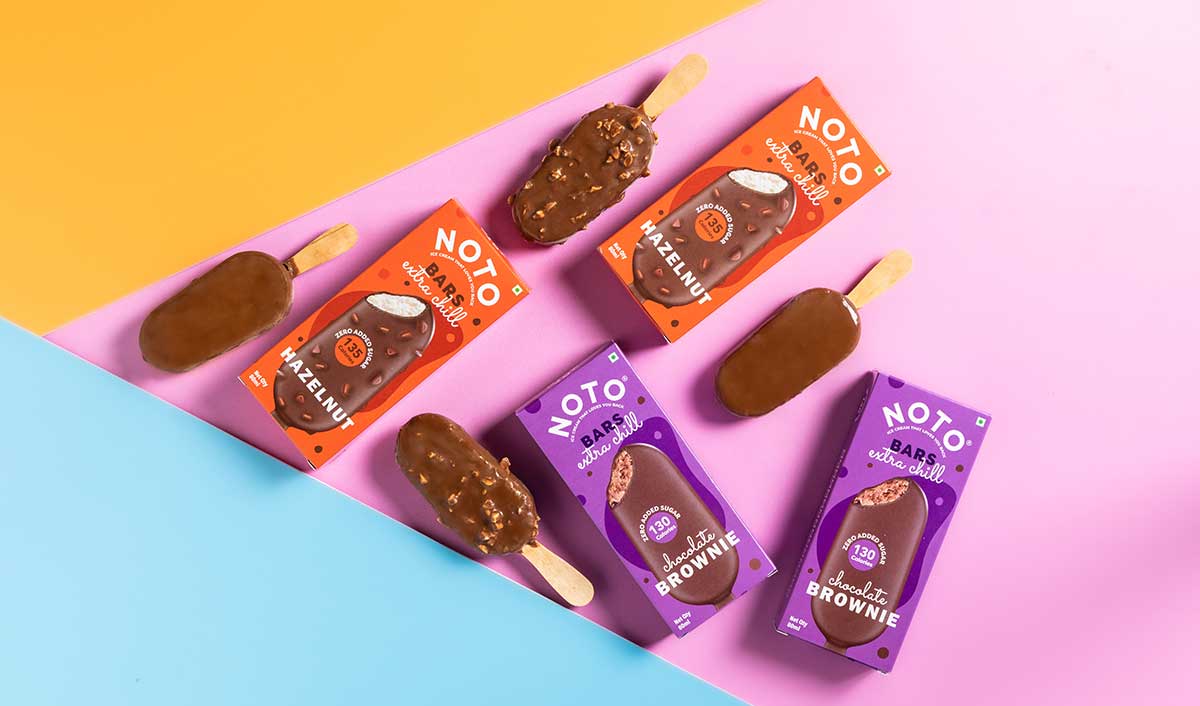
Noto addresses a specific and underserved question: what does artisanal ice cream look like when it takes dietary requirements as seriously as flavour? Operating without refined sugar, dairy alternatives considered rather than compromised, and an approach to sweetness that relies on dates, coconut sugar, and natural fruit rather than the standard industrial toolkit, Noto has demonstrated that the constraints of inclusive production are, in the right hands, a creative discipline rather than a limitation.
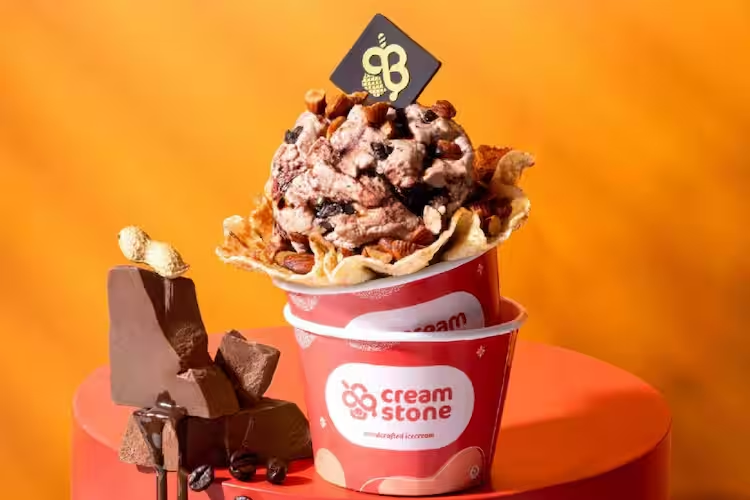
Cream Stone, a South Indian institution with a devoted regional following, represents the artisanal approach applied at a scale that most small-batch makers cannot reach. Their made-to-order model, in which ice cream is mixed on a frozen stone surface to the customer’s specification, is both a production method and a theatrical proposition, and it has built the kind of loyalty that comes from an experience rather than simply a product.
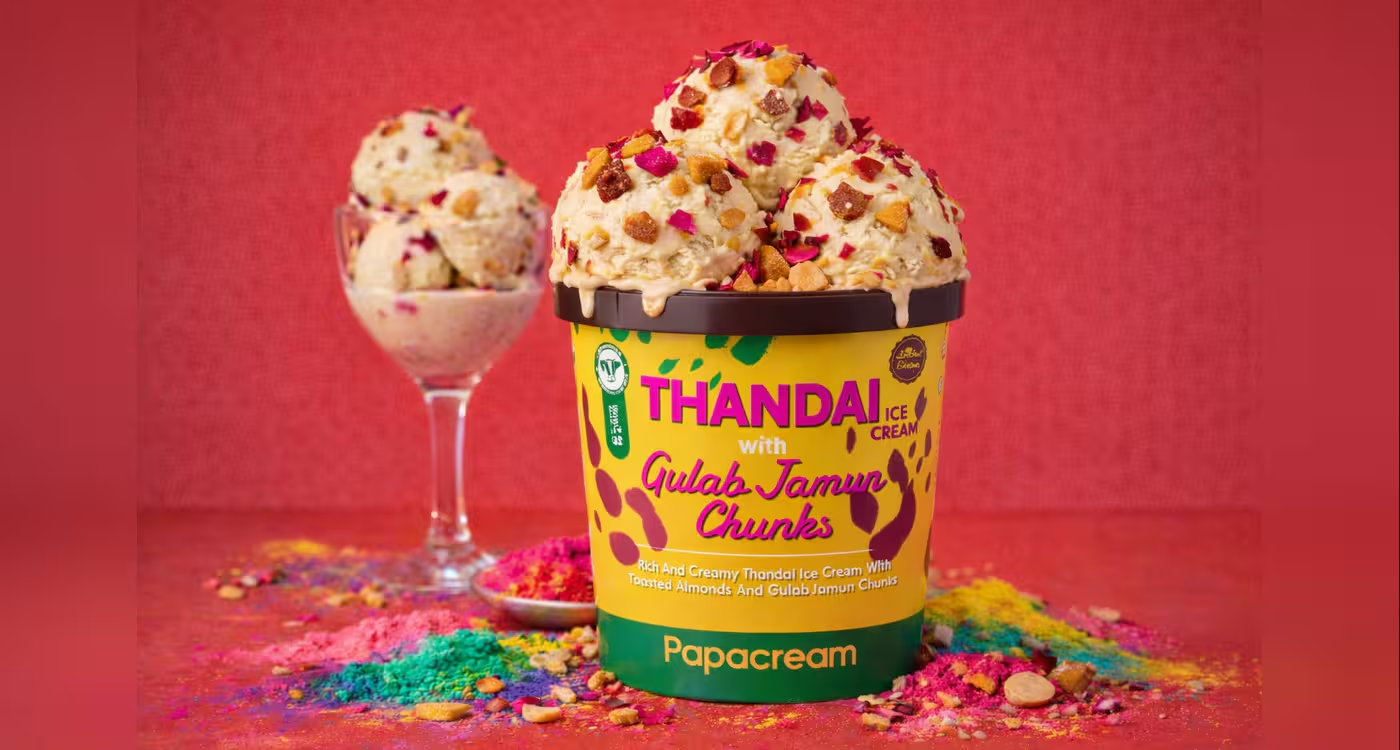
Papacream in Mumbai has carved its niche through the nitrogen-freezing technique that produces ice cream of an extraordinarily smooth texture, and through a flavour sensibility that takes Indian street food as seriously as European gelato tradition. Their chai ice cream and their chilli chocolate are the kinds of combinations that sound like a challenge and deliver like a revelation.
The Flavour Conversation
What unites the best of India’s artisanal ice cream makers is a willingness to have an honest conversation about what Indian flavour actually is, rather than what the mainstream dessert industry has decided it should be.
The legacy of Indian commercial ice cream has been, with some notable exceptions, a story of timidity: vanilla, strawberry, chocolate, and a handful of token Indian flavours positioned as novelties rather than first principles. The artisanal generation has inverted that hierarchy. Saffron is not an add-on here; it is a foundation. Cardamom is not a garnish; it is a structural flavour. Mango is not a summer special; it is a year-round argument for the quality of Indian fruit.
This flavour confidence has produced some of the more memorable eating experiences available in Indian cities right now. The filter coffee ice cream that understands the difference between coffee flavour and coffee sweetness. The paan scoop that captures the particular cooling quality of betel leaf without tipping into artificial menthol. The kokum sorbet that is so precisely, cleanly sour that it resets the palate for everything that follows.
These are not novelties. They are the results of serious makers applying serious attention to ingredients that Indian cuisine has understood for centuries, and that the ice cream industry largely ignored.
The Larger Appetite
The artisanal ice cream moment is part of a broader reckoning in Indian food culture with the gap between what the country’s culinary tradition contains and what its food industry has historically chosen to produce. That gap, long and somewhat bafflingly wide, is closing. In fermented foods, in chocolate, in coffee, in bread, and now in ice cream, a generation of producers has decided that India’s ingredient wealth and flavour intelligence deserve a better vehicle than industrial production has provided.
The result, for the person holding a scoop of alphonso mango ice cream made from fruit sourced that week, or working through a kokum sorbet on a hot afternoon, is not merely a better dessert. It is an argument, made in the most direct and enjoyable way possible, that the familiar can always be made new when the right person decides to look at it carefully.
India’s ice cream renaissance is not arriving. It is already here, one small-batch scoop at a time.
Follow Best List India for the culture, conversations, and ideas worth paying attention to.