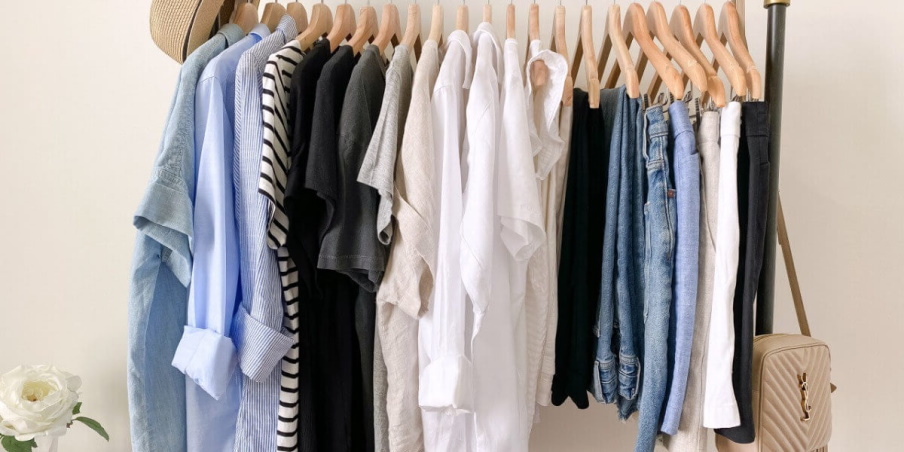
The basic, by definition, should not require much thought. A white tee. A well-cut trouser. A clean crewneck. The foundational pieces that make everything else in a wardrobe work, that bridge the gap between occasion dressing and the other ninety percent of life when occasion dressing is not required.
And yet, for most of us, the basics are where the wardrobe fails most consistently. The white tee that turns translucent after three washes. The trouser that fits in the shop and confounds in the morning light. The crewneck that pills before the season ends. The everyday wardrobe, precisely because it is everyday, absorbs the most punishment and receives, historically, the least considered investment.
In India in 2026, that is changing. A generation of homegrown brands has turned its attention to the unsexy, underserved business of making the basics better, and the results are quietly, convincingly impressive. These are not brands chasing a trend cycle. They are building something more durable: a wardrobe infrastructure that works, lasts, and looks considerably more intelligent than its price point might suggest.
Why the Basic Became a Battleground
The reinvention of everyday dressing in India is not happening in isolation. It is the local expression of a global correction. The fast fashion model, which built its dominance on the promise of constant newness at minimal cost, is facing a consumer that has grown tired of replacing the same garments every six months. The environmental argument has been made, heard, and partially absorbed. But the more pragmatic argument, the one that is actually changing purchasing behaviour, is simpler: cheap basics are expensive in the long run.
The Indian consumer who has spent the last decade buying international basics at accessible price points has also spent the last decade noticing their limitations. The fabric quality compromised for margin. The fit designed for a body type that is not particularly Indian. The uniformity of a product made for a global market that has, by definition, averaged out the specific requirements of any particular one.
Homegrown brands, building for an Indian body in an Indian climate with an understanding of how Indian consumers actually live in their clothes, have a structural advantage that is only now being fully exploited.
For Her: The Brands Doing It Right
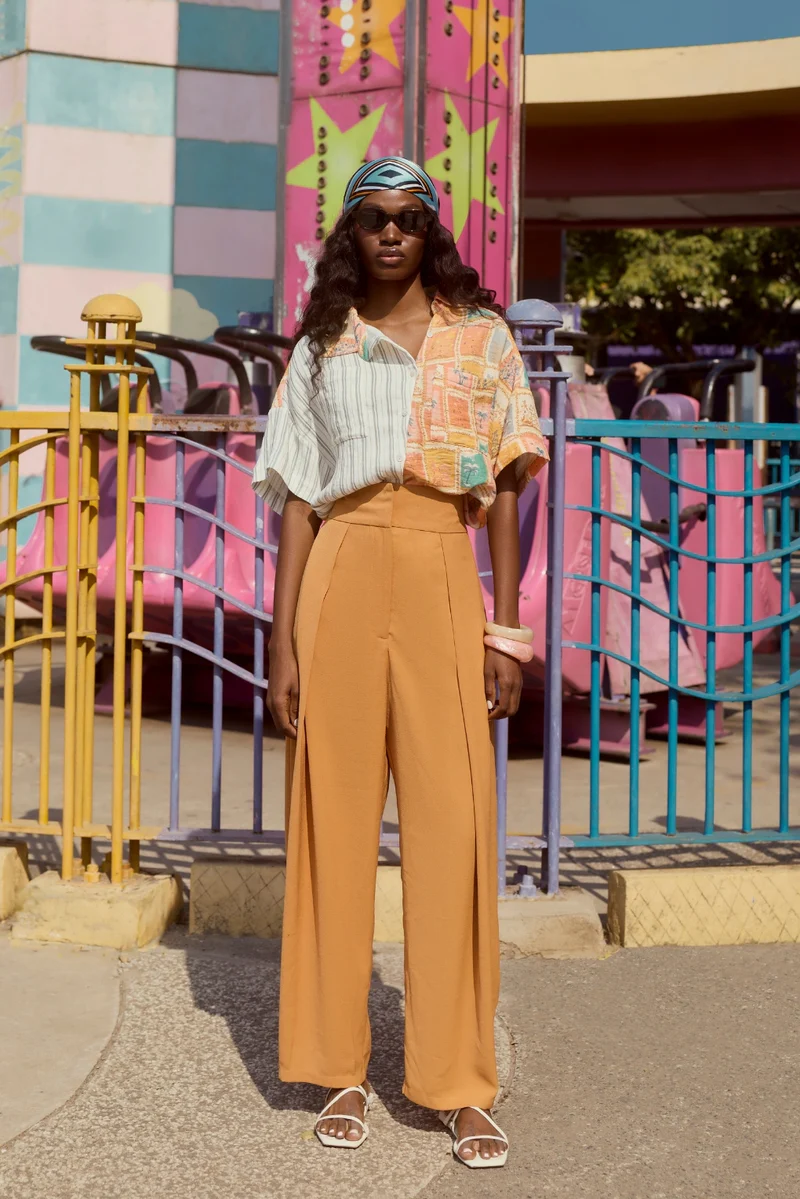
Rustic Mosaic Co-ord Set from Muvazo

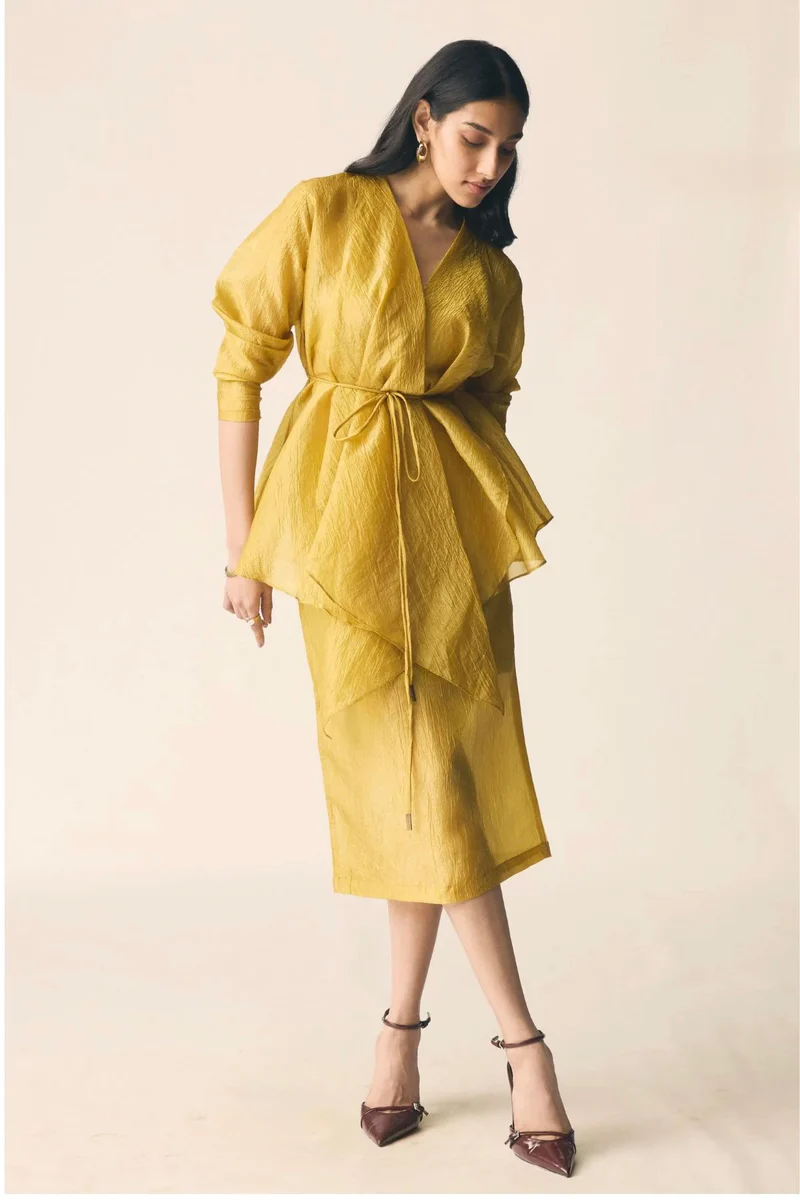
Saanjh Set in Mustard Organza from Unrush
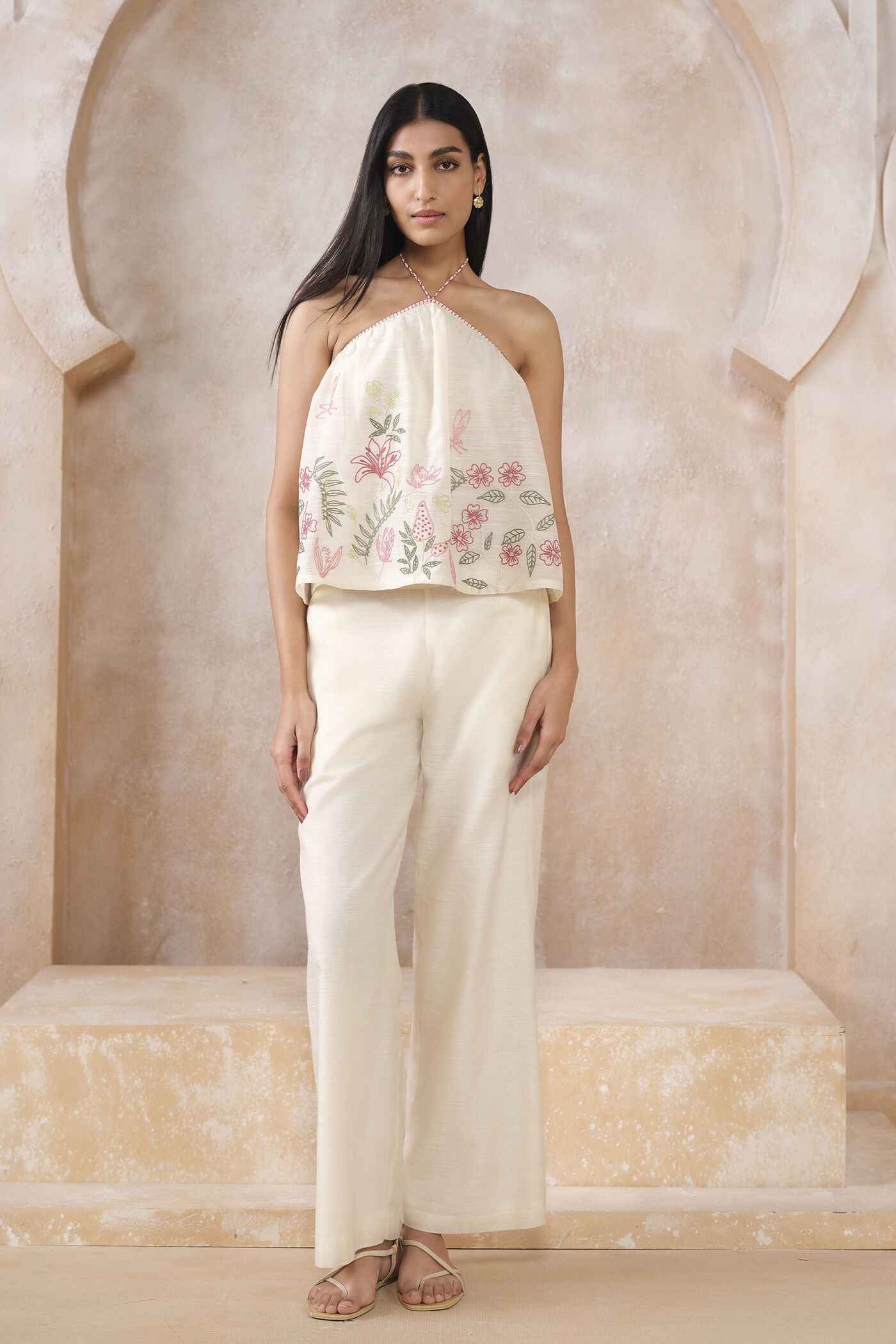
Alyne Hand-embroidered Kantha Mul Top - Ivory from Grassroots by Anita Dongre
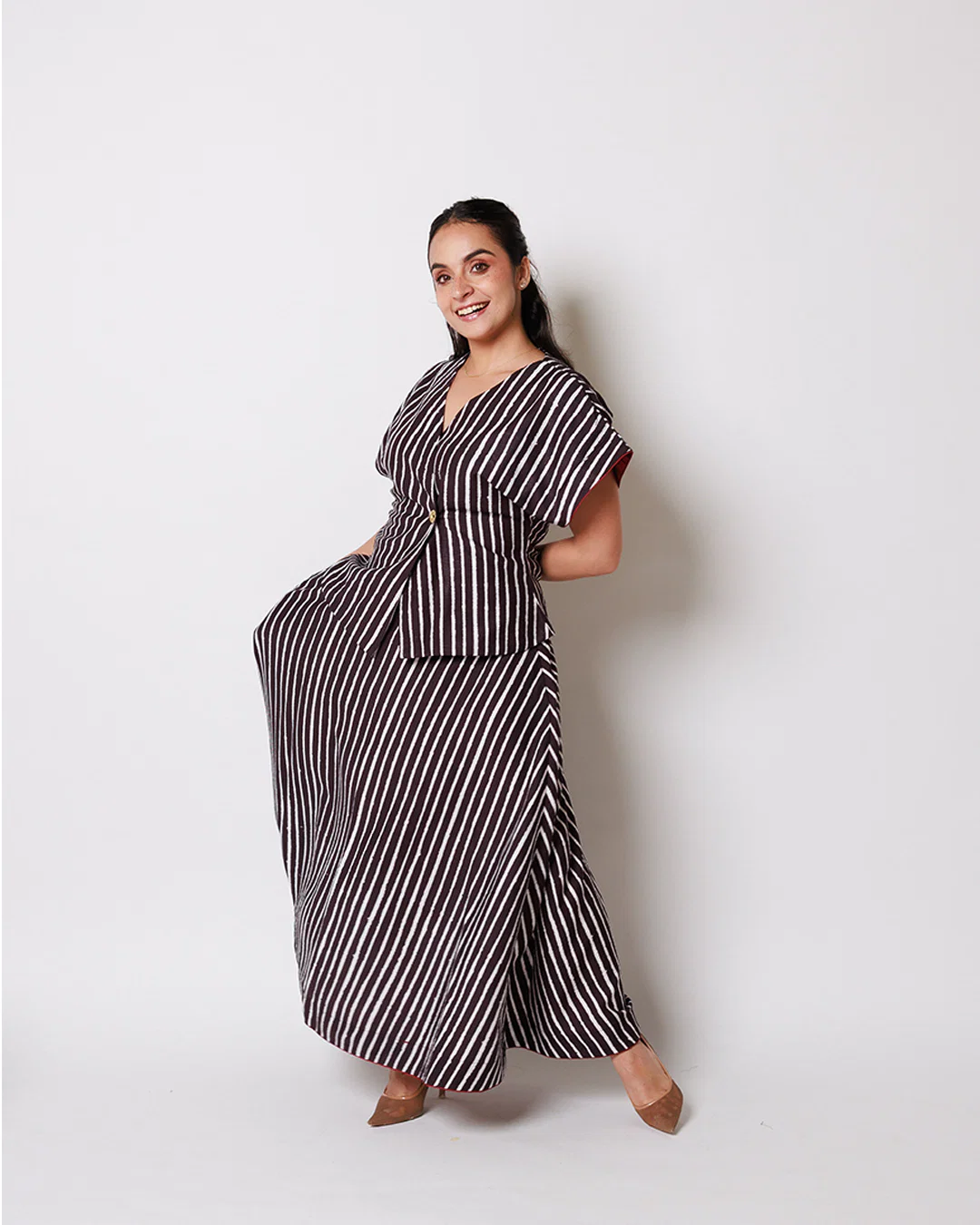
For Him: The Quiet Revolution in Men’s Basics
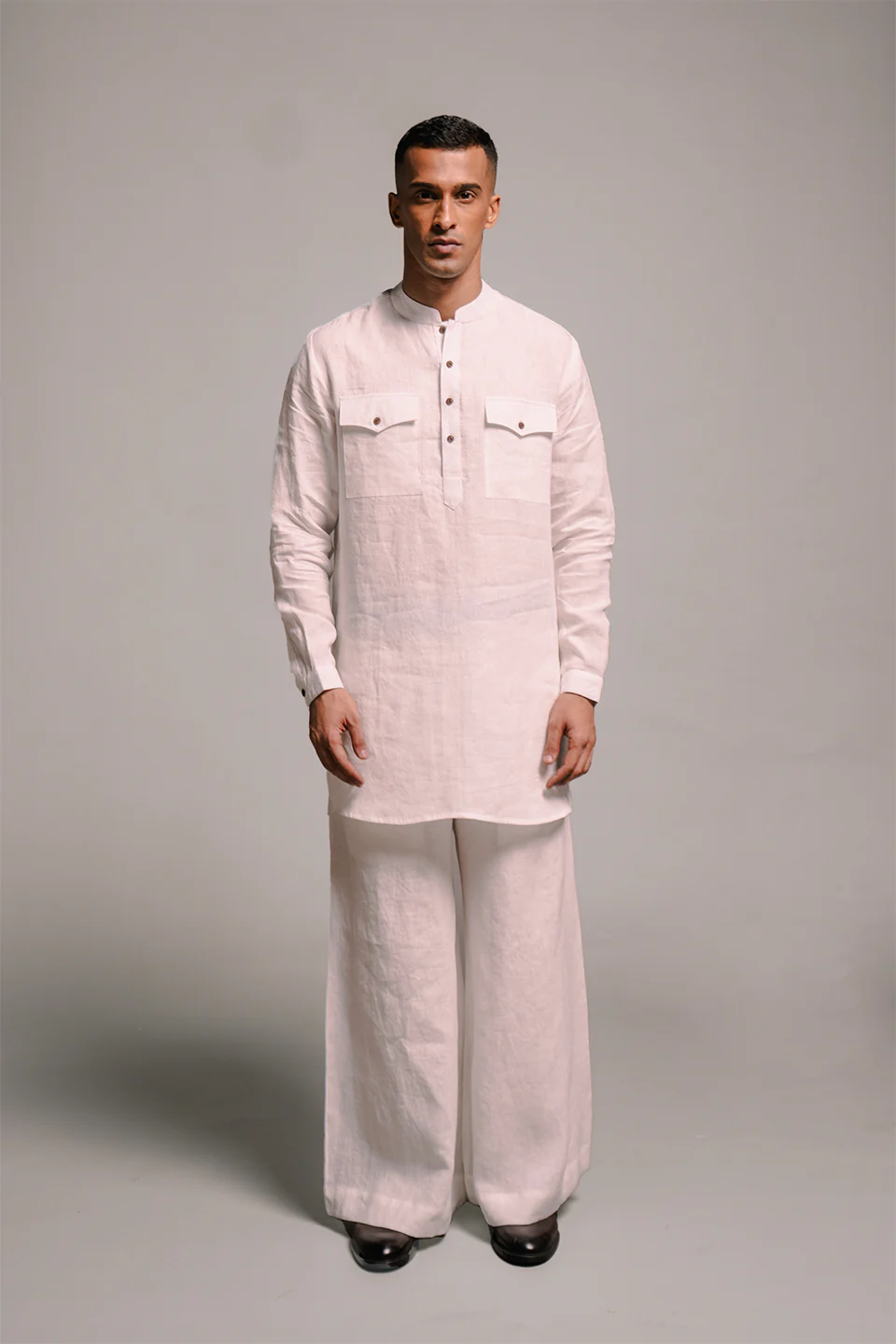
Taj Co-Linen Men’s Saif Kurta Set
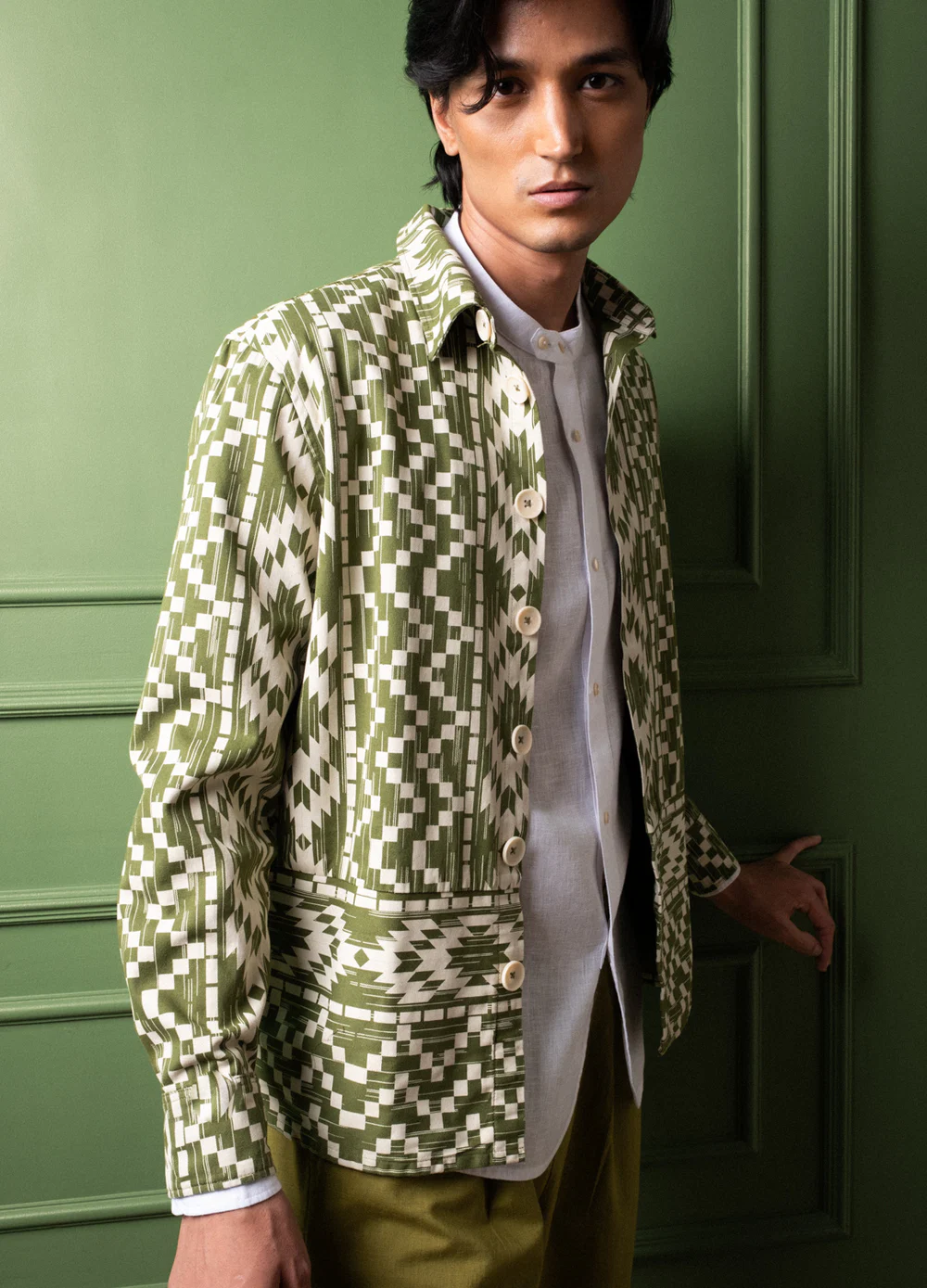
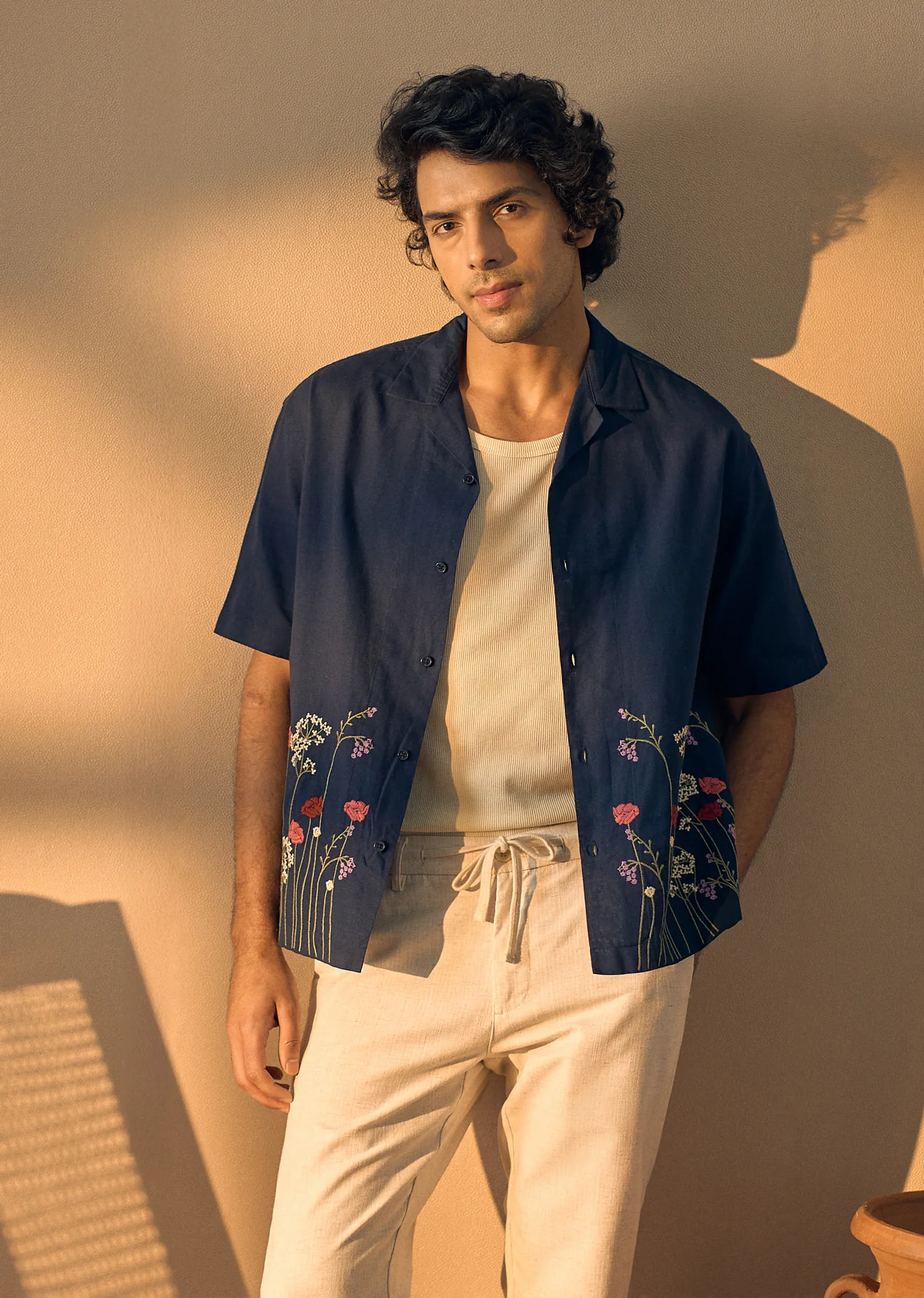
Navy Blue Floral Embroidery Linen Shirt from Banana Club
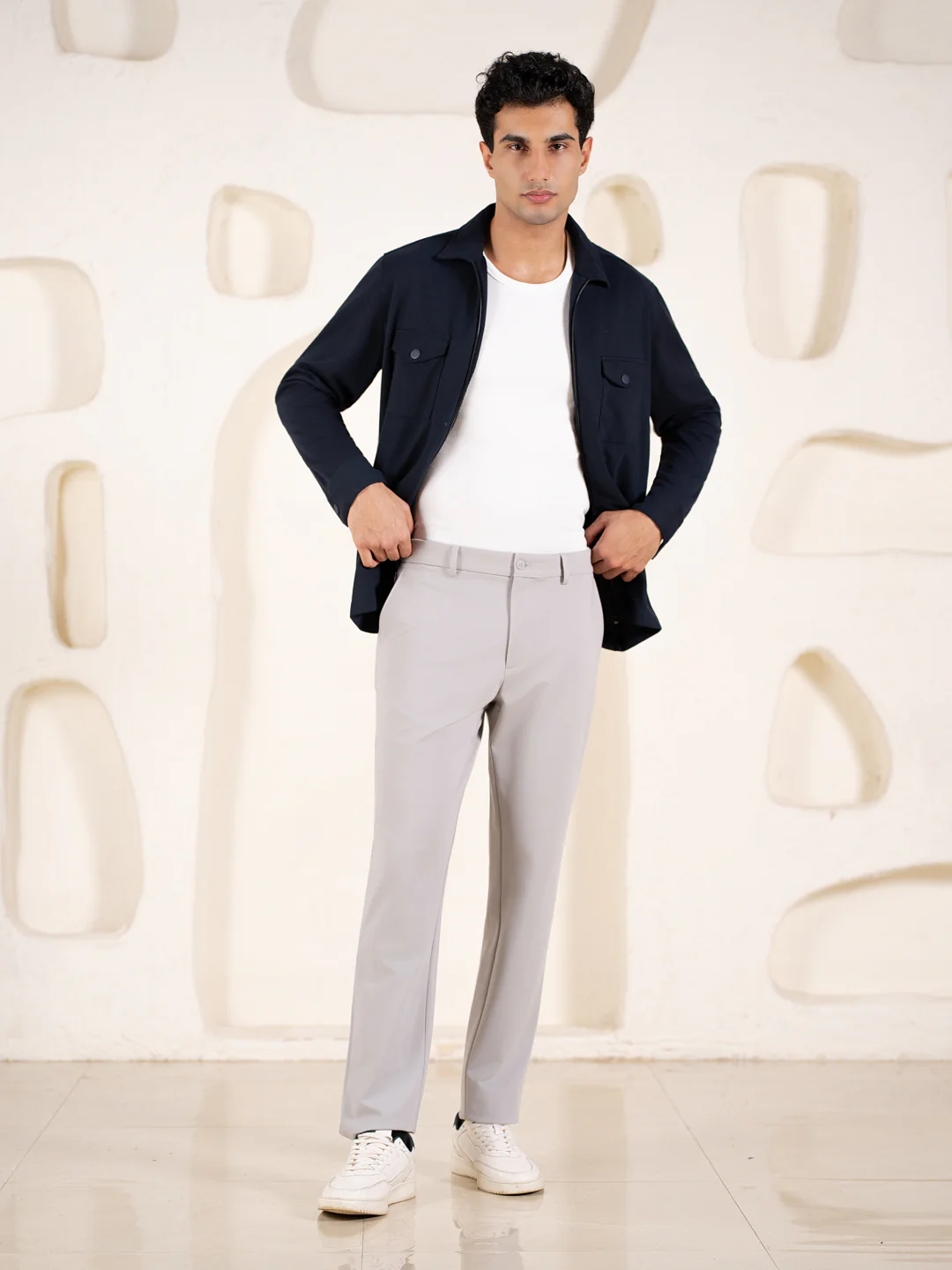
Malai Soft-touch Slim Fit Power Stretch Pants from The Pant Project
The Fabric Question
Running through every brand doing interesting work in Indian everyday dressing is a common thread, literally and figuratively: a return to natural fibres. Cotton, linen, and blended fabrics that breathe in Indian heat, that soften with washing rather than degrading with it, and that sit against Indian skin with the comfort that synthetic alternatives, however technically sophisticated, have never quite replicated.
This is not simply an ethical position, though the environmental argument for natural fibres is real. It is a functional one. A cotton tee in a hot Bengaluru afternoon is not in the same category of experience as a polyester blend in a hot Bengaluru afternoon. The brands that have understood this, and built their product range around it, have built their customer loyalty around it too.
The India-specific climate argument also extends to colour. The palette that works in a European wardrobe, the muted greys and cool blues that photograph beautifully in low winter light, behaves differently against Indian skin tones and in Indian light. The brands building for India have, at their best, developed colour intuitions that international brands simply do not possess, reaching for the warm terracottas, deep indigos, and earthy naturals that work for the widest range of Indian complexions and carry their quality in the sun rather than losing it.
The Price Point Conversation
One of the more significant developments in Indian everyday dressing is the democratisation of quality across price points. The assumption that a well-made basic requires a premium investment is being challenged by brands operating at every level of the market.
At the accessible end, brands like Okhai and The Souled Store are demonstrating that thoughtful construction and considered materials do not require a luxury margin. At the mid-market, FableStreet and Snitch are making the case that investment basics, pieces worth keeping for several seasons rather than replacing every few months, are available at a price point that makes the economics of quality purchasing genuinely viable for a wide range of Indian consumers. At the premium end, Bombay Shirt Company and FableStreet are offering the customisation and fit quality that previously required either a tailor or an international brand budget.
The cumulative effect is a market in which the Indian consumer building a considered everyday wardrobe has, for the first time, a genuine range of homegrown options at every price point, each making its own version of the same fundamental argument: that the clothes you wear every day deserve as much thought as the clothes you wear for special occasions.
The Larger Point
The reinvention of Indian everyday dressing is, at its root, a story about self-regard. The basic wardrobe is the wardrobe of ordinary life, of commutes and meetings and Saturday mornings and the thousand unremarkable days that, in aggregate, constitute most of existence. The argument that those days deserve well-made, well-considered clothes is not an indulgence. It is a position.
The brands making that argument in India in 2026, across categories, price points, and aesthetics, are building something that matters beyond their individual product ranges. They are building the case that ordinary dressing is worth taking seriously. That the everyday wardrobe is not the consolation prize for days when nothing special is happening. That the tee, the trouser, the simple shirt, made well and chosen carefully, is enough.
It has always been enough. It just took the right brands to prove it.
Follow Best List India for the culture, conversations, and ideas worth paying attention to.