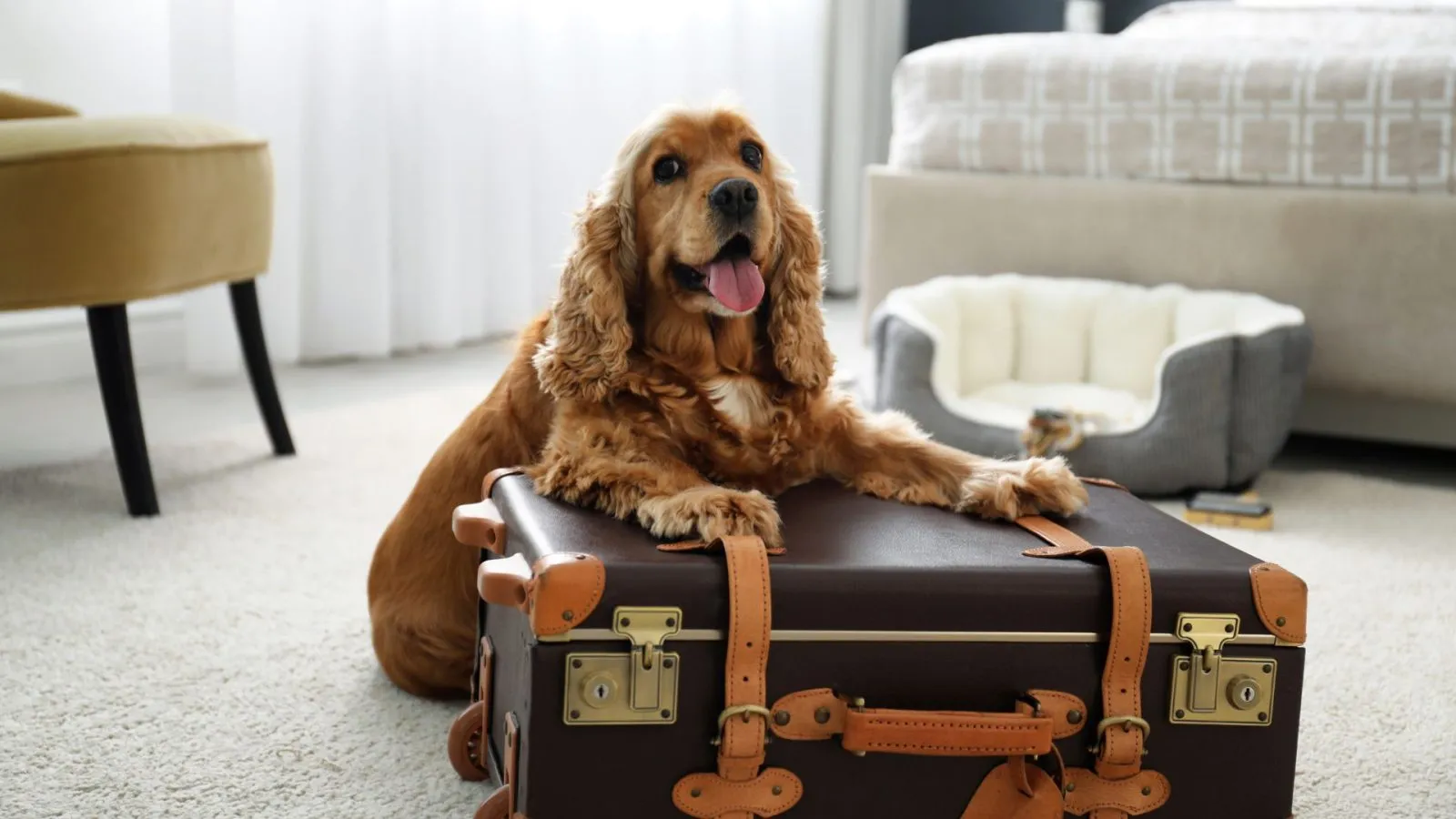
There is a dog in South Bombay whose wardrobe is rotated seasonally. A cat in Bengaluru whose meals are prepared by a subscription service specialising in human-grade raw feeding. A golden retriever in Delhi whose grooming appointments cost more than most adults spend on their own haircuts, and whose custom orthopedic bed was delivered with a certificate of provenance from the artisan who made it.
These are not anomalies. They are, increasingly, the visible edge of a market that has moved from niche to notable with a speed that has surprised even those operating within it.
India’s luxury pet industry is no longer a footnote in the country’s consumer story. It is a chapter in its own right, one being written by a generation of pet owners who have, with some deliberateness and a great deal of affection, redefined what it means to care for an animal companion. The language has shifted. The spending has followed. And the brands meeting this moment are doing so with a sophistication that the category, even five years ago, could not have anticipated.
The Market Behind the Moment
The numbers clarify what the anecdotes suggest. India’s pet care market, valued at approximately USD 800 million in 2023, is projected to cross USD 1.5 billion by 2027, with the premium and luxury segment growing at a pace that outstrips the broader category. Dog and cat ownership surged during the pandemic years, a pattern mirrored globally but particularly pronounced in India’s metro cities, where a generation of young professionals acquired companions during lockdown and subsequently declined to deprioritise their care as life normalised.
What followed was a consumer behaviour shift that brands were, in many cases, already positioned to serve. The pet owner who spends carefully on their own nutrition, their own interiors, their own wardrobe, applies the same logic to their animal. The premiumisation of the pet category in India is not a separate trend. It is the same trend, the broader Indian consumer’s appetite for quality, provenance, and considered purchasing, expressed through a different object of affection.
Nutrition: Where the Spending Starts
The most significant transformation in India’s luxury pet market has happened in food, and it has happened quickly. The generation of pet owners now driving the premium segment grew up understanding that ultra-processed food is not optimal for human health. The extension of that logic to their pets’ bowls was not a large conceptual leap.
Heads Up For Tails has been among the most visible operators in this space, building a vertically integrated pet care brand that spans nutrition, accessories, and grooming with a consistency of quality and aesthetic that few in the category have matched. Their food range, which includes cold-pressed kibble and natural treat lines, has set a standard for ingredient transparency that the broader market is now catching up to.
Drools, while positioned at a more accessible price point, has made significant inroads into the premium nutrition conversation by bringing international-standard formulations to the Indian market at a scale that specialist brands cannot match. Their presence in the premium segment signals that the appetite for better nutrition has moved well beyond the luxury consumer.
At the furthest end of the spectrum, raw and fresh feeding services have proliferated across metros. Canine India and a growing number of city-specific subscription services now deliver human-grade, veterinarian-formulated meals, portioned, labelled, and sometimes accompanied by feeding guides of a thoroughness that would not be out of place in a Michelin-starred kitchen’s service notes.
For cats, the conversation has moved beyond the long-standing dominance of international brands toward a growing cohort of India-specific formulations that account for the dietary particularities of Indian cats, including protein sources, moisture content, and the specific requirements of cats in a hot climate. The category is younger than its canine equivalent but accelerating.
Accessories: The Design Conversation
If nutrition is where the luxury pet market is most functionally serious, accessories are where it is most visibly expressive, and where the most interesting design thinking is currently happening.
Paws India has built a following among the design-conscious pet owner with a product range that treats the collar, leash, and harness as objects worthy of the same material consideration as a well-made belt or bag. Vegetable-tanned leather, brass hardware, hand-stitched finishing: the vocabulary is that of quality goods rather than pet accessories, and the market has responded accordingly.
Furr Happens occupies a different but adjacent space, playful, maximalist, and unambiguously fashion-influenced. Their bandana and collar collections have the kind of visual energy that photographs well and sells faster than restocks can keep up with. In a market where Instagram has been a primary discovery channel for premium pet brands, the ability to produce visually compelling objects is not a secondary consideration. It is a commercial strategy.
Bespoke is, increasingly, a genuine category rather than a euphemism. Several small-batch makers operating across Mumbai, Delhi, and Bengaluru now produce made-to-measure collars, carriers, and beds, customised to the animal’s measurements and the owner’s aesthetic preferences, and delivered with the kind of attention to detail that the word bespoke is supposed to imply. Waiting lists exist. They are considered a feature.
Interiors: The Pet-Friendly Home
The luxury pet market’s most recent frontier is the home, specifically the question of how to design living spaces that accommodate animals without compromising on the aesthetics that their owners have spent considerable effort and money on.
Heads Up For Tails again features here, with a furniture and interiors range that includes orthopedic beds, designer feeding stations, and storage solutions that would not look incongruous in an architect-designed apartment. The category logic is straightforward: if you have invested in your home, you want the objects your pet uses to belong in it.
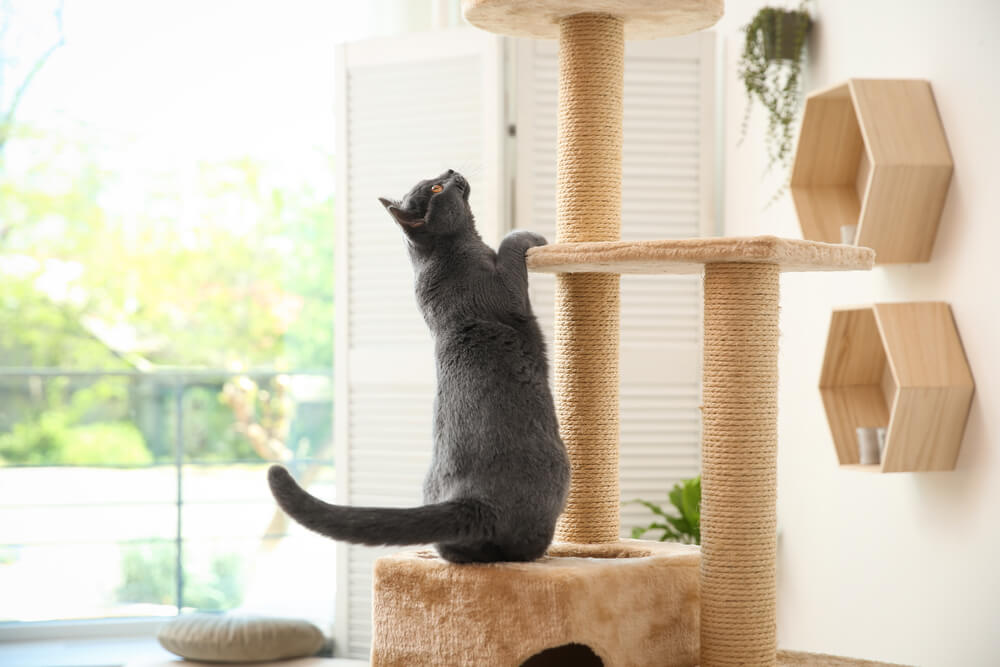
Independent designers and furniture makers have moved into this space with notable creativity. Custom cat trees in solid wood and natural rope, dog beds upholstered in performance fabrics that match existing sofas, feeding stations in powder-coated steel or hand-thrown ceramics. The category of pet interiors has developed an aesthetic vocabulary that is, in several cases, more considered than the mainstream furniture market.
Travel: The New Frontier of Pet-Inclusive Hospitality
Perhaps the most telling indicator of how seriously India’s luxury market has begun to take its pets is what is happening in travel. For years, the pet owner planning a holiday faced an uncomfortable binary: board the animal or compromise the destination. The assumption embedded in most Indian hospitality was that pets and guests occupied separate categories, with different, lesser standards applied to the former.
That assumption is being quietly but decisively dismantled.
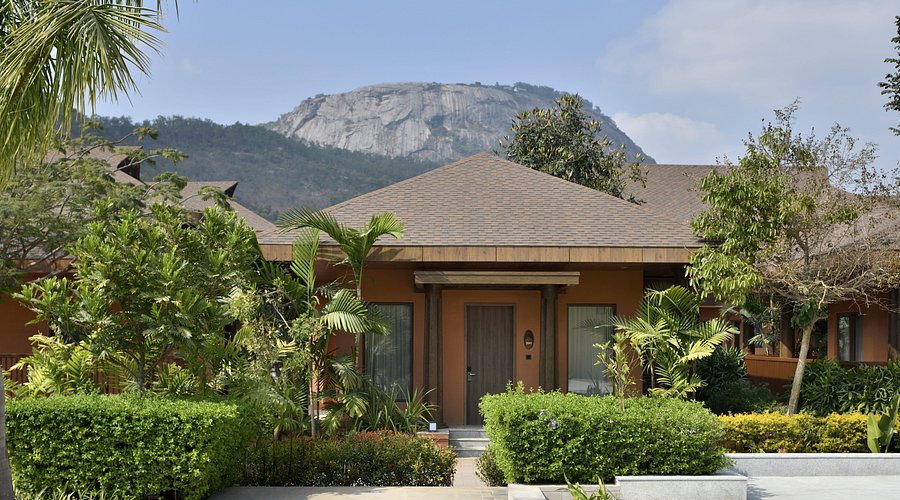
Mulberry Shades Bengaluru Nandi Hills represents the direction in which the more thoughtful end of Indian hospitality is moving. Positioned in the serene landscape above Bengaluru, the property has developed a pet-inclusive experience that begins before the guest unpacks. In-room amenities, including plush bedding, bowls, and toys, are arranged ahead of arrival, the kind of considered preparation that signals an animal is expected rather than merely tolerated. Chef-curated pet menus bring the same attention to balanced nutrition that the resort applies to its human dining, allowing pets to eat well in the same spirit as their owners.
The operational thinking is as notable as the amenities. Designated pet-friendly room categories, clearly defined guidelines in shared spaces, dedicated relief areas, and enhanced housekeeping protocols create a framework in which pets and non-pet guests coexist without friction. Crucially, the property applies no restrictions on breed or size, a policy that speaks to a genuine rather than performative commitment to inclusion.
What Mulberry Shades has understood, and what the broader hospitality industry is beginning to grasp, is that the luxury pet owner does not want a separate, lesser experience for their animal. They want their companion integrated into the same quality of travel they have chosen for themselves. The Nandi Hills setting, with its altitude, quiet, and landscape, already offers the kind of retreat that photographs and remembers well. The addition of a genuinely considered pet experience transforms it from a place to visit into a place to return to.
This is, in microcosm, the story of the entire luxury pet market: the recognition that the relationship between an owner and their animal is one of the primary relationships in their life, and that the products, services, and experiences built around it should reflect that seriousness.
Grooming and Wellness: The Final Frontier
Grooming has always been a service category in Indian pet care, but the luxury iteration of it, the spa, the aromatherapy bath, the blueberry facial, is a more recent arrival, and it has arrived with a seriousness of purpose that the broader wellness industry would recognise.
Premium grooming studios in Mumbai, Delhi, and Bengaluru now operate on appointment-only models, with services priced to reflect the training, product quality, and individual attention they provide. Pawfessional and a growing number of boutique grooming operations have built loyal clienteles on the basis of consistency and trust, the understanding that an animal in their care is receiving the same standard of attention that the owner expects for themselves.
The wellness extension beyond grooming, including supplements, anxiety treatments, physiotherapy for older animals, and dental care, represents the most professionally sophisticated end of the luxury pet market, and the one with the most direct human parallel. The Indian pet owner spending on canine physiotherapy or feline dental treatment is making the same calculation as any consumer who has decided that preventive health investment is more coherent than emergency intervention. The logic is identical. The recipient happens to have four legs.
What This Market Is Really About
The luxury pet industry, everywhere it exists but in India with particular cultural specificity, is a story about relationships. The Indian relationship with animals has historically been complex, shaped by religious tradition, urban density, and social attitudes that have not always been hospitable to the idea of the household pet as family member. What the current market moment represents is a generation that has, decisively and somewhat defiantly, resolved that complexity in one direction.
The dog sleeping on the orthopedic bed, eating the human-grade meal, wearing the hand-stitched leather collar, staying in a hillside resort that prepared its arrival as carefully as it prepared yours, is not a status symbol in the reductive sense. It is the beneficiary of a relationship that its owner has decided to take seriously, to invest in, to curate, to express through the same quality of attention they bring to the rest of their lives.
That is not extravagance. Or rather, it is the same extravagance that has always driven the best consumer markets: the decision that the things and beings you love deserve the best version of what is available.
In India in 2026, what is available has become very good indeed.
Follow Best List India for the culture, conversations, and ideas worth paying attention to.