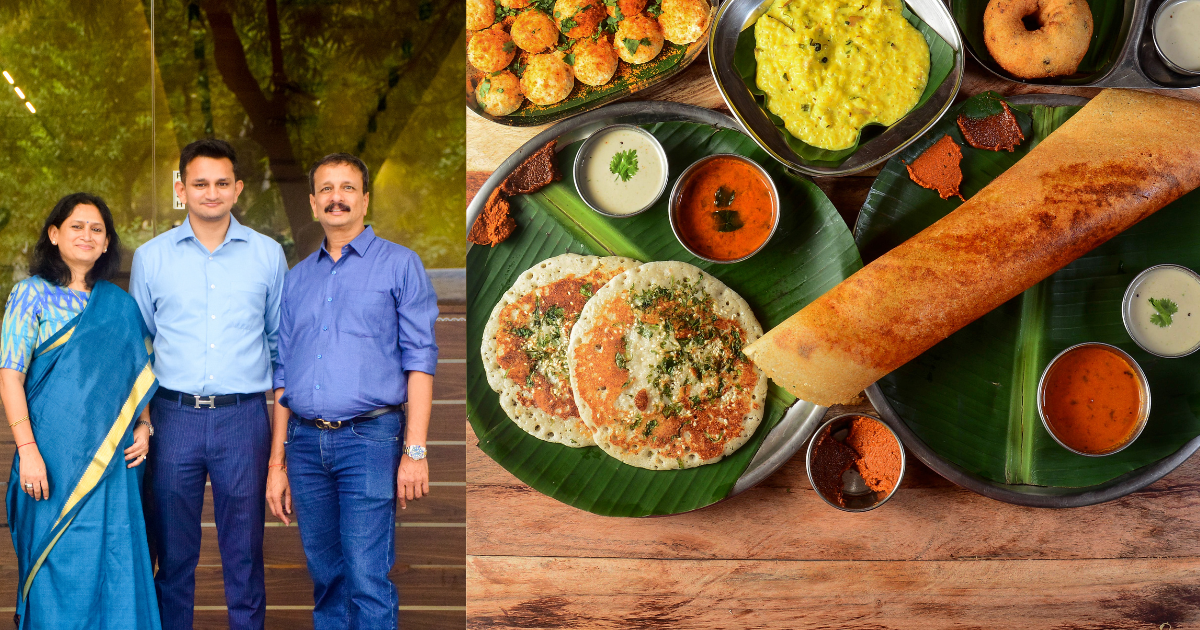
There is a particular kind of restaurant that a city builds its memory around. Not the one that gets written about most, or the one with the longest reservation wait, but the one that people return to across decades, that holds within it the particular warmth of a place that has always known what it is and never felt the need to become something else. In Mumbai, for a great many people, that place is Dakshinayan.
Now, the institution that has been feeding the city’s soul for decades is extending its table. Served Hot, Dakshinayan’s new podcast, takes the philosophy that has always defined the restaurant, that the most honest and memorable conversations happen naturally over a shared meal, and gives it a larger platform. We sat down with Beena and Hemul Gandhi to understand how it came to be, and where it is going.
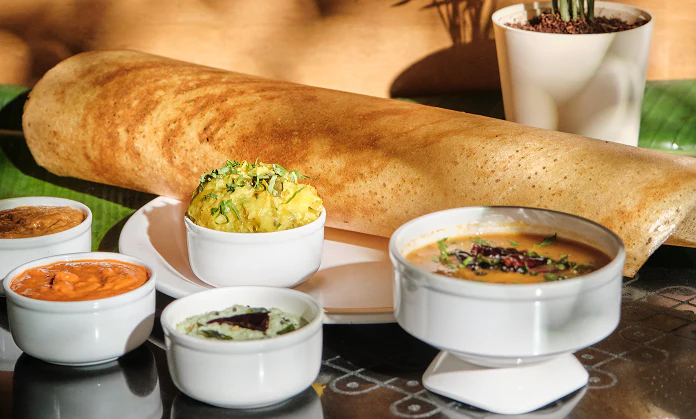
Dakshinayan has been a beloved institution in Mumbai’s South Indian dining landscape for decades. Before we talk about the podcast, tell us what has kept the soul of this place so intact, even as the city around it has changed so dramatically?
For us, Dakshinayan has always been more than just a restaurant. It has always been about connecting with people and building relationships through food. Over the years, guests have not just come here to eat. They have come here to feel at home, to celebrate milestones, and to create memories. Even as Mumbai has changed around us, that core philosophy has stayed exactly the same. The food is important, of course, but what has truly kept the soul of Dakshinayan intact is the sense of familiarity and warmth people feel when they walk through our doors.
Served Hot is built on the premise that the most honest conversations happen over a shared meal. That is not just a podcast format, it is a philosophy you have clearly lived at Dakshinayan for years. How did you first arrive at the idea, and what made now the right time to give it a name?
The idea for Served Hot actually came from our son, Vir Gandhi, who recognised something we had been witnessing at Dakshinayan for years: that the most honest and memorable conversations happen naturally over a shared meal. People are more relaxed, more open, and simply more themselves when they are sitting around a table with good food. That thought stayed with us, and over time we realised these conversations deserved a larger platform. Served Hot became our way of extending the Dakshinayan experience beyond the restaurant, bringing those real, unfiltered moments to more people. The timing also felt right because today audiences are craving authenticity, conversations that feel genuine rather than overly polished or scripted.
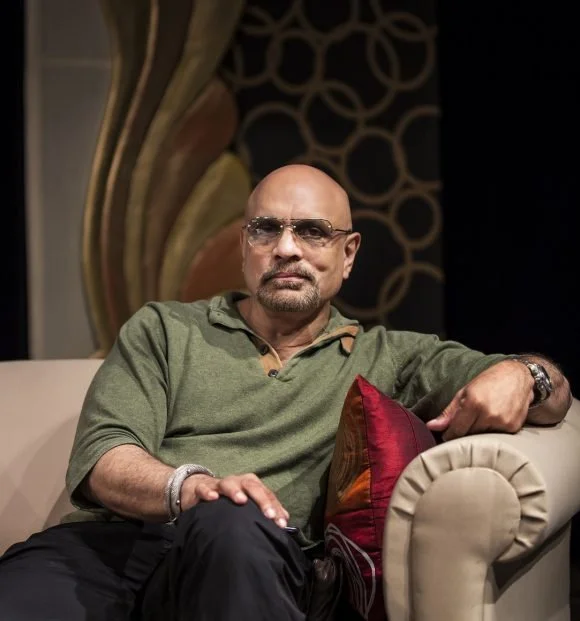
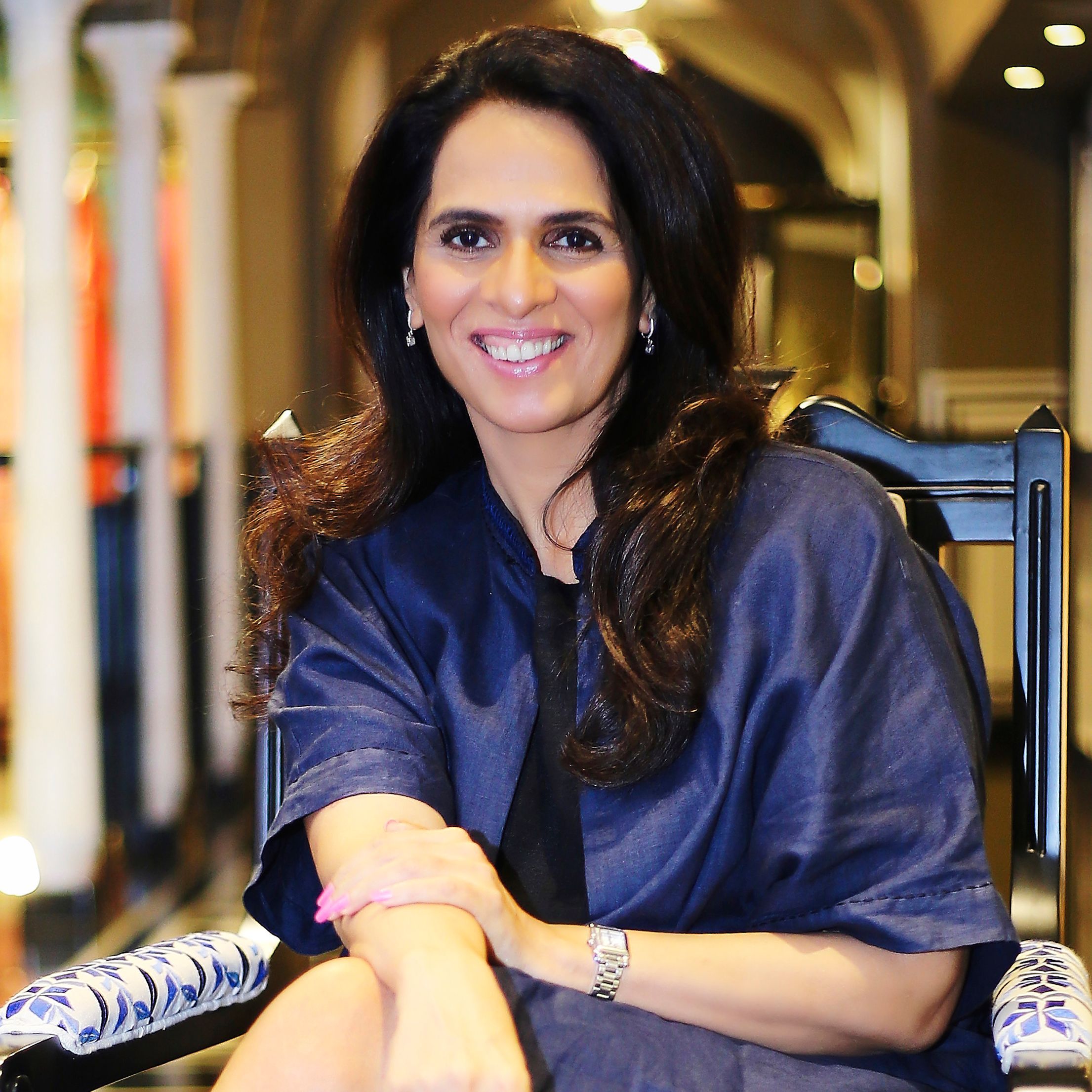
The guest list includes Bharat Dabholkar, Anita Dongre, and Hiten and Mihir Parekh of Nilkamal. Many of them are familiar faces at Dakshinayan. What does it change about a conversation when the person across the table already trusts the food, the space, and the people who made it?
It changes everything. Many of the guests on the show are familiar faces at Dakshinayan, people we have had the chance to know personally over the years. There is already a level of comfort and trust, so the conversations naturally become more candid and personal. People are not walking into a formal interview setup. They are sitting down in a space they already associate with comfort, familiarity, and warmth. That allows stories, memories, and emotions to surface in a much more genuine way.
Watch Here: Click
Most food podcasts centre on chefs, trends, or the business of eating. Served Hot flips that entirely: the food is the setting, not the subject. Was that a deliberate creative decision, and how did you land on it?
Yes, absolutely. We deliberately wanted the spotlight to shift away from food itself and focus on the people at the table. Food is the setting, the connector, the thing that makes people open up, but the real stories are about human experiences. We wanted conversations that explored childhood memories, sibling dynamics, personal journeys, inside jokes, and the stories that do not usually come out in professional settings. That human side is what makes Served Hot different.
There are no scripts, no fixed questions, no prep. That is a bold call in a world where every piece of content is engineered for performance. What have been the most surprising moments that have come out of that unscripted format so far?
The most surprising moments have been the stories that come out completely unexpectedly. Because there is no script or fixed direction, guests end up sharing things very naturally: stories about childhood, family dynamics, personal memories, and moments people have never heard before. The conversation with Anita Dongre and her sisters flowed so naturally that it brought out the warmth, nostalgia, and genuine bond they share in a way that felt deeply personal and real. With Bharat Dabholkar, an unexpected story about shooting an ad with a real lion suddenly became part of the conversation, while the Parekhs found themselves reminiscing about travel and shared memories. Even with Sanjay Gupta and his family, there were moments of teasing and banter that felt so candid it genuinely felt like watching a family at home. Some conversations become nostalgic, some become chaotic, and some become deeply emotional, but that unpredictability is exactly what makes the format feel honest and alive.
The name works on two levels: food served fresh and hot from the kitchen, and conversations that are candid, unfiltered, and in the moment. How much of that double meaning was intentional, and how much did it just reveal itself?
The double meaning was very intentional from the start. Served Hot reflects Dakshinayan’s founding promise of food served fresh, warm, and straight from the kitchen. At the same time, it perfectly captures the energy of the conversations: candid, spontaneous, unfiltered, and happening in the moment. The name felt like the perfect bridge between the food we serve and the atmosphere we wanted the podcast to create.
The episodes touch on childhood memories, sibling dynamics, personal journeys: stories that rarely surface in professional settings. What is it about the act of eating together that makes people willing to go there?
There is something incredibly comforting about sharing a meal together. Food naturally lowers barriers and makes people feel at ease and present. When people are relaxed, surrounded by familiar flavours and a warm atmosphere, conversations become more honest and personal. That is why the podcast moves beyond professional identities and allows guests to reveal themselves simply as people, as humans outside of their public roles.
What do you want someone to feel after watching an episode of Served Hot for the first time, and what do you want them to do next?
We want people to feel warmth, familiarity, and connection after watching an episode of Served Hot. We want them to feel like they have just shared a genuine conversation with friends around a table. And ideally, we would love for them to carry that feeling forward, whether that means coming to Dakshinayan, reconnecting with loved ones over a meal, or simply appreciating the joy of real, unfiltered conversations. We hope Dakshinayan can become a familiar friend to everyone who experiences it.
Follow Best List India for the culture, conversations, and ideas worth paying attention to.