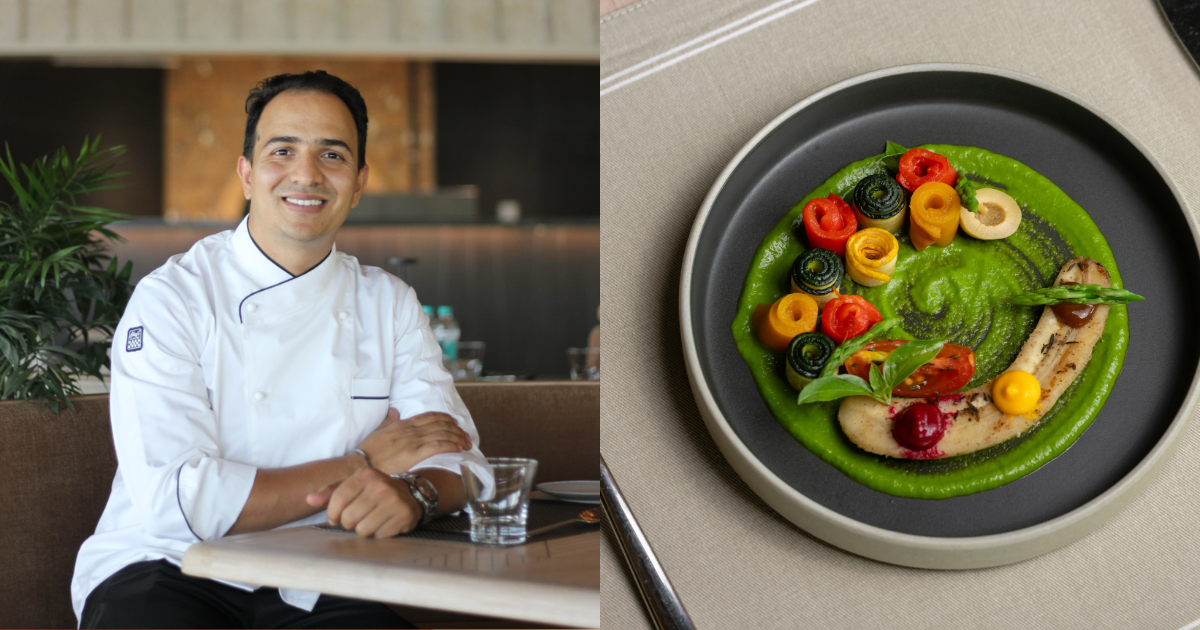
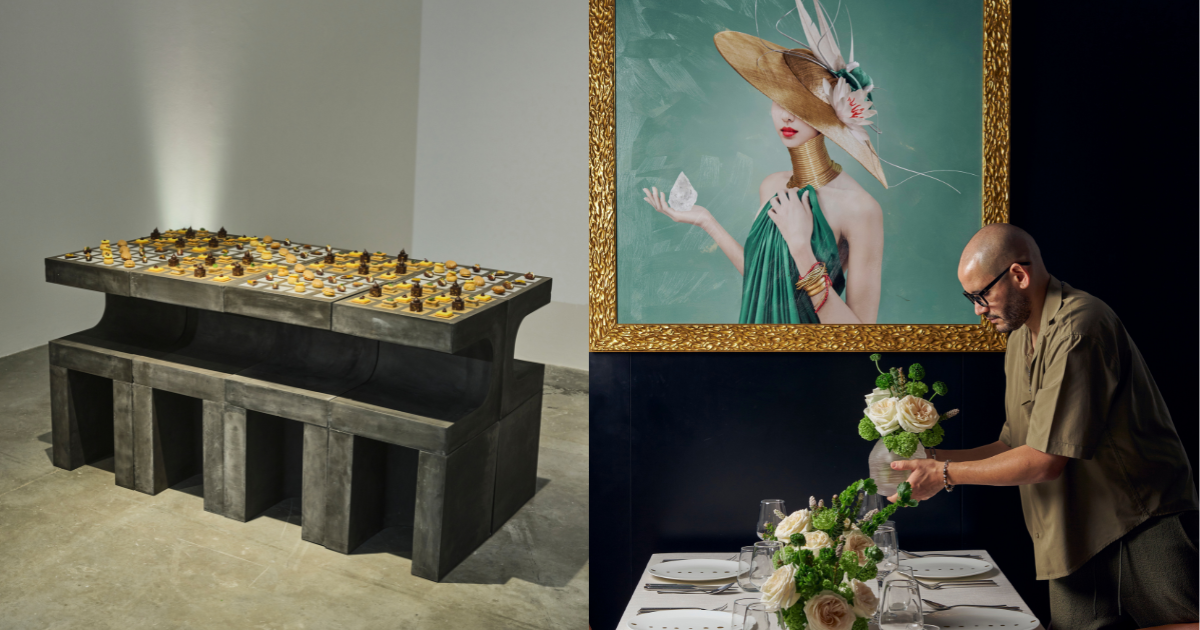
Some people arrive in hospitality by design. Farid Mimouni arrived by accident, and stayed because, for the first time, work did not feel like work. Today his practice sits at the intersection of gastronomy, art direction and event choreography, with credits that include a 12-metre Edible Table at the Museum of the Future, a dinner staged on the Dubai Opera stage and a party in an underground car park. Through FM Consulting, Boutique Catering and Waldi, a personal project created with Zeyneb, he approaches every celebration the same way: look at the bigger picture, then obsess over the smallest detail. We spoke to him about why the table is the most powerful storytelling device in a room, what Edible Tables can bring to weddings, and why he hopes clients will stop relying on AI to write their briefs.
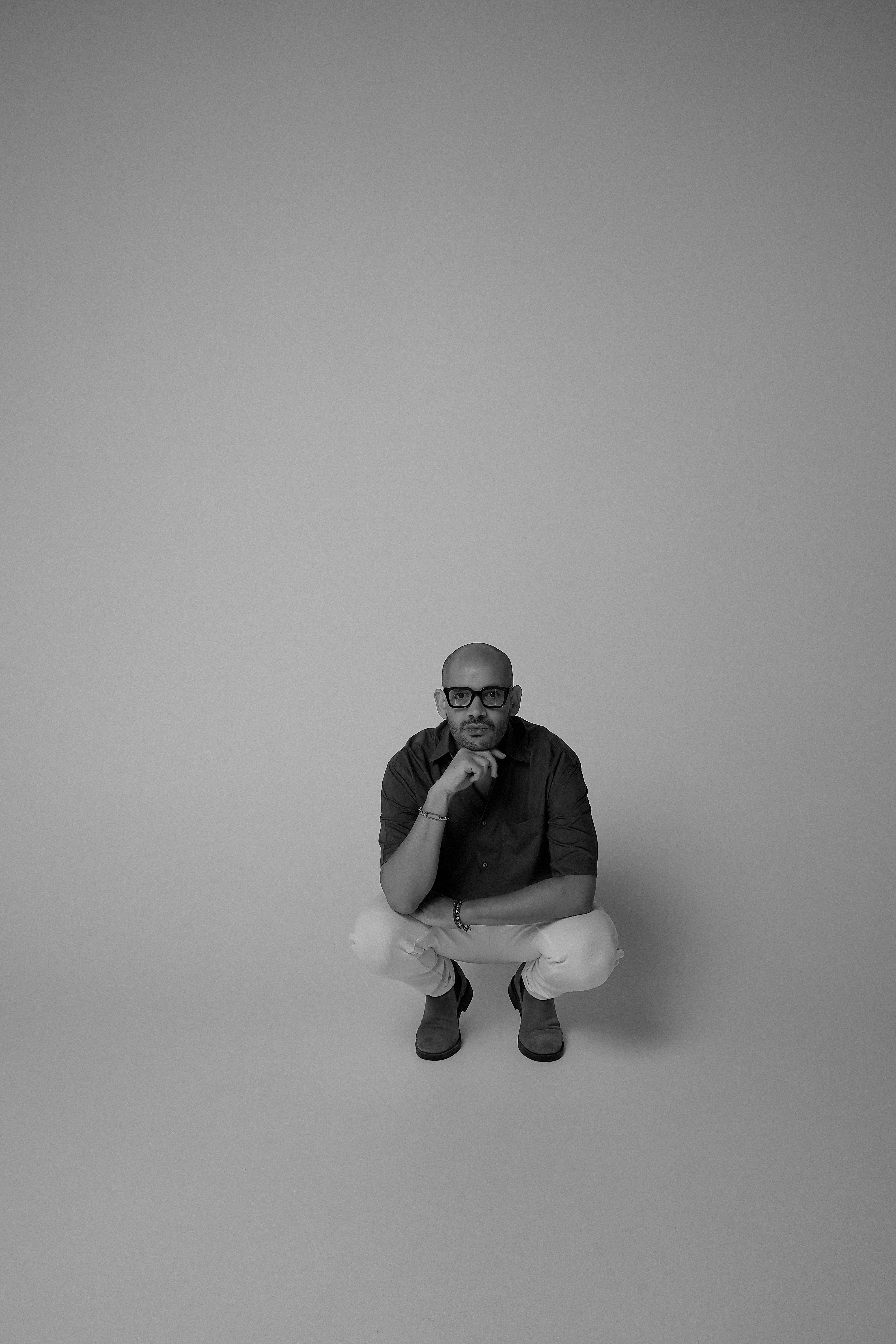
What first drew you to the world of food and hospitality, and what made you stay?
I would say it happened almost by accident. Hospitality wasn’t necessarily something I was attracted to or had planned to pursue.
But when I first started working in the industry, something felt incredibly natural. For the first time, I didn’t feel like I was working. I was genuinely enjoying what I was doing, and it didn’t feel like a job. I found myself in an environment where everything just felt right.
Your work sits between gastronomy, art direction and event choreography. How would you describe your signature in your own words?
Attention to detail. That’s probably the best way to describe my approach.
I look at every single element of a project, from the initial concept to the final execution, but always from different perspectives.
There’s the creative side, the brand identity, the aesthetics, the food, the taste, the operational requirements and, of course, the budget.
I think my signature is that ability to look at the bigger picture while paying attention to the smallest details.
You have described dining as being very close to choreography: the lighting, the flowers, the music, the rhythm of service. Where do you begin when designing that choreography for a celebration?
I always start by putting myself in the guest’s shoes.
What is the first thing they see when they enter the room? How does the space make them feel? What is the first impression, and what kind of experience are they about to have?
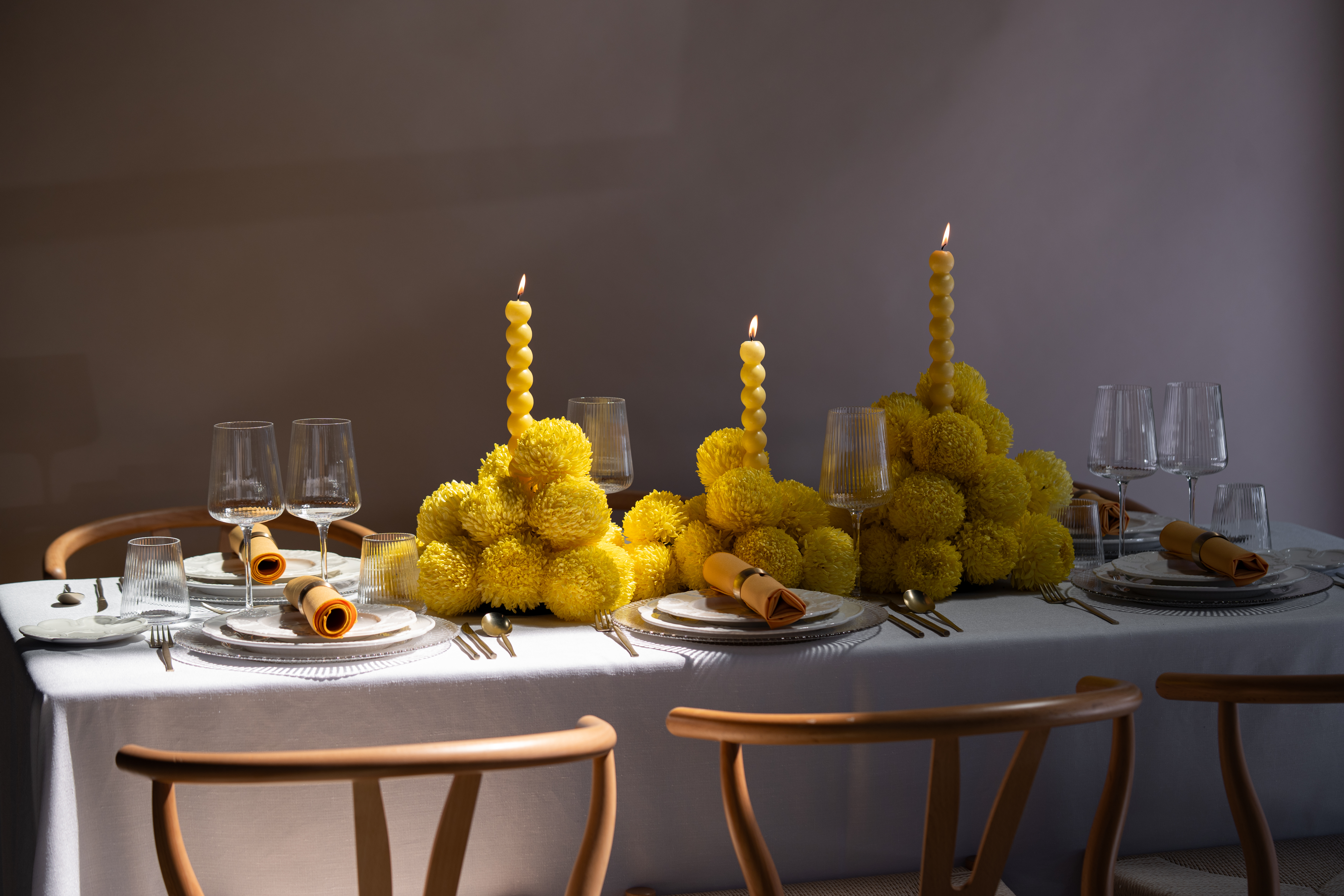
From there, I start thinking about how the different elements come together. The lighting, the flowers, the table, the food and the rhythm of service all contribute to the atmosphere.
It’s about understanding the experience from the guest’s perspective, rather than simply looking at individual design elements.
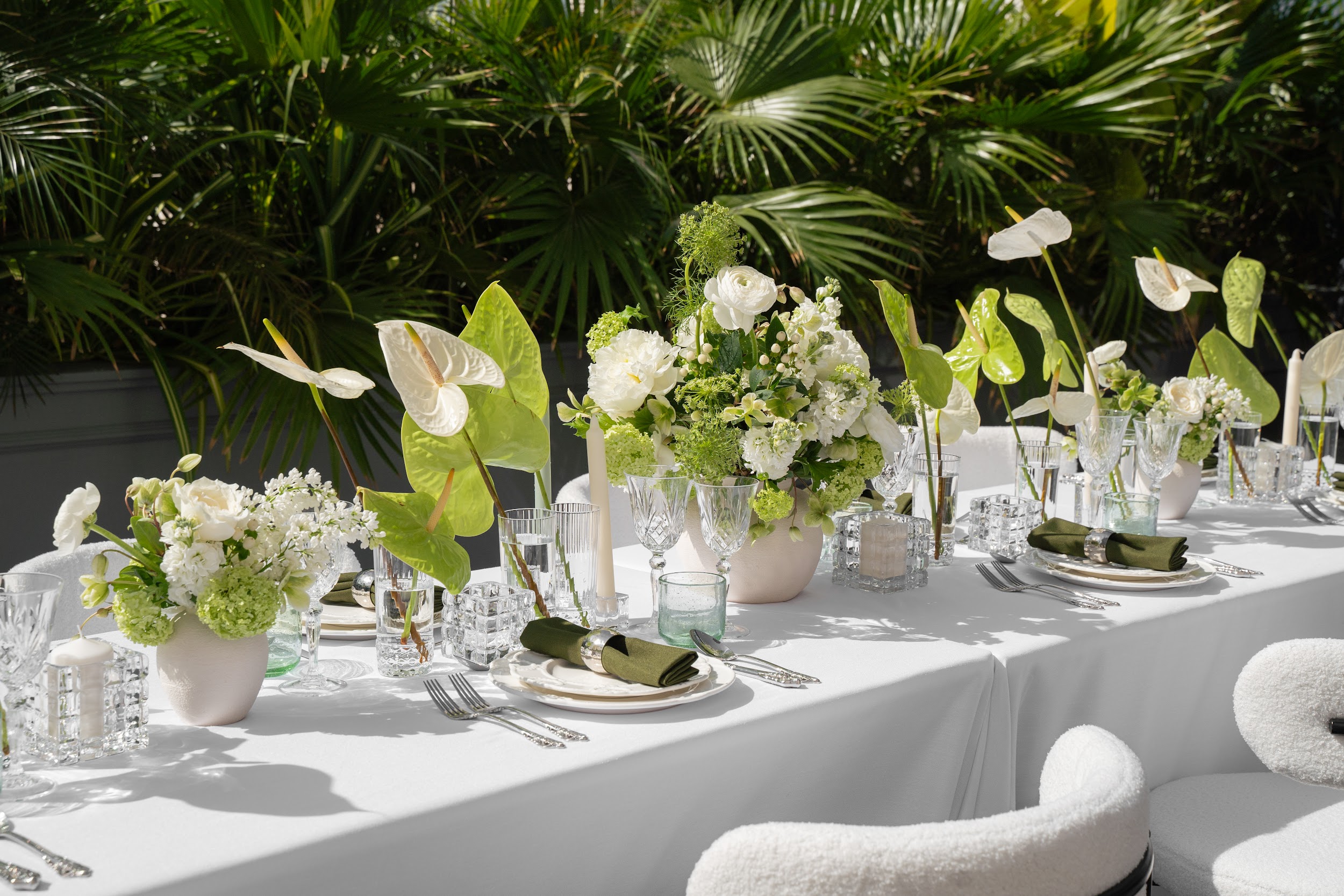
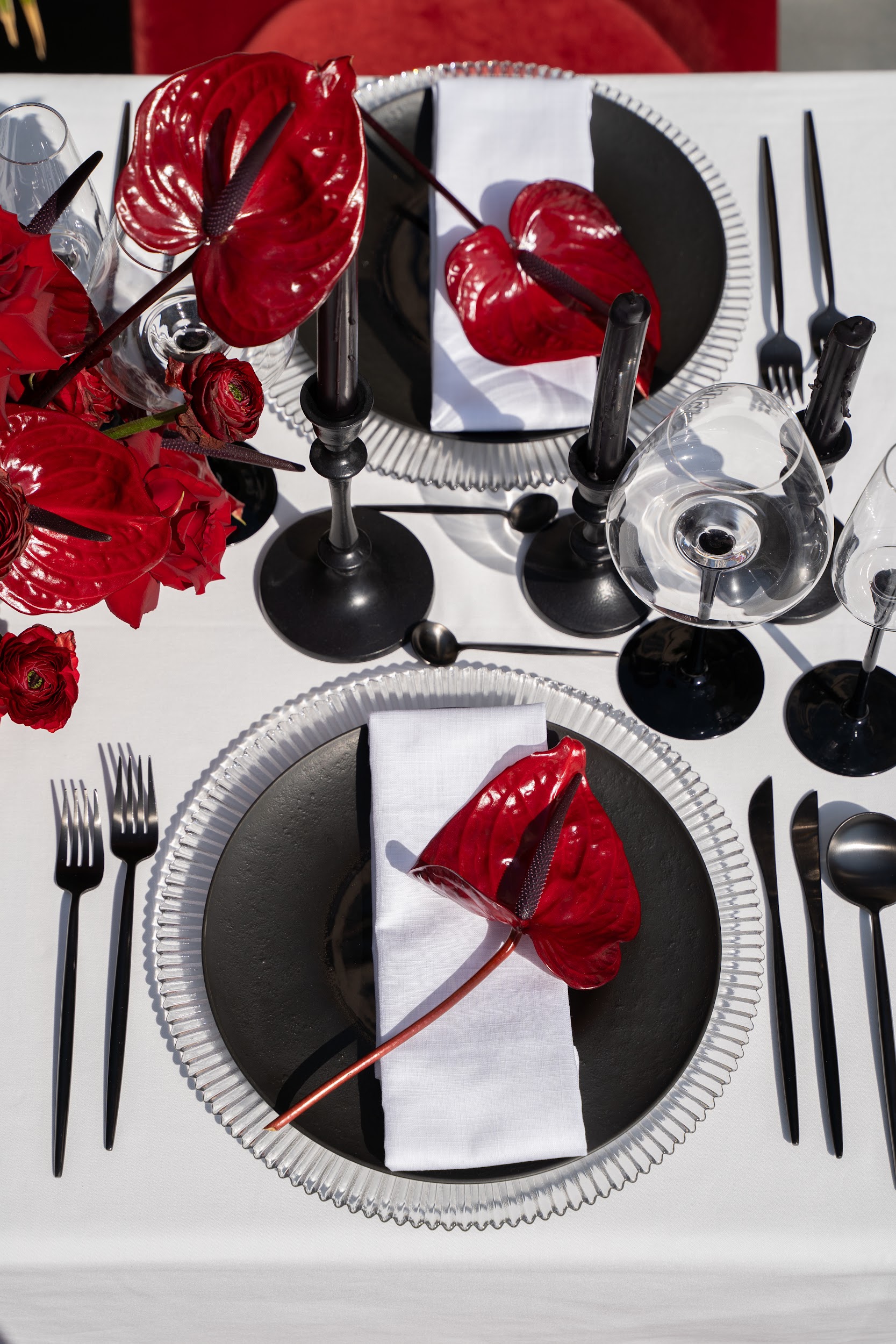
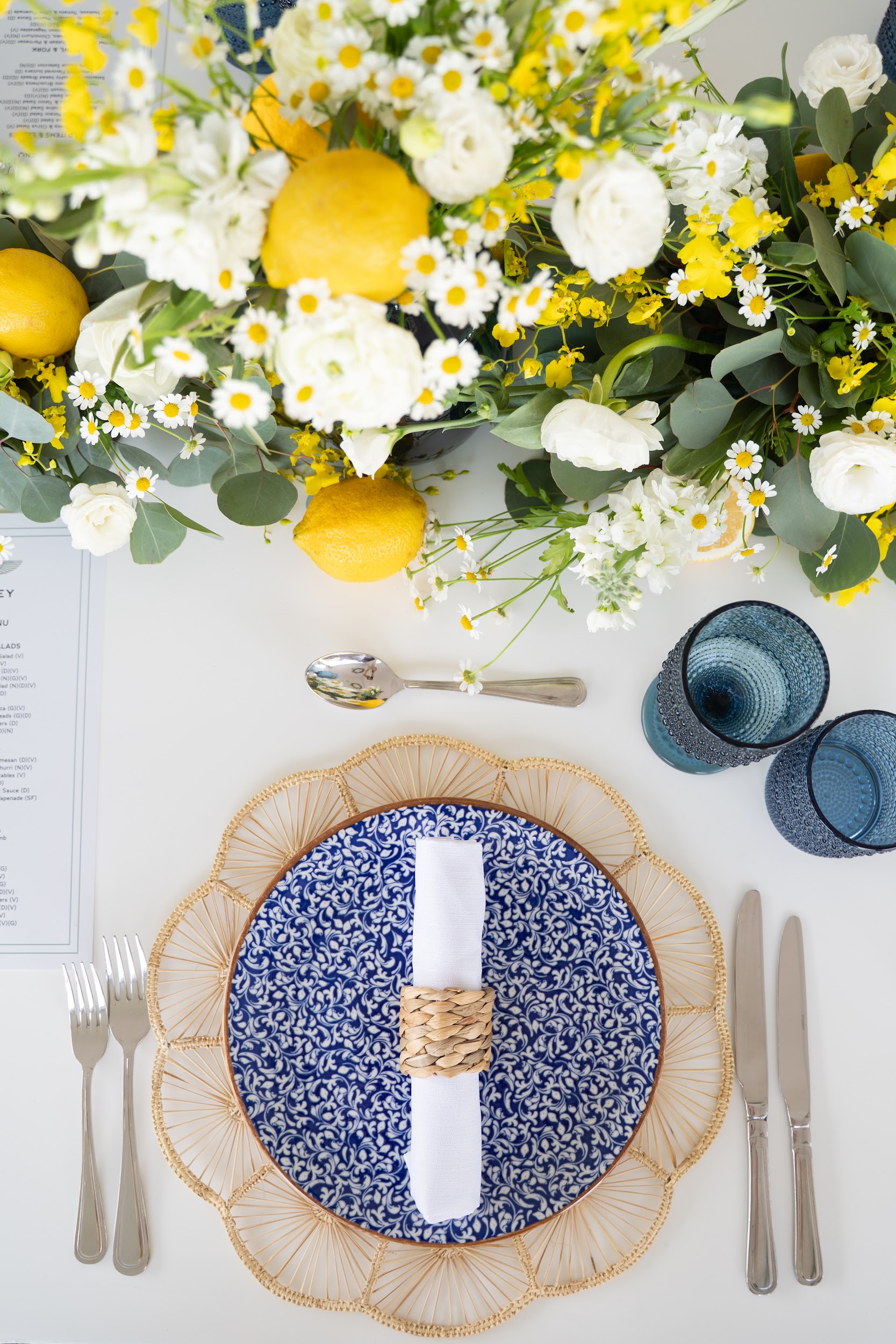
Tablescaping is one of the disciplines you work in. What makes the table such a powerful storytelling element in a celebration?
Because the table is where everything happens.
It’s where people gather, where conversations begin, where food is shared and where a large part of the evening unfolds.
For me, a table is never just a combination of plates, glasses, flowers and decorative elements.
Every detail has to be there for a reason. The choice of materials, the colours, the proportions, the way the table is dressed: everything contributes to creating an atmosphere.
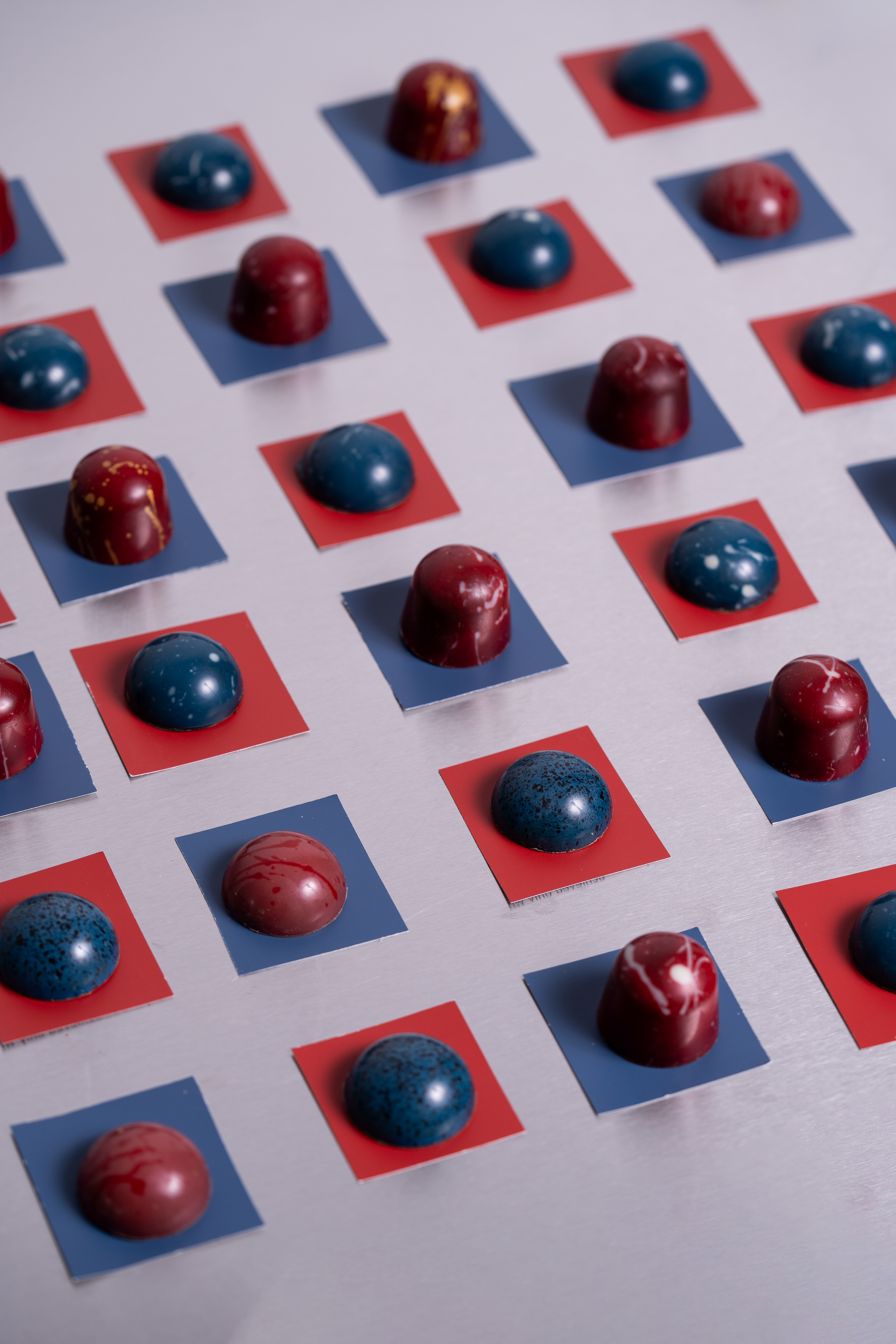
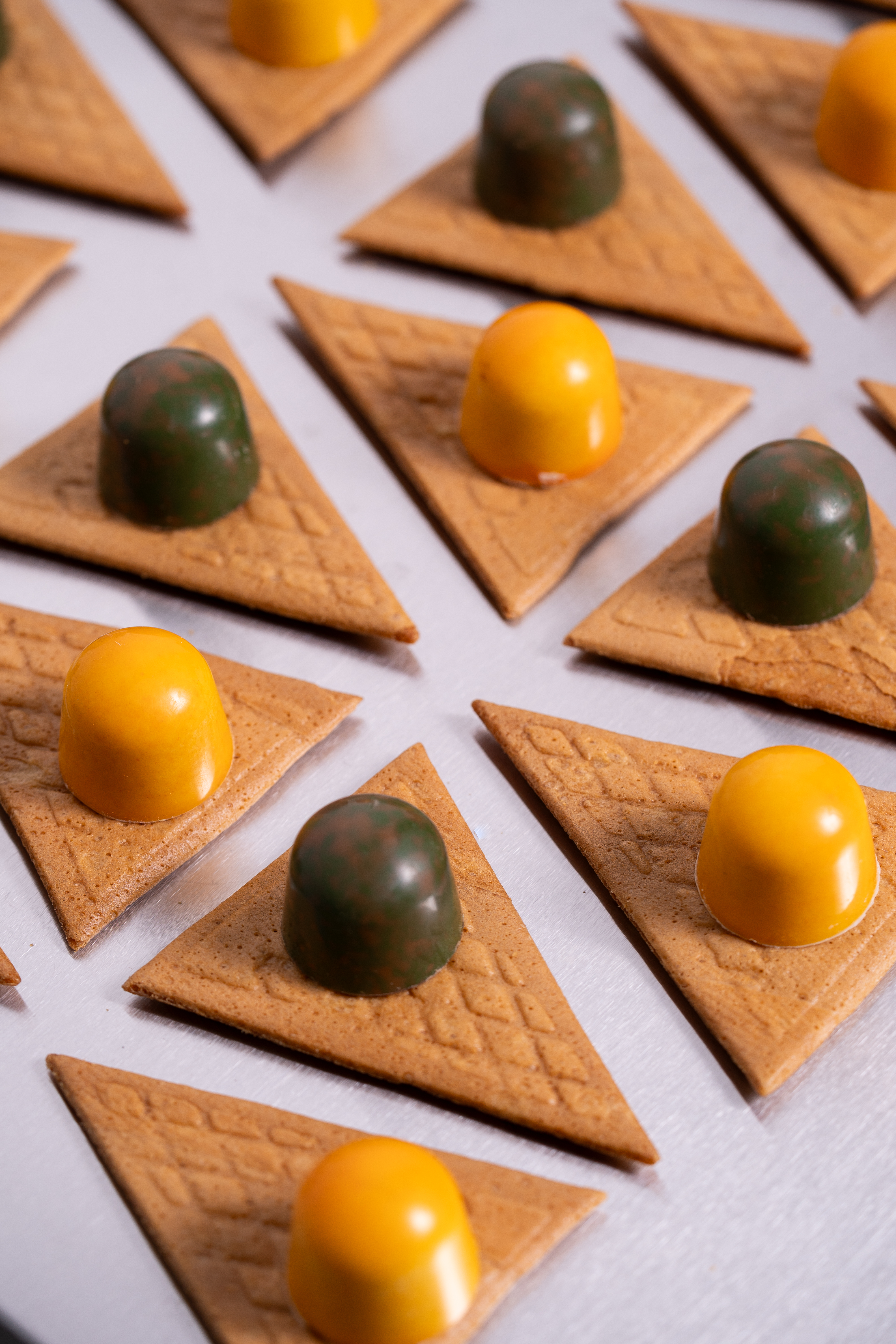
You describe Edible Tables as a modern reinterpretation of traditional banquets. What makes one feel truly immersive rather than simply displayed?
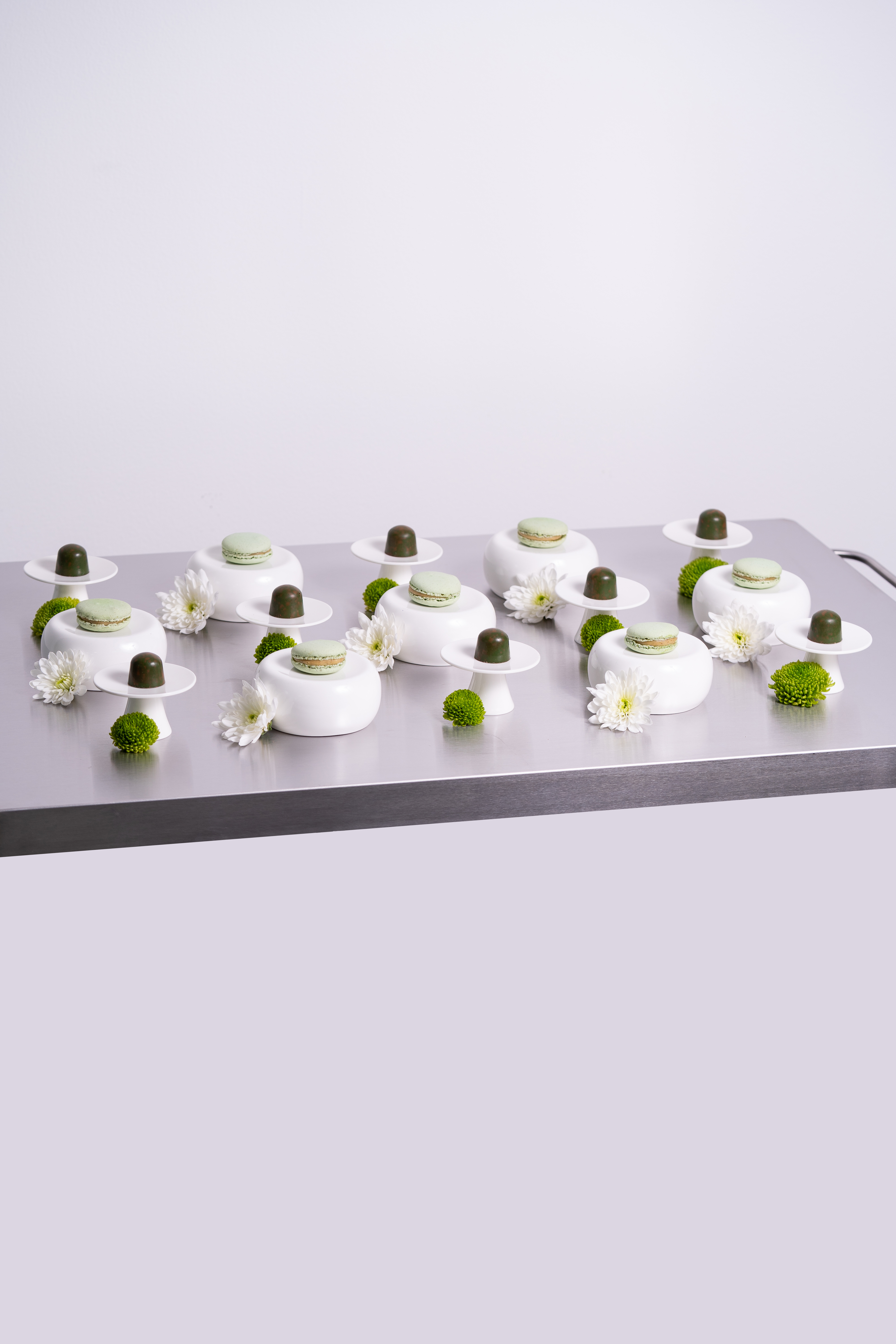
An Edible Table is not simply there to feed people.
Of course, the food needs to be beautiful and delicious, but the idea goes much further than that.
It’s about creating a moment that makes people stop, look, interact and start a conversation.
There’s a strong visual aspect, but also a social one. People approach the table, discover the different elements, take pictures, taste something and engage with what’s in front of them.
Your Edible Tables have largely lived in the world of brands and events. How do you see that idea translating to weddings and more personal celebrations?
I think Edible Tables have a very natural place in weddings and private celebrations. In fact, the concept of a generous table filled with food has existed in celebrations for generations.
The main difference is the intention behind it.
In a brand event, food can become a way of communicating an identity or presenting a product.
At a wedding, it’s much more personal. You’re celebrating people, their story and an important moment in their lives.
The food needs to be generous, delicious and enjoyable. It’s not just about creating something visually impressive. People are there to celebrate, eat and enjoy themselves.
There is always a gap between what a client imagines and what is possible. How do you manage that conversation while still protecting your creative vision?
I think creativity always comes with restrictions, and that’s simply part of the process.
You might start with a beautiful idea, but as the project develops, you have to consider the space, the technical limitations, the kitchen facilities, the budget and the operational requirements.
Experience teaches you how to work around those challenges.
For me, the objective is to protect the creative intention without losing sight of what’s realistic.
It’s about finding alternatives that maintain the aesthetics, the taste and the overall experience while making sure everything can actually be delivered.
Each of the cultures you have worked in carries very different expectations of hospitality. How much does that range shape your menus and your design?
My approach is generally quite modern and contemporary, regardless of the cultural context.
Having worked across different environments and with different cuisines, I’ve learned that every culture has its own relationship with food and hospitality.
But I also think it’s important to recognise the limits of your own knowledge.
I come from a French and Algerian background, and those are cuisines and cultures I understand personally.
If a project requires a specific culinary identity, whether that’s Emirati, Indian or South American, I would rather collaborate with a chef or specialist who genuinely understands that cuisine than pretend I can interpret it myself.
FM Consulting, Boutique Catering and Waldi are three connected concepts. How do they inform one another, and what does Waldi let you say that an event cannot?
Each concept has a very different purpose.
FM Consulting was created to support clients with the creative direction and management of their F&B projects. We work with brands, agencies, chefs, caterers, hotels and different hospitality partners, from the initial idea through to execution.
Boutique Catering is different because we actually provide the food and beverage experience. We develop the menus, manage the production and deliver the service.
Waldi is something much more personal.
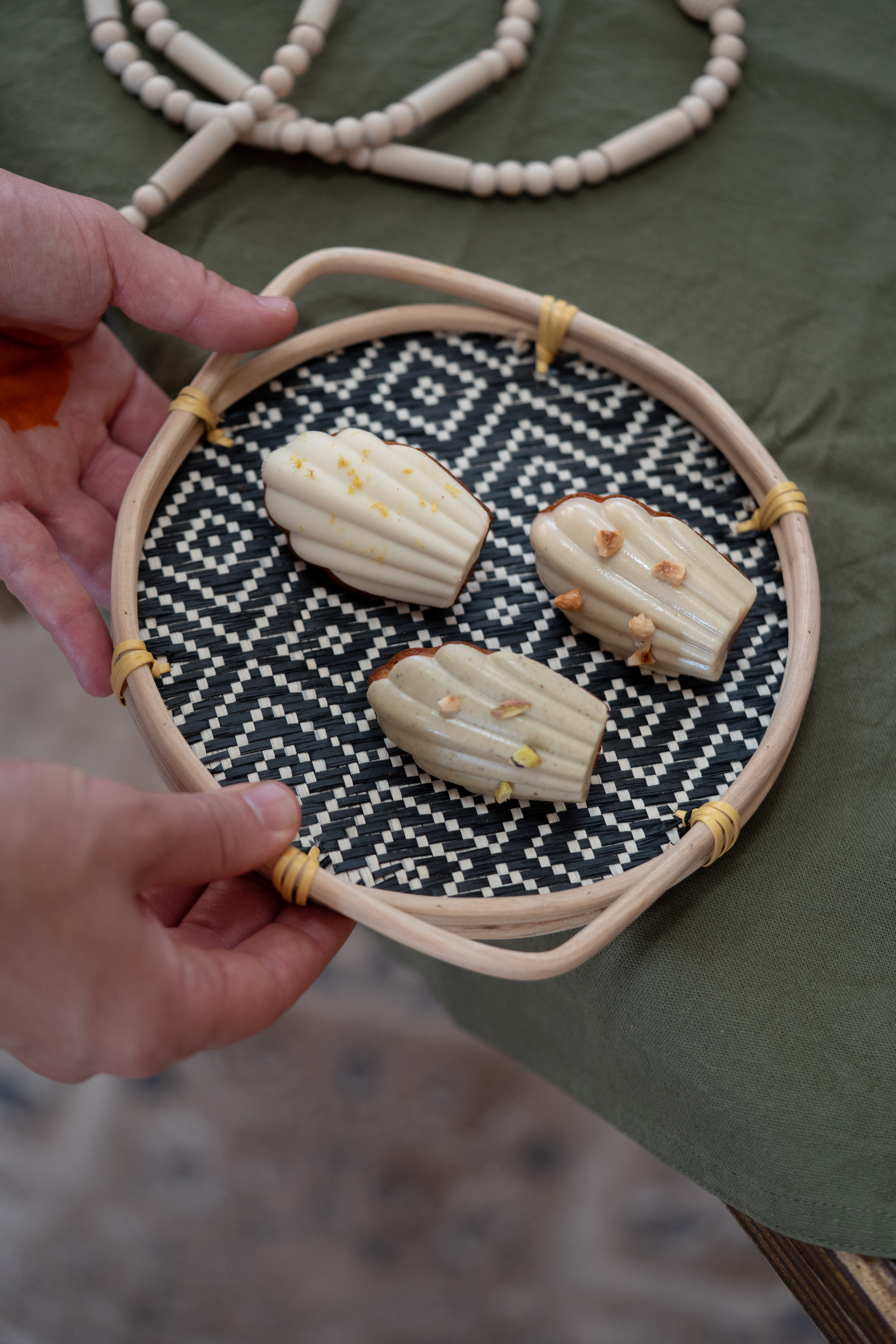
It’s a project that Zeyneb and I created together, inspired by a cake we both love, our origins and something we genuinely wanted to bring to life.
With Waldi, it’s entirely ours. We can experiment, make our own decisions and take it in whatever direction we want.
Is there a celebration you consider a personal masterpiece? One that still stays with you?
It’s very difficult for me to choose just one.
I’ve been fortunate enough to work on some extraordinary projects in equally extraordinary locations.
A 12-metre Edible Table at the Museum of the Future, a beautiful dinner on the stage of Dubai Opera, or even a party event in an underground parking space.
I also think about my time working with the creative team at INKED, particularly around Expo 2020, and the opportunities we’ve had to travel for projects in Spain, Germany and Saudi Arabia.
All these experiences stay with me for different reasons.
You have said that what matters is not the size of an event but whether it feels meaningful, coherent and memorable. How do you protect that coherence as a celebration scales up?
There are different ways of maintaining the same level of experience as an event grows, but naturally, the larger the event, the more challenging it becomes.
For me, it starts with the people around me.
I make sure I work with professionals who understand the level of quality, service and attention to detail we’re trying to achieve.
I challenge everyone within their respective departments because I always want us to deliver the best possible result.
But I also believe that challenging people comes with the responsibility to support them.
Looking ahead, what does the future of luxury celebrations, and of the table, look like through your lens?
I think we’re going to see a return to things that feel more authentic, interpreted in a contemporary way.
We’ve been through a period where everything has become very visual, very fast and sometimes driven by trends. But trends come and go.
I believe there’s something powerful about returning to the fundamentals of hospitality: a beautiful table, good and generous food, genuine service.
What I do hope, however, is that clients will stop relying so heavily on AI to create F&B briefs and visual references that often don’t reflect the reality.
There is a through-line in everything Farid says, and it is humility dressed as discipline. He starts from the guest’s point of view, protects a vision without ignoring the kitchen, and knows where his own expertise ends, preferring to bring in a specialist rather than fake a cuisine he does not know. It makes for an unfashionable kind of luxury: one that is less interested in what looks impressive in a photograph than in what feels right at the table, an hour into the evening. If the next chapter of celebrations really is a return to the fundamentals, a beautiful table, generous food and genuine service, then Farid has been practising it all along.
Follow Best List India for the culture, conversations, and ideas worth paying attention to.