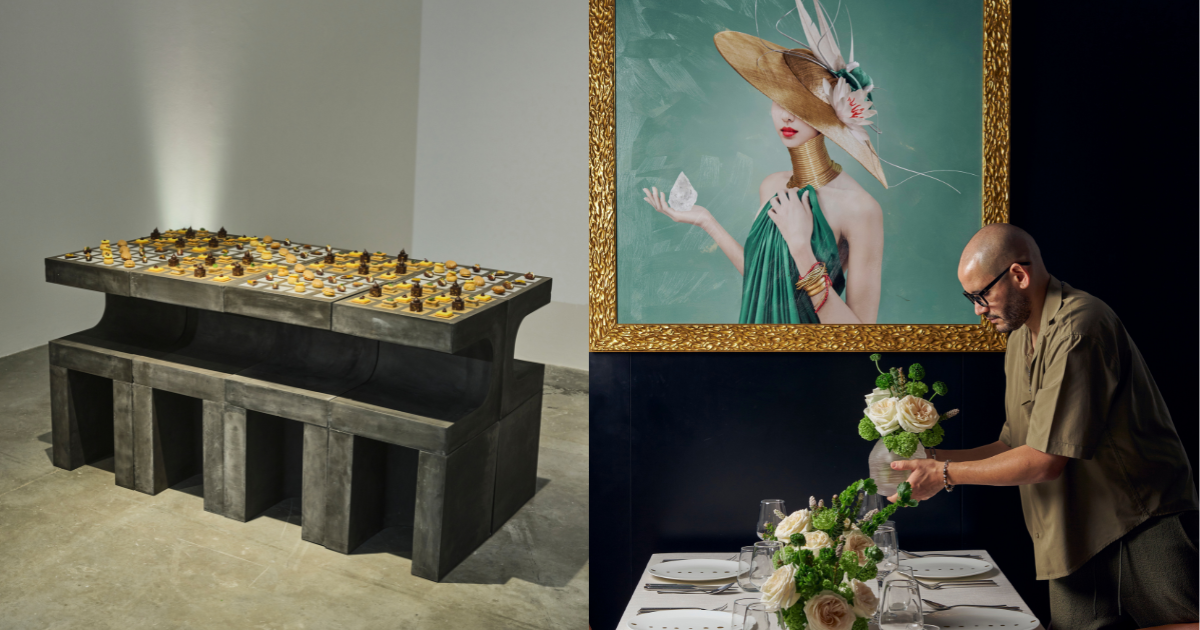
Wellness cuisine has a branding problem. For many travellers, the phrase conjures plates that are virtuous but joyless: steamed, sparse and quietly apologetic. At Swastik Luxury Wellbeing Sanctuary, set above Khadakwasla Lake near Pune, the kitchen has set about quietly dismantling that idea. Meals here follow sattvic, vegetarian principles and are tailored to each guest’s programme, yet arrive as a composed sensory experience, with colour, aroma, texture and presentation doing as much work as nutrition.
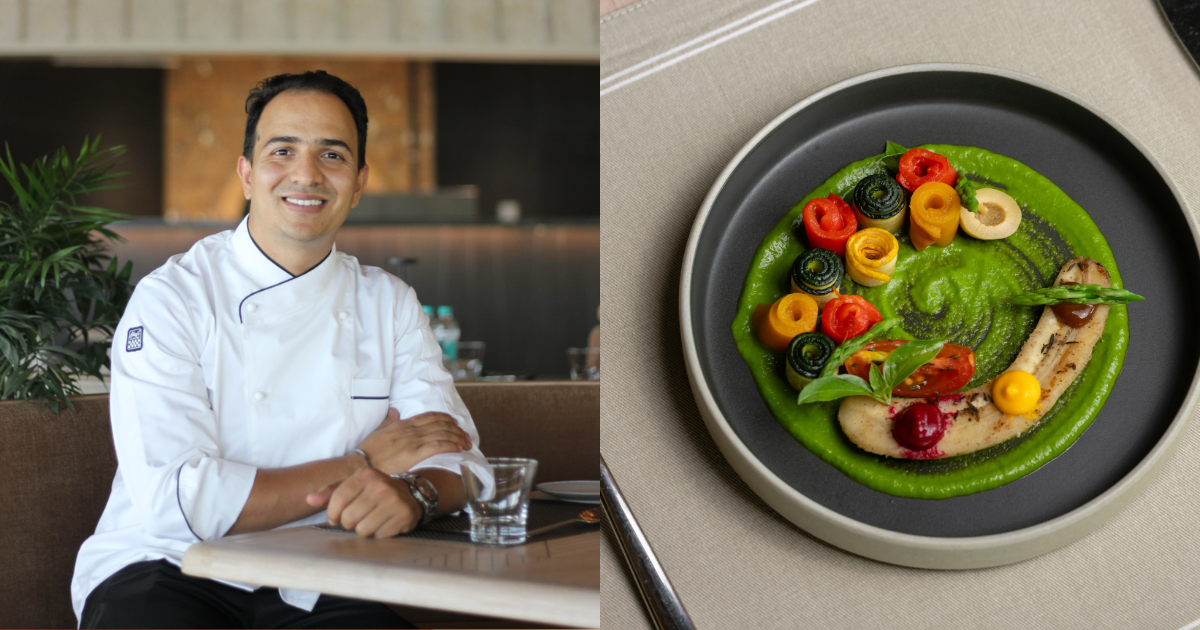
At the heart of this approach is Chef Arvind, Executive Chef at Swastik Wellbeing Sanctuary, Pune, whose nine-plus years in wellness cuisine have shaped a philosophy that brings together mindful preparation, seasonal produce and the restorative potential of food. We sat down with him to explore the evolving language of wellness dining, the rediscovery of indigenous Indian ingredients, the science of comfort, and a question from a Jain monk that fundamentally changed the way he cooks.

Wellness cuisine is often associated with restriction rather than indulgence. How do you challenge that perception at Swastik Wellbeing Sanctuary, and what does it take to create food that is as satisfying to eat as it is mindful in its preparation?
Food at Swastik is considered medicine. Yes, there are a few restrictions, like deep frying, certain spices, white sugar, white flour and ultra-processed items.
At Swastik, we believe wellness cuisine should be a celebration of food, not a restriction. For us, wellness is not about restrictions or giving up the foods we love. It’s about understanding our body and learning to eat in a way that makes us feel good, both physically and mentally. We focus on fresh, seasonal, and natural ingredients, balanced nutrition, traditional wisdom, and mindful cooking techniques that preserve the goodness of food without compromising on taste. By thoughtfully combining flavours, textures, colours, and aromas, we make healthy food both delicious and fulfilling.
When we experienced the food at Swastik, we approached it as much as a dining experience as a wellness offering. What do you hope guests take away from a meal here beyond its nutritional value?
I want our guests at Swastik to experience the joy of fine dining while discovering how healthy food can be delicious, beautifully presented, and thoughtfully prepared.
I hope they take away an appreciation for healthy food combinations, mindful cooking techniques, and the art of presenting food beautifully. Most importantly, I want them to feel inspired to bring these learnings into their everyday lives.
Is there a particular dish on your menu that best captures your culinary philosophy? Could you take us through the inspiration, ingredients and techniques behind its creation?
One dish that truly reflects our culinary philosophy is bottle gourd noodles. It is a simple yet thoughtful dish made with minimal ingredients: fresh bottle gourd, a few herbs, and mild spices. The preparation is not complicated, using lightly boiled bottle gourd strips without excessive processing or elaborate cooking techniques. The inspiration behind this dish is to show that even the simplest ingredients can create something delicious and satisfying.
We wanted to create a dish that satisfies both the palate and the appetite while fitting into specific, objective-based dietary plans, particularly gluten-free and grain-free diets.
Your approach brings traditional culinary wisdom together with modern techniques. Are there Indian ingredients, regional food traditions or forgotten cooking practices that you believe deserve a greater place in contemporary wellness cuisine?
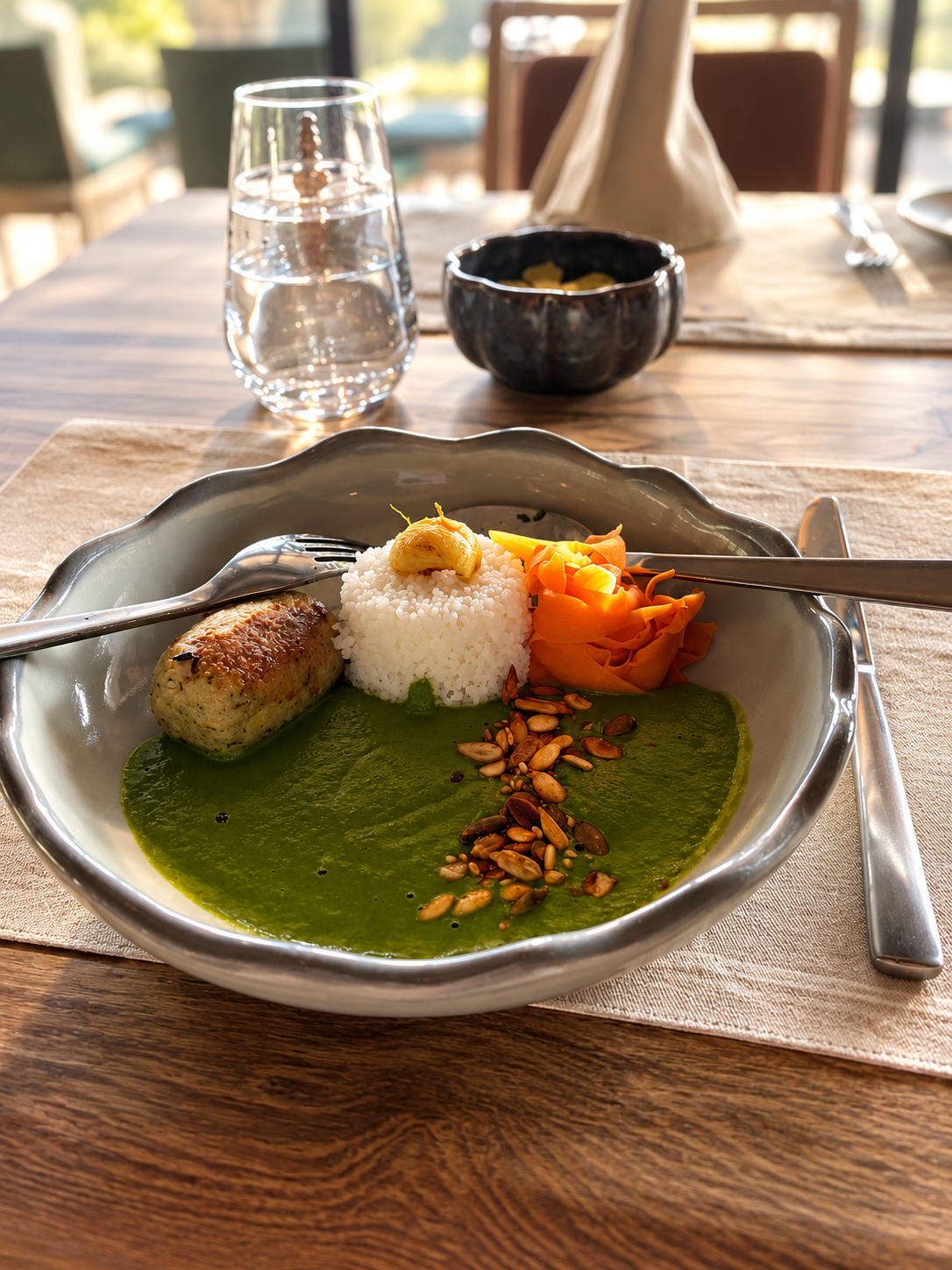
At Swastik, our cuisine philosophy is rooted in local, seasonal, and indigenous foods that have been part of our culinary heritage for generations. We are bringing ingredients like Ambe Mohar rice, Indrayani rice, Khapli wheat, traditional millets, native crops, local herbs, and mild spices into our wellness cuisine.
We believe India’s local and indigenous ingredients have the potential to earn a significant place in global wellness cuisine.
You emphasise seasonal produce, locally sourced ingredients and minimal processing. How do these principles influence your creativity in the kitchen, and how do you build complexity of flavour while allowing the ingredients to speak for themselves?
At Swastik, our cuisine philosophy is built on three key principles: Source, Season, and Process. Source brings authenticity by connecting us to local and traditional ingredients. Season helps us stay aligned with nature by using ingredients at their natural best. Process guides us in choosing the right cooking techniques to make food nourishing, flavourful, and enjoyable.
When we bring these three principles together, we discover unique food combinations and aroma profiles where ingredients complement one another, creating a beautiful balance of taste and nutrition. This is how we make wellness cuisine both thoughtful and exciting.
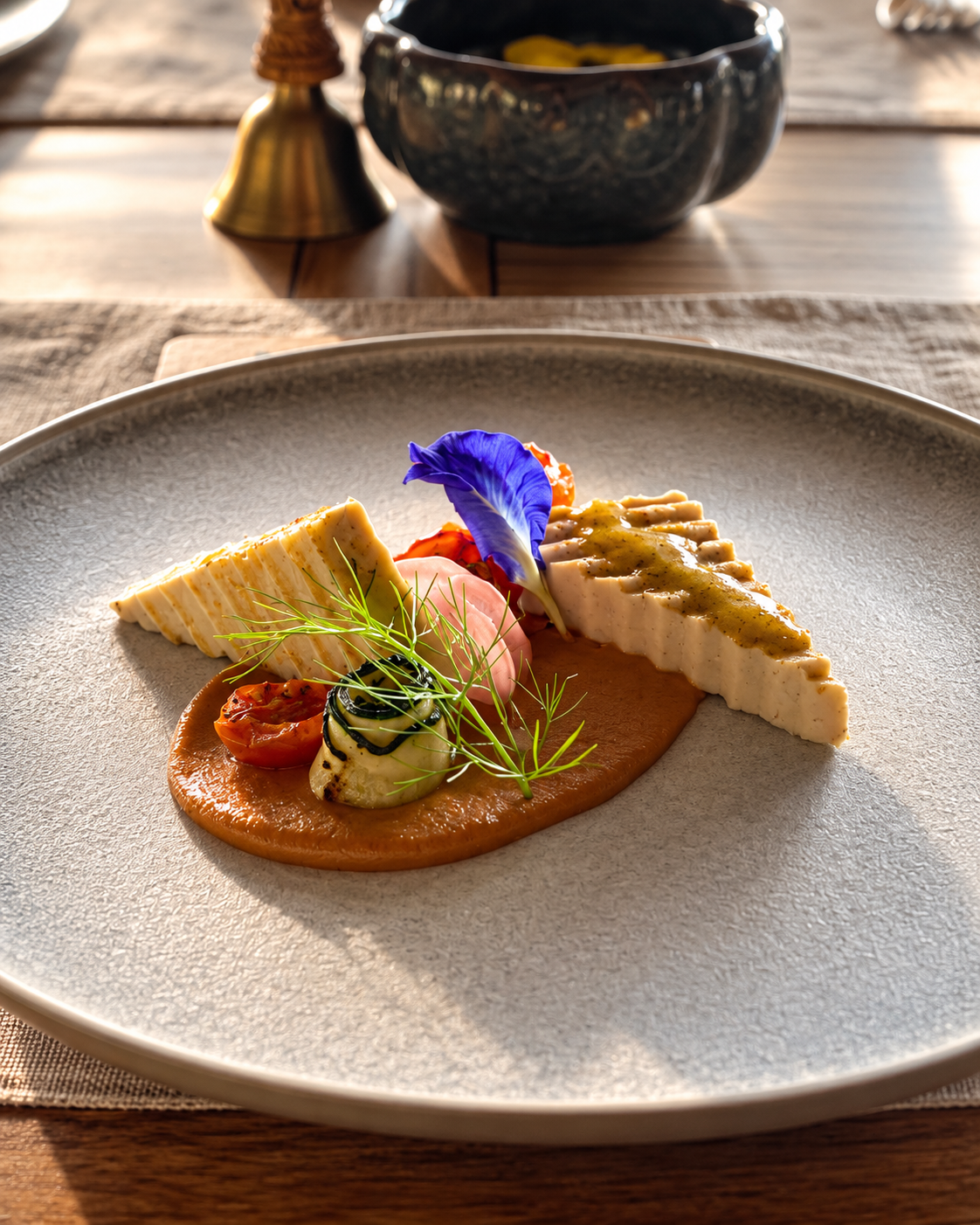

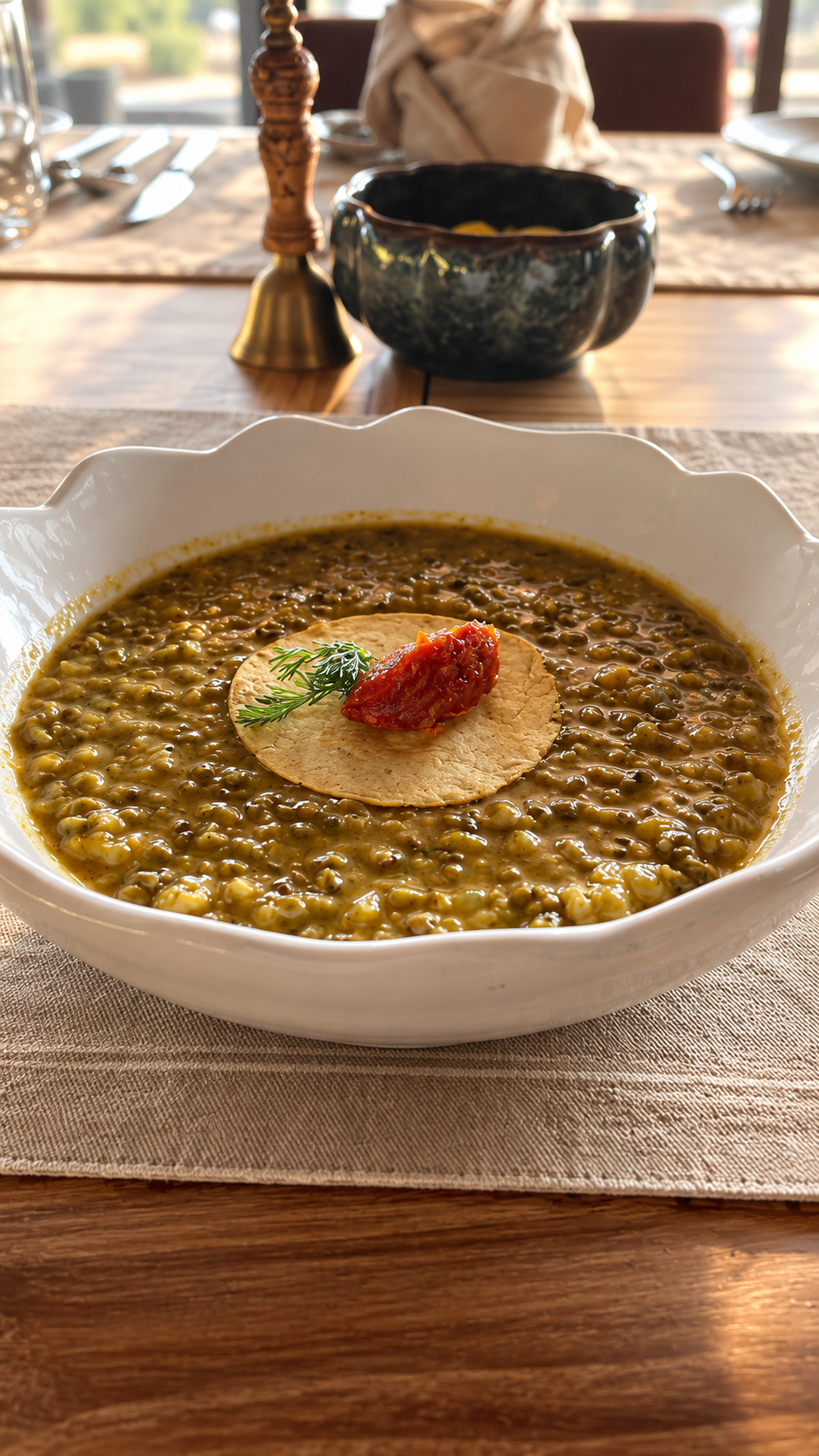
Food is closely tied to memory, comfort and emotion. How do you bring these elements into a cuisine that is also guided by the principles of wellbeing?
Food is deeply connected to our memory, emotions, and overall well-being. Scientifically, the gut and brain communicate through the gut-brain axis, and our gut microbiome plays an important role in this relationship. The gut is also involved in serotonin (the happy hormone) regulation, which is associated with mood and emotional well-being.
For us, a human body is not just about bones and muscles; it is regulated through hormones, and in that, gut health plays an important role in creating a positive emotional experience. When we eat food that is healthy, delicious, and comforting, it can bring a sense of pleasure, happiness, and familiarity. At Swastik, we aim to bring these elements together, creating meals that not just nourish the body, but also make people feel good from within.
With over nine years of experience in wellness cuisine, how has your understanding of the relationship between food and wellbeing evolved? Has there been a particular experience that fundamentally changed the way you cook?
We believe food is much more than nutrition; it connects our body, mind, and emotions. At Swastik, our philosophy is to make healthy food delicious and satisfying without compromising its nutritional value.
A few years ago, I met a Jain monk who changed my perspective on food with a simple question: “If there is no hunger, how can there be satisfaction?” This made me reflect on how food should suit our body’s needs, the weather, and our natural preferences, like cooling drinks in summer and warm tea in winter.
But the right temperature is not enough; the right portion matters too. Just as the right amount of water quenches our thirst, true satisfaction comes from knowing when we have had enough. This understanding continues to guide my cooking at Swastik, where wellness is about the perfect balance of taste, nourishment, the right portion, and mindful eating.
Looking ahead, how do you see the future of wellness dining in India evolving? Do you believe its next chapter will be defined by more functional food, a deeper return to traditional Indian wisdom, or a more sophisticated approach to the pleasure of eating?
Having worked in the wellness industry for so long, I’ve witnessed a significant shift in people’s understanding of nutrition. Earlier, superfoods were often associated with ingredients like broccoli and avocados, but today, people are exploring a much wider variety of plant-based foods, including chia, pumpkin, sunflower and flax seeds, berries like sea buckthorn, and traditional ingredients like ashwagandha, shatavari, psyllium husk and A2 ghee, which are trending.
I see this as a positive shift towards a more balanced approach to nutrition. People are becoming more aware of the importance of protein, healthy fats, vitamins, minerals, and fibre, rather than focusing primarily on carbohydrates.
I believe India’s future in wellness dining lies in combining this growing nutritional awareness with our traditional food wisdom and local ingredients to create meals that are both nourishing and enjoyable. For example, Bihar is producing makhana, and the northern mountains are producing sea buckthorn, the holy fruit of the Himalayas. These things are trending, and people are enjoying the awareness and healthy living.
What lingers from this conversation is the restraint behind it. The chef speaks about food the way the sanctuary speaks about everything else: without drama, and with a conviction that the right amount is a form of luxury. A bottle gourd noodle, a bowl of Ambe Mohar rice, a meal that ends precisely when satisfaction does: these are not sacrifices dressed up as pleasure, but pleasures that happen to be good for you. If wellness dining in India is heading towards a future that is rooted in native grains, informed by science and unafraid of enjoyment, Swastik’s kitchen is already quietly cooking in it.
Follow Best List India for the stays, experiences, and destinations worth planning your life around.