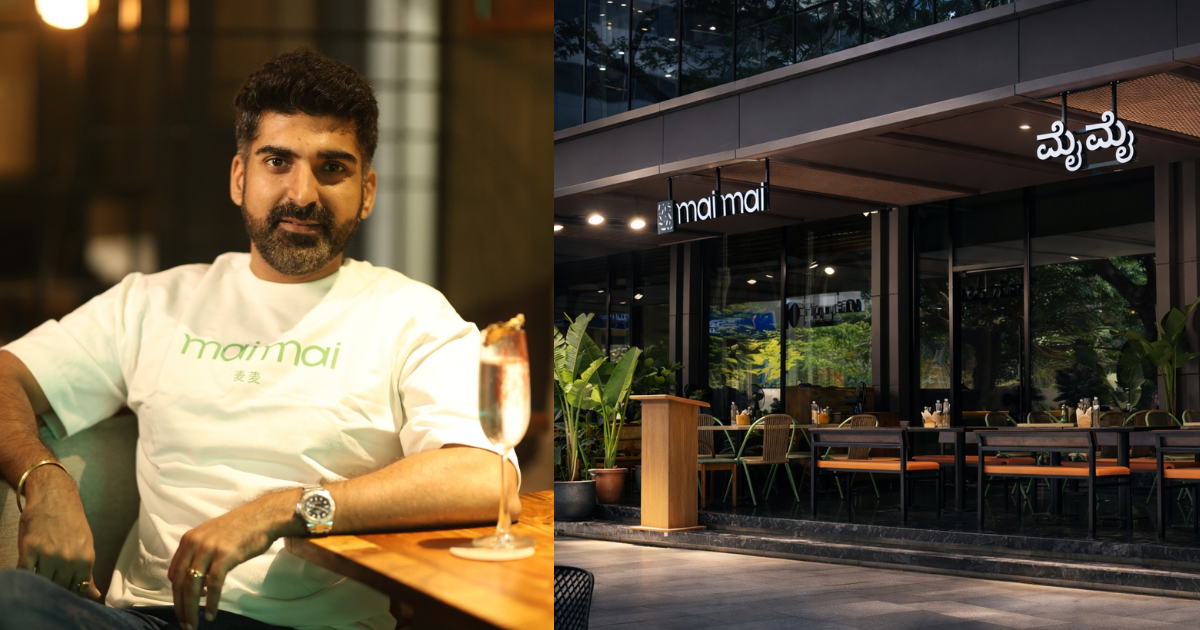
There is a particular kind of restaurant that exists in every food-obsessed city, the one that does not trend, does not chase the viral dish, and does not need to. It simply works, reliably, every time you walk through the door, until you find yourself there for the fourth or fifth time without quite remembering when it became a habit. Yash Bhatia, founder of Mai Mai, has built his career around the conviction that this kind of restaurant, unglamorous as the description sounds, is the hardest and most valuable thing to build in hospitality.
Bhatia was part of the founding team at Licious, scaling the company from zero to a category-defining business over eight years, before turning his attention to a modern East Asian restaurant in Bengaluru that has, in just six months, built its reputation almost entirely on guest loyalty and word of mouth. We sat down with him to understand the philosophy behind it.
Mai Mai was born not from a business plan but from a feeling, a lifelong lover of Asian food who kept finding himself overwhelmed by excess, drama, and interchangeable dining rooms. Take us back to that moment of clarity. What did you know a great East Asian restaurant in Bengaluru needed to feel like?
I have always loved Asian food, but too often found myself leaving restaurants feeling drained. The places that stayed with me were not necessarily the loudest, they were the ones I kept returning to. That philosophy shaped Mai Mai. We wanted it to feel calm, dependable, and welcoming, with exciting food but no intimidation, a place people would genuinely look forward to revisiting. At its core, Mai Mai is about taking familiar flavours and elevating them thoughtfully while keeping them approachable and comforting.
You were part of the founding team at Licious and scaled it from zero to a category-defining company over eight years. What did building something at that scale teach you about trust, systems, and consumer behaviour, and how much of that thinking went directly into Mai Mai?
Almost everything. The biggest lesson was that consumers can forgive mistakes, but they rarely forgive broken trust. Trust is built through consistency, and consistency comes from strong systems. Hospitality is no different. Guests should feel confident that the experience they loved the first time will be just as good the next time they walk through the door. That is a philosophy we have carried into Mai Mai, where we focus less on creating viral dishes and more on delivering reliable, repeatable quality that keeps guests coming back.
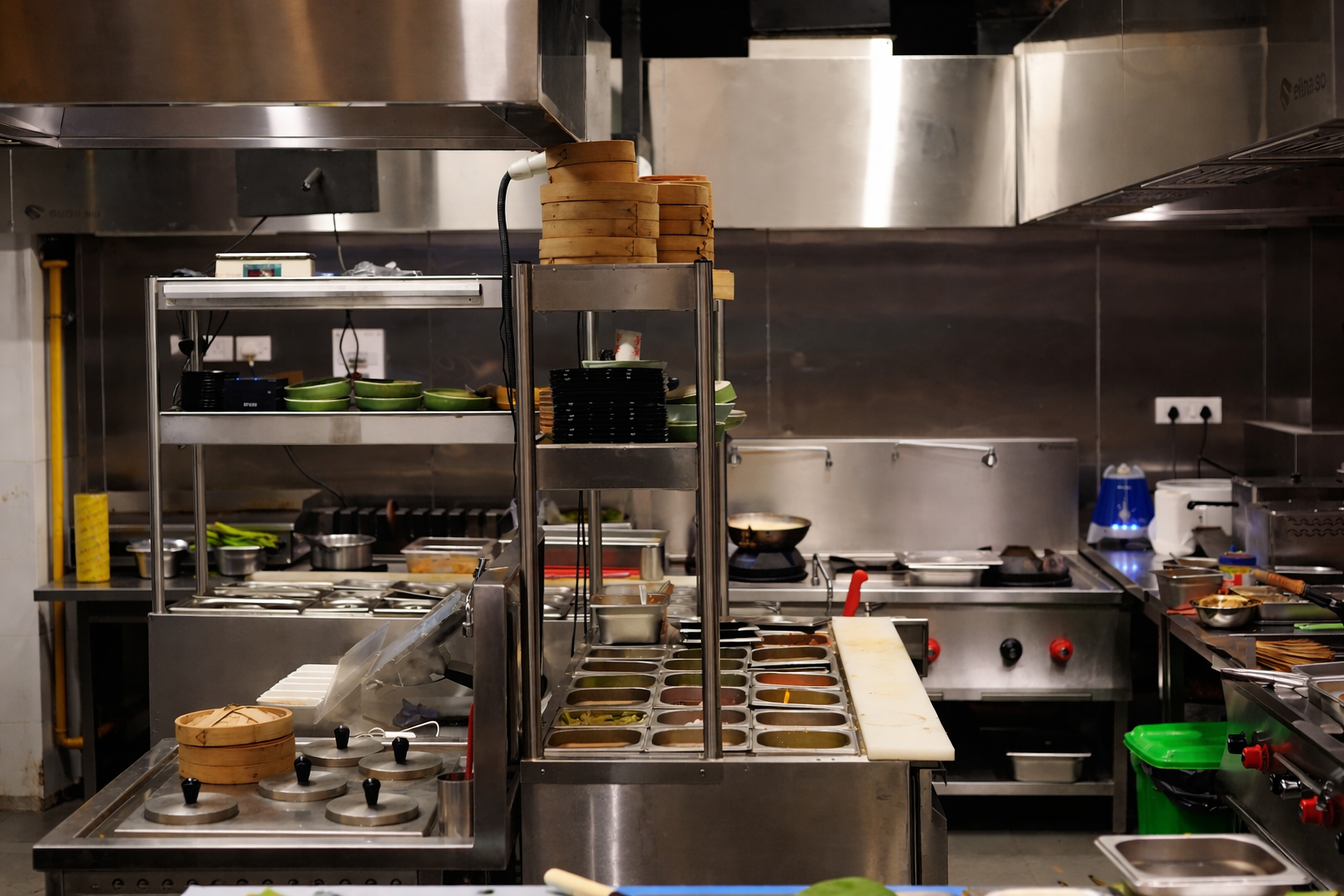
Bengaluru’s dining scene is one of the most dynamic and discerning in India. You chose to open a modern East Asian restaurant in a city that already had options. What did you see in that gap that made you confident Mai Mai would find its people?
Bengaluru did not need another Asian restaurant, it needed one people could build a relationship with. The gap was not in the cuisine itself, but in the consistency, comfort, and emotional connection that turn first-time guests into regulars. We believed that people return when they trust the experience, and creating that sense of familiarity and trust is the space we wanted Mai Mai to occupy.
You have spoken about being drawn to calm, dependable restaurants in Tokyo, Hong Kong, and Seoul, places people return to again and again rather than visit once for the spectacle. What is it about that kind of restaurant that is so hard to build, and what does it take to make a dining room feel like that?
Consistency is harder than innovation. Creating a viral dish is one thing. Delivering the same great experience every single day is another. The best restaurants understand that hospitality is ultimately about reliability. It comes from paying attention to every detail, from the food and service to the lighting, pacing, cleanliness, and the culture within the team. That is what turns a good meal into an experience.
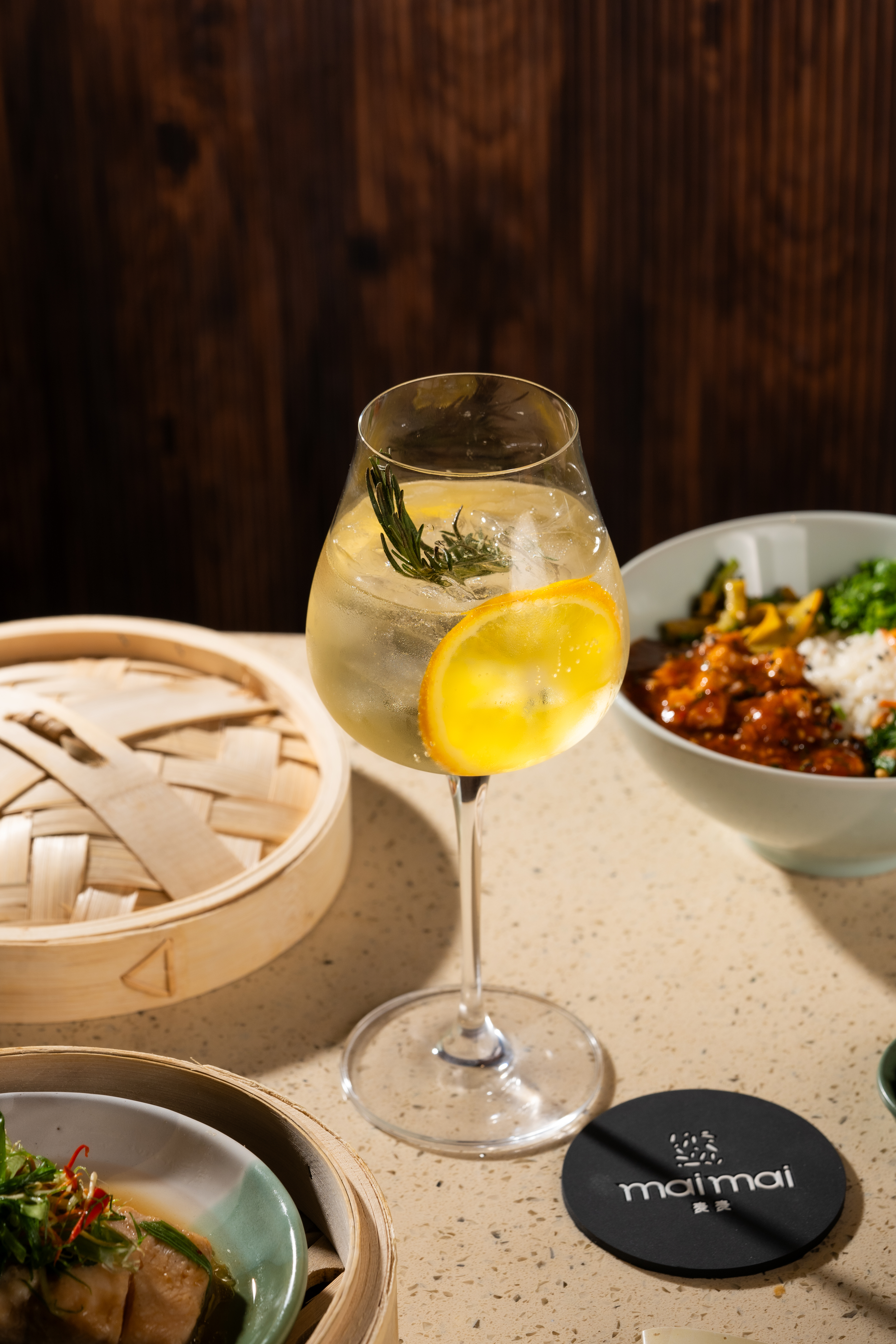

Mai Mai has built its reputation in six months almost entirely on guest loyalty and word of mouth. In an era of influencer launches and Instagram reveals, what does it mean to you to grow that way, and was it a deliberate choice?
Absolutely. It was a very deliberate decision from the beginning. The best form of marketing is a guest bringing another guest, because word of mouth is built on genuine trust. People only recommend places they truly believe in. We wanted to build loyalty before visibility, focusing on creating experiences worth talking about rather than chasing attention. Seeing guests return with friends and family has been one of the most meaningful forms of validation for us.
The shift from dashboards and forecasts to immediate feedback through food and service is one you have described as both grounding and humbling. What was the hardest thing to unlearn from your corporate years when you became a restaurateur?
One of the hardest things to unlearn was being distant from the consumer. In restaurants, feedback is immediate. A guest takes one bite, and you know exactly how they feel. It is humbling because there is nowhere to hide, but it also creates an incredible opportunity to learn and improve every day. Over time, I realised that hospitality is fundamentally a people business that happens to serve food.


Comfort, restraint, and consistency are the three values at the core of Mai Mai. In a restaurant industry that rewards novelty and spectacle, what has choosing those values cost you, and what has it given you?
It may cost us some short-term attention, but it earns something far more valuable, repeat customers. We have never set out to be the loudest restaurant in the city. Our goal has always been to build lasting relationships with our guests. For us, the greatest compliment is not a viral post or a one-time visit, it is seeing someone come back for the fourth or fifth time because they trust the experience and feel connected to what we have built.
If Mai Mai were a city in East Asia, not just an influence but a whole feeling, which one would it be and why?
Tokyo. Not because of its scale, but because of its relentless commitment to craft. It has a remarkable ability to make simple things feel extraordinary through attention to detail and quiet confidence rather than excess. That is something we deeply admire and a philosophy we try to bring into Mai Mai, creating experiences that feel thoughtful, understated, and memorable.
A second Bengaluru outpost is opening soon. How do you protect the soul of a restaurant when you start to scale it, and what is the one thing about Mai Mai that you will never compromise on regardless of how many doors you open?
The soul of any hospitality brand lives in its standards. As we scale, our responsibility is to protect the things that matter most: food quality, guest experience, and consistency. The one thing I will never compromise on is trust. Menus can evolve, spaces can change, and the business can grow, but trust is the foundation everything else is built on.
What is coming next for Mai Mai, and what does the restaurant look like when it has fully become what you set out to build?
We are still at the beginning. The ambition was never just to build one successful restaurant, it was to create one of India’s most loved Asian restaurant brands. Success, for us, will not simply be measured by the number of locations we open, but by whether guests across cities continue to feel the same warmth, trust, and confidence in the experience that they do today. If we can achieve that, we will know we have built something truly meaningful.
Follow Best List India for the culture, conversations, and ideas worth paying attention to.