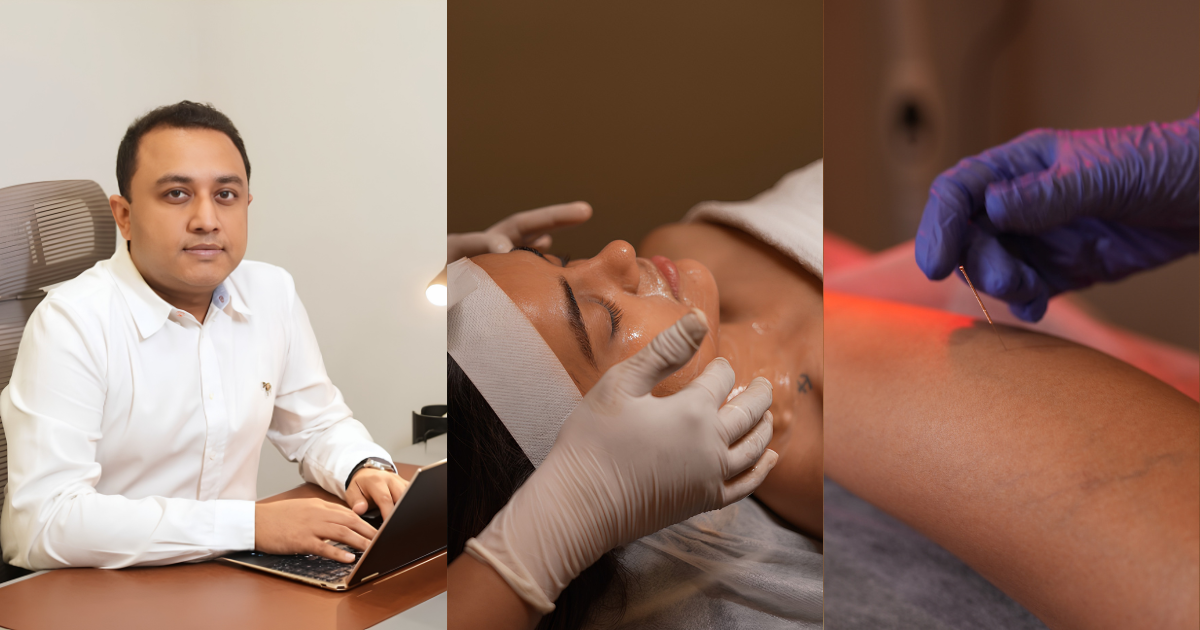
Most of us approach our health the way we approach a fire alarm, we wait until something is burning before we respond. Dr. Rohan Goyal, MBBS, trained ophthalmologist, tissue engineering specialist, and founder of Nuvana in Colaba, has spent his career building an argument against that instinct. Nuvana, which he describes as India’s first Regenerative and Integrative Medicine Experience, operates on a fundamentally different premise: that the body is not a collection of isolated systems to be fixed when they fail, but an interconnected ecosystem to be understood, optimised, and protected long before anything goes wrong. It is a philosophy he calls Medicine 3.0, and it is one that India, increasingly health-literate and increasingly curious about longevity, is finally ready to receive. We sat down with Dr. Goyal to understand what Nuvana is actually building, and why the conversation around healthcare in this country needs to change at the level of the individual before it can change anywhere else.
Nuvana is described as India’s first Regenerative and Integrative Medicine Experience. How do you explain what Nuvana actually does to someone walking in for the first time?
At Nuvana, we often say that we are not just treating symptoms. We are working on restoring the body’s ability to heal, recover, and function better over time. For someone walking in for the first time, the conversation is typically centred around how health is affecting their quality of life. What makes Nuvana different is that it provides a curated experience where advanced medical treatments and wellness protocols coexist under one roof. A patient may come in for pain management and also discover the importance of nutrition, sleep, posture, stress reduction, and recovery therapies.
Earlier, people would mostly come to us looking for a quick fix, or only when they had tried many things and not gotten results. Today, there is more awareness around longevity, preventive health, bio-optimisation, and ageing. Patients are now asking smarter questions and want to maintain long-term quality of life rather than just treat a concern. The pandemic accelerated that shift significantly. People realised that health is not just about the absence of illness. It is about resilience, vitality, and prevention.
You trained as an ophthalmologist in the UK with advanced work in tissue engineering and alternative medicine. At what point did you realise the future of healthcare lived in that intersection?
During my medical training in the UK, I gained immense respect for conventional medicine and surgical precision, but I also saw its limitations, especially when it came to chronic, degenerative, or lifestyle-driven conditions where treatment often focused more on management than true healing or prevention.
At the same time, I grew up closely observing the work my parents were doing through Sanjeevan for Perfect Eyesight, where they had been practising integrative medicine for chronic and even genetic eye conditions that are conventionally considered to have very limited treatment options. Seeing patients improve through a more holistic, root-cause-driven approach was incredibly eye-opening for me.
That was the turning point. I realised that if integrative medicine could create meaningful impact in something as delicate and specific as eye health, its potential for the rest of the body, whether in recovery, longevity, pain management, metabolic health, or overall wellness, was enormous. That understanding eventually became the foundation of Nuvana’s philosophy: combining modern medical science with regenerative and integrative care to create a more complete healthcare experience.
Medicine 3.0 is the philosophical backbone of Nuvana, proactive, preventive, personalised rather than reactive and symptom-driven. What does it actually take to shift a patient’s mindset from treating illness to preventing it?
Most people are conditioned to believe that they can get help only once symptoms become severe enough to disrupt daily life. But Medicine 3.0 is about changing that relationship with health entirely. Shifting that mindset requires trust, education, and a completely different patient experience. What we try to do at Nuvana is help patients connect the dots early. Through deeper conversations and assessments, they begin to understand how seemingly unrelated issues are often early signals of larger imbalances rather than isolated concerns.
Culturally, India is at an interesting turning point. People are far more aware of longevity, performance, wellness, and ageing well, which is leading to healthcare becoming a part of lifestyle and self-care rather than just illness. That shift is real, and it is accelerating.
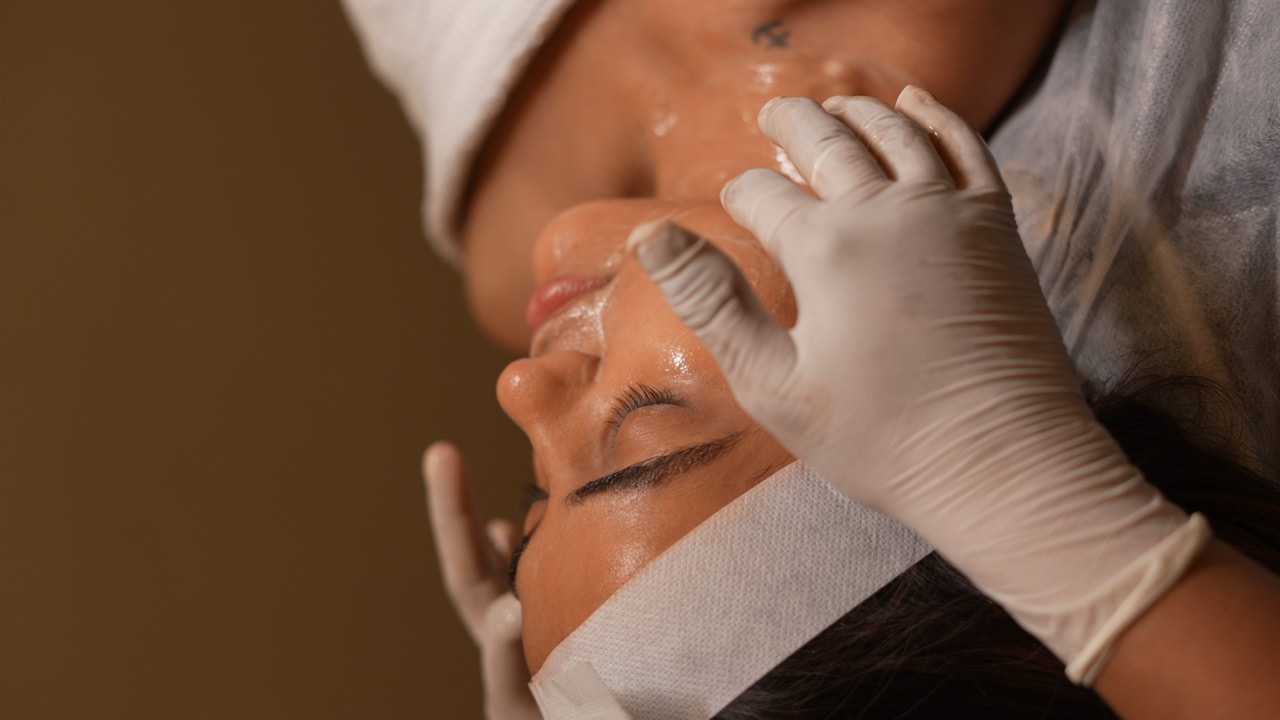
Nuvana brings together exosome therapy, PRP, ozone therapy, Korean facials, acupuncture, contrast therapy, and non-surgical chronic pain solutions under one roof. How do you build clinical protocols across disciplines that have historically operated in silos?
The plain answer is that the human body does not work in silos, so healthcare should not either. At Nuvana, every protocol is built around understanding the patient’s underlying physiology, their cell capability, stress levels, hormonal balance, tissue health, and lifestyle factors. Once you identify the root contributors, different therapies can be combined strategically to enhance outcomes rather than functioning separately.
For example, in chronic knee pain, regenerative treatments like PRP can help support tissue repair, but long-term improvement often also requires consistent acupuncture sessions. The regenerative therapy initiates healing, while the supporting therapies help sustain and optimise the outcome. Similarly, in acne management, facial treatments may improve the skin externally, but therapies like acupuncture and hydrogen therapy become equally important because they address the internal environment contributing to the skin condition. That is the philosophy behind our protocols: combining therapies with intention so we treat not just the symptom, but the ecosystem behind it.
The space in Colaba is deliberately designed to feel less like a hospital and more like a sanctuary. In a country where clinical credibility is often signalled through austerity, why did you make the opposite bet?
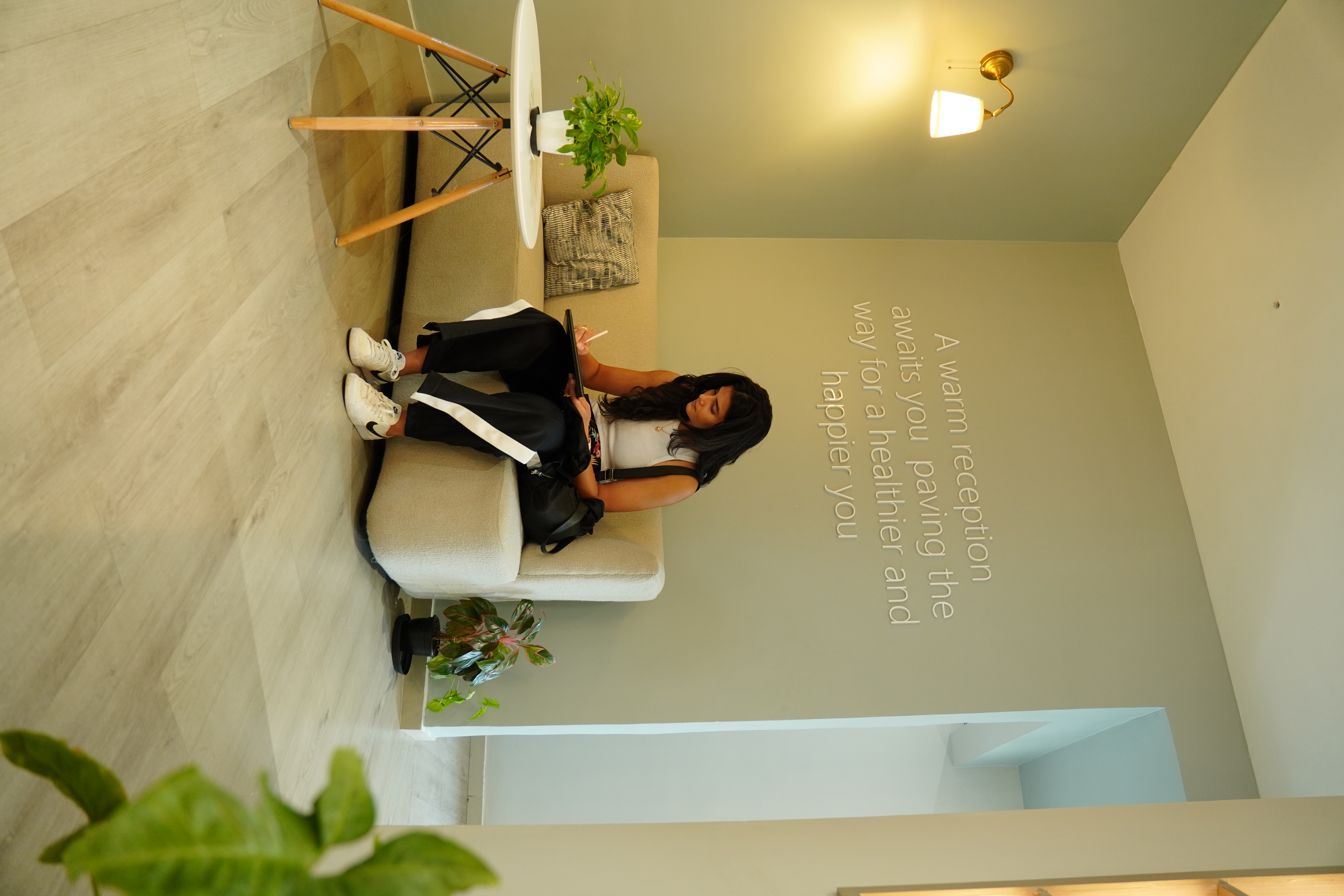
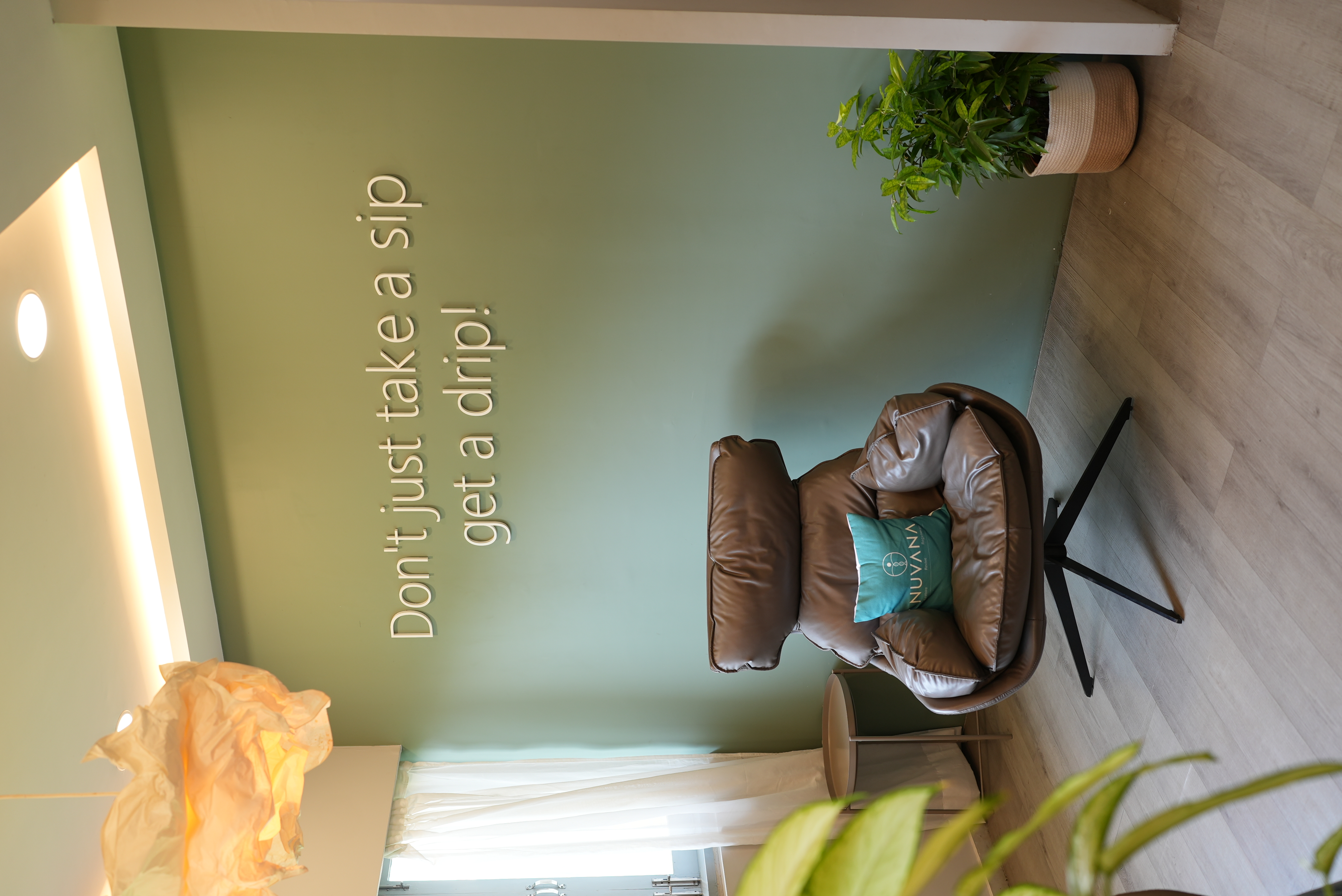
If you are trying to build a space centred around healing, prevention, recovery, and wellness, the environment itself becomes part of the treatment experience. At Nuvana, we consciously wanted to move away from the anxiety typically associated with clinical spaces. The idea was to create an environment where people feel calm, comfortable, and cared for from the moment they walk in, and not like a patient.
Importantly, we never wanted aesthetics to come at the cost of medical credibility. The response has been incredibly positive. Many people tell us that Nuvana does not feel like a place they visit only when they are sick. It feels like a place they come to take care of themselves. And I think that emotional shift is very important in the future of preventive healthcare.
You work on conditions as varied as knee pain, neuro-rehabilitation, hormonal imbalance, aesthetic skin concerns, and longevity optimisation. How do you tell one coherent story across that breadth?
At Nuvana, we do not see ourselves as a clinic focused on one specialty. We see ourselves as a centre focused on improving overall human health and function. The larger goal is the same across everything we do: helping the body heal better, function better, and age better. That becomes the common thread. The therapies may differ from patient to patient, but the philosophy remains consistent: personalised, regenerative, and integrative care that looks beyond symptoms and focuses on long-term wellbeing.
In many ways, the breadth is actually a reflection of how interconnected the body truly is. Modern healthcare often separates systems and specialties, but real health outcomes usually come from addressing the body more holistically.
Regenerative medicine is still viewed with scepticism by parts of the medical establishment in India. As a practitioner operating at that frontier, how do you hold rigour and innovation together?
I actually think scepticism is important because it pushes the field towards greater rigour, better research, and more responsible practice. For me, innovation should never come at the cost of scientific integrity. At Nuvana, we do not position regenerative medicine as a miracle cure. We position it as a developing and promising field that can support healing, recovery, and quality of life in the right clinical settings.
Building trust with patients starts with transparency and education. Many patients are hearing terms like exosomes or regenerative therapy for the first time, so we spend a lot of time explaining the science in simple language, what the therapy can potentially help with, where its limitations are, and why it may be recommended as part of a broader treatment plan.
Nuvana holds IP and patents on certain proprietary protocols. What does that pipeline look like, and what problem are you most focused on solving next?
Our protocols are developed through continuous observation, clinical experience, research, and interdisciplinary collaboration. We study how different therapies interact with one another, how recovery can be optimised, and how we can create more personalised approaches rather than one-size-fits-all treatment models. That is where a lot of our proprietary work and intellectual property stems from.
We have developed specialised, doctor-led protocols across areas including lung and liver detox, C-suite performance enhancement, hormone control and women’s health, chronic pain management, stress and anxiety, skin and hair health, infertility, and longevity-focused wellness. The idea is to create structured, integrative treatment pathways that address the root causes of dysfunction rather than isolated symptoms.
I think the future of healthcare will belong to centres that are not just delivering treatments, but actively contributing to how medicine evolves. That is the space we want Nuvana to operate in.
The vision is to redefine wellness in India not just as a destination but as a movement. What are you actually building towards in five years?
In the next five years, I see Nuvana evolving into far more than a clinic network. Yes, that may include more centres, stronger clinical research, and continued innovation in regenerative protocols, but the real goal is cultural change. We want to help create a future where people engage with healthcare consistently, not only during illness.
I would also like to see wellness and medicine stop existing as separate conversations. The future of healthcare will be deeply integrated, where they are all viewed as interconnected parts of overall wellbeing. At its core, the movement is about helping people live better for longer, with better energy, mobility, mental clarity, resilience, and quality of life. If Nuvana can contribute to making Indians more aware, proactive, and connected to their long-term health, that would be the most meaningful success of all.
If you could change one thing about how India currently thinks about healthcare, not the system but the individual mindset, what would it be?
I would change the tendency to normalise poor health as a part of modern life. Today, many people in India are extremely ambitious professionally, but their relationship with health is still largely reactive and neglect-driven. We push the body until it breaks, and only then do we seek help.
The real shift will happen when people stop viewing health as something separate from success and start recognising that energy, resilience, cognitive performance, emotional wellbeing, and longevity are foundational to how we live and perform every day. Healthcare should not begin at disease. It should begin much earlier, at the stage where we preserve vitality and function.
Dr. Rohan Goyal is the Founder and Regenerative Medicine Specialist at Nuvana, Colaba, Mumbai.
Instagram: @nuvana.life
Website: thenuvanalife.com
For India’s most considered voices in wellness, longevity, and the healthcare thinking that is changing how we live: Follow The Best List India