
There is a particular kind of fitness culture that measures a person’s seriousness by their exhaustion. The five a.m. session. The streak that cannot be broken. The rest day treated as a small moral failure, spent mostly in apology.
That culture is quietly losing its authority. The people who train with the most intelligence, from elite athletes to the executives who have discovered that they cannot out-train a bad night’s sleep, have reached a different conclusion. The workout is the stimulus. The adaptation happens afterwards, in the hours when the body is supposed to be doing nothing at all.
Recovery is not the absence of training. It is the part of training where the results are actually produced. And in 2026, it has become a discipline in its own right, with its own rituals, its own spaces, and its own growing literacy.
The Quiet Reframe
The principle is simple and has been understood by sports scientists for decades. Exercise creates a controlled stress: micro-damage in the muscle, a spike in cortisol, a temporary depletion of energy stores. The body gets stronger only if it is given the time and conditions to repair that damage and rebuild a little above where it started. Skip the repair and the stress simply accumulates, which is how enthusiastic people end up injured, flat, and baffled that their effort has stopped paying off.
What has changed is not the science but the permission. Recovery has stopped being what you do when you have failed to train hard enough and become something you schedule with the same seriousness as the session itself. Doing less, deliberately and well, has become part of doing better.

Sleep: The Unglamorous Foundation
Every serious recovery conversation begins in the same unfashionable place. Sleep is where the body does most of its repair, where hormones regulate, where the nervous system resets, and where the previous day’s learning, physical and otherwise, is consolidated. Most adults function best on somewhere between seven and nine hours, and no sauna, supplement, or wearable can compensate for a chronic shortfall.
The upgrades worth making are mostly environmental and refreshingly cheap. A cool, dark room. A consistent wake time, which does more for sleep quality than a consistent bedtime. Screens set aside in the last stretch of the evening. Caffeine cut off earlier than feels necessary, and alcohol treated honestly as a sleep disruptor rather than a sleep aid. The most expensive recovery tool in the world is a well-slept body, and it costs nothing but discipline.

Mobility: Ten Minutes That Change the Week
Mobility is the recovery practice that asks the least and returns the most, and it is the one most people skip. The aim is not flexibility for its own sake but range and ease: hips that open, a thoracic spine that rotates, shoulders that move without complaint. Bodies that sit through long workdays and long commutes lose these things gradually and invisibly, and then blame the gym when something finally protests.
A short daily practice, ten to fifteen minutes of controlled movement through the hips, spine, and shoulders, does more over a season than an occasional long stretching session ever will. It works as maintenance rather than repair. India has a head start here, since the yoga tradition has been teaching exactly this for centuries. A gentle flow, held positions, and slow breathing are as sophisticated a mobility protocol as any modern clinic offers, and considerably more pleasant.
Sauna: Heat as Ritual
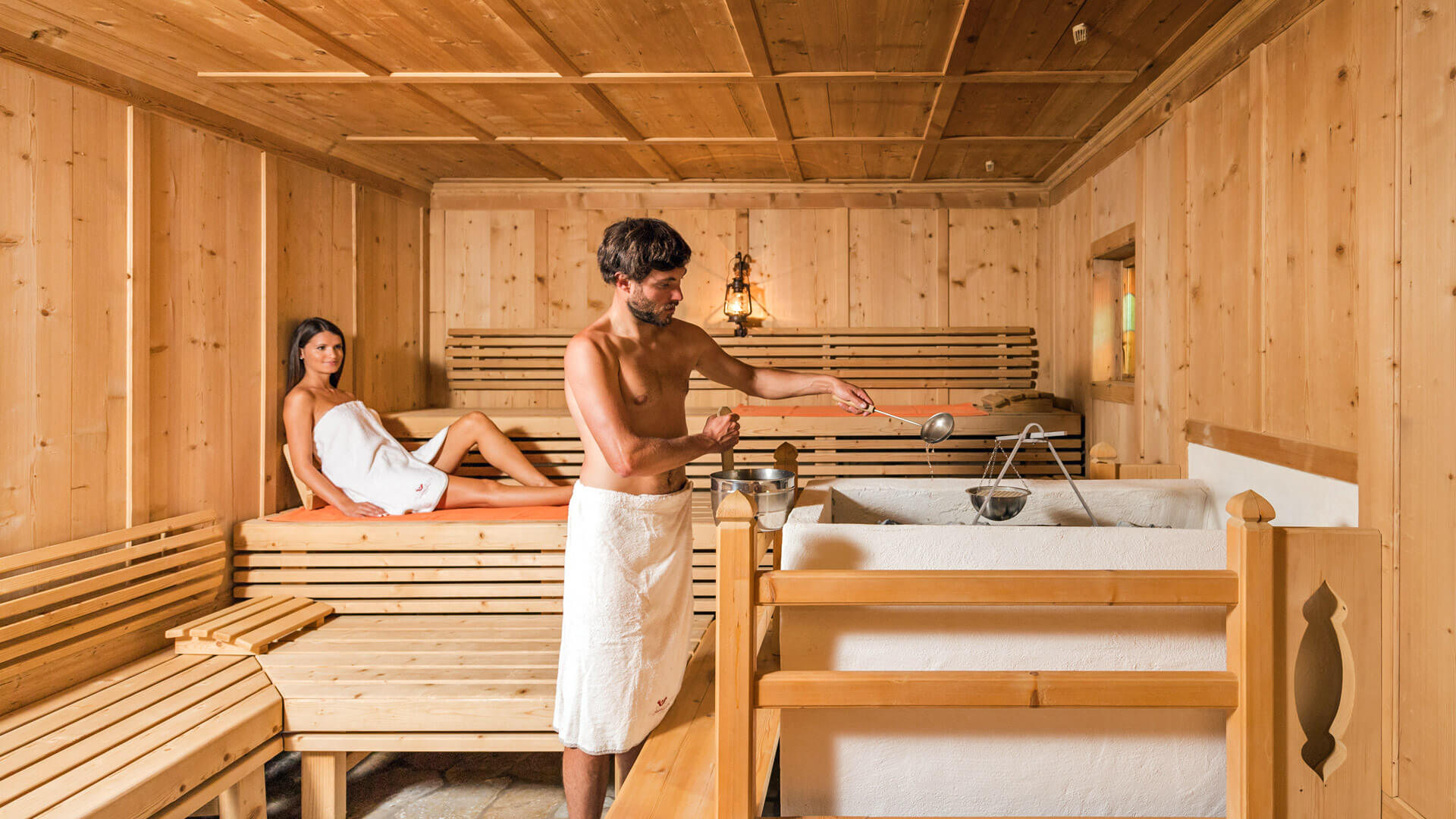
Few recovery tools have moved from the fringe to the mainstream as quickly as the sauna. Regular heat exposure raises the heart rate, widens the blood vessels, and encourages the body into a state of deep relaxation afterwards. Long-term studies of habitual sauna users, particularly in Finland, have linked frequent use with better cardiovascular health, though it is worth remembering that these are observational findings rather than proof that heat alone is responsible.
The practical version is modest. Ten to twenty minutes in a traditional sauna, or a longer session at the lower temperatures of an infrared one, a few times a week, with plenty of water before and after. Alcohol is best avoided, and anyone with a heart condition, blood pressure concerns, or pregnancy should speak to a doctor first. Done well, a sauna session is as much a nervous system practice as a physical one: twenty minutes of enforced stillness in a world that rarely offers it.

Cold: Use It With Intention
Cold therapy, whether an ice bath, a cold plunge, or simply the last minute of a shower turned down, has an enthusiastic following, and it is the practice where the nuance matters most. Cold water immersion can reduce the feeling of soreness and leave people feeling alert and clear-headed. It can also, according to some research, blunt the muscle-building adaptations of strength training if used immediately afterwards.
The sensible approach is to match the tool to the goal. For someone training for muscle and strength, it is wiser to keep cold exposure away from the hours right after a heavy session. For someone chasing alertness, a lift in mood, or relief during a heavy training or competition block, it earns its place. Two to five minutes at a bearable cold, built up gradually, is plenty. The same cautions around heart and blood pressure conditions apply, and more is not better.
Contrast therapy, alternating heat and cold, has become a favourite among the recovery-minded precisely because it combines the two, and because the ritual of moving between them is as absorbing as the physiology.
The Indian Recovery Tradition
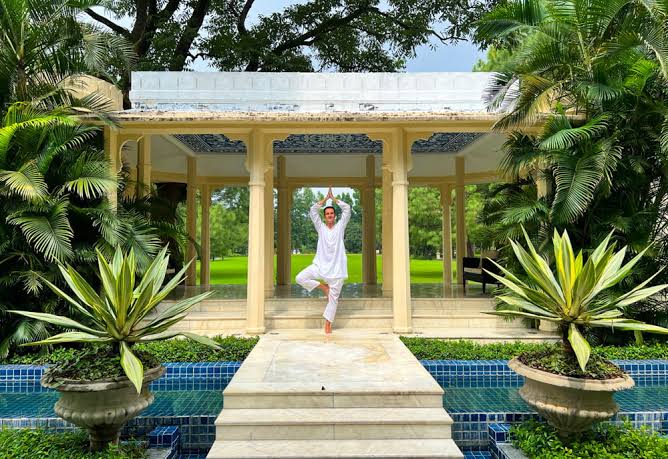
What the global recovery boom is rediscovering, India has long practised. Abhyanga, the warm oil massage at the heart of Ayurvedic care, addresses exactly the tension, stiffness, and nervous fatigue that modern training produces. Yoga nidra, the guided practice of deep, conscious rest, delivers a state of calm that many people now seek through expensive devices. Even shavasana, the closing stillness of a yoga class, is a recovery protocol hiding in plain sight: a few minutes of deliberate nothing.
The country’s wellness retreats have built on these foundations with serious programmes. Ananda in the Himalayas, Vana near Dehradun, Shreyas Retreat outside Bengaluru, and the CGH Earth properties in Kerala all combine traditional bodywork, movement, and rest with a more modern understanding of what restores a depleted system. For the weekend athlete or the overextended professional, a few days in this kind of setting is less an indulgence than a reset button.
At home, the simplest imports from this tradition are the most useful: a warm oil massage before bed using a body oil from a brand like Kama Ayurveda or Forest Essentials, and a few minutes of yoga nidra in the evening, many guided versions of which are freely available.
Building a Recovery Week
The mistake is to treat recovery as a menu from which everything must be ordered. The more useful approach is to build a modest, repeatable rhythm. Protect sleep above everything else. Add ten minutes of daily mobility. Choose one heat or cold practice and do it consistently, rather than collecting all of them occasionally. Keep at least one or two days a week genuinely light, with a walk, a gentle stretch, or nothing at all.
The signals that it is working are subtle and cumulative: sessions that feel better, soreness that clears faster, mood and energy that hold steady across a demanding week. The signals that it is needed are louder: persistent fatigue, a resting heart rate creeping upward, irritability, performance that stalls despite extra effort. The body is rarely subtle about asking for rest. It is usually the person who is not listening.
Doing Less, Better
There is something quietly countercultural about the recovery movement. In a culture that rewards visible effort, it asks for invisible work: the early night, the slow stretch, the twenty minutes of heat with no phone. It asks a person to trust that the most productive thing available is sometimes to stop.
That trust is, in the end, the real discipline. The person who can train hard and rest well has learned something that the person who only trains hard has not, which is that strength is built in the pauses as much as in the effort. Recovery is not the reward for the workout. It is the other half of it.
Follow Best List India for the culture, conversations, and ideas worth paying attention to.