
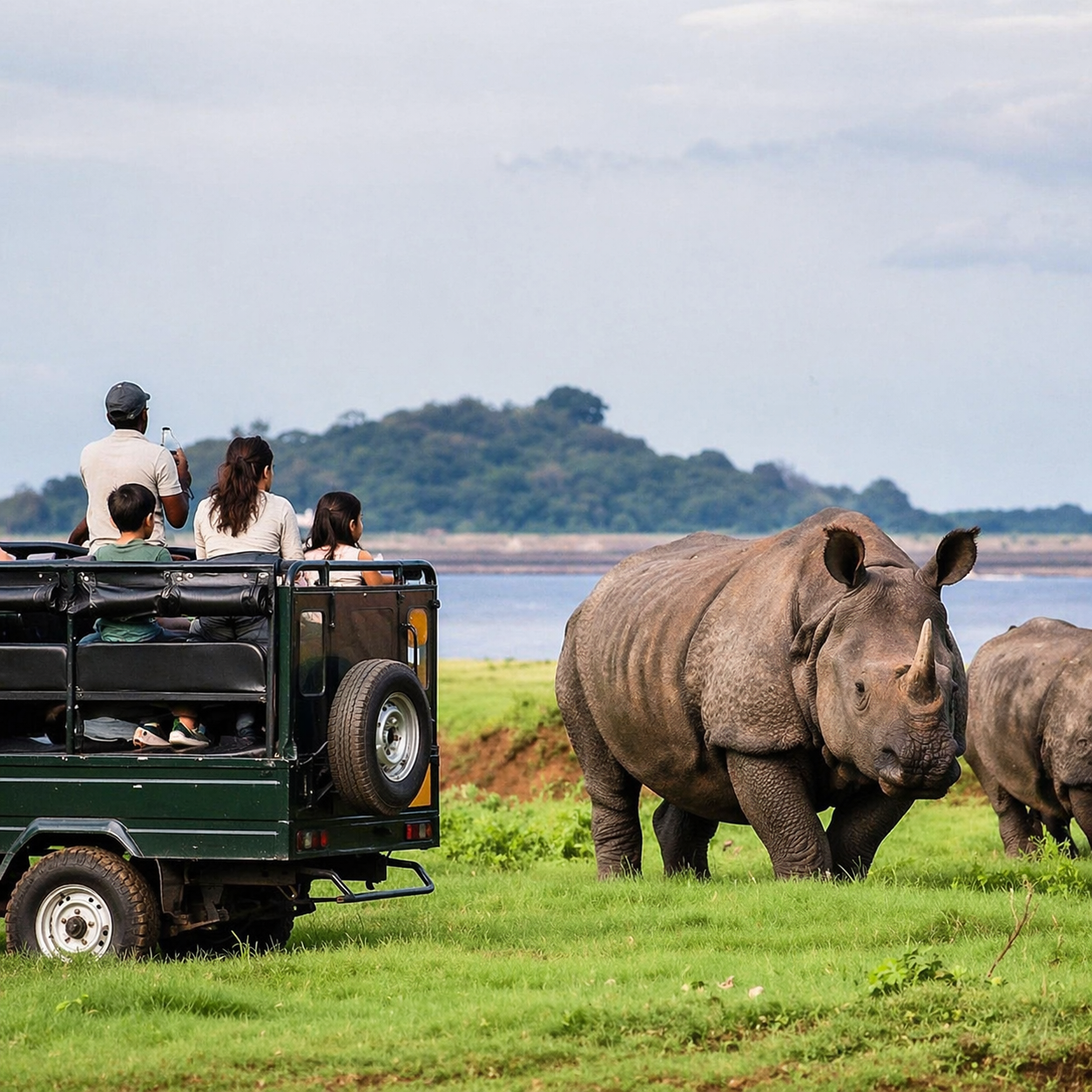
There is a moment, every October, when India’s forests exhale. The monsoon retreats, the roads dry, the meadows turn emerald, and the gates of the country’s great tiger reserves swing open again after months of closure. It is the quietest signal that a new travel season has begun, and for anyone who has ever sat in a jeep at dawn, watching mist lift off a waterhole, it is the one that matters most.
Most reserves close through the monsoon to protect breeding wildlife, and many reopened on 1 October this year, including Ranthambore, Sariska, Satpura, Tadoba, Bandipur and Nagarhole, with Gujarat’s parks following on 9 October. Core zones in Madhya Pradesh’s Bandhavgarh and Kanha traditionally reopen in mid-October, and Corbett’s Jhirna and Bijrani zones follow around the same time, with Dhikala later. Dates shift by year and by zone, so confirm with the forest department before you book.
Here is where to point yourself.
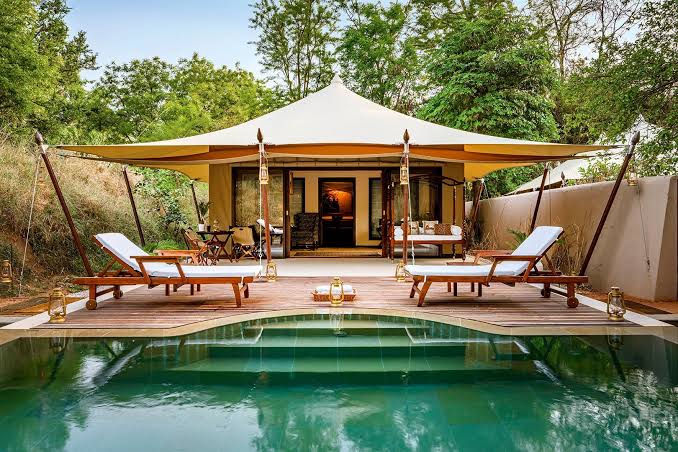
SUJÁN Sher Bagh
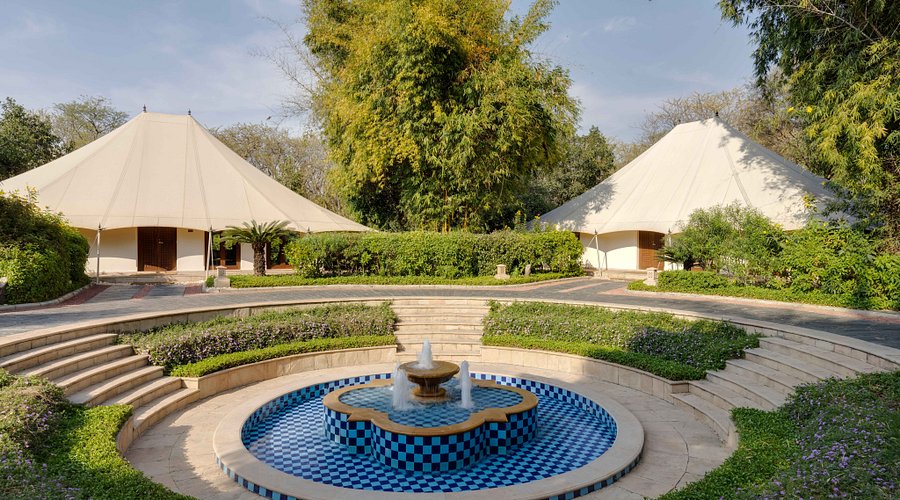
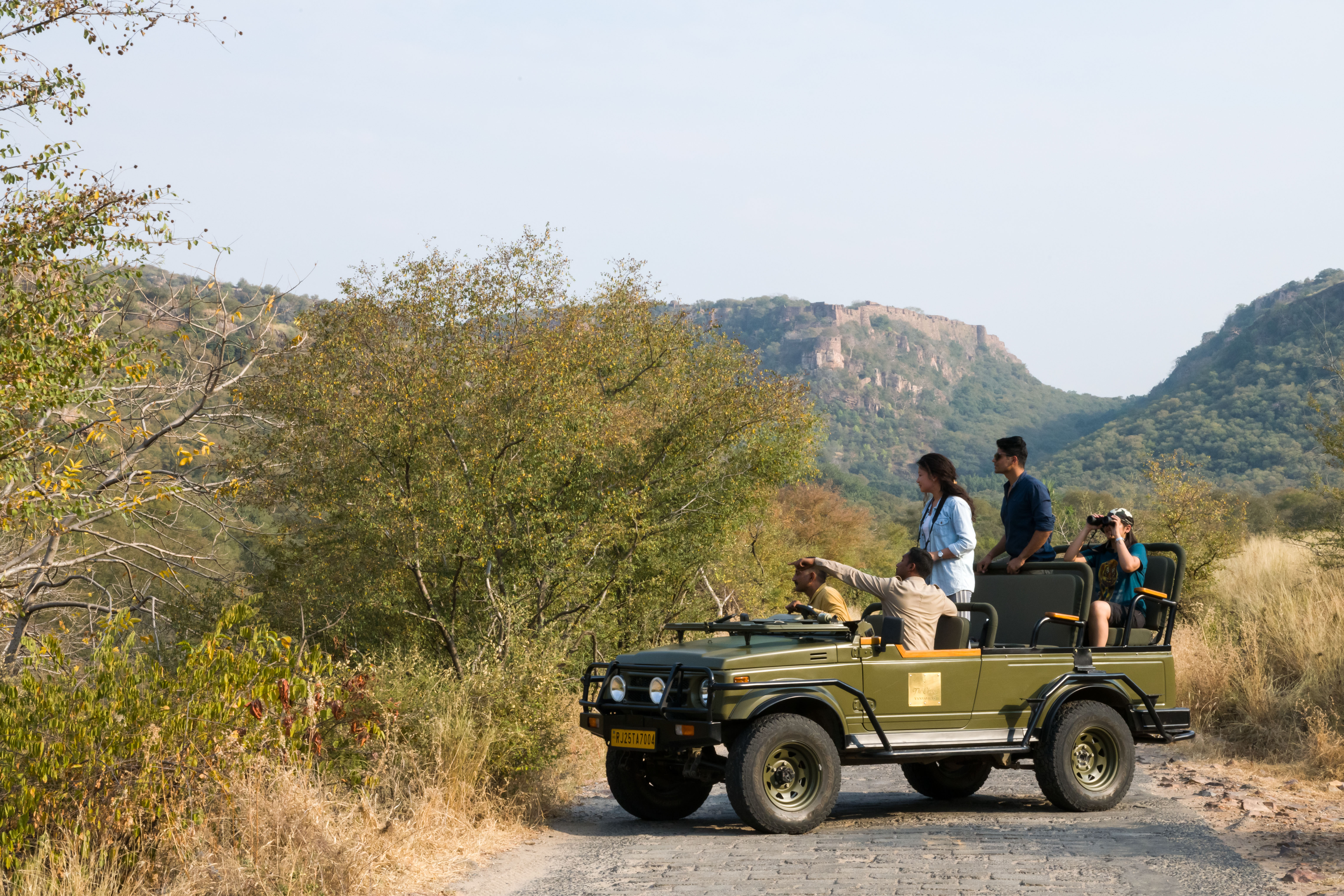
The Oberoi Vanyavilas
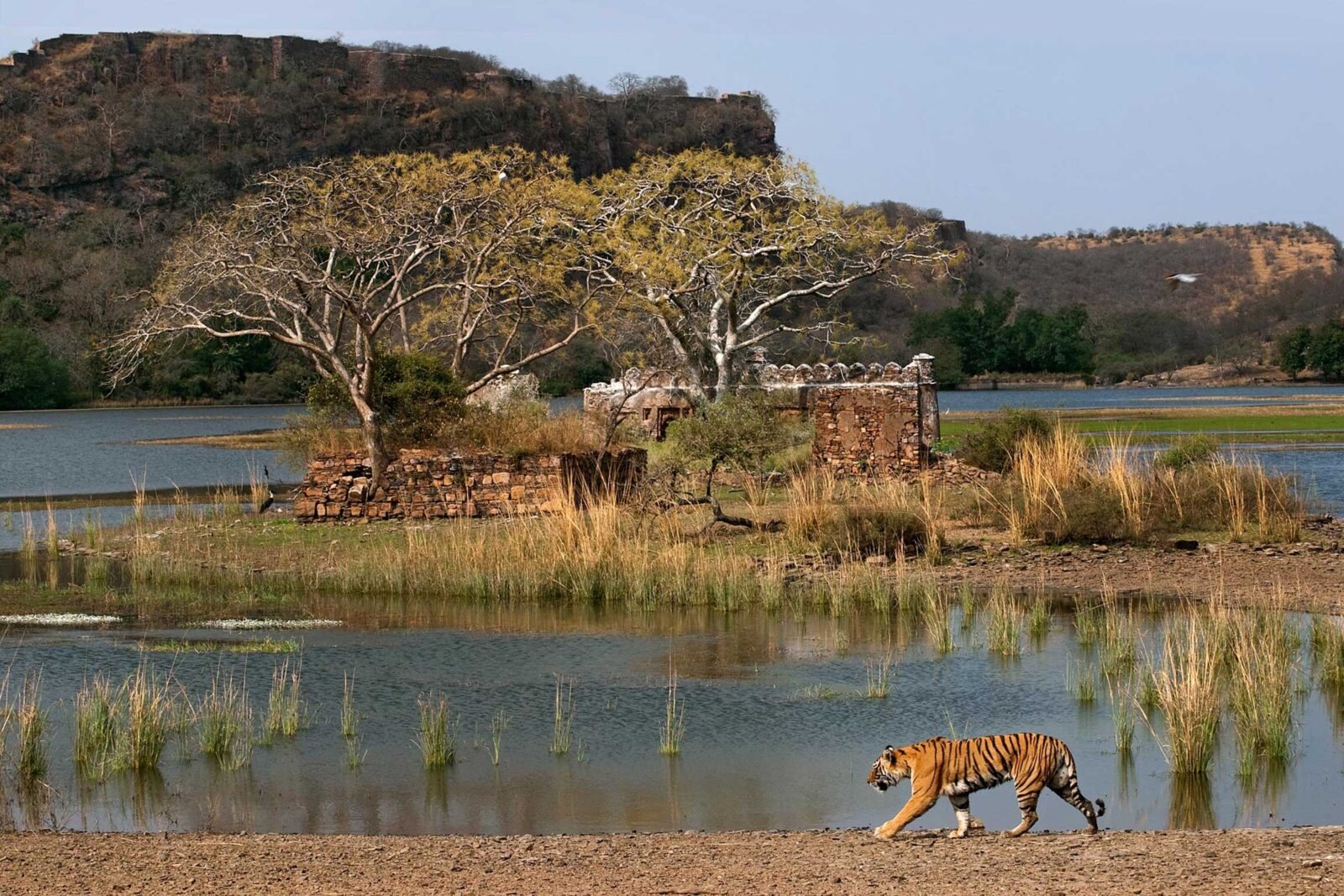
Ranthambore, Rajasthan: The Theatrical One
No reserve in India has a stage like Ranthambore. Ruined palaces, cenotaphs and a millennium-old fort sit among the lakes and dry deciduous forest, and tigers move through them as if they own the set, which, of course, they do. For stays, SUJÁN Sher Bagh sits ten minutes from the park entrance, with twelve hand-stitched canvas tents, farm-to-table dining and the Singh family’s conservation work in Ranthambore dating back to 1974. The Oberoi Vanyavilas is the other name that comes up whenever the conversation turns to luxury at the park’s edge.
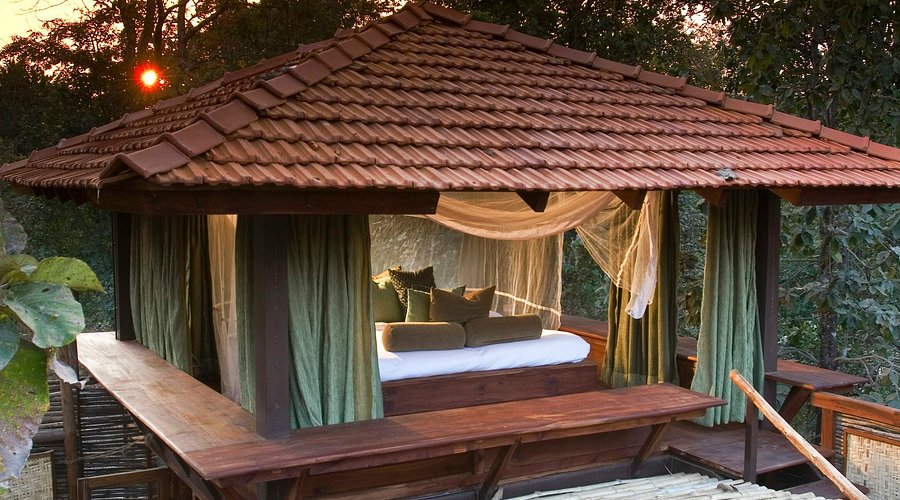
Baghvan, A Taj Safari


SAJ in the Forest, Pench
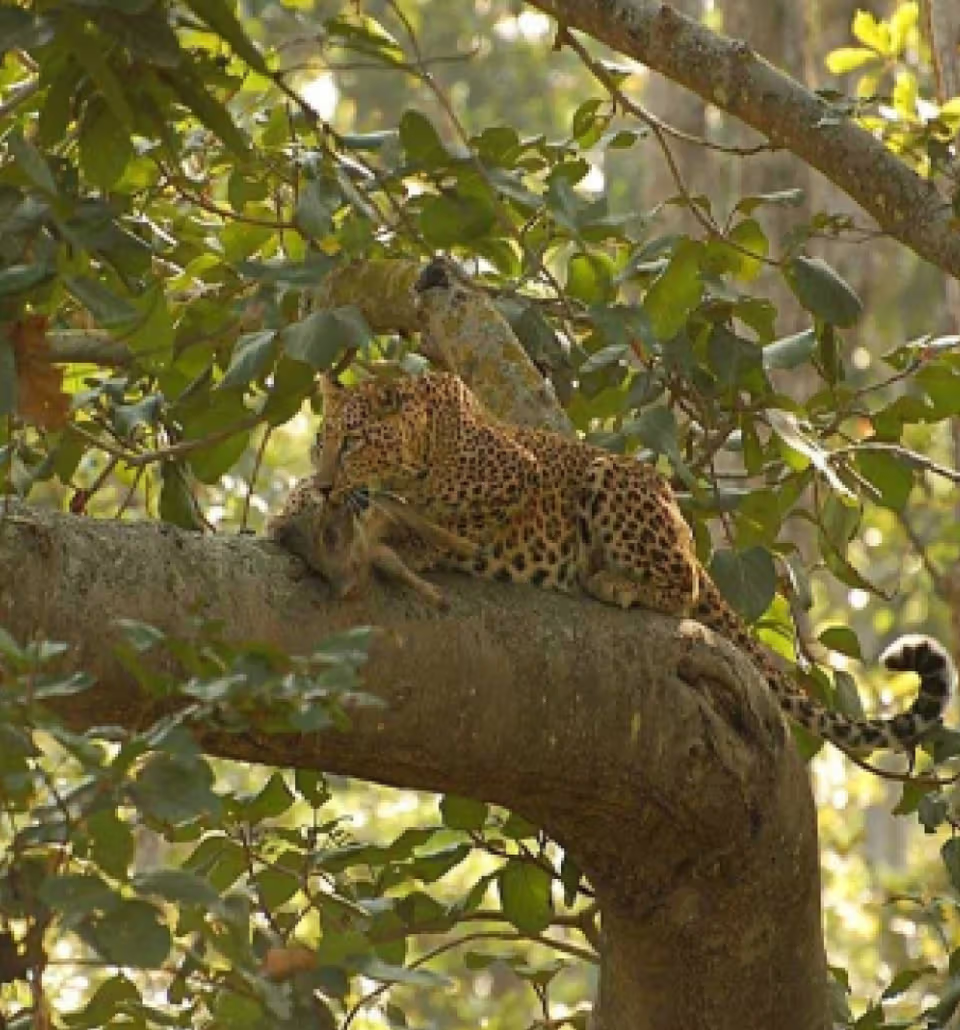
Pench, Madhya Pradesh: The Storybook Forest
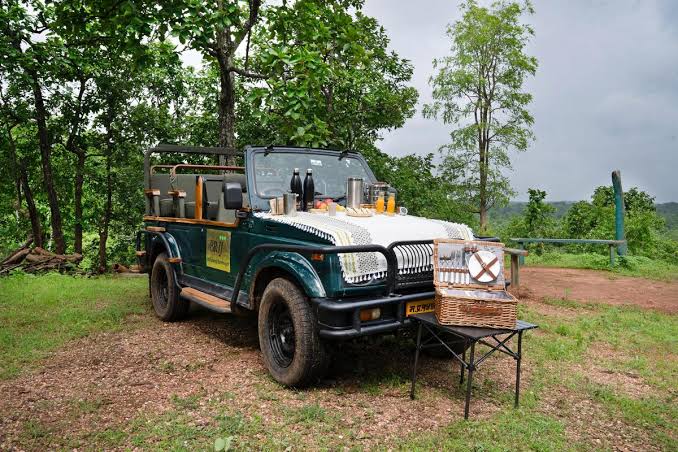
Kipling’s Mowgli country is quieter and softer than the north’s showpieces: teak forest, winding rivers and a mood that suits slow mornings. It is also where Baghvan, A Taj Safari has made a home, making Pench a favourite for travellers who want a gentler, more immersive rhythm.
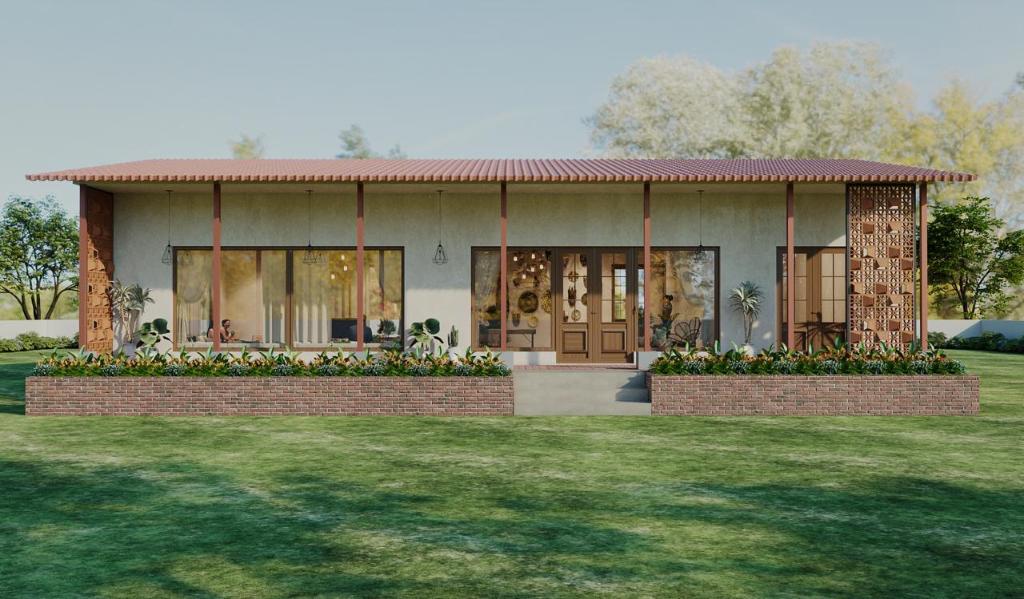
Brij Sone Bagh
Bandhavgarh, Madhya Pradesh: The Tiger Capital
Bandhavgarh is known for having one of the highest tiger densities in the country, and is associated with white tigers. Its ancient fort, rocky hills and sal forests make for dramatic scenery, and its core zone traditionally reopens in the middle of October. Brij Sone Bagh is among the lodges recommended here.
voco Jim Corbett by IHG
Jim Corbett, Uttarakhand: The Original
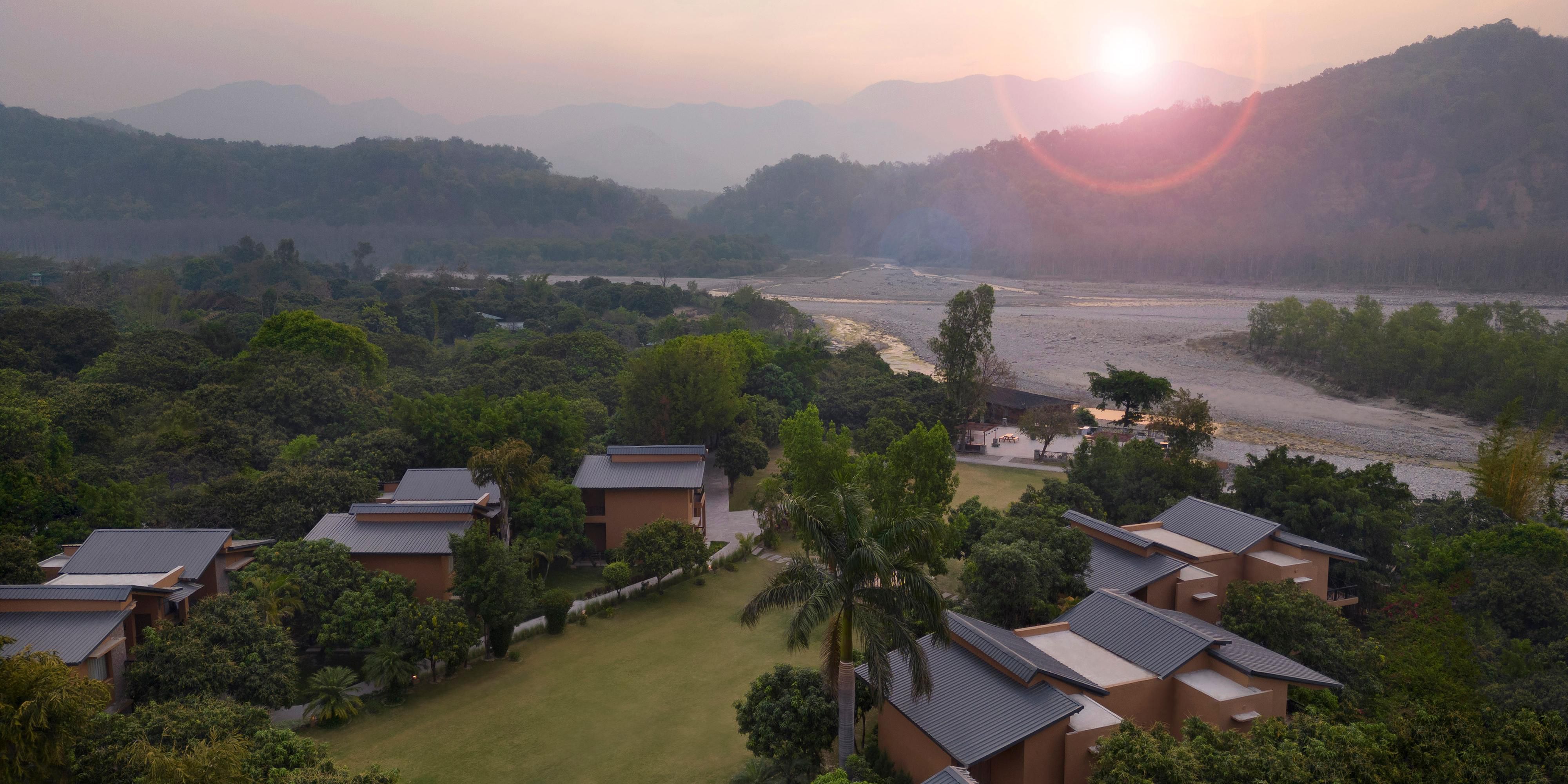
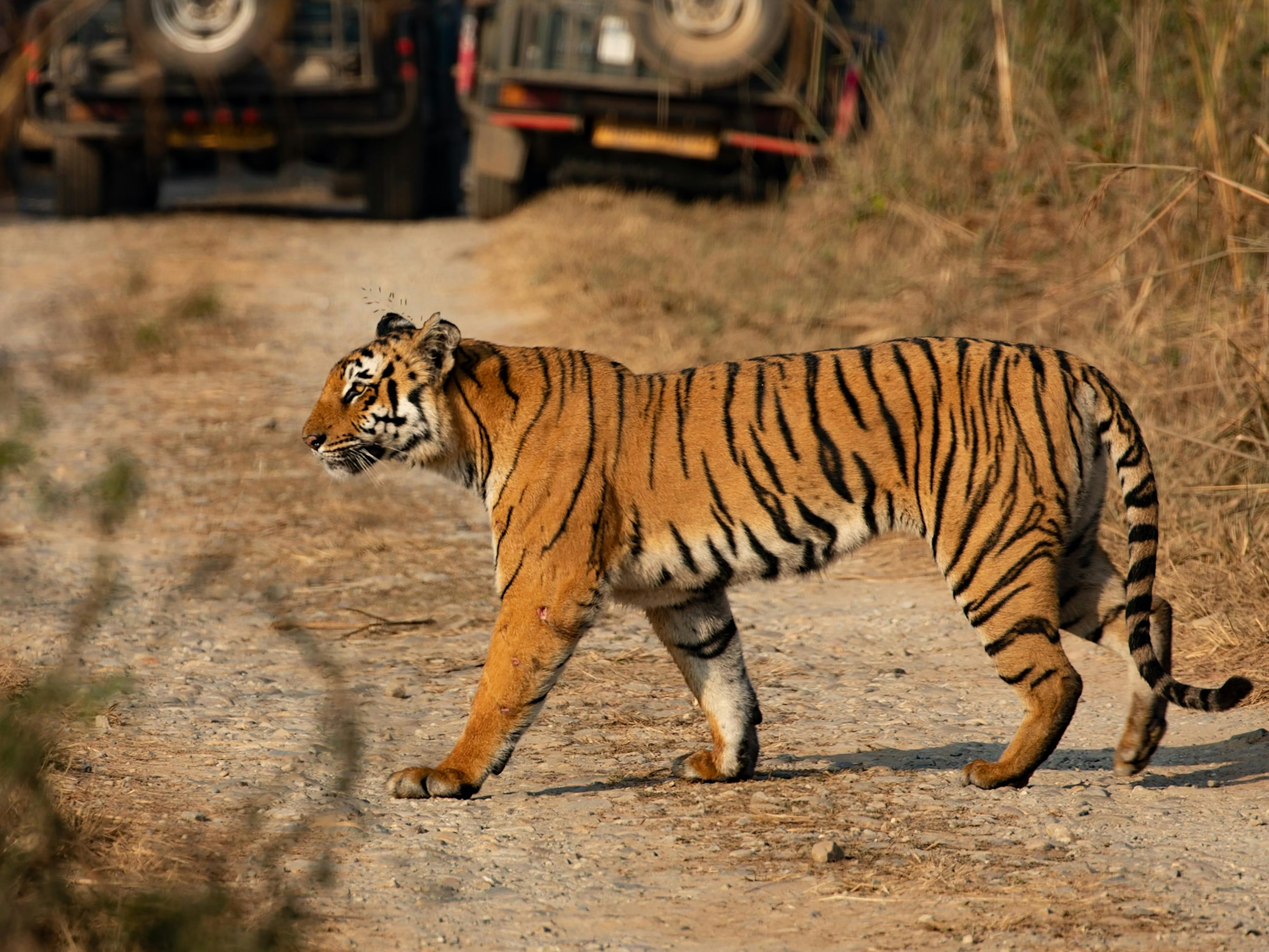
India’s first national park remains one of its most beloved, a mix of river valleys, grasslands and Himalayan foothills where elephants and birdlife share the stage with tigers. Its zones open in stages, with Jhirna and Bijrani first and Dhikala later, so plan accordingly. voco Jim Corbett is one of the best retreats nearby.


The Serai Resorts, Kabini
Evolve Back Kabini
Kabini, Karnataka: The Waterside Option
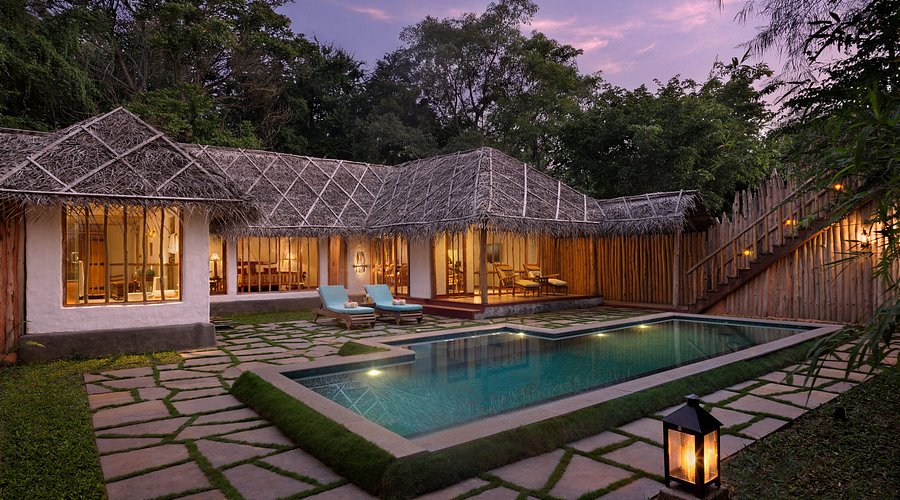
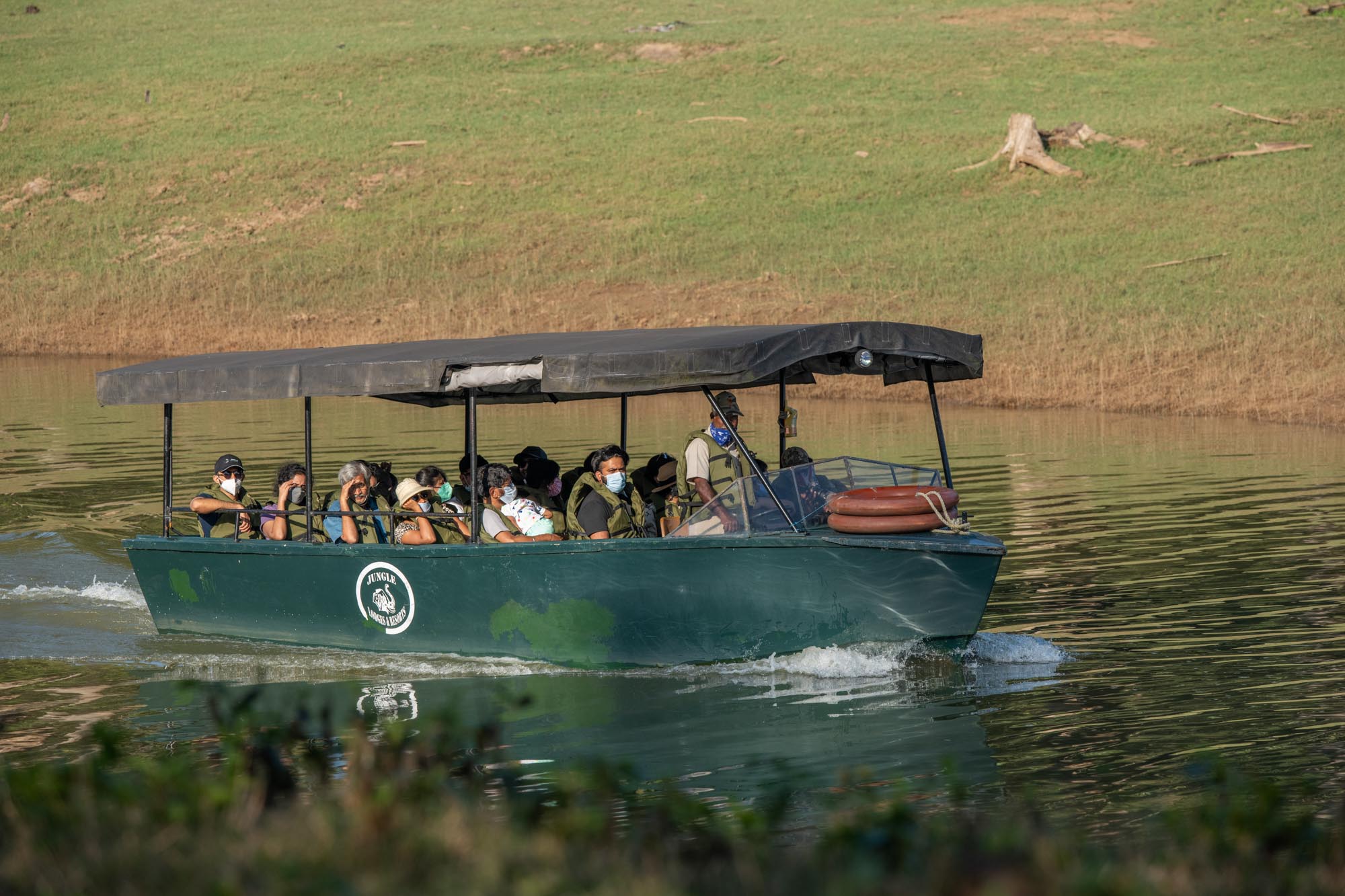
South India’s answer to the tiger circuit sits on the banks of a backwater reservoir, where elephants gather at the water’s edge and a boat safari adds to the usual jeep drives. Evolve Back’s Kabini & The Serai Resorts are a regular fixture on luxury lists for the area.


Thekkady, Kerala
As the monsoon recedes and the forests of the Western Ghats transition into a cooler season, Thekkady offers travellers an opportunity to explore one of Kerala’s most distinctive natural landscapes. Located in Idukki district, the destination is known for the Periyar Tiger Reserve, its rich biodiversity and the spice plantations that define much of its character. Set across 15 acres of greenery and cardamom plantations, Niraamaya Retreats Cardamom Club, Thekkady, offers a peaceful base from which to explore the region. Surrounded by the landscape that defines this part of Kerala, the retreat provides a setting to unwind after a day of forest excursions and local exploration.
A Few Notes on Doing It Well
-
Book early.
Popular parks such as Ranthambore and Bandhavgarh tend to sell out their safari slots quickly, especially in peak winter.
-
Stay more than two nights.
Sightings can never be guaranteed, and the best safaris reward patience.
-
Dress in muted colours.
Layers matter, as winter mornings in open jeeps can be bitterly cold.
-
Choose guides over gadgets.
Knowledgeable naturalists transform a game drive from a hunt for tigers into an education in the whole forest.
-
Travel responsibly.
Respect distances, keep noise down, and prefer lodges that contribute to local conservation and communities.
The Season Ahead
Most reserves stay open from October through June, with winter offering comfortable weather and the summer months often bringing animals to waterholes in greater numbers. That makes the next few months a rare window: the forest is lush, the light is gold, and the gates are open. Go for the tigers. Stay for everything else.
Follow Best List India for the stays, experiences, and destinations worth planning your life around.