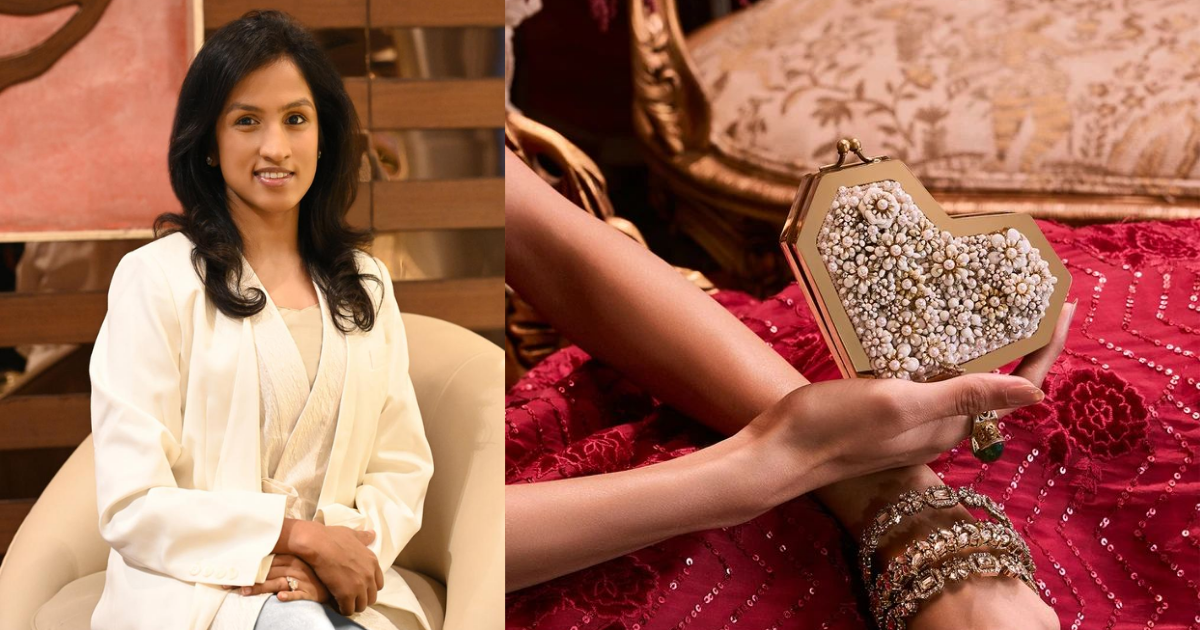
There is a sentence that the founder of Anaar heard so many times, from so many women, across so many conversations about occasion dressing, that it eventually stopped sounding like a complaint and started sounding like a brief. The outfit is perfect, but I cannot wait to take my shoes off.
That sentence, ordinary enough to have been said at every wedding in India for the past several decades, became the founding logic of one of the more quietly radical ideas in Indian accessories: a footwear brand built specifically for the woman who has decided she is no longer willing to choose between looking exceptional and actually enjoying the room she is in.
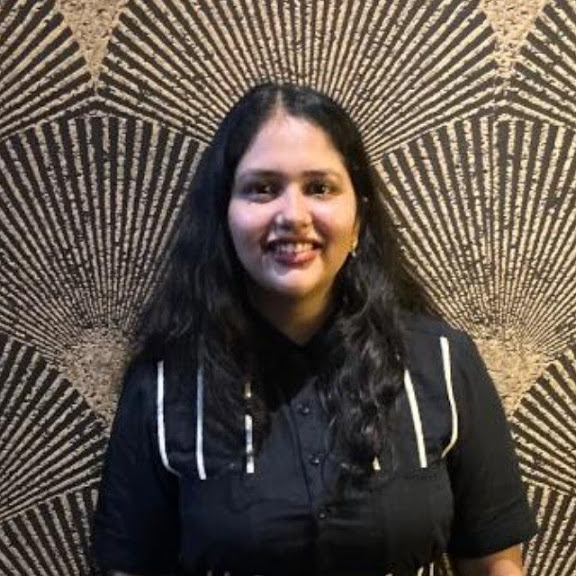
The founder behind Anaar is not a first-time entrepreneur discovering her footing. She holds degrees from Carnegie Mellon and Imperial College London, built CERIZ into a brand represented by Sara Ali Khan and present across 300 plus retail touchpoints, and leads Holli in partnership with Hidesign. A decade of building in Indian fashion before she started Anaar gave her something that most founder origin stories cannot claim: a very clear idea of what she was not going to do this time.
In 2023, Anaar became the first Indian footwear brand to show at New York Fashion Week. The label had launched the same year. We spoke with her about what it took to make a sneaker that belongs under a lehenga, why Indian craftsmanship does not need translation to travel globally, and what a woman actually feels when she stops worrying about her feet and starts enjoying the wedding.
Anaar was founded in 2023 with a very specific idea, that occasion dressing in India had a comfort problem that nobody in the luxury accessories space was willing to honestly address. Take us back to that founding insight. What were you seeing and hearing from women that finally led you to build a solution?
I kept hearing the same thing from women: the outfit is perfect, but I cannot wait to take my shoes off. Occasion dressing had become a choice between looking fabulous and actually enjoying yourself. I wanted to change that equation, to create footwear that could hold its own with couture, but let you dance, walk and celebrate without counting down the hours. That simple statement became the starting point for Anaar.
You began your entrepreneurial journey in 2013 with CERIZ, which now spans 300 plus retail touchpoints and is represented by Sara Ali Khan. You also lead Holli in partnership with Hidesign. What did a decade of building in Indian fashion teach you that you brought directly into Anaar, and what did you deliberately leave behind?
A decade in fashion taught me that a beautiful product is only half the story. Understanding the consumer wearing it is everything. I brought that obsession with product, retail and consumer insight into Anaar. What I consciously left behind was the pressure to build for everyone. Anaar was born from a very specific point of view: fewer compromises, more personality, and products that make you want to wear them again and again.

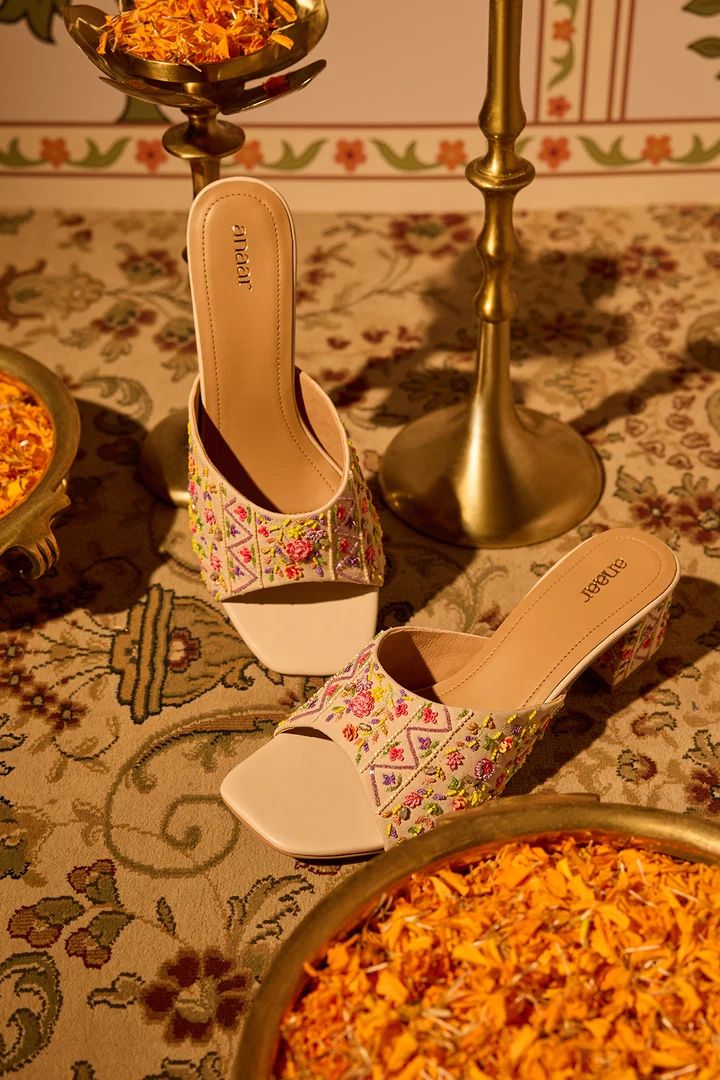
Anaar’s signature wedge sneakers, cushioned soles, lightweight construction, elevated silhouettes, became a standout innovation almost immediately. Walk us through the design process behind that product. What did it take to make something that looks like it belongs at a wedding and feels like it belongs on a walk?
We started with a slightly rebellious question: why cannot your wedding footwear actually be your most comfortable one? We played endlessly with proportions, cushioning, lightweight soles and silhouettes until the sneaker felt elevated enough for occasion dressing without losing its ease. Then came the fun part, bringing in zardozi, mirror work, crystals and Indian craftsmanship. The result had to look like it belonged under a lehenga, but feel like your favourite everyday sneaker.
In 2023, Anaar became the first Indian footwear brand to show at New York Fashion Week. That is a significant statement for a label that had just launched. What did you want the world to understand about Indian occasion wear and Indian design through that platform?
We wanted to show that Indian craftsmanship does not need to be translated to be understood globally. There is so much richness in our techniques, materials and visual language. We simply wanted to put them into silhouettes that felt contemporary and universal. New York Fashion Week gave us a global stage to say: Indian design can be rooted in tradition and still feel entirely of this moment at the same time.
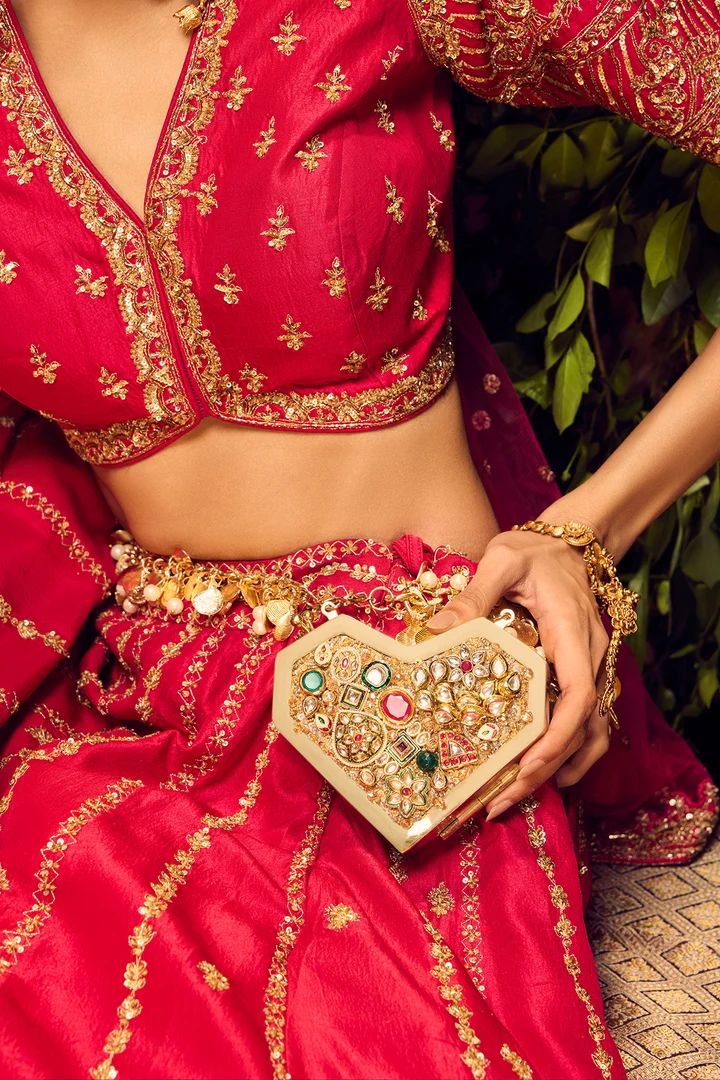
Anaar has expanded from wedge sneakers into statement heels, handbags, sculptural clutches, dazzler chains, and mobile chains, a full accessories universe built around the idea of celebratory dressing. What holds it all together as a single design identity, and how do you decide what belongs in the Anaar world and what does not?
Anaar is really about the art of showing up. Whether it is a pair of sneakers, a clutch or a Dazzler, it has to bring together craft, personality and a little bit of drama. We ask ourselves: would she reach for this when she wants to make an entrance? If it feels too ordinary, too predictable or does not have that Anaar spark, it simply does not make the cut.
You have degrees from Carnegie Mellon and Imperial College London, and a background that moves between business strategy and design sensibility. How do those two modes of thinking, the analytical and the creative, actually work together when you are making product decisions?
For me, the two are constantly in conversation. The analytical side asks: does this make sense? Who is our consumer? Will they wear it? The creative side asks: but does it make them feel something? The best Anaar products sit right in the middle, commercially smart, but with enough magic to make you stop scrolling and say, I need that.
The Indian wedding and festive occasion market is one of the most emotionally charged and commercially significant in the world. What does a woman actually feel when she puts on a pair of Anaar wedge sneakers at a wedding, and why does that feeling matter more than the product itself?
I think she feels a little bit liberated. She can be dressed to the nines without thinking about blisters, sore feet or finding a chair every twenty minutes. Suddenly she is dancing longer, moving more freely and actually being part of the celebration. That feeling of I can do both is far more valuable to us than simply selling her another pair of shoes.
If Anaar were a celebration, not a product but the energy of a woman who has just stopped worrying about her feet and started fully enjoying the room she is in, what would that moment look like?
It would be loud music, a little sparkle, heels kicked off somewhere in the corner, except she never had to take hers off. She is dancing with her friends hands free, her phone slinging with the Dazzler chain. No checking the time, no looking for a chair, no the outfit is perfect but my feet are killing me. Just that glorious moment when you completely forget what you are wearing because you are too busy having the best time.
Artisanal craftsmanship meets contemporary design is a phrase many brands use and few deliver on. What does that combination actually require at the level of production, sourcing and quality control, and what has been the hardest standard to consistently hold?
It requires a constant conversation between the artisan and the designer. Our pieces can take anywhere from twenty to fifty hours to create, so every embellishment, stitch and finish has to earn its place. The hardest standard to hold is consistency, making sure every handcrafted piece retains its individuality while still meeting the precision and finish expected from a luxury product. Handmade should not mean imperfect. It should mean beautifully considered.
What is coming next from Anaar, and what does the complete occasion dressing destination you are building ultimately look like for the woman who refuses to compromise?
We are building Anaar into a complete world of celebratory dressing for the serial wedding attender: footwear, handbags, clutches, charms, Dazzlers and everything in between. The idea is to be there for every version of her.
Ultimately, Anaar should be the place she comes to when she wants the outfit, the accessories and the confidence to walk into a room and own it.
Follow Best List India for the culture, conversations, and ideas worth paying attention to.