There is a kind of experience that only arrives through failure, and a kind of wisdom that only arrives through the willingness to begin again. Chef Harsh, founder of The Gourmet Kitchen and Studio and the four-brand culinary ecosystem he has built around it, has both in abundance, and he does not pretend otherwise. He opened Mirch Masala, a Gujarati thali restaurant, in 2001, watched it succeed and then close, stepped away from food entirely, and returned in 2012 carrying something he could not have acquired any other way: the specific and irreplaceable knowledge of what he had done wrong, and the clarity of purpose that comes from having tested your own conviction against reality and still found it intact.
In the years since, he has catered for the Ambanis and the Adanis, become the first external caterer in a decade to cook from the kitchens of one of Mumbai’s most iconic hotel addresses, fed seven hundred guests at a wedding in Bangkok and twelve hundred at a dessert event in Phuket, and built four distinct brands, The Gourmet Kitchen and Studio, Gourmet Tables, The Chaatwalas, and The Baking Co., each with its own identity and all held together by the same uncompromising standard.
We spoke with him about the two women who shaped his relationship with food, why nobody is ever truly not watching, and the dish that says everything about what The Gourmet Kitchen actually stands for.
You opened a Gujarati thali restaurant in 2001, walked away from food entirely for a while, and only returned in 2012 after a sabbatical and an online recipe show reignited something. What did those years away teach you that you could not have learned if you had just stayed in kitchens the whole time?
When I started Mirch Masala in 2001, I was a novice in the food business. Although the restaurant was a huge success, I lacked experience in management, finances, manpower and long-term planning. Technical issues eventually forced us to shut down.
Those years away taught me lessons I could never have learned by simply staying in the kitchen. When I returned in 2012, an online recipe show reignited my passion, but I came back stronger, with more experience, a clearer vision, better planning and much stronger people-management skills.
My second innings was driven by the same passion, but this time backed by experience and purpose, along with humility and the ability to accept negative feedback.
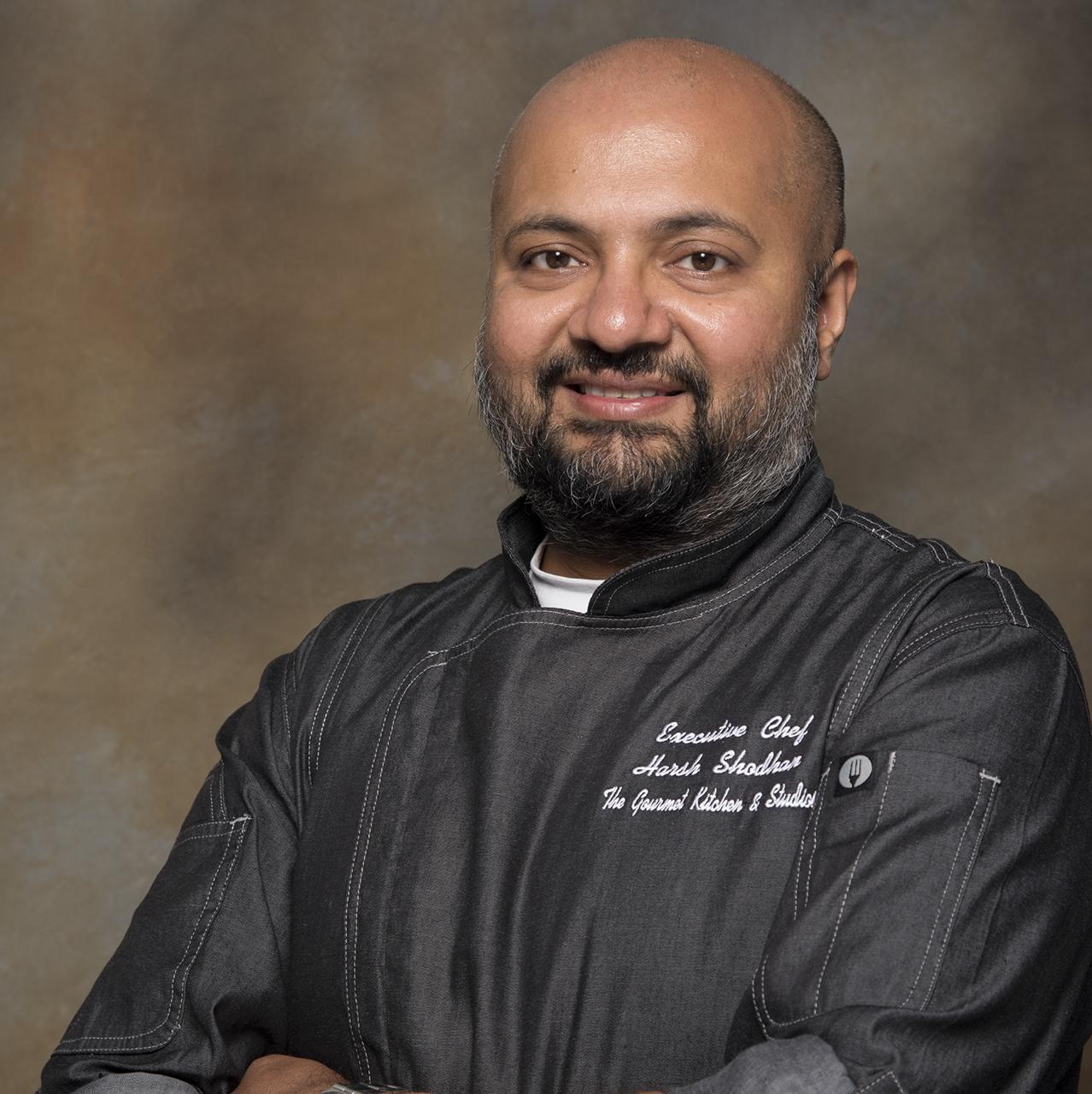
Your mother cooked for forty years, and your aunt earned her Le Cordon Bleu certification at seventy. Those are two very different relationships with food. What did each of them actually give you, and which one shows up more in how you work today?
My aunt introduced me to the joy of discovery through food. Her dinners were always extraordinary. We were eating Khao Suey, macarons and cheesecakes in the eighties, long before they were commonplace. She taught me to appreciate variety, quality and the excitement of experiencing something new.
My mother taught me something very different. Since my father loved food and entertained constantly, she would create three menus for him to choose from. I grew up surrounded by food, entertaining and hosting, which became a passion of my own. From her, I learnt to stay earthy and rooted, true to flavours, while still being modern and sophisticated.
Both influences show up in my work today. My aunt gave me curiosity and an appreciation for the new. My mother gave me my roots.
You have catered for the Ambanis and Adanis, and also done a five hundred guest wedding solo in Mombasa. What is the real difference between cooking for India’s most watched families and cooking for five hundred people in a city where nobody is watching at all?
Whether it is the Ambanis, the Adanis, or a five hundred guest wedding in Mombasa, everyone is watching.
For me, it really does not matter who the client is or where the event is. I enter every event wholeheartedly, giving it the same importance and pouring my heart into it. My first responsibility is to satisfy myself with what I create. Once I am happy, I focus on making sure my clients are equally delighted, no matter who they are or which part of the world they are in.
Becoming the first external caterer in a decade allowed to work from one of India’s most iconic hotel kitchens is not a small door to walk through. What did you have to prove to get that trust, and what did you learn once you were actually inside?
The trust was first built with my clients: their confidence that we would consistently deliver good-quality food, use top-notch ingredients, maintain impeccable hygiene, and have a professional team that could match the standards of a five-star hotel. Once the client had that trust in us, the hotel gave us the opportunity to be part of the buffet alongside their own offering. Our responsibility was to complement what the hotel was doing, while matching their standards of taste, quality and presentation.
Being inside those kitchens taught me that when you operate at that level, consistency and attention to detail are everything.
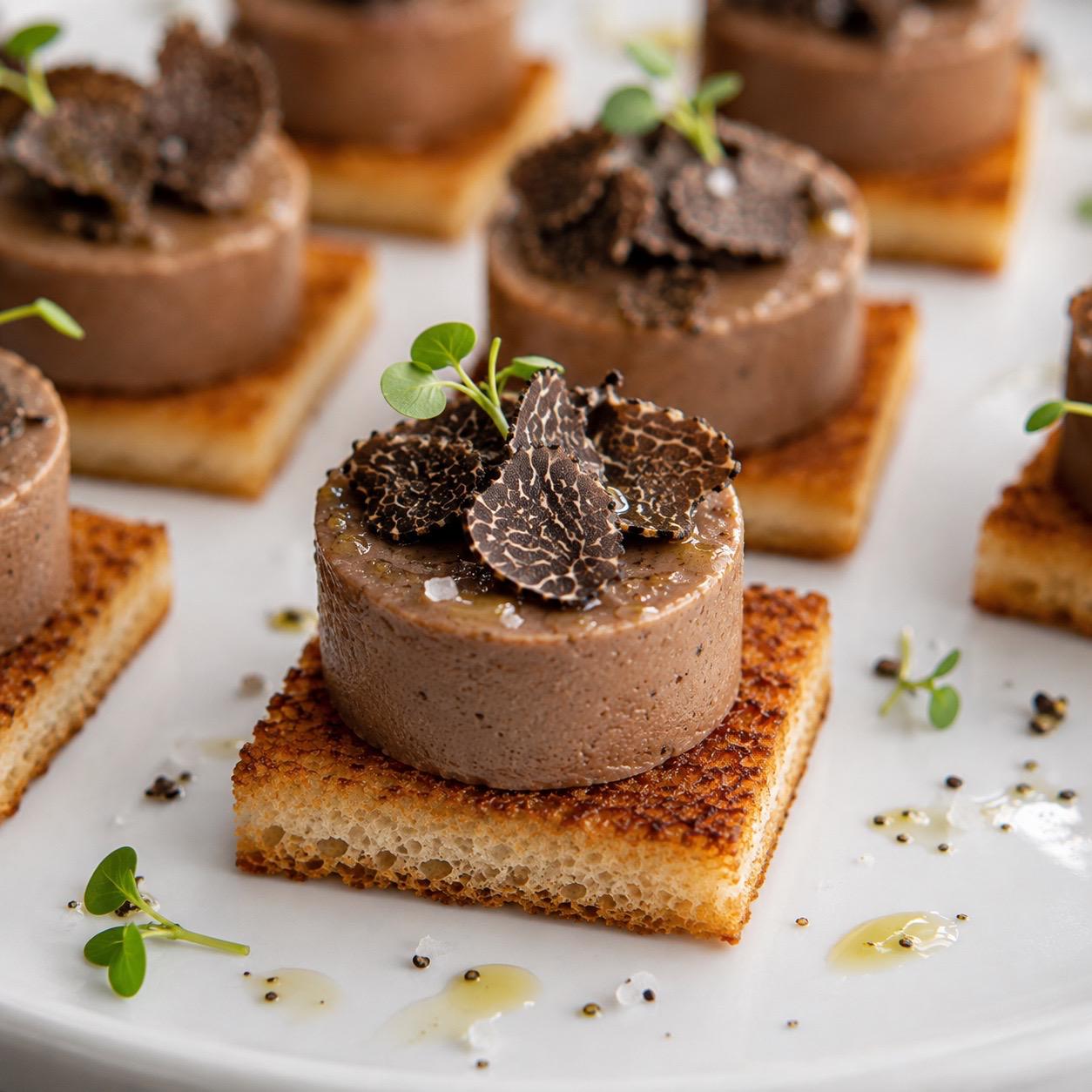
You did not just build one brand. You built four: The Gourmet Kitchen and Studio, Gourmet Tables, The Chaatwalas, and The Baking Co. What was the moment you realised one identity could not hold everything you wanted to do with food?
As we expanded and began mastering each vertical, we realised that putting everything under one name would not resonate with the ethos of what we were creating, especially if we wanted each to stand as a strong, independent solution.
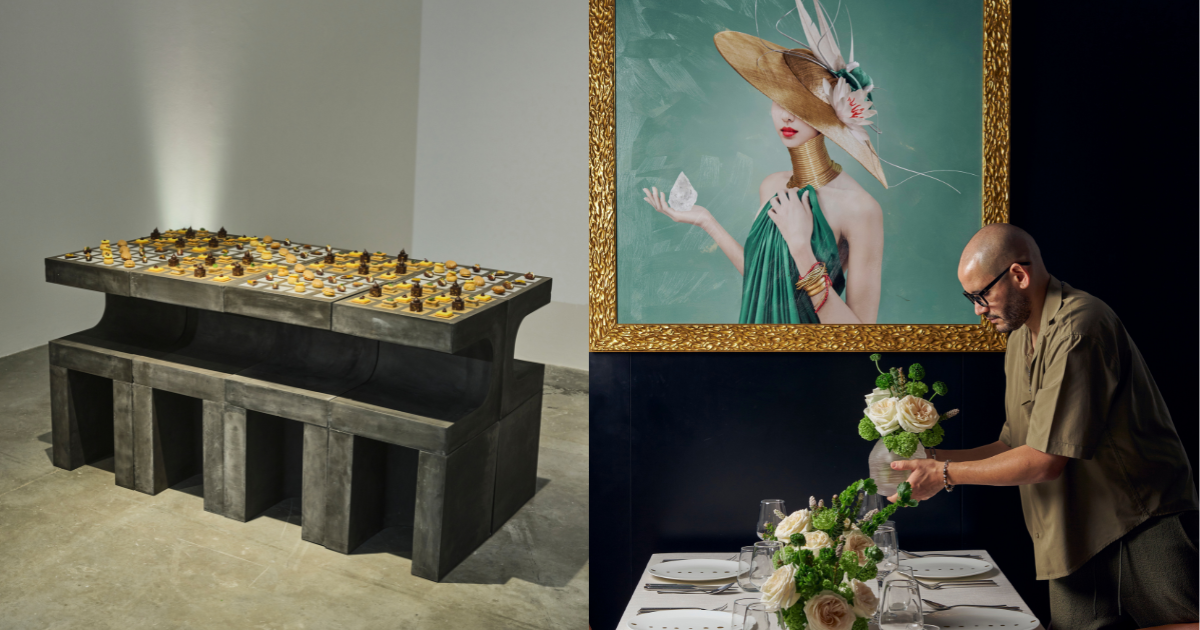
That is when I decided to give each vertical its own identity, while keeping them connected by the same standards of quality and creativity. The Gourmet Kitchen and Studio focuses on bespoke luxury catering, Gourmet Tables on grazing tables, The Chaatwalas on chaat and Indian street food, and The Baking Co. on high-end desserts, cakes and baked goods.
The Chaatwalas takes something as unpretentious as street chaat and puts it in luxury spaces. What is the line between elevating a dish and losing the thing that made people love it on the street in the first place?
I do not believe elevating a dish means it has to lose its character. In fact, when done thoughtfully, elevation can enhance the dish and make it even more appealing.
There is, however, a fine line between fusion, elevation and authenticity. As a creator, you have to understand that line and, most importantly, respect the roots of the dish.
For me, elevation could mean presenting a familiar chaat in a completely new way, or introducing a complementary ingredient, texture or technique that enhances the original without overpowering it. The flavour profile and soul of the dish must remain intact. That is what The Chaatwalas is about: celebrating the nostalgia and authenticity of street food, while giving it a more contemporary, refined and luxurious expression.
You work months in advance with clients on menus, service formats, plating, staffing, the whole architecture of an event, not just the food. What is the part of that process that no guest ever sees, but that the entire evening actually depends on?
I would say it is the passion and dedication of the service provider.
An event that appears effortless to a guest is the result of months of planning, coordination, rehearsals, problem-solving and countless small decisions that happen behind the scenes. Teams arrive hours before the first guest. Chefs and service staff work under immense pressure. The smallest details are constantly monitored and corrected. Everyone is working towards the same goal: to make the experience feel completely effortless for the guest.
It is also important to remember that while it is very easy for a guest to notice one small error, it is much harder to see the passion, dedication and countless hours that went into creating an otherwise flawless event. For me, that commitment to getting every detail right, even when nobody notices it, is what truly defines a great service provider.
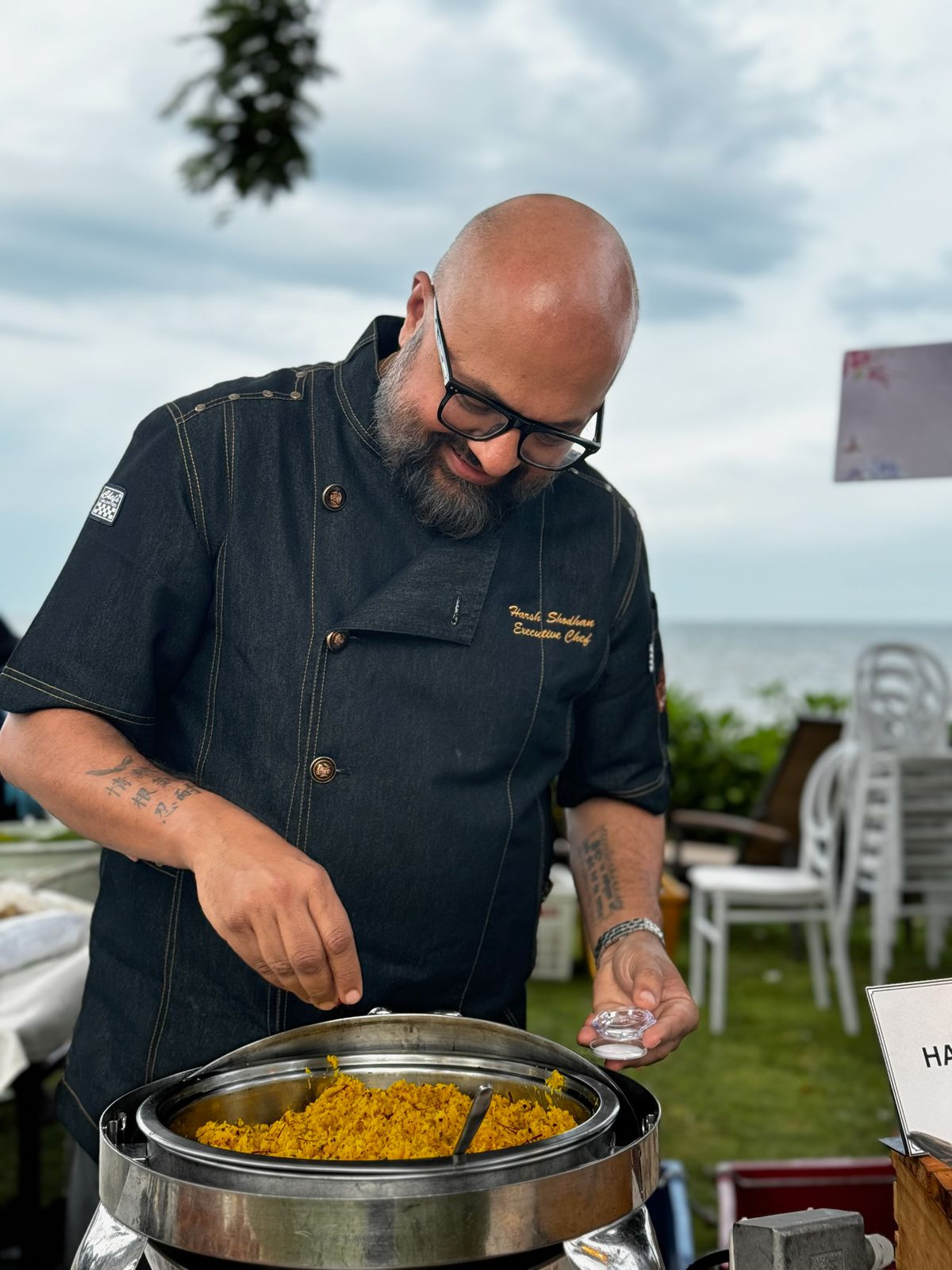
From a seven hundred guest wedding in Bangkok to a twelve hundred guest dessert catering in Phuket, you have taken Indian catering fully global. What is the hardest thing to get right when you are feeding a thousand people somewhere far from home?
The biggest challenge is that, even hundreds or thousands of kilometres away from home, guests still want that ghar jaisa touch. They want the authenticity of Indian food, and that authenticity comes from the right ingredients. Whether it is the perfect atta for handvo, the best fresh aam ras, or the seasonal tubers and papdi needed for Undhiyu, many of these ingredients are simply unavailable in international destinations.
We have often had to carry these ingredients from India, which brings an entirely different set of challenges: navigating customs, ensuring the produce is cleared, maintaining the right temperature and freshness, and making sure nothing compromises the final taste.
But years of experience have taught us how to manage these complexities. Today, we have mastered the art of taking authentic Indian food across borders and delivering it seamlessly, ensuring that whether you are eating our food in Mumbai, Bangkok or Phuket, it still carries that unmistakable taste of home.
If your body of work were a single dish, not your most requested but the one that most completely captures what The Gourmet Kitchen and Studio actually stands for, which one would it be and why?
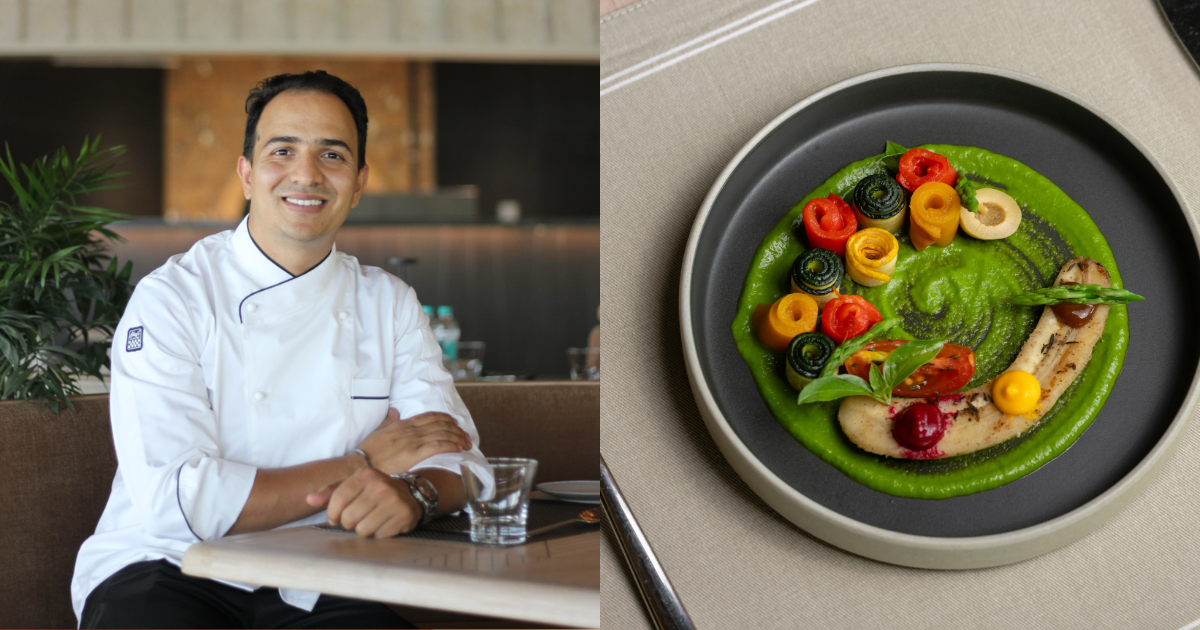
It would undoubtedly be our Signature Lasooni Fada Khichdi with Toor Daal Reduction.
The dish was inspired by my dear friend Dimpii Patel in Ahmedabad, but over time it has become a beautiful expression of what The Gourmet Kitchen stands for. It is rooted and hearty, yet stylish and sophisticated. Comforting and familiar, yet presented in a contemporary way.
It captures our philosophy perfectly: elevated Indian, desi at heart but modern in its expression, beautifully balanced, thoughtfully presented and, above all, absolutely delicious. In many ways, it is The Gourmet Kitchen on a plate.
You have spoken about wanting to launch a flagship banquet facility, build a dedicated Gujarati food brand, and take The Chaatwalas into luxury hotel chains. Of everything ahead, which one keeps you up at night the most, and what does the brand look like the day all three actually exist?
What excites me most is seeing The Gourmet Kitchen and Studio evolve into a mature, established and truly timeless brand, much like an oak-barrel-aged whisky, where time, experience and craftsmanship only add to its value.
I want it to become a brand that true connoisseurs seek out and appreciate, recognised not simply for the scale of what we do, but for our consistency, sophistication, attention to detail and distinctive culinary identity.
The other ventures may grow into strong brands in their own right, but The Gourmet Kitchen will remain the flagship: the brand that represents our experience, our evolution and our uncompromising pursuit of excellence.
Follow Best List India for the culture, conversations, and ideas worth paying attention to.