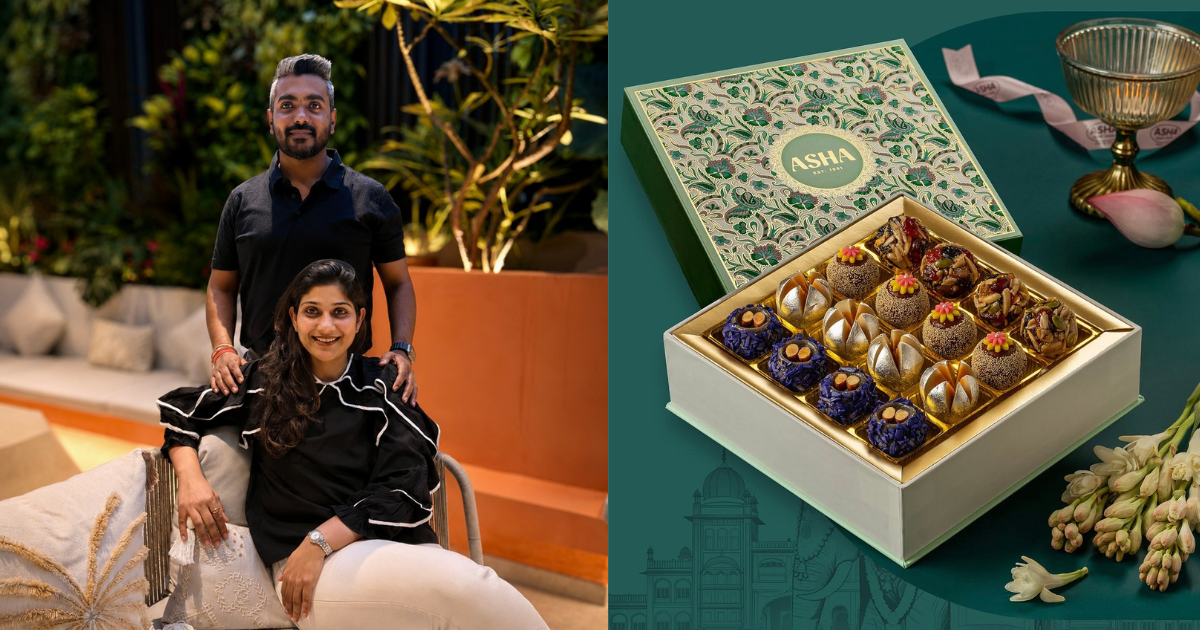
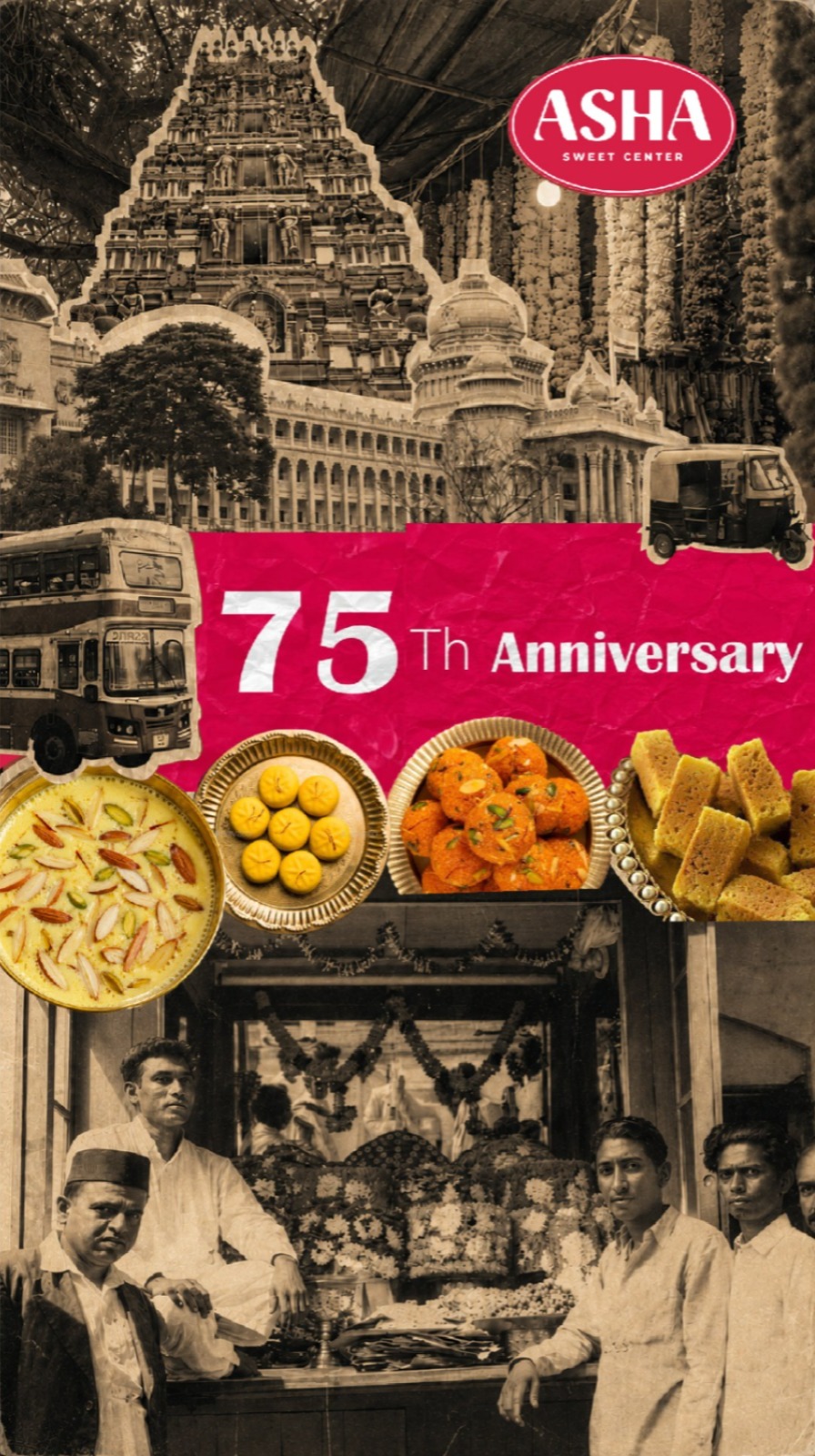
There are institutions and there are landmarks. Asha Sweet Center, which has been feeding Bengaluru’s appetite for mithai since 1949, is both: a business with 75 years of continuous operation and a Malleshwaram address so embedded in the neighbourhood’s identity that separating the two has long since stopped being a meaningful exercise.
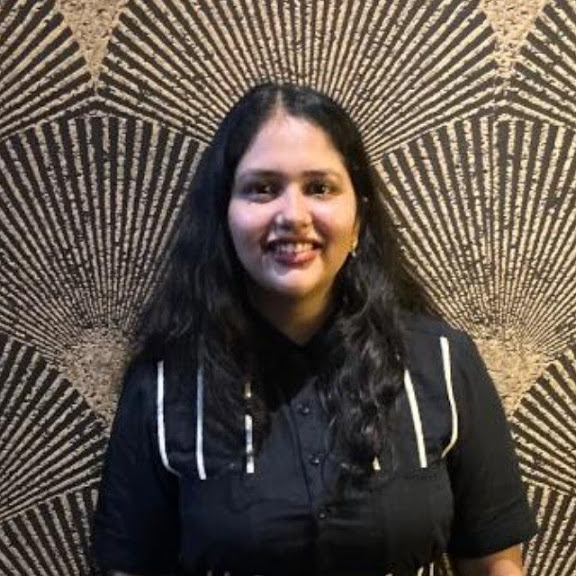
Mayur, who now stewards the brand across twenty stores, did not build Asha Sweet Center. He inherited it, which is, as he will tell you, a different and in some ways heavier responsibility than building from scratch. The balance sheet can be read. The trust that three generations of customers and employees have placed in the institution cannot be quantified, only carried forward with the same quality of attention that produced it.
We spoke with him about what 75 years of customer loyalty teaches you about what people are actually buying, how much you can modernise without losing what made people love you, and what Asha Sweet Center should look like when it turns 100.
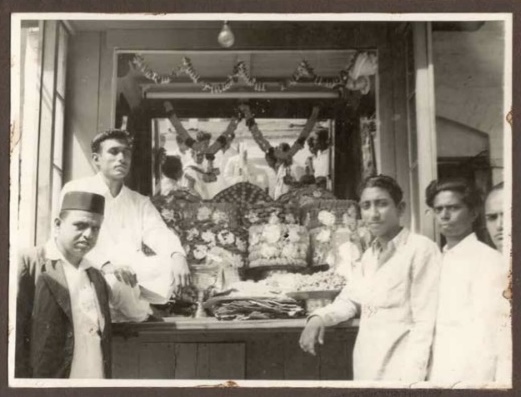
What did you inherit that no balance sheet could capture, and what was the weight of that inheritance?
I inherited trust. Not just from customers, but from our employees, suppliers and generations of families who have been associated with us. The biggest responsibility is knowing that you are not building something from scratch. You are taking care of something that many people have built before you.
Do you honour the institution as you found it, or make it your own?
For me, it was never about choosing one over the other. The values had to remain unchanged, but the way we operate had to evolve. I realised quite early that preserving the legacy also means preparing it for the next generation.
What does it feel like to be a brand that belongs to Malleshwaram?
Asha’s home ground is Malleshwaram, where it was born. Over the years, our customers here have given us the audience, feedback and support that have helped the brand grow better. In many ways, it has been a win-win ground for Asha Sweet Center. We have grown with Malleshwaram, and Malleshwaram has been an important part of our growth.
What have 75 years of customer loyalty taught you about what people are actually buying?
75 years of customer loyalty has taught me a lot about patience and the importance of consistently delivering better service and quality. Customers who have been walking in for decades come with expectations, and our responsibility is to meet them every time. They are also buying the experience and expertise of our chefs, many of whom have been with us for over 40 years, and the consistency that comes with that experience.
How much do you modernise without losing what made people love you?
We modernise everything that improves the experience, but we are very careful about what we change at the core. The taste, quality and trust cannot be compromised. If modernisation comes at the cost of what people love about us, then it is not progress.
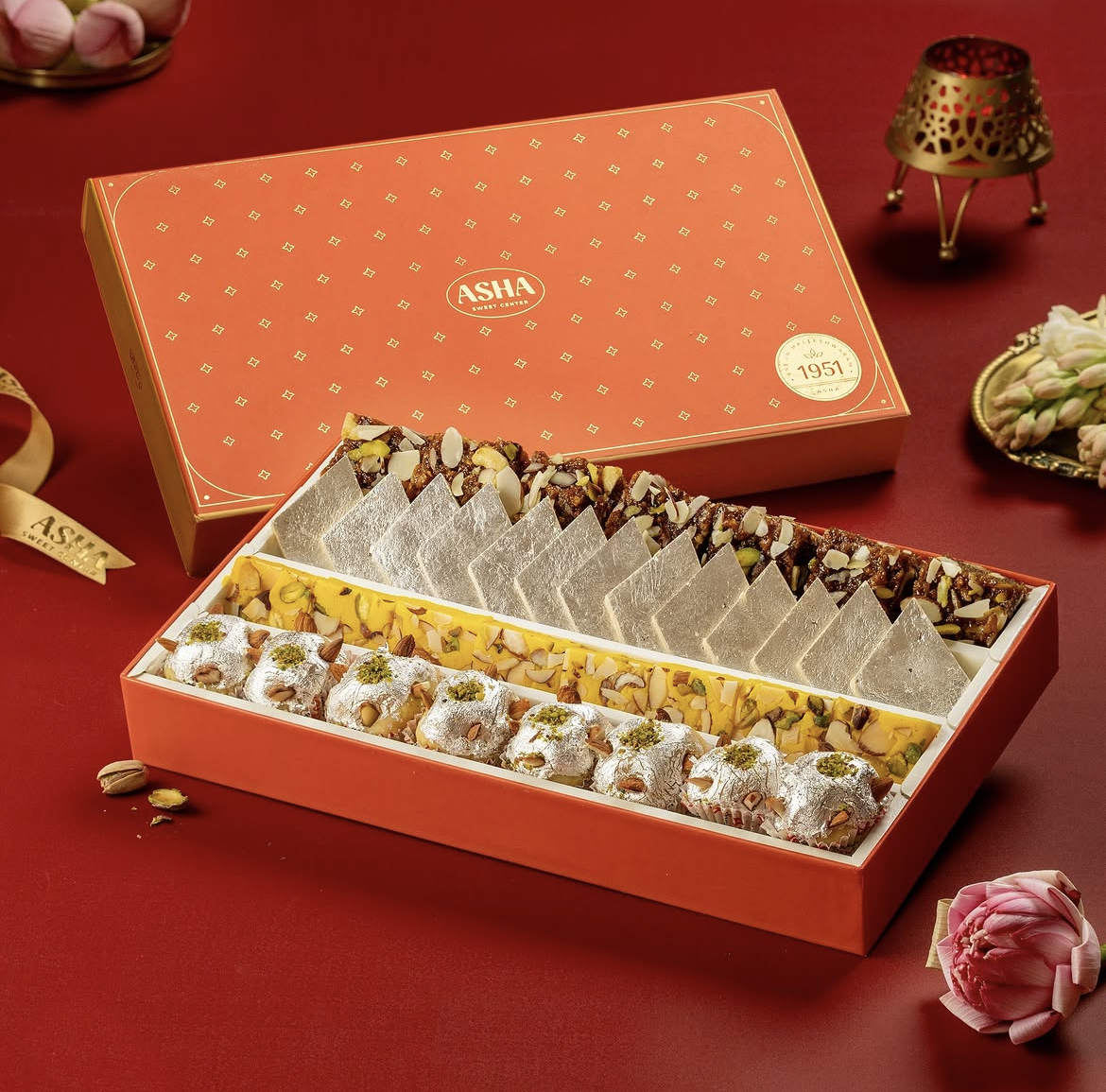
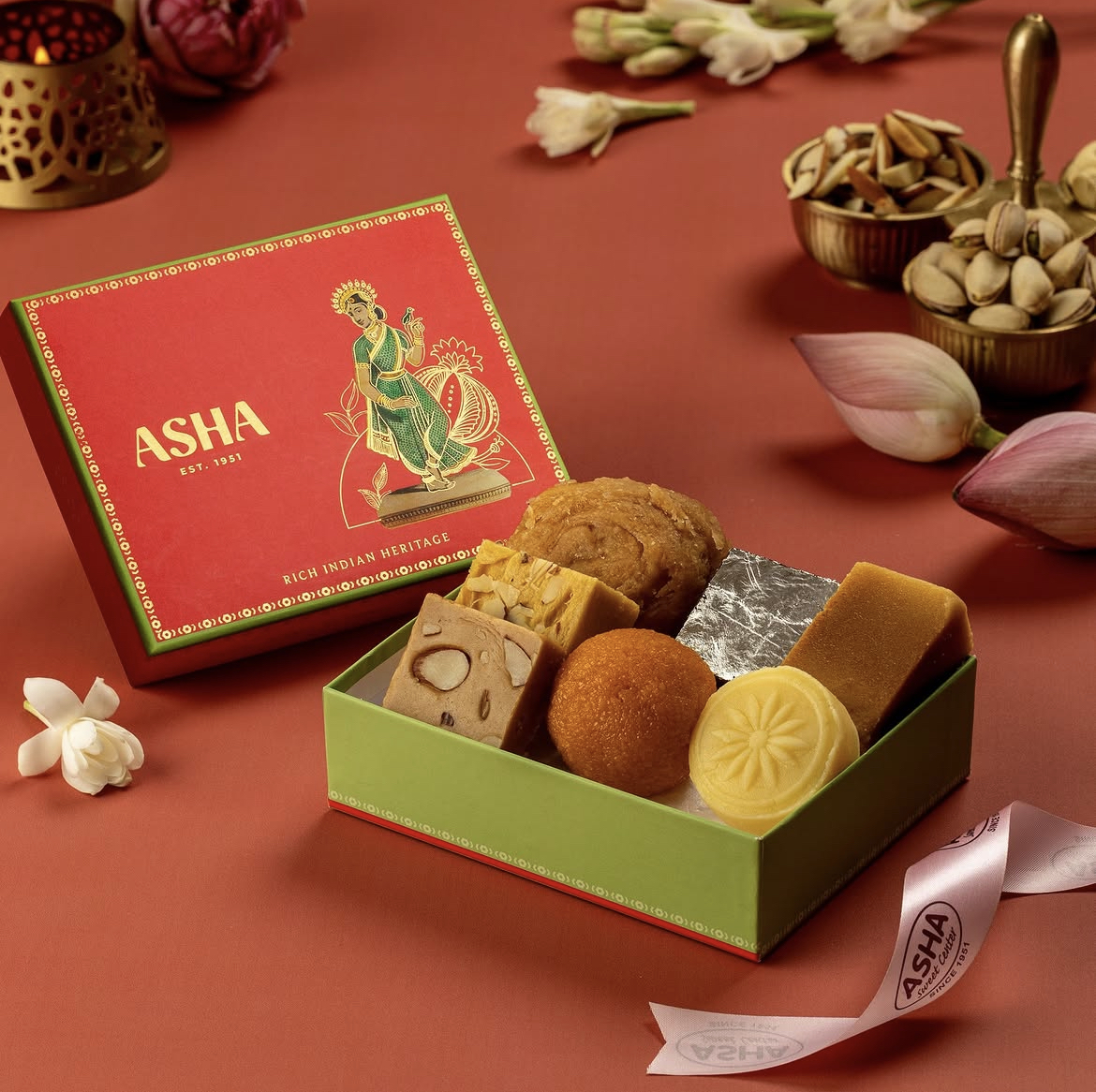
What does a 75-year-old sweet shop offer a city that is moving this fast?
A sense of familiarity. Bengaluru has changed dramatically, but people still look for places that feel like home. I think Asha gives people that little bit of continuity, something they have grown up with and can now share with their children.
What is the most moving thing a customer has said about Asha?
Customers have always felt that Asha is their own brand. They have come to us and told us to take care of the brand and preserve what it stands for. The older generation still walks into our stores and feels that it is the same Asha they have been seeing and experiencing for decades. That feeling of ownership is very special to us.
If Asha Sweet Center were one mithai, which would it be?
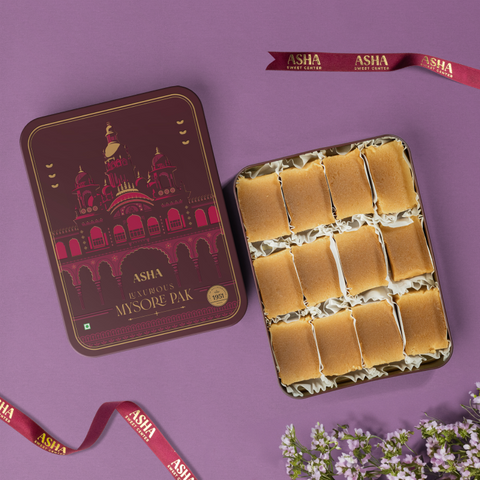
Mysore Pak. It is simple, rooted and timeless, but getting it right requires tremendous attention to detail. In many ways, that is what Asha stands for: keeping something traditional relevant through consistency and quality.
What has been the hardest part of carrying this responsibility?
With the privilege to enjoy this legacy comes a very huge responsibility: the responsibility to deliver great quality, taste and service across every store, consistently.
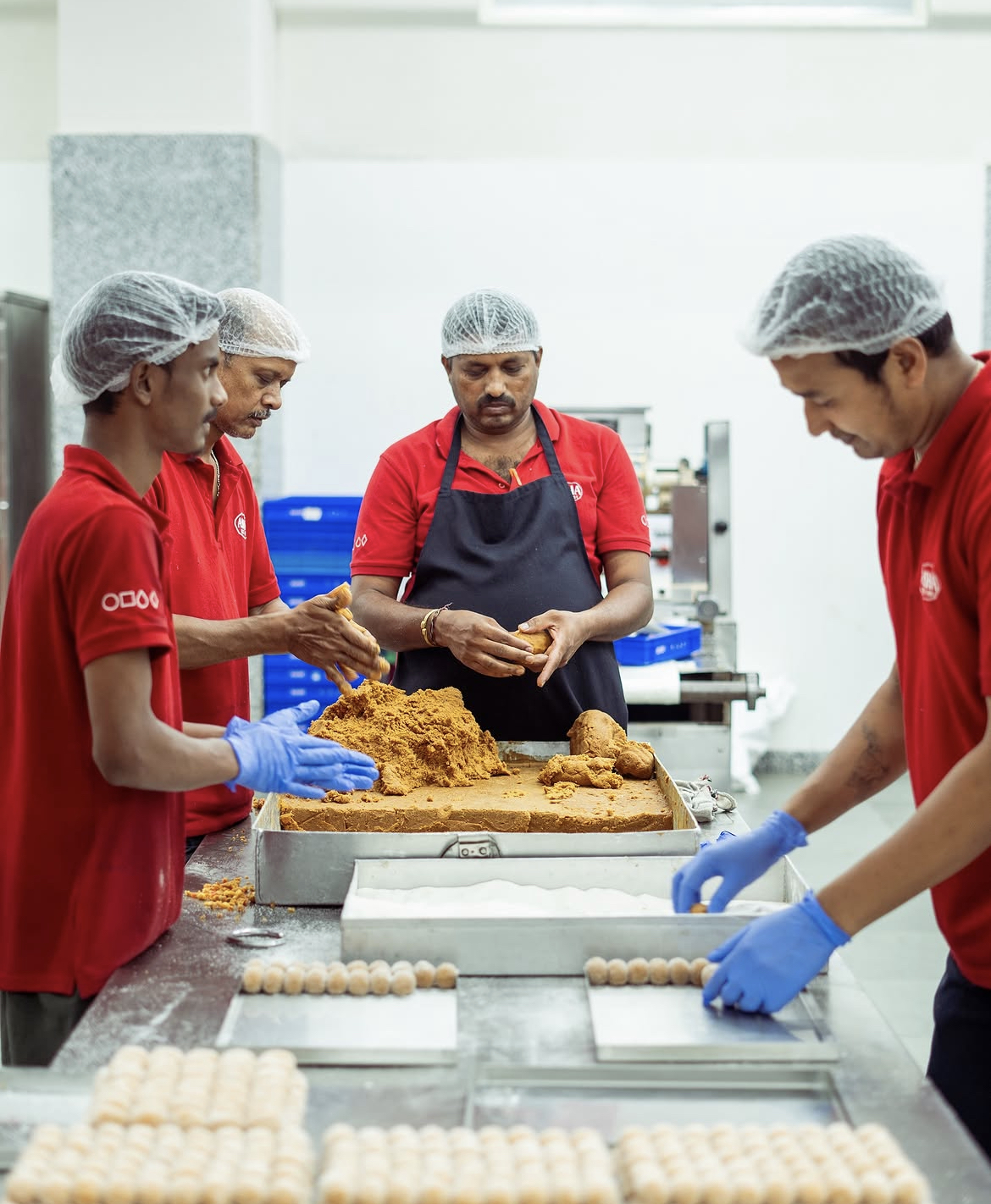
If I had to put it simply, it is like the pumping of blood from the heart. There are so many steps involved, right from procurement to production and service, and the responsibility is to make sure everything reaches every organ perfectly and comes back as a continuous cycle.
What was expected of us in one store has to be replicated across twenty stores: the same taste, quality, service and feeling. Our vision is to carry forward what my grandfather and father built with the Malleshwaram store and take that same experience to every Asha store.
What is next for Asha, and what should it look like at 100?
We want Asha to be available across the nation, while becoming a bit more of a corporate company, but always remaining an Indian traditional company at heart.
Though we spread our wings across the country, we will continue to stay grounded in our roots and remain true to what our products and brand stand for. Asha will modernise to an extent where our products are easily available for gifting through e-commerce and quick commerce, while we continue to carry forward the traditional methods of making these Indian mithais.
At 100, I would want Asha to be a brand that has grown in scale, but has never lost its soul.
What 75 Years Actually Means
The Asha Sweet Center story is, in one reading, a business story: a single Malleshwaram shop that became twenty, a family enterprise that has survived the transformation of an entire city around it, a brand that has outlasted trends, competitors, and the relentless pressure of a food market that never stops producing new options for the consumer to consider.
In another reading, it is a story about something that the business world does not have very good language for: the accumulation of trust across generations, the particular quality of affection that a community develops for a place it has returned to across the entire span of living memory. The grandmother who brought her children to Asha. The children who brought their children. The grandchildren who now stop by on the way to school, or bring a box of Mysore Pak to a new colleague, or arrive at Diwali knowing that certain things are not worth thinking too hard about because Asha has always been the answer.
That is not brand loyalty in the way that marketing departments typically describe it. It is something older and more fundamental: the loyalty that attaches to a place that has consistently been what it said it was, that has never substituted convenience for quality, and that has understood, through seventy-five years of customer relationships, that the person who walks through the door is not simply buying a sweet.
They are buying continuity. They are buying the taste of a specific memory. They are buying the assurance that some things do not change even when everything else does.
At 100, if Asha Sweet Center has grown in scale without losing its soul, it will have achieved what very few businesses in any category manage across a century. The Mysore Pak will confirm it.
Follow Best List India for the culture, conversations, and ideas worth paying attention to.