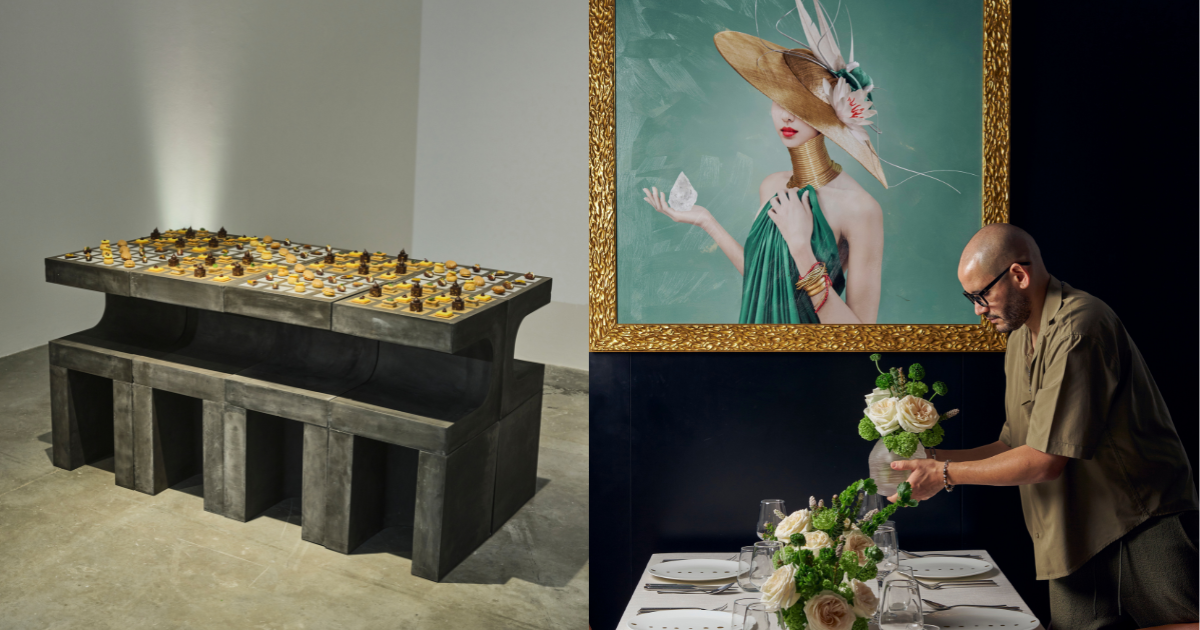
There is a moment at every well-designed dinner party when the guests stop talking about what they are eating and start talking about where they are eating it. The candlelight at exactly the right height. The linen that has been chosen rather than defaulted to. The charger plate that seems almost too beautiful to put food on. The hand-finished menu card that someone will quietly pocket at the end of the evening.
This moment, once incidental, has become the point.
India’s relationship with the dining table has undergone a transformation so complete and so recent that it is still difficult to fully account for. The table, for most of the country’s entertaining history, was functional infrastructure: the place where the food arrived and the guests assembled. Beautiful, sometimes, but not designed. Not considered. Not treated as the primary expression of a host’s aesthetic intelligence in the way that the entrance, the flowers, or the stage might be.
That has changed, quietly and then loudly, over the last several years. And the shift reveals something interesting about where Indian luxury is going.
The Table as Destination
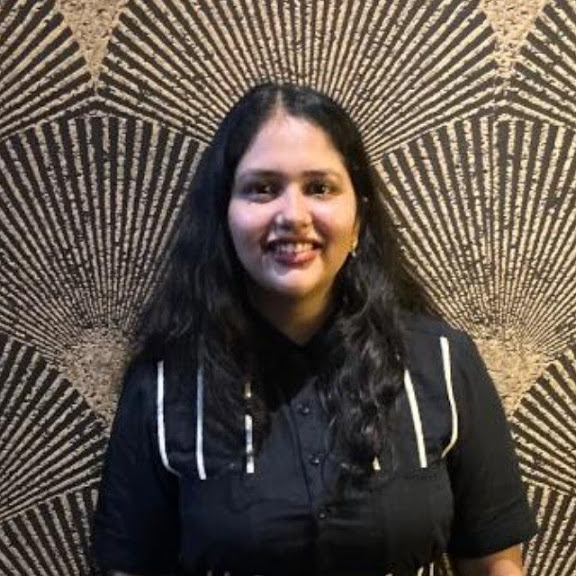
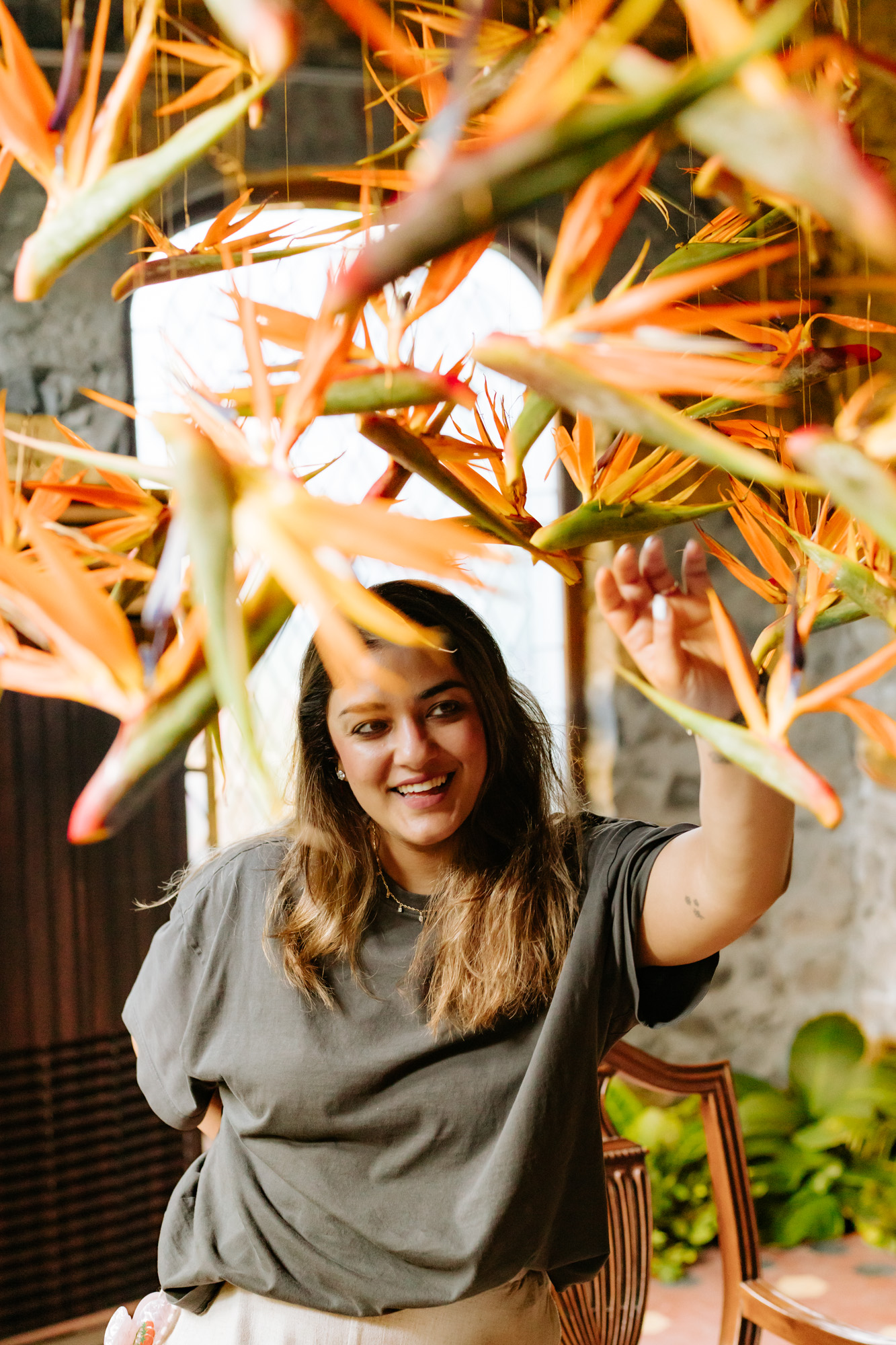
Aashna Saran, founder and creative director of Aash Studio, has been watching this transformation from the inside. Her observation is precise: the tablescape has moved from being a functional layer of décor to becoming one of the most important storytelling elements of an event.
What is equally interesting, she notes, is that the table itself has been redefined in the process. It no longer refers only to a traditional sit-down dining setup. A beautifully styled dessert station, a champagne bar, a grazing table, a welcome installation: any interactive surface where guests naturally gather and spend time has become a destination within an event, a place where people linger, interact, photograph, and connect.
Five years ago, many clients viewed tablescapes as an add-on. Today, they see them as central to the mood, memory, and visual identity of the celebration. The table is no longer where the party is hosted. It is where the party happens.
What Luxury Actually Means Here
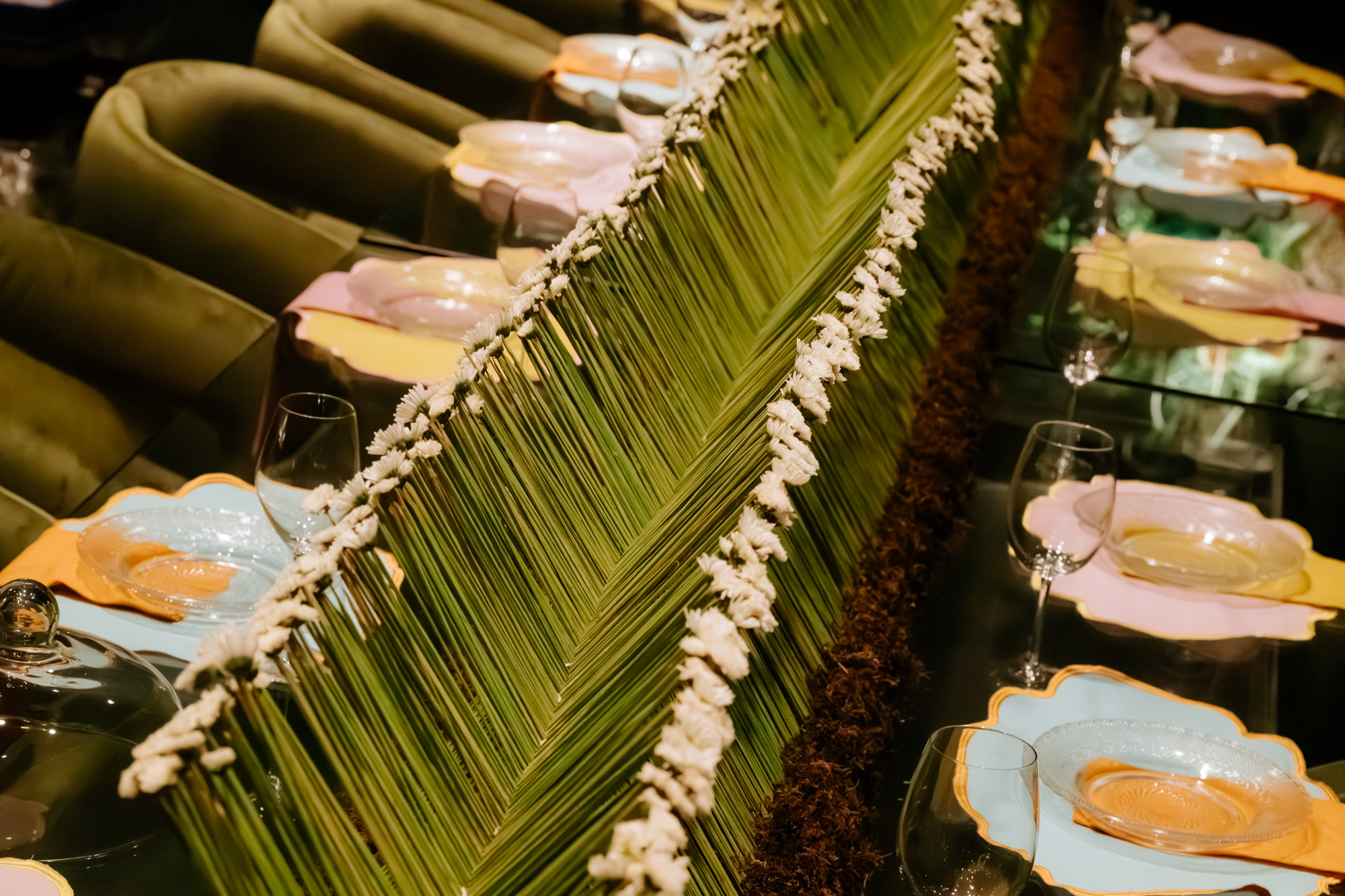
The most significant shift in the Indian tablescape conversation is the one happening around the definition of luxury itself, and it is a shift that mirrors what is happening across the broader luxury market. Excess has been quietly replaced by intention. The heavily embellished table, loaded with every available element, has given way to something more considered: restraint, proportion, detailing, and the particular quality of harmony that only arrives when every object on the table feels as though it belongs there.
As Saran puts it, a truly luxurious tablescape is not defined by cost. Expensive pieces alone do not create luxury. Luxury comes from how everything is curated and edited together. Sophistication is visible in the quiet details: the quality of the linen, the weight of the cutlery, the finish of the glassware, the scale of the florals, the way the table interacts with the food and the surrounding décor.
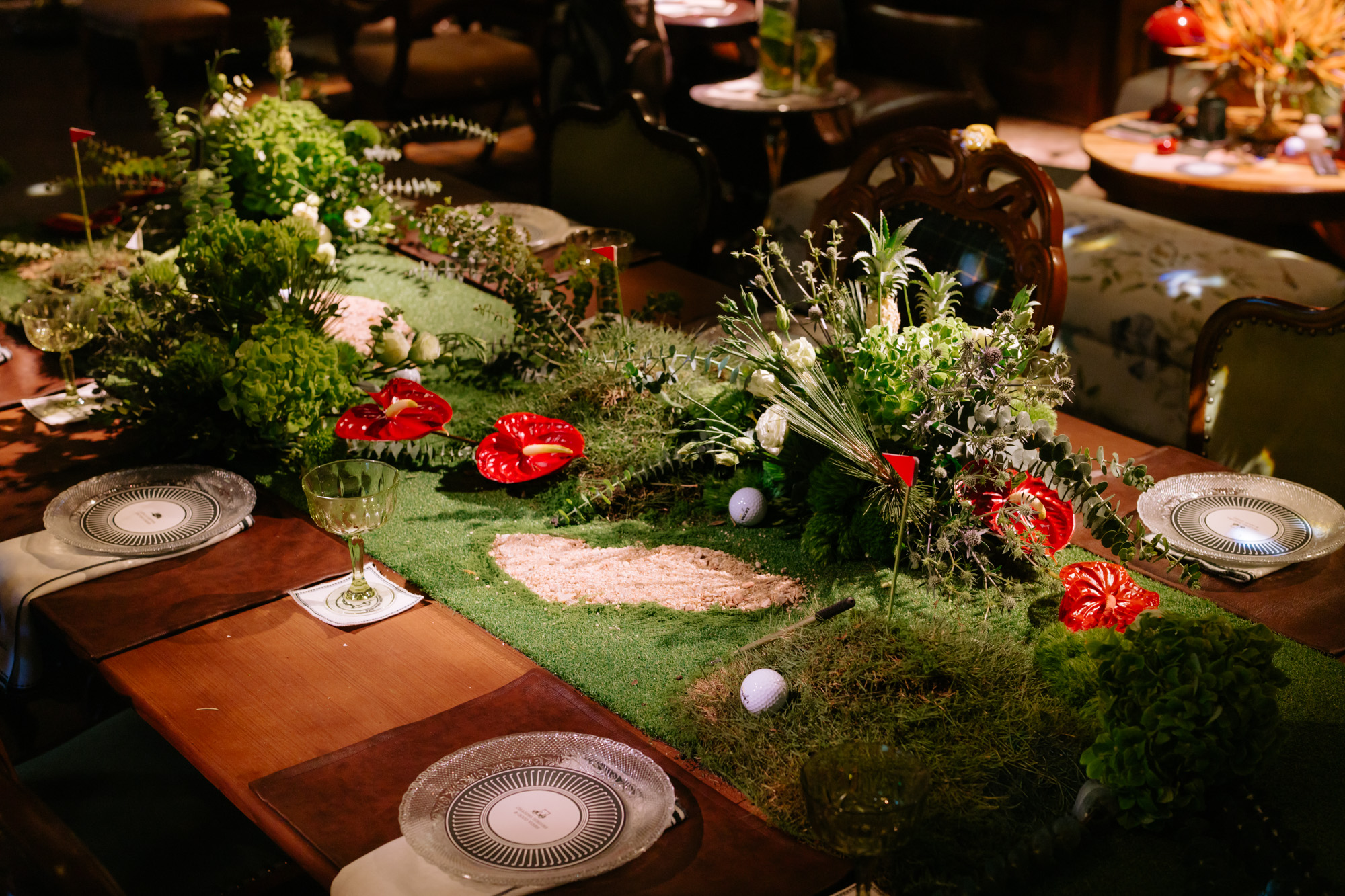
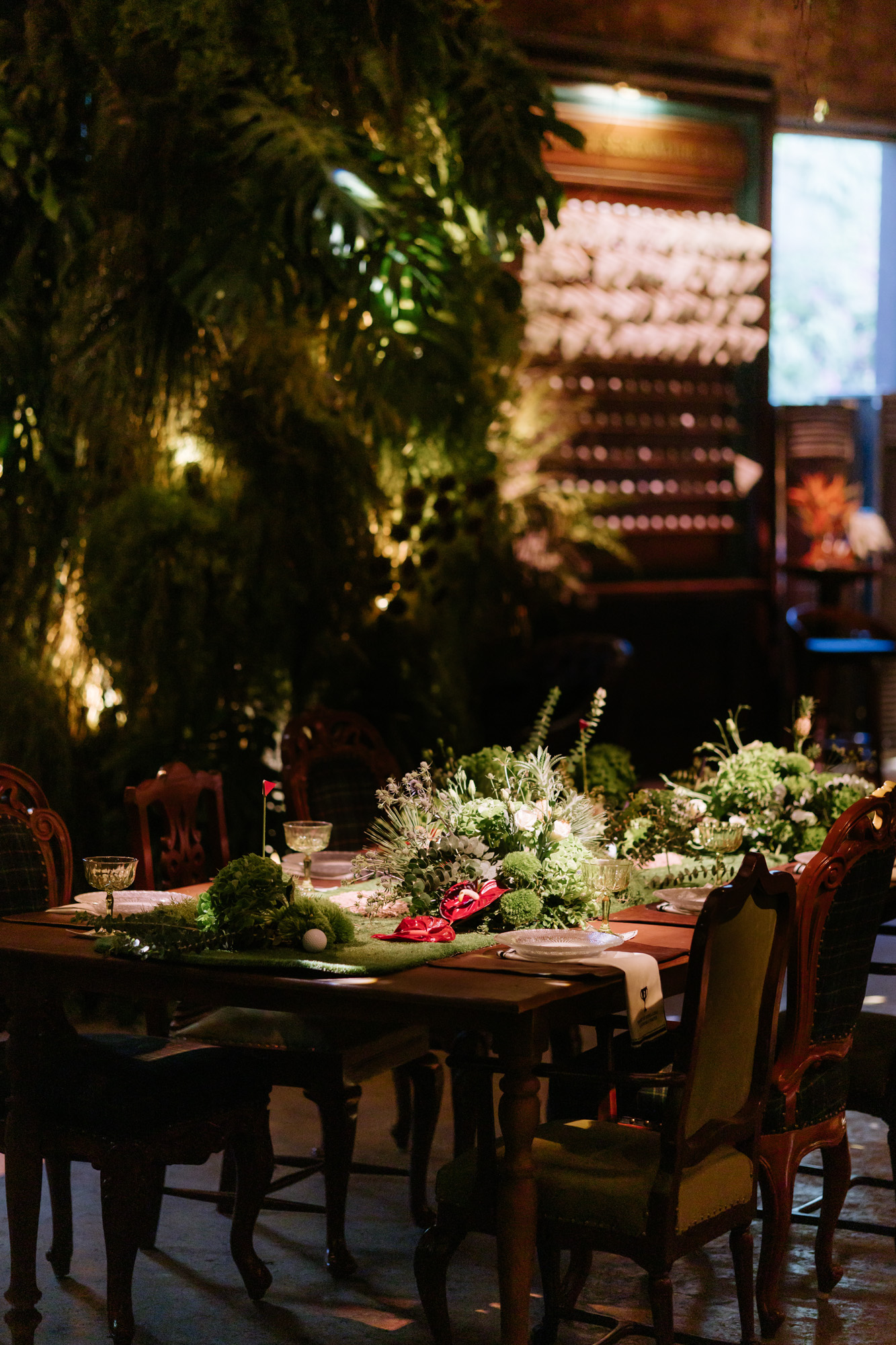
The golf-themed table that Aash Studio created for a recent private celebration is instructive here. Rather than interpreting the theme literally, the team transformed the table into a refined miniature landscape: a lush green runner recreating the fairway, textured grass, sand bunkers, subtle red flags, and golf balls woven naturally into sculptural floral arrangements and moss. It was conceptual without being laboured, specific without being obvious, and beautiful in a way that revealed itself slowly rather than announcing itself immediately. That quality of slow revelation, where guests notice the details gradually, the texture of the linen, the shape of the glass, the softness of the florals, the way the candlelight falls, is precisely what distinguishes a designed table from a decorated one.
The Objects That Matter
The vocabulary of the considered Indian tablescape has developed its own grammar, and the objects within it have become desirable in the way that fashion objects are desirable: for their provenance, their craft, their rarity, and the story they carry.
Handcrafted ceramics, unique charger plates, textured linens, statement glassware, vintage silver, sculptural candle stands, hand-painted menus, and bespoke napkin details have become the categories that serious hosts invest in. Murano-style glass, coloured glassware, embroidered linens, block-printed textiles, hand-thrown ceramics, and custom-made table accessories carry a specific appeal that mass-produced alternatives cannot replicate: they make the table feel less generic and more personal.
What unites the most sought-after objects is the quality that has always defined the best things in any category: they have a story. Something handmade, limited, inherited, locally crafted, or designed specifically for the occasion carries a weight that a catalogue purchase cannot approach. That sense of rarity and individuality is what makes the table feel truly special, and it is what the Indian host investing seriously in this space is reaching for.
The Festive Table, Reimagined
Nowhere is the evolution of Indian tablescaping more visible than in the festive season, and Diwali in particular has become the occasion around which the most ambitious table design is happening.
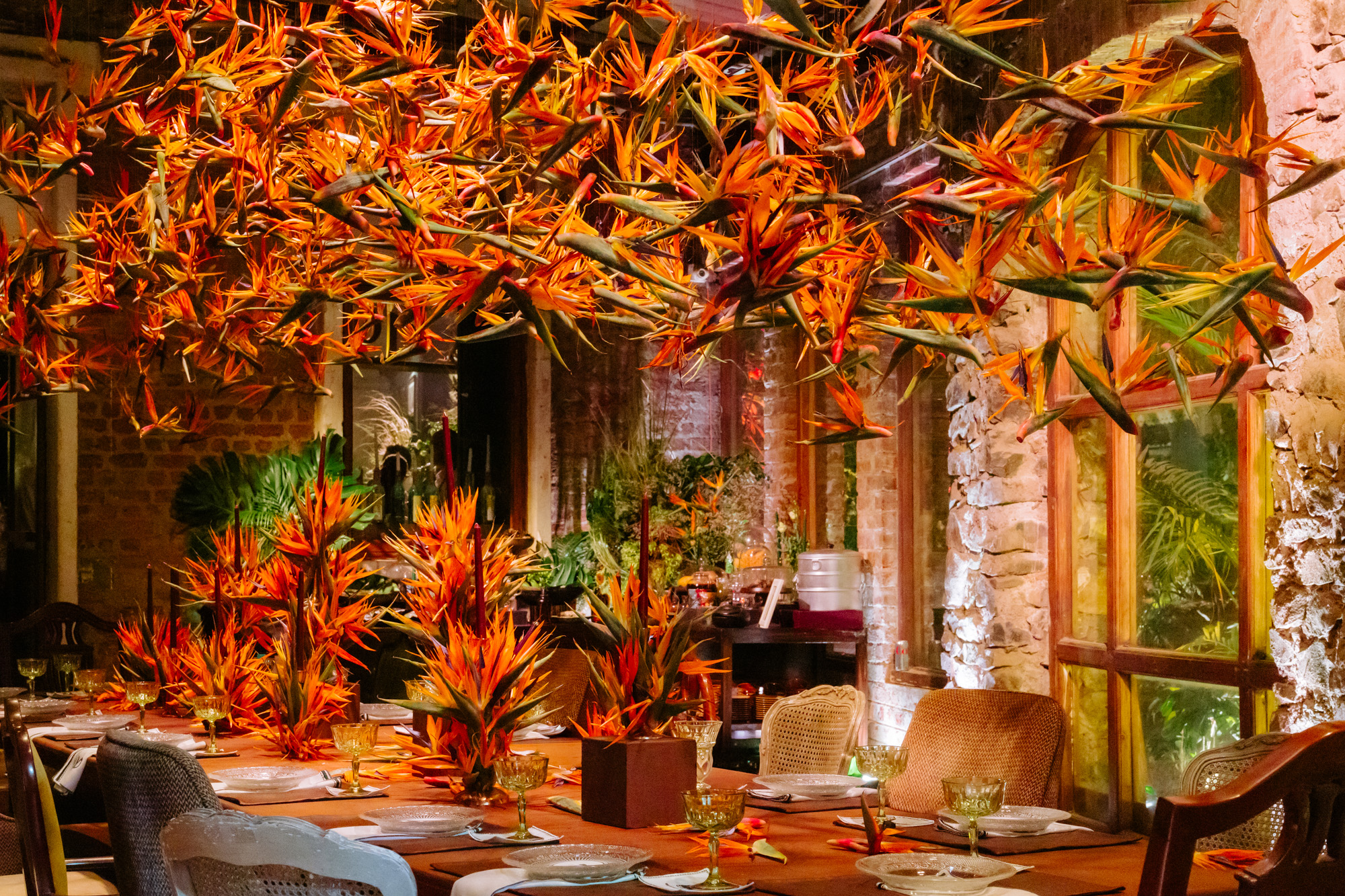
The festive table of five years ago was centred around flowers, diyas, and traditional colours: beautiful, warm, and largely familiar from one household to the next. Those elements are still loved, but the approach has become considerably more refined and contemporary. Deeper, moodier palettes balanced with metallics, layered candlelight, heirloom-inspired details, handcrafted tableware, embroidered linens, Indian textiles, brass accents, and fresh florals used in a more sculptural way: the festive table has developed its own aesthetic language that sits at the intersection of tradition and modernity without being reducible to either.
The movement that Saran identifies as most significant is the one toward modern Indian luxury: tables that feel rooted in tradition but not overly literal. The host who wants a Diwali table that honours the occasion without reproducing a template, that feels warm and celebratory and also polished enough for a contemporary home or luxury venue, has found in the current generation of tablescape designers exactly the creative intelligence they were looking for.
For Diwali, the table has become part of the celebration itself: a place for gathering, gifting, photographing, and creating a lasting memory. The food arrives on it. The stories begin around it. The photographs that circulate after the evening are, frequently, of it.
The Creative Process
The most interesting question about the tablescape’s elevation as a design form is how it is actually made. The answer, at its most sophisticated, begins not with objects but with narrative.
Saran’s process starts with the larger story of the event: what mood is being created, what occasion is being marked, what feeling the host wants their guests to carry home. From that understanding, a colour palette and visual language emerge, and from those, the tactile details are selected: linens, placemats, charger plates, crockery, cutlery, glassware, napkins, menus, flowers, candles, and any personalised accents that tie the whole together.
Flowers are important, but they are not treated as the only hero. Sometimes the linen sets the tone. Sometimes it is a beautiful charger plate, a handcrafted ceramic, a vintage glass, or a custom-printed menu. The aim is always to balance beauty with functionality: the table must look beautiful, but guests should still be able to dine comfortably, converse easily, and experience the meal naturally.
That balance, between the considered and the liveable, between the designed and the inhabited, is what the best Indian tablescaping is currently working out how to maintain as the ambition of the form continues to grow.
Where to Find It
For the host ready to build their own considered table, a few starting points across the categories that matter most.
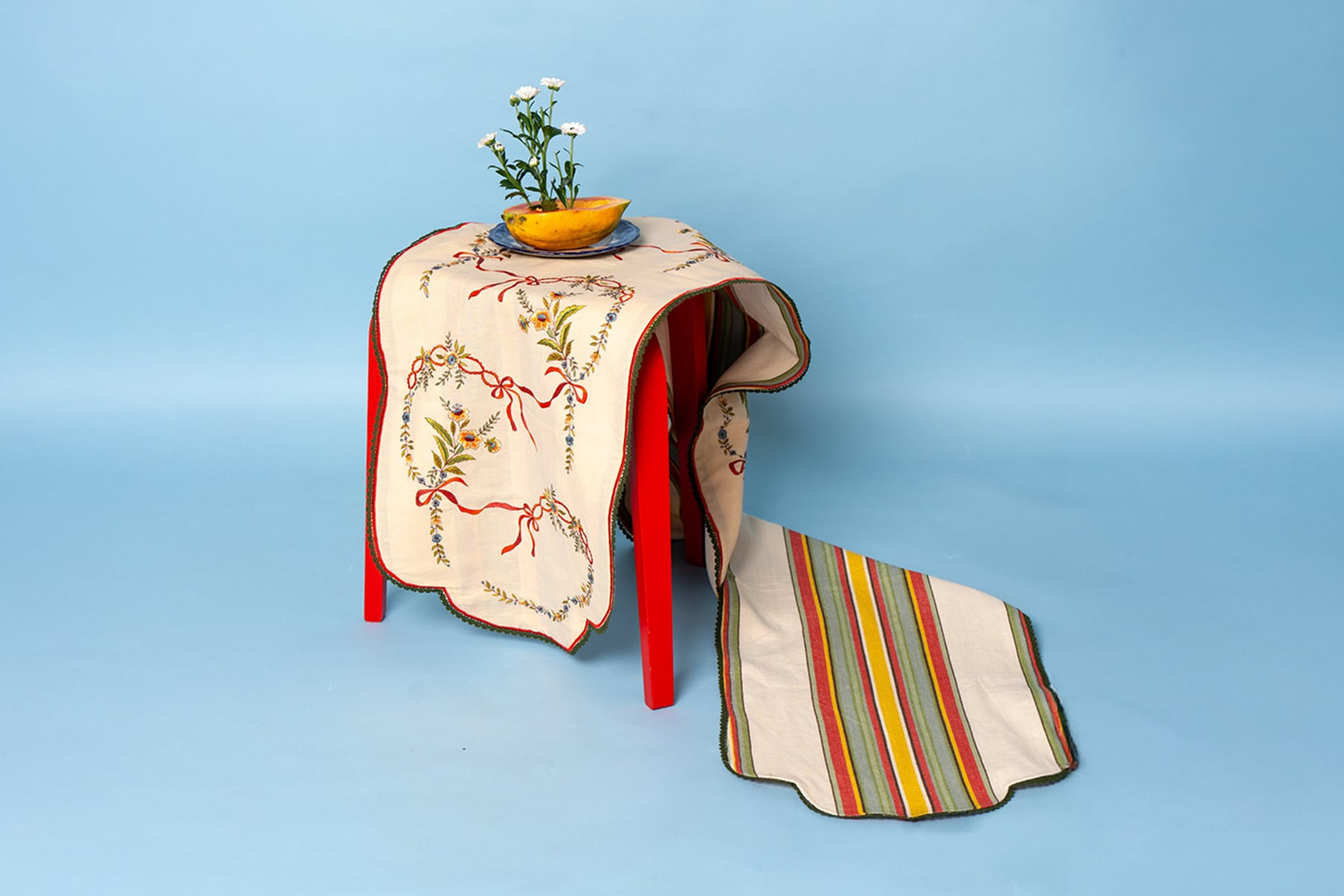
Linens. The Simon Table Runner from House of Things is a double-sided reversible table runner featuring bold striped cotton on one side and off-white linen on the other, beautifully adorned with intricate floral embroidery throughout. Finished with a dark green cotton lace trim, it adds an elegant touch to any tablescape.
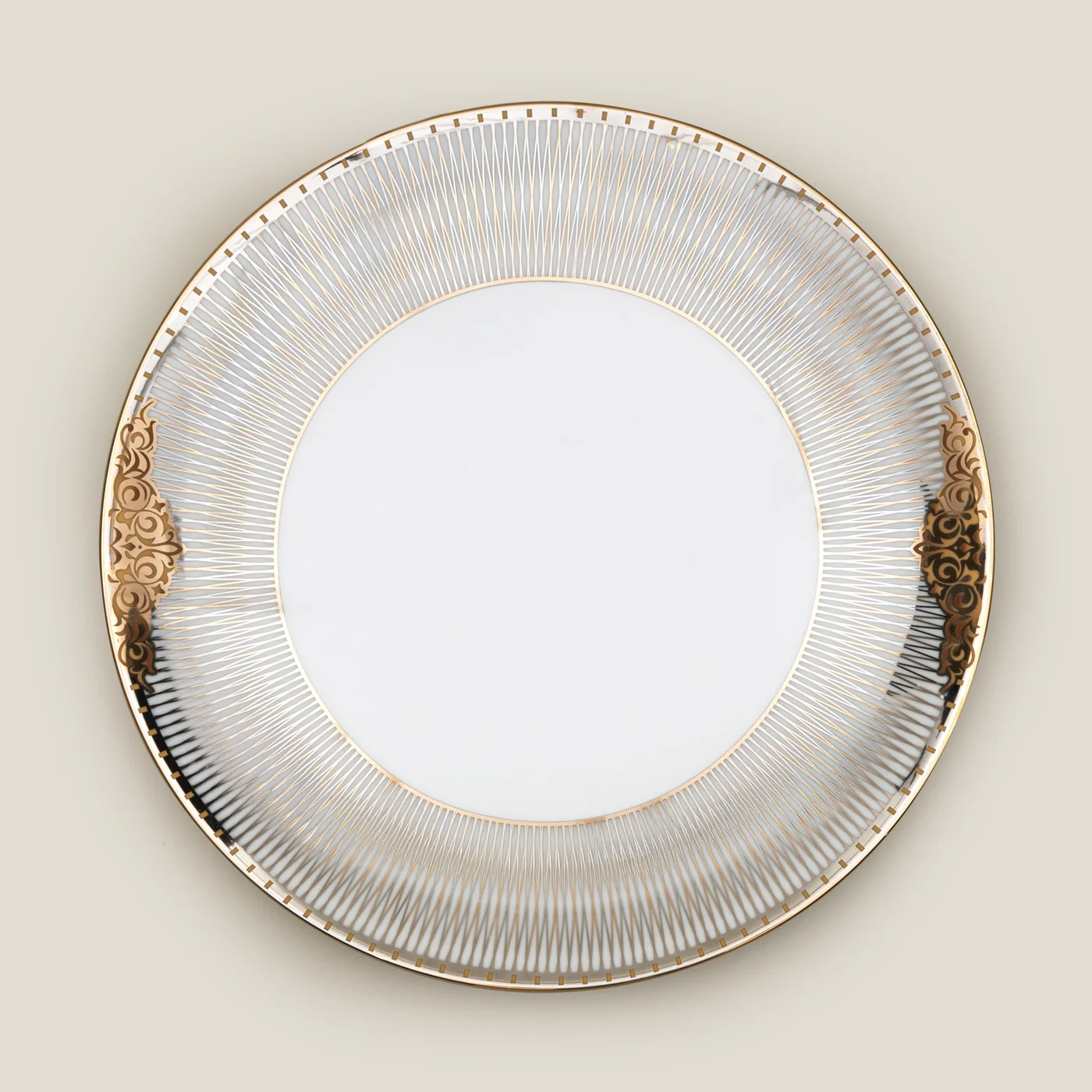
Ceramics and Charger Plates. Inspired by the grandeur of Roman Palaces, the Medicci Dinner Plate evokes the timeless elegance of a royal heritage. Crafted in fine porcelain with intricate motifs & medallions placed on linear geometry, it brings a modern touch to your entertaining.
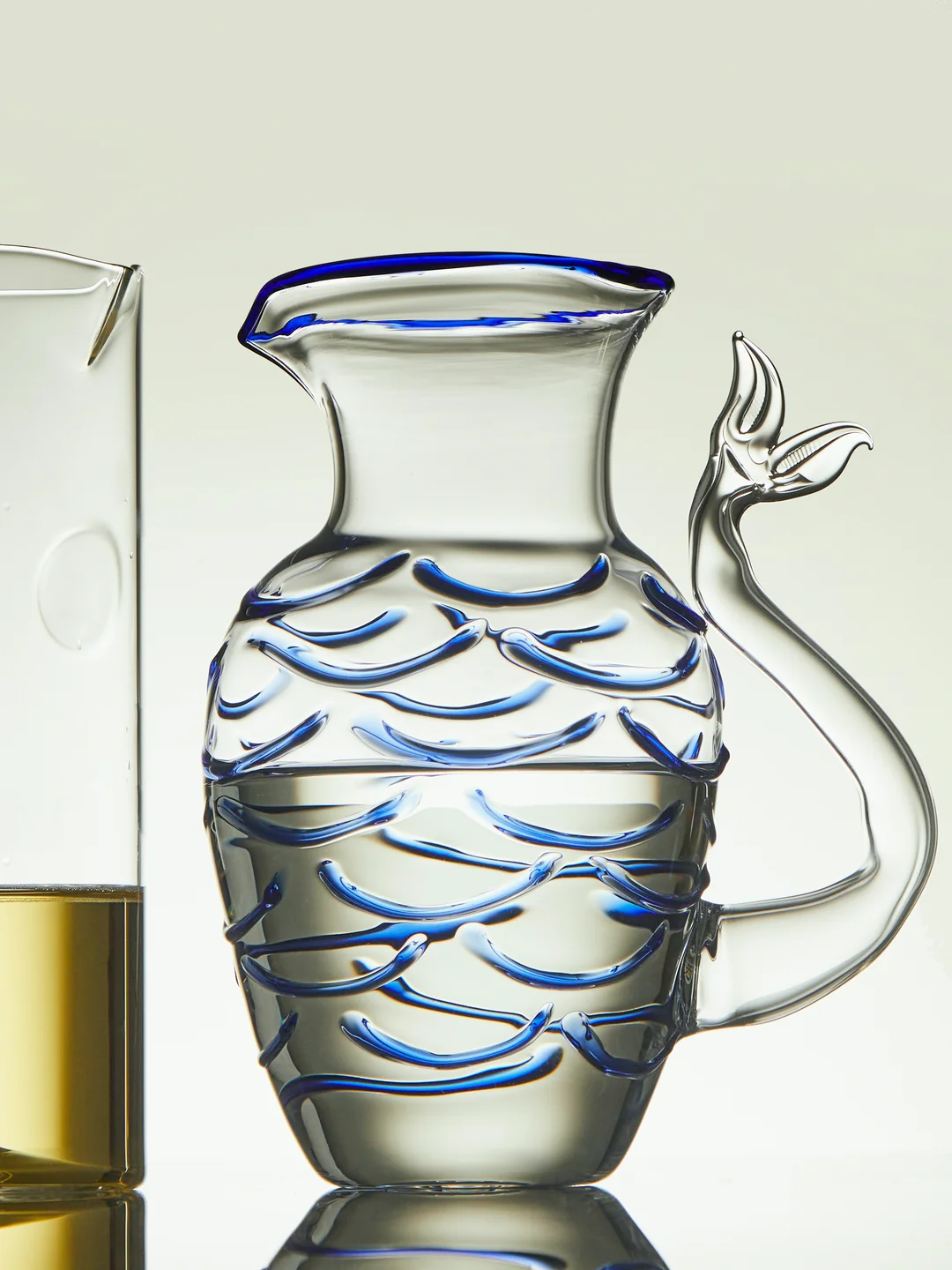
Glassware. Casarialto Fishtail Hand-Blown Murano Glass Water Jug, a favourite among tablescape designers adds refined elegance and curiosity

Silver and Candle Stands. This exquisite piece of craftsmanship from Jaypore comes from their Curated Classics collection. Bring home a piece of modern Indian aesthetic, reflecting crafts.
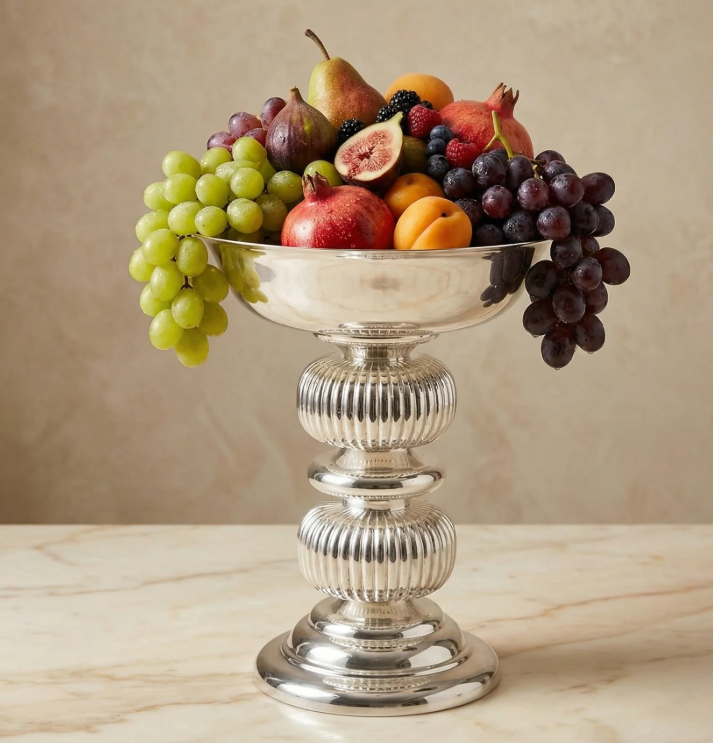
Handcrafted Centerpieces: Elevate every table with IRRA Luxury Living’s curated collection of handcrafted centrepieces. Crafted in premium metal with fine silver plating, the collection features sculptural bowls and statement accents that bring timeless elegance to dining tables, coffee tables and consoles. Designed to complement both contemporary and classic interiors, these pieces celebrate modern entertaining through
The through-line across all of it: choose pieces with provenance over pieces with polish. The table remembers the difference, even if the guest cannot immediately say why.
The Larger Point
The elevation of the Indian dining table as a design object is not simply a decorating trend. It is a cultural statement about what hospitality means in 2026, and about the kind of host the Indian luxury consumer is becoming.
The host who invests seriously in a tablescape is making the same argument as the host who spends months planning a menu or weeks choosing a wine list: that the people around the table deserve the full weight of their attention, that a meal is not simply a meal but an experience, and that the setting in which it happens is as much a part of the gift as anything that arrives on the plate.
India has always understood hospitality. What it is discovering, with some enthusiasm and considerable creative intelligence, is that the table is where that understanding can be made most beautifully visible.
Follow Best List India for the culture, conversations, and ideas worth paying attention to.