There is a category of creative professional that most people encounter only as the result of their work: the opening ceremony that makes an entire stadium hold its breath, the closing moment that becomes the cultural image of a games, a nation, a particular chapter of collective memory. Claudia Cattai, Director of the Ceremonies Unit at Balich Wonder Studio, works at precisely this level, and has done so for more than two decades. Her productions have played to audiences not of hundreds but of billions, across cultures and languages that share nothing except the capacity to be moved. We spoke with her about what scale teaches you that intimacy cannot, why emotion is the only truly universal language, and what she sees in the Indian tradition of celebration that resonates with everything she has spent her career building toward.
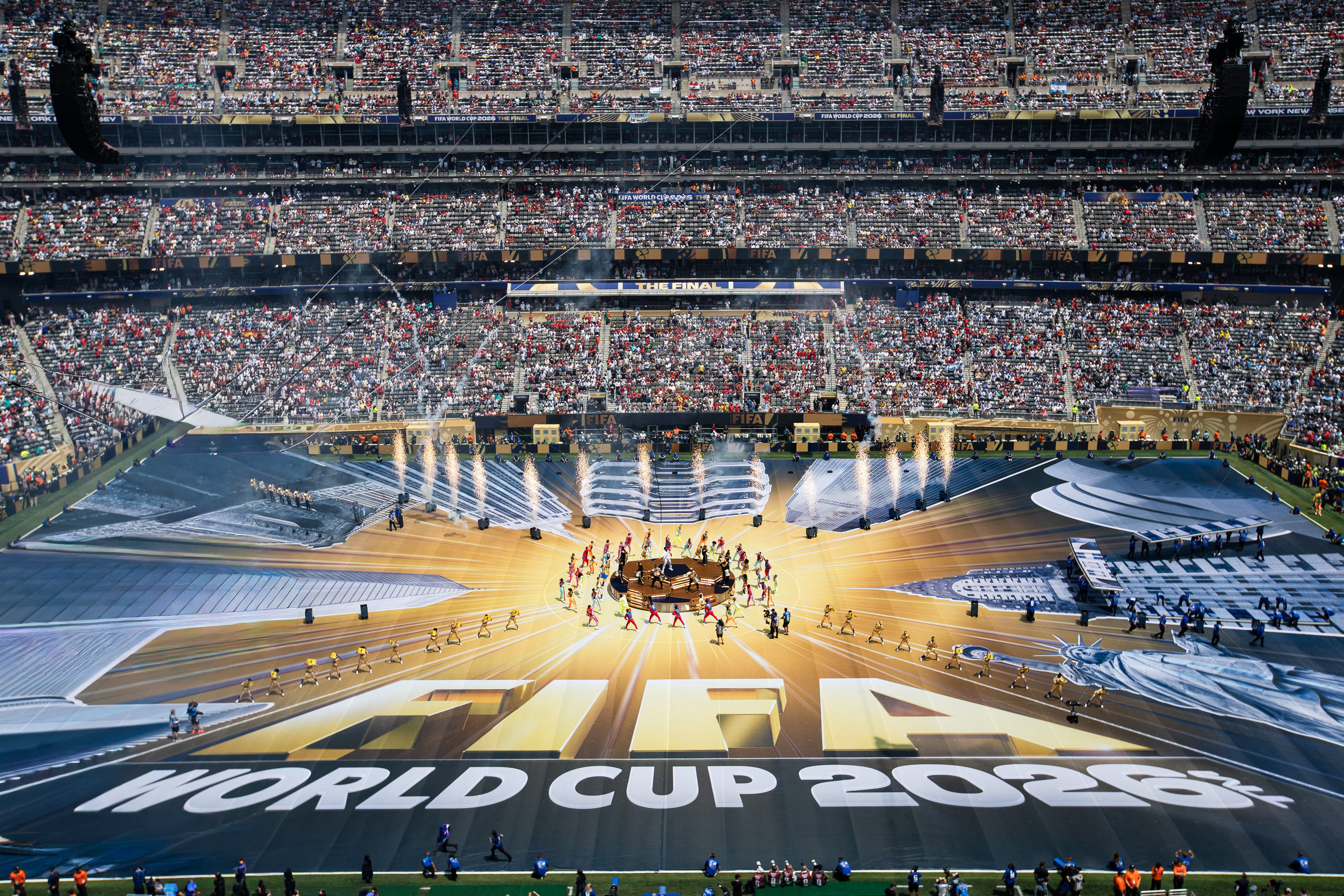
FIFA World Cup 2026 Closing Ceremony, New York New Jersey.
You have spent over two decades working on some of the world’s largest live productions. What does that kind of scale teach you that smaller events never could?
Scale teaches you humility. Very quickly, you understand that no great production is ever created by one person alone.
Behind every ceremony there are thousands of people — creatives, technicians, performers, producers, institutions, local teams — all contributing to something much bigger than themselves. Large-scale events teach you how to protect a vision while constantly listening and building trust across enormous systems and cultures. And perhaps most importantly, they teach you responsibility: at this level, every decision carries emotional, operational, and sometimes even geopolitical consequences.
As Director of the Ceremonies Unit at Balich Wonder Studio, you sit at the intersection of creativity and large-scale execution. Which side leads when the stakes are this high?
Neither can exist without the other. Creativity without execution remains an idea, while execution without emotion risks becoming technically impressive but forgettable.
What really matters is a strong dialogue between artistic vision and production reality from the very beginning. The earlier creative teams, engineers, and operations start working together, the stronger and more authentic the result becomes. At Balich Wonder Studio, we believe the most powerful productions happen when imagination and engineering evolve together.
Olympic and global ceremonies are not just events. They are cultural statements. How do you approach designing something that has to resonate across countries, languages, and audiences?
We always start with the message we want to communicate and the identity of the host country. From there, we build the emotional journey, creating a story that resonates with audiences across cultures, languages, and backgrounds.
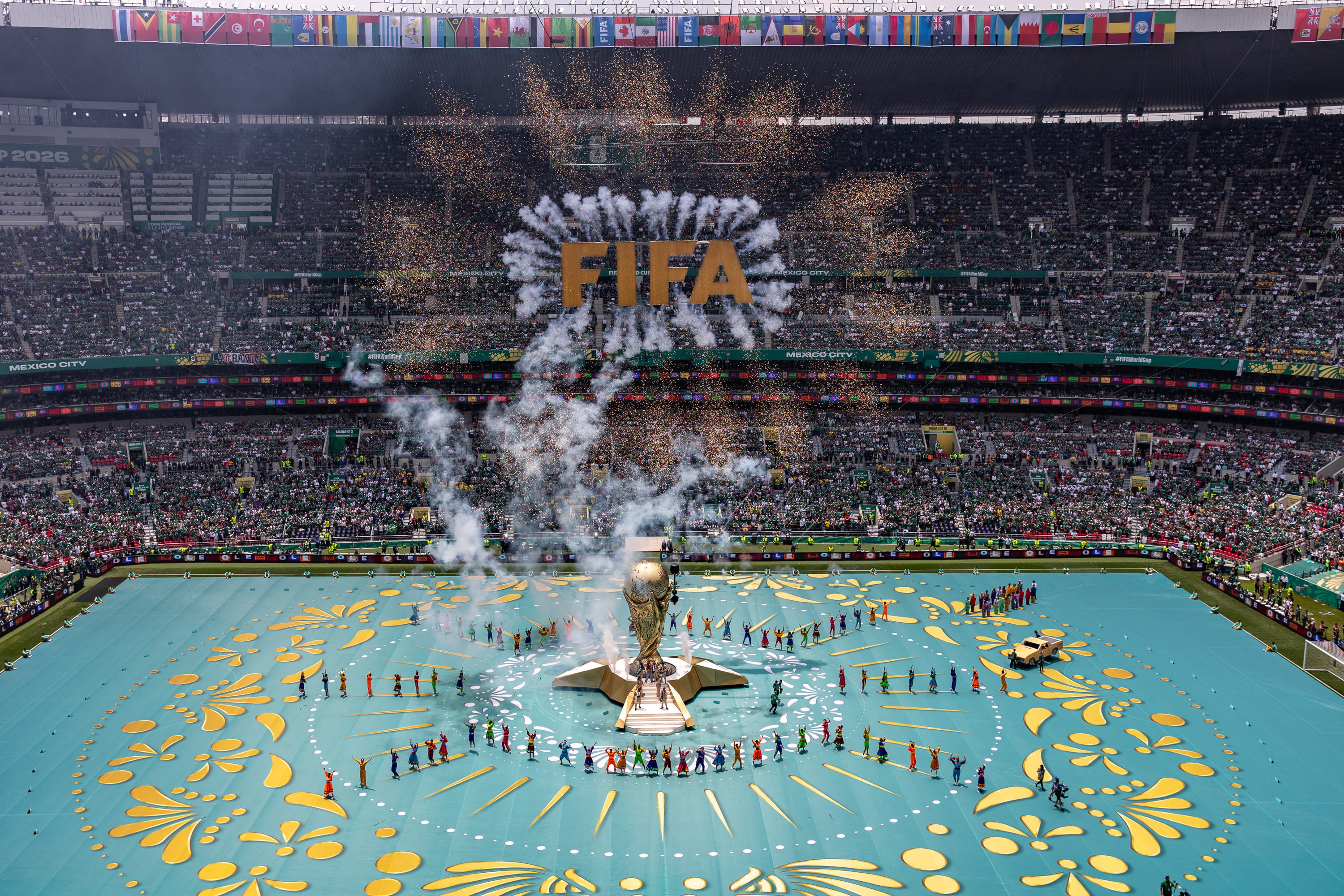
FIFA World Cup 2026 Opening Ceremony, Mexico City
There is always a gap between vision and reality. At the level you operate, that gap involves governments, international committees, and massive production systems. How do you manage that complexity?
Complexity becomes manageable when people feel aligned and respected. At this scale, you are constantly balancing creative ambition, political sensitivities, timelines, budgets, and enormous operational systems, but beyond the processes, you are managing human relationships all the time.
Communication and trust are essential. Teams can navigate incredible complexity when they understand the purpose behind what they are building together.
Your role involves both strategy and execution. How do you translate a creative idea into something that is technically deliverable on such a large scale?
The transition from concept to execution starts much earlier than people imagine. A strong creative idea must already contain an understanding of space, timing, technology, and operational feasibility — creativity cannot exist separately from production thinking.
The real challenge is preserving the emotional impact of an idea throughout that process. No matter how complex a production becomes technically, audiences will always remember how the experience made them feel.
Balich Wonder Studio is known for creating emotionally powerful experiences. What does emotion mean when your audience is not a room of 300, but millions watching globally?
Emotion at a global scale is about creating human connection. Millions of people from different cultures may interpret details differently, but they all recognise sincerity, beauty, vulnerability, and joy, those reactions are universal.
For us, emotion is never manufactured. It comes from creating experiences where people feel represented and part of something collective, whether they are inside a stadium, backstage, or watching from the other side of the world.
Is there a ceremony or project you consider a personal masterpiece? One that still stays with you?
Every major project leaves something with you, but the ones that stay the longest aren’t necessarily the biggest. The most meaningful productions are usually those where, despite enormous pressure, the human side remained incredibly strong — where teams supported each other and people felt deeply connected to what they were creating.
Live events are temporary by nature, but emotionally they can remain with people forever.
You have worked across cultures, countries, and continents. How do you ensure authenticity while working at a global scale?
Authenticity starts with listening. You cannot impose narratives onto cultures from the outside, every country and community has its own symbols, sensitivities, and way of celebrating. Our responsibility is to understand those nuances before translating them into a ceremony.
Global scale should amplify local identity, not dilute it. Audiences immediately recognise when something comes from genuine respect and understanding.
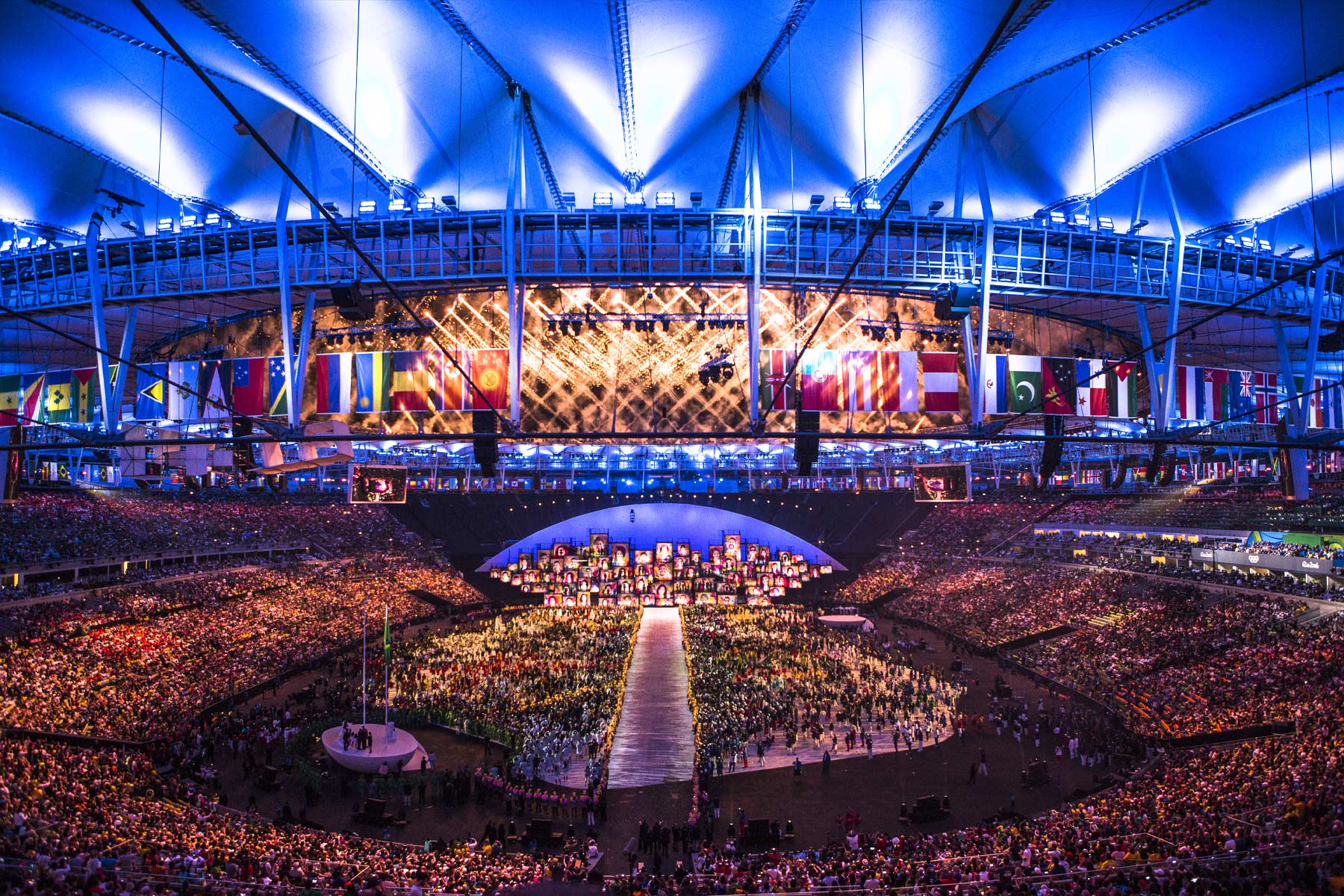
RIO 2016 Olympic Opening Ceremony
What do people consistently underestimate about creating events at this level of magnitude?
Probably the human effort behind every visible moment. People see a few minutes of ceremony, but behind that there can be years of planning, rehearsals, and problem-solving, with thousands of individuals working together with extraordinary discipline and passion.
Large-scale ceremonies are not only technical systems, they are human systems. What truly makes them successful is often the trust and collaboration happening behind the scenes.
Large-scale ceremonies often appear seamless to the audience. What does it actually take behind the scenes to make something feel effortless?
Precision, preparation, and above all, trust. The illusion of effortlessness is built through extraordinary discipline: every transition, cue, and performer interaction is rehearsed repeatedly until it becomes instinctive.
Beyond technical preparation, seamlessness also comes from how people work together. When departments stop functioning as separate units and start operating as one collective organism, that is when the real magic happens. The audience may never see that collaboration directly, but they feel it.
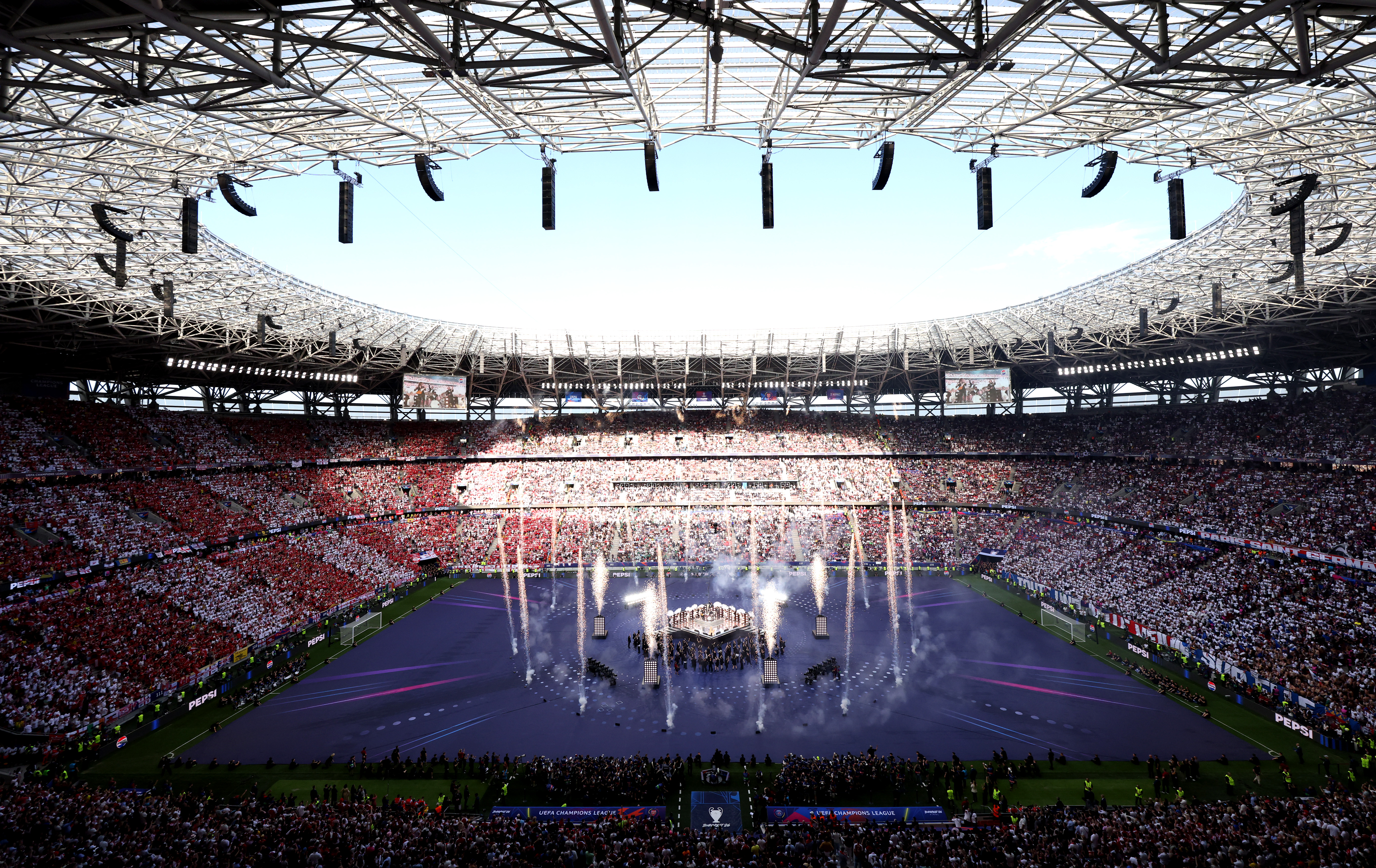
UEFA Champions League Final 2026 Kick Off Show
The language of events is changing. Immersive experiences, storytelling, technology. How has that shift impacted the way you design ceremonies today?
Audiences today expect participation, not passive observation. Technology has expanded creative possibilities enormously, but it has also raised expectations. People are more visually literate and more emotionally selective than ever before.
Technology should never exist for its own sake, the real question is always whether it strengthens the story. If it doesn’t, it risks becoming noise rather than innovation. No matter how advanced the tools become, the human experience must always remain at the centre.
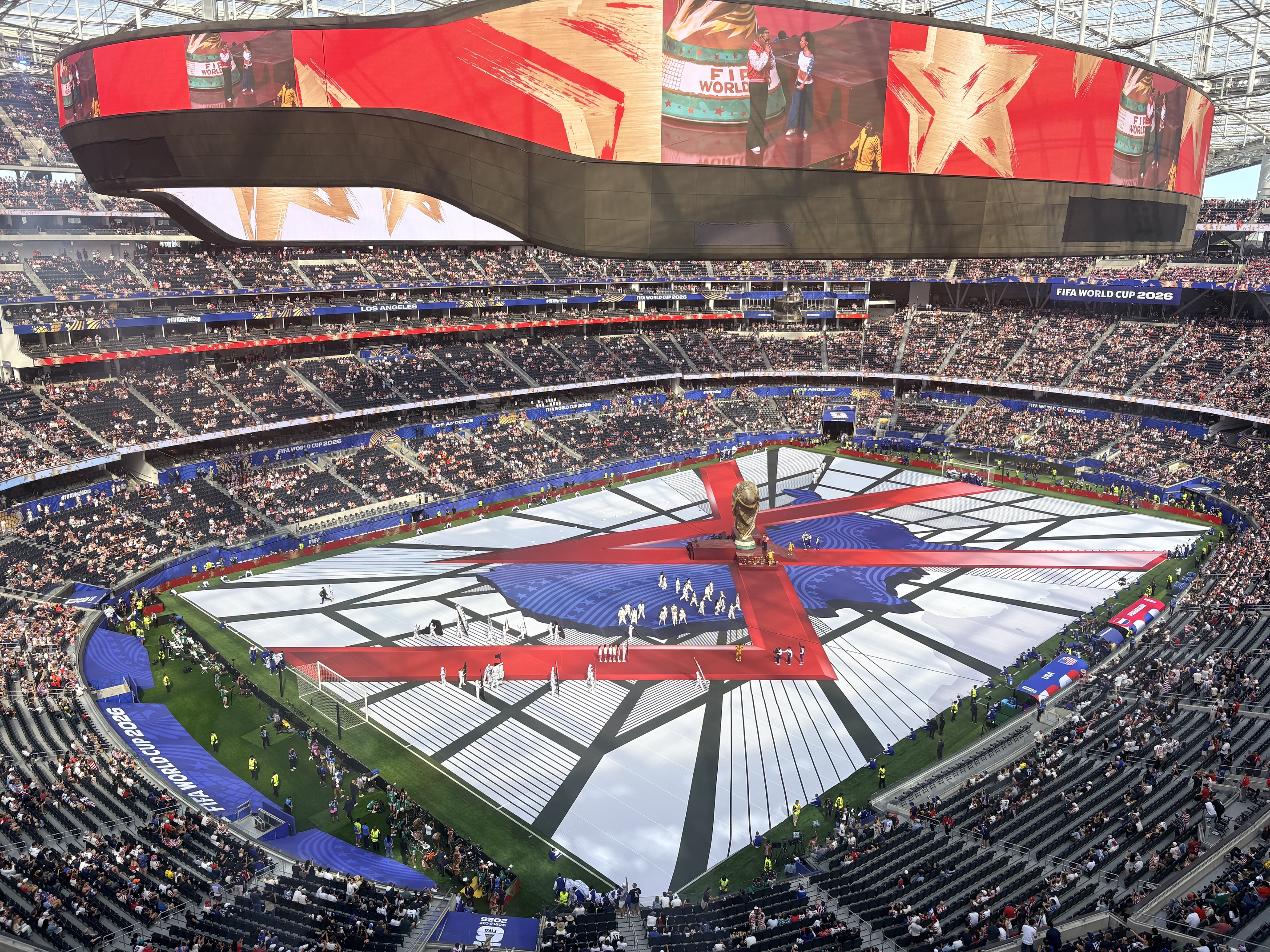
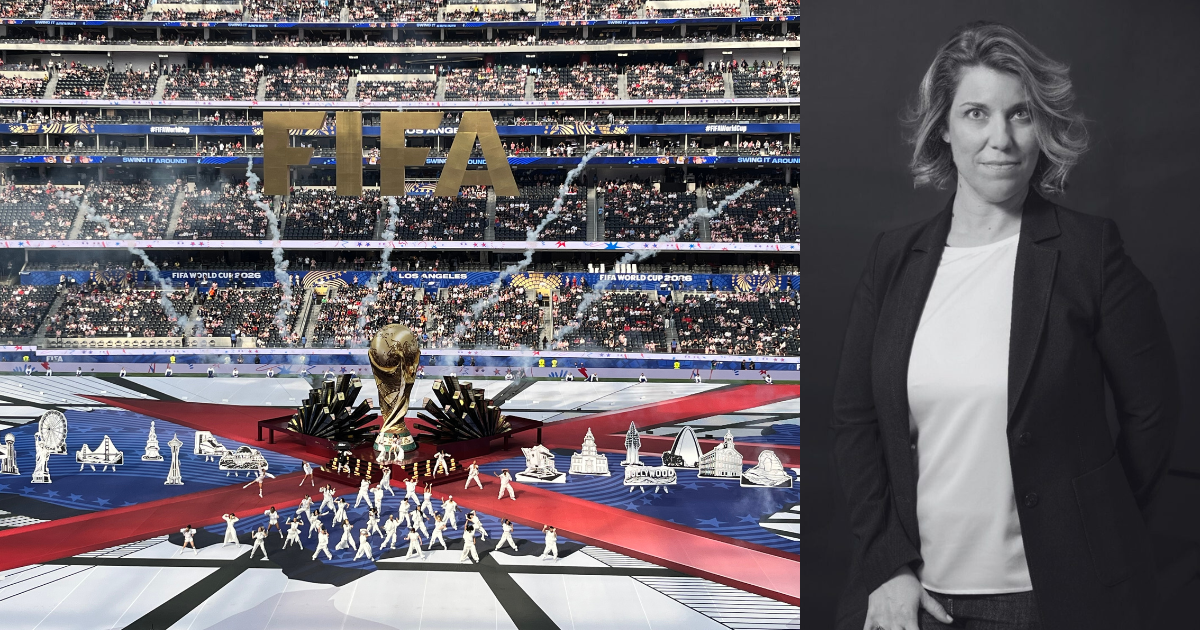
FIFA World Cup 2026 Opening Ceremony, Los Angeles
After twenty years of delivering some of the world’s most complex productions, what still feels like the next frontier for you?
Creating experiences that remain deeply human in an increasingly fast and fragmented world. Today people consume content constantly, yet genuine collective experiences are becoming rarer and more valuable; that creates a huge responsibility for our industry.
The future of ceremonies isn’t only about larger scale or more advanced technology. It’s about creating moments where people genuinely feel connected to each other, to a culture, to a story, or to a shared sense of humanity. For me, that emotional connection will always be the most powerful part of what we do.
Follow Best List India for the culture, conversations, and ideas worth paying attention to.