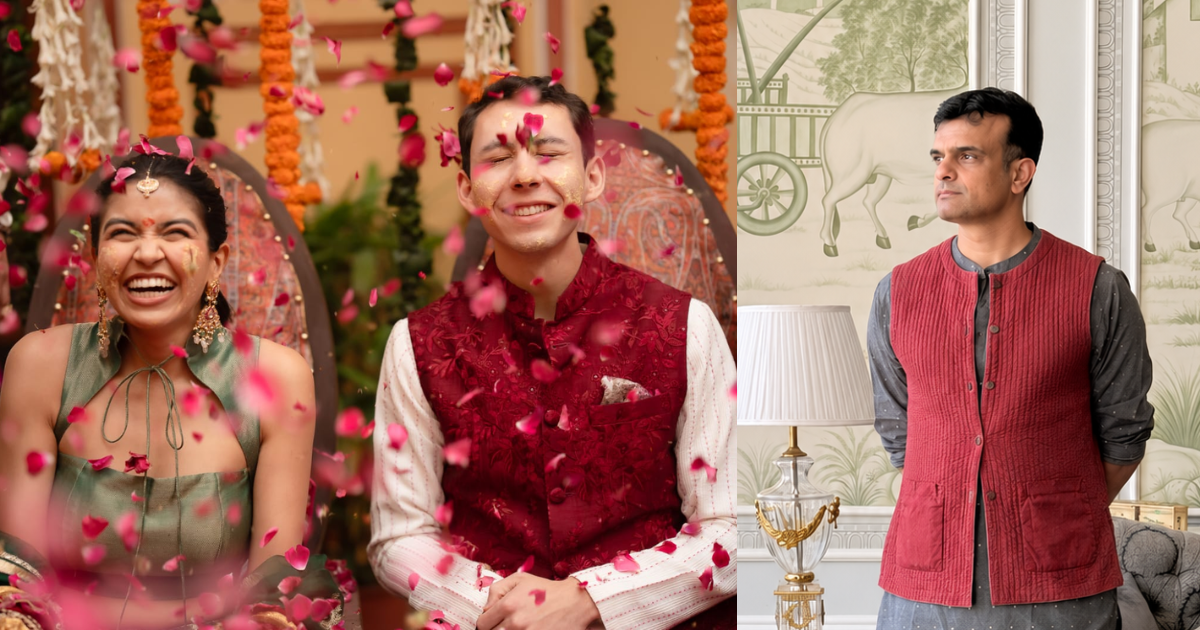
There are photographers who found their calling in a classroom, and there are those who found it in a place no classroom could have prepared them for. Varun, founder of Rikaar Films, belongs to the second category with a specificity that even the most dramatic origin stories rarely match. He spent twenty-five years in the Indian Army, twelve of them in Jammu & Kashmir, developed his eye across UN peacekeeping postings in Ethiopia and Eritrea, earned a Gallantry award for service under conditions that most people will never encounter, and learned to read a room with the particular quality of attention that only comes from environments where reading it correctly is not a professional advantage but a matter of consequence.
And then his sister got married. And something shifted.
That afternoon behind the camera, one celebration, one room full of every emotion a human being is capable of experiencing, showed him something he had been circling for years: that everything he had spent a career learning to see was available at a wedding, and that the people standing in front of his lens deserved to have it captured the way he knew how to capture it. One hundred and fifty weddings followed, documented across continents, most of them while he was still serving, still in uniform, still someone else’s before he was his own.
Two years since retirement, Varun is fully here. And the work is only getting more interesting.
What often gets overlooked in the conversation about Rikaar Films is that weddings are only one dimension of a body of work that extends considerably further. Varun’s documentary photography, built across decades of service and refined through commissions that took him from the deserts of the Middle East to the highlands of East Africa, represents a parallel and equally serious creative practice. His work for the Indian Army, producing films, exhibitions, and visual records of an institution that rarely allows outsiders its most interior moments, required not only technical skill but the kind of institutional trust that is extended only to those who have earned it on both sides of the lens. That foundation, of documentary rigour, of the discipline that comes from working in environments where the image has to be true rather than simply beautiful, is what sits underneath the wedding work and makes it different from most of what the category produces. Rikaar Films is, in the most accurate sense of the phrase, a visual storytelling practice that happens to include weddings, rather than a wedding studio that occasionally ventures beyond them.
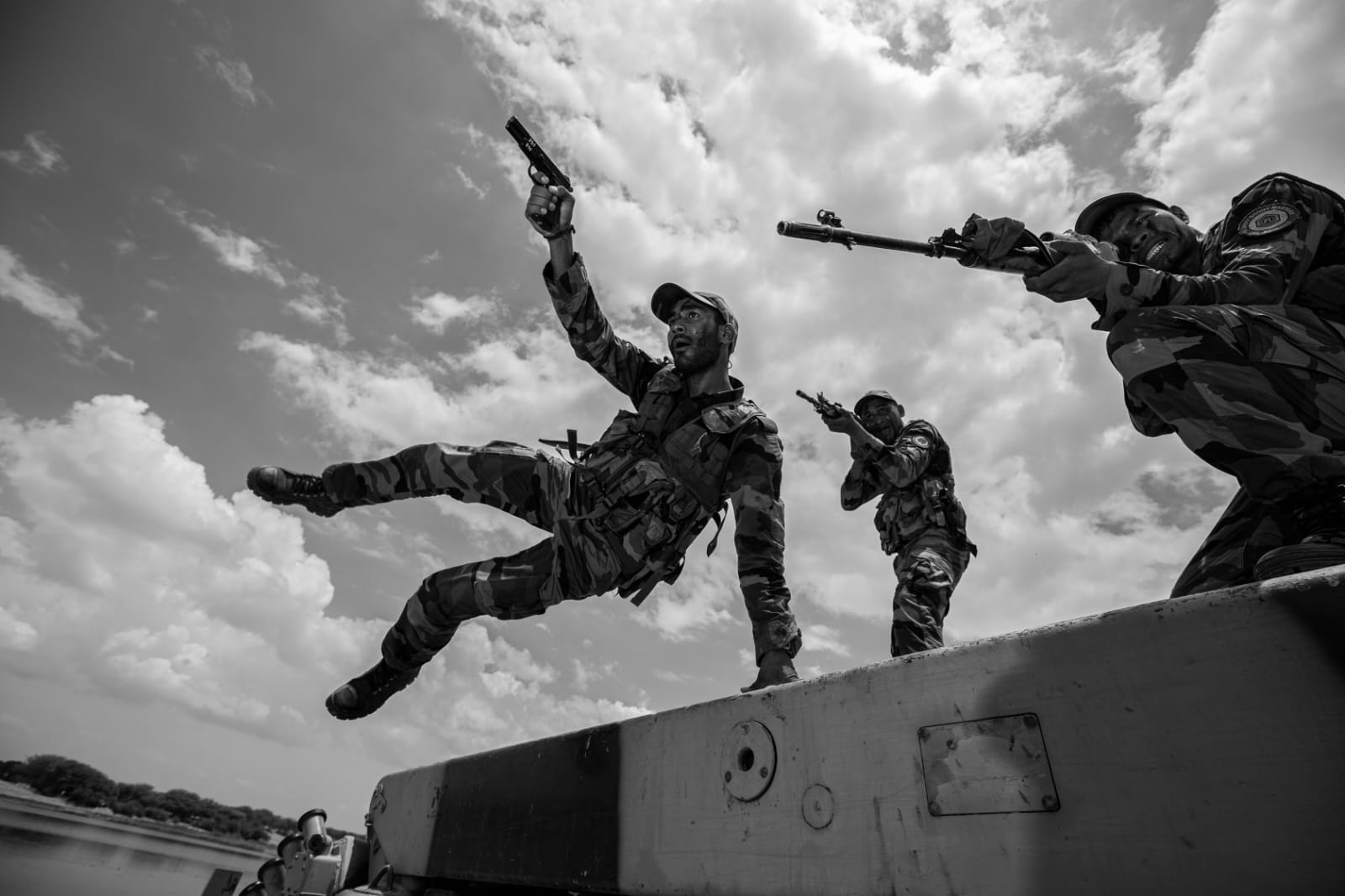
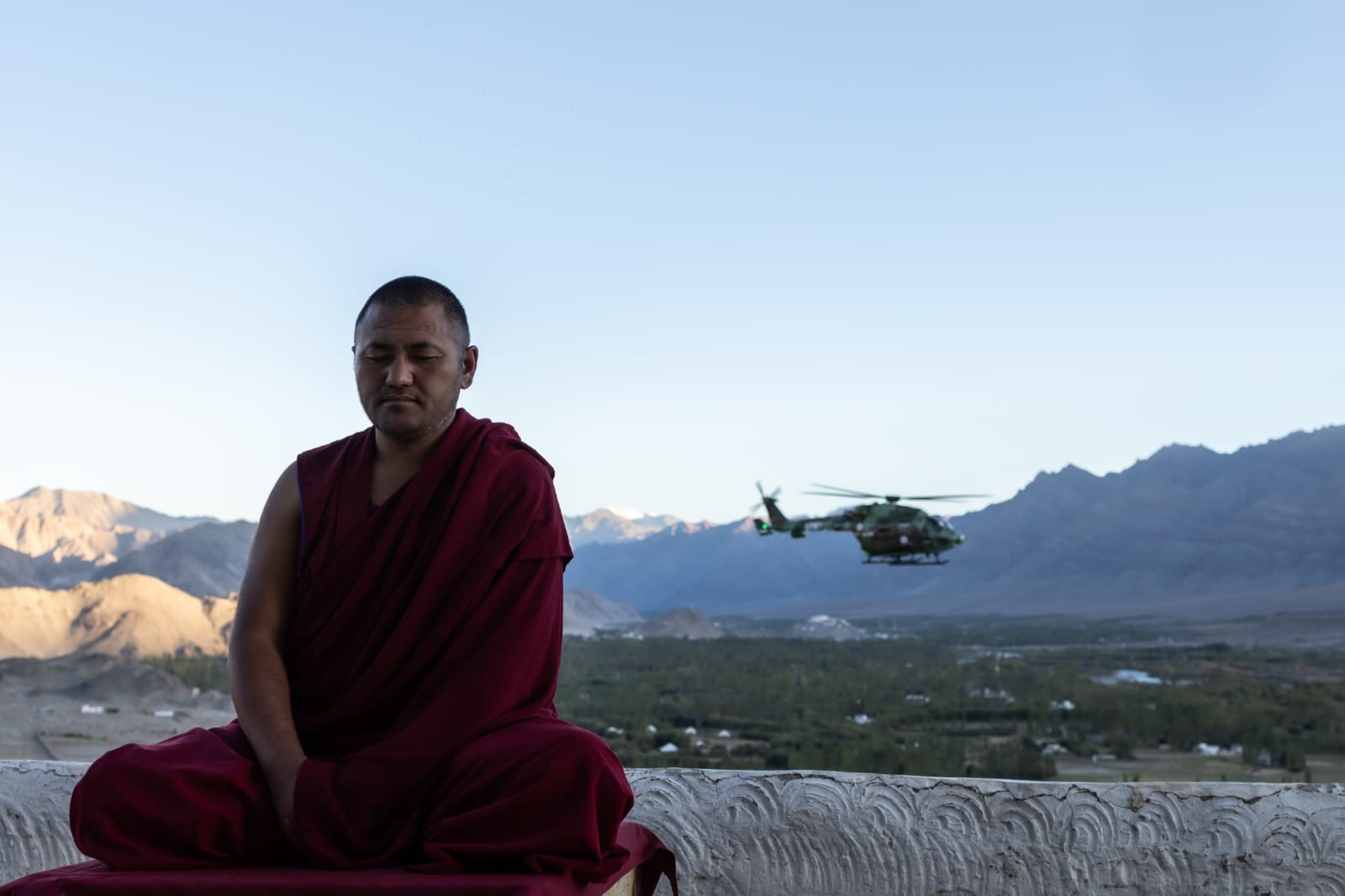
There is a particular kind of eye that only comes from bearing witness, to landscapes, to people under pressure, to moments that will not repeat themselves. You developed yours over 25 years in the Indian Army, 10 of them in Jammu & Kashmir. Before we talk about weddings, tell us about the photographer you became in the valley. What were you learning to see?
I would not dare call myself a teacher of photography. I am still very much a student, and I take that seriously. What the army gave me, and Kashmir specifically, was the discipline of daily investment in the craft. No matter how demanding the schedule, I always found time and energy to upskill myself. Time is not enough on its own. Energy matters equally. That combination, applied consistently over years, is where the eye actually develops.
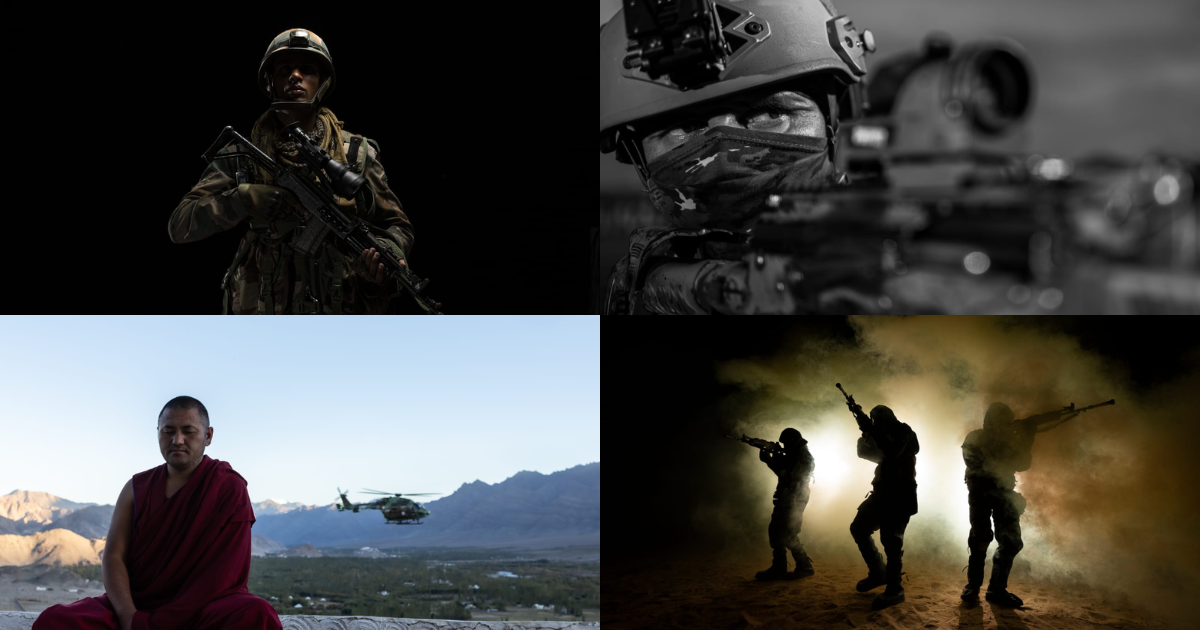
A Gallantry award. An operational injury that changed the course of your service. And then, a camera that became something more than a hobby. How did photography become the thing that held you together during that transition, and what did it ask of you that the uniform never had?
I think I was always far more creative than I had the language or the space to define myself as. Growing up in the late seventies and early eighties, the conversation in households like mine did not revolve around creative careers. Those conversations were directed toward more defined, socially sanctioned paths. But the creative instinct was always there, waiting.
The real beginning was in Ethiopia, part of a United Nations peacekeeping mission, when my brother gifted me a film camera and a bag of rolls. He said: shoot as much as you can. Months later, because there were no developers in Eritrea where we were stationed, I would come back with entire rolls and find perhaps three frames exposed correctly out of thirty-two.
That waiting, that anticipation, that discovery months later of what you had managed to see and hold, taught me a quality of patience that cannot be taught in any classroom. It is something you arrive at through practice, through repetition, through the particular discipline of working with film when film is the only option available. That experience became foundational to everything that followed.
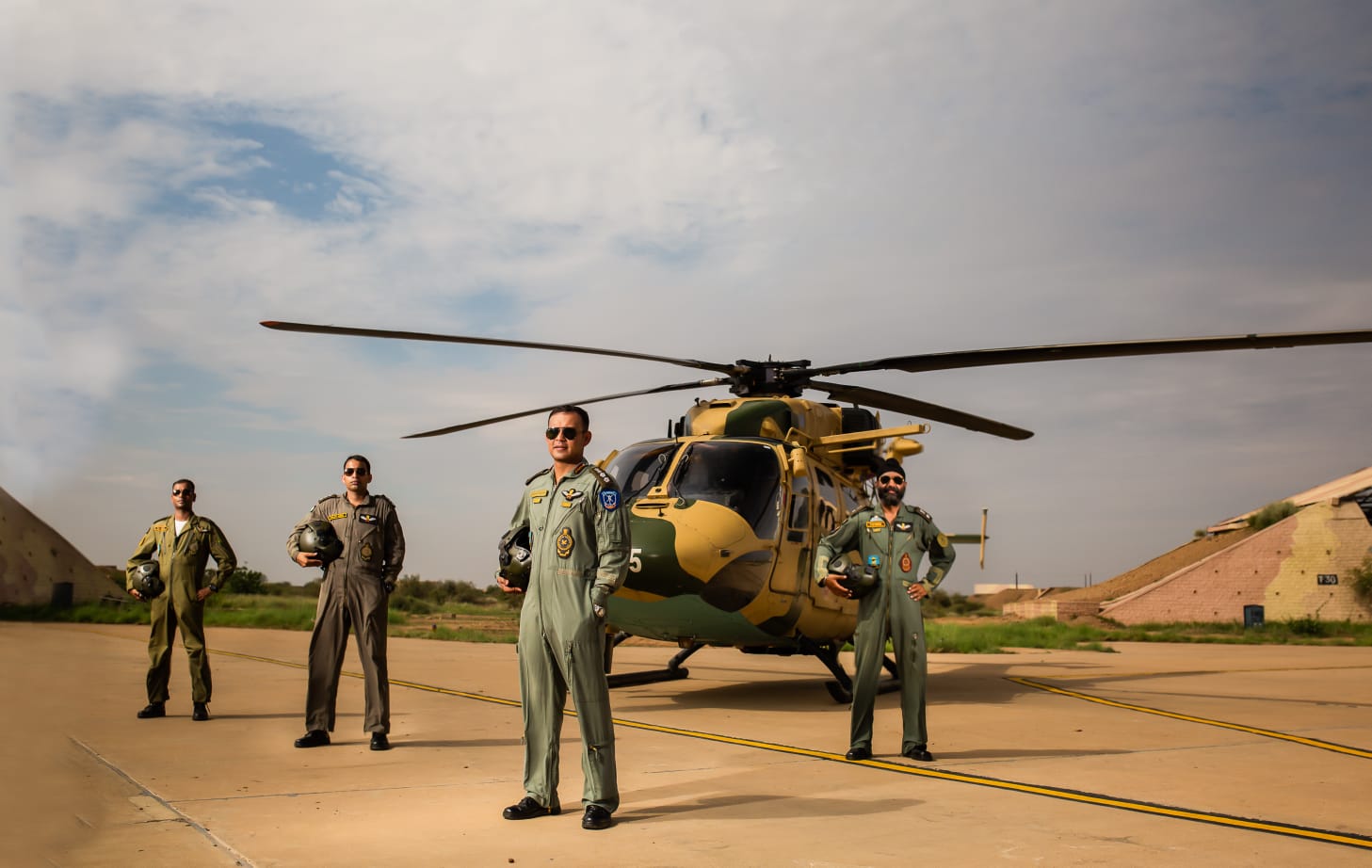
You carried a camera through United Nations postings in Ethiopia, through parts of India that exist outside the frame of most people’s imagination, and eventually the Army itself began to use your lens. What is the image from that chapter of your life that stays with you?
There are two that I return to most often, though I think any photographer who tells you they have a single favourite image is either modest or not being entirely honest.
The first is a commissioned image of an Apache helicopter landing in the desert, the sand rising from the ground in a great column, the silhouette of the aircraft visible through it, and a soldier standing directly in front directing the landing. The scale of it, the tension of it, the almost sculptural quality of the light through the sand, is something I have never quite replicated.
The second is more personal. A child in Kashmir, film camera again, carrying a very long saw on his way to find wood for his home in the evening. That image has never left me. In some ways, it never will.
Between those two frames lies most of what I learned about what photography is actually capable of.
Your sister’s wedding was the pivot. One celebration, one afternoon behind a lens, and something shifted. What did you find in that room that you recognised from somewhere deeper?
What I found was that everything I had been searching for across the world in documentary photography was available in a single venue, on a single afternoon. Every emotion across the full spectrum of human feeling. The grandeur and the intimacy simultaneously. The public moment and the private one happening in the same frame.
What I also recognised was that wedding photography, at its best, could be something considerably more than pictures of people looking at the camera or pictures of what happened rather than what was felt. It could be sophisticated, considered, emotionally true. It could look like a life genuinely lived rather than an occasion documented. That realisation was the beginning of everything that followed.
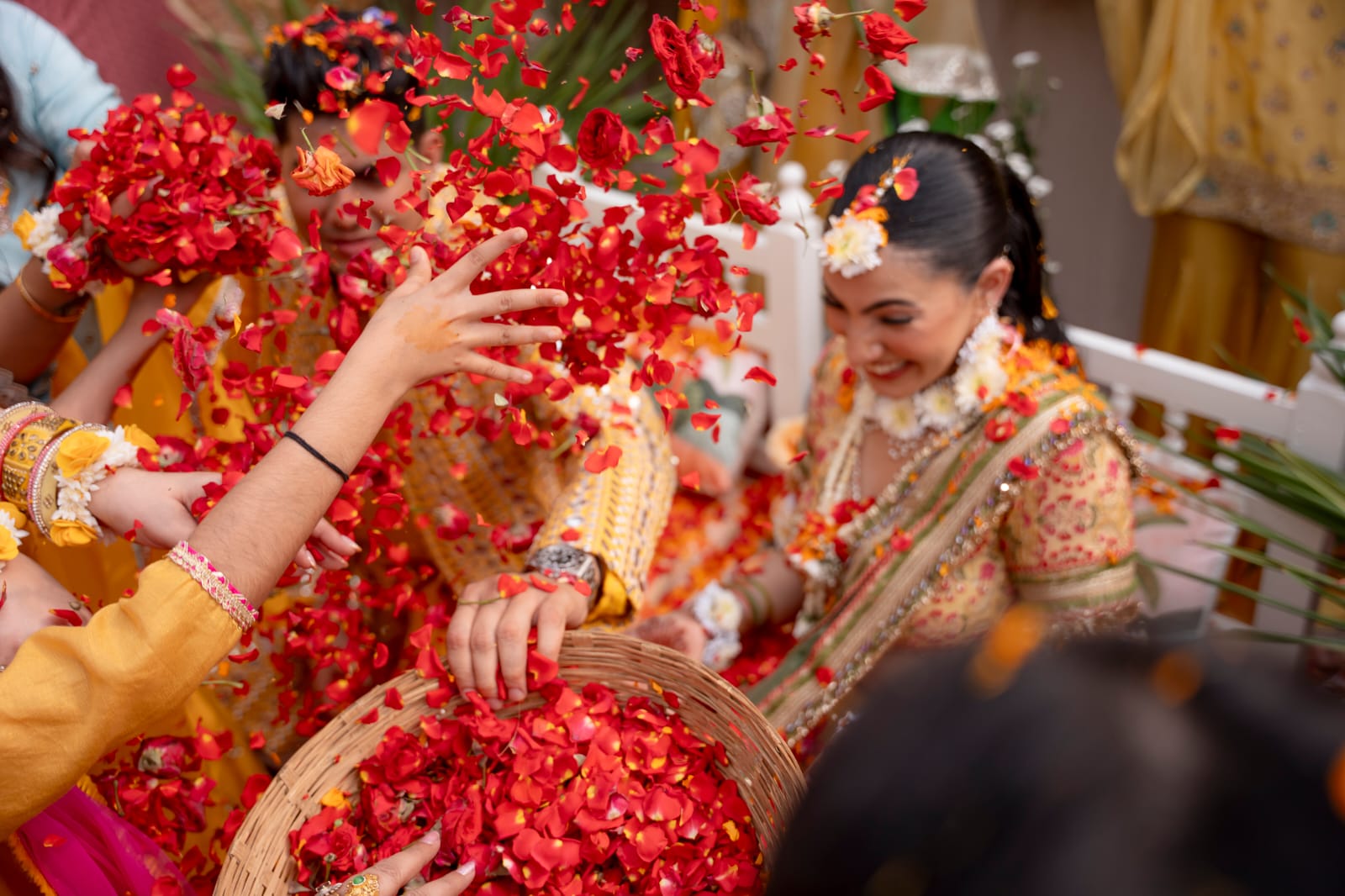
Over 150 weddings. A body of work built largely while you were still in uniform, still serving. Now that you are fully here, fully behind the camera on your own terms, what has changed about the work itself?
In terms of the philosophy and the passion, nothing has changed at all. The soul of what we do is exactly what it was when we started. What has changed is the full weight of running a business falling where it belongs, which is on me, and discovering that the pressure of a passionate project and the pressure of a commercial operation are genuinely different things.
What I have chosen to hold constant is the decision to shoot every project myself, which means we are intentionally selective about how many weddings we take on in a year. That selectivity is not a limitation. It is the thing that keeps the work honest. The moment you delegate the creative centre of what you do, you lose the thing that made people choose you in the first place.
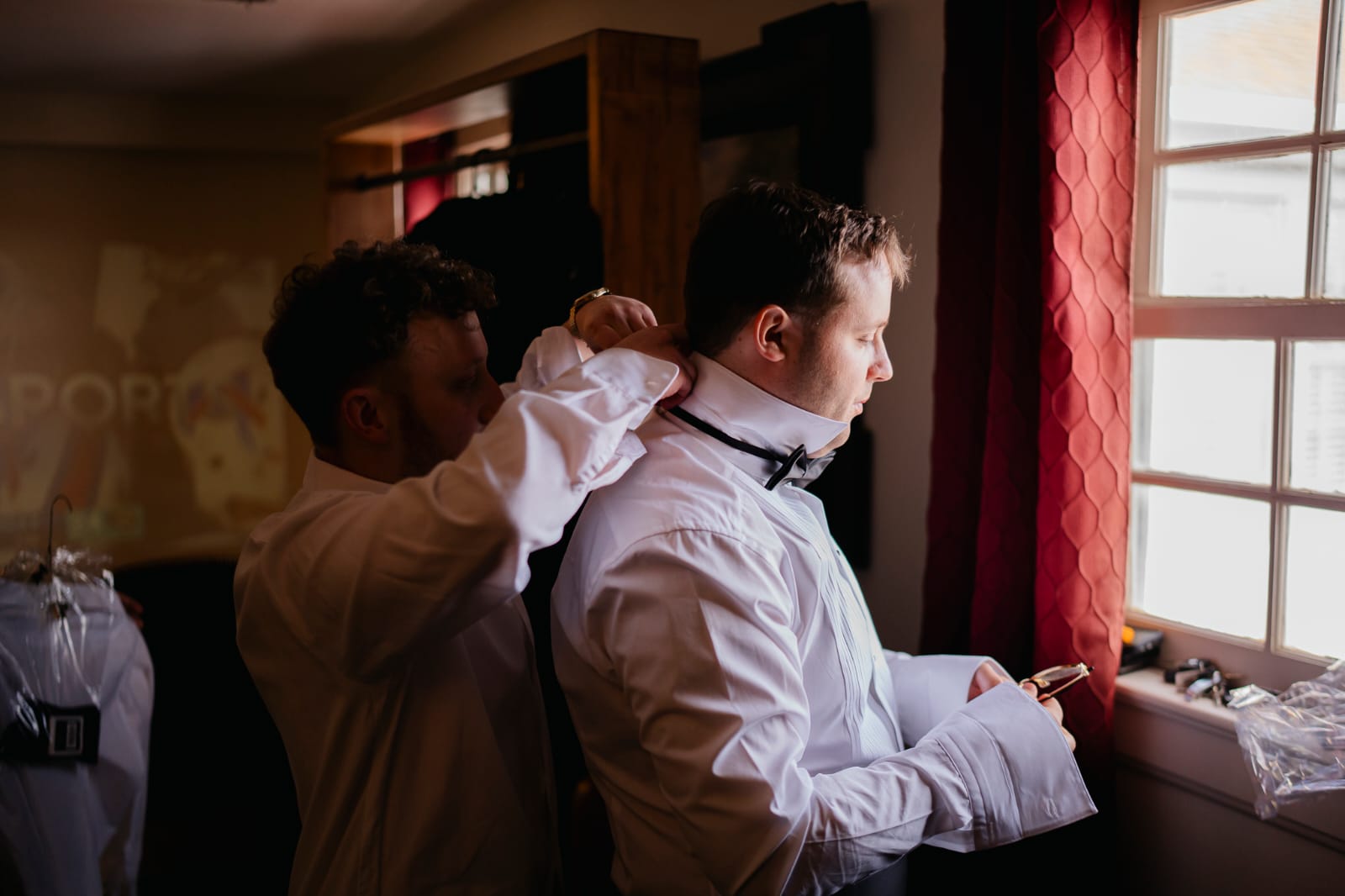
Wedding photography at this level is as much about reading people as it is about reading light. You have spent a career in environments where reading a room correctly was not a professional skill but something considerably more urgent. How does that instinct show up in the way you move through a celebration?
The most important thing I have learned, and the most important thing I teach my team, is to anticipate rather than simply observe. These are different disciplines entirely. Observation is reactive. Anticipation is something else: the ability to read what is building in a room, what is gathering, what is about to become the moment, and to be in the correct position before it arrives.
That instinct, developed over years of operating in environments where reading the room had real stakes, is probably the most directly transferable thing my career in the army gave to my career behind the camera. You learn, very quickly, that the decisive moment does not wait for you to arrive at it. You have to be there first.
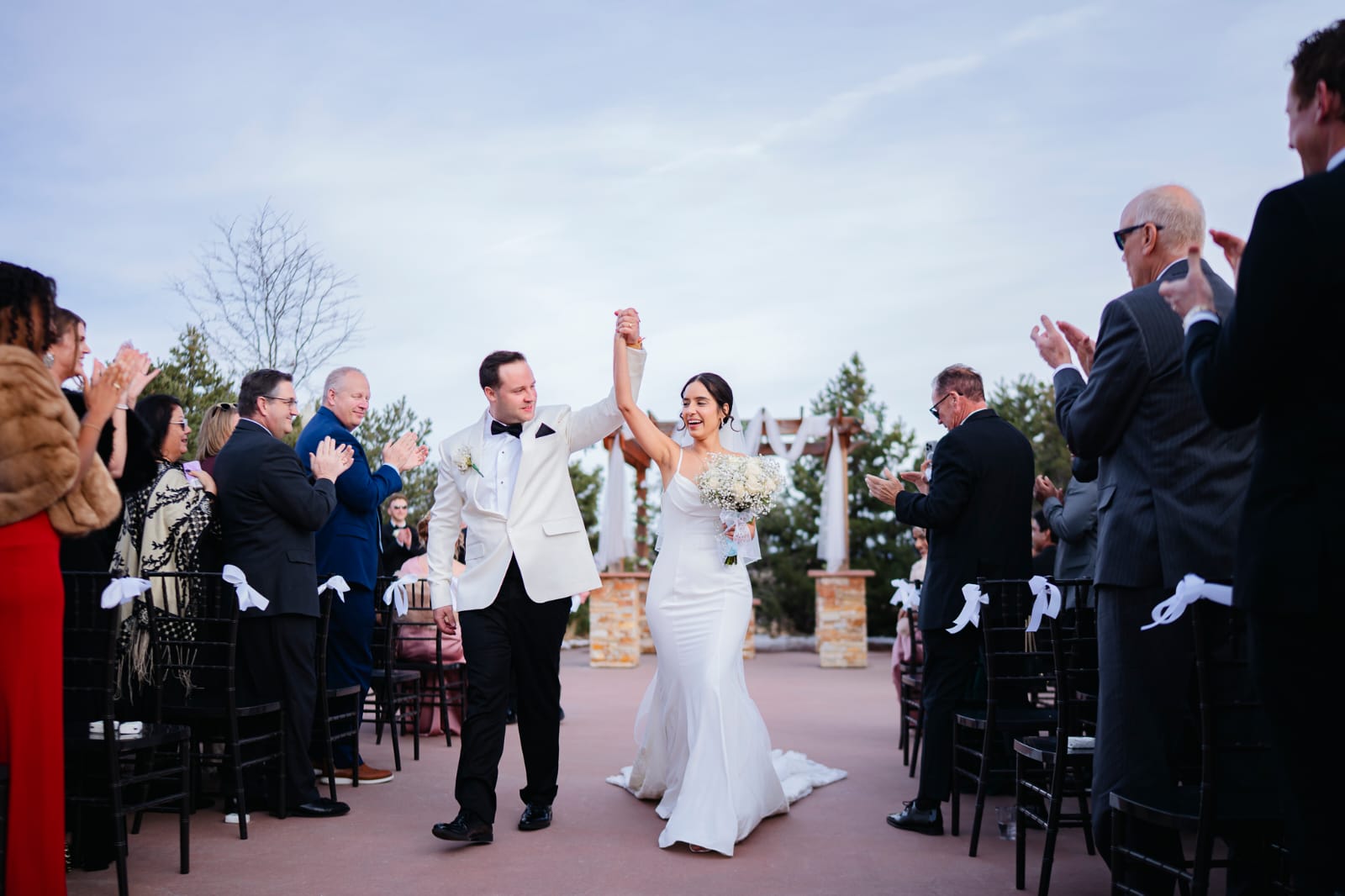
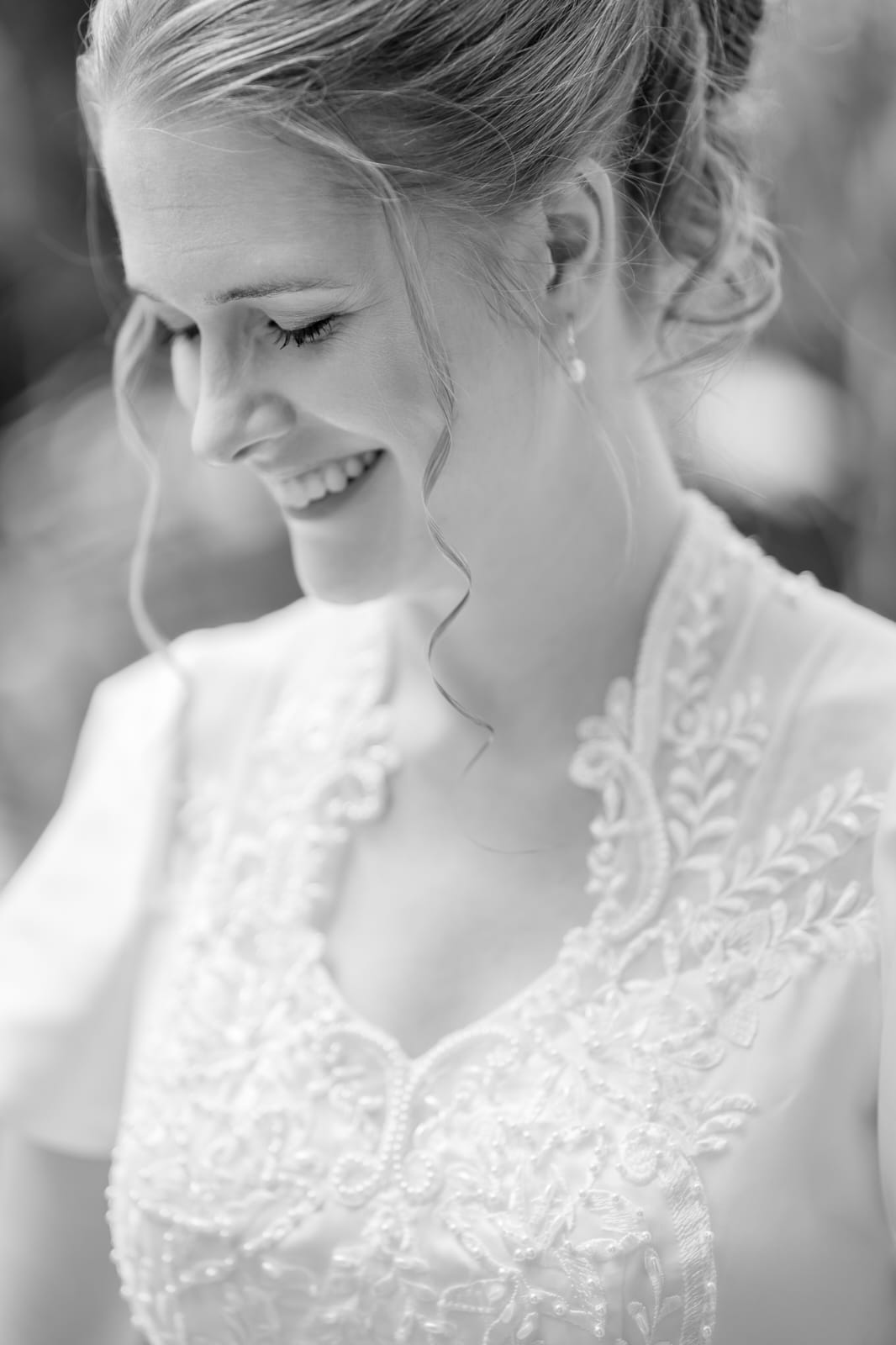
Rikaar Films has documented weddings across cultures and continents. What is the one thing that is always the same, regardless of where in the world you are standing?
The core soul of every wedding, no matter whose God you are paying reverence to, no matter what roof you are standing under, no matter what language the ceremony is conducted in, is unification. Bringing two people together. That essential human act is constant.
What makes every wedding unique is the tradition and the ritual that surrounds that act. The way love is expressed, celebrated, witnessed, and sealed differs across cultures in ways that are endlessly fascinating. But the act at the centre is always the same. And when you understand that, you can walk into any ceremony in the world and find your way into the emotional truth of it very quickly.
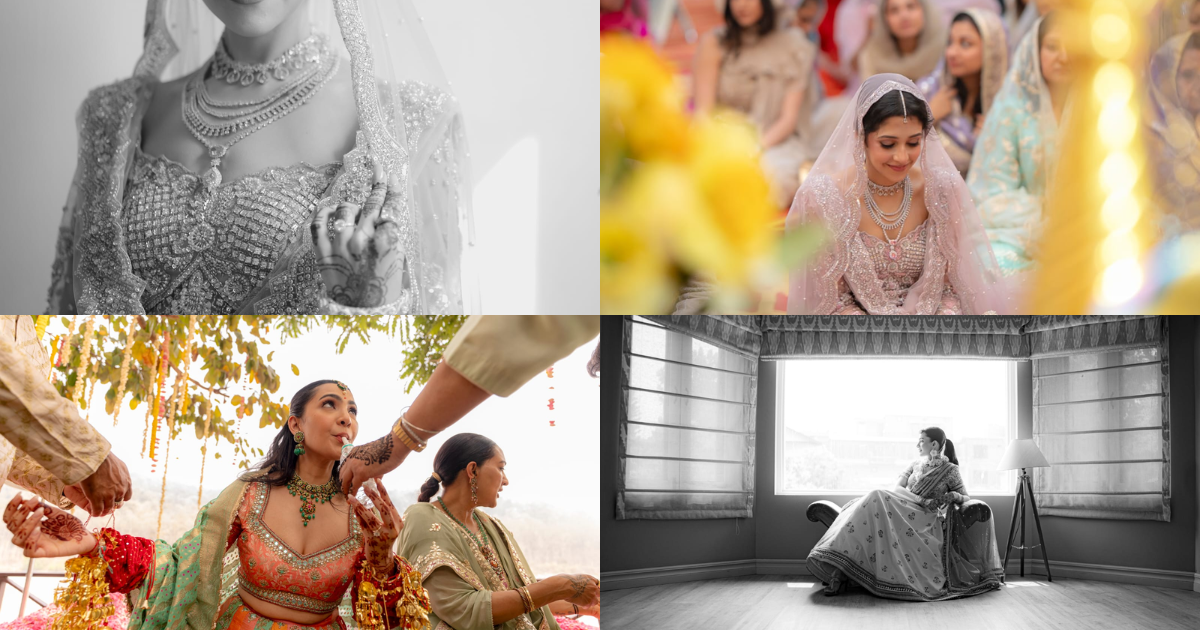
After Kashmir, after Ethiopia, after a career’s worth of weddings on every continent, what is the image you still have not taken?
I genuinely believe my best photograph is the one I have not taken yet. And I am not working toward any particular image or any particular milestone. What I am doing, every day, is loving the process. The everyday creativity, the conversations with couples, the particular quality of anticipation before a wedding, the satisfaction of a gallery that tells a true story: that joy is the work, and the work is the joy.
I think the moment a photographer decides they have arrived, something important goes out of the work. The best students are the ones who never stop being students. That is the only thing I am certain of.
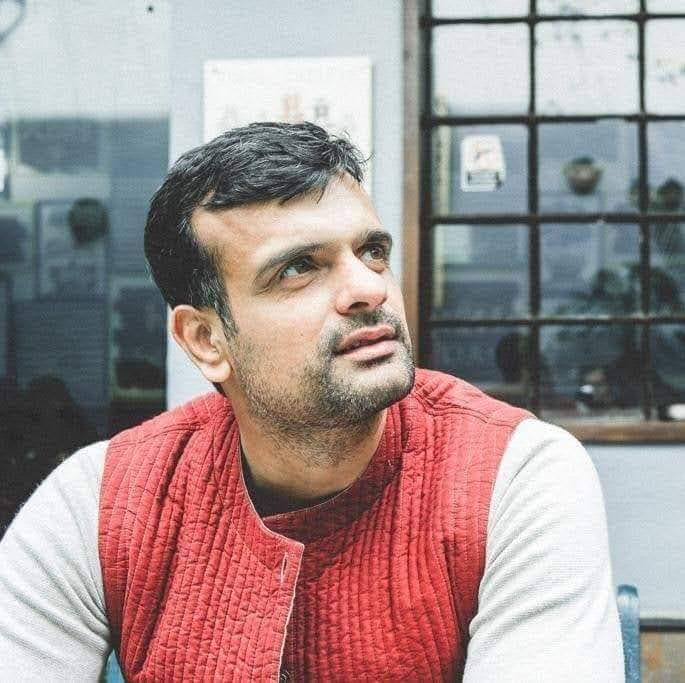
You are, by your own admission, still learning what it means to run a business rather than simply make beautiful work within one. What does this chapter feel like, and what does Rikaar Films look like when you have built it entirely on your own terms?
I think the most honest thing I can say is that I have made peace with who I am, which is someone who is exceptional at the creative work and still learning the business around it. What I have found is that the right clients, the ones worth working with, understand and appreciate that honesty. They are not choosing Rikaar Films for a polished commercial operation. They are choosing it because they recognise something genuine in what we do.
The team I am building around me, young, intelligent, more business-informed than I am, is helping shape the structure. But the soul will never change. Whatever form Rikaar Films takes, whatever scale it reaches, the core passion, for the image, for the story, for the specific and unrepeatable quality of a moment genuinely felt and honestly captured, will remain exactly what it is.
That, I think, is more than enough to build something lasting on.
Follow Best List India for the culture, conversations, and ideas worth paying attention to.